Top 7 Caves around Santa Pau
Best caves around Santa Pau are primarily natural features resulting from the region's volcanic past and geological processes. This charming medieval village is nestled within the Garrotxa Volcanic Zone, an area renowned for its distinctive natural formations. While traditional limestone caverns are not common, the landscape offers various cave-like experiences. The area provides a unique blend of historical charm and geological interest for visitors.
Best caves around Santa Pau
- The most popular caves is Oratory of Mare de Déu de…
Last updated: July 4, 2026
Oratory of Mare de Déu de les Olletes
Highlight • Religious Site
Translated by Google •
Tip by

Garrell's Tomb
Highlight • Cave
Translated by Google •
Tip by

Sign up now to discover places like this
Get recommendations on the best single tracks, peaks, & plenty of other exciting outdoor places.
Sign up for free
Baumes de Caixurma
Highlight • Cave
Located south of Castellfollit de la Roca, within the municipality of …
Translated by Google •
Tip by

Bandoleros' Mine
Highlight • Cave
Translated by Google •
Tip by

Bauma Rest
Highlight • Cave
Translated by Google •
Tip by

Start today with a free account
Your next adventure awaits.
Login or Signup
Tips from the Community

The bridge at the end leading back to Castellfollit de la Roca is in danger of collapsing and is not accessible.
0
0

In these Baumas and cavities, a certain number of protected cave-dwelling invertebrates and Bats live. It is advisable not to ENTER some of these Baumas and ensure that our passage through the area causes the least possible impact.🙋
1
0
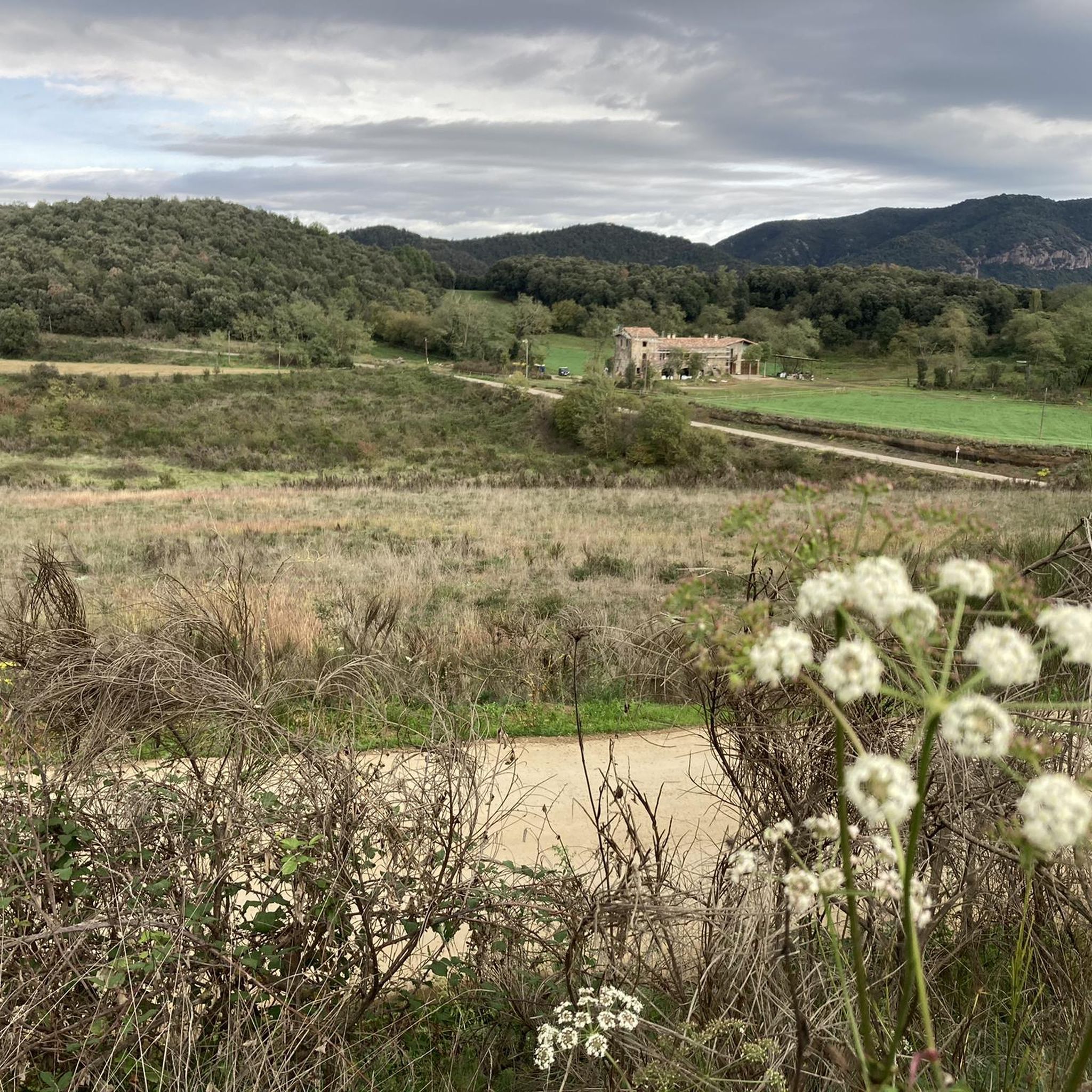
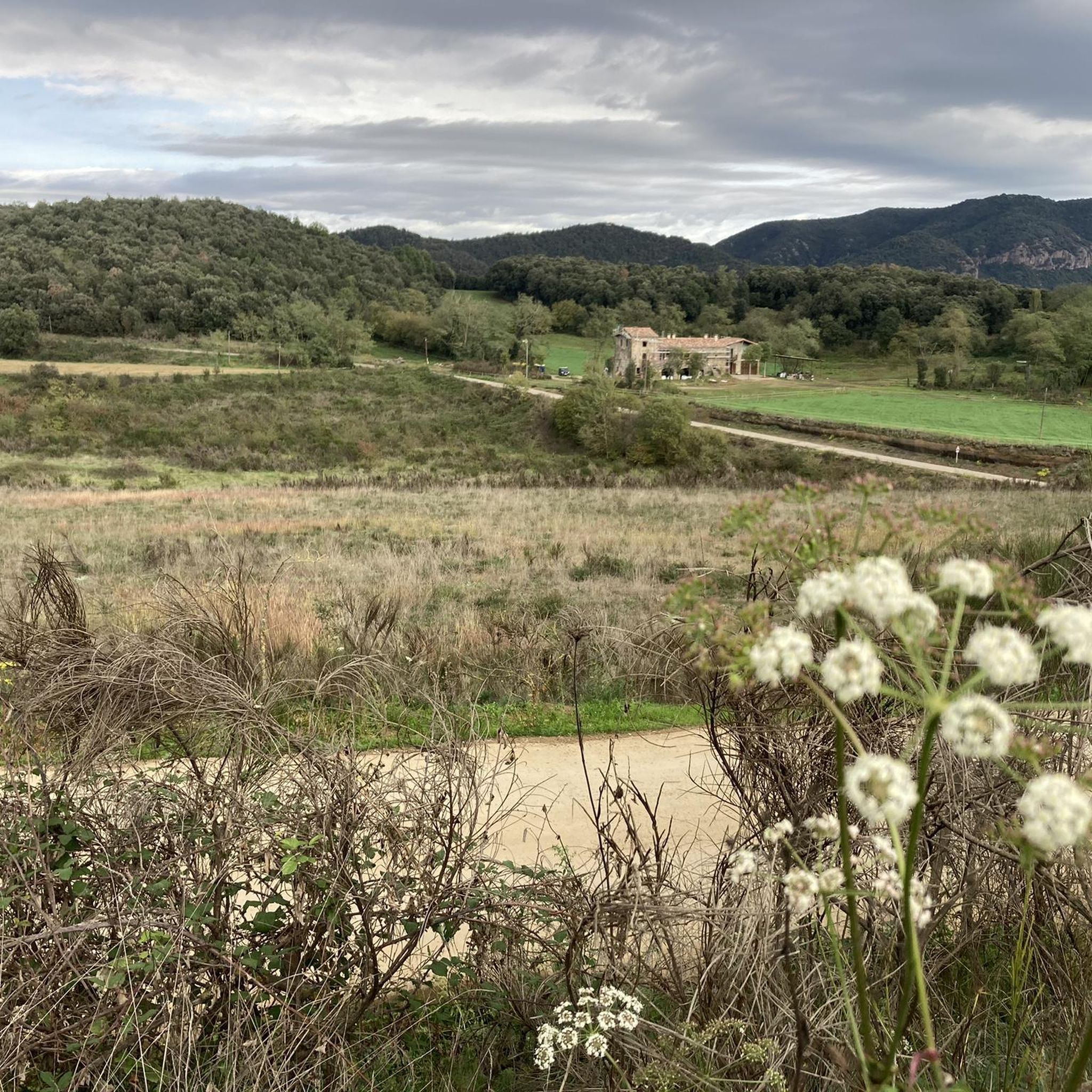
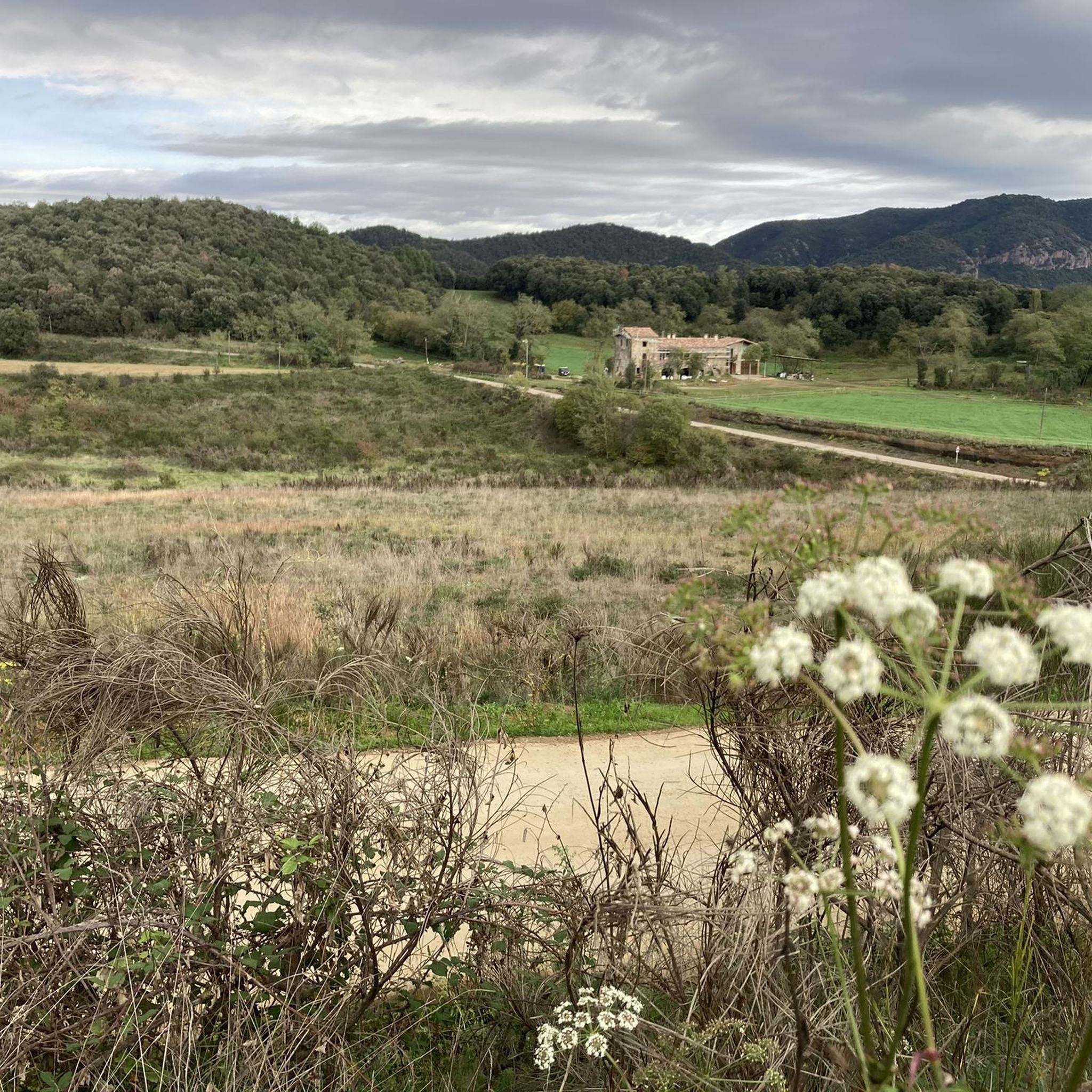
Here outside the Baumas... perfect place to regain strength and appreciate a pure and unique landscape
1
0

It is an artificial cave 15 meters long built with a hammer and escarpment. Personally it is what I liked the most with all those drawings engraved on the stone. At the entrance to the cave there is a commemorative plaque where it says the following: En aquest lloc va començar tot. «Here are buried my fantasies and my illusions». I really liked it because after visiting the place and watching the documentary, it became clear to me that Garrell invested many hours here, with a lot of enthusiasm and passion.
0
0

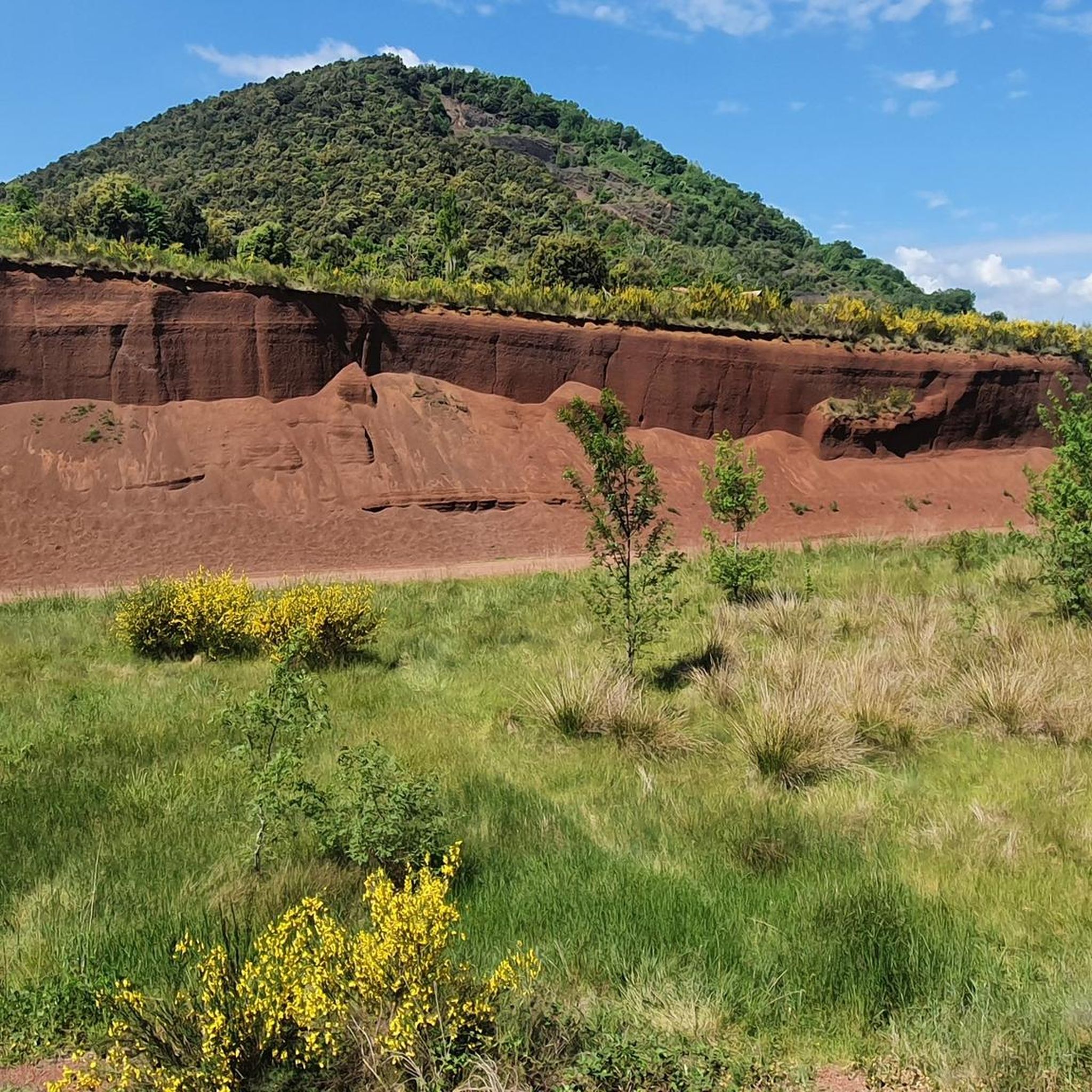
The Baumes de Caixurma are a complex system of labyrinthine galleries and narrow cracks that run between large blocks. Located south of Castellfollit de la Roca, within the municipality of Montagut and Oix. These are blocks of bluish-gray shale marl. According to the cartography of the Geological Institute of Catalonia, they are Eocene materials from the Lutetian. The entrances to the baumes, with an approximate length of 400m, are hidden by the dense vegetation
0
0

The constructions are part of the work carried out by Josep Pujuila, who in addition to Garrell was known as 'Tarzán de Arguelager' and who was born in this municipality at the end of the 30s of the last century. this is the cave that is part of the enclosure created by this character over the years. A few hundred meters further on you can see another construction, the orchard.
0
0

It is a small oratory 5 meters high, 8 meters deep and 4 meters wide, dug into the rock and closed by a gate. It houses a Baroque alabaster image of the Virgin Mary, about 50 cm. height, a copy of the original, which is preserved in the town's parish church. Next to it and rising above the road are the remains of the building where the objects needed for the worship of the chapel were kept. Its origin can be traced back to the beginning of the 17th century, when, according to traditional references, an image of the Virgin Mary was found in a small depression in the ground, that is, in a "pot", which has given its name to the oratory This hole is a few steps away, on a support of the cliff, which has been retouched in order to be able to put a fence. When the image from this corner was moved to the chapel, one of the Virgin Mary of Núria was placed in its place. pot-shaped cavities found around
0
1

The Bandoleros mine is a crevice about 50 meters long, with a maximum height of four meters and a width of just over one meter. There are several stories that mention this mine as a hiding place for bandits. Its good location next to the Camino Real from Vic to Olot turned this trench into a highly valuable hiding place for criminals.
2
0
Frequently Asked Questions
What kind of 'caves' can I expect to find around Santa Pau?
The 'caves' around Santa Pau are primarily unique geological formations shaped by the region's volcanic past, rather than traditional limestone caves. You'll discover lava tubes, natural crevices, and historical sites carved into rock within the Garrotxa Volcanic Zone Natural Park. This area is characterized by over 40 inactive volcanoes and numerous lava flows, offering a distinct exploration experience.
Are there any historical 'caves' or rock-cut sites to explore near Santa Pau?
Yes, the region is rich in historical rock-cut sites. You can visit the Oratory of Mare de Déu de les Olletes, a religious site carved into rock, housing a Baroque alabaster image. Another significant historical spot is Bandoleros' Mine, a natural crevice about 50 meters long that served as a hideout for bandits. Additionally, Garrell's Tomb is an artificial cave, 15 meters long, carved by Josep Pujuila.
What are the geological features of the 'caves' in the Santa Pau area?
The geological features are largely influenced by the Garrotxa Volcanic Zone. Formations like Baumes de Caixurma consist of labyrinthine galleries and narrow cracks found between large blocks of bluish-gray shale marl, dating back to the Eocene period. The entire region showcases the effects of ancient volcanic activity, with lava flows and volcanic structures shaping the landscape.
Are there any family-friendly 'caves' or easy-to-access rock formations?
Many of the sites, while unique, involve some walking on natural terrain. The Oratory of Mare de Déu de les Olletes is a relatively accessible rock-cut site. For a more adventurous family, exploring the entrance areas of Bandoleros' Mine can be an engaging experience, though some sections might be narrow. Always check the specific highlight details for difficulty ratings.
What is the best time to visit the 'caves' and rock formations around Santa Pau?
The Garrotxa region is pleasant to visit during spring and autumn when the weather is mild, and the volcanic landscapes are vibrant with color. Summer can be warm, but the shade provided by some of the rock formations and surrounding forests can offer respite. Winter visits are also possible, though some paths might be damp.
What outdoor activities can I do near these 'caves'?
The Garrotxa Volcanic Zone Natural Park offers a wide range of outdoor activities. You can find numerous hiking trails, including routes around the Santa Margarida and Croscat volcanoes. There are also excellent options for mountain biking and road cycling, allowing you to explore the unique volcanic landscape and charming medieval villages.
Are there any less crowded 'caves' or hidden gems in the Santa Pau area?
While the main sites like the Oratory and Bandoleros' Mine are popular, the extensive network of natural formations means you can often find quieter spots. The Baumes de Caixurma, with their labyrinthine galleries and entrances often hidden by dense vegetation, can offer a more secluded exploration for those seeking a deeper dive into the region's geology.
What should I wear when exploring the 'caves' and rock formations?
It's advisable to wear comfortable, sturdy walking shoes or hiking boots, as the terrain can be uneven and rocky. Layers of clothing are recommended, as temperatures inside some formations can be cooler than outside. A headlamp or flashlight can be useful for exploring deeper crevices, and long pants might protect against scratches.
How long does it typically take to explore these sites?
The time required varies by site. The Oratory of Mare de Déu de les Olletes might take a short visit of 15-30 minutes. Exploring Bandoleros' Mine could take 30-60 minutes. For more complex systems like Baumes de Caixurma, you could spend several hours navigating the galleries. Plan your visit based on the specific sites you wish to see and their associated trails.
Is there any wildlife to look out for in or around the 'caves'?
Yes, the natural formations and surrounding forests are home to various species. In the Baumes de Caixurma, for instance, protected cave-dwelling invertebrates and bats are known to reside. When exploring, it's important to be mindful of these habitats and minimize your impact on the local ecosystem.
Are there any viewpoints or scenic spots associated with these rock formations?
Yes, some formations offer scenic views. Bauma Rest is noted as a natural monument and a viewpoint, providing opportunities to appreciate the surrounding volcanic landscape. Many trails leading to these sites also offer panoramic vistas of the Garrotxa Volcanic Zone.
Most popular routes around Santa Pau
Most popular attractions around Santa Pau

Get inspired with the komoot mobile app


Explore more
Extend your search for the best caves by checking out these guides of the top ones around Santa Pau:
