Top 6 Gorges around Guixers
Canyons around Guixers are situated in the Solsonès region of Catalonia, an area known for its mountainous terrain within the Pre-Pyrenees. This location provides access to a variety of natural formations, including narrow channels and deep gorges. The landscape is characterized by limestone formations and diverse geological features, offering opportunities for exploration. Guixers itself is a municipality within this region, serving as a base for discovering nearby natural attractions.
Best canyons around Guixers
- The most popular canyons is The Capolatell…
Last updated: June 20, 2026
The Capolatell (Busa Prison)
Highlight • Natural Monument
Translated by Google •
Tip by

Mal Pas de Capolat
Highlight • Mountain Pass
Translated by Google •
Tip by

Sign up now to discover places like this
Get recommendations on the best single tracks, peaks, & plenty of other exciting outdoor places.
Sign up for free
Gerdera Channel
Highlight • River
Translated by Google •
Tip by

Cliffs of Sant Salvador
Highlight • Gorge
Tip by

Grau de l'Escala
Highlight (Segment) • Trail
If you go uphill, in the first section you go up an iron staircase …
Translated by Google •
Tip by

Sign up for free to discover even more gorges around Guixers.
Sign up for free
Already have an account?
Start today with a free account
Your next adventure awaits.
Login or Signup
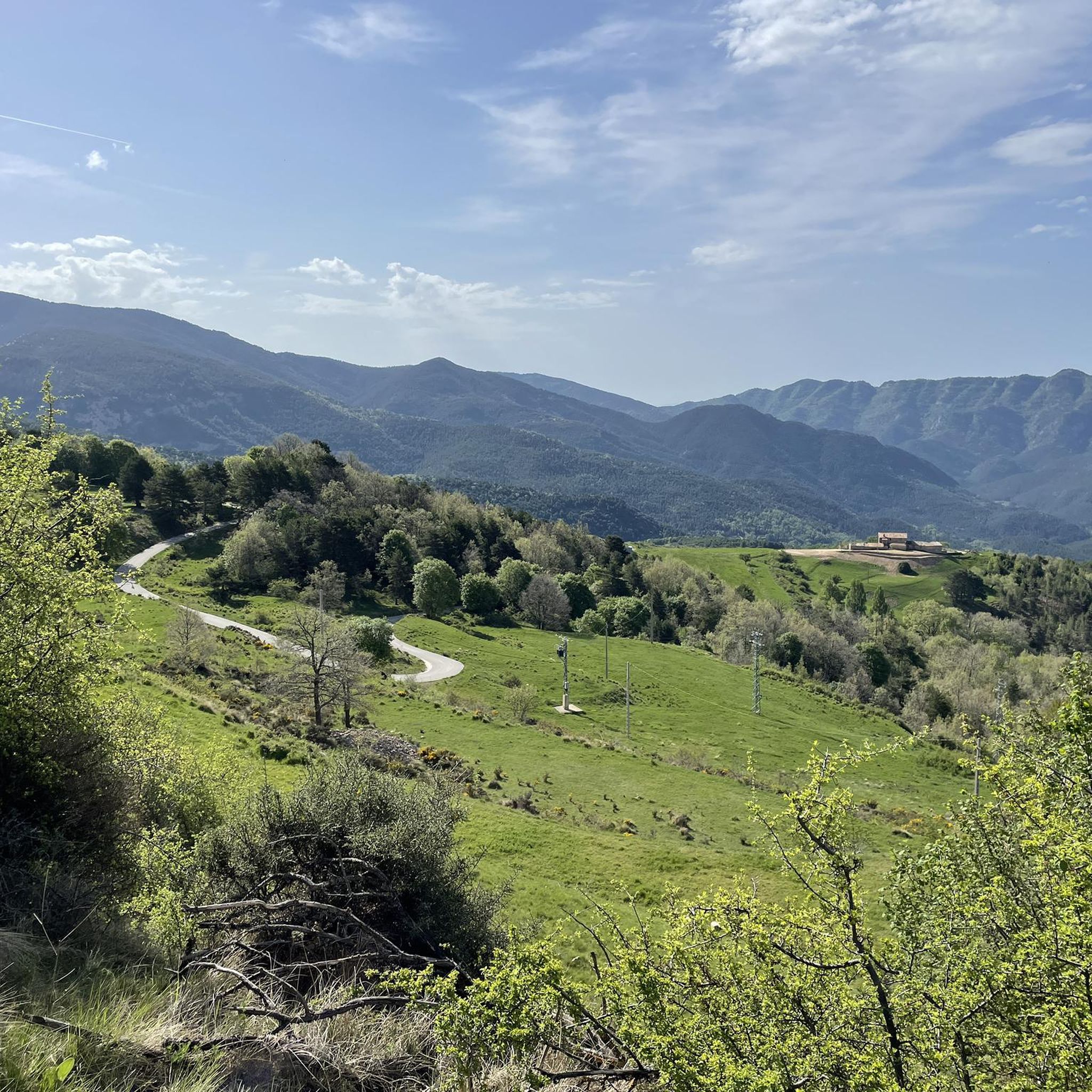
Tips from the Community

Departure to explore trails and routes, but always knowing the end point where to go for breakfast (Cal Parera).
0
0

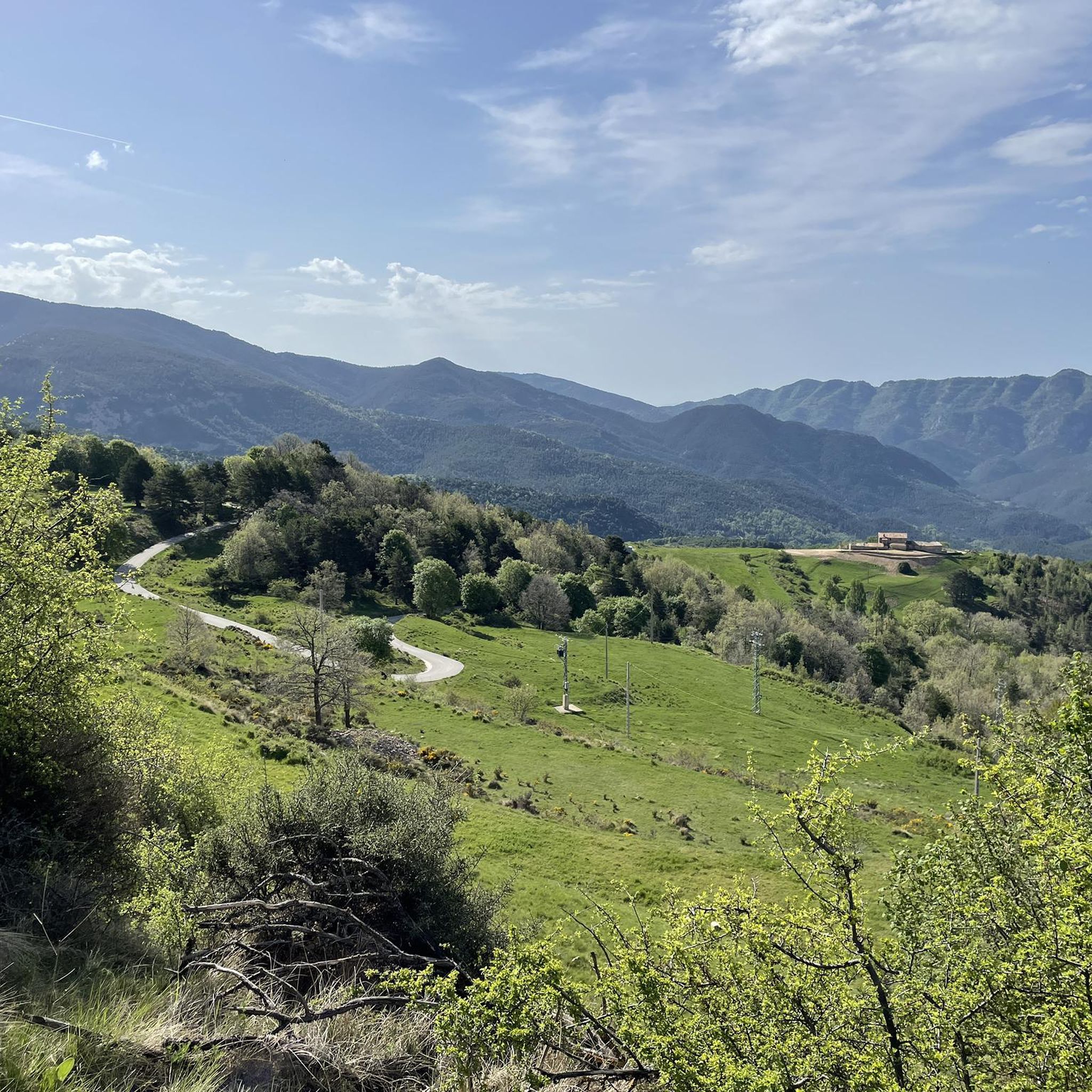
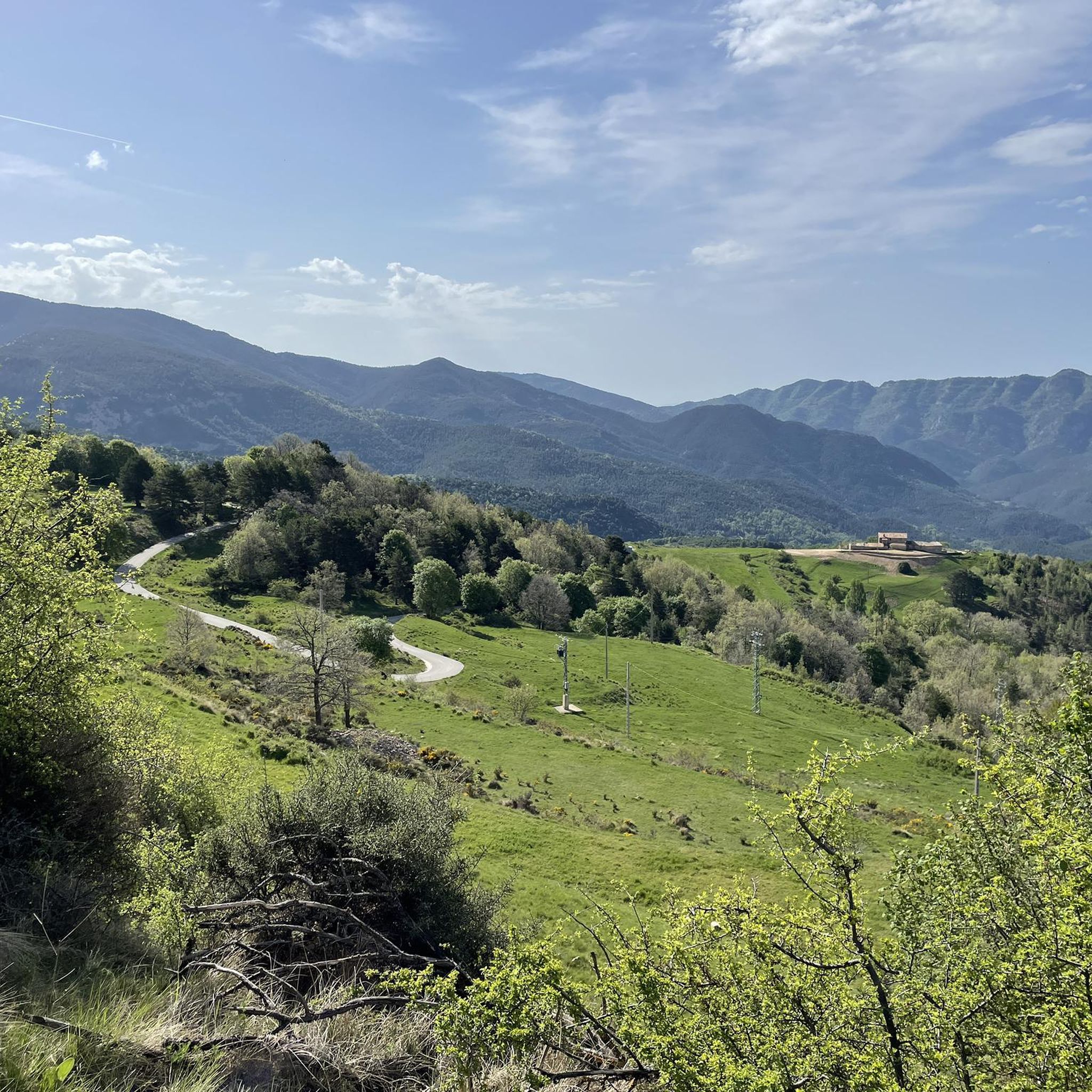
Ideal port on its southern slope for those who like climbs with high percentages. Mostly concreted road with a spectacular layout as it is excavated in the rock.
0
0

The jail or prison of Busa is located in El Capolatell, a plain surrounded by cliffs located in the municipality of Navès, in the Sierra de Busa. Being separated from the plane by a deep crack, it remains like a natural island, surrounded by cliffs. It was used as a prison during the French War of Independence. A place with a lot of history.
0
0

The natural prison of Busa is located in the Capotell. A plane surrounded by cliffs where it could only be accessed by a bridge that connected with this type of natural island that was placed and removed during the French War to enter prisoners.
1
0

The Gerdera channel is a small tributary of the torrent de les Mulleres. It is located on the north face of the Sierra del Cadí.
0
0

Very straight grade of about 50 m located on the access route to the Busa plain. If you go uphill, in the first section you go up an iron staircase (10 m) and then, by means of wooden steps well fitted between the rock and some mechanical handrails, you pass a vertical and narrow rocky channel. Perfectly signposted at both ends.
0
0
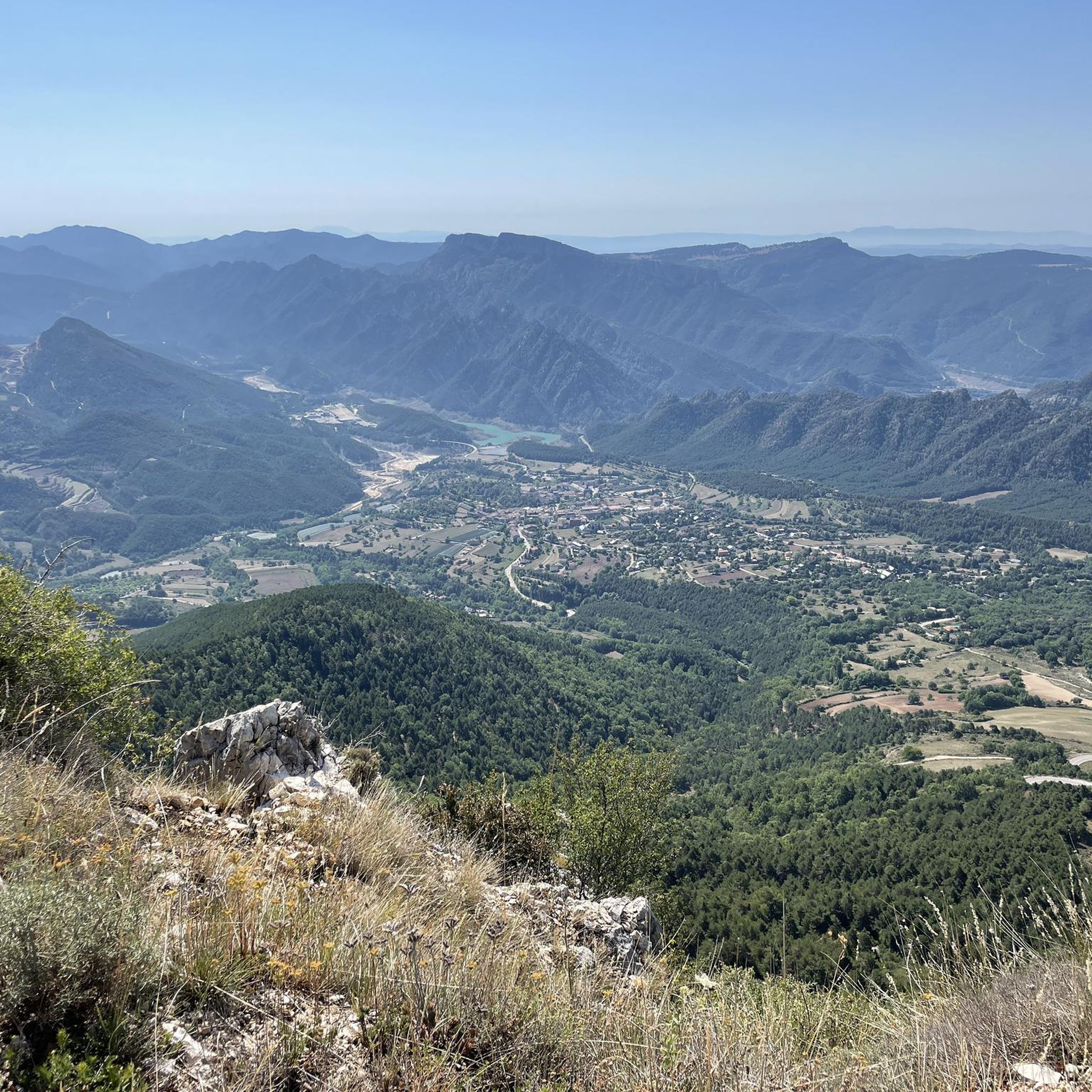
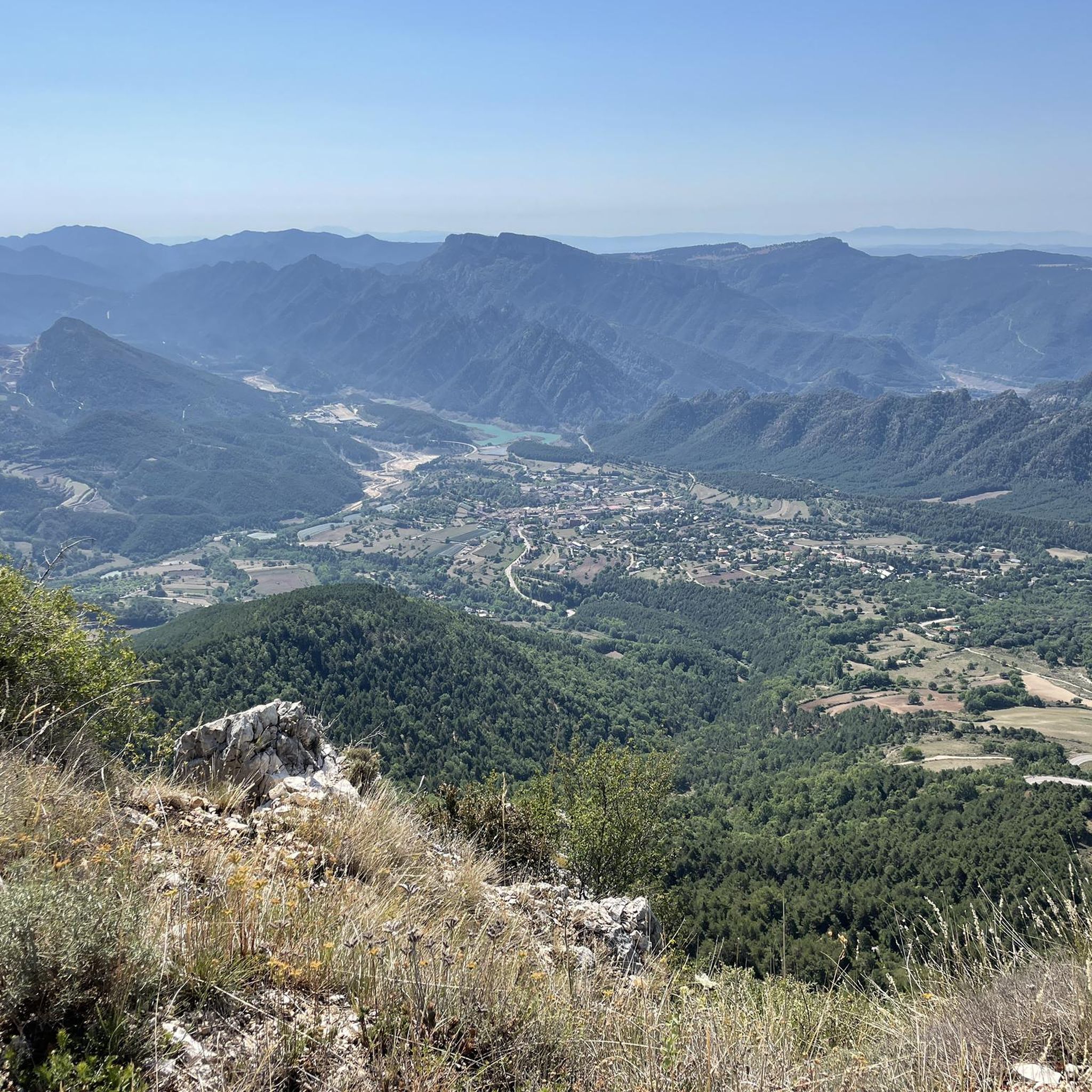
The peak is completely surrounded by nearly vertical cliffs of a hundred meters of difference except at its eastern end where it presents a narrow gorge through which it joins the Serra de Busa. At this point the cliff must not be much more than ten meters deep. Despite this, it is high enough to require a lever or bridge to access the grinding wheel. Until about fifteen years ago, it consisted of a pair of logs joined by horizontal wooden planks and had no railings. Due to its precarious state, it was replaced by a metal lever by the neighbors of Navès. The mill is made up of Montserrat conglomerates and is notched by numerous chasms. Of particular note is one located at the south-western end called the Capolatell chasm with a depth of 115 meters, which makes it the second deepest chasm in the region, surpassed only by the Montserrat Ubach chasm. This very particular morphology led to the fact that during the French war (1808-1814) the Capolatell was used as a prison for soldiers of Napoleon's army, which led to the fact that even today the Capolatell is also known by the name of the Busa Prison At its western end we find a viewpoint that takes your breath away.
0
0

The climb itself is very steep, and on concrete surface. But the rolling hills to Capolat afterwards are surrounded by very beautiful Catalan country side.
0
0
Frequently Asked Questions
What are the most notable natural features to explore around Guixers?
The region around Guixers is rich in unique geological formations. One of the most remarkable is The Capolatell (Busa Prison), a natural monument featuring a plain surrounded by cliffs, historically used as a prison. Another significant site is Pont Cabradís, where the Aigua de Valls river flows through a natural rock bridge and disappears underground, creating a unique subterranean passage. You can also find narrow gorges like the Canal of Canalda.
What is the difficulty level of trails in the gorges around Guixers?
The trails in the gorges around Guixers offer a range of difficulties. Some paths, like those leading to Pont Cabradís, can involve sections equipped with chains and ropes, requiring sure-footedness. Highlights such as Mal Pas de Capolat are described as challenging climbs with steep, concreted surfaces. However, many routes are generally considered accessible, with options suitable for families accustomed to walking.
Are there family-friendly options for exploring the gorges around Guixers?
Yes, there are options suitable for families, especially those with children who are used to walking. While some sections may be rugged, the general accessibility of routes leading to natural wonders like Pont Cabradís makes them enjoyable for families. The shaded paths along rivers also provide a pleasant environment.
What historical significance do the canyons and gorges around Guixers hold?
The area has notable historical significance, particularly The Capolatell (Busa Prison). This natural monument, a plain surrounded by cliffs, was famously used as a prison for soldiers during the French War of Independence (1808-1814). Its unique morphology, with a narrow gorge as its only access point, made it a natural fortress.
What kind of geological formations can be found in the Guixers region?
The Guixers region is characterized by diverse geological features. You'll find limestone formations and ancient geological materials dating back 33.8 to 44.2 million years, with even older Triassic and Cretaceous materials (150-200 million years old) overlapping them. The formation of travertine and river caves, such as the one at Pont Cabradís, is a more recent process, not exceeding 1.5 million years, showcasing a blend of ancient and recent geological activity.
What do visitors enjoy most about the gorges around Guixers?
Visitors particularly appreciate the spectacular routes and unique natural formations. For instance, the road ascending through a cliff at Mal Pas de Capolat is described as very photogenic. The narrow channels and gorges, like the Canal of Canalda, are also highly regarded for their scenic beauty and the adventurous experience they offer.
Are there opportunities for wild swimming near the gorges?
Yes, the Aigua de Valls river, which flows through the Pont Cabradís area, offers opportunities for swimming in its cold waters near the natural bridge. The river's water can take on a beautiful turquoise hue, making it an inviting spot for a refreshing dip.
What outdoor activities can I do near the gorges around Guixers?
Beyond exploring the gorges themselves, the area offers various outdoor activities. You can find numerous running trails, including routes like "Running Santuario de Lord — Valle de Lord" or "Sanctuary of Lord – Sant Llorenç de Morunys loop." For cycling enthusiasts, there are touring bicycle routes such as "Clop Bridge – Coll de Jou loop" and challenging road cycling routes like "Serra d'Ensija - Circular Tour of the Cadí Moixeró Natural Park." You can find more details on these activities in the Running Trails around Guixers, Cycling around Guixers, and Road Cycling Routes around Guixers guides.
Are there specific hiking trails that lead to these natural features?
Yes, hiking trails lead to many of the natural wonders. For example, trails to Pont Cabradís are described as spectacular, passing through narrow and beautiful gorges. The Canal of Canalda is also part of a trail leading up to the Shrine of Lord, offering a notable feature for those ascending.
What is the best time to visit the gorges around Guixers?
While there isn't a single 'best' time, the paths along the rivers, such as those leading to Pont Cabradís, are often shaded and cool. This can make them particularly pleasant during warmer months. However, always check local conditions and weather forecasts before your visit, as water levels and trail conditions can vary seasonally.
Can I find viewpoints with scenic vistas in the gorge areas?
Absolutely. Many of the natural features double as excellent viewpoints. The Capolatell (Busa Prison), for instance, has a viewpoint at its western end that offers breathtaking views. Similarly, Mal Pas de Capolat and the Cliffs of Sant Salvador are known for providing good views of the surrounding landscape, including the lower Berguedà region.
Most popular routes around Guixers
Most popular attractions around Guixers

Get inspired with the komoot mobile app


Explore more
Already discovered everything in this region? See additional gorges around Guixers for your next adventure:
