Top 8 Caves around Albarracín
Best caves around Albarracín are primarily rock shelters located within the Protected Landscape of Rodeno Pine Forests. This region is recognized for its collection of prehistoric rock art, part of a UNESCO World Heritage site. The area features reddish sandstone formations and pine trees, providing a natural setting for exploring ancient art. These sites offer insights into early inhabitants and their artistic expressions.
Best caves around Albarracín
- The most popular caves is Prado del Navazo Bulls Rock Shelter, a historical site that features naturalistic representations of large bovids painted in a yellowish-white color. This unique coloring contrasts with the typical reddish tones found in Levantine rock art.
- Another must-see spot is Source of the Cuervo River, a natural monument where the Cuervo River emerges from a travertine spring, forming waterfalls over moss-covered limestone rock. Visitors can observe the river emanating from caves and underground galleries of karstic origin.
- Visitors also love Shelter of the Archer of the Enclosed Ravines, a historical site located within the Sierra de Albarracín Cultural Park. This shelter contains a frieze of Levantine-style cave paintings, including a prominent archer figure in a horizontal position.
- Albarracín is known for its prehistoric rock shelters and natural cave formations. These sites showcase both naturalistic Levantine art and more symbolic Schematic art.
- The caves around Albarracín are appreciated by the komoot community, with 25 upvotes and 42 photos shared by visitors.
Last updated: July 4, 2026
Source of the Cuervo River
Highlight • Natural Monument
Translated by Google •
Tip by

Shelter of the Archer of the Enclosed Ravines
Highlight • Historical Site
Translated by Google •
Tip by
Sign up now to discover places like this
Get recommendations on the best single tracks, peaks, & plenty of other exciting outdoor places.
Sign up for free
Prado del Navazo Bulls Rock Shelter
Highlight • Historical Site
Naturalistic representations of large bovids are painted in a yellowish-white color, unique in Levantine rock art, which typically uses reddish tones.
Translated by Google •
Tip by
Bishop's Little Kitchen Rock Shelter
Highlight • Historical Site
Translated by Google •
Tip by

Deer rock shelter and various figures
Highlight • Historical Site
Translated by Google •
Tip by
Sign up for free to discover even more caves around Albarracín.
Sign up for free
Already have an account?
Start today with a free account
Your next adventure awaits.
Login or Signup
Popular around Albarracín
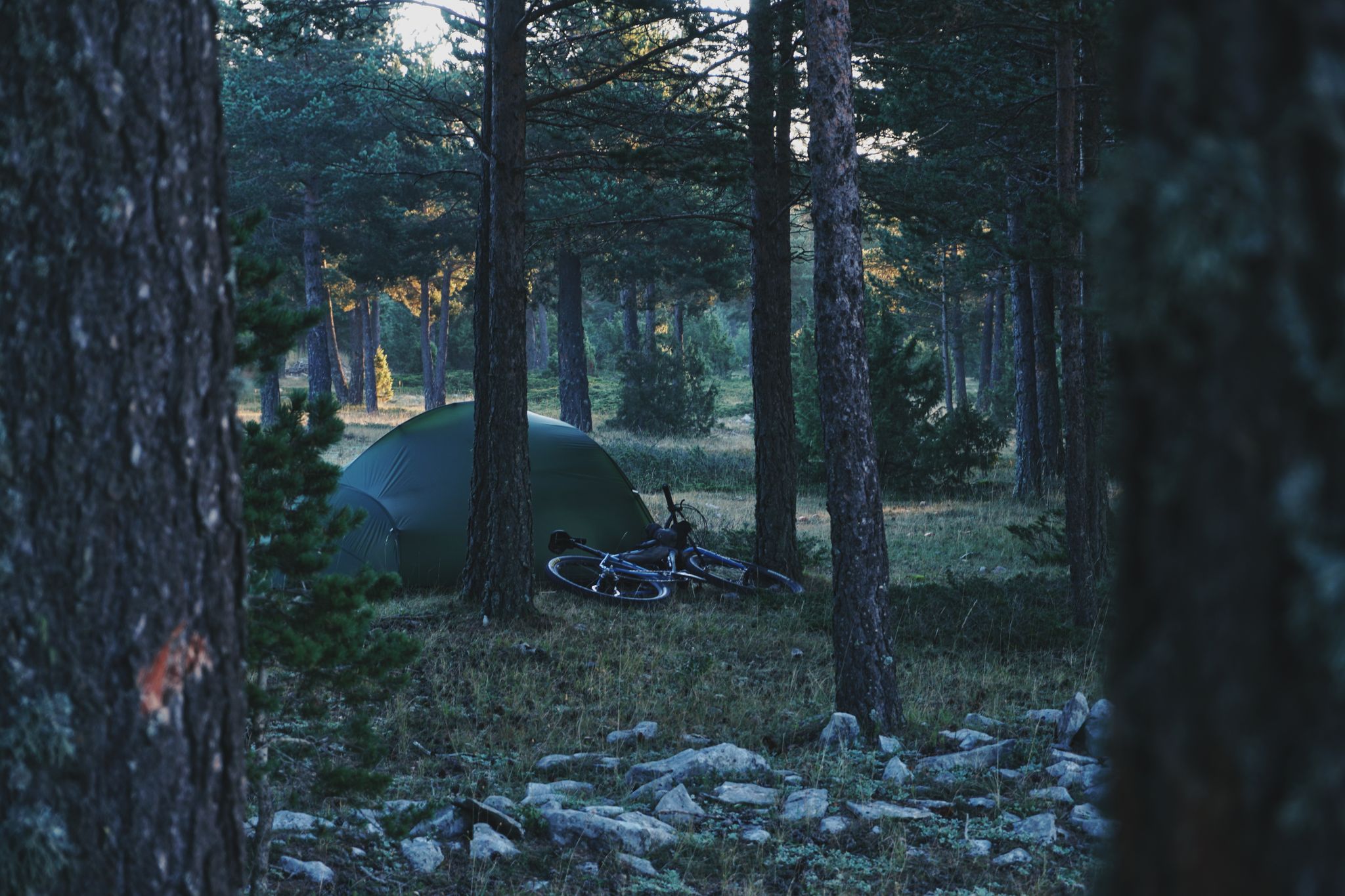
MontañasVacías official — bikepacking across the Spanish Lapland
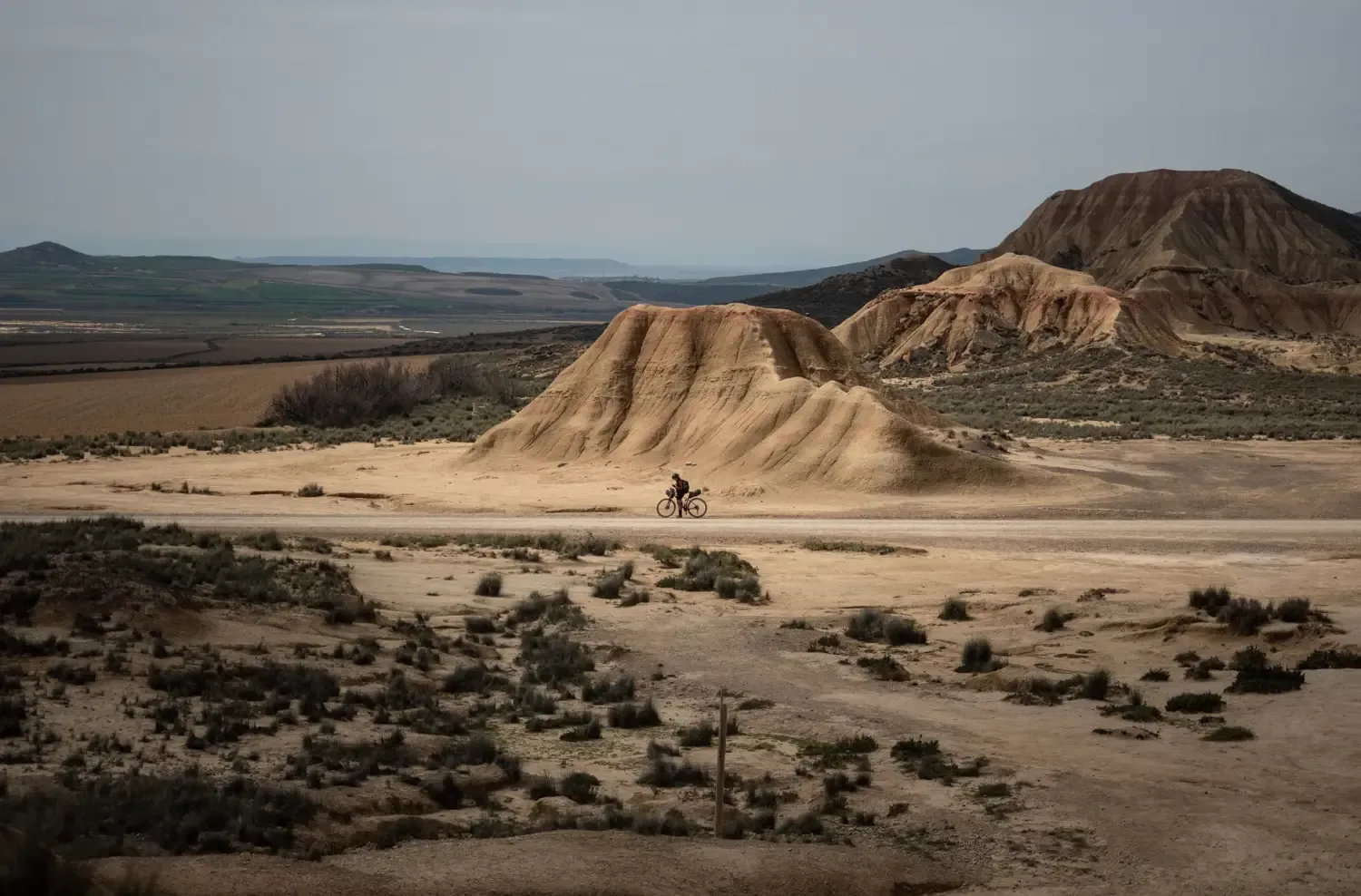
9 mountain biking routes in undiscovered Spain
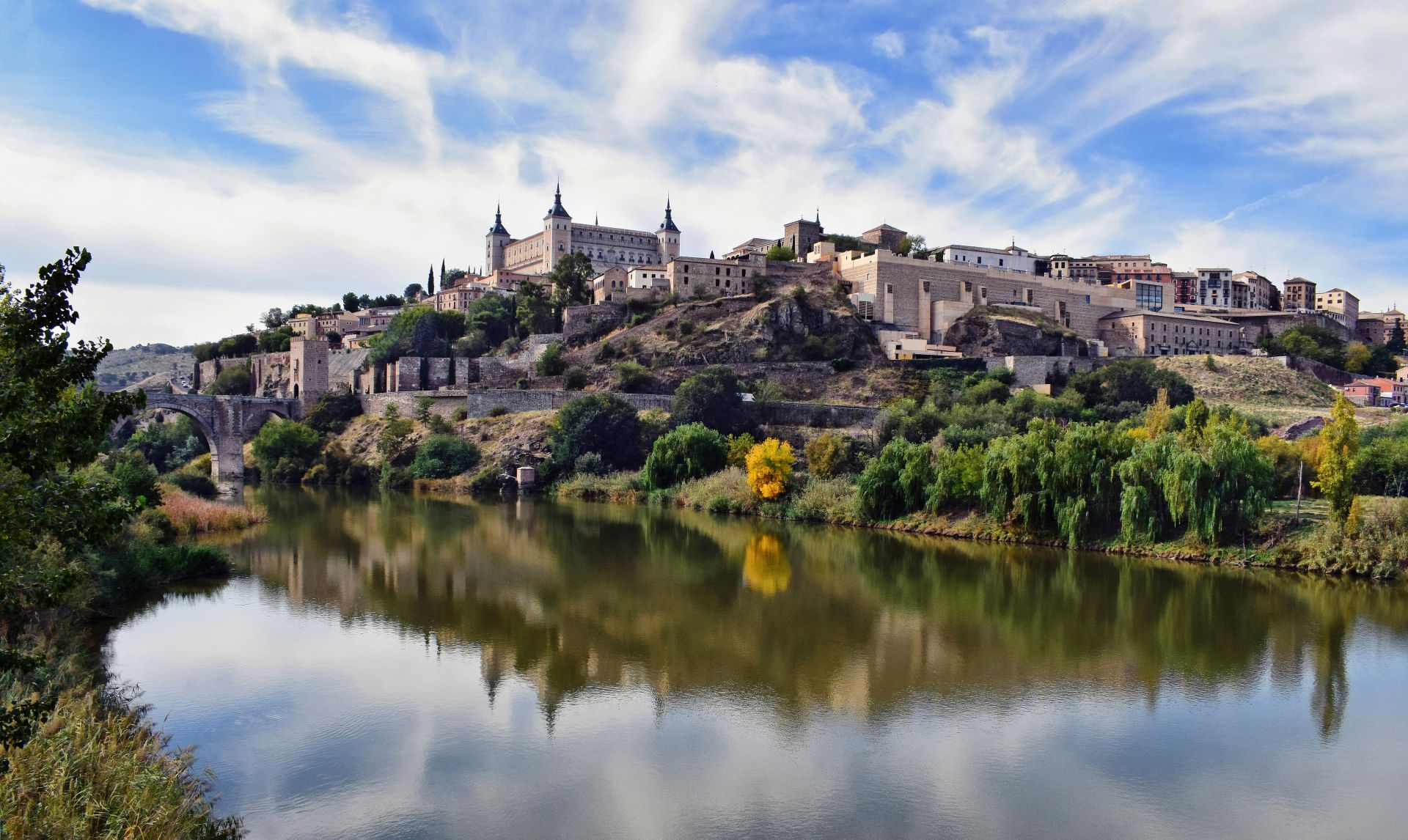
Albarracín to Toledo – Eastern Tagus Nature Trail
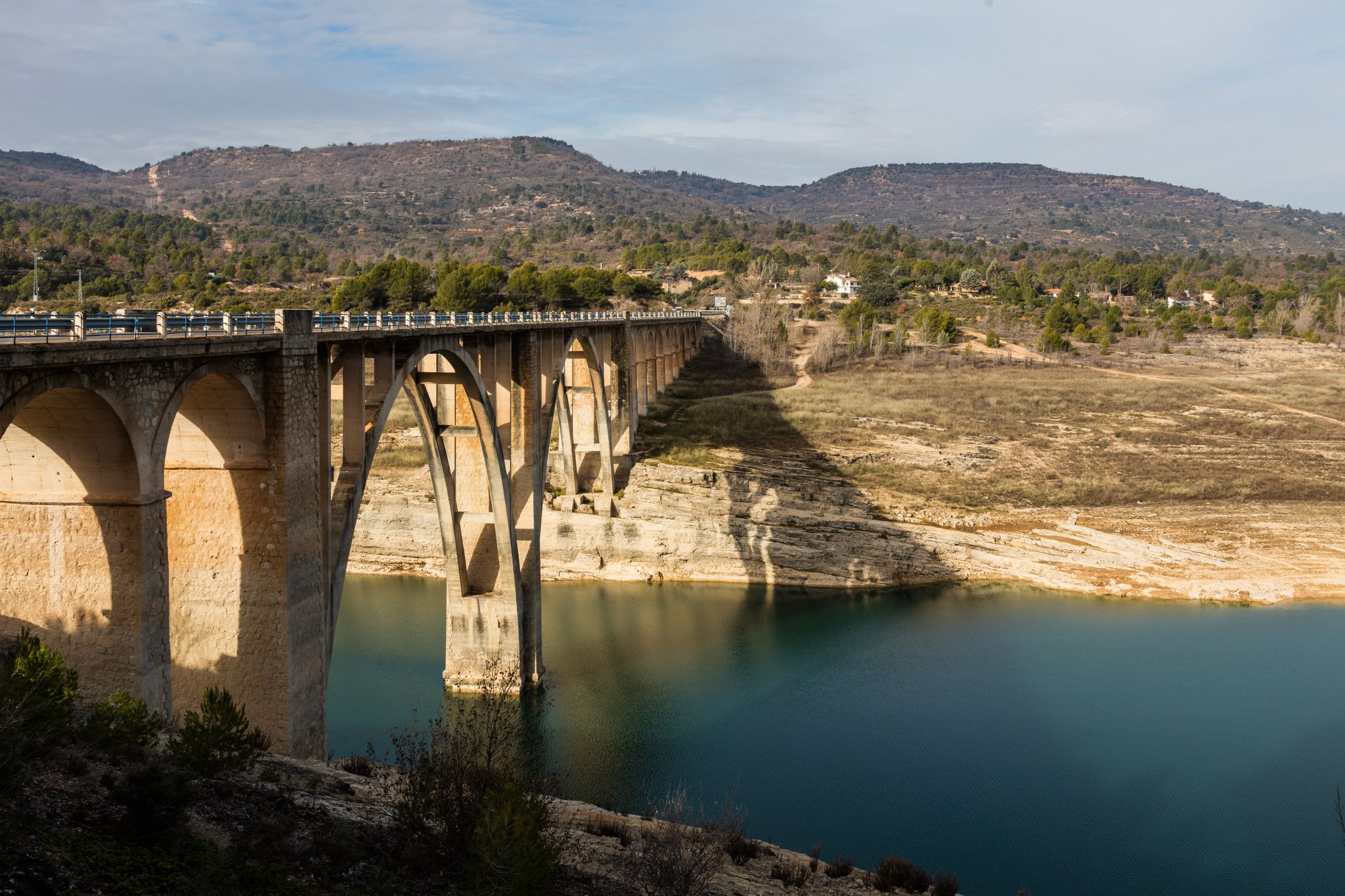
A journey on the Iberian Peninsula – Tagus Nature Trail
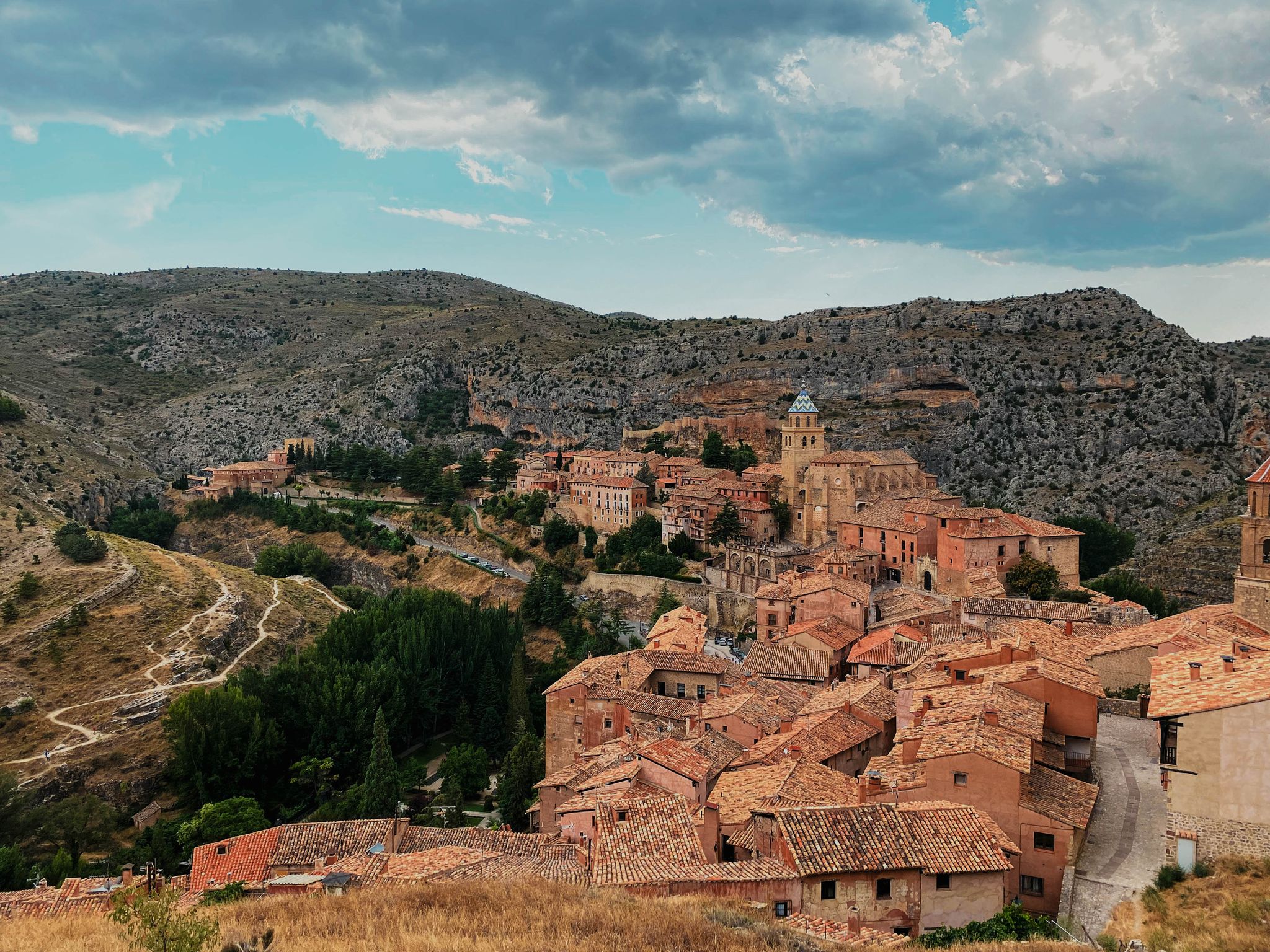
The Three Taifas by gravel bike – El Camino del Cid
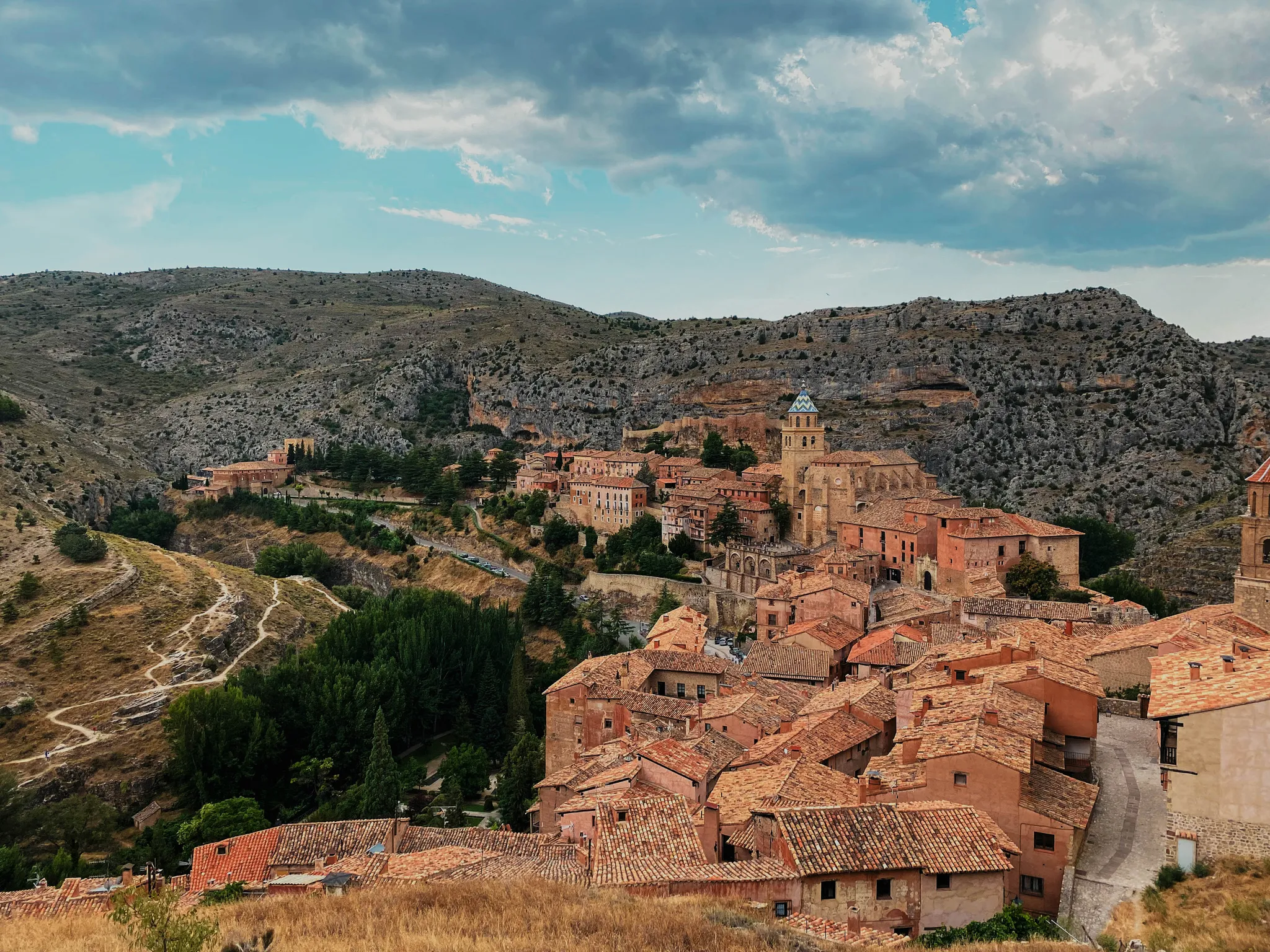
The Way of El Cid by bike – The Three Taifas
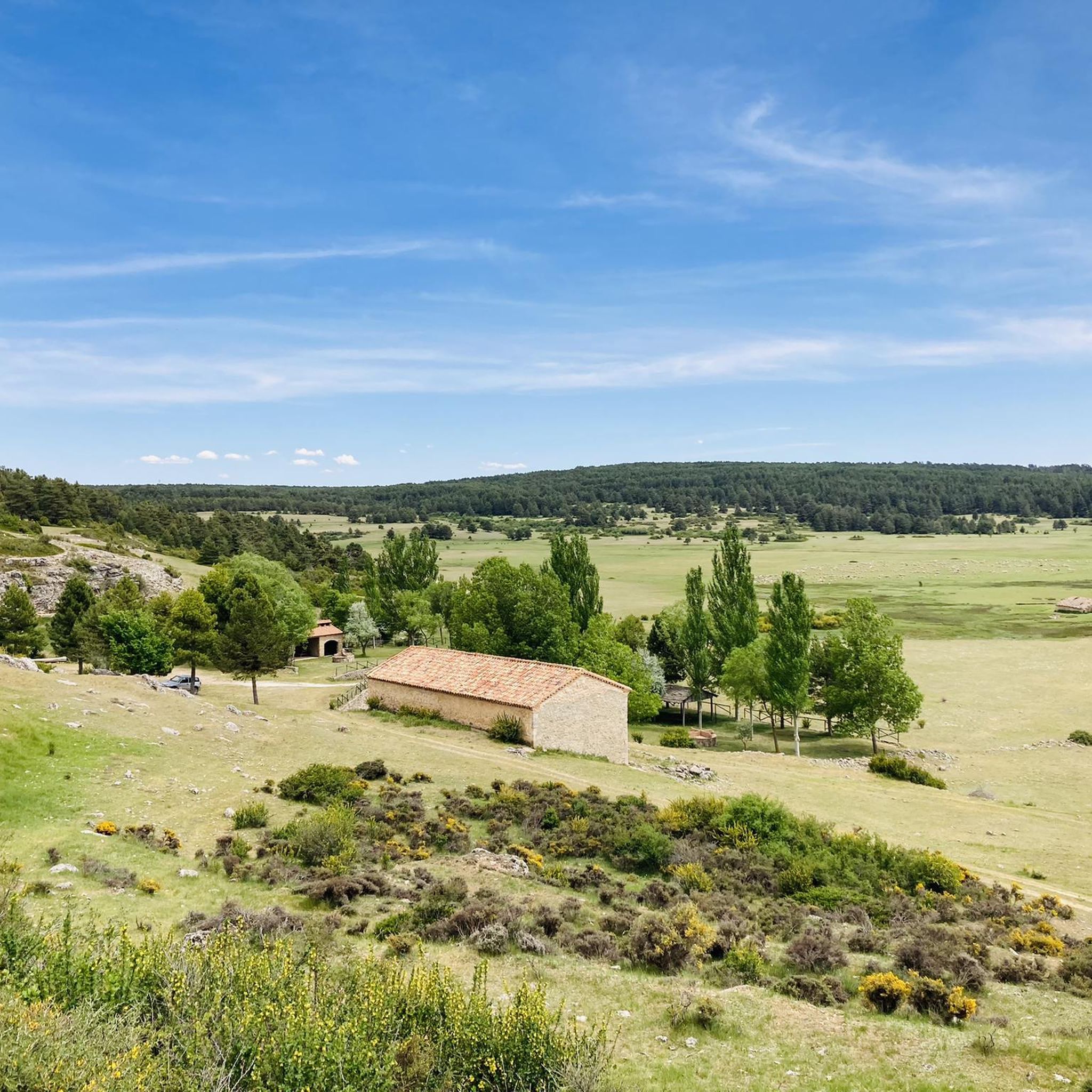
Hiking around Albarracín
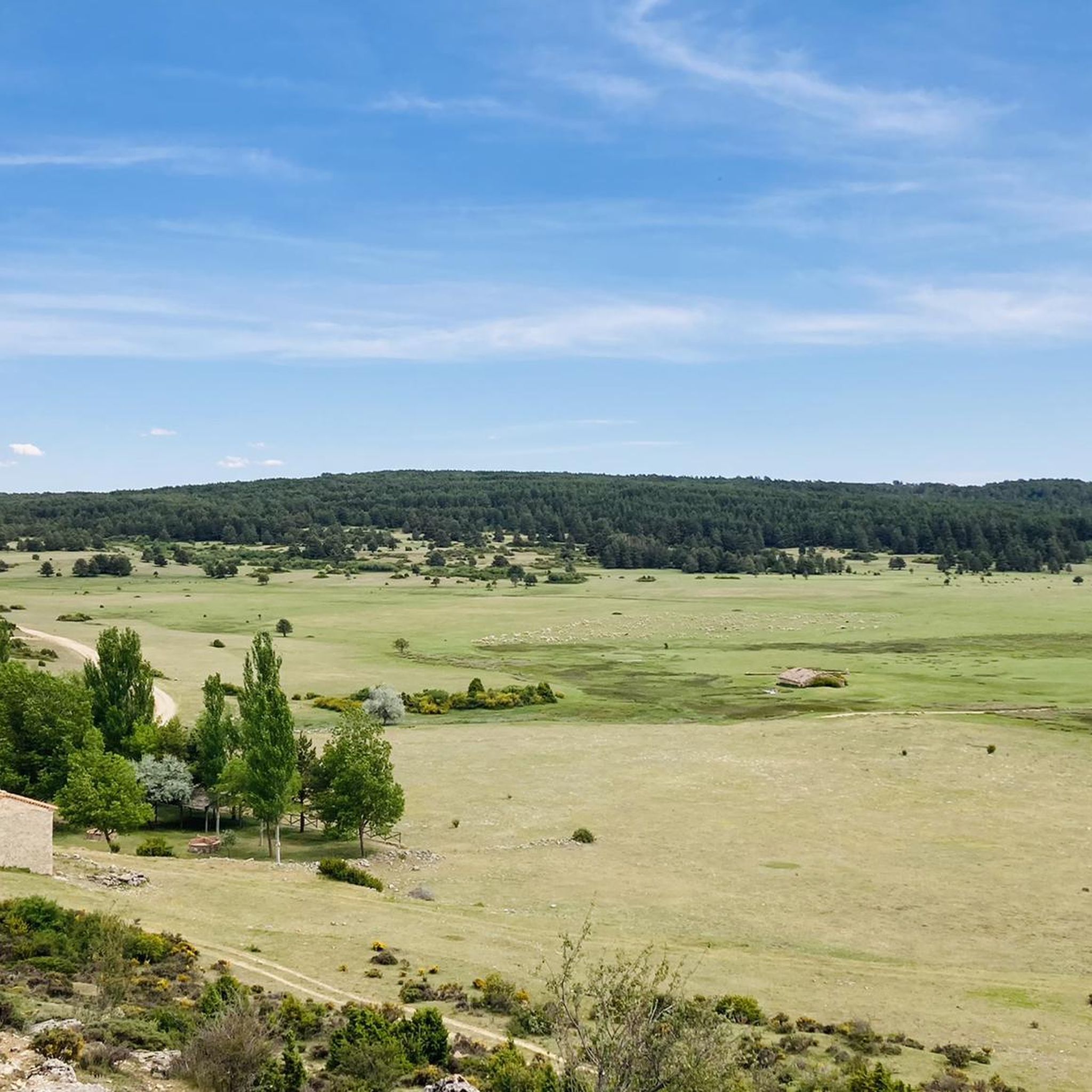
MTB Trails around Albarracín
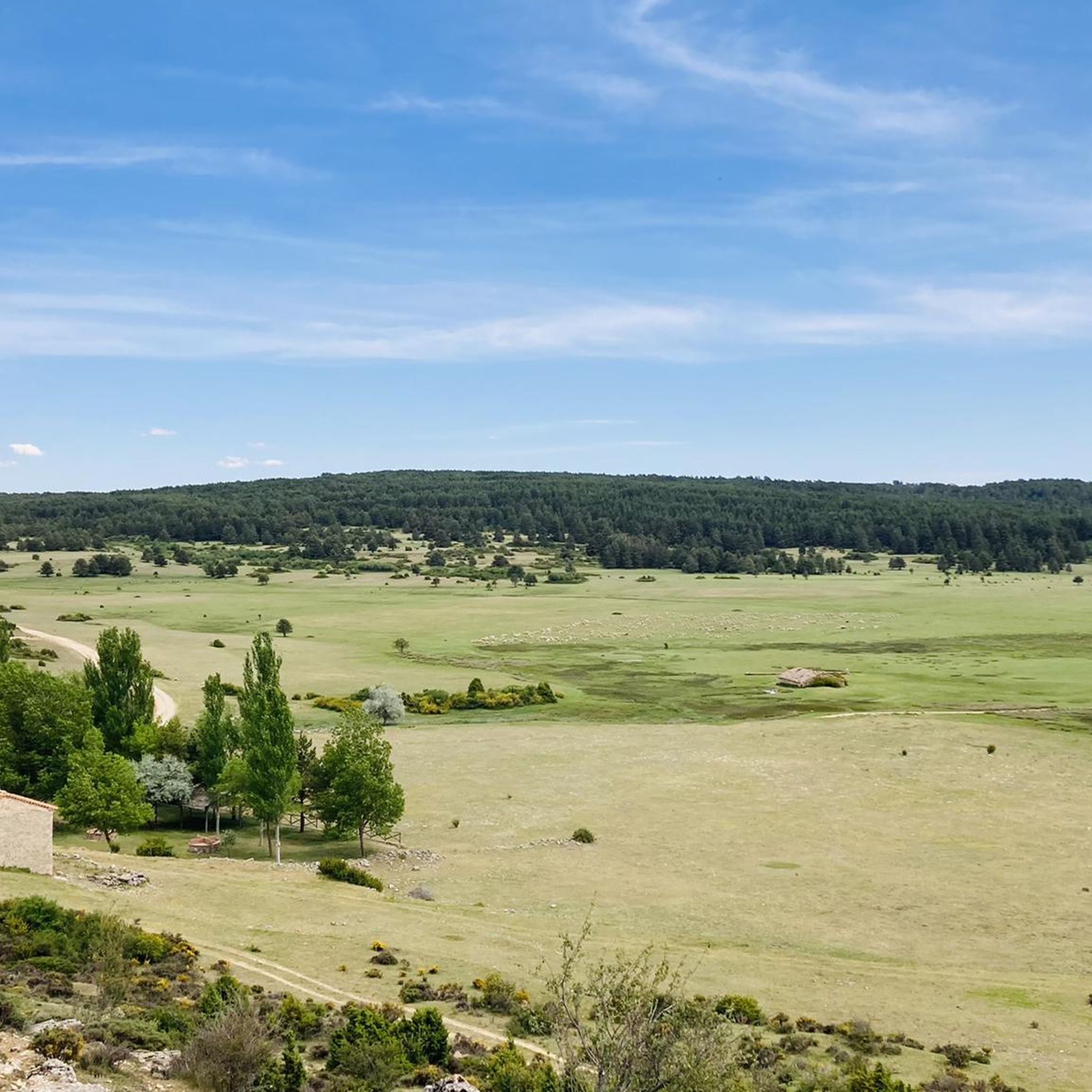
Cycling around Albarracín
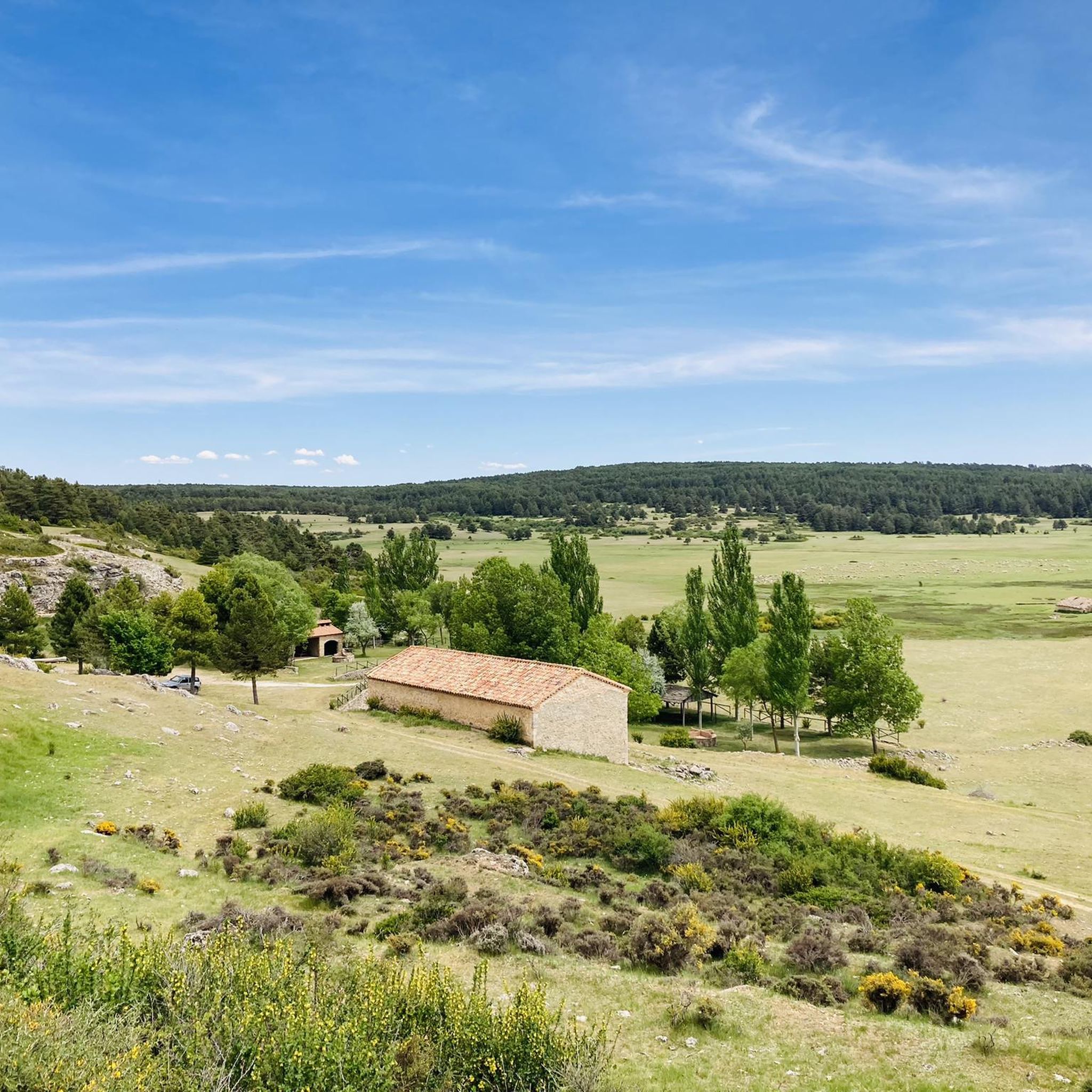
Road Cycling Routes around Albarracín
Other adventures around Albarracín


Tips from the Community

The source of the Cuervo River is a dreamlike location in the Serranía de Cuenca, Spain. This Natural Monument houses a main waterfall with a height of over 20 meters, leaving those who behold it breathless. Here, the Cuervo River emerges from a travertine spring, flowing over moss-covered limestone rock, forming beautiful waterfalls called chorreras.
19
0
The Bull Shelter of Prado del Navazo, also known as Toricos del Navazo, is one of the most prominent sites of Levantine Rock Art in the Sierra de Albarracín (Teruel), and is part of the complex declared a Site of Cultural Interest and World Heritage Site by UNESCO. Naturalistic representations of large bovids are painted in a yellowish-white color, unique in Levantine rock art, which typically uses reddish tones.
4
0

Indescribable. It is necessary to wear a veil to enjoy so much beauty. Very well prepared place from the point of view of hospitality and tourism.
3
0
The Birth of the Cuervo River is a dream place in the Serranía de Cuenca, Spain. This Natural Monument houses a main waterfall with a height of more than 20 meters, leaving those who contemplate it breathless. Here, the Cuervo River springs from a spring of travertine origin, flowing over limestone rock covered with moss, forming beautiful waterfalls called chorreras.
26
0

With protected cave paintings.
2
0
With protected cave paintings and access platform.
3
0

This wonderful place indicates the source of the Cuervo River. Surrounded by a very colorful landscape between forest and water courses, the Cuervo River emanates from the caves and underground galleries of karstic origin that have been created over centuries of erosion.
9
0
Protected landscape in the Sierra de Albarracin Cultural Park. In the middle of the Pinar de Ródeno
7
0
Frequently Asked Questions
What are the most significant rock art shelters to visit around Albarracín?
The Albarracín area is renowned for its prehistoric rock art. Key sites include the Prado del Navazo Bulls Rock Shelter, famous for its unique yellowish-white bovids, and the Shelter of the Archer of the Enclosed Ravines, which features a prominent archer figure. Another important site is Bishop's Little Kitchen Rock Shelter, known for its bull figures. These are all part of the UNESCO World Heritage site.
Are the rock shelters around Albarracín suitable for families?
Yes, several rock shelters are considered family-friendly. For instance, the Prado del Navazo Bulls Rock Shelter and Bishop's Little Kitchen Rock Shelter are noted as suitable for families. The sites are often accessible via well-defined hiking trails within the Protected Landscape of Los Pinares de Rodeno, offering an engaging experience for all ages.
What natural features can I expect to see near the Albarracín rock shelters?
The rock shelters are nestled within the Protected Landscape of Los Pinares de Rodeno, characterized by striking red sandstone formations, pine forests, and unique geological features like tafoni and alveoli. You can also visit the Source of the Cuervo River, a natural monument where the river emerges from travertine springs, forming beautiful waterfalls over moss-covered limestone.
What is the best time of year to visit the Albarracín rock art sites?
The Albarracín region offers a pleasant experience for visiting the rock art sites during most of the year. Spring and autumn generally provide mild temperatures ideal for hiking and exploring. Summer can be warm, but the pine forests offer some shade. Winter can be cold, but the landscape can be beautiful, though some trails might be affected by weather.
Are there hiking trails that lead to the rock shelters?
Absolutely. Many of the rock art sites, such as the Shelter of the Archer of the Enclosed Ravines, are part of circular routes within the Protected Landscape of Los Pinares de Rodeno. A popular 2.5-km circular route from the Arrastradero Trail parking lot provides access to several shelters, allowing visitors to combine hiking with cultural exploration.
What kind of historical insights do the Albarracín rock shelters offer?
The rock shelters provide an extraordinary glimpse into Spain's earliest artistic traditions and the lives of prehistoric inhabitants. The Levantine rock art, dating back to the Neolithic period (around 7,000-5,000 B.C.), depicts naturalistic animals and human figures, revealing aspects of their daily lives, beliefs, and interactions with their environment over 8,000 years ago. The Albarracín Cultural Park actively studies and disseminates information about these ancient ways of life.
What outdoor activities can I do near the Albarracín caves and rock shelters?
Beyond exploring the rock shelters, the Albarracín area offers various outdoor activities. You can find numerous mountain biking trails, such as the "Albarracín Cave Paintings Loop" or the "Pinares de Rodeno and Camino del Cid Loop," which you can explore further in the MTB Trails around Albarracín guide. There are also options for gravel biking and road cycling, with routes like "Albarracín – Peñas Royas Viewpoint loop" available in the Gravel biking around Albarracín guide and Road Cycling Routes around Albarracín guide.
Are there any permits required to visit the rock art sites?
While the rock art sites are generally accessible, some may have specific regulations or require guided visits to protect the delicate prehistoric paintings. It's advisable to check with the Albarracín Cultural Park or local tourist information for the most current information regarding access and any potential permit requirements for specific shelters.
What is the difference between the 'caves' in Albarracín and typical caving experiences?
The 'caves' around Albarracín are primarily rock shelters and overhangs, not deep, extensive cave systems typically associated with caving. These shelters are significant for their prehistoric rock art. While some natural cave formations exist, like those at the Source of the Cuervo River, the focus in Albarracín is on exploring the open rock shelters and their artistic heritage, which generally does not require specialized caving equipment or advanced skills.
What do visitors enjoy most about the Albarracín rock art sites?
Visitors frequently highlight the unique artistic style of the Levantine rock art, particularly the naturalistic depictions and the distinct yellowish-white color found at sites like the Prado del Navazo Bulls Rock Shelter. The historical significance, being part of a UNESCO World Heritage site, and the stunning natural landscape of the Pinares de Rodeno also contribute to a highly appreciated experience.
Is parking available near the rock art sites?
Yes, parking is generally available at designated areas, such as the Arrastradero Trail parking lot, which serves as a starting point for exploring several rock shelters within the Pinares de Rodeno Natural Park. It is recommended to check specific access points for individual shelters for the most convenient parking options.
Most popular routes around Albarracín
Most popular attractions around Albarracín

Get inspired with the komoot mobile app


Explore more
Extend your search for the best caves by checking out these guides of the top ones around Albarracín:
