Top 4 Castles around Ábalos
Castles around Ábalos La Rioja are part of a region known for its historical churches, hermitages, and wine culture. This area, with its rich history dating back to 740 AD, features well-preserved narrow streets and picturesque houses. While traditional defensive castles are not prominent within Ábalos itself, the surrounding landscape offers historical sites and viewpoints overlooking the Ebro River and vineyards. These landmarks near Ábalos La Rioja provide insights into the region's past and cultural heritage.
Best castles around Ábalos
…Last updated: July 4, 2026
San Vicente de la Sonsierra Fortress Castle
Highlight • Castle
Translated by Google •
Tip by

The Castle
Highlight • Historical Site
Translated by Google •
Tip by

Sign up now to discover places like this
Get recommendations on the best single tracks, peaks, & plenty of other exciting outdoor places.
Sign up for free
View to castillo de Davalillo
Highlight • Viewpoint
Translated by Google •
Tip by

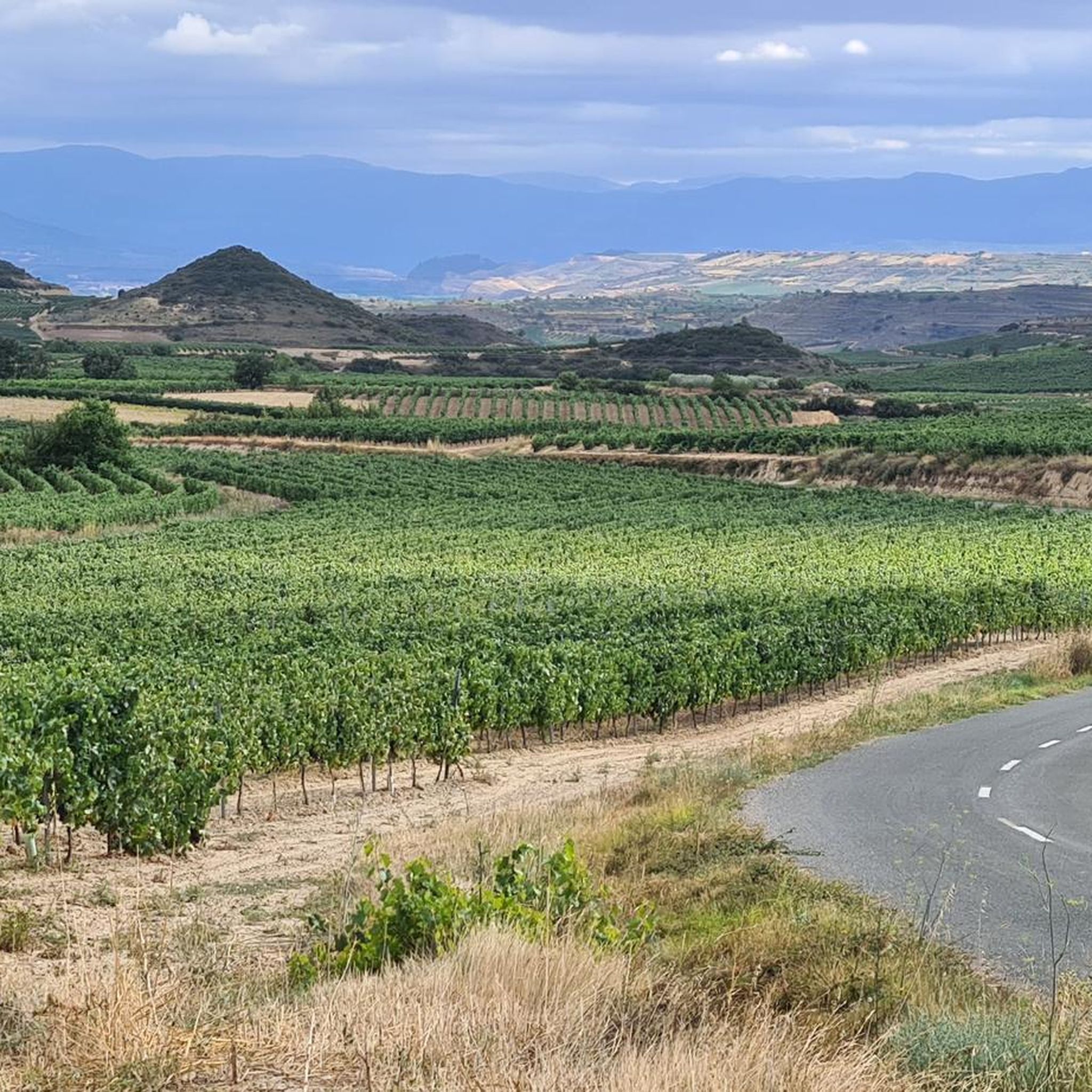
View of the Ebro River and vineyards from Briones Castle
Highlight • Viewpoint
Translated by Google •
Tip by

Start today with a free account
Your next adventure awaits.
Login or Signup
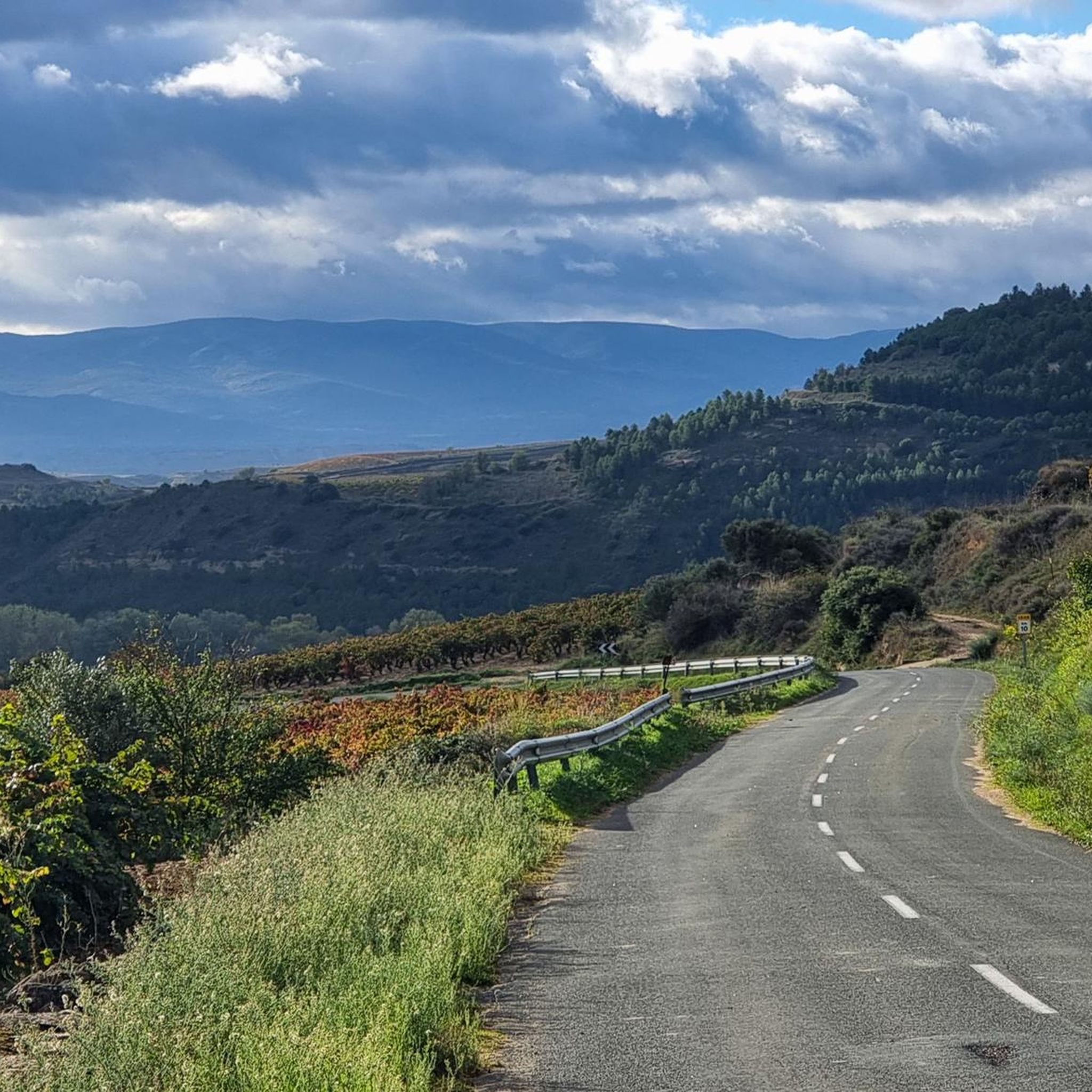
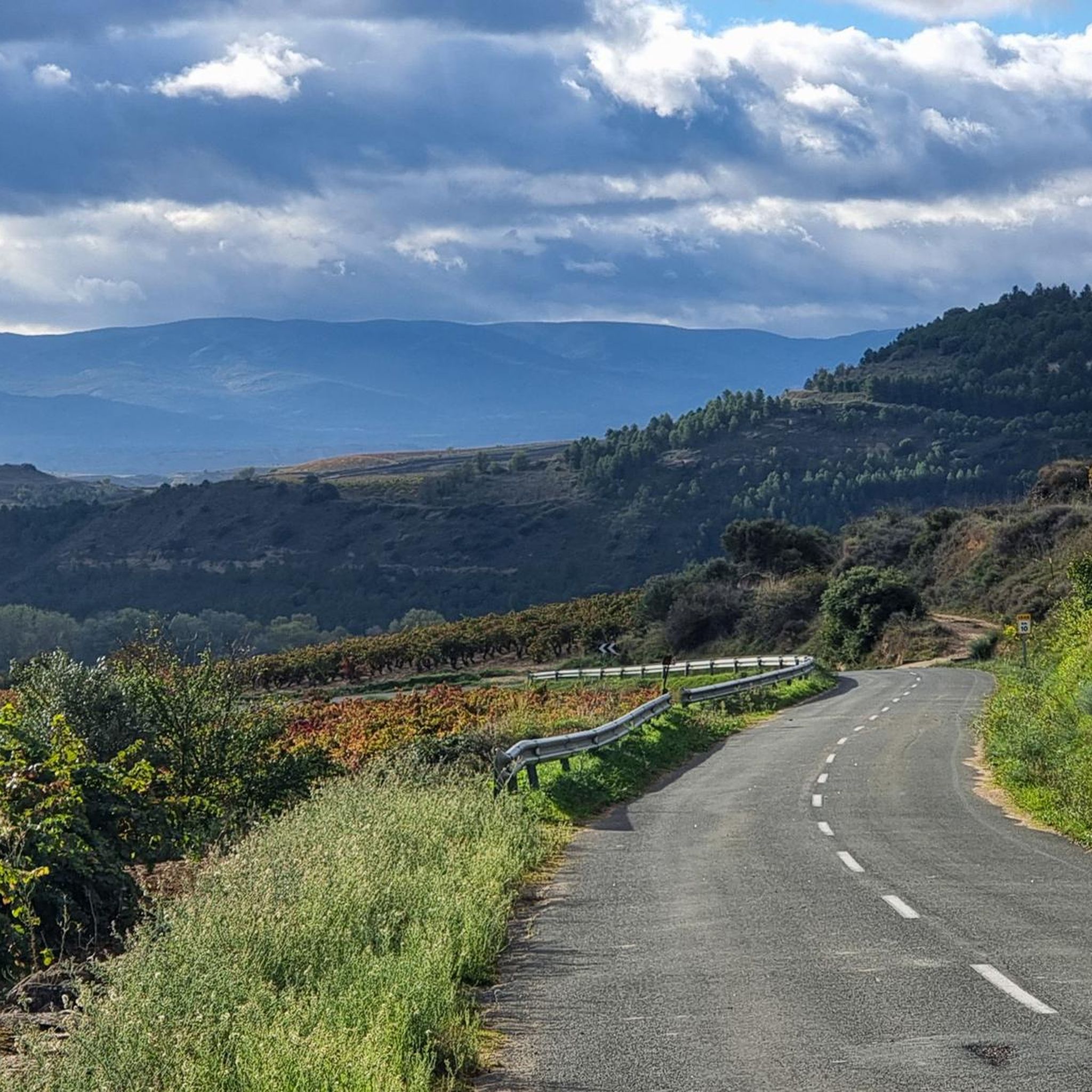
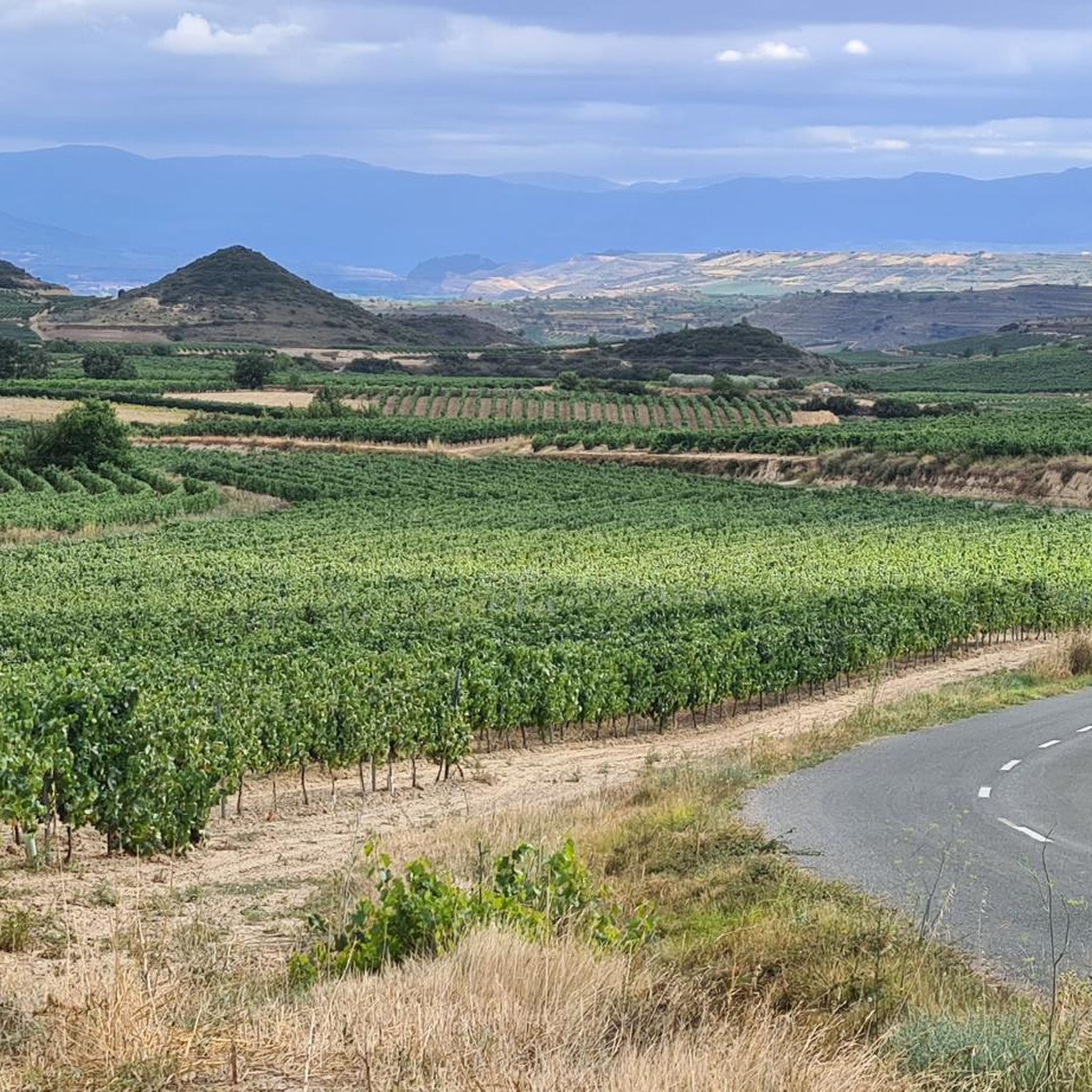
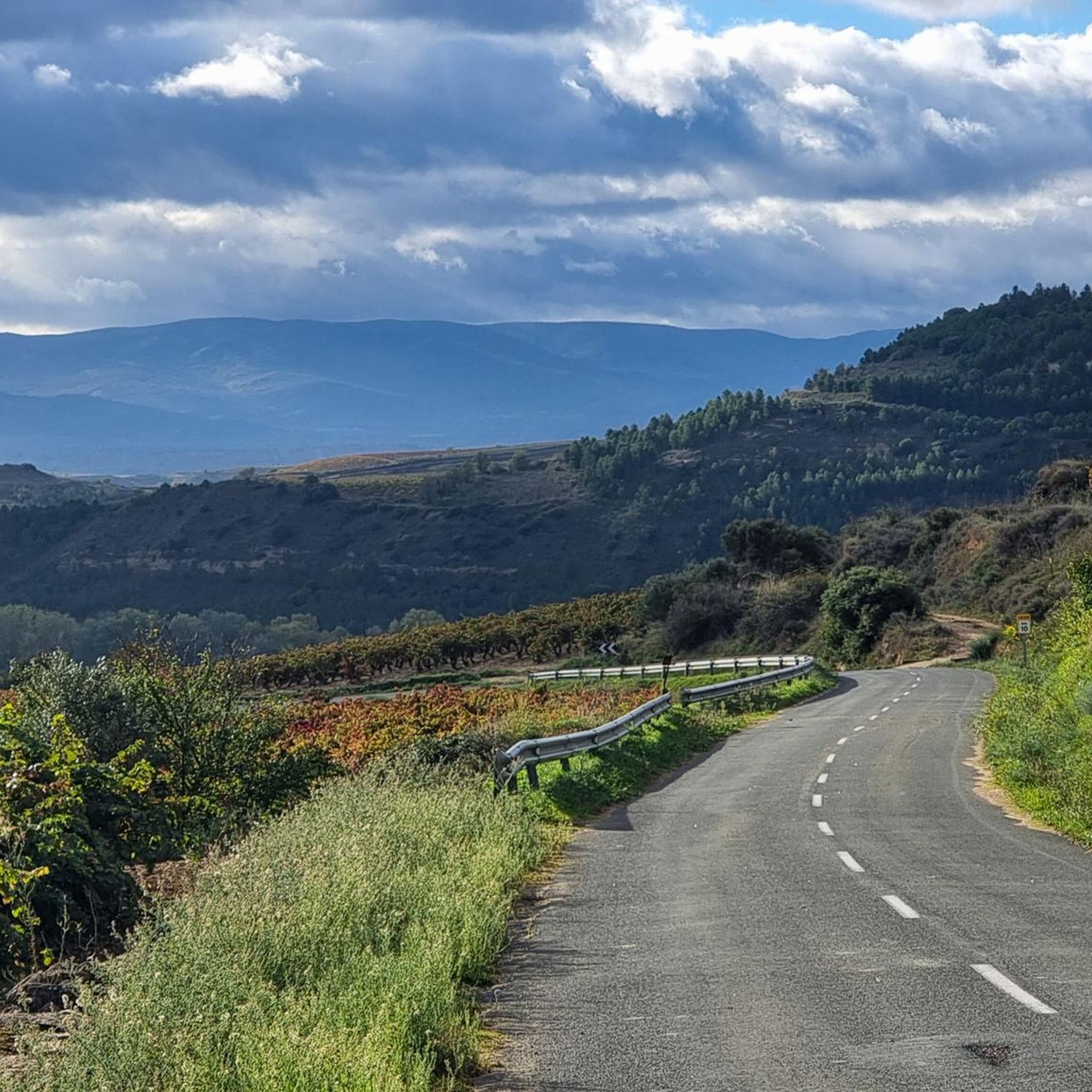
Tips from the Community

From the Briones castle there is a spectacular view of the Ebro River and the surrounding vineyards and, in the background, the limestone ridges of the Alava mountains.
1
0

It costs nothing to go up and the horizon makes up for it. Of course, follow the path through the farm that I have followed, not the one that the Komoot says, which is wrong.
3
0

The Castillo fortaleza de San Vicente de la Sonsierra is an impressive medieval castle that rises above the River Ebro. It was built in the 12th century by the Kingdom of Navarre to defend its border with Castile. It was part of a defense line connecting Laguardia and Labastida, and was the largest fortress in Navarre on the Ebro. The castle has a semi-circular shape that adapts to the rock on which it stands. It consists of three walled areas: the albacar, where the houses of the old town stood, the cortijo, where the parish church, the chapel of San Juan and the cemetery are, and the castle itself, with the keep and the bell tower. The castle lost its military importance after the annexation of Navarre by Castile in 1512, and was later used as a quarry and rubbish dump. In the 20th century, people began to realize its historical and artistic value, and several restoration projects were carried out. The castle is now a monument of cultural interest and a tourist attraction
1
0

The panoramic view of the Rioja is wonderful. Below you can also see a medieval bridge over the Ebro.
3
0

Documented for the first time in 1367, when Enrique de Trastámara gave it to Carlos El Malo of Navarra, it is likely that it was built during the reign of Alfonso VIII to strengthen the area's defense against Navarre. It is Romanesque in style and is made up of a walled outer enclosure with a polygonal plan with seven sides. The keep, with four floors, has a square floor plan and is attached to the wall at its eastern end. The castle is located on a hill next to a meander of the Ebro river, a strategic place next to the Briones castle to protect the area from Navarrese attacks.
1
0
Small promontory with the remains of a tower. Very good views.
4
0

It is the typical castle-fortress raised on a hill, an old memory of the early medieval rock castle, with a defensive function.
3
0

Frequently Asked Questions
What kind of historical sites can I expect to find around Ábalos, beyond traditional castles?
While Ábalos itself is primarily known for its rich wine culture and historical architecture, including numerous historic family houses with heraldic arms, the immediate area offers other significant historical points of interest. These include the impressive Parish Church of San Esteban Protomártir, a national monument with a 15th-century Gothic facade and a 16th-century Mannerist altarpiece, and the Romanesque San Felices Hermitage, believed to be a remnant of a 12th-century monastery.
Are there any actual castles or fortress remains I can visit near Ábalos?
Yes, while Ábalos itself doesn't host traditional castles, the surrounding area features notable historical fortifications. You can visit the San Vicente de la Sonsierra Fortress Castle, an impressive medieval castle built in the 12th century with a defensive function and wonderful panoramic views. There are also the remains of The Castle, a tower on a small promontory offering great views.
What are the most scenic viewpoints related to castles or historical sites in the area?
For spectacular views, consider the View of the Ebro River and vineyards from Briones Castle, where you can see the river, surrounding vineyards, and the limestone ridges of the Alava mountains. Another excellent spot is the View to castillo de Davalillo, which offers a perspective of an abandoned Romanesque castle strategically located on a hill next to a meander of the Ebro river.
What is the history behind the castles and historical sites around Ábalos?
The region's historical sites reflect its strategic importance over centuries. The San Vicente de la Sonsierra Fortress Castle, for instance, was built in the 12th century by the Kingdom of Navarre to defend its border with Castile. The Castillo de Davalillo, documented since 1367, likely served to strengthen the area's defense against Navarre. These sites were crucial defensive points along the Ebro river.
What is the best time of year to visit the castles and historical sites around Ábalos?
The region around Ábalos, including its historical sites and vineyards, is generally pleasant to visit during spring (April to June) and autumn (September to October). During these seasons, the weather is typically mild, making it ideal for exploring outdoor sites and enjoying the scenic views without the intense heat of summer or the chill of winter. Autumn also offers the beauty of the grape harvest.
Are the castles and historical sites around Ábalos family-friendly?
Many of the historical sites and viewpoints around Ábalos can be enjoyed by families. Exploring the grounds of the San Vicente de la Sonsierra Fortress Castle or taking in the views from the Briones Castle viewpoint can be engaging for children. However, some sites might involve uneven terrain or climbs, so it's advisable to check specific accessibility for younger children or strollers.
Can I bring my dog to the historical sites and viewpoints near Ábalos?
While specific regulations can vary by site, many outdoor historical sites and viewpoints in the region, such as the remains of The Castle or the View to castillo de Davalillo, are often accessible for dogs, especially if kept on a leash. It's always recommended to check local signage or official websites for the most current pet policies before your visit.
How can I access the castles and viewpoints around Ábalos? Is there parking available?
Access to the castles and viewpoints around Ábalos is typically by car, with parking often available nearby. For example, the San Vicente de la Sonsierra Fortress Castle is located on a hill, and parking is usually found at the base or within the nearby village. For viewpoints like the View of the Ebro River and vineyards from Briones Castle, you would typically park in Briones and walk to the viewpoint.
What outdoor activities can I combine with visiting the historical sites around Ábalos?
The area around Ábalos is excellent for outdoor enthusiasts. You can combine your historical explorations with various activities. For gravel biking, explore routes like the 'Elciego Wineries – Marqués de Riscal Hotel loop' or 'Vineyards – La Grajera Park loop' as detailed in the Gravel biking around Ábalos guide. If you prefer running, consider trails such as 'Hike around the peñas of the Sierra de Cantabria' or 'Running loop from Briones' from the Running Trails around Ábalos guide. Mountain biking options are also available, including routes like 'Centro Btt Izki Ruta 9' or 'Marqués de Riscal Hotel – Monte del Corvo loop' in the MTB Trails around Ábalos guide.
Are there hiking trails that include castle views or historical sites near Ábalos?
Yes, several hiking and running trails in the vicinity offer views of historical sites. For instance, the 'View to castillo de Davalillo loop from San Vicente de la Sonsierra' is a moderate running route that provides views of the abandoned Castillo de Davalillo. You can find more options in the Running Trails around Ábalos guide, which includes routes that pass by or offer vistas of the region's historical landmarks.
What do visitors particularly enjoy about the historical sites and viewpoints near Ábalos?
Visitors frequently highlight the stunning panoramic views from these historical locations. For example, the San Vicente de la Sonsierra Fortress Castle is praised for its 'wonderful panoramic view of the Rioja,' including a medieval bridge over the Ebro. The remains of The Castle are noted for their 'very good views' and the rewarding horizon. The strategic locations of these sites, often overlooking the Ebro River and vineyards, are a major draw.
Most popular attractions around Ábalos

Get inspired with the komoot mobile app


Explore more
Looking for the best castles somewhere else? Discover other guides around Ábalos:
