The 15 Most Amazing Peaks around Haría
Best mountain peaks around Haría are found in northern Lanzarote, a region known as the "Valley of a Thousand Palms." This area features a green landscape, influenced by a microclimate at higher altitudes and the Risco de Famara mountain range. The terrain includes prominent volcanic formations and elevated viewpoints, offering diverse natural features for exploration.
Best mountain peaks around Haría
- The most popular mountain peaks is Mount Tinaguache, a volcano that offers a unique landscape of rocks formed by…
Last updated: June 20, 2026
Ascent to the Crater of Monte Corona
Highlight • Volcano
Translated by Google •
Tip by

Mount Tinaguache
Highlight • Volcano
Translated by Google •
Tip by

Sign up now to discover places like this
Get recommendations on the best single tracks, peaks, & plenty of other exciting outdoor places.
Sign up for free
Montaña Bermeja
Highlight • Volcano
Translated by Google •
Tip by

Agujas Grandes Summit
Highlight • Summit
Translated by Google •
Tip by

Los Helechos Double Crater
Highlight • Volcano
Translated by Google •
Tip by

Sign up for free to discover even more peaks around Haría.
Sign up for free
Already have an account?
Start today with a free account
Your next adventure awaits.
Login or Signup
Popular around Haría
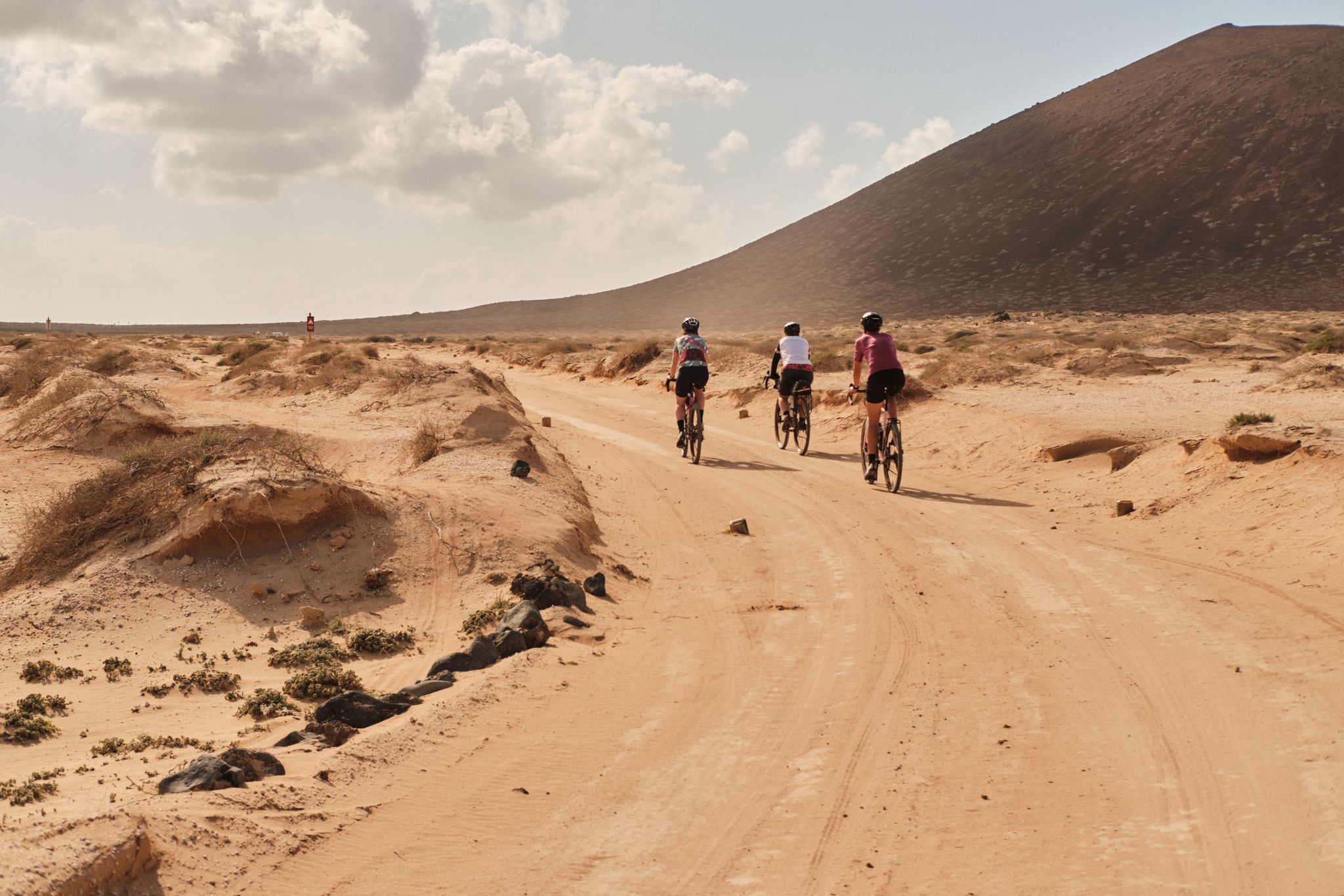
GranGuanche gravel – Komoot women's rally 2023
GranGuanche Audax Trail – my first ultra race on the Canary Islands
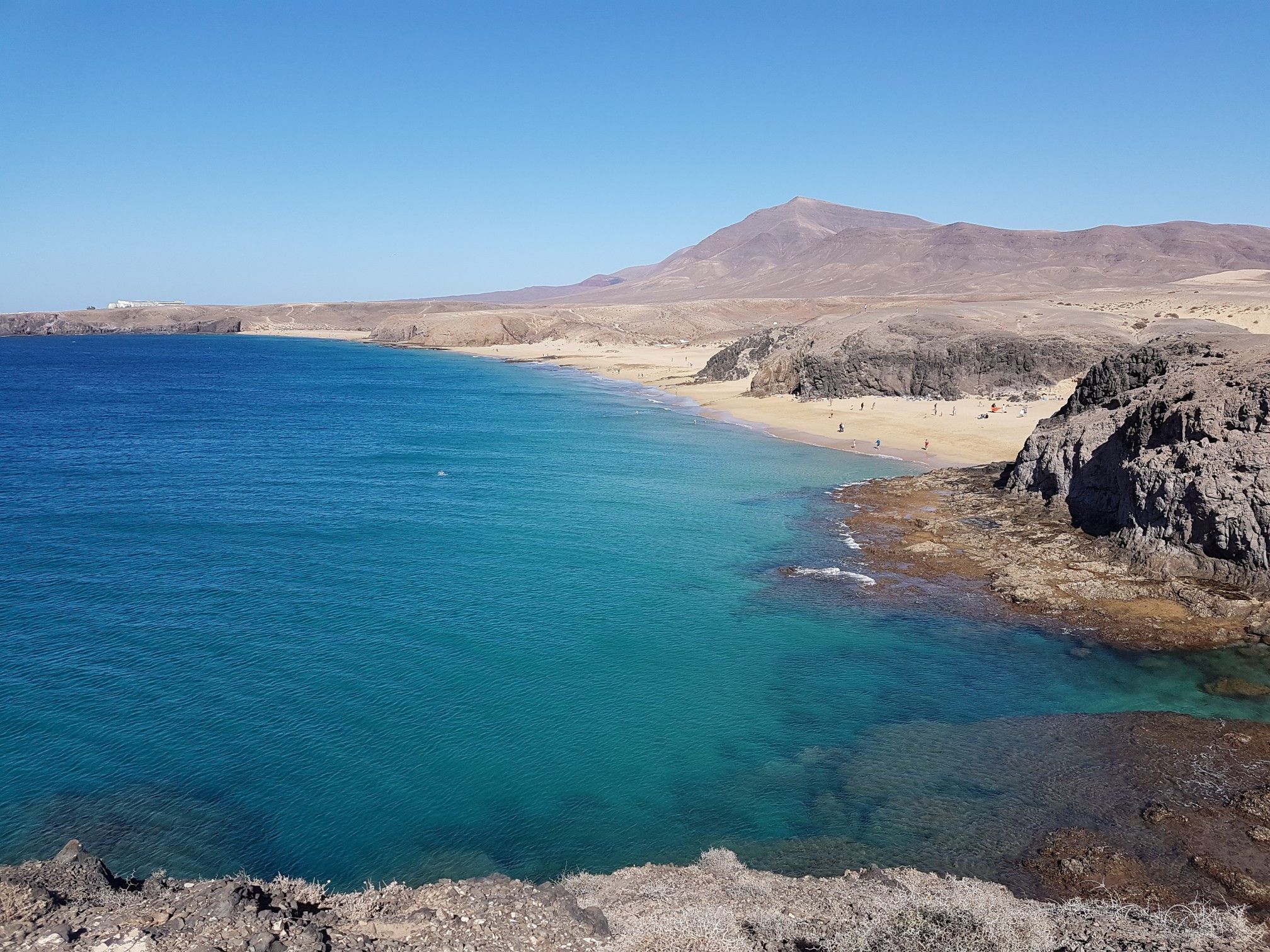
Volcanic and coastal hikes in Lanzarote
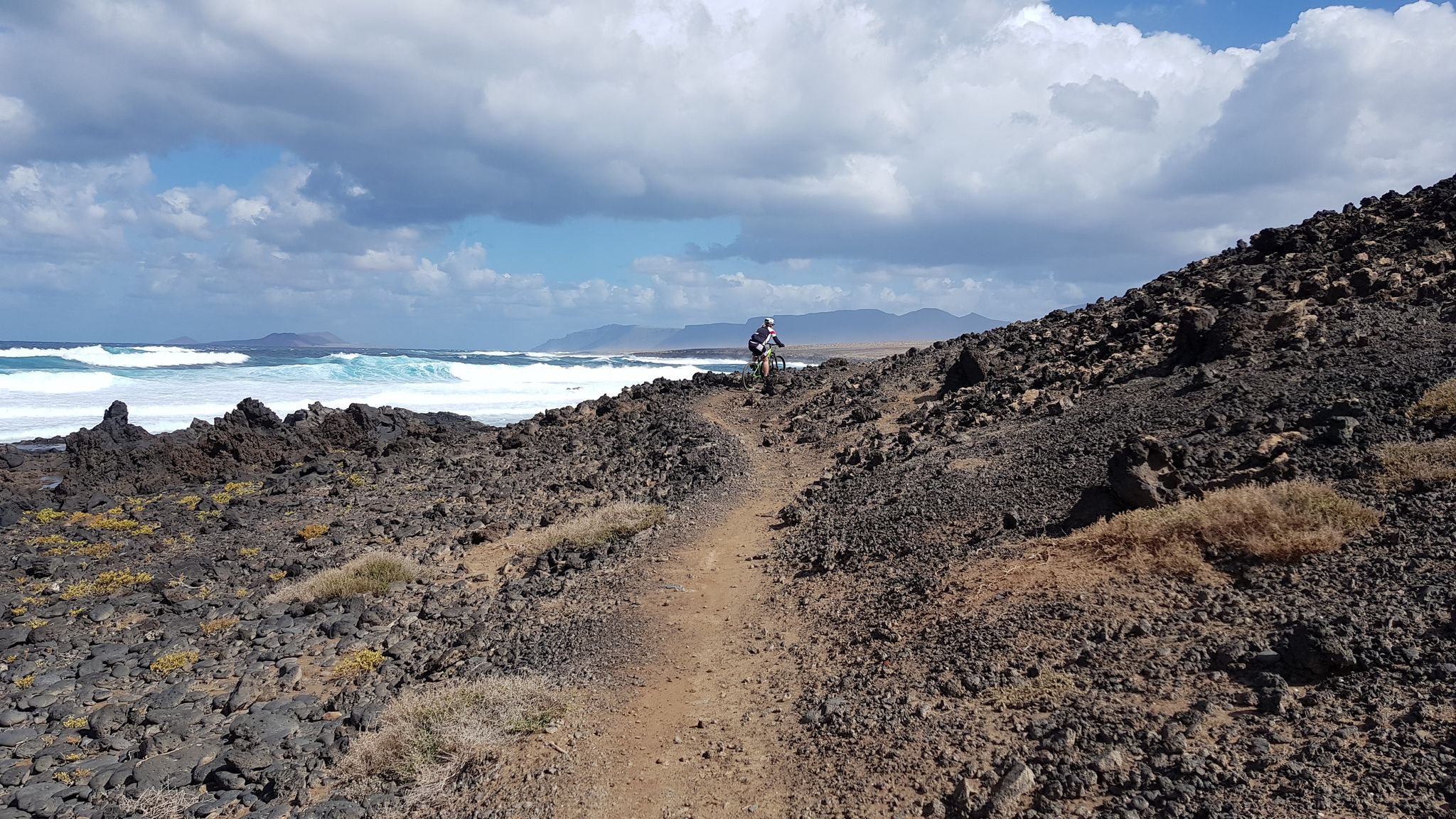
MTB on the island of volcanoes – Pedales de Lava
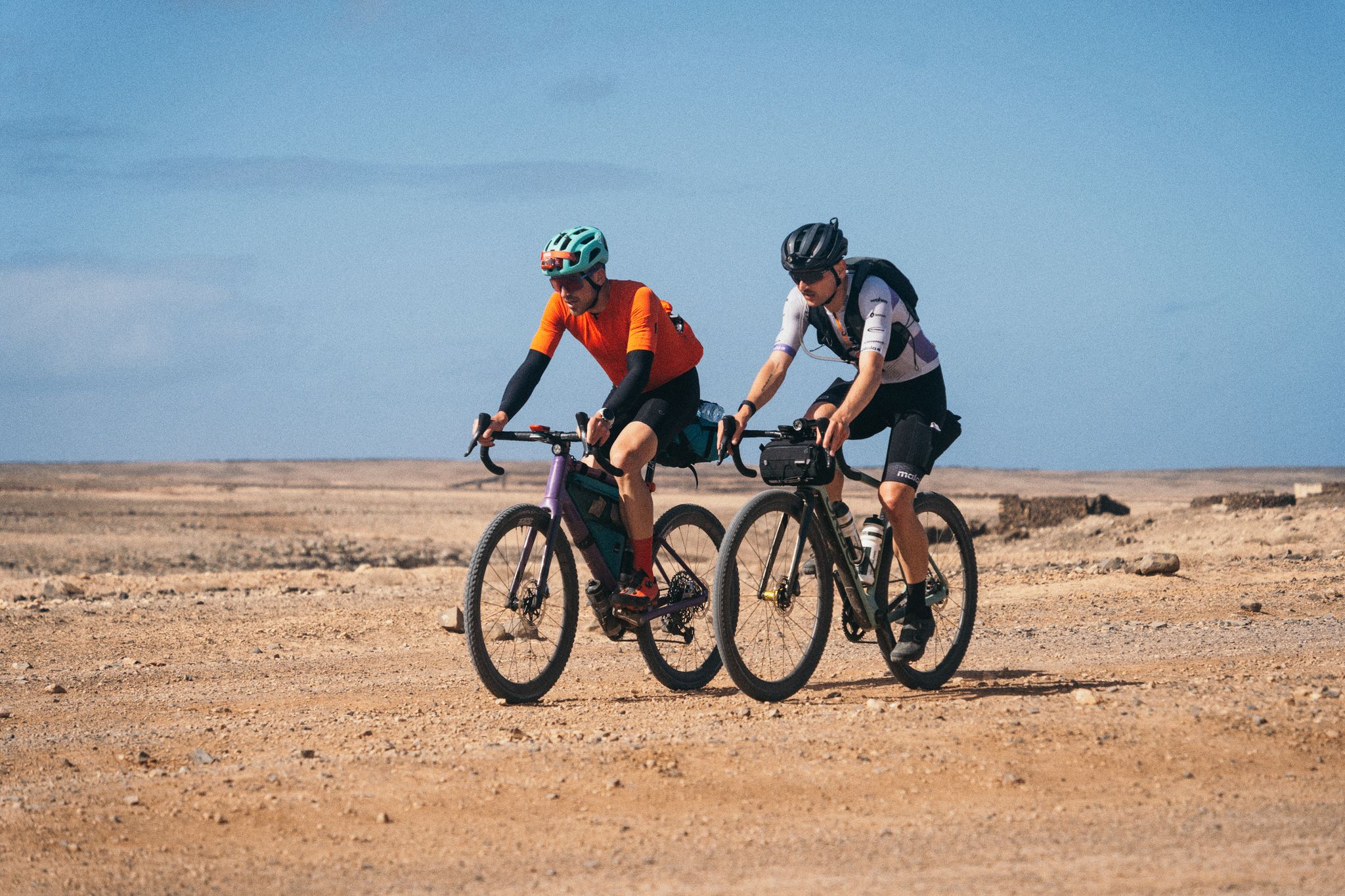
GranGuanche Audax Gravel — five islands in two and a half days
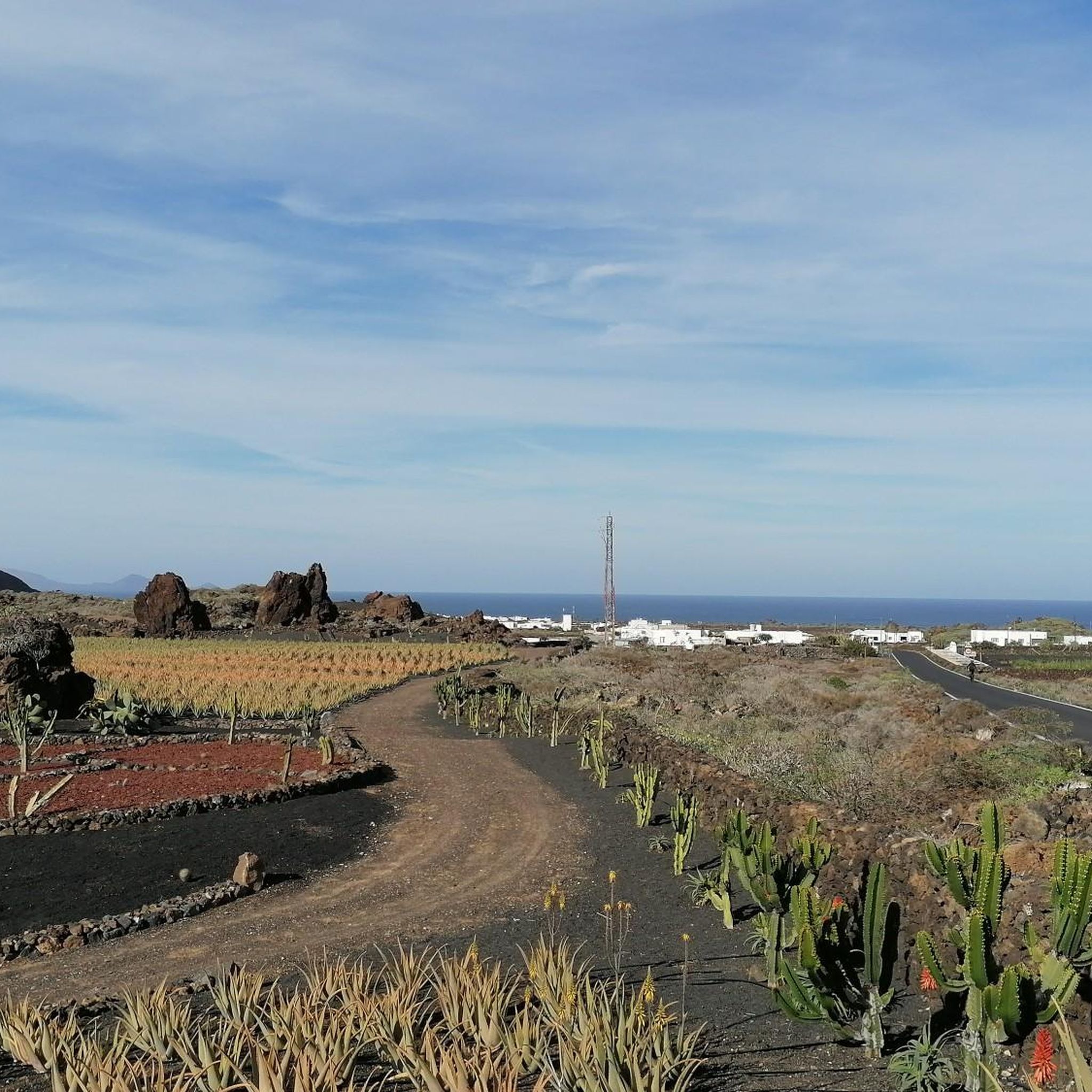
Hiking around Haría
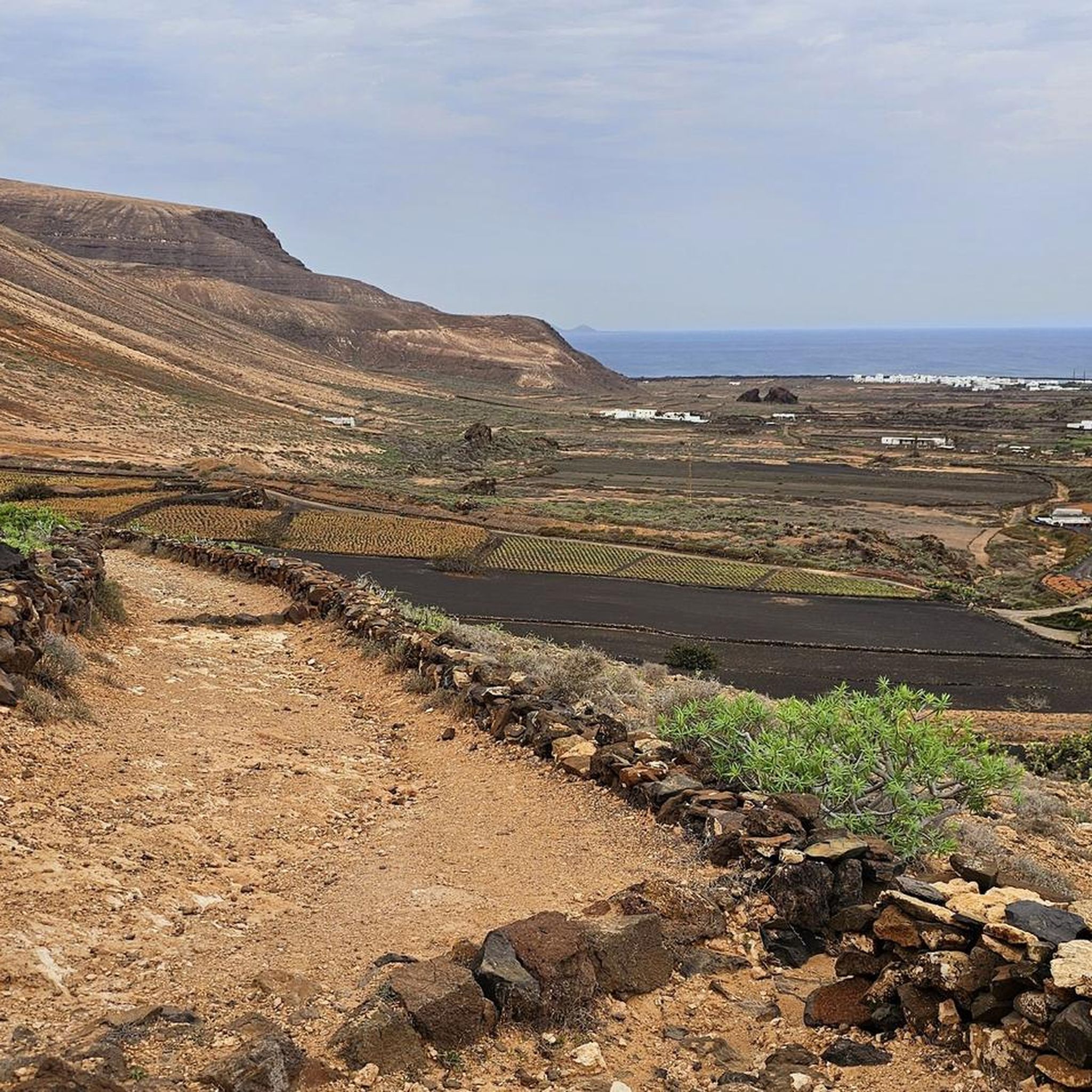
Road Cycling Routes around Haría
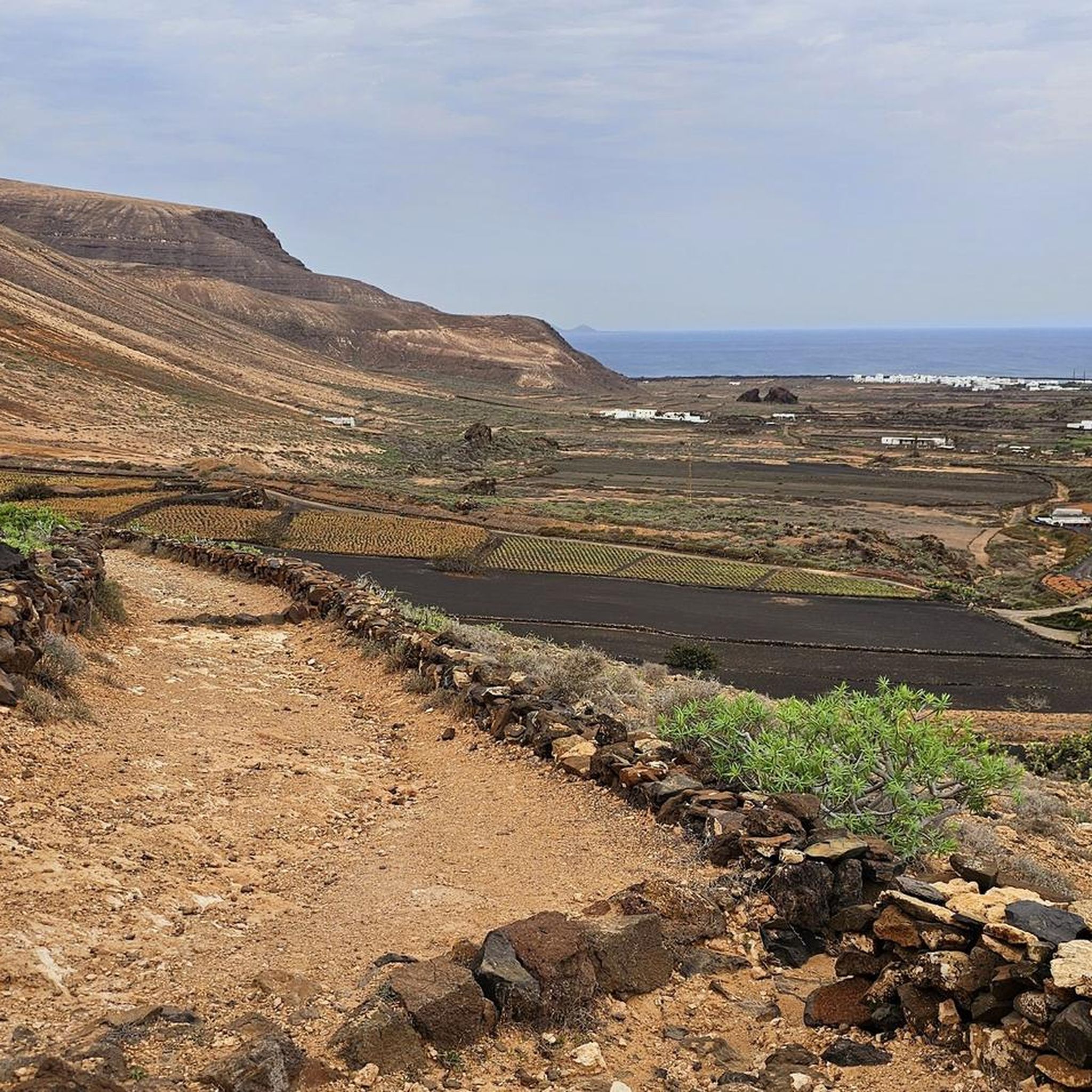
Cycling around Haría
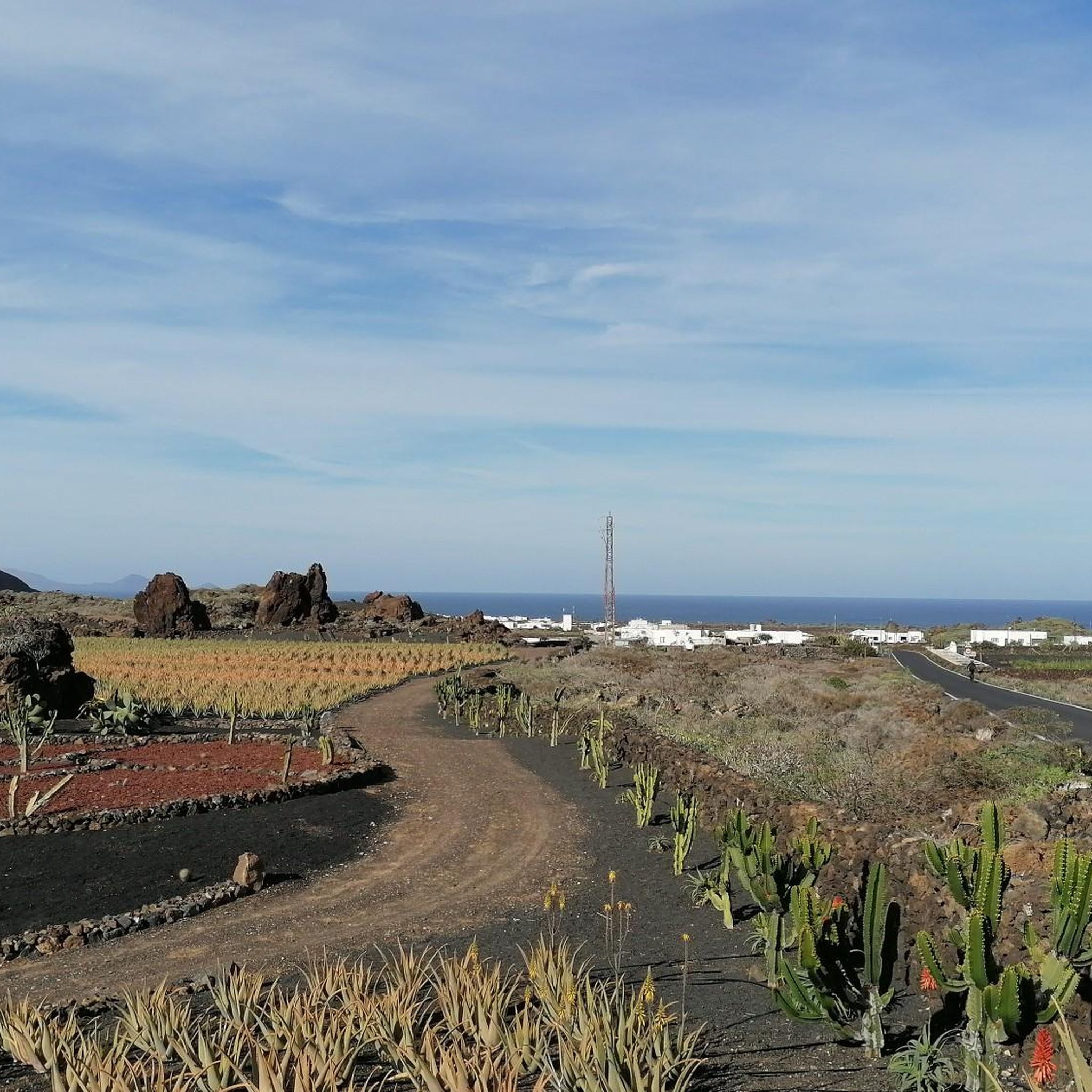
Running Trails around Haría
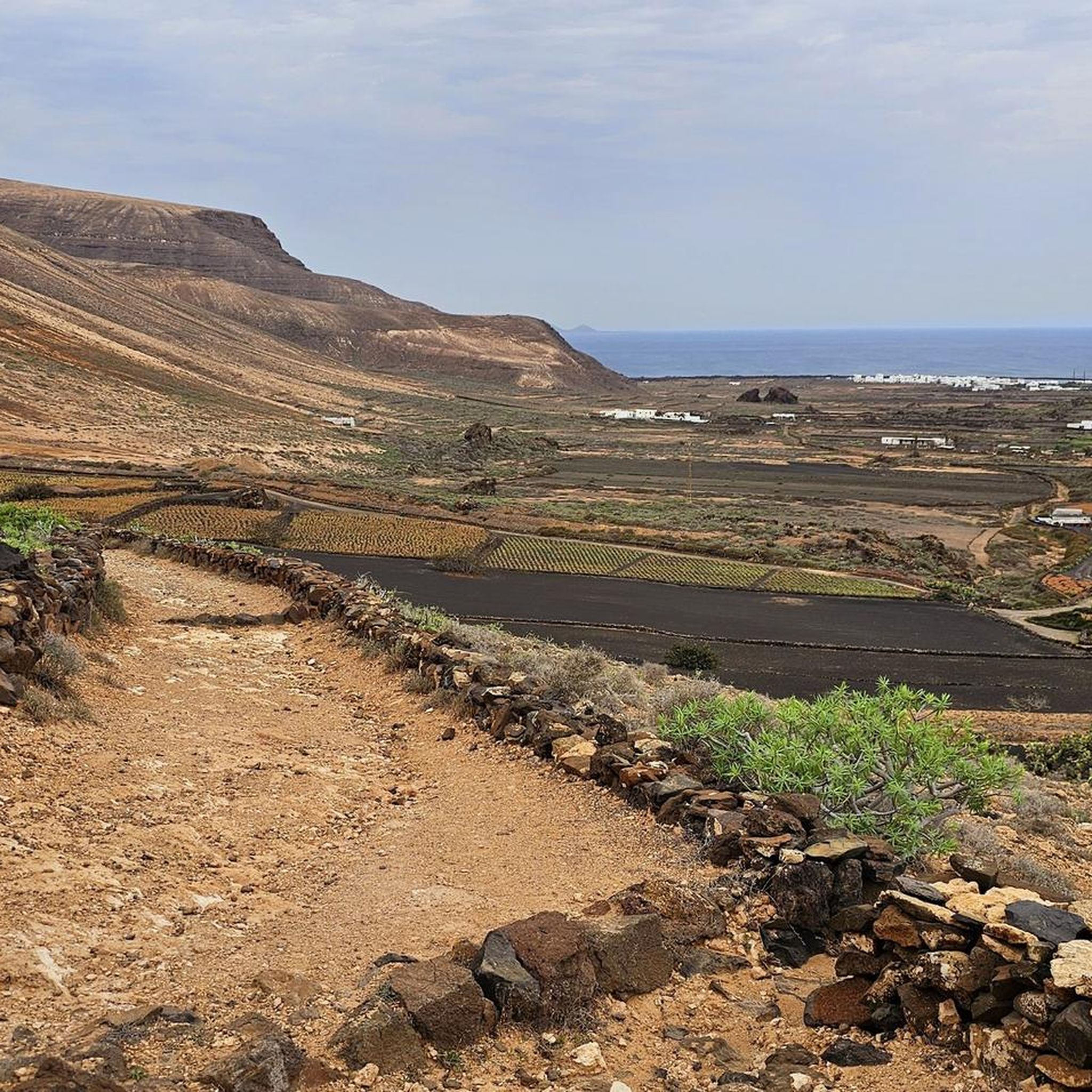
MTB Trails around Haría
Other adventures around Haría


Tips from the Community

The listed route, Volcán de la Corona from the Iglesia de Ye' stamps through a **protected area where hiking is not allowed**. It's very dangerous, but the main concerns are the impact of hikers on the natural environment and wildlife. This route should not be included here as part of responsible and respectful hiking culture.
1
0

Fun to run and hike around the rim of the volcano! Technical terrain but doable.
0
0

Avoid this loop. The section crosses private land and is almost impassable. A large part of the final section ends on the road, with the risk of being hit by cars! The beginning is very difficult and borderline dangerous. (Nov 2025)
2
0

The ascent is very challenging, and the ridge walk is more suitable for people who are not afraid of heights.
0
0

Worth doing the down route up to the top and follow your way back. Very windy on the very edge of the volcano. Totally worth the effort.
1
0

Be careful: you are not allowed to descend the mountain on the other side.
0
0

Great hike even if you can't get all the way up
0
0
The circuit is closed. Please include us. We were disappointed
1
0
Frequently Asked Questions
What unique natural features can I discover around Haría's mountain peaks?
The Haría region is rich in unique natural features. You can explore ancient volcanic formations like the Risco de Famara, a dramatic cliff system that creates a special microclimate supporting diverse plant life. The area is also known for its 'Valley of a Thousand Palms' due to its lush greenery amidst the island's arid environment. Volcanic activity has shaped features such as the crater of Monte Corona, which contributed to the formation of the Cueva de los Verdes and Jameos del Agua.
What are some of the most rewarding viewpoints in the Haría mountains?
Haría offers several spectacular viewpoints. The Risco de Famara provides breathtaking panoramic views of the Atlantic Ocean, La Graciosa, and the Chinijo Archipelago. For an unparalleled perspective of the entire island, visit Peñas del Chache, Lanzarote's highest point. Additionally, the summit of Montaña Bermeja offers a 360º view of the island and the Chinijo archipelago, while the Los Helechos Double Crater provides beautiful vistas of La Graciosa and the Mirador del Río.
Are there challenging mountain climbs in Haría for experienced hikers?
Yes, Haría offers several challenging climbs. The Ascent to the Crater of Monte Corona is a demanding hike, and skirting its rim requires some skill. Mount Tinaguache is another challenging ascent, especially the final section with loose stone surfaces, requiring proper shoes and equipment. On La Graciosa, the Agujas Grandes Summit offers a rewarding but difficult climb with slippery terrain and scree on the descent.
What outdoor activities can I do near the mountain peaks around Haría?
Beyond hiking, the Haría region offers diverse outdoor activities. You can explore various cycling routes, including mountain biking, road cycling, and gravel biking. For example, there are challenging MTB Trails around Haría, scenic Road Cycling Routes, and adventurous Gravel biking routes. The base of the Risco de Famara also hosts Playa de Famara, popular for surfing and kiteboarding, and the cliffs are known for paragliding.
What is the best time of year to hike the mountain peaks in Haría?
Lanzarote generally enjoys a mild climate year-round, making hiking possible in most seasons. However, the cooler months from October to May are often preferred for hiking the mountain peaks around Haría, as temperatures are more comfortable. During summer, it can get quite hot, so early morning or late afternoon hikes are recommended. Always check local weather conditions, especially for wind, as some exposed peaks can be very windy.
Are there any family-friendly mountain trails or easy walks in Haría?
While some peaks offer challenging ascents, the broader Haría area provides options for easier exploration. The region's diverse landscape means you can find less strenuous paths that still offer beautiful views. For example, the general area around the 'Valley of a Thousand Palms' offers gentler walks. When planning, look for trails described as 'intermediate' or those that focus on viewpoints rather than steep summits, and always check the difficulty ratings for specific routes.
What should I wear and bring when hiking in the Haría mountains?
When hiking in the Haría mountains, it's essential to wear proper hiking shoes with good grip, especially for trails with loose stones or scree. Layers of clothing are advisable, as temperatures can vary, and a windbreaker is highly recommended due to potentially strong winds on exposed peaks. Don't forget sun protection (hat, sunscreen), plenty of water, and snacks. A map or GPS device is also useful, as some paths may not be clearly marked.
What makes the Monte Corona volcano significant in Lanzarote's history?
The Monte Corona volcano is incredibly significant to Lanzarote's geology and history. Its eruption approximately 21,000 years ago covered a vast portion of the island's northeast with lava, creating the unique Malpais de la Corona. This ancient lava flow is responsible for forming two of Lanzarote's most famous geological attractions: the Cueva de los Verdes and the Jameos del Agua. The volcano also contributes to the exceptionally green landscape of Haría's valley by attracting clouds and nocturnal condensation.
Can I find food and drink options near the mountain trails in Haría?
Yes, the village of Haría itself, located within the 'Valley of a Thousand Palms,' offers various amenities. You can find cafes and restaurants in Haría village where you can refuel before or after your hikes. While direct facilities on the mountain trails are limited, the proximity of the village means you're never too far from a place to eat or grab a drink.
What is the highest point in the Haría region and what views does it offer?
The highest point in the Haría region, and indeed on all of Lanzarote, is Peñas del Chache, reaching an altitude of 672 meters above sea level. It is located within the Risco de Famara massif. From its summit, you are treated to unparalleled panoramic views across the entire island of Lanzarote and the surrounding ocean, providing a unique perspective of the island's volcanic landscape.
What are the unique characteristics of the Risco de Famara?
The Risco de Famara is an impressive cliff formation stretching 22 kilometers along Lanzarote's northwestern coast, rising dramatically to heights between 400 and 600 meters. It's an ancient geological feature, over 10 million years old, and a sanctuary of biodiversity, hosting over 700 plant species, many endemic to the region. Its ability to capture moisture from clouds creates a special microclimate, supporting this unique flora and contributing to the 'Valley of a Thousand Palms' effect.
Most popular attractions around Haría

Get inspired with the komoot mobile app


Explore more
See even more amazing summits around Haría with these guides:
