Top 5 Castles around Montbrió Del Camp
Best castles around Montbrió Del Camp include historical fortifications and significant buildings that showcase the town's rich past. Montbrió Del Camp features an urban center that functioned as a Romanesque "vila closa," fortified between the 13th and 14th centuries. Its architectural heritage offers a glimpse into medieval defensive structures and subsequent development. The area provides a tangible connection to how communities organized their urban spaces and defended themselves.
Best castles around Montbrió Del Camp
- The most popular castles is La…
Last updated: July 4, 2026
La Mola Castle, Colldejou
Highlight • Castle
Translated by Google •
Tip by

Sant Miquel d'Escornalbou Castle and Monastery
Highlight • Castle
Translated by Google •
Tip by

Sign up now to discover places like this
Get recommendations on the best single tracks, peaks, & plenty of other exciting outdoor places.
Sign up for free
Castell dels Teixells
Highlight • Castle
Translated by Google •
Tip by
Escornalbou Castle-Monastery
Highlight (Segment) • Castle
Translated by Google •
Tip by

Start today with a free account
Your next adventure awaits.
Login or Signup
Tips from the Community

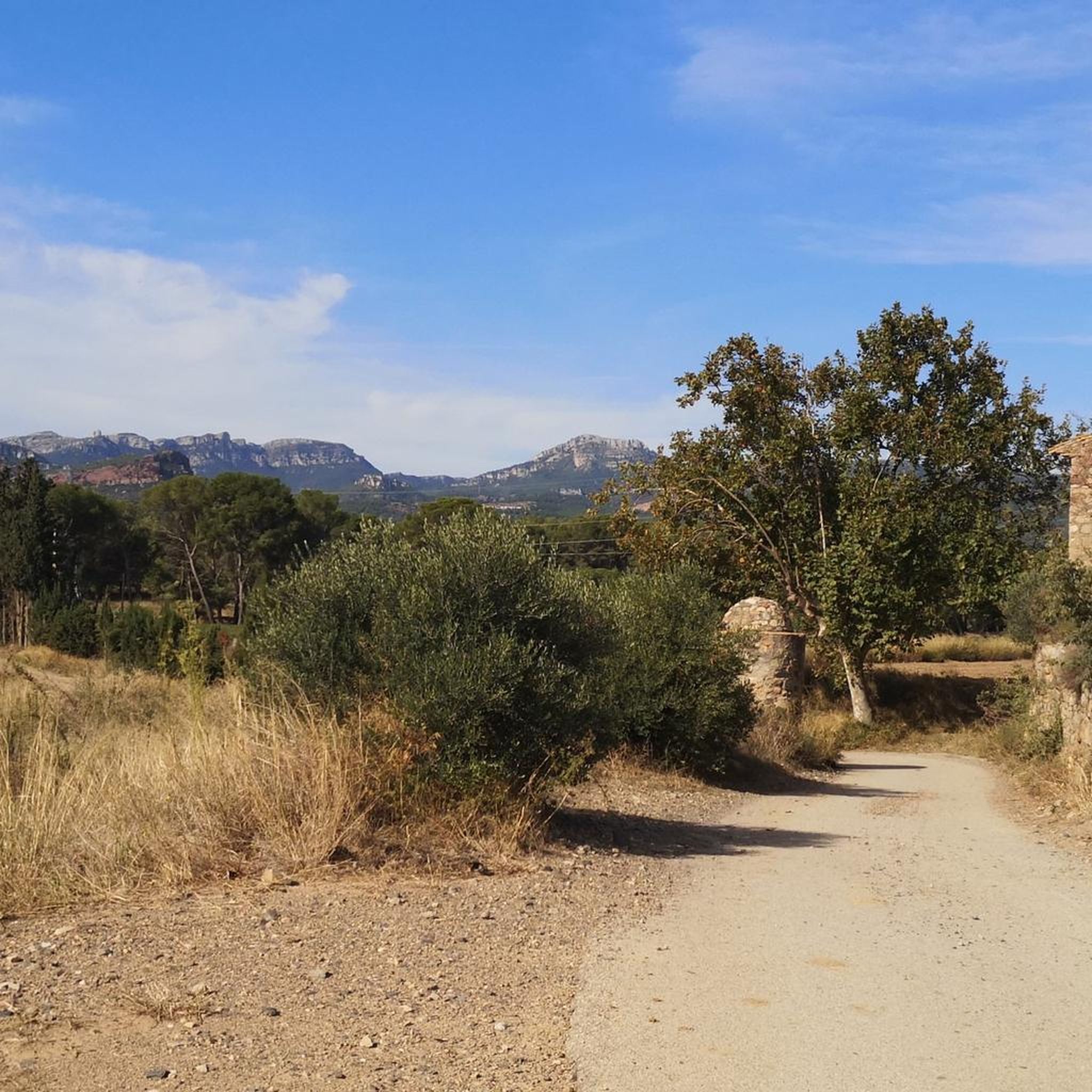
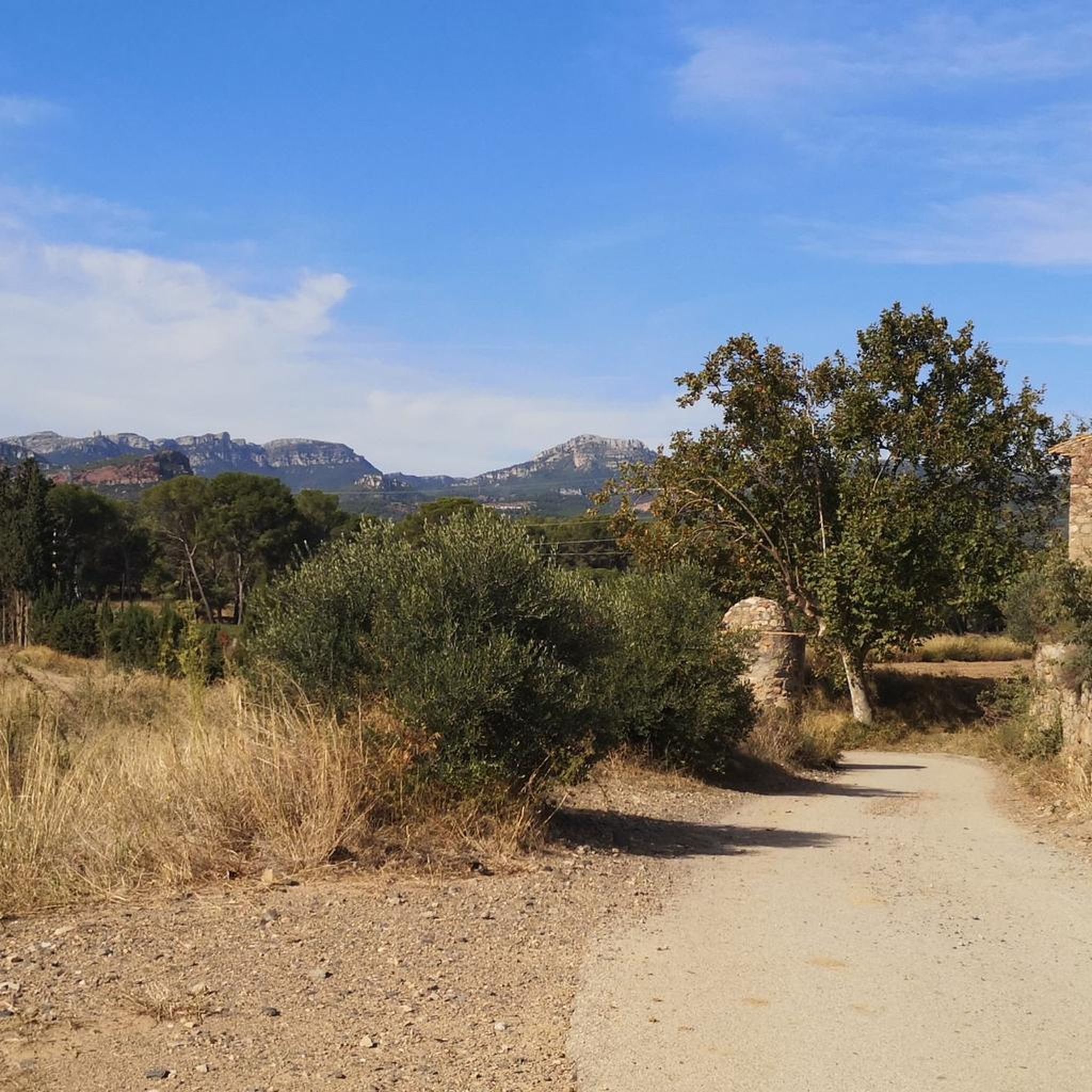
Old Farmhouse. Ideal to replenish and rest.
0
1

Beautiful historic farmhouse, if you still have water in your bottle drink it here and enjoy life.
14
0

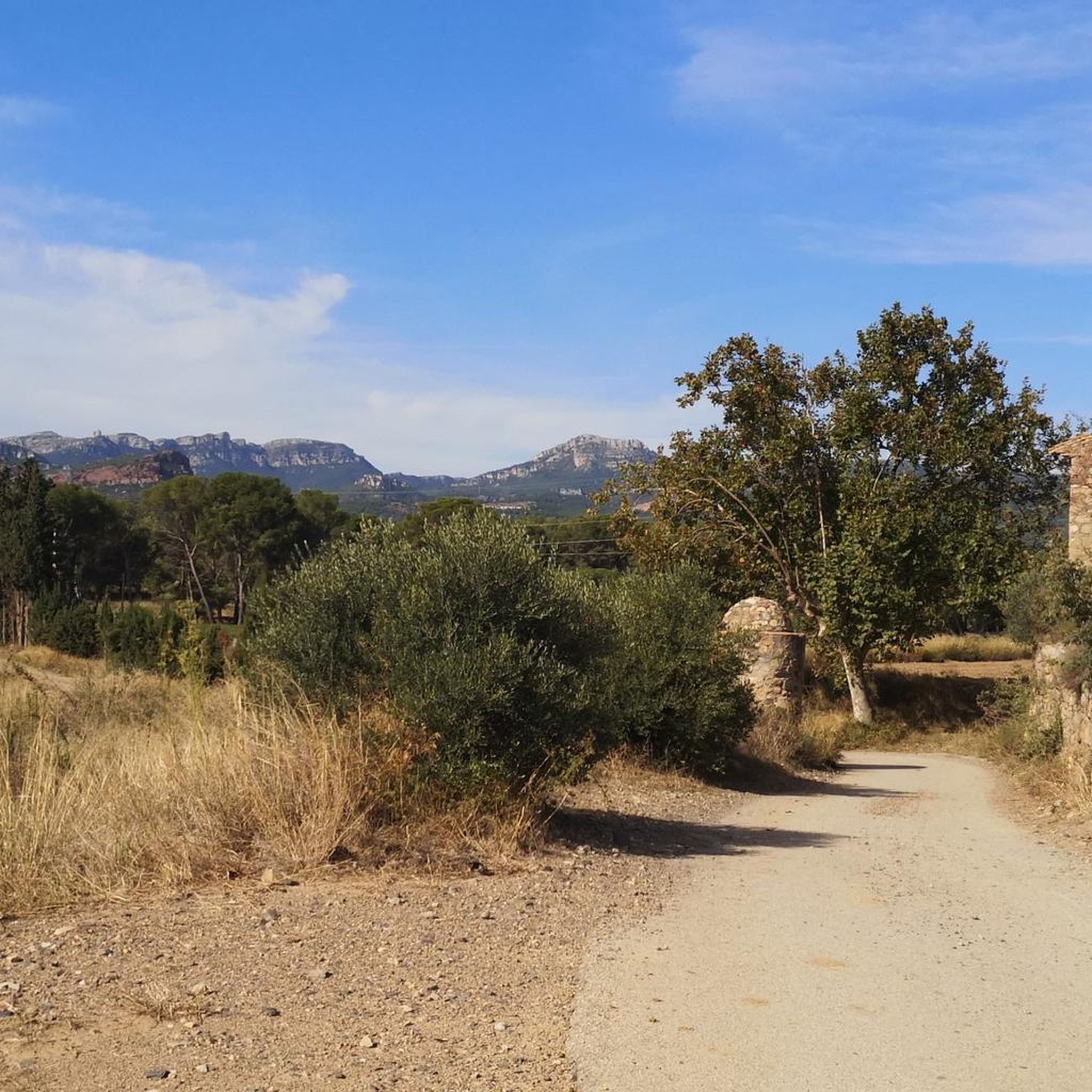
From up here you have a beautiful view.
0
0

Beautiful house typical of this area of Reus and characterized by having a tower that can be seen from the outskirts.
0
0

Stately mansion from the early 20th century, made up of the remains of two medieval buildings, the Escornalbou monastery, founded in 1153, and the castle, built on the remains of a Roman fortress. For six centuries this architectural complex formed the barony of Escornalbou, but after the confiscation of Mendizabal it was practically in ruins. In 1911 it was acquired by the philanthropist, diplomat and writer Eduard Toda, who restored it following very personal criteria: some structures were demolished and towers were erected in an "exotic" medieval style. Of the old monastery, only the Romanesque church remains, remains of the chapter house and the structure of the cloister, converted into a viewpoint of the Camp de Tarragona region.
3
1

The Mas dels Tegells, also called Mas de Sant Rafael, during the Middle Ages, was the nucleus of its own term. At the end of the 19th century, it was restored and given a neo-Gothic appearance both to its two side towers with battlements and battlements and to its outer wall.
3
0
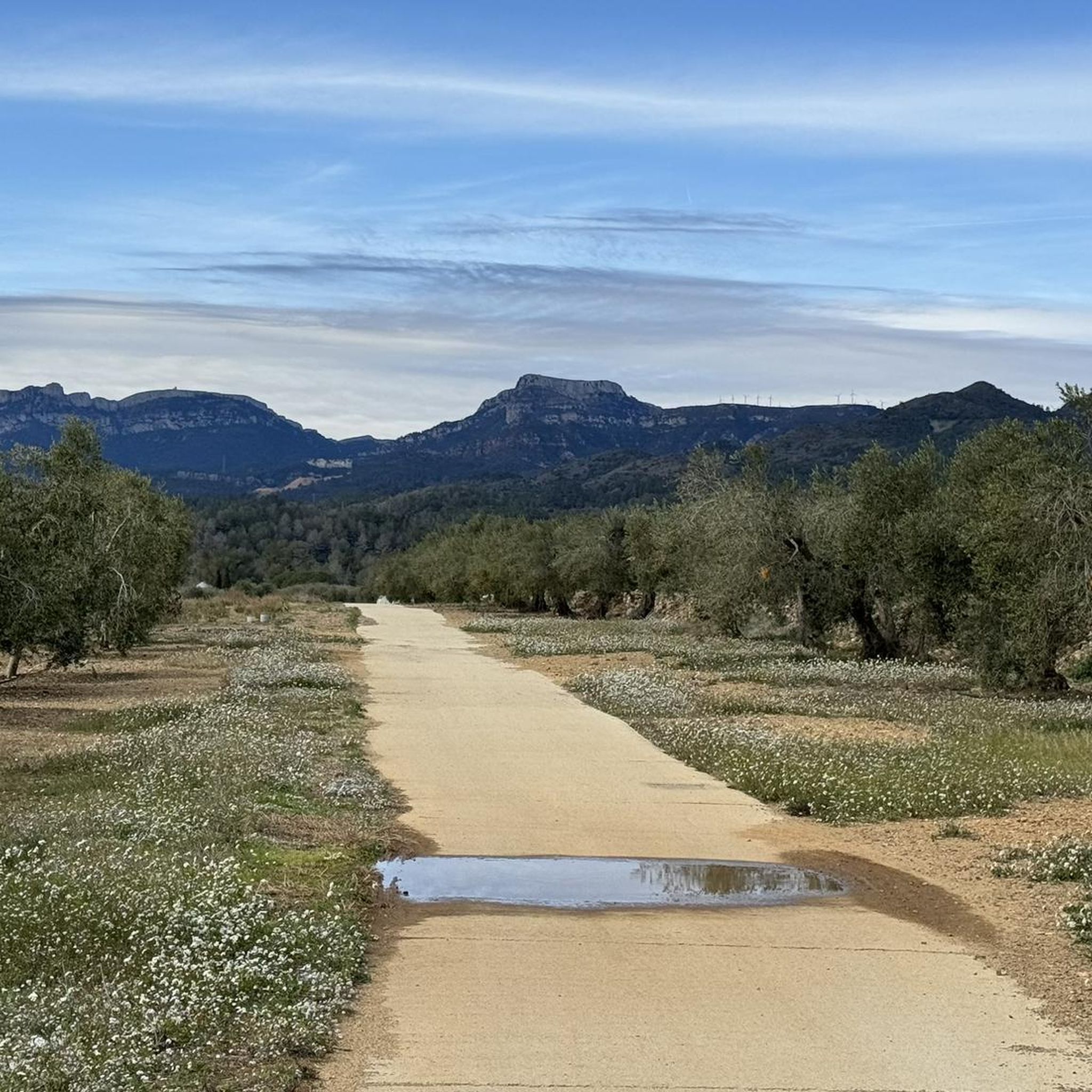
It's a very special place in the middle of a very classic MTB route...
3
0

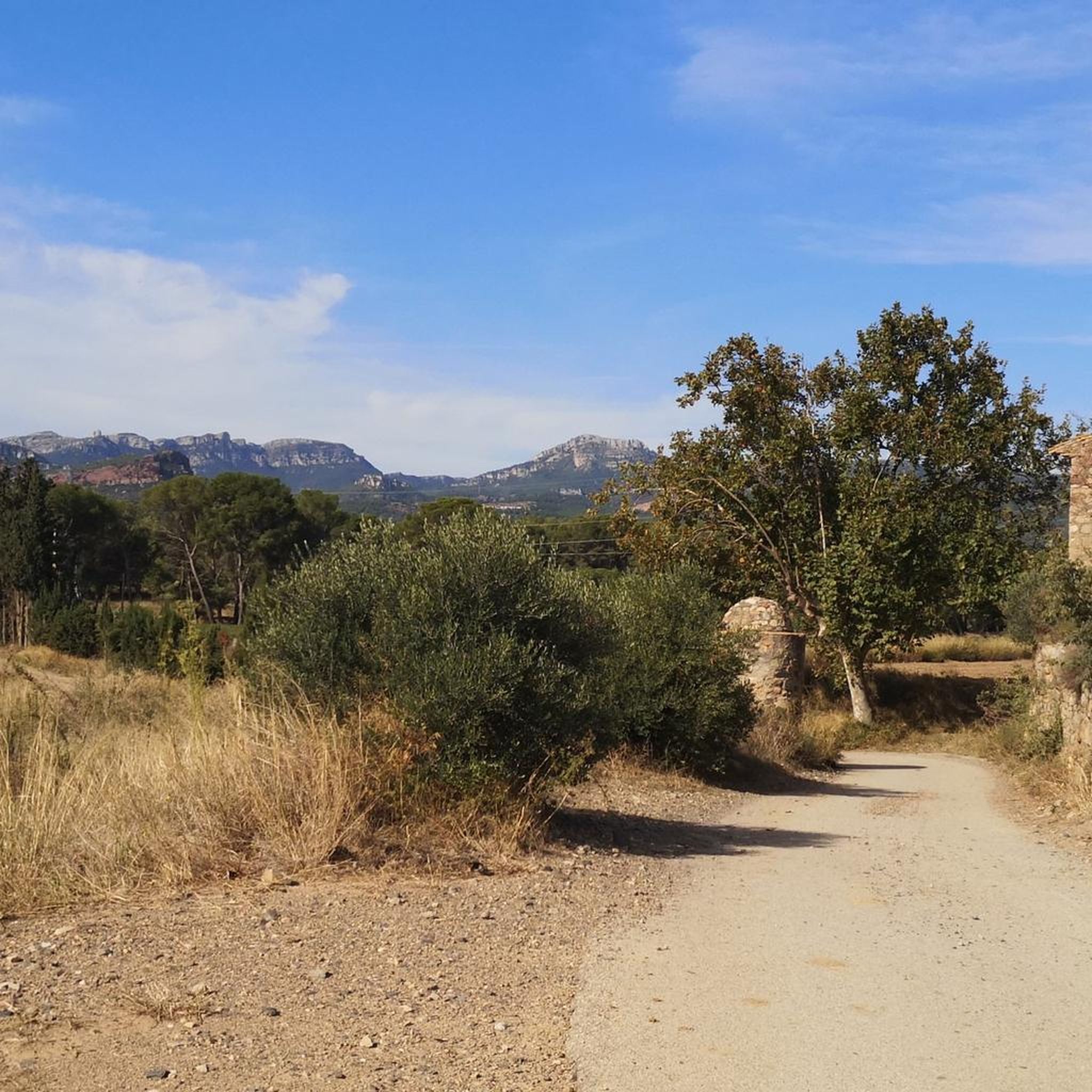
the panorama is brutal
0
0
Frequently Asked Questions
What kind of historical structures can I explore in Montbrió del Camp?
Montbrió del Camp offers a rich historical architectural heritage, primarily centered around its medieval walled town and defensive structures. You can explore remnants of its fortifications, such as the urban wall and various towers, which provide a glimpse into the town's past as a fortified 'vila closa'. Beyond the town itself, you can visit sites like La Mola Castle, Colldejou, Sant Miquel d'Escornalbou Castle and Monastery, and Castell dels Teixells.
Are there any challenging castle visits for experienced hikers?
Yes, La Mola Castle, Colldejou, offers a challenging hike with great nature. Visitors recommend good condition and sturdy, non-slip footwear due to some difficult sections. It's known for its grindstone cave, adding an interesting element to the exploration.
Which historical sites offer great views of the surrounding area?
Both Sant Miquel d'Escornalbou Castle and Monastery and La Mola Castle, Colldejou, are noted for their excellent viewpoints. The cloister of Sant Miquel d'Escornalbou, for instance, has been converted into a viewpoint offering panoramic vistas of the Camp de Tarragona region.
Can I find family-friendly historical sites around Montbrió del Camp?
While specific 'family-friendly' categories aren't listed for all sites, the historical center of Montbrió del Camp, with its medieval urban wall and tranquil streets, offers an engaging walk through history suitable for families. Exploring the remnants of the fortifications and the 'vila closa' can be an educational experience. For a more structured visit, Sant Miquel d'Escornalbou Castle and Monastery is a stately mansion with a rich history that can be interesting for various age groups.
What are the main historical features of the urban wall in Montbrió del Camp?
The urban wall of Montbrió del Camp dates back to the 14th century, forming a well-preserved Romanesque 'vila closa' (walled town). While much of the wall may be integrated into existing houses, exploring the old town reveals its defensive planning. A significant feature is the Torre de la Closa, a 13th or 14th-century gate tower incorporated into the town hall building, through which a street passes.
Are there any unique defensive towers to visit in the region?
Yes, the Torre del Mas de l'Hereu, located within the municipality of Montbrió del Camp, is a notable circular tower built in the 16th century. It was constructed to defend against pirate attacks common along the Mediterranean coast and features battlements and machicolations. It's situated within a private estate, so permission from the owners is required to visit.
What outdoor activities can I combine with visiting castles near Montbrió del Camp?
The area around Montbrió del Camp is excellent for outdoor activities. You can find numerous routes for hiking, cycling, and mountain biking. For example, there are several hiking routes like the 'Montbrió del Camp and Riudecanyes Reservoir Loop' or the 'Montbrió del Camp and Castell dels Teixells Loop'. You can explore more options on the Hiking around Montbrió Del Camp guide, the Cycling around Montbrió Del Camp guide, or the MTB Trails around Montbrió Del Camp guide.
Is there parking available at the castle sites?
Yes, Sant Miquel d'Escornalbou Castle and Monastery is noted as having parking available. For other sites, especially within the historical center of Montbrió del Camp, you may need to look for public parking options nearby.
What is the best time of year to visit the castles and historical sites?
The region generally enjoys a Mediterranean climate. Spring and autumn typically offer pleasant temperatures for exploring historical sites and engaging in outdoor activities like hiking. Summers can be hot, which might be less comfortable for extensive outdoor exploration, while winters are generally mild.
What is the history behind Sant Miquel d'Escornalbou Castle and Monastery?
Sant Miquel d'Escornalbou Castle and Monastery is a stately mansion from the early 20th century, built upon the remains of two medieval structures: a castle, which itself was constructed on a Roman fortress, and the monastery of Sant Miquel, founded in 1153. After falling into ruins, it was restored in 1911 by Eduard Toda, who incorporated elements of both medieval and 'exotic' styles into its reconstruction.
Are there any historical 'strong houses' in the area?
Yes, Mas de Llambert is a 'strong house' (casa fuerte) with origins dating back to the 12th century. It was initially part of a larger property that also included the Torre del Mas de l'Hereu, though they were separated by the 14th century. Its designation suggests it played a defensive or authoritative role in the area's history.
What should I wear when visiting the castles and historical sites?
Comfortable walking shoes are highly recommended, especially if you plan to explore the medieval streets of Montbrió del Camp or hike to sites like La Mola Castle, Colldejou, which requires sturdy, non-slip footwear. Dress in layers suitable for the season, and consider sun protection during warmer months.
Most popular routes around Montbrió Del Camp
Most popular attractions around Montbrió Del Camp

Get inspired with the komoot mobile app


Explore more
Looking for the best castles somewhere else? Discover other guides around Montbrió Del Camp:
