Top 4 Caves around Tuineje
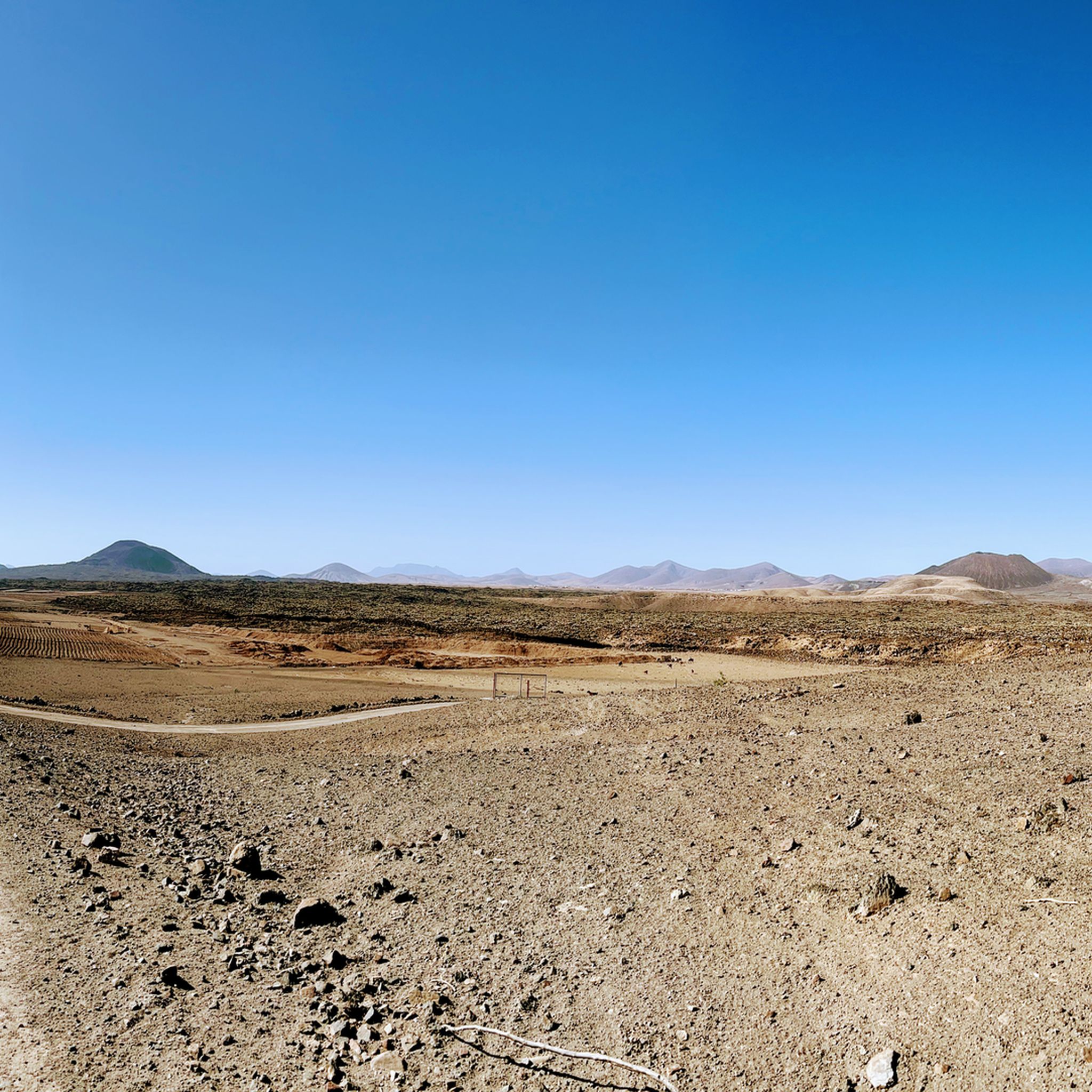
Caves around Tuineje, located in the southern part of Fuerteventura, present a natural landscape characterized by volcanic features and coastal formations. The area provides opportunities to explore geological sites and tranquil beaches. Tuineje is known for its less frequented spots, offering a quieter experience compared to other parts of the island. The region's caves are often found near the coast, providing unique interactions with the ocean environment.
Best caves around Tuineje
- The most popular caves is Ajuy Caves (Cuevas de…
Last updated: October 7, 2026
Ajuy Caves (Cuevas de Ajuy)
Highlight • Cave
Translated by Google •
Tip by

Ajuy Beach
Highlight • Beach
Translated by Google •
Tip by

Sign up now to discover places like this
Get recommendations on the best single tracks, peaks, & plenty of other exciting outdoor places.
Second Cave
Highlight • Cave
Translated by Google •
Tip by

Sea Cave at Tarajalejo Beach
Highlight • Cave
Translated by Google •
Tip by

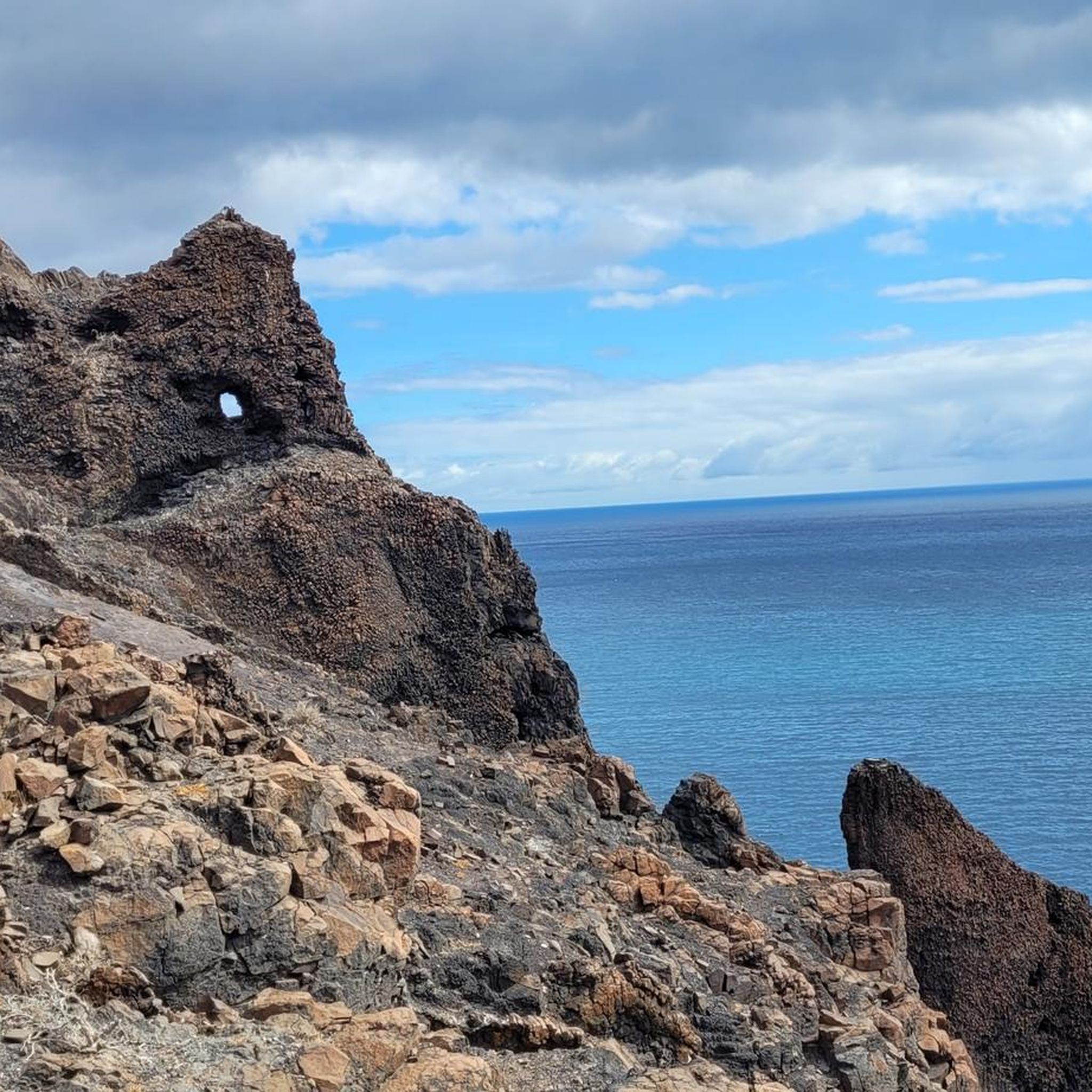
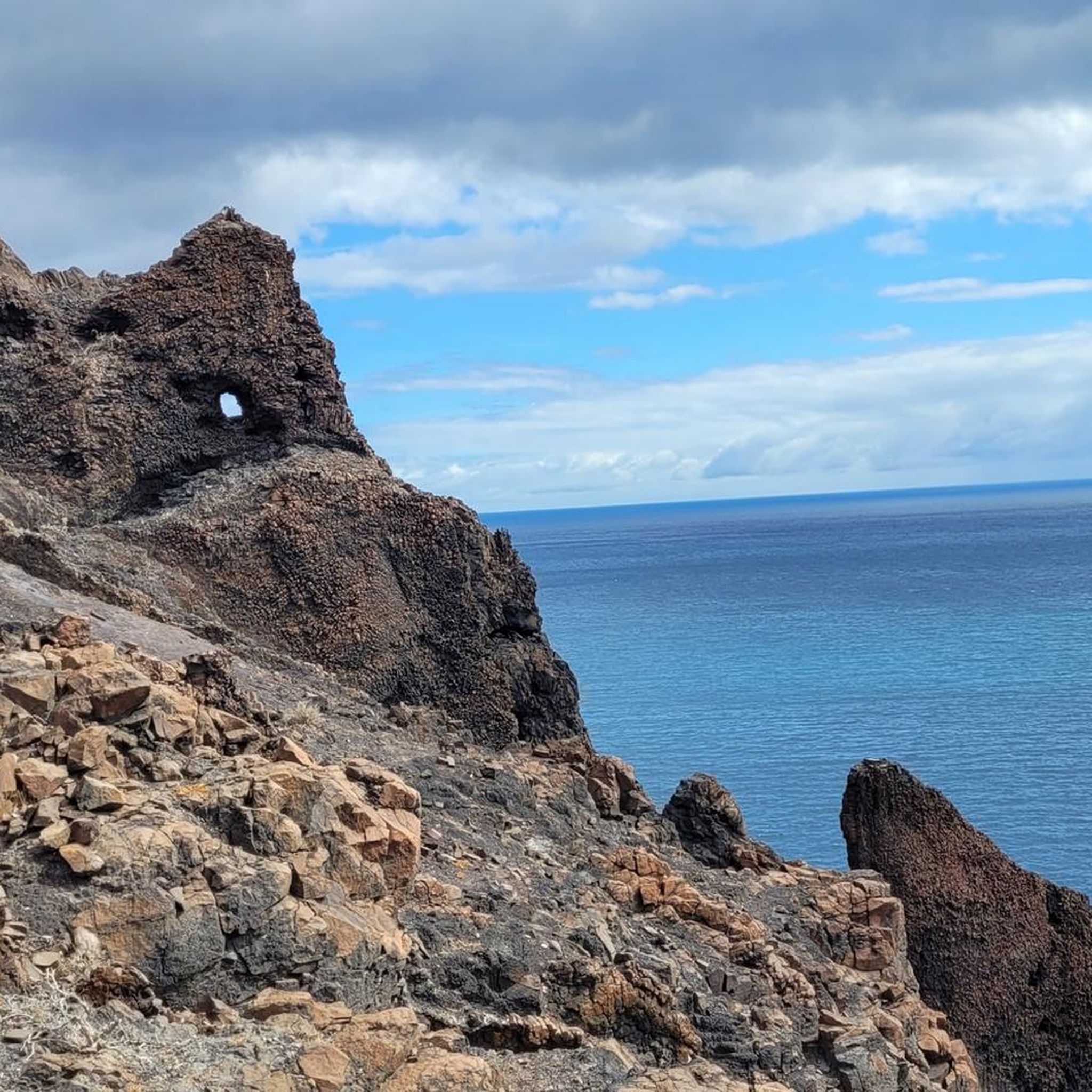
Montaña Roja Cave
Highlight • Cave
Translated by Google •
Tip by



Tips from the Community

A bit of climbing is necessary to be able to view the cave from the inside as well. Observe tide times.
0
0

Through a small stone window, you can climb over into the second cave. With a flashlight, you can go a few meters up. Unfortunately, this cave is apparently used as a toilet 🙁
0
0

From the first cave, you can go straight ahead via a short climb into the second cave. You can also walk into this one (with a flashlight).
2
0

It's truly beautiful here. There are lots of crabs in the cave, which is absolutely fascinating to watch. Watch out for high tide.
1
0

Characteristic place with a large parking lot and the walk on the rocks is 5 minutes from the parking lot, the beach has wonderful rocks smoothed by the water
3
1

Wonderful beach. It's a great sight when the mostly high waves hit the jet black sand. But be careful when swimming, strong surf!
10
0

A path leads from the beach to Caleta Negra (Black Bay), from where a steep staircase leads down to the caves. Tip: Wear sturdy shoes!
43
2
Stingrays and angel sharks, for example, live inside the caves. An overview of the cave formations can be obtained along a path up to the cliff.
58
0
Frequently Asked Questions
What makes the caves around Tuineje unique?
The caves in Tuineje are primarily coastal and volcanic, offering a distinct interaction with the ocean environment. They are known for their natural formations and serene settings, often found near tranquil beaches. For example, the Ajuy Caves (Cuevas de Ajuy) feature diverse cave formations accessible via a path up to the cliff, while the Sea Cave at Tarajalejo Beach is notable for its crab population and picturesque setting.
What should I know about visiting the Ajuy Caves (Cuevas de Ajuy)?
The Ajuy Caves (Cuevas de Ajuy) are accessible at low tide. A path leads from Ajuy Beach to Caleta Negra, from where a steep staircase descends to the caves. It's recommended to wear sturdy shoes. You can explore two caves, with the second reachable through a passage in the wall of the first. Stingrays and angel sharks are sometimes found inside.
What can I expect at the Sea Cave at Tarajalejo Beach?
The Sea Cave at Tarajalejo Beach is located directly on Tarajalejo Beach, a wide volcanic beach with clear waters and dark sand. It's praised for its beauty and is less affected by ocean tides, making it accessible at any time. The cave is home to many crabs, which are fascinating to observe. Visiting at sunset is particularly recommended for the beautiful colors reflecting on the ocean and sand. Rubber shoes are advisable due to rocky areas.
Are there other notable caves in the Tuineje area?
Beyond the well-known Ajuy and Tarajalejo caves, Tuineje also features the Montaña Roja Cave, an interesting cave formed by rocks with a marked path. Note that this trail cannot be done between February and July due to bird nesting. The Sea Cave of Garcey is also considered one of Fuerteventura's most beautiful caves, though caution is advised during bad weather due to falling rocks and slippery sand.
Do I need a permit to explore caves in Tuineje?
Generally, permits are not required for visiting the publicly accessible coastal caves like the Ajuy Caves or the Sea Cave at Tarajalejo Beach. However, for specific or less-known caves, especially those in protected areas or requiring specialized equipment, it's always best to check local regulations or inquire with local authorities if you plan extensive exploration.
What is the best time of year to visit the caves in Tuineje?
The caves in Tuineje can generally be visited year-round due to Fuerteventura's mild climate. However, for coastal caves like Ajuy, visiting during low tide is crucial for accessibility. For the Montaña Roja Cave, avoid February to July due to bird nesting. Always check weather conditions, especially for sea caves, and avoid visiting during strong winds or high waves for safety.
Are the caves around Tuineje suitable for families with children?
Yes, some caves are family-friendly. The Ajuy Caves are a popular choice, with a clear path leading to them, though the steep staircase requires supervision for younger children. Tarajalejo Beach Cave is also accessible and offers a fascinating experience with its crab population. Always ensure children wear appropriate footwear and are supervised, especially near rocky or slippery areas.
Can I bring my dog to the caves in Tuineje?
While specific dog policies for each cave are not always explicitly stated, many natural outdoor areas in Fuerteventura are dog-friendly. However, for safety and respect for wildlife, it's advisable to keep dogs on a leash, especially in rocky terrain or near nesting bird areas like the Montaña Roja Cave. Always clean up after your pet.
What kind of terrain should I expect when visiting the caves?
The terrain around Tuineje's caves is typically volcanic and coastal. Expect rocky paths, black sand beaches, and potentially slippery surfaces, especially near the sea. For instance, the path to the Ajuy Caves involves a path up a cliff and a steep staircase. Sturdy, closed-toe shoes or rubber shoes are highly recommended for comfort and safety.
What outdoor activities can I do near these caves?
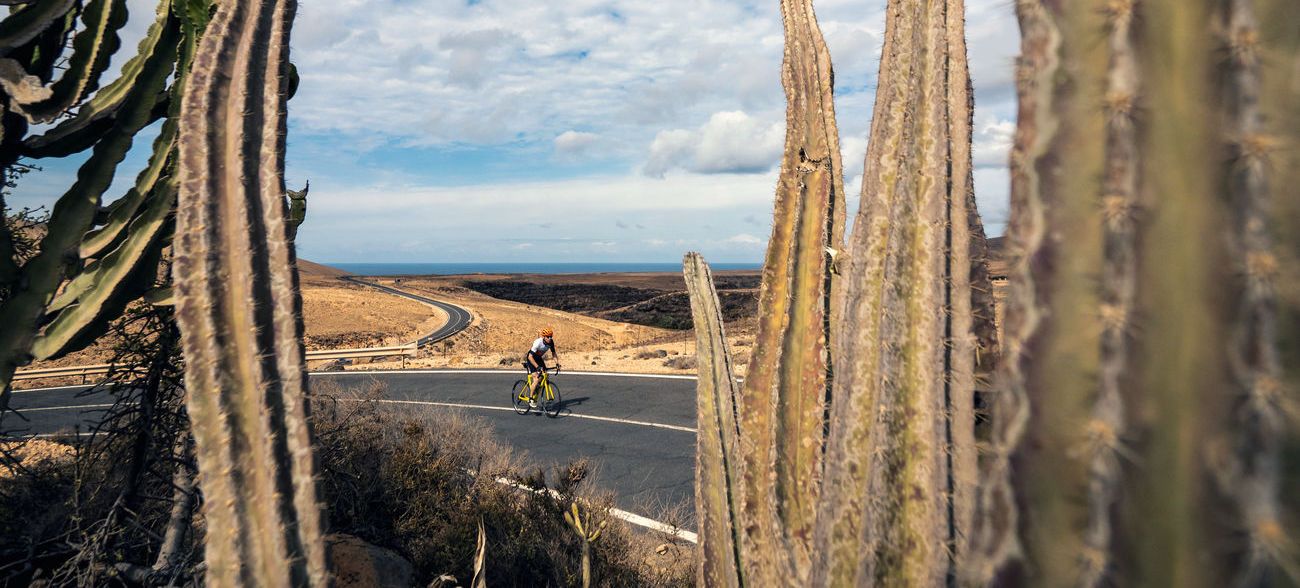
The area around Tuineje offers various outdoor activities. You can find numerous cycling routes, including road cycling, gravel biking, and touring bicycle options. For example, explore routes like the 'FV-617 Scenic Road – Gran Tarajal loop' for road cycling or the 'La Pared Beach – La Lajita to La Pared Pass loop' for gravel biking. You can find more details on these and other routes in the Road Cycling Routes around Tuineje, Gravel biking around Tuineje, and Cycling around Tuineje guides.
Are there any viewpoints or natural features to look out for near the caves?
Yes, the region is rich in natural beauty. Near the Ajuy Caves, you'll find Ajuy Beach, known for its dramatic black sand and high waves. The path to the caves itself offers an overview of the cave formations from the cliff. The Sea Cave at Tarajalejo Beach provides picturesque views, especially at sunset, with reflections on the ocean and dark sand.
Are there guided cave exploration tours available in Tuineje?
While the main caves like Ajuy are generally self-guided, local tour operators in Fuerteventura may offer guided excursions that include visits to these natural sites, sometimes combining them with other regional attractions. For more specialized caving experiences, it's best to inquire with adventure tourism companies on the island.
Most popular attractions around Tuineje

Get inspired with the komoot mobile app


Explore more
Extend your search for the best caves by checking out these guides of the top ones around Tuineje:
