Top 5 Caves around Santander
Best caves around Santander are found in the Cantabria region of Spain, an area known for its diverse natural landscape and significant geological and archaeological sites. The coastline features dramatic cliffs and unique rock formations, while inland areas offer a network of caves. Many of these caves hold prehistoric art and distinctive speleothems, reflecting a rich natural and human history.
Best caves around Santander
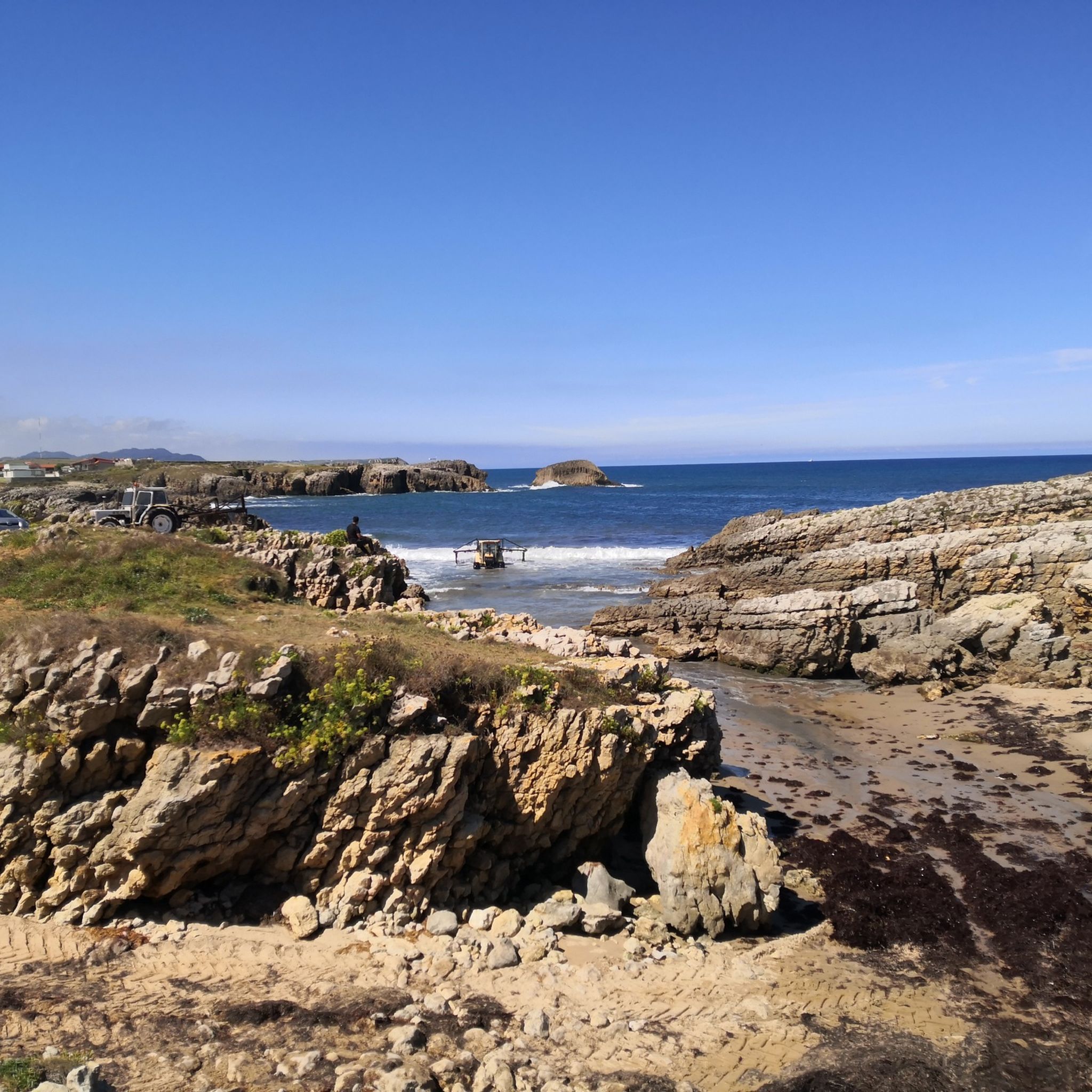
- The most popular caves is Somocuevas Beach, a beach that features caves between the rocks at the tip of Somocuevas. This location offers an impressive landscape with beautiful stone slabs.
- Another must-see spot is Liencres Blowhole, a natural monument. Visitors can observe spectacular water fountains created by strong waves hitting narrow coastal openings.
- Visitors also love Cave of the Virgen del Mar, a cave with challenging access. It offers rewarding views and is located near the Virgen del Mar.
- Santander is known for its sea caves, blowholes, and river-associated caves. The region offers a variety of caves to see and explore, from those with unique geological formations to those with historical significance.
- The caves around Santander are appreciated by the komoot community, with more than 55 upvotes and 45 photos shared by users.
Last updated: June 20, 2026
Somocuevas Beach
Highlight • Beach
Its name comes from the caves between the rocks at the tip of Somocuevas. Nearby there is an islet that is frequented by seagulls and cormorants.
It has a length of 100 meters and its access is through a staircase of 139 steps that descends from a high cliff located to the west of the beach. This staircase is reached by a narrow path that comes from the parking area located a few hundred meters from the stairs. The slope of access to the water is gentle and the waves are also gentle because it is protected from the open sea by an inlet. The bottom is partly rocky although fine sand is also abundant. It is frequented by nudists, it is not official nudist as such. It is freely accessible.
The surroundings are made up of Atlantic meadows and residential developments. To the west is the natural park of the Dunas de Liencres, one of the most important coastal points of the Cantabrian Sea.
Translated by Google •
Tip by

Liencres Blowhole
Highlight • Natural Monument
When the sea is calm, all you can see are the huge holes at the top of the coast and, with a bit of luck, like at Bufon de Liencres, the opening to the sea.
Translated by Google •
Tip by

Sign up now to discover places like this
Get recommendations on the best single tracks, peaks, & plenty of other exciting outdoor places.
Sign up for free
Aguanaz River and Frenchman’s Cave
Highlight (Segment) • River
Translated by Google •
Tip by

Cucabrera Cave
Highlight • Cave
Translated by Google •
Tip by

La Covachona Cave and Source of the Cubón River
Highlight • Cave
The cave also gives the name to the small park that surrounds it, which has 3 wooden tables, a fountain and a small recreational park for young children and one of the Singular Trees of Cantabria: El Castaño de Rioz.
Translated by Google •
Tip by
Sign up for free to discover even more caves around Santander.
Sign up for free
Already have an account?
Start today with a free account
Your next adventure awaits.
Login or Signup
Popular around Santander
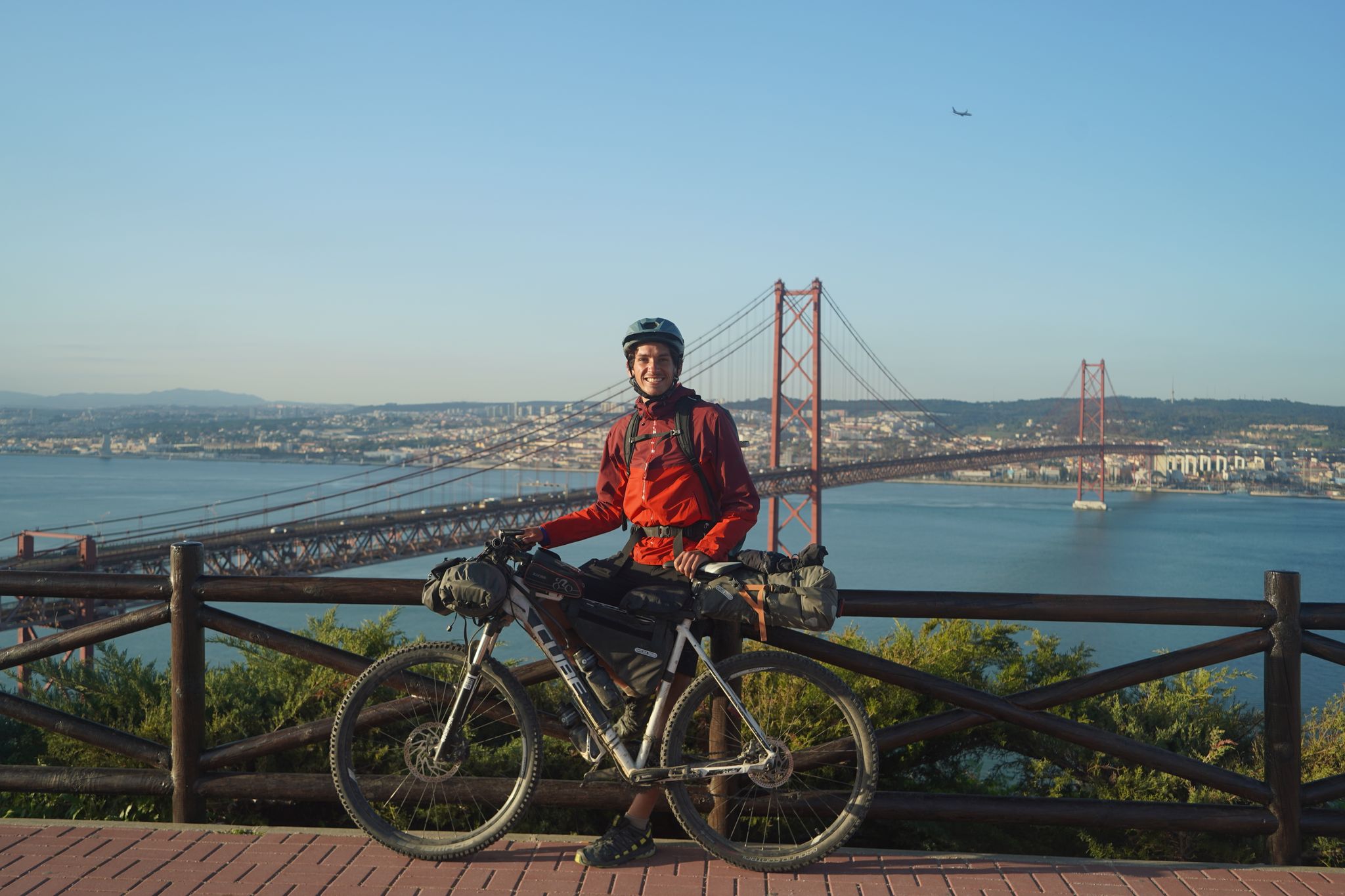
Road to Lisbon – bikepacking the Alps, Pyrenees and Picos de Europa
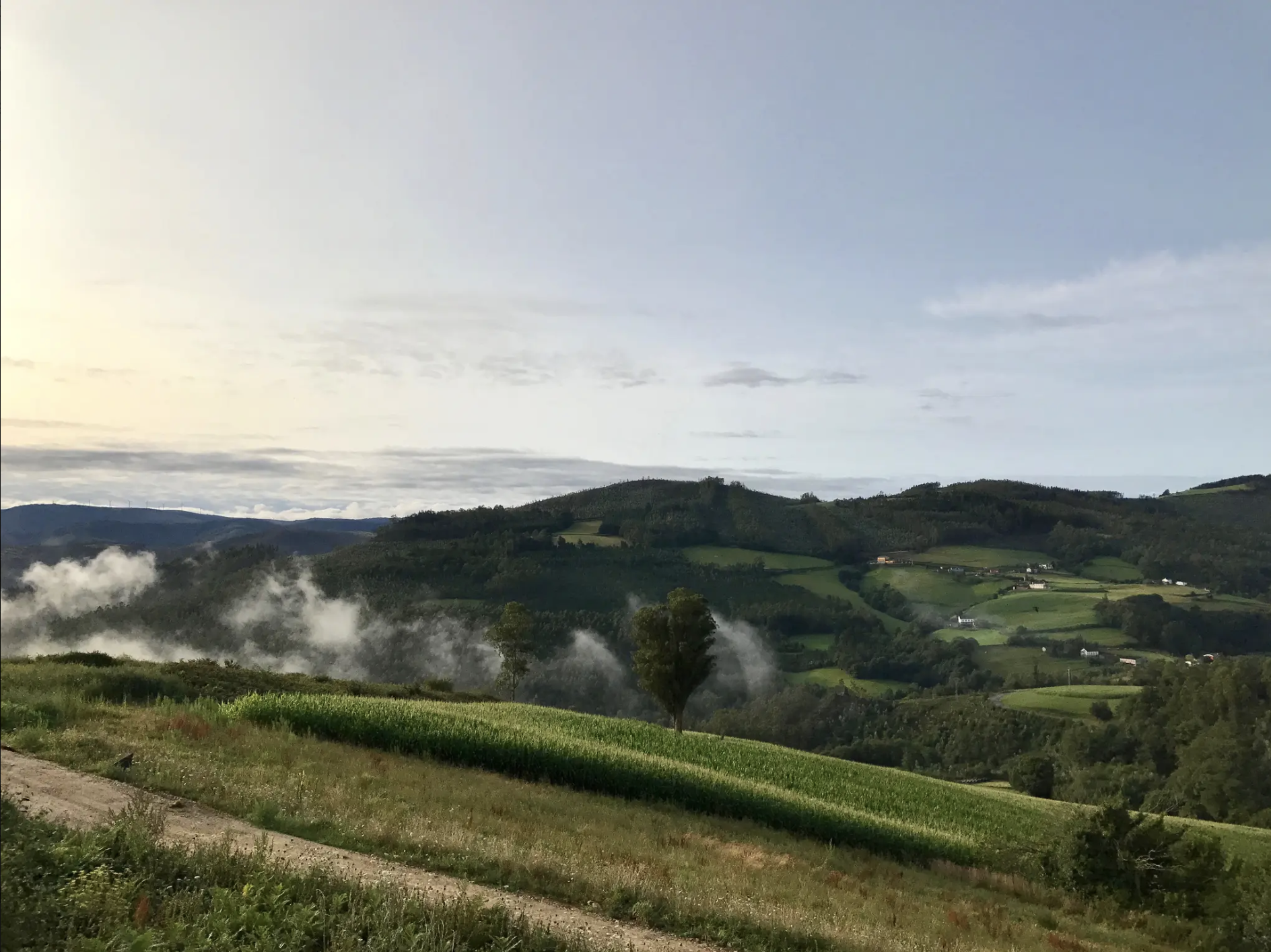
Camino del Norte (in reverse) – Discovering northern Spain's stunning coastline
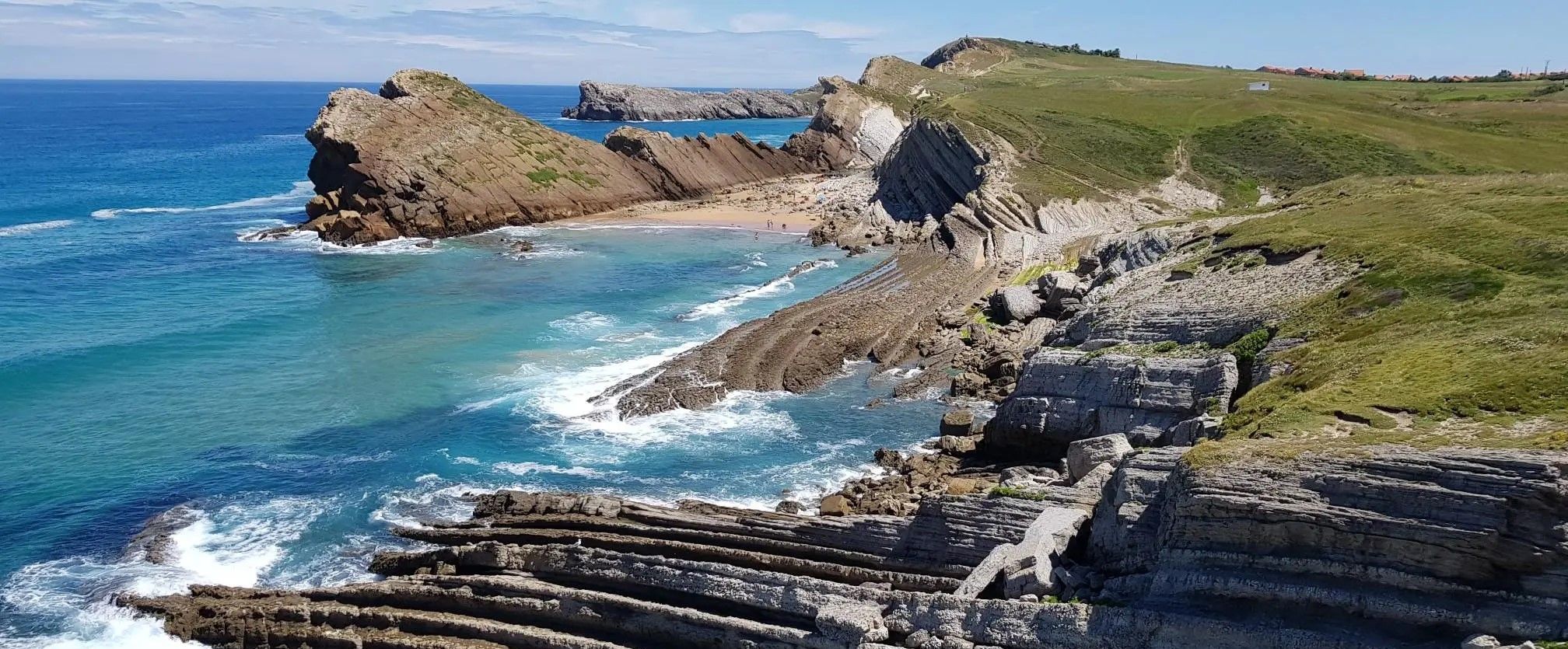
Water everywhere — Amazing routes near Santander
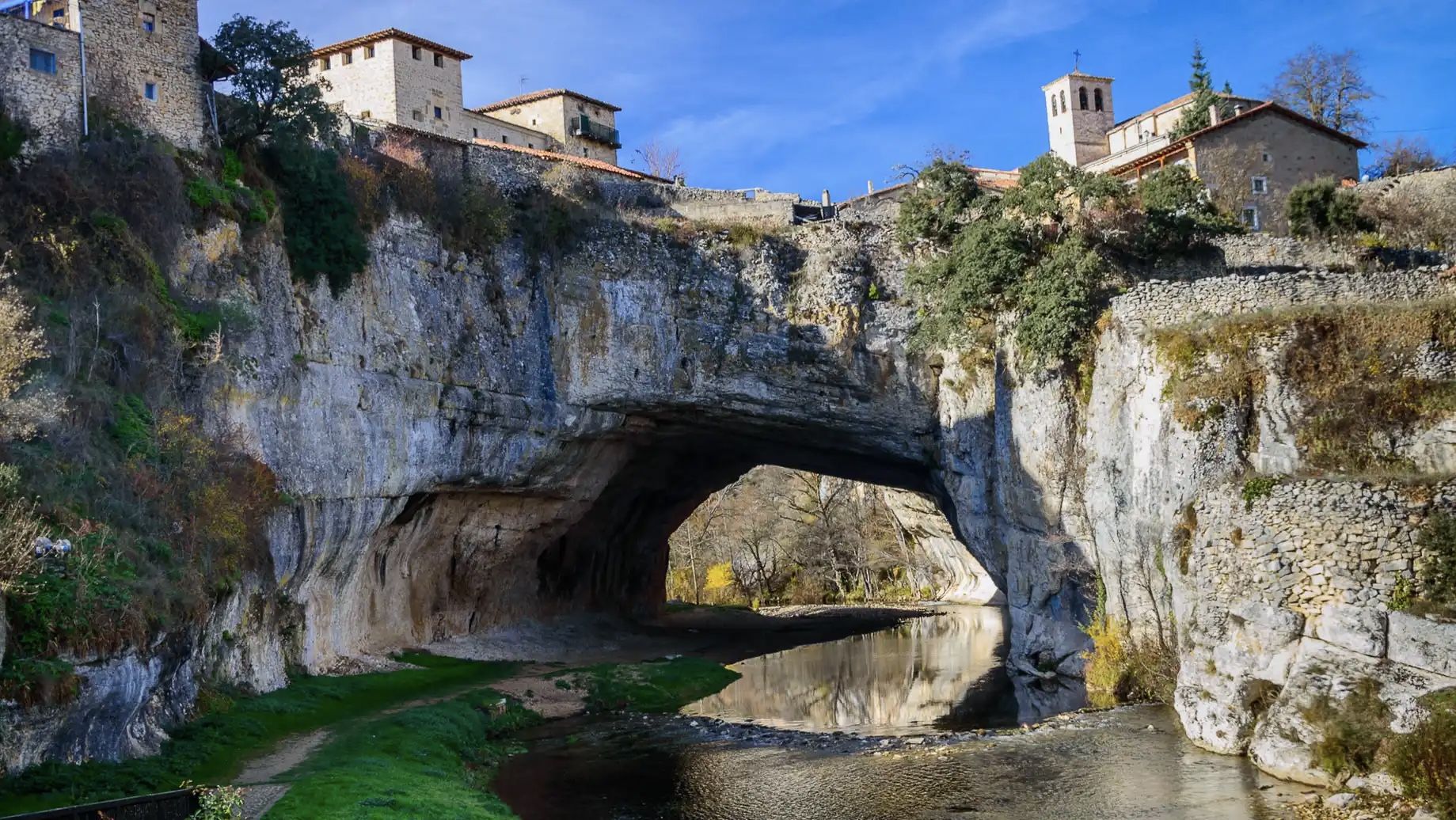
An epic getaway – Santander-Mediterráneo Nature Trail
MTB Trails around Santander
Gravel biking around Santander
Other adventures around Santander


Tips from the Community

The Costa Quebrada is a magnificent coast for hiking. The access to the bay is currently closed (13.4.26).
1
0

Magnificent beach that you pass by if you are doing a tour of the Costa Quebrada. You can come perfectly from Arnía beach.
0
0
Do not stop visiting it.
0
1

Legend has it that a French abbot, fleeing the Revolution, came to these places, hiding in the cave. And they say that, from so much crying, his eyes became irritated in such a way that they caused him bad eyesight. But, on one occasion he noticed that by washing them with the waters of the fountain, his eyes healed. Hence the discovery of the virtues of the waters and the name of the place.
1
0

Divided into the west and east beaches, their name comes from the caves found on the islet that divides them. A very popular beach in summer although it offers an ideal escape at any time of the year.
1
0

Bufones (blowholes) are "coastal geysers" that are predominantly seen in eastern Asturias. These are narrow openings at the end of a cave directly on the coast, which extends above the cave ceiling into the open air. If a strong wave hits the opening to the sea, it is guided through the cave walls like a funnel to the upper opening. When the surf is strong, spectacular water fountains are created, similar to those of a geyser. When the sea is calm, all you can see are the huge holes at the top of the coast and, with a bit of luck, like at Bufon de Liencres, the opening to the sea.
0
1

Nice and quiet path that runs along the river through the foliage of the forest.
0
0

Very nice hike and the highlight are these beautiful stone slabs.
1
0
Frequently Asked Questions
What kind of natural formations can I expect to see in the caves around Santander?
The caves in the Santander region, particularly in Cantabria, are renowned for their exceptional geological formations. For instance, Liencres Blowhole offers spectacular coastal geysers created by strong waves. The Cueva de El Soplao, often called the 'Sistine Chapel of Geology,' showcases a remarkable diversity of speleothems, including gravity-defying helictites, translucent calcite draperies, stalactites, stalagmites, and columns. Somocuevas Beach also features unique caves nestled between rocks.
Are there any caves with prehistoric art near Santander?
Yes, the Cantabrian region is rich in prehistoric art, with several UNESCO World Heritage sites. The Caves of Monte Castillo, including El Castillo and Las Monedas, contain hundreds of Paleolithic figures and hand stencils, some dating back over 40,000 years. The Cueva de Covalanas is famous for its distinctive red-hued deer figures created with a dot-painting technique. The La Garma Cave Complex also boasts one of the best-preserved Paleolithic floors globally, with extensive art and fossils.
What is the best time of year to visit the caves in the Santander region?
The caves in Cantabria can generally be visited year-round. However, visiting during the shoulder seasons (spring and autumn) might offer a more pleasant experience with fewer crowds. Summer is popular but can be busy. Always check specific cave opening hours and seasonal closures, as some may vary.
Are guided tours available for the major caves, and how do I book them?
Yes, guided tours are available for many of the significant caves. For example, El Castillo and Las Monedas caves at Monte Castillo offer guided tours. The Cueva de Covalanas provides intimate tours for small groups. Cueva de El Soplao also offers standard guided tours and more adventurous expeditions. It is highly recommended to book tours in advance, especially during peak season, as access to some caves like Covalanas is limited to preserve the art. Check the official websites for each cave for booking details and permit requirements.
Are there family-friendly caves suitable for children near Santander?
Many caves offer experiences suitable for families, though accessibility can vary. Caves with well-maintained paths and lighting, like parts of El Soplao, are generally good options. Aguanaz River and Frenchman’s Cave is listed as family-friendly, offering a quiet river walk. Always check the specific cave's accessibility information and tour duration to ensure it's appropriate for your family's needs.
What outdoor activities can I do near these caves?
The region around Santander offers diverse outdoor activities. You can find numerous hiking and cycling opportunities. For example, there are gravel biking routes and MTB trails around Santander. Some highlights, like Somocuevas Beach, are excellent for coastal walks and enjoying the landscape. Always check the difficulty and length of routes to match your fitness level.
What should I bring when visiting the caves?
Even in summer, cave interiors maintain a constant cool temperature, so bringing a light jacket or sweater is advisable. Comfortable walking shoes with good grip are essential, as paths can be uneven or damp. For some caves, especially those with challenging access like Cave of the Virgen del Mar, climbing skills might be necessary. Always check specific requirements for each cave you plan to visit.
Are there any less crowded caves to visit in Cantabria?
While major sites like Monte Castillo and El Soplao can be popular, some caves might offer a more intimate experience due to limited access or location. The Cueva de Covalanas, for instance, limits group sizes to a maximum of six people, providing a profound and less crowded visit. Exploring lesser-known local caves or visiting during off-peak hours can also help avoid crowds.
What is the typical duration of cave tours in the Santander area?
The duration of cave tours varies depending on the specific cave and the type of tour. Standard guided tours for major sites like Monte Castillo caves (El Castillo, Las Monedas) or El Soplao typically last between 45 minutes to 1.5 hours. More adventurous expeditions, such as those offered at El Soplao, can be longer. It's best to check the specific tour details when booking.
Where can I find accommodation or places to eat near the caves?
The towns and villages surrounding the major cave complexes offer various options for accommodation and dining. For instance, Puente Viesgo is close to the Caves of Monte Castillo, and Ramales de la Victoria is near Cueva de Covalanas. You'll find cafes and restaurants in these areas. For Cueva de El Soplao, nearby towns like Rionansa, Valdáliga, and Herrerías provide amenities. It's recommended to book accommodation in advance, especially during tourist season.
Are there any caves that offer impressive sea views or coastal experiences?
Yes, the Santander region is known for its coastal caves and features. Somocuevas Beach features caves between rocks at the tip of Somocuevas, offering an impressive landscape. Liencres Blowhole is a natural monument where strong waves create spectacular water fountains from coastal openings. Cucabrera Cave provides incredible views of the sea breaking at your feet, and Cave of the Virgen del Mar also offers rewarding views near the coast.
Most popular routes around Santander
Most popular attractions around Santander

Get inspired with the komoot mobile app


Explore more
Extend your search for the best caves by checking out these guides of the top ones around Santander:
