Top 7 Caves around Dúrcal
Best caves around Dúrcal are found in a region known for its abundant water sources and diverse natural landscape. The municipality is situated near the Dúrcal River, offering a setting with geological features such as travertine formations. This area provides opportunities for exploring natural caves and historical sites. The terrain includes river environments and historical ruins, making it suitable for outdoor exploration.
Best caves around Dúrcal
- The most popular caves is Cave of the Dove, a cave that formed…
Last updated: June 20, 2026
Picnic Area at Tajo de las Cuevas
Highlight • Rest Area
Translated by Google •
Tip by

Cave of the Dove
Highlight • Cave
Translated by Google •
Tip by

Sign up now to discover places like this
Get recommendations on the best single tracks, peaks, & plenty of other exciting outdoor places.
Sign up for free
Cueva de los Riscos
Highlight • Cave
Translated by Google •
Tip by

Narrow Trail in the Monachil River Gorge
Highlight (Segment) • Trail
Translated by Google •
Tip by

Cistern of Dúrcal Castle
Highlight • Historical Site
Translated by Google •
Tip by

Sign up for free to discover even more caves around Dúrcal.
Sign up for free
Already have an account?
Start today with a free account
Your next adventure awaits.
Login or Signup


Tips from the Community

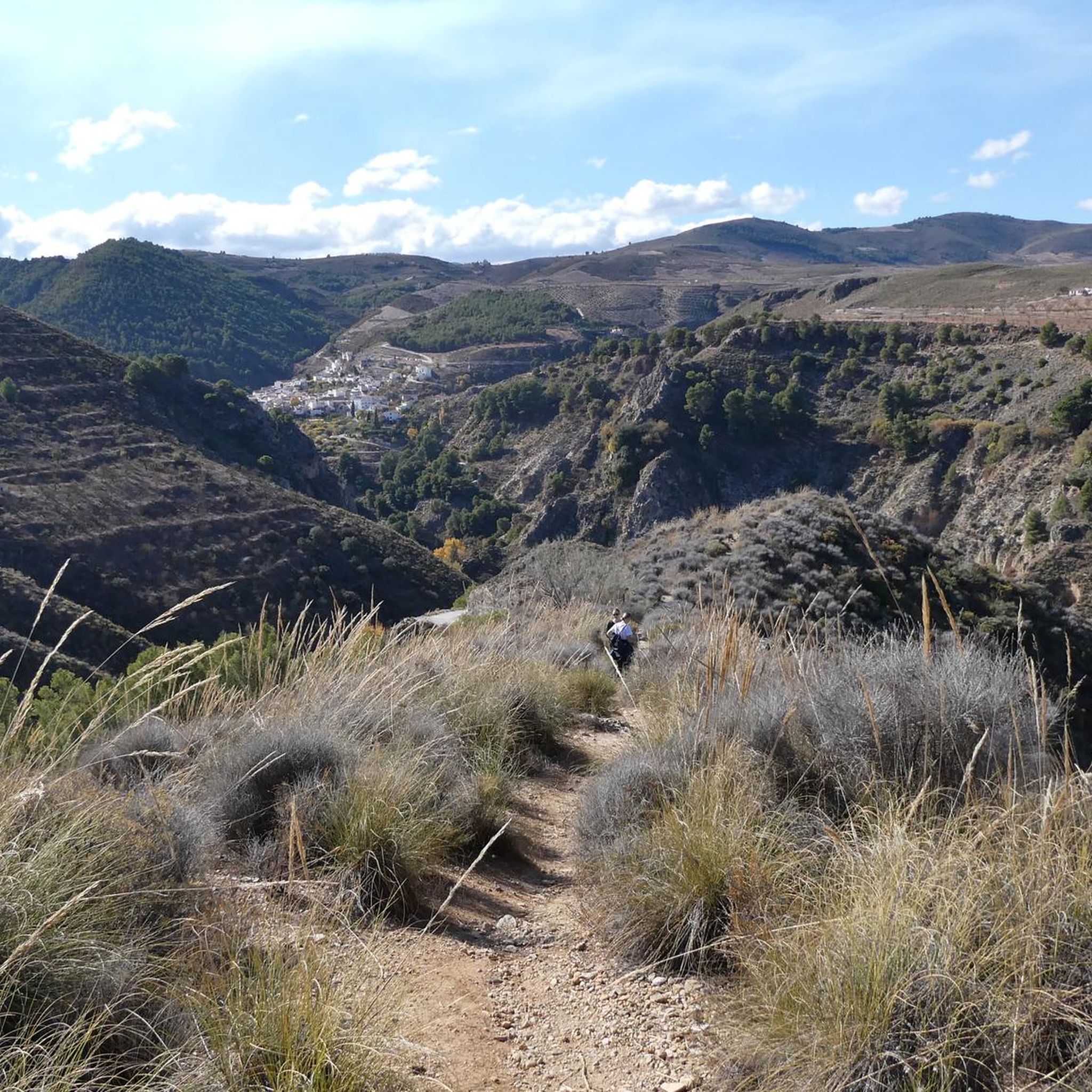
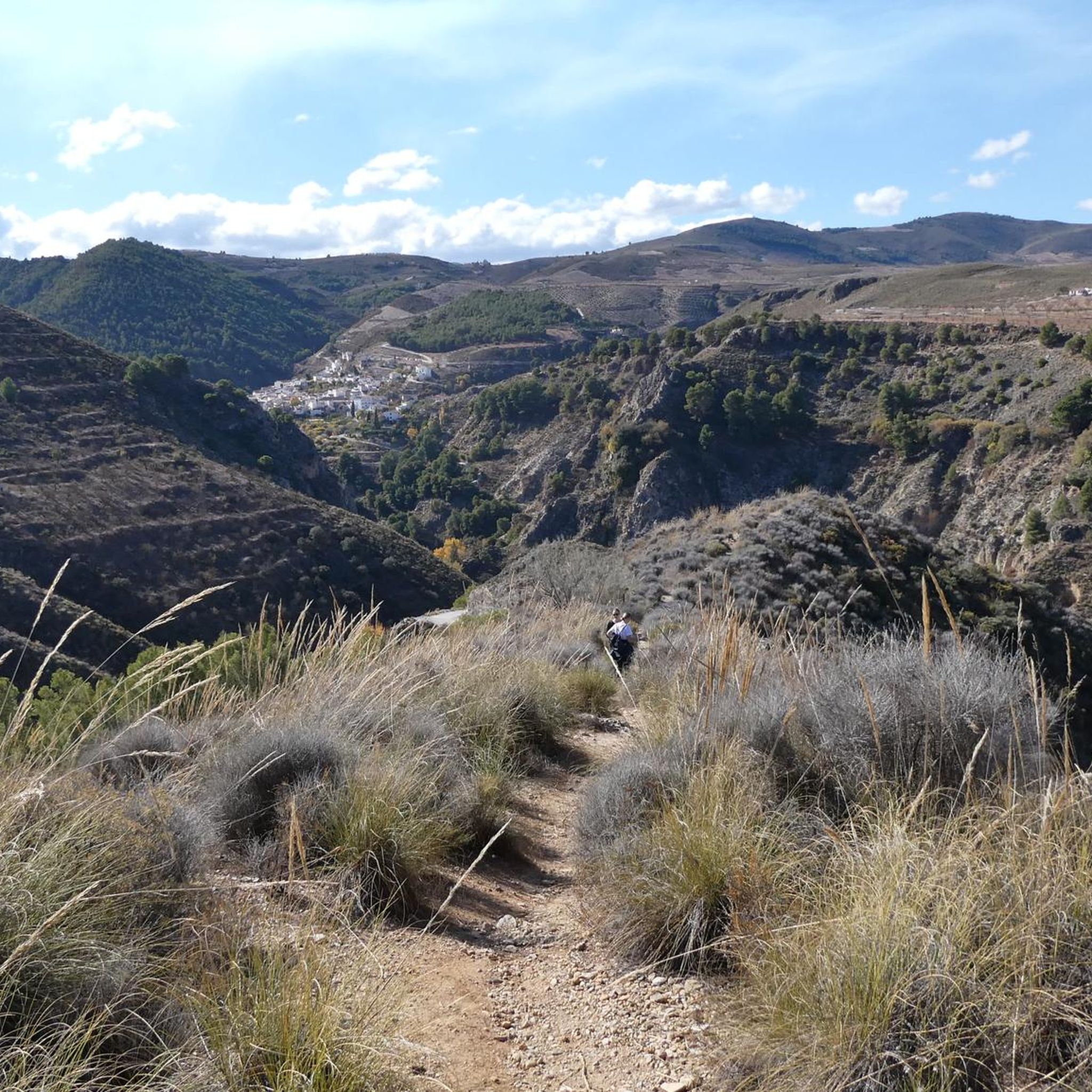
A particularly narrow section of the path through the Río Monachil gorge near the Cueva de las Palomas caves. Here, the path mostly follows a narrow concrete wall that borders the river, running so close to the rock faces that progress is often only possible by stooping or even crawling – or by leaning against the rock at an angle, for which hooks are embedded in the path at tricky spots. The path also passes through a cave. Very exciting!
1
0

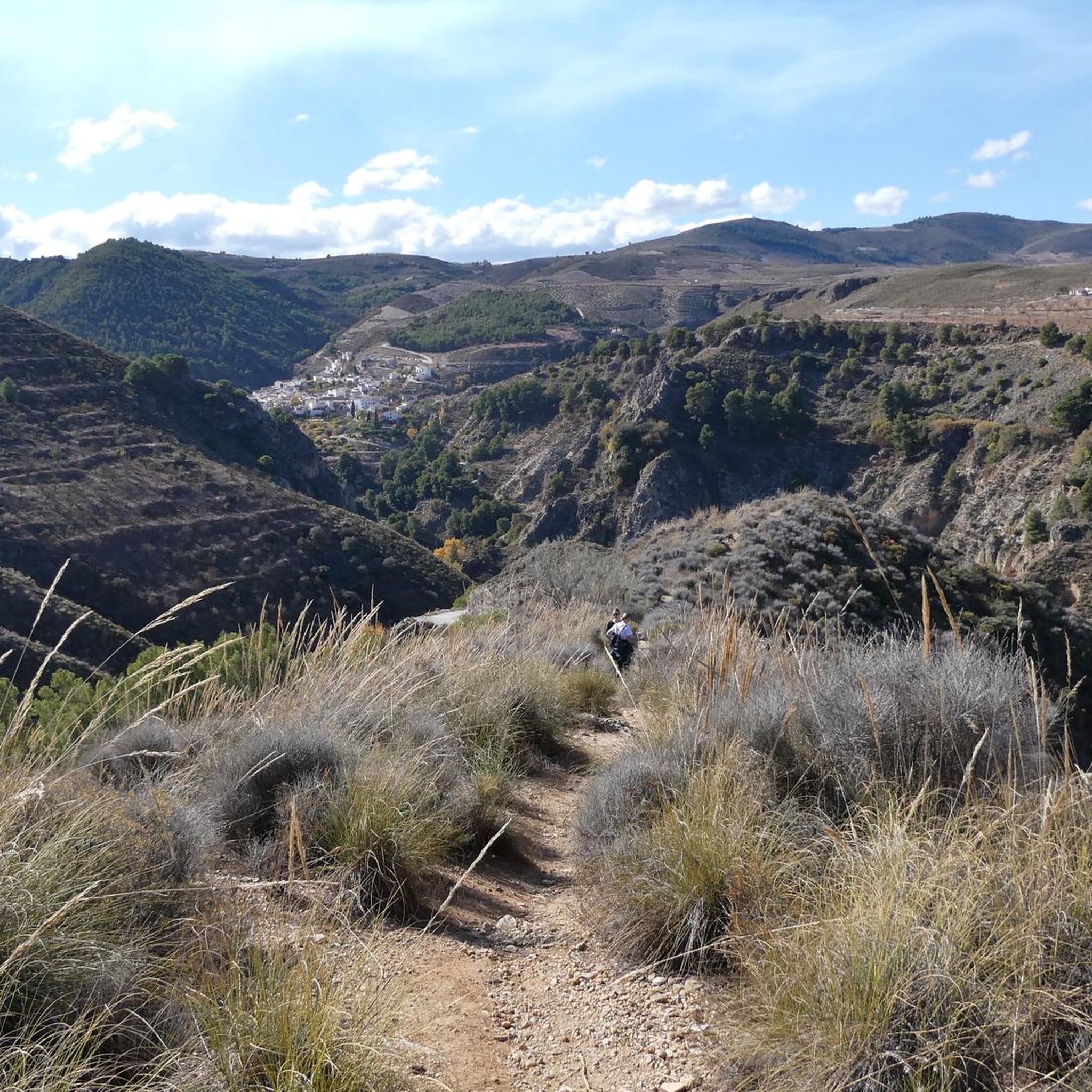
The Cueva de los Riscos, also known as the Cueva de Vacamía, is located in the natural setting of the Dúrcal River, very close to the municipality of Villamena, in the province of Granada. Although not well-known among tourists, it is frequented by local hikers and explorers. A makeshift wooden platform has been placed in one of the cave's main chambers. There is a decapitated Buddha, along with a female figure (not clearly identified), and many candle remains scattered on the floor.
2
0

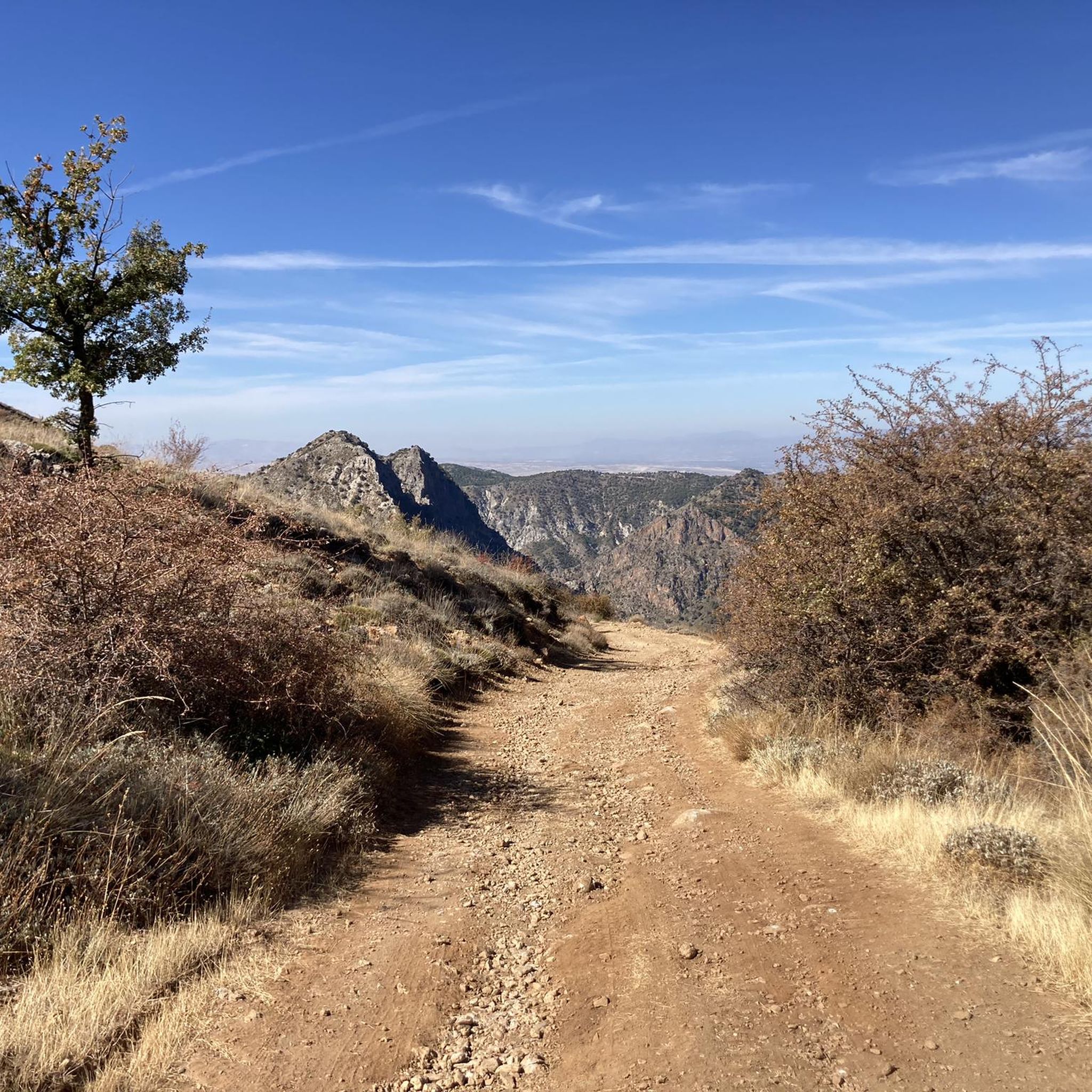
Halfway between the Béznar reservoir and Pinos del Valle. It has several tables, most of them sheltered from the sun. Its peculiarity is that it is a large hole in the mountain that is used precisely as a picnic area.
1
0

In this area there are a series of caves that formed ancient settlements during the Bronze Age. Although today they are very deteriorated, it is still worth appreciating their interior.
1
0

Unfortunately, this cave with the Budda could not be found. But a few other caves. Very nice there by the river. However, many paths that are not marked on the map.
1
0

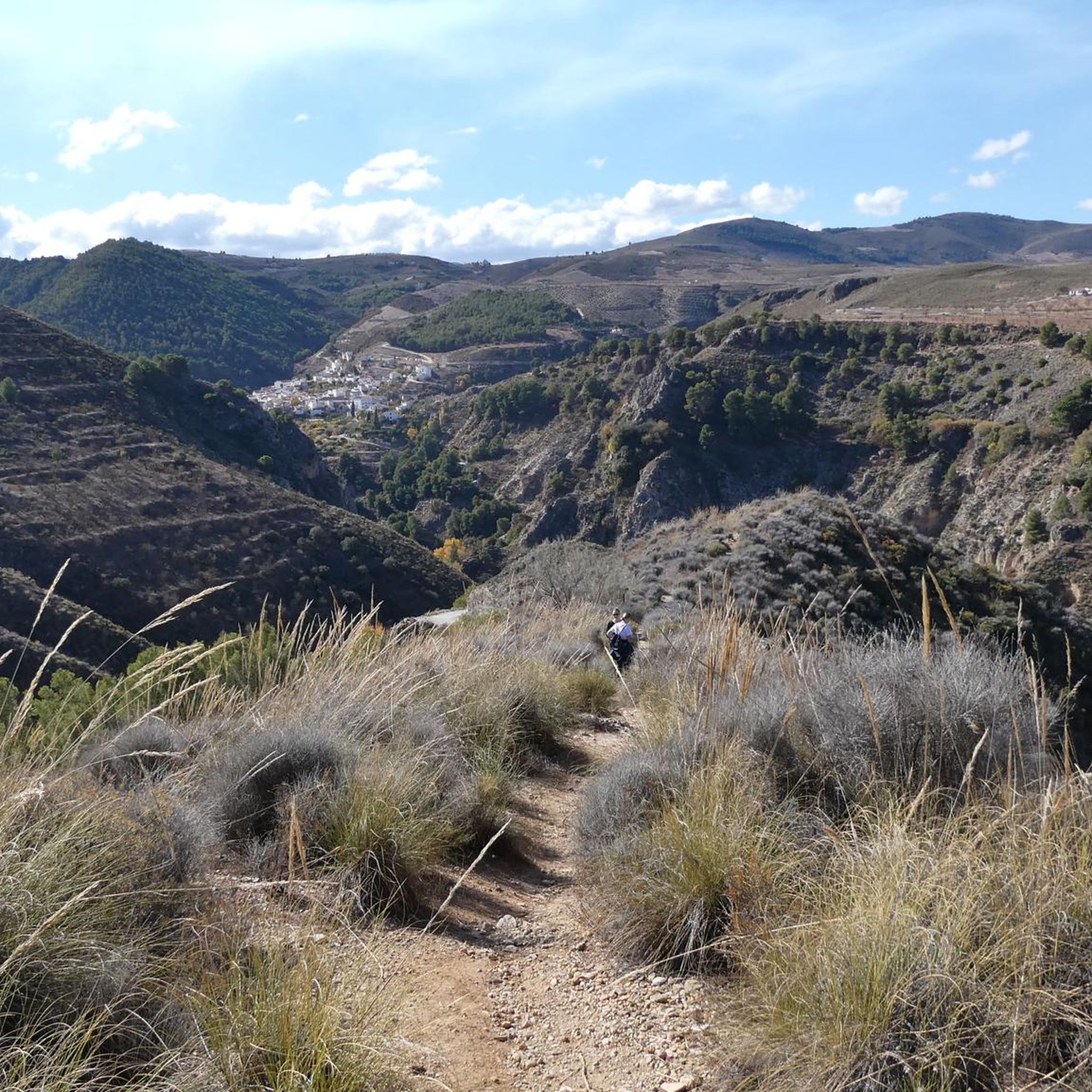
This castle in ruins is located in front of Durcal, it is delimited by the Granada motorway. To get to it, you have to take from the exit of the town at the San Blas fountain towards the Urquizar baths, you have to be very careful once you cross the motorway bridge and we begin the descent quite descending because when we pass the last farmhouses on the right we are fixed to the right and we will find an indicative sign that will take us to the ruins of the castle of Durcal.
1
0
This is one of several caves that are at the foot of the Durcal river below the Bacania baths in Durcal, the cave is called Cueva de los Riscos.
1
0
Frequently Asked Questions
What kind of geological formations can I expect to see in the caves around Dúrcal?
The caves in the Dúrcal area, particularly the Cueva de los Riscos, are notable for their travertine formations. These sedimentary rocks, composed of calcium carbonate deposits, create impressive stalactites and columns within the cave systems. The region's landscape along the Dúrcal River is rich with smaller cavities formed in travertines, originating from ancient springs.
Are there any historical caves or sites to explore near Dúrcal?
Yes, Dúrcal offers several historical cave sites. The Cave of the Dove is a significant site where ancient settlements from the Bronze Age were found. Although its interior is now deteriorated, it still provides a glimpse into the area's past. Additionally, the Isabelita Mines offer another historical perspective, being old mining caves located near Padul.
Are there any family-friendly cave experiences in the Dúrcal area?
For a family-friendly experience, consider visiting the Picnic Area at Tajo de las Cuevas. This unique spot is a large hole in the mountain that has been adapted into a picnic area with sheltered tables, making it a comfortable and interesting place for families to relax and enjoy the natural surroundings.
What outdoor activities can I do near the caves in Dúrcal?
The Dúrcal area is excellent for various outdoor activities. You can find numerous hiking trails, including the 'Cave of the Riscos – Baño Grande de Urquízar loop from Dúrcal' which takes you near the Cueva de los Riscos. There are also running trails along the Dúrcal River and gravel biking routes that explore the wider region.
What is the best time of year to visit the caves around Dúrcal?
The Dúrcal region generally enjoys a pleasant climate. Spring and autumn are often ideal for exploring the caves and surrounding trails, offering mild temperatures for hiking and outdoor activities. Summer can be warm, but the caves themselves provide a cool respite. Winter visits are also possible, though some trails might be affected by weather conditions.
Are there any challenging cave routes or trails for experienced explorers?
Yes, for those seeking a more adventurous experience, the Narrow Trail in the Monachil River Gorge offers a challenging route. This path includes sections where you might need to stoop or crawl, and it even passes through a cave, providing an exciting and demanding exploration for experienced hikers.
What should I bring when visiting caves in Dúrcal?
When visiting caves in Dúrcal, especially those that are less developed like the Cueva de los Riscos, it's advisable to bring appropriate footwear for uneven terrain, a headlamp or flashlight, and water. For more challenging routes, consider gloves and protective clothing. Always check local conditions and be prepared for a small climb or narrow passages.
Can I find less crowded caves or natural spots near Dúrcal?
The Cueva de los Riscos, also known as Cueva de Vacamía, is frequented more by local hikers and explorers than by general tourists, making it a good option if you're looking for a less crowded experience. Its location in the natural setting of the Dúrcal River, near the Baños de Urquízar, also offers a serene environment.
Are there any unique features or local legends associated with the Dúrcal caves?
The Cueva de los Riscos holds some unique and intriguing elements. Visitors have noted the presence of a decapitated Buddha and a female figure, along with many candle remains, in its main chamber. This suggests the cave may have been used for purposes beyond simple exploration, adding a layer of mystery to its natural beauty.
Are permits required for caving or hiking near Dúrcal?
For general hiking on established trails around Dúrcal, permits are typically not required. However, for serious caving or exploring more remote and undeveloped cave systems, it's always best to check with local authorities or speleological groups for any specific regulations or safety guidelines. Some areas may have restrictions to protect natural environments.
Most popular routes around Dúrcal
Most popular attractions around Dúrcal

Get inspired with the komoot mobile app


Explore more
Extend your search for the best caves by checking out these guides of the top ones around Dúrcal:
