Top 10 Castles around Ciudad Real
Best castles around Ciudad Real are found in the province of Ciudad Real, located in the heart of Castilla-La Mancha, Spain. This region boasts a rich medieval history, with fortifications that offer insight into its past. These castles showcase diverse architectural styles and recount tales of battles and ancient orders. The landscape features volcanic hills and strategic positions, often near rivers or on elevated terrain.
Best castles around Ciudad Real
- The most popular castles is Alarcos Archaeological Park, an…
Last updated: July 4, 2026
Alarcos Archaeological Park
Highlight • Historical Site
Translated by Google •
Tip by

Calatrava la Vieja Archaeological Site
Highlight • Historical Site
Translated by Google •
Tip by

Sign up now to discover places like this
Get recommendations on the best single tracks, peaks, & plenty of other exciting outdoor places.
Sign up for free
Castillo de Caracuel
Highlight • Castle
Translated by Google •
Tip by
Ruins of the Ciruela Castle
Highlight • Castle
Translated by Google •
Tip by
Carrión de Calatrava
Highlight • Settlement
Translated by Google •
Tip by
Sign up for free to discover even more castles around Ciudad Real.
Sign up for free
Already have an account?
Start today with a free account
Your next adventure awaits.
Login or Signup

Other adventures around Ciudad Real

Tips from the Community

Lots of breeze to get there, but good paths around it to explore.
2
0

It is currently part of the Alarcos and Calatrava la Vieja Archaeological Park, part of the Archaeological Park Network of the Regional Government of Castilla-La Mancha. Its Parish Church, a Gothic building with Renaissance renovations, preserves a 16th-century painting and an important polychrome marble image of St. Mary of the Martyrs from the 13th century.
7
0
In the Park is the Sanctuary of Our Lady of Alarcos, a Gothic-style hermitage located in Alarcos, declared a Site of Cultural Interest in 1980. Gothic style and basilica in plan, a large tracery rose window opens above its door. Their pilgrimage is celebrated on Pentecost Monday.
19
0
To the north of the municipal term is the Castle of Calatrava la Vieja, it is the imposing ruins of a fortified city. Fortress of great strategic value, located at an important crossroads, through which passed the main road between Toledo and Córdoba and the one that linked Mérida with Zaragoza and the Atlantic with the Levant. During the Islamic period it was the most important city between Toledo and Córdoba. After it passed into Christian hands, it was the headquarters of the first Hispanic military order, the Order of Calatrava (1158). It is currently part of the Archaeological Park of Alarcos and Calatrava la Vieja, within the Network of Archaeological Parks of the Junta de Comunidades de Castilla-La Mancha. Its Parish Church, a Gothic building with Renaissance reforms, preserves a painting from the 16th century and an important image of Sta Mª de los Mártires in polychrome marble from the 13th century.
40
0
To the north of the municipality lies the Castle of Calatrava la Vieja, the imposing ruins of a fortified city. This fortress is of great strategic value, located at an important crossroads. It served as the main route between Toledo and Córdoba, and the one linking Mérida with Zaragoza and the Atlantic with the Levant. During the Islamic period, it was the most important city between Toledo and Córdoba. After its passage into Christian hands, it was the headquarters of the first Spanish military order, the Order of Calatrava (1158).
23
0
The castle is privately owned and, given its ruinous situation, with the dangers that its visit entails, its access is prohibited without the permission of the property
10
0
It was the place where one of the oldest parcels in Campo de Calatrava, Caracuel, was founded in 1170. Even so, a few years later it was recovered by the Muslims until the victory of Alfonso VIII in Las Navas de Tolosa in 1212. Mainly, the pentagonal tower of the castle stands out, which covers an older one, from the Almohad period. Today, remains of what was its square enclosure and even the remains of a cistern are preserved. We can access the castle through a narrow stone path that begins behind the Hermitage of Santo Cristo de Caracuel de Calatrava.
12
0

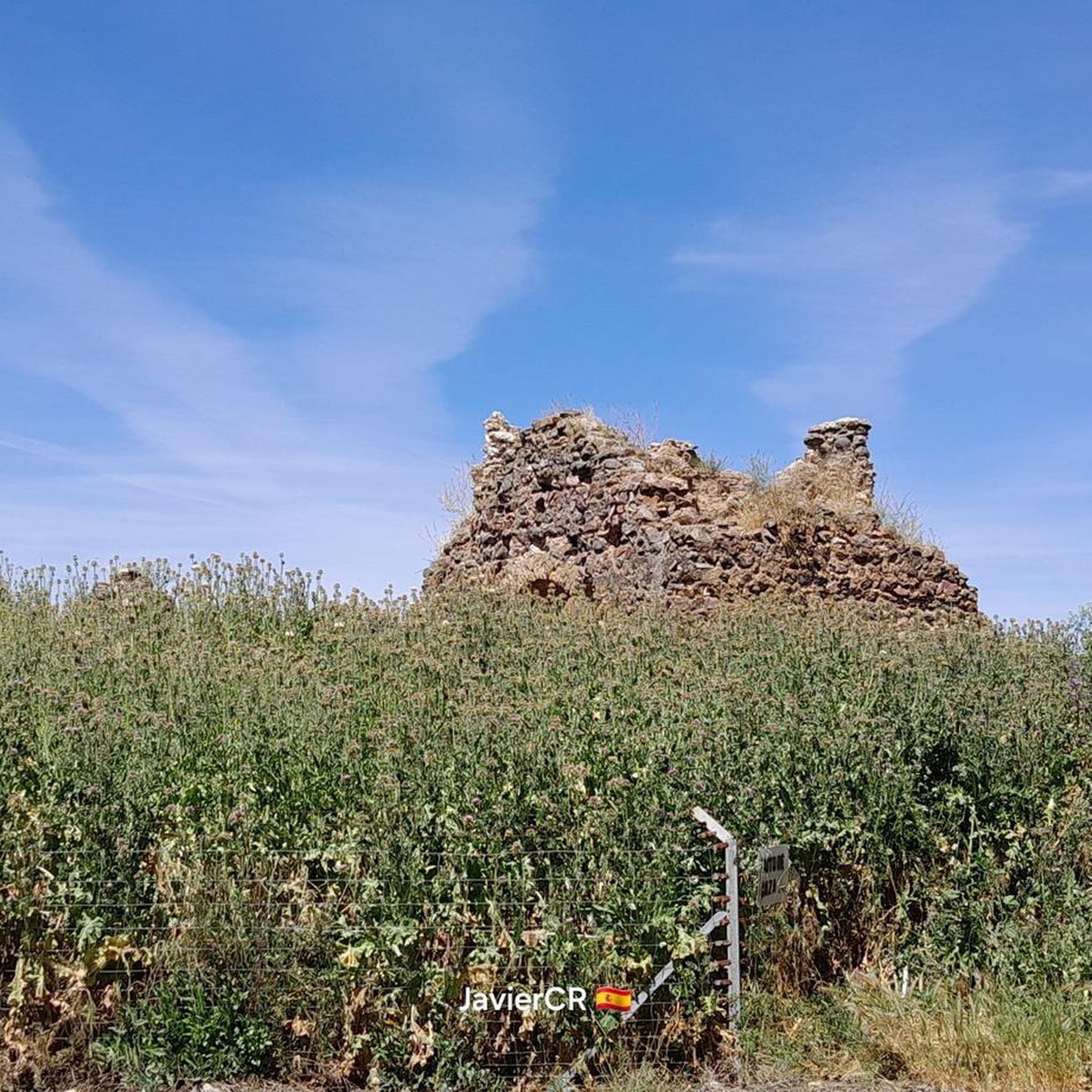
You can see the ruins of a fortified castle from the Middle Ages from the road. The Castle of Carcauel was founded in 1170 on the fortified Monte Nogaleson with many battles between Muslims and Christians.
4
0
Frequently Asked Questions
What is the historical significance of castles in Ciudad Real?
The castles in Ciudad Real played a crucial role during the Reconquista, serving as strategic military strongholds. They bear witness to medieval military architecture, the influence of powerful military orders like the Order of Calatrava, and the control of vital territories. Many also show evidence of their origins as Muslim fortresses.
Which castles are associated with the Order of Calatrava?
The region is deeply tied to the Order of Calatrava. You can visit the impressive Castillo de Calatrava la Nueva, which served as the Order's headquarters from the 13th century. Additionally, the Calatrava la Vieja Archaeological Site was the original headquarters and first possession of the Order of Calatrava.
Are there family-friendly castles to visit in Ciudad Real?
Yes, the Alarcos Archaeological Park is considered family-friendly. It features the ruins of a castle and ancient settlements, along with the hermitage of the Virgen de Alarcos, offering a blend of history and open space for exploration.
Which castles offer notable natural surroundings or views?
The Castillo de Peñarroya is uniquely situated on a cliff overlooking the Peñarroya reservoir, providing stunning views, especially during spring and autumn. It's also an excellent starting point for exploring the nearby Lagunas de Ruidera Natural Park. The Ruins of the Ciruela Castle also offer a beautiful landscape to explore around the historical remains.
Are there castles with Islamic origins in the region?
Several castles in Ciudad Real have Islamic roots. The Calatrava la Vieja Archaeological Site was originally an Islamic fortification. The Castillo de Peñarroya began as a Muslim fortress, and the Castillo de Doña Berenguela is an Arab fortress from the 10th-11th centuries. The Castillo de Miraflores is also an Islamic fortress dating back to the 9th-10th centuries.
What outdoor activities can I do near these castles?
Many castles are situated in areas perfect for outdoor activities. You can find various routes for mountain biking, hiking, and gravel biking. For example, there are MTB Trails around Ciudad Real, Hiking around Ciudad Real, and Gravel biking around Ciudad Real that often pass by or near historical sites and natural landscapes.
Are there hiking trails near the castles?
Yes, the region offers several hiking opportunities. The Alarcos Archaeological Park is close to the Guadiana river, and you can find trails like the Guadiana Nature Trail or Alarcos Trail within the Hiking around Ciudad Real guide. The area around Castillo de Peñarroya is also excellent for walks, especially with its proximity to Lagunas de Ruidera Natural Park.
What is the best season to visit the castles in Ciudad Real?
Spring and autumn are generally the best seasons to visit. The weather is milder, making it more comfortable for exploring outdoor sites and enjoying the natural beauty, such as the picturesque setting of Castillo de Peñarroya by the reservoir.
Are there any castles that are freely accessible?
The Castillo de Miraflores in Piedrabuena is freely accessible, allowing visitors to explore its ruins and enjoy the views of the surrounding landscape. The Castillo de Doña Berenguela has also undergone rehabilitation and is accessible to visitors.
What should I wear when visiting castles in Ciudad Real?
Comfortable walking shoes are highly recommended, as many castles involve walking on uneven terrain, ancient paths, or climbing stairs. Layers of clothing are also advisable, especially during spring and autumn, to adapt to changing temperatures. Sun protection is important during warmer months.
Can I visit castles that are still well-preserved?
Yes, the Castillo de Doña Berenguela in Bolaños de Calatrava is an excellent example of a well-preserved plain castle, offering insights into early medieval military architecture. The Castillo de Calatrava la Nueva also boasts well-preserved walls and structures within its complex.
What do visitors enjoy most about the castles in Ciudad Real?
Visitors frequently appreciate the rich historical context and the strategic importance of these fortresses. The panoramic views from sites like Calatrava la Nueva and the natural beauty surrounding castles like Peñarroya are also highly valued. The opportunity to explore ancient ruins and imagine medieval life is a significant draw.
Most popular attractions around Ciudad Real

Get inspired with the komoot mobile app


Explore more
Looking for the best castles somewhere else? Discover other guides around Ciudad Real:
