Top 7 Caves around Aielo De Malferit
Best caves around Aielo De Malferit are found within a region characterized by diverse natural landscapes and significant historical sites. The area features valleys carved by rivers like the Albaida and ravines such as the Barranc del Pont Trencat, which host various rock formations and ancient human settlements. These geological features have led to the formation of natural caves and the creation of artificial cave structures, offering insights into prehistory and historical human ingenuity.
Best caves around Aielo De Malferit
…Last updated: July 4, 2026
Cova Negra
Highlight • Cave
Translated by Google •
Tip by

Cova de les Finestres
Highlight • Cave
Translated by Google •
Tip by

Sign up now to discover places like this
Get recommendations on the best single tracks, peaks, & plenty of other exciting outdoor places.
Sign up for free
Pantanet Rock-Cut Mill
Highlight • Cave
Translated by Google •
Tip by

Cova de les Finestres Rock Paintings
Highlight • Historical Site
Tip by

Cova de l'Avern
Highlight • Cave
Tip by
Start today with a free account
Your next adventure awaits.
Login or Signup
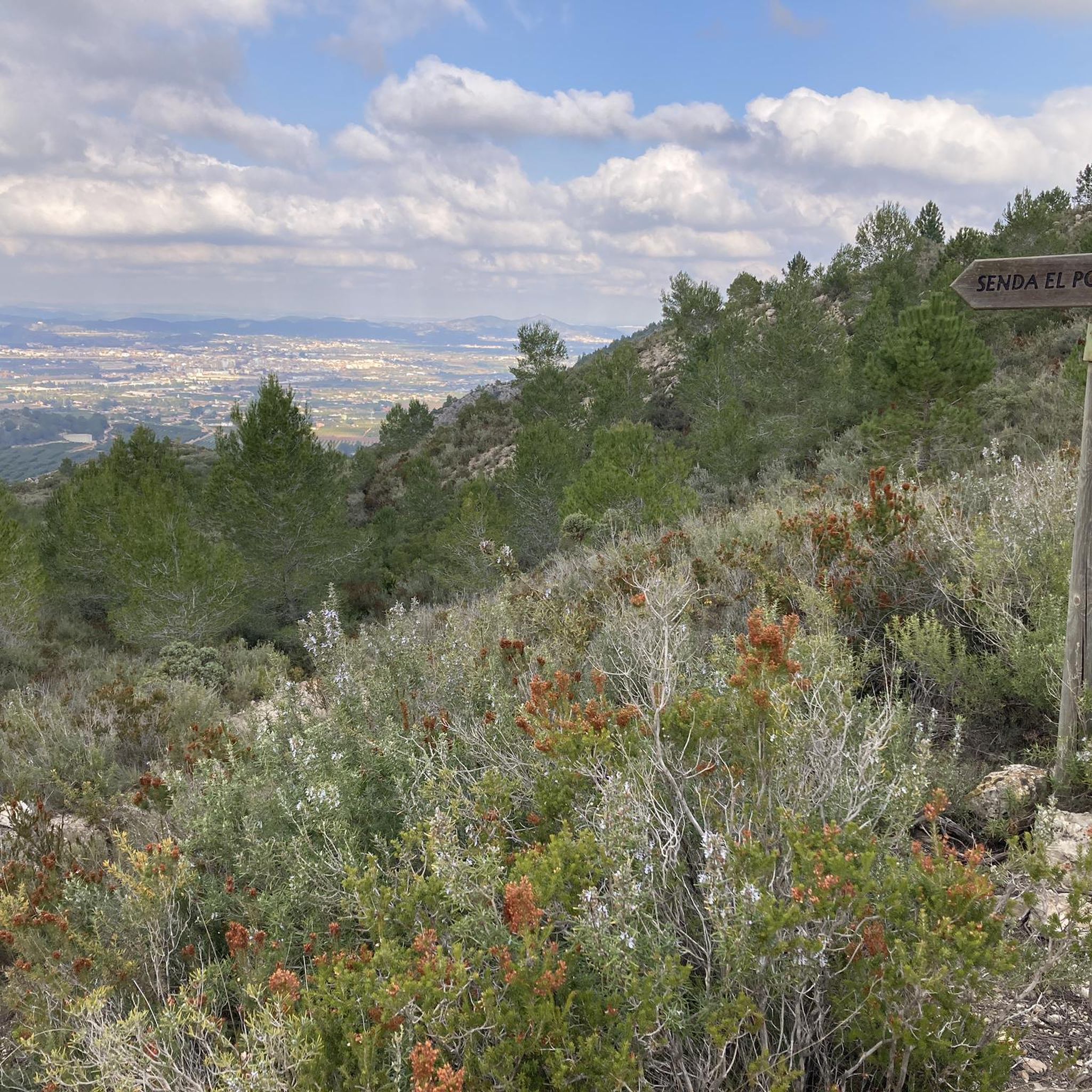
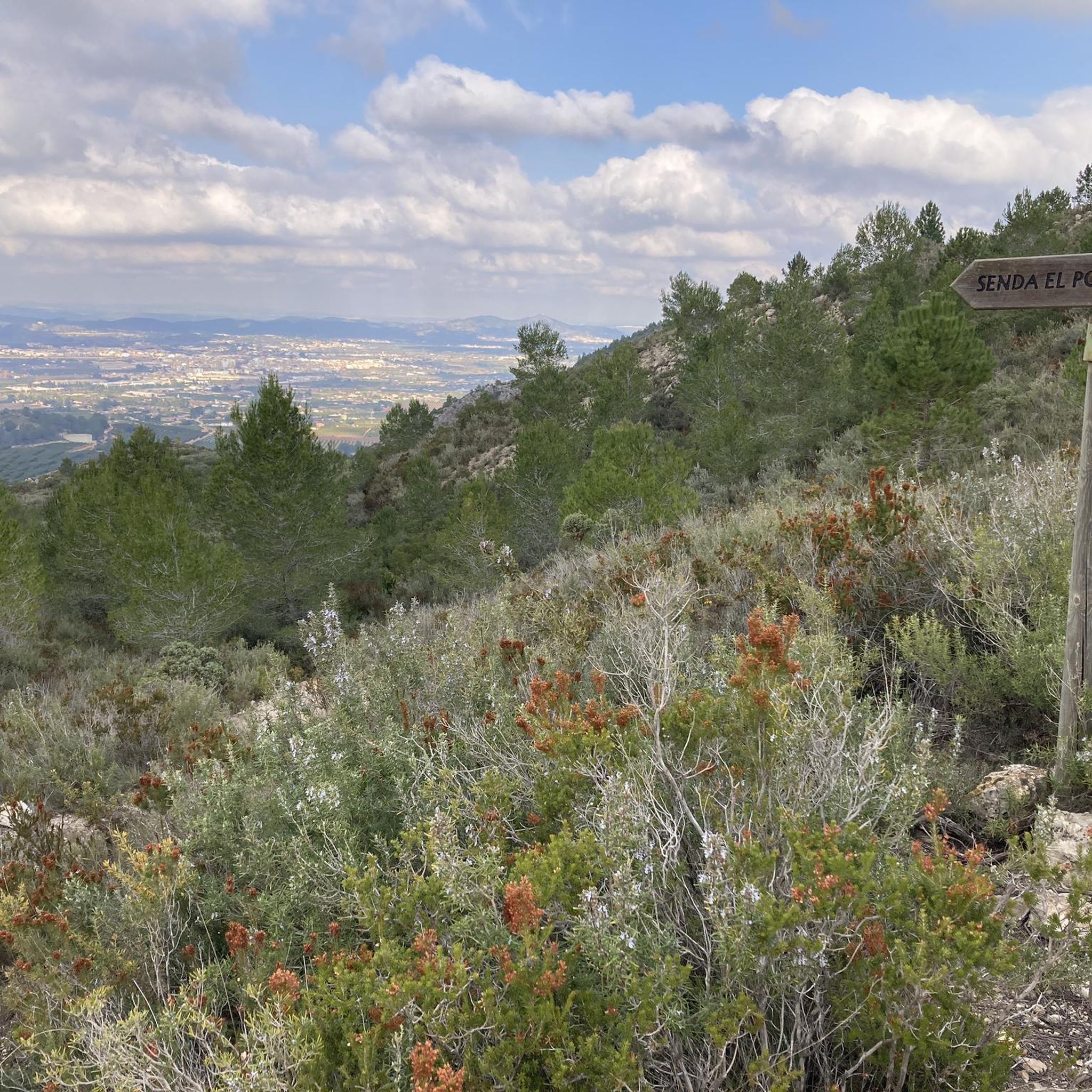
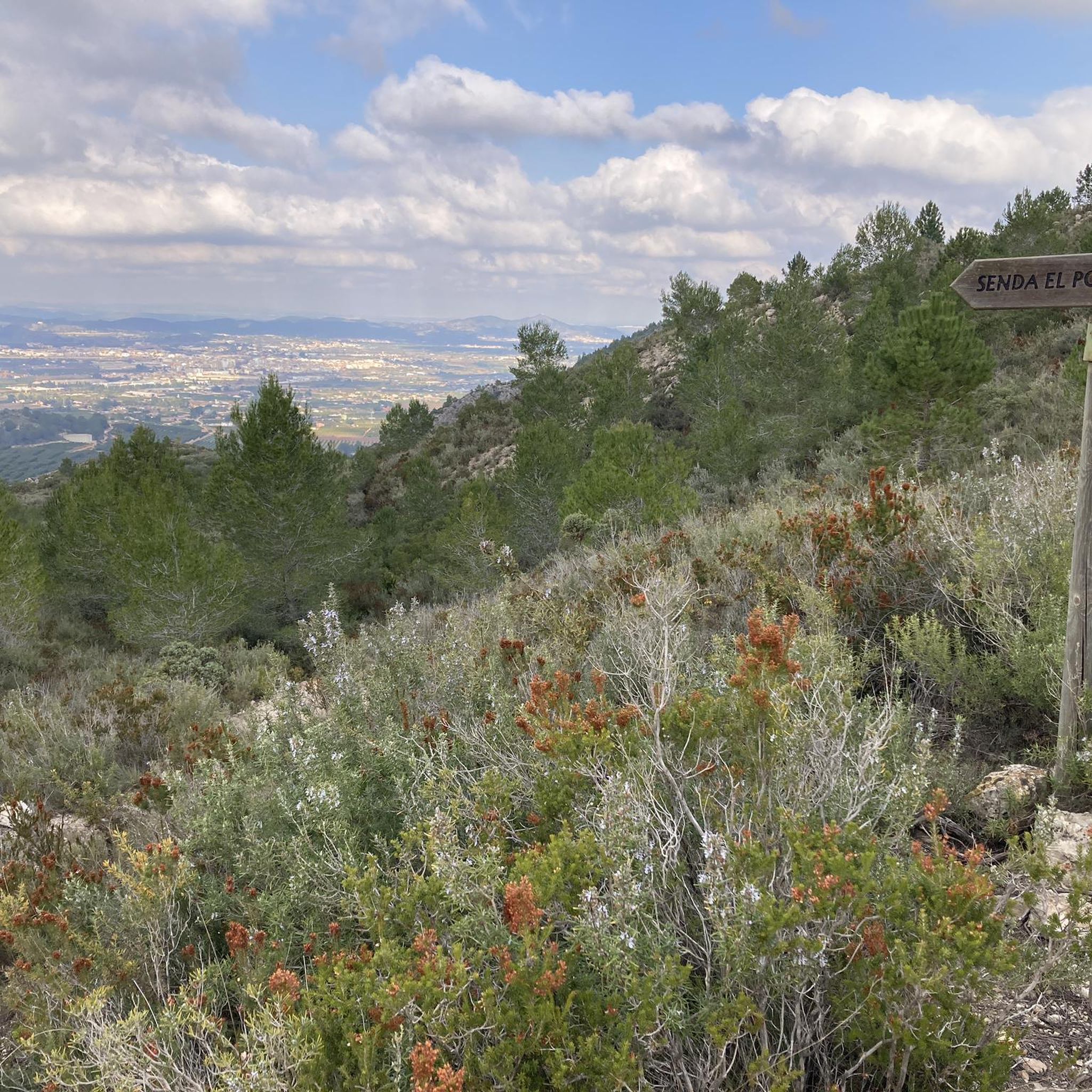
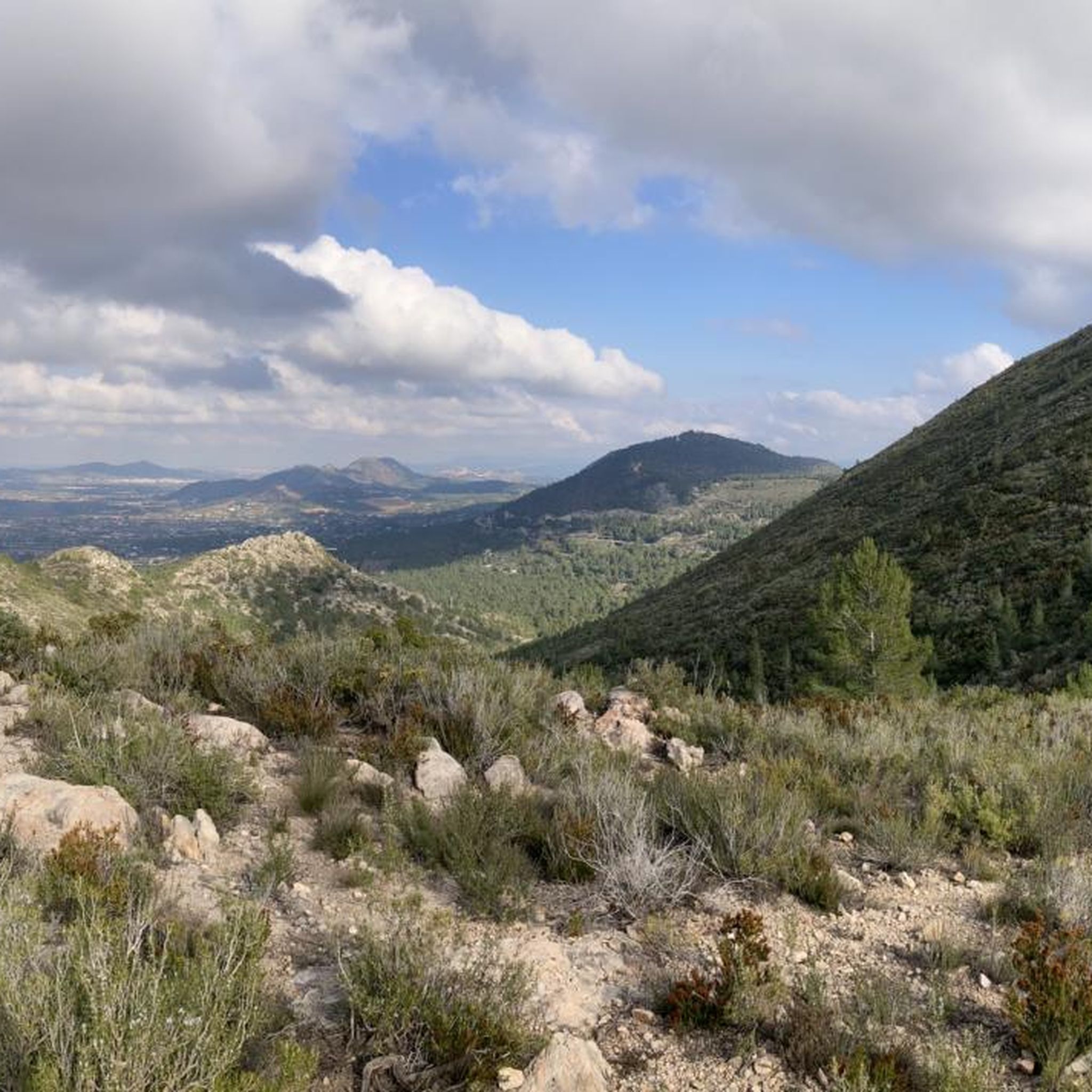

Tips from the Community

a short uphill side track brings you to a well preserved and well protected site with some rock paintings.
1
0
Follow the indication to the cueva, downhill, until you come to some chains. Go down along these and the cueva is at the bottom on the right. Plenty of stories about howling noises and red eyes on ceilings or photos turning out blurry.. unfortunately we had no excitement in the cave 😉
1
0

The La Cova Negra municipal natural area is located in the municipality of Játiva, province of Valencia. In the Cova Negra is the Middle Paleolithic site in which remains of Homo Neanderthal have appeared. This natural area is located in the narrow valley formed by the Albaida River, as it crosses the reliefs of the Sierra Grossa, at the exit of the so-called Estret de les Aigües. In the widest meander formed by the Albaida River, at the height of Pico del Paller, you can see the Cova Negra, named for the blackish appearance of its walls.
2
1

The Cova de les Finestres is located in the Barranc del Pont Trencat, in the municipality of Alfafara. These artificial caves from the Andalusian period look like windows from the outside and are carved in the middle of a steep cliff, generally in river valleys and ravines. It consists of 12 window caves, precisely carved into the hard limestone rock. These windows, looking out into the void, are between 4 and 10 meters high, on a large natural shelter. From a distance, their presence arouses curiosity and intrigue, and questions arise: What secrets are they hiding? Are there rooms behind them? What was its function?
3
0

La Cova Negra is a cavity that is located in a gorge called the Strait of Waters. Its black color is mainly due to the smoke from the bonfires made by its former inhabitants, the Neanderthals who occupied it for a few months of the year. An important amount of flint tools and other archaeological remains have been found here.
3
0

La Cova Negra is an important archaeological site, located in the widest meander of the Albaida river. It was home to Neanderthal man in the Paleolithic. The cave gets its name from the dark color of the walls. Human remains and paintings have been found inside.
2
0
La Cova Negra is an important archaeological site, located in the widest meander of the Albaida river. It was home to Neanderthal man in the Paleolithic. The cave gets its name from the dark color of the walls. Human remains and paintings have been found inside. It is a space of fundamental importance for understanding the culture of the Mosterian and the reality of the Neanderthals. The Almodí Museum exhibits an exact reproduction of a parietal bone from the period, discovered in the cave.
2
0

Cave within the natural area of the same name with great historical and landscape value. It is a very nice place with trails that run along the Albaida River. You can get to the foot of the cave.
1
1
Frequently Asked Questions
What types of caves can I explore around Aielo De Malferit?
The region around Aielo De Malferit is known for both natural caves and unique artificial cave structures. You can discover significant archaeological sites like Cova Negra, historical artificial 'window' caves such as Cova de les Finestres, and even historical rock-cut mills like the Pantanet Rock-Cut Mill.
Which historical caves are notable in the Aielo De Malferit region?
Several caves offer a glimpse into the region's history. Cova Negra, near Xàtiva, is a significant archaeological site known for its Neanderthal occupation. The Cova de les Finestres are 12 artificial caves carved into a cliff, believed to have been granaries or storage facilities during the Andalusian period. Additionally, the Pantanet Rock-Cut Mill showcases early industrial or agricultural practices.
Are there any unique artificial cave structures to visit?
Yes, the region is particularly known for its artificial 'window' caves. The Cova de les Finestres are a prime example, with 12 caves carved into a steep cliff resembling windows. Further afield, but highly representative of this phenomenon, are the Moorish Caves (Covetes dels Moros) in Bocairent, a complex group of approximately fifty window-like openings leading to interconnected chambers, a testament to ancient ingenuity.
Are there family-friendly caves to visit near Aielo De Malferit?
The Pantanet Rock-Cut Mill is considered family-friendly. It's a large cave excavated in calcareous stone, offering an interesting historical perspective and is close to the town of Alfafara, making it ideal for visits with children, especially when combined with exploring the nearby waterfall of the ravine.
What is the difficulty level for exploring caves in this region?
The difficulty varies. Some sites like the Pantanet Rock-Cut Mill are easily accessible and family-friendly. Others, such as Cova de l'Avern, are rated as challenging, requiring movement along chains to descend. The Cova de les Finestres involves accessing caves carved into a steep cliff, which can be an intermediate challenge.
What should I wear for cave exploration around Aielo De Malferit?
For most cave explorations, it's advisable to wear comfortable clothing that you don't mind getting a little dirty. Sturdy, closed-toe shoes with good grip are essential, as surfaces can be uneven or slippery. Depending on the cave, a headlamp or flashlight can also be very useful.
Is parking available near the caves?
Parking availability varies by specific cave site. For popular locations like Cova Negra or the Pantanet Rock-Cut Mill, there are often designated parking areas or nearby spaces accessible by car. It's recommended to check specific access information for each cave you plan to visit.
What is the best time of year to visit the caves?
The caves can generally be visited year-round. However, spring and autumn offer the most pleasant weather for exploring the surrounding natural landscapes and trails leading to the caves. During summer, the cooler temperatures inside the caves can provide a welcome escape from the heat.
Can I combine cave visits with hiking or other outdoor activities?
Absolutely. The region around Aielo De Malferit is rich in outdoor activities. You can find numerous hiking, running, and mountain biking trails that often pass by or lead to these historical and natural sites. For example, there are several running trails and MTB routes that explore the valleys and rivers, offering a great way to experience the area's natural beauty alongside its historical caves.
Are there specific trails that lead to or pass by these caves?
Yes, many caves are integrated into local trail networks. For instance, trails run along the Albaida River leading to the foot of Cova Negra. The Cova de les Finestres are located in the Barranc del Pont Trencat, an area with paths for exploration. You can find various gravel biking and MTB routes that incorporate these natural and historical landmarks.
What do visitors say about the caves around Aielo De Malferit?
Visitors frequently praise the historical significance and unique exploration experiences offered by the caves. Many highlight the intrigue of the artificial 'window' caves and the archaeological importance of sites like Cova Negra. The Pantanet Rock-Cut Mill is often noted as a beautiful and interesting place, especially for families. The komoot community has shared over 51 photos and given over 112 upvotes, reflecting a positive reception for these sites.
Most popular routes around Aielo De Malferit
Most popular attractions around Aielo De Malferit

Get inspired with the komoot mobile app


Explore more
Extend your search for the best caves by checking out these guides of the top ones around Aielo De Malferit:
