Top 15 Castles around Boadella I Les Escaules
Best castles around Boadella I Les Escaules, a municipality in the Alt Empordà region, provides a historical landscape with medieval fortifications and strategic sites. The area is known for its mountainous terrain and the Muga river valley, offering a setting for exploring historical architecture. These castles reflect the region's past, from border defenses to noble residences.
Best castles around Boadella I Les Escaules
- The most popular castles is Fortress of Capmany, a castle that is a charming medieval town. It is a place to recharge before heading into the mountains.
- Another must-see spot is Sant Ferran Castle, a castle. Visitors can expect to see the largest bastioned fortress in Europe, built in the 18th century, with a capacity for 4,000 men.
- Visitors also love Castell de les Escaules, a castle situated on a hill overlooking the village and valley. It is special for its 14th-15th century construction, including a cylindrical tower and perimeter walls, offering panoramic views.
- Boadella I Les Escaules is known for medieval fortifications, Gothic palace styles, and large bastioned fortresses. The variety of castles to see and explore includes structures dating from the 12th to the 18th centuries, showcasing diverse architectural and historical significance.
- The castles around Boadella I Les Escaules are appreciated by the komoot community, with more than 50 upvotes and over 20 photos shared by visitors.
Last updated: October 21, 2026
Church of Sant Llorenç de la Muga
Highlight • Religious Site
santllorencdelamuga.cat/ca/Sant Llorenç de la Muga is located in the high Muga valley, in an area also known as the mountain Empordà or the Garrotxa d'Empordà due to its mountainous terrain.
The urban center is located in a pronounced meander of the La Muga river, which crosses the municipal area in a route of eleven kilometers, where there is a great diversity of pools.
The medieval walled enclosure stands out for its good state of conservation, as well as most of the houses in the old town. In the center of Sant Lllorenç there are very pleasant corners that are part of the history of the town.
Sant Llorenç preserves the spirit of a quiet and welcoming rural town. The Sant Llorenç mountains, low in altitude and with a wide range of rural roads, trails and forest tracks, allow you to enjoy this natural space all year round, with changing landscapes depending on the season.
Scattered throughout this territory of mountains near the river, you can find small architectural treasures such as the hermitage of San Jorge, the oratory of Sant Ponç, the hermitage and the bridge of San Antonio near La Muga, the hermitage and the fountain of Palau, the Old Bridge or the Lion Fountain.
Translated by Google •
Tip by

Sant Ferran Castle
Highlight • Castle
Due to its enormous dimensions, the sophisticated construction techniques applied in the military engineering of the time, and its excellent state of conservation, a visit to the Sant Ferran castle constitutes a unique experience.
Translated by Google •
Tip by
Sign up now to discover places like this
Get recommendations on the best single tracks, peaks, & plenty of other exciting outdoor places.
Castell de les Escaules
Highlight • Castle
Period 13th to 15th century
Location: Hill to the south of the town of Les Escaules
Special Interest
Protection Cultural property of national interest (BCIN)
Situated on a hill overlooking the village and the valley, the castle of Les Escaules was a fortification intended to guard the border between the counties of Empúries and Besalú. Although it is documented that it dates from 1123 (when Ramon Berenguer III gave it in fief to Ponç Hug, count of Empúries), the construction that has been largely preserved is the work of the 14th-15th centuries. It forms an elongated enclosure that surrounds a cylindrical tower, 10 m high, which was defended with four battlements of which the supporting signs are preserved. Several sections of the perimeter walls that were crowned with battlements are preserved.
Source: poblesdecatalunya.cat/element.php?e=6754#
Translated by Google •
Tip by

Fortress of Capmany
Highlight • Castle
Translated by Google •
Tip by

Castillo de San Fernando
Highlight (Segment) • Castle
It is the largest monument in Catalonia and has been listed as an Asset of Cultural Interest since 1988.
Guided tours can be made.
Translated by Google •
Tip by

Sign up for free to discover even more castles around Boadella I Les Escaules.
Already have an account?
Start today with a free account
Your next adventure awaits.
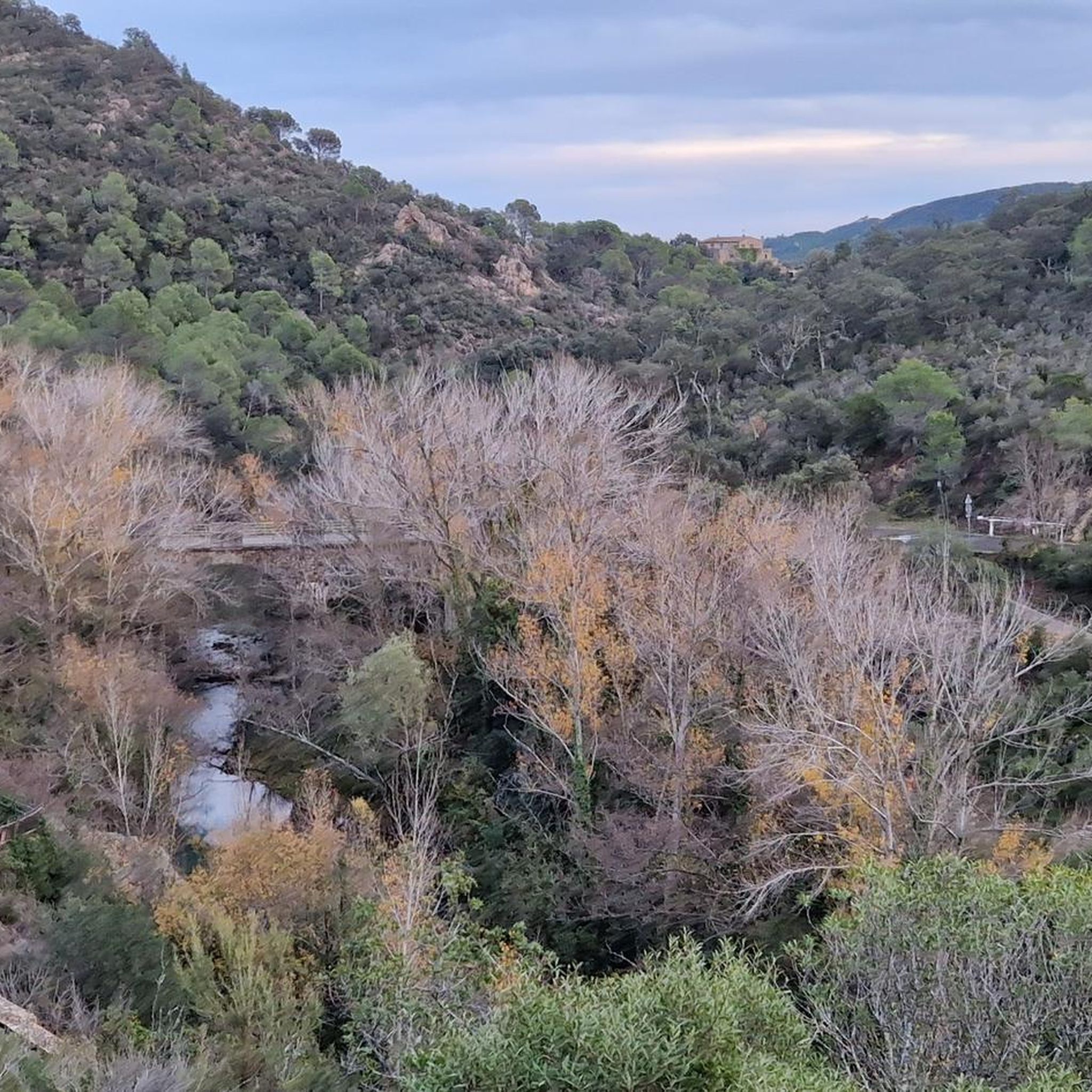
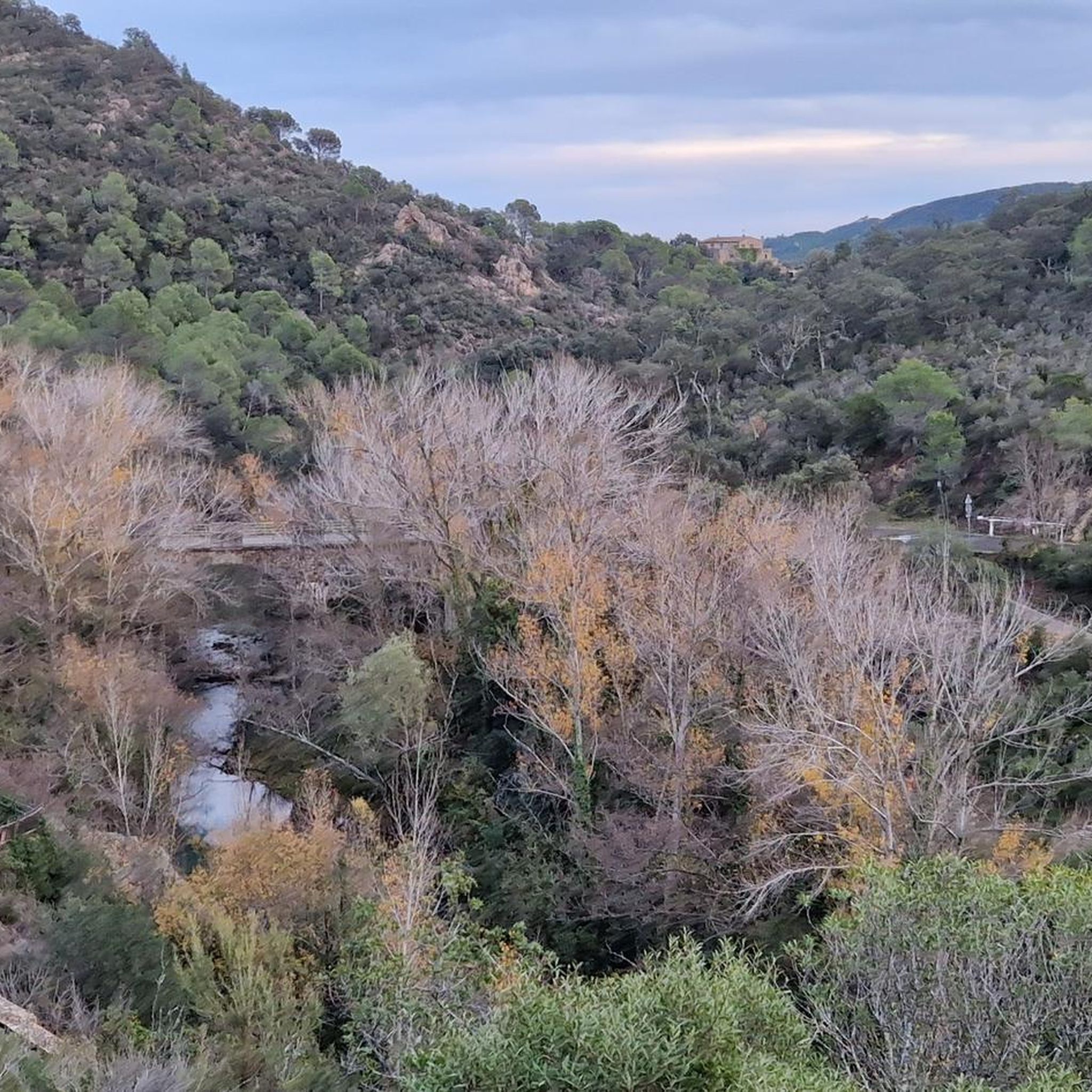
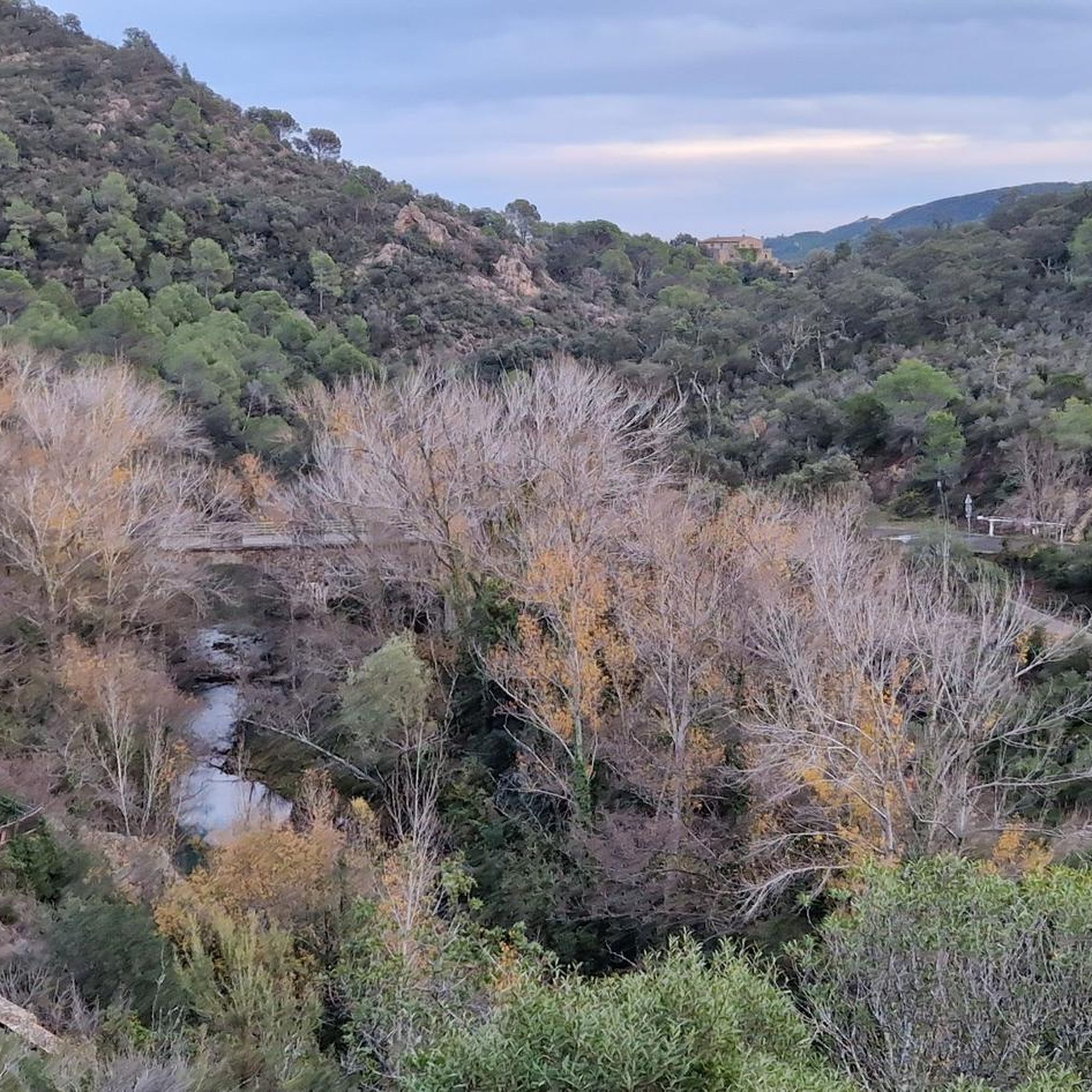
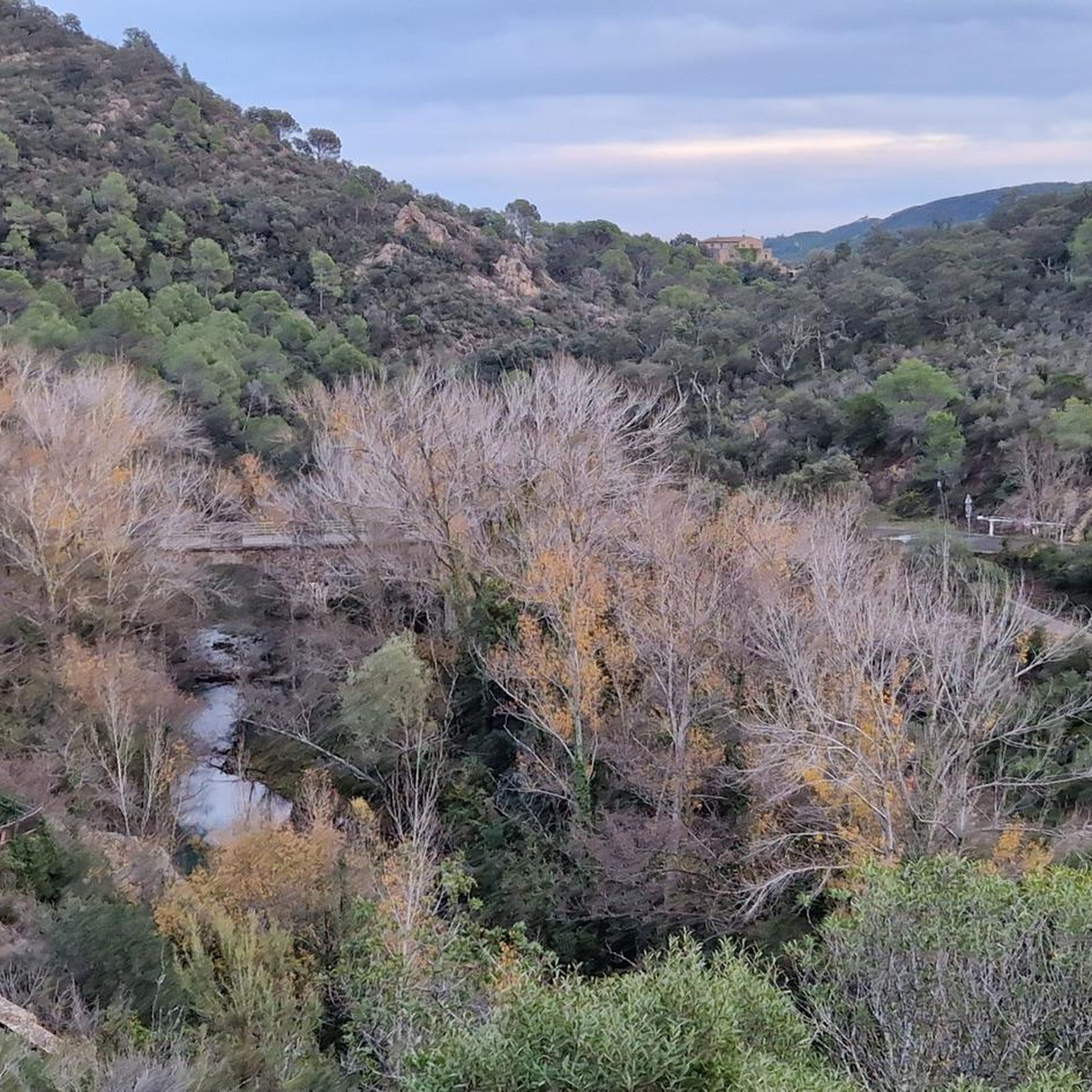
Tips from the Community

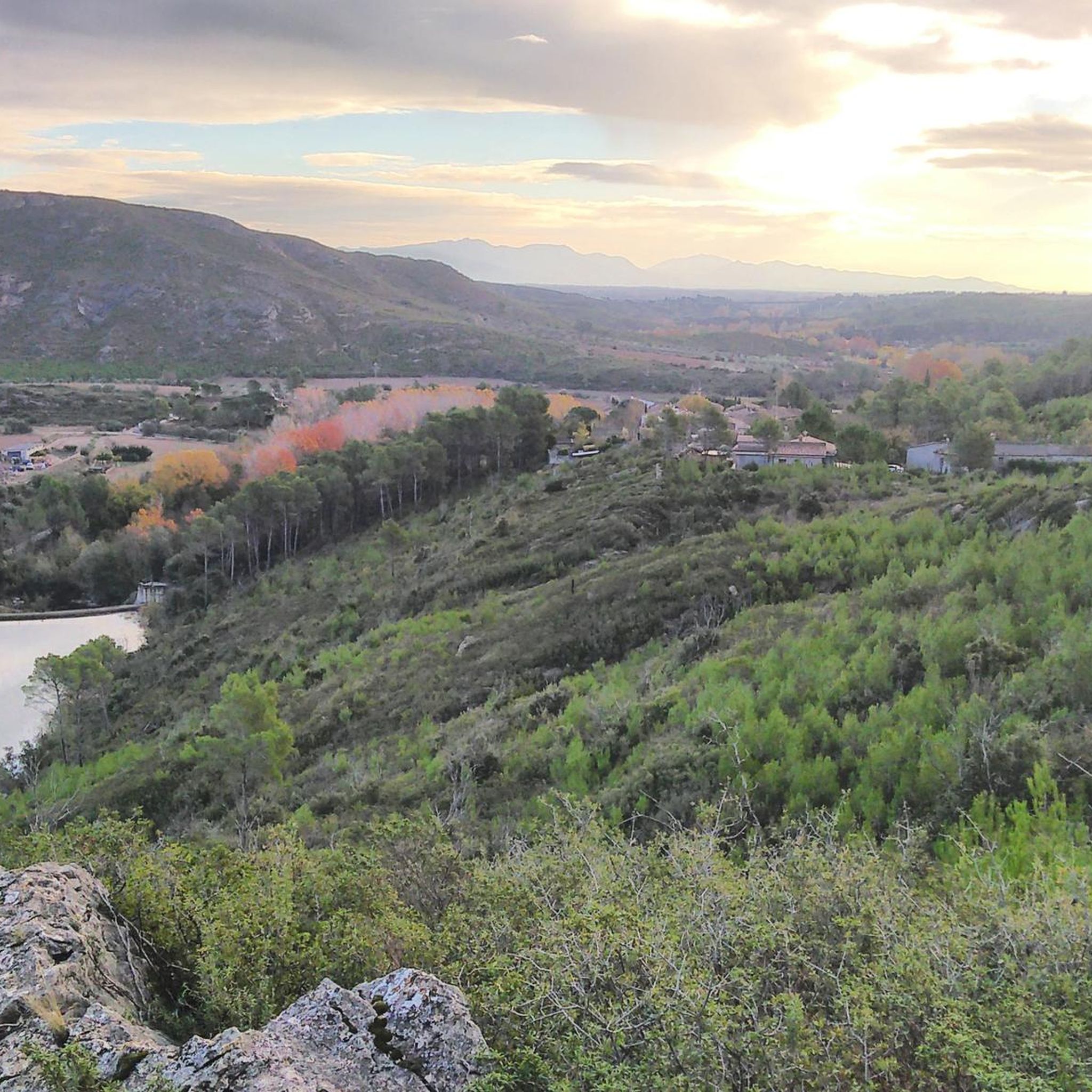
...short or long hike possible 👌🥾...great view
0
0

Sant Llorenc de la muga is considered one of the most beautiful towns in Catalonia and is always worth a visit!
0
0

Fanatical medieval village Where you will lose track Of time ⏲️ This town and its surroundings are so beautiful that you will surely fall in love with it 😍
0
0

The octagonal fortress Castell de Sant Ferran, covering 32 hectares, was built to accommodate 6,000 people and 500 horses. It is the largest bulwark fortress built in Europe in the 18th century.
1
0

Panoramic views of the Alt Empordar maritime mountains. You have two benches and a picnic area next to the motorhome and parking area. The neighborhood just below the castle is a bit problematic, so don't leave your bike behind because it can be stolen by the group of young people who come up to smoke boil and...
3
0
https://castellsantferran.com/es/horarios https://castellsantferran.com/es/horarios https://www.youtube.com/watch?v=uB1WPtwXzCo The Castle of San Fernando in Figueres, known as Castell de Sant Ferran, is the largest bastioned fortress in Europe, its construction beginning in 1753 under the reign of Ferdinand VI of Bourbon. It was designed by military engineer Juan Martín Zermeño and could house a garrison of 4,000 men. During the War of Independence, it was occupied by Napoleonic troops and later recovered by the Catalan migueletes. In the Spanish Civil War, it served as a concentration point for the International Brigades and a refuge for the Spanish Artistic Treasure, and in 1939 it hosted the last meeting of the Republican Cortes in national territory. It was subsequently used as a barracks until the 1960s and was opened to the public in 1996. The fortress has suffered significant damage throughout its history, including the destruction of part of its walls and structures during explosions in the Civil War. .
3
0
Located on a hill, at the end of the Castell pujada, it is a large bastioned fortification built in the 18th century following the project of the commander of the Corps of Engineers Juan Martín Zermeño. It occupies an area of 32 hectares with a perimeter of 3,120 meters, and the cisterns, located under the parade ground, hold 9 million liters of water. The castle of San Ferran, which had a capacity for 4,000 men, currently constitutes a heritage legacy of the first order, the largest monument in Catalonia and the largest modern fortress in Europe. Due to its enormous dimensions, the sophisticated construction techniques applied in the military engineering of the time, and its excellent state of conservation, a visit to the Sant Ferran castle constitutes a unique experience.
3
0
https://www.youtube.com/shorts/x3xhty0PfKEPinturas Murales: Inside the church, you can find mural paintings dating from the 13th and 14th centuries. These paintings depict religious scenes and provide a unique insight into medieval iconography. Place of Pilgrimage: The church has been a place of pilgrimage for centuries, and its religious and cultural importance has endured over time. Visitors flock to the place to admire its historic architecture and art. Location in a Natural Environment: Sant Llorenç de la Muga is located in an impressive natural environment, surrounded by mountains and picturesque landscapes. The church integrates perfectly into this environment, which adds to its appeal. Festival: The town of Sant Llorenç de la Muga celebrates its festival on August 10 in honor of San Lorenzo, the patron saint of the church. During this festival, processions and cultural activities are held that attract visitors from the region.
0
0
Frequently Asked Questions
What are the most historically significant castles in the Boadella I Les Escaules region?
The region boasts several historically significant sites. The Castell de les Escaules, dating back to the 12th century with its current structure from the 14th-15th centuries, was a crucial border fortification. Another notable site is the Sant Ferran Castle, an 18th-century bastioned fortress known as the largest of its kind in Europe.
Are there any family-friendly castles to visit in the area?
Yes, several castles and historical sites are suitable for families. The Sant Ferran Castle is family-friendly, offering a unique experience exploring its vast grounds. The Fortress of Capmany is also considered family-friendly, set within a charming medieval town.
What kind of views can I expect from the castles?
From the Castell de les Escaules, perched on a hill, you can enjoy panoramic views of the surrounding village and valley. Sant Ferran Castle also offers panoramic views of the Alt Empordà maritime mountains.
Are there hiking opportunities near the castles?
Yes, the region around Boadella I Les Escaules offers numerous hiking opportunities. You can find various trails, including those around the Muga river valley. For more detailed routes, explore the Running Trails around Boadella I Les Escaules guide, which includes routes like the 'Old Bridge loop from Terrades' and 'Camí Natural de la Muga – Small Waterfalls of the Muga loop'.
What other outdoor activities are available near the castles?
Beyond hiking, the area is excellent for cycling. You can find road cycling routes, such as those in the Road Cycling Routes around Boadella I Les Escaules guide, including challenging loops like 'Banyuls Pass – Collioure'. Gravel biking is also popular, with routes like 'Darnius-Boadella Reservoir loop' available in the Gravel biking around Boadella I Les Escaules guide.
What is the best time of year to visit the castles in this region?
The region's Mediterranean climate makes it pleasant to visit for much of the year. Spring and autumn generally offer milder temperatures, ideal for exploring the outdoor castle grounds and engaging in activities like hiking. Summers can be warm, but the natural pools of the Muga river provide opportunities to cool down.
Are there places to eat or drink near the castles?
Yes, the Fortress of Capmany is located in a charming medieval town that offers a courtyard restaurant. The village of Sant Llorenç de la Muga, near the Church of Sant Llorenç de la Muga, is a quiet rural town that likely has local establishments.
What makes the Church of Sant Llorenç de la Muga noteworthy?
The Church of Sant Llorenç de la Muga, documented since 982, is a Romanesque-style temple with an unusual structure due to numerous modifications over centuries. It features two naves, a transept, and three apses, with a bell tower that replaced the north arm of the transept in the 12th century. The surrounding medieval walled enclosure is also well-preserved.
How long should I plan for a visit to the castles?
For larger sites like Sant Ferran Castle, which covers 32 hectares, you might want to allocate a few hours to fully explore its vastness. Smaller sites like the Castell de les Escaules or the Fortress of Capmany can be explored in an hour or two, often combined with a stroll through their respective villages.
What do visitors enjoy most about the castles in Boadella I Les Escaules?
Visitors appreciate the historical depth and architectural diversity of the castles, ranging from medieval fortifications to grand 18th-century bastions. The panoramic views from sites like Castell de les Escaules are highly rated, as are the opportunities for short or long hikes around these historical landmarks.
Are there any hidden gems or lesser-known historical sites in the area?
While not a castle, the area around Sant Llorenç de la Muga is rich with smaller architectural treasures. These include the hermitage of San Jorge, the oratory of Sant Ponç, and the hermitage and bridge of San Antonio, offering a glimpse into the region's past beyond the main fortifications.
Most popular routes around Boadella I Les Escaules
Most popular attractions around Boadella I Les Escaules

Get inspired with the komoot mobile app


Explore more
Looking for the best castles somewhere else? Discover other guides around Boadella I Les Escaules:
