Top 5 Lakes around Hinojos
Best lakes around Hinojos are found within the wider Andalusian region, offering diverse natural landscapes. Hinojos, located in Huelva province, serves as a gateway to areas featuring significant water bodies, including natural lagoons and reservoir-like environments. The region is characterized by its proximity to the Doñana Natural Park, providing unique ecosystems for observation. These water bodies contribute to the area's natural heritage and offer opportunities for outdoor activities.
Best lakes around Hinojos
- The most popular lakes is Charco Del Acebrón…
Last updated: July 4, 2026
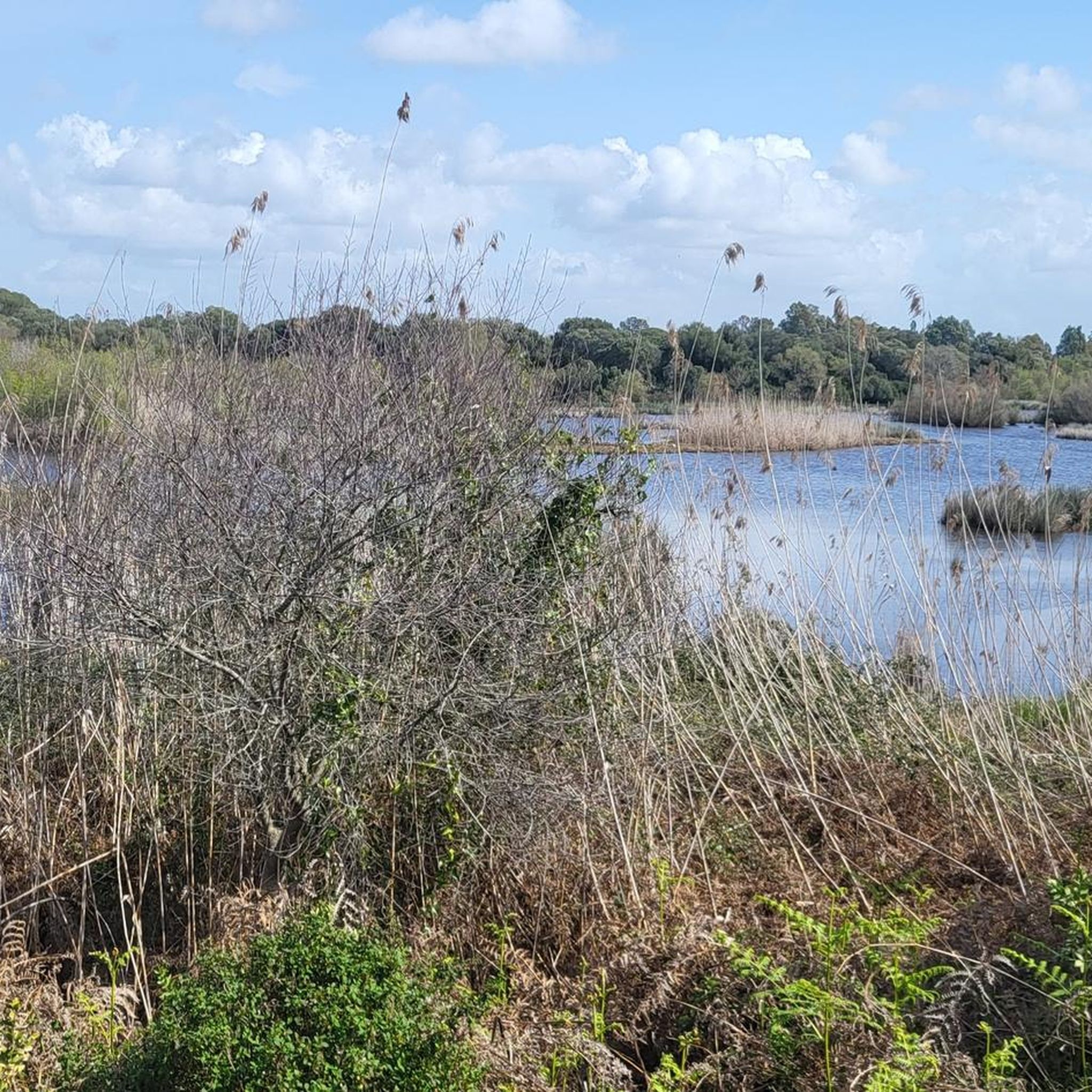
Charco Del Acebrón
Highlight • Lake
Translated by Google •
Tip by

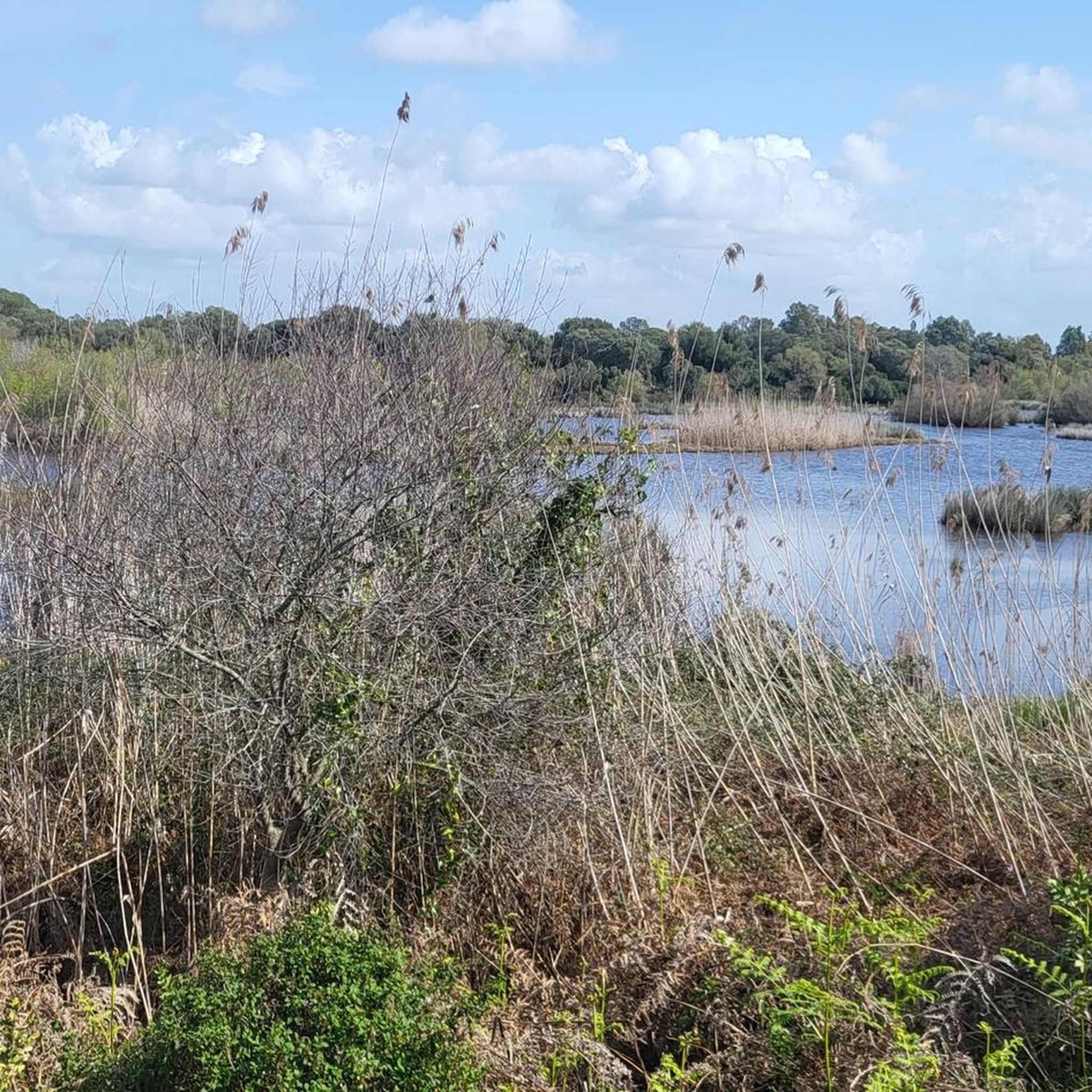
Charco de la Boca
Highlight • Lake
Translated by Google •
Tip by

Sign up now to discover places like this
Get recommendations on the best single tracks, peaks, & plenty of other exciting outdoor places.
Sign up for free
Birdwatching in Doñana National Park
Highlight • Natural Monument
Translated by Google •
Tip by

Beautiful boardwalk walk
Highlight • Trail
Translated by Google •
Tip by

Marshland Walk - El Rocío
Highlight • Trail
Translated by Google •
Tip by
Start today with a free account
Your next adventure awaits.
Login or Signup
Tips from the Community


The Paseo Marismeño in El Rocío is a beautiful route that runs along the marsh and offers spectacular views of the Doñana National Park. This walk is ideal for nature lovers and birdwatchers, as you can see species such as flamingos, spoonbills and herons.
8
0

This enclave is now one of the privileged places for bird watching, and during sunset you can observe flocks of blackbirds, egrets and other species concentrated in large numbers in the nearby trees
6
0

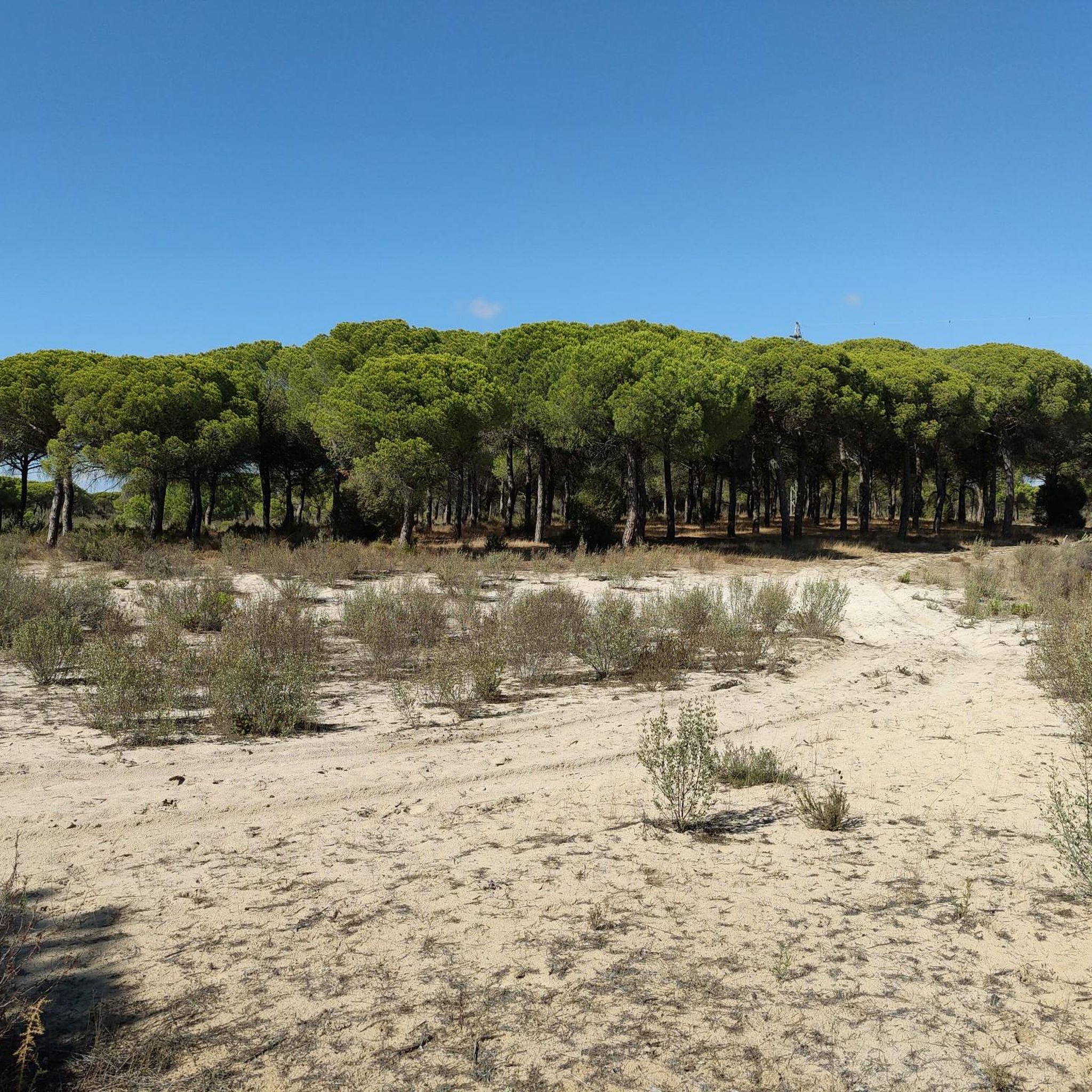
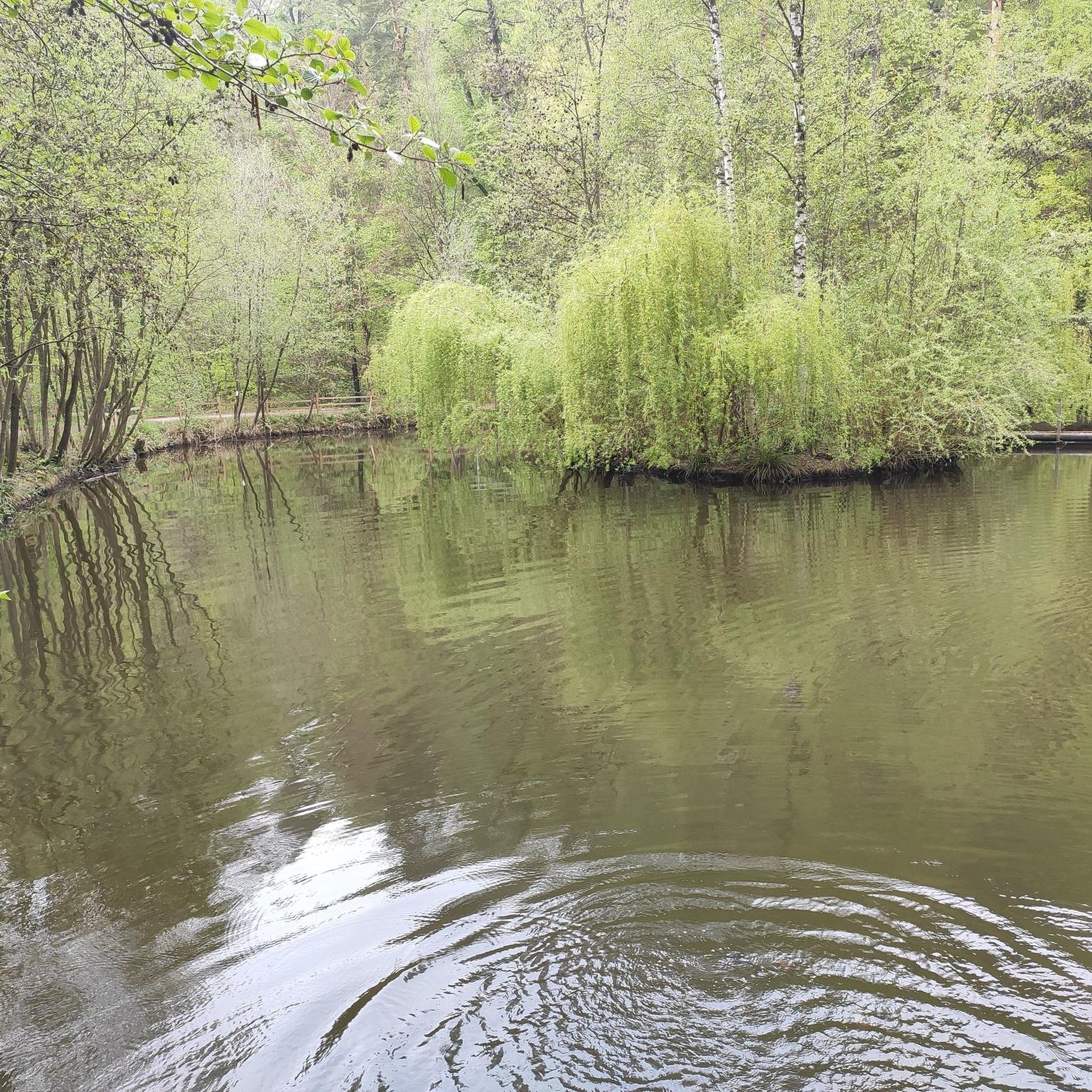
The short walk runs around the lake and offers a huge variety of vegetation
9
0

This wonderful trail in the picturesque town of El Rocío runs next to the Charco de la Boca, a natural lagoon with a wide variety of birds and animals that migrate to the Doñana Natural Park. And if you are around here you cannot miss visiting the beautiful historic center of the town.
1
0
Located within the Doñana Natural Park and next to the picturesque town of El Rocío, this wonderful natural ecosystem is the ideal place for those who enjoy bird watching and this type of biosphere. It can be traveled along the Paseo Marismeño path, an entertaining walk for the whole family.
1
0

It's a pleasure to go there. The entire route is a boardwalk through a forest of sidewalks.
3
0
At the foot of the pond stands one of the most peculiar buildings in this territory, the Palacio del Acebrón. Built in 1961 by Luis Espinosa.
10
1
Frequently Asked Questions
What are the most notable natural water bodies around Hinojos?
Hinojos is primarily known for its integral position within the Doñana National Park, featuring critical wetlands and marshlands rather than traditional deep lakes. The most significant is the Marisma de Hinojos, an extensive salt marsh vital for biodiversity. Additionally, areas like Charco de la Boca and Charco Del Acebrón offer unique wetland environments and temporary lagoons, especially during wetter seasons.
Where can I go birdwatching near Hinojos?
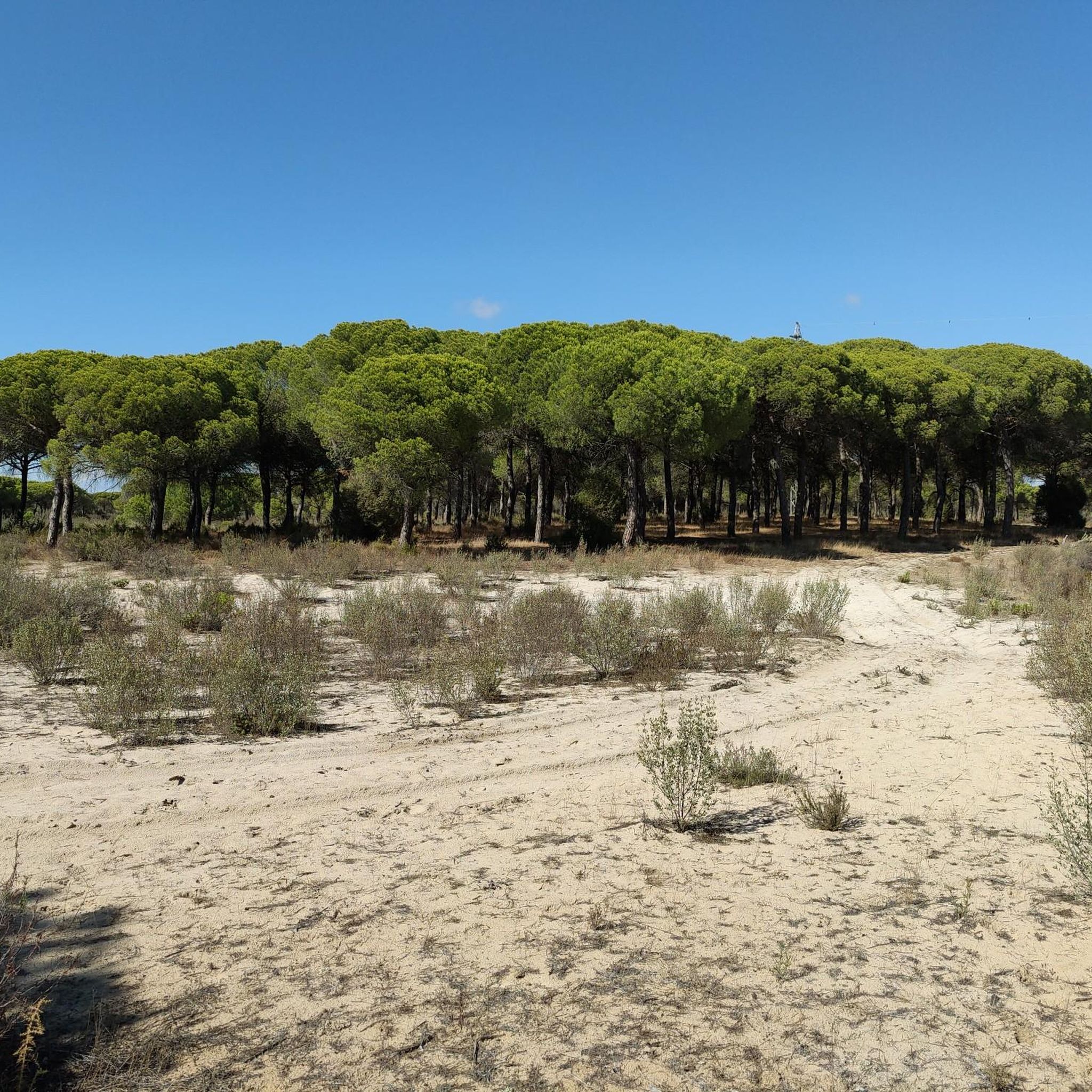
The region around Hinojos, particularly within Doñana National Park, is a prime birdwatching destination. Charco de la Boca is an ideal breeding ground for species like the common moorhen and marbled duck, with observatories for undisturbed viewing. The Birdwatching in Doñana National Park highlight is also a privileged spot, especially at sunset, to observe flocks of various species.
Are there family-friendly trails around the lakes in Hinojos?
Yes, several trails are suitable for families. The route around Charco Del Acebrón features a boardwalk through a forest, making it an enjoyable and easy walk. The Charco de la Boca area also offers the Paseo Marismeño path, an entertaining walk for the whole family within Doñana Natural Park.
What kind of wildlife can I expect to see in the wetlands near Hinojos?
The wetlands and marshes, especially the Marisma de Hinojos within Doñana National Park, are biodiversity hotspots. You can expect to see numerous bird species, including migratory birds, flamingos, spoonbills, and herons. The area is also home to endangered species such as the Iberian lynx and the Spanish imperial eagle, though sightings of these are rare and require luck.
What is the best time of year to visit the lakes and wetlands around Hinojos?
The best time to visit is typically during the wetter seasons (autumn to spring) when water levels are higher, attracting a greater diversity and number of birds. Winter is particularly important for migratory birds. During these periods, the landscape is more vibrant, and wildlife observation opportunities are at their peak.
Are there any easy hiking trails near the lakes?
Absolutely. The Charco Del Acebrón offers a pleasant boardwalk route. The Charco de la Boca Trail, accessible from the La Rocina Visitor Centre, is approximately 3.8 kilometers long and winds through pine forests to observation points. For more options, you can explore easy routes like the Doñana Natural Park - circular via the Charco de la Boca Trail or the Marshland Promenade Loop, both found in the Hiking around Hinojos guide.
Can I bring my dog to the lakes and trails in Doñana National Park?
Doñana National Park has strict regulations to protect its delicate ecosystem and wildlife. Generally, dogs are not permitted on trails or in sensitive areas within the National Park, even on a leash. It's best to check with specific visitor centers for any designated dog-friendly areas or trails outside the most protected zones.
Are there any historical or cultural points of interest related to the lakes?
The Marisma de Hinojos has a unique historical connection, as investigations have suggested it could be the location of the mythical lost city of Atlantis, with satellite images revealing intriguing circular structures beneath the surface. Additionally, the Palacio del Acebrón, a building constructed in 1961, stands at the foot of Charco Del Acebrón, offering a cultural landmark within the natural setting.
What outdoor activities, besides hiking, can I do near the lakes?
Beyond hiking, the region offers opportunities for running and mountain biking. You can find various routes in the area, such as the Raya Real and Paseo Marismeño Loop for running, or the Almonte and El Rocío Doñana Loop for mountain biking. Explore more options in the Running Trails around Hinojos and MTB Trails around Hinojos guides.
Is there an accessible option for experiencing the wetlands near Hinojos?
Yes, the Charco de la Boca Trail, accessible from the La Rocina Visitor Centre, features observatories built in a traditional style, allowing visitors to view wildlife without disturbance. While not explicitly stated as fully wheelchair accessible, trails with boardwalks, like parts of Charco Del Acebrón, often offer easier access. The artificial lake at the Los Centenales Visitor's Centre in Hinojos also provides an easily accessible introduction to local aquatic ecosystems.
Where can I find information about permits or guided tours for Doñana National Park?
Access to Doñana National Park, including marsh areas, is often managed through visitor centers and guided tours to protect its delicate ecosystem. For information on permits, access, and booking guided tours, it is recommended to contact the official Doñana National Park visitor centers directly. You can find general information about the park on Wikipedia, but for specific logistical details, always refer to the park's official website or contact them.
What makes the Marisma de Hinojos unique?
The Marisma de Hinojos is a unique and extensive salt marsh characterized by its fluctuating water levels, creating a dynamic landscape of shallow pools, channels, and muddy flats. It is a critical ecosystem within Doñana National Park, serving as an exceptionally important wintering, migratory, and breeding ground for numerous bird species. Its ecological significance and potential historical connections make it a truly special natural wonder.
Most popular routes around Hinojos
Most popular attractions around Hinojos

Get inspired with the komoot mobile app


Explore more
Still not found your perfect lake around Hinojos? Check out the guides of these regions to see even more beautiful places.
