Top 5 Castles around Sant Boi De Lluçanès
Best castles around Sant Boi De Lluçanès are situated within the surrounding Lluçanès region in Osona, Catalonia. This area is known for its historic castles and their remnants, offering insights into a rich medieval past. Many of these structures are located on hilltops, providing views of the surrounding landscape. The region's geography contributes to the strategic placement of these historical sites.
Best castles around Sant Boi De Lluçanès
- The most popular castles is Besora Castle, a castle located on…
Last updated: July 4, 2026
Montesquiu Castle
Highlight • Castle
Translated by Google •
Tip by

Besora Castle
Highlight • Castle
Translated by Google •
Tip by

Sign up now to discover places like this
Get recommendations on the best single tracks, peaks, & plenty of other exciting outdoor places.
Sign up for free
Castle of Torelló
Highlight • Castle
Translated by Google •
Tip by

Castell d'Olost
Highlight • Castle
Translated by Google •
Tip by

Sant Salvador de Bellver Hermitage
Highlight • Religious Site
Sant Salvador de Bellver is a Romanesque church located at the north-eastern end of the municipality of Sant Boi de Lluçanès at the tip of …
Translated by Google •
Tip by
Sign up for free to discover even more castles around Sant Boi De Lluçanès.
Sign up for free
Already have an account?
Start today with a free account
Your next adventure awaits.
Login or Signup
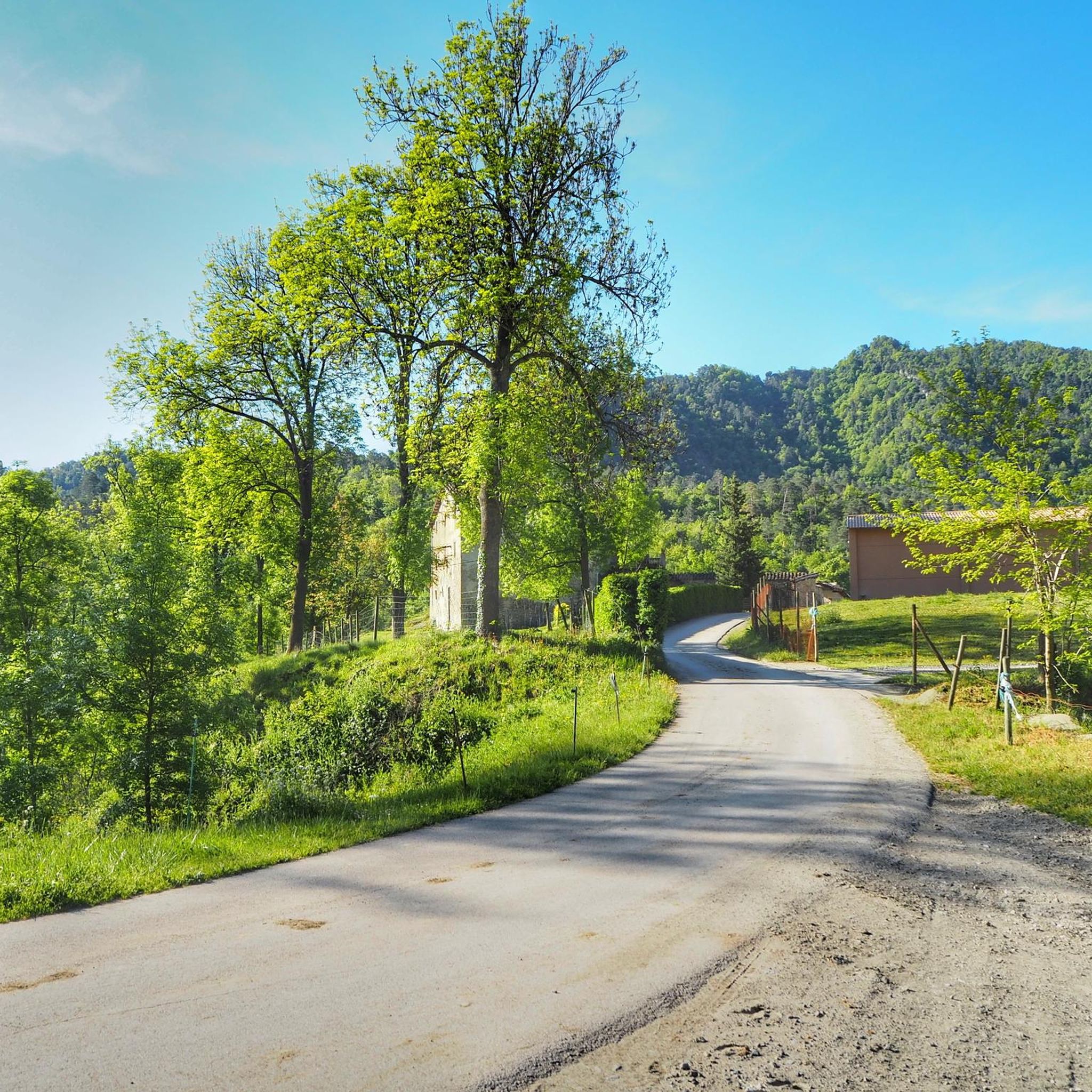
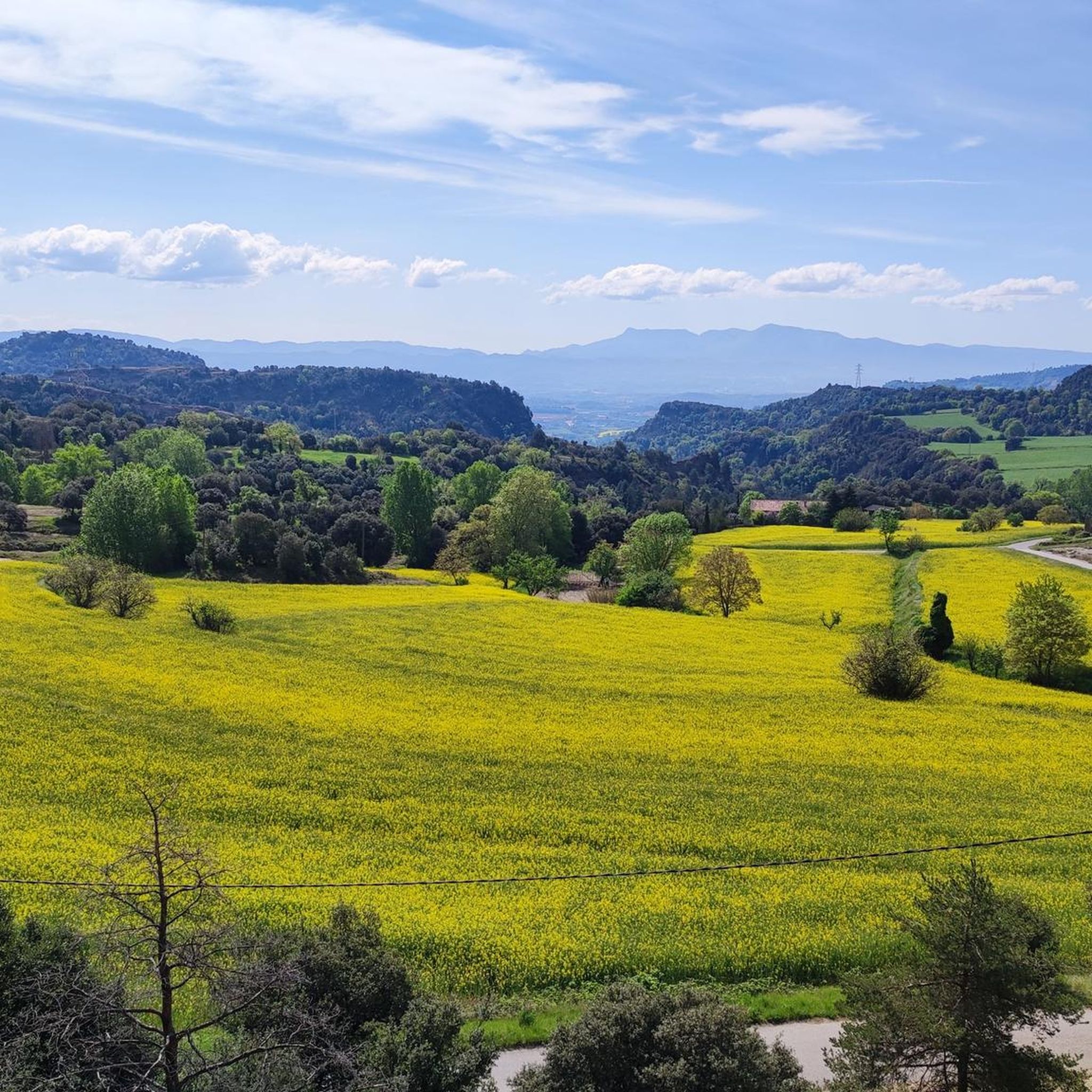
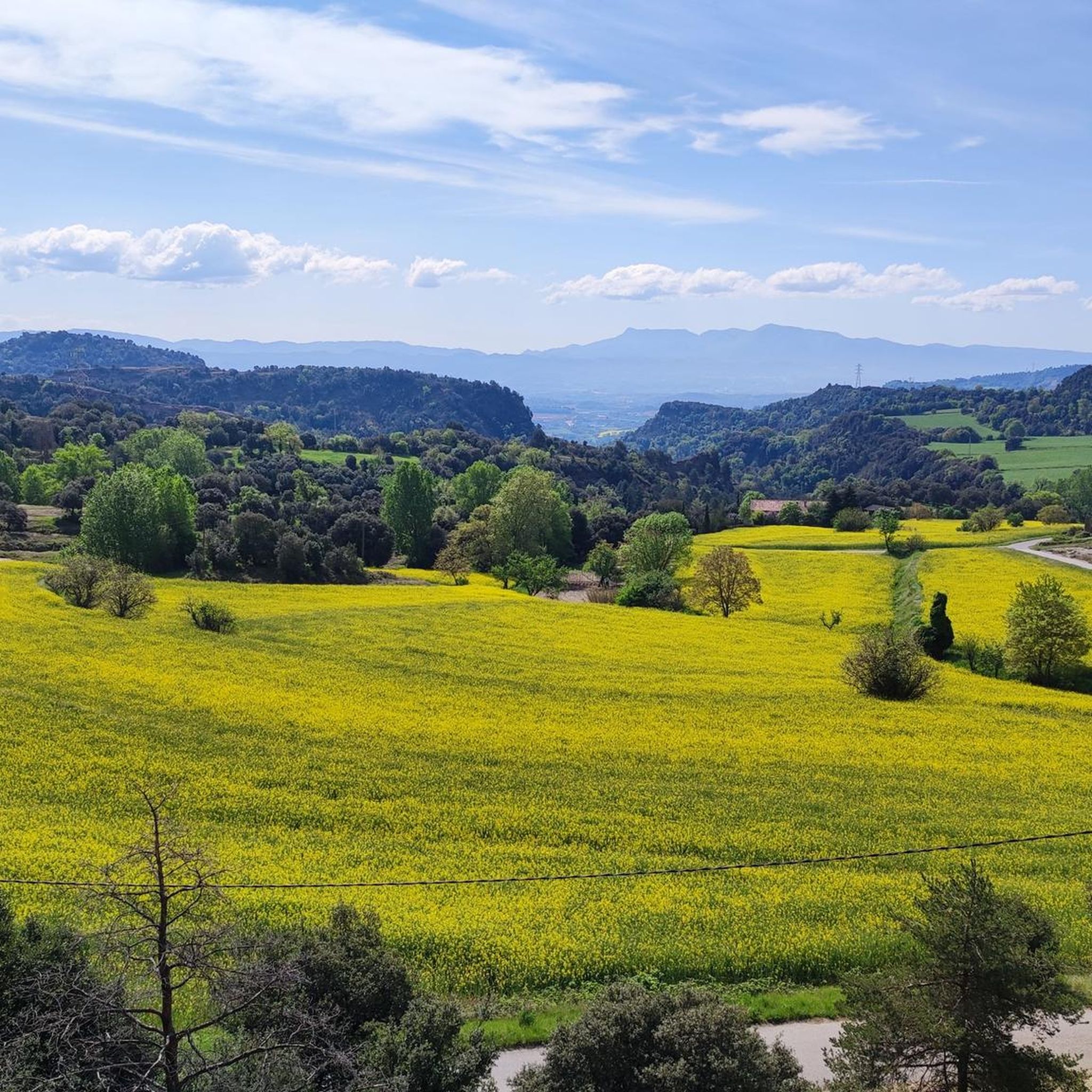
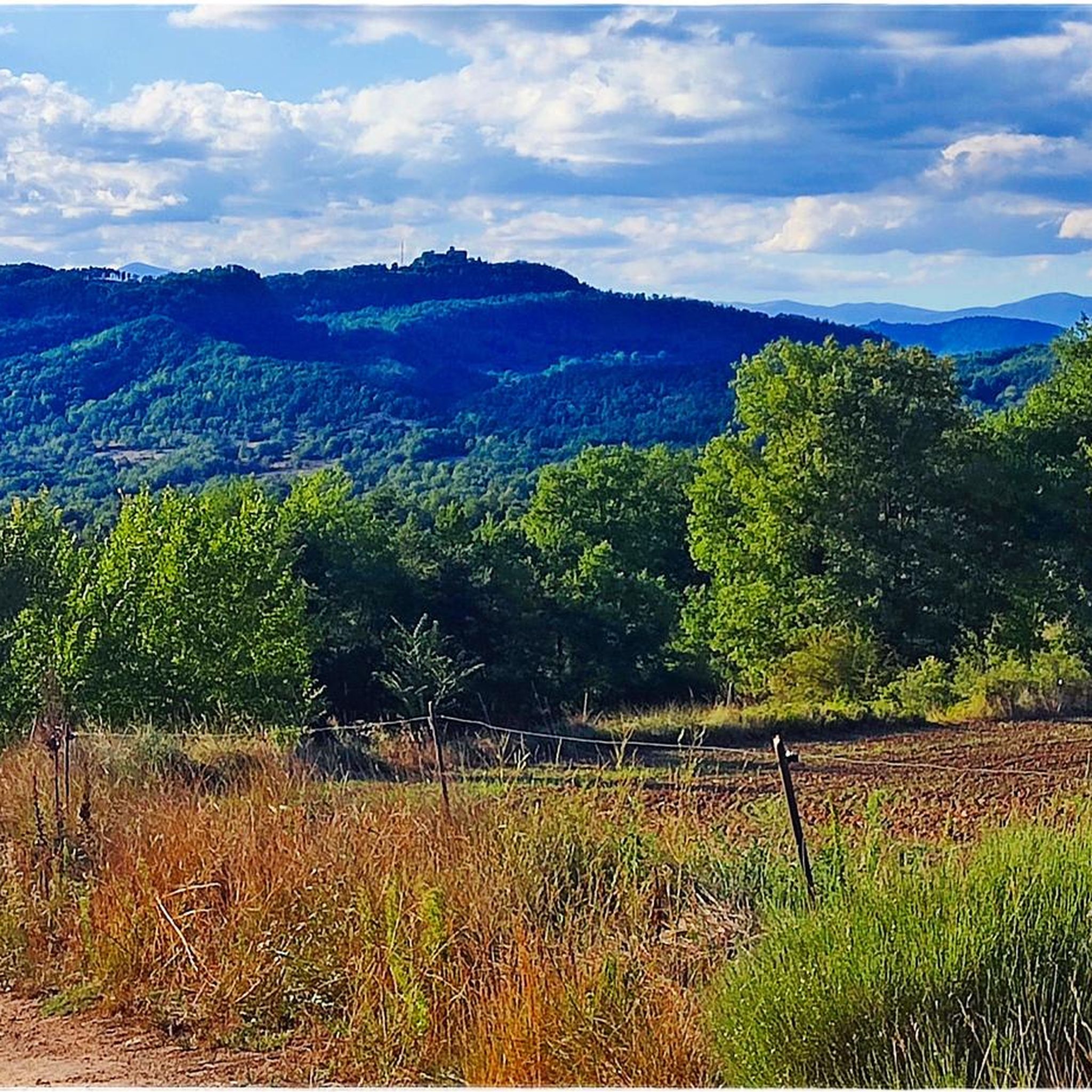
Tips from the Community

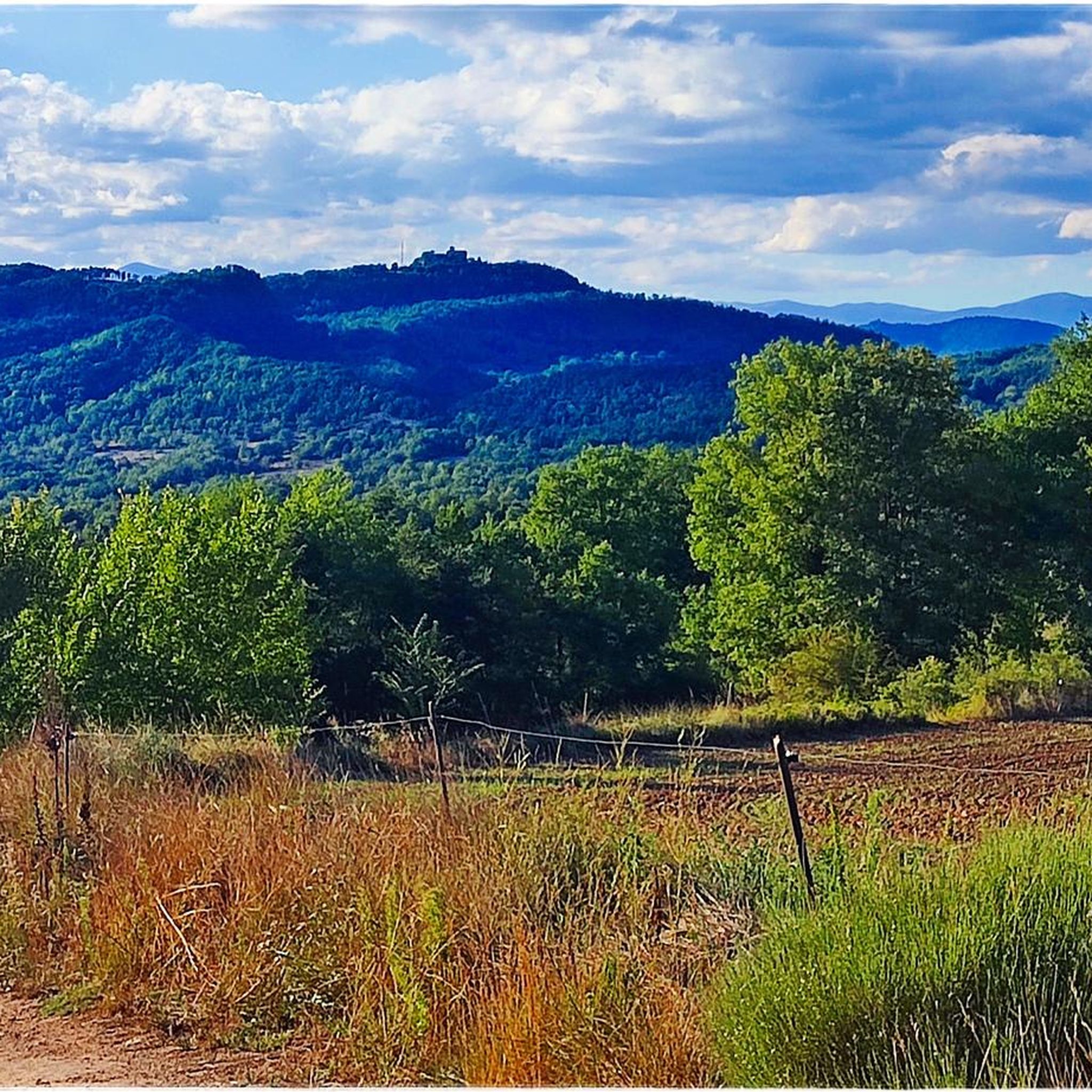
The ruins of the Besora castle and the Romanesque church of Santa María are located on a hill at more than 1000 meters above sea level. It is worth calmly exploring each of its corners and enjoying the beautiful views.
2
0


A few months ago I covered the route from the R 3 train station, from Farga de Bebié to Montesquiu Castle and back to Sant Quirze de Besora Pueblo de la Ratafía: It is approximately 5 km. It is worth it, it is a very beautiful route.
2
0

The Montesquiu castle, in the Osona region, is a beautiful example of a recently restored medieval fortification. Built, surely, during the 13th century, it formed a defensive triangle together with the castles of Besora and Saderra.
3
0

Fantastic castle that is worth visiting
2
0

It appears for the first time in documents from 1285, appearing as a fortified house that would later be called a castle. At first it was known as Colobrer castle and later, Montesquiu. Its origin is probably in the enclave where there was a guard tower that Count Guifré (el Pilós) ordered to be built in the 11th century. In the 14th century it was converted into a fortified residence and in the 16th century the castle was enlarged and fortified. However, it was not until the beginning of the 20th century that it was reformed to give it the appearance it has today.
0
0

All that remains of the castle are badly damaged fragments of walls. The only clearly visible remains are those of the castle's church, dedicated to Santa Maria, and which allow us to see that it was a construction of a nave topped to the east by a semicircular apse. The nave and the apse, preceded by a presbytery section, were covered by barrel vaults. As for the remains of the castle itself, you can see the remains of the closing wall in the northern area of the hill, around the area of access and entrance to the castle. In this same northern area, remains of several rooms of the castle appear. A possible cistern is also located in this sector. In the central part, there would be a pool, documented during the excavation work of the 2006-2010 campaigns. In the southern area, close to the precipice, there are also very eroded fragments of the closing wall. We enjoy a fantastic 360º panorama.
2
0
Montesquiu Castle possibly has its origins in the enclave of a guard tower that Count Guifré I (El Pilós) had built in the 9th century. It is not until the middle of the 14th century, however, when the current castle goes from being a small house intended for defense to becoming a fortified residence. Arnau Guillem de Besora is the first of his lineage to live in the castle. In the 17th century, Lluís Descatllar, despite residing in Barcelona, expanded and ennobled the house. He is responsible for the construction of the current chapel and the expansion of the North-East sector, in addition to other actions that meant an important change in the overall image of the building. At the beginning of the 20th century, Emili Juncadella, a representative figure of the high bourgeoisie of the time, gave the old manor the appearance of a castle it has today and completed it with gardens. But Juncadella's reform hides many vestiges of the building's previous evolution and expansions. Currently, and after an intervention that has preserved the most significant architectural evidence from the various periods, the castle has recovered its link with the territory and has been integrated into the park as a whole.
2
1
Frequently Asked Questions
Which castles are most popular among visitors in the Lluçanès region?
Among the castles around Sant Boi De Lluçanès, Besora Castle is highly popular, located on a hill over 1,000 meters above sea level and offering magnificent views. The Castle of Torelló, with its massive circular tower, is also a significant historical site. Visitors also appreciate Castell d'Olost, known for its preserved tower and Gothic chapel.
What kind of historical features can I expect to see at these castles?
The castles in the Lluçanès region offer a glimpse into a rich medieval past. You'll find a variety of historical features, from the ruins of Besora Castle alongside the Romanesque church of Santa María, to the prominent circular tower of the Castle of Torelló. Lluçà Castle features remaining wall sections, rectangular rooms, and a well-preserved Romanesque chapel of Sant Vicenç del Castell, one of Catalonia's few circular-plan churches.
Are there hiking trails to reach the castles?
Yes, many castles in the region are accessible via hiking trails. For instance, Castell de Lluçà can be reached by following the GR1 and a yellow trail marked 'Pujada al Castell de Lluçà' from the Santa Maria de Lluçà Monastery parking lot. The area also offers various running, gravel biking, and MTB trails that pass near historical sites. You can explore options like the 'Sant Quirze de Besora – Besora Castle loop' for running or the 'Font de la Prada – Riera de Sorreigs Reservoir loop' for MTB, which are part of the wider network of trails around Sant Boi De Lluçanès.
What is the best time of year to visit the castles in the Lluçanès region?
The Lluçanès region, including its castles, is generally pleasant to visit during spring and autumn. These seasons offer milder temperatures, making outdoor exploration and hiking more comfortable. The natural landscapes surrounding the castles are also particularly scenic during these times.
Are the castles around Sant Boi De Lluçanès suitable for families?
Many of the castles, being ruins or historical sites, offer an engaging experience for families interested in history and outdoor exploration. The walks to these sites, such as the trail to Castell de Lluçà, can be enjoyable for children. Exploring the remains and enjoying the panoramic views can be a fun and educational family activity.
Can I visit these castles with my dog?
Generally, outdoor historical sites and trails in the Lluçanès region are dog-friendly, especially if your dog is well-behaved and kept on a leash. As many castles are ruins or open-air sites, they often accommodate pets. Always ensure to clean up after your dog and respect any local signage regarding pet access.
Is parking available near the castles?
Parking availability varies by castle. For example, Castell de Lluçà can be accessed from the parking lot of the Santa Maria de Lluçà Monastery. For other sites, you may find designated parking areas in nearby towns or trailheads, often requiring a short walk to the castle ruins.
What natural features or viewpoints can I find near the castles?
The castles are often strategically located on hilltops, providing excellent viewpoints. From Besora Castle, you can enjoy magnificent 360º panoramas of the surrounding landscape. The Castle of Torelló, situated on a marl hill, offers clear views of the Torelló and Ter valleys. These locations are ideal for appreciating the natural beauty of the Osona region.
Are there any less crowded castles to visit in the area?
While Besora Castle and Castle of Torelló are popular, exploring the ruins of Castell de Lluçà or the watchtower and Gothic chapel of Castell d'Olost might offer a more tranquil experience, especially during off-peak hours. These sites provide a rich historical context without the larger crowds.
What outdoor activities can I do near these castles?
The Lluçanès region offers a variety of outdoor activities. You can find numerous running, gravel biking, and mountain biking trails that often pass by or near these historical sites. For example, you can explore running routes like the 'Castillo de Torelló loop' or mountain biking trails such as the 'Font de la Prada – Riera de Sorreigs Reservoir loop'. For more details on these activities, refer to the Running Trails around Sant Boi De Lluçanès, Gravel biking around Sant Boi De Lluçanès, and MTB Trails around Sant Boi De Lluçanès guides.
Are there any unique architectural elements among the castles?
Yes, Castell de Lluçà features a well-preserved Romanesque chapel of Sant Vicenç del Castell, which is notable for being one of the few circular-plan churches in Catalonia. Castell d'Olost, originally an 11th-century watchtower, still preserves its tower and a Gothic chapel, showcasing different architectural periods.
Where can I find accommodation or places to eat near the castles?
While Sant Boi de Lluçanès is a small town, you can find cafes, pubs, and accommodation options within the town itself. For castles further afield, such as Besora Castle or Castle of Torelló, you would typically find amenities in the nearest larger villages or towns like Sant Quirze de Besora or Sant Vicenç de Torelló.
What should I wear when visiting the castles?
Given that many castles are ruins and often involve walking on trails, it's recommended to wear comfortable walking shoes or hiking boots. Layered clothing is advisable, as weather conditions can change, especially on hilltops where castles are often located. Sun protection, such as a hat and sunscreen, is also recommended.
Most popular routes around Sant Boi De Lluçanès
Most popular attractions around Sant Boi De Lluçanès

Get inspired with the komoot mobile app


Explore more
Looking for the best castles somewhere else? Discover other guides around Sant Boi De Lluçanès:
