Top 8 Gorges around Setenil De Las Bodegas
Best canyons around Setenil De Las Bodegas are characterized by the town's unique integration with natural rock formations. The Guadalporcún, also known as the Trejo River, carved a narrow gorge, leading to an urban landscape where structures utilize the rock as roofs and walls. This area offers a rare example of human habitation deeply intertwined with the natural environment, showcasing white houses built directly beneath towering cliffs. The rock formations provide natural climate control and exceptional photographic opportunities, making it a distinctive destination.
Best canyons around Setenil De Las Bodegas
- The most popular canyons is Puente Nuevo (New Bridge) in Ronda, a bridge that spans the deep Tajo de Ronda gorge. From this bridge, there is a good view of the gorge and the Guadalevín river.
- Another must-see spot is Arab Bridge of Ronda, an ancient bridge spanning the Guadalevín River within the Tajo de Ronda gorge. Visitors can explore this historical site located near the city's Arab Baths.
- Visitors also love Tajo de Ronda (Ronda Gorge), a deep gorge carved by the Guadalevín river. This natural monument divides the city of Ronda and is bridged by three structures, offering impressive views.
- Setenil De Las Bodegas is known for its unique gorge formations and river-carved landscapes. The area features dramatic rock overhangs and deep river valleys, providing a variety of natural features to see and explore.
- The canyons around Setenil De Las Bodegas are appreciated by the komoot community, with more than 1100 upvotes and over 1100 photos shared by visitors.
Last updated: August 14, 2026
New Bridge
Highlight • Bridge
Showing Translation
Tip by

Arab Bridge of Ronda
Highlight • Bridge
Translated by Google •
Tip by

Sign up now to discover places like this
Get recommendations on the best single tracks, peaks, & plenty of other exciting outdoor places.
Sign up for free
Cuenca Gardens
Highlight • Viewpoint
Translated by Google •
Tip by

Tajo de Ronda (Ronda Gorge)
Highlight • Gorge
Translated by Google •
Tip by

Cuevas del Sol Street, Setenil de las Bodegas
Highlight • Settlement
Translated by Google •
Tip by

Sign up for free to discover even more gorges around Setenil De Las Bodegas.
Sign up for free
Already have an account?
Start today with a free account
Your next adventure awaits.
Login or Signup
Popular around Setenil De Las Bodegas
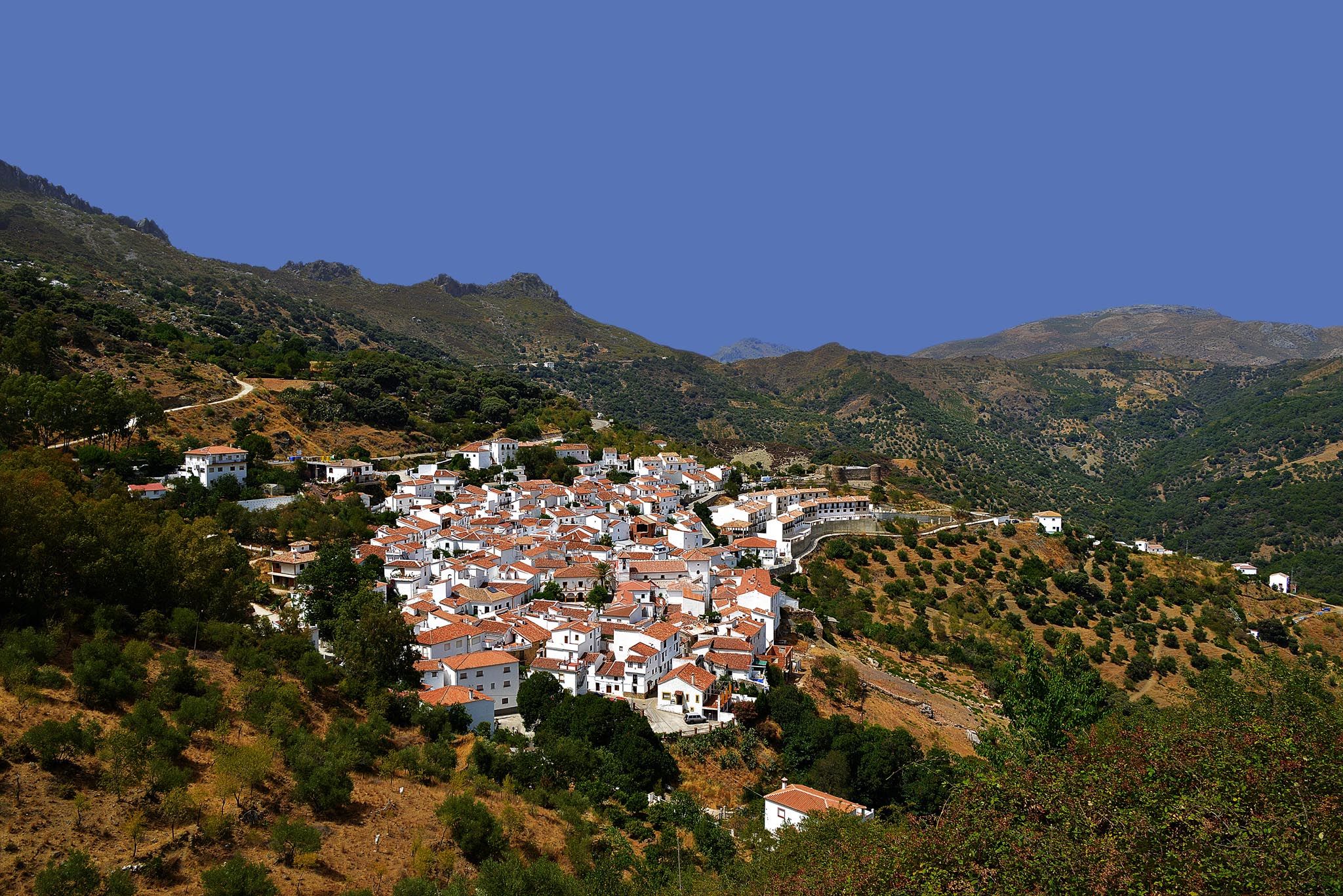
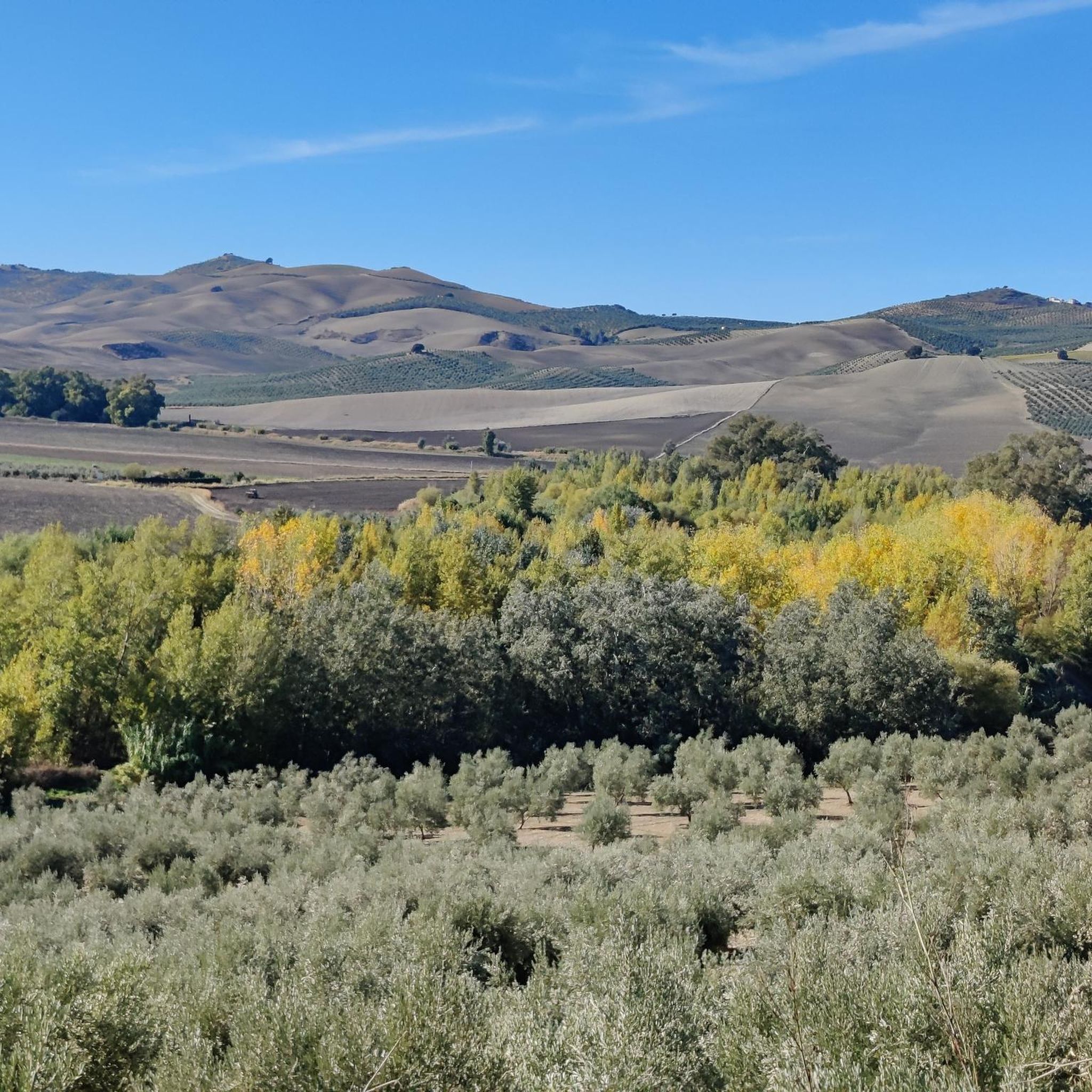
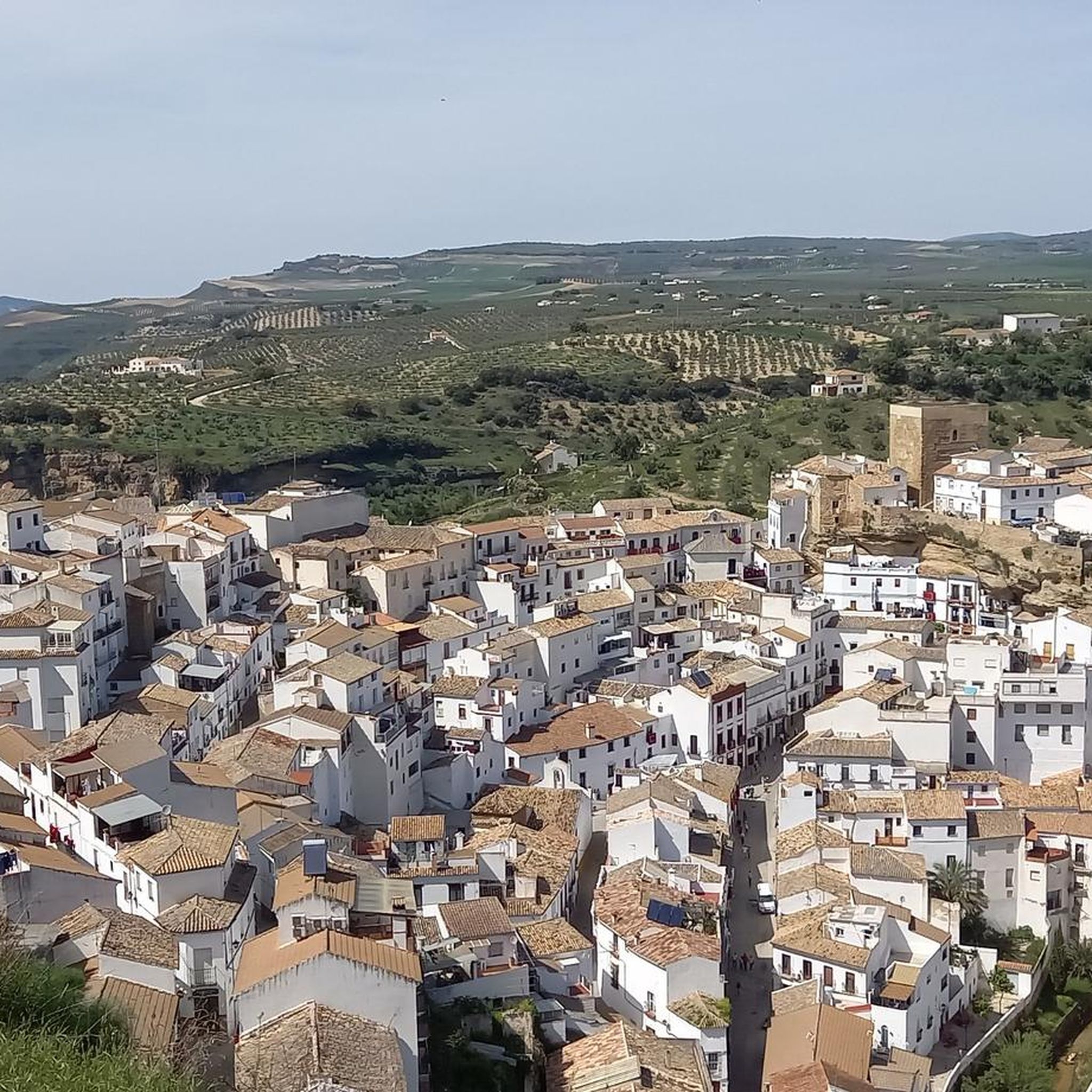
Other adventures around Setenil De Las Bodegas

Tips from the Community

A hiking trail leads from Ronda to below the bridge.
0
0

The Tajo de Ronda is the spectacular gorge that literally splits the heart of Ronda in two. 🌄 • It is approximately 120 meters deep and carved out by the Guadalevín River, which flows right through the city. • Impressive bridges stand above the gorge, the most famous and iconic of which is the Puente Nuevo. This bridge connects the old Moorish city with the newer part of Ronda. • For centuries, the Tajo served as both a natural defense against enemies and a challenge to urban expansion. • From its edges, you have breathtaking views of the Ronda valley, the Serranía mountains, and the white villages in the distance. It is one of the most photographed places in Andalusia and a highlight of Ronda's charm: nature and architecture in a dramatic interplay.
1
0

Cuevas del Sol Street in Setenil de las Bodegas is one of the most iconic and photographed corners of this picturesque town in the Sierra de Cádiz, famous for its houses built directly beneath enormous rocks.
8
0

From the new bridge there is a good view of Puente Viejo: an old stone bridge that is one of three bridges that spans the deep Tajo de Ronda gorge with the Guadalevín river in it.
19
1
Setenil de las Bodegas is a picturesque municipality in the province of Cadiz, Andalusia. It is known for its unique urban layout, with houses built under large rocks that form part of the Trejo River canyon. This town is an essential stop on the famous route of the White Villages of Cadiz.
9
0

There is a main street on either side of the Guadalporcún river that runs through the village, both of which offer the perfect places to enjoy the view of the rocks. They are called Cuevas del Sol and Cuevas de la Sombra (Sun and Shadow Caves). They owe their name to the sunlight phenomenon that occurs thanks to the rocks above them. Cuevas del Sol is always in sunlight.
7
0

The Arab Bridge of Ronda or Puente de las Curtiderías is located a few meters from the famous Arab Baths of the city. It is accessed by going down from the old bridge and Arco de Felipe V. Popularly known as Puente Romano, there is nothing in the current plant that betrays such an origin. However, it cannot be ruled out that there was a bridge from Roman times in the same place, since the location was the only one that allowed access to the city from the north.
9
0

The Puente Árabe "Arab Bridge" is the oldest of the three bridges in Ronda. The stone bridge spans the Guadalevín River, which flows in the Tajo de Ronda gorge. The bridge is located outside the city walls of Ronda and is lower than the neighboring Puente Viejo.
12
0
Frequently Asked Questions
What makes the 'canyons' around Setenil de las Bodegas unique?
The 'canyons' in Setenil de las Bodegas are extraordinary because the town is built directly into and under the massive rock formations of a narrow river gorge, carved by the Guadalporcún (Trejo River). This creates a unique urban landscape where houses and businesses utilize the natural rock as roofs and walls, offering a distinctive visitor experience unlike traditional canyons.
Which specific 'canyon-like' streets should I explore in Setenil de las Bodegas?
You should definitely explore Calle Cuevas del Sol (Caves of the Sun Street), known for its vibrant atmosphere, cave restaurants, and shops nestled under a colossal overhanging rock slab. Also, visit Calle Cuevas de la Sombra (Caves of the Shade Street), which is heavily shaded by extensive rock overhangs, creating a cooler, atmospheric environment that feels like navigating a natural tunnel.
What kind of architectural features can I expect to see in Setenil de las Bodegas?
Setenil de las Bodegas showcases a rare example of human habitation deeply intertwined with nature. You'll see white houses built directly beneath towering cliffs, with streets winding through dramatic rock formations. This 'troglodyte' style of architecture uses the natural rock as a roof and offers inherent insulation, keeping interiors cool in summer and warmer in winter.
Are there historical or cultural aspects to the canyons of Setenil de las Bodegas?
Yes, the area is rich in history. Exploring these unique rock formations allows visitors to step into a lifestyle profoundly connected to nature, with evidence of human occupation dating back at least 5,000 years. The town's name, 'Setenil,' is believed to derive from 'septem nihil' (Latin for 'seven times no'), referring to the number of attempts it took Christian forces to recapture the town from the Moors.
What outdoor activities can I do near Setenil de las Bodegas?
Beyond exploring the town's unique architecture, the region offers various outdoor activities. You can find numerous hiking trails around Setenil de las Bodegas, including easy loops like the 'Bridge over the Trejo River – View of Setenil de las Bodegas' or moderate routes like 'Bridge over the Trejo River – Hermitage of San Benito'. There are also running trails and road cycling routes available.
Are there family-friendly walking options in Setenil de las Bodegas?
Yes, the town itself is very walkable and offers a fascinating experience for families. The unique streets like Calle Cuevas del Sol and Calle Cuevas de la Sombra are easy to explore on foot. For a short, easy hike, consider routes like the 'Bridge over the Trejo River – View of Setenil de las Bodegas loop from Setenil de las Bodegas', which is just over 3 km.
What are the best places for photography in the canyons of Setenil de las Bodegas?
The entire town offers exceptional photographic opportunities due to its dramatic and unconventional scenery. The intricate relationship between the architecture, the towering rock, and the river provides unique shots. Calle Cuevas del Sol, with sunlight streaming onto its terraces, and the extensive rock overhangs of Calle Cuevas de la Sombra are particularly picturesque.
Can I find unique dining experiences in Setenil de las Bodegas?
Absolutely. Many of the town's restaurants are built directly into the rock formations, offering a truly unforgettable setting. You can enjoy local culinary delights such as wild asparagus soup, regional chorizo, and almonds in these distinctive cave restaurants, particularly along Calle Cuevas del Sol.
What is the best time to visit Setenil de las Bodegas to experience its unique 'canyons'?
The rock formations provide natural climate control, making the town's interiors cooler during hot summers and warmer in winter. This means Setenil de las Bodegas is pleasant to visit year-round. However, spring and autumn offer the most comfortable temperatures for exploring the streets and nearby trails.
What are some notable gorges or bridges near Setenil de las Bodegas?
While Setenil de las Bodegas is known for its unique town-integrated rock formations, nearby Ronda features more traditional gorges. You can visit the impressive Puente Nuevo (New Bridge) in Ronda, which spans the deep Tajo de Ronda gorge, offering spectacular views. Another historical site is the Arab Bridge of Ronda, an ancient bridge over the Guadalevín River within the same gorge.
What kind of views can I expect from the gorges near Setenil de las Bodegas?
From highlights like the Puente Nuevo in Ronda, you can expect breathtaking views of the deep Tajo de Ronda gorge and the Guadalevín river flowing below. The Tajo de Ronda (Ronda Gorge) itself is a natural monument that divides the city, offering impressive vistas from various points, including the Cuenca Gardens.
Most popular routes around Setenil De Las Bodegas
Most popular attractions around Setenil De Las Bodegas

Get inspired with the komoot mobile app


Explore more
Already discovered everything in this region? See additional gorges around Setenil De Las Bodegas for your next adventure:
