Top 5 Caves around Balenyà
Caves around Balenyà offer diverse natural and historical features within the broader Catalonia region. This area is characterized by its varied geological formations, including mountains and valleys, which have given rise to several notable underground sites. These sites range from natural grottoes to caves with historical and archaeological significance, providing insights into the region's past and natural processes. The landscape surrounding Balenyà supports a range of natural features, making it a point of interest for exploring subterranean environments.
Best caves…
Last updated: July 4, 2026
Sant Miquel del Fai Road
Highlight • Cycleway
Tip by

Sant Miquel del Fai Monastery and Waterfall
Highlight • Historical Site
Translated by Google •
Tip by

Sign up now to discover places like this
Get recommendations on the best single tracks, peaks, & plenty of other exciting outdoor places.
Sign up for free
Balma la Miquelona
Highlight • Cave
Translated by Google •
Tip by

Can Boix Castle
Highlight • Castle
Translated by Google •
Tip by
Sant Segimon Sanctuary
Highlight • Religious Site
Legend has it that this sanctuary was inhabited …
Translated by Google •
Tip by

Sign up for free to discover even more caves around Balenyà.
Sign up for free
Already have an account?
Start today with a free account
Your next adventure awaits.
Login or Signup

Tips from the Community

A real discovery! Superb views, decent asphalt and virtually no cars.
0
0


Especially if it has rained, it is spectacular
0
0

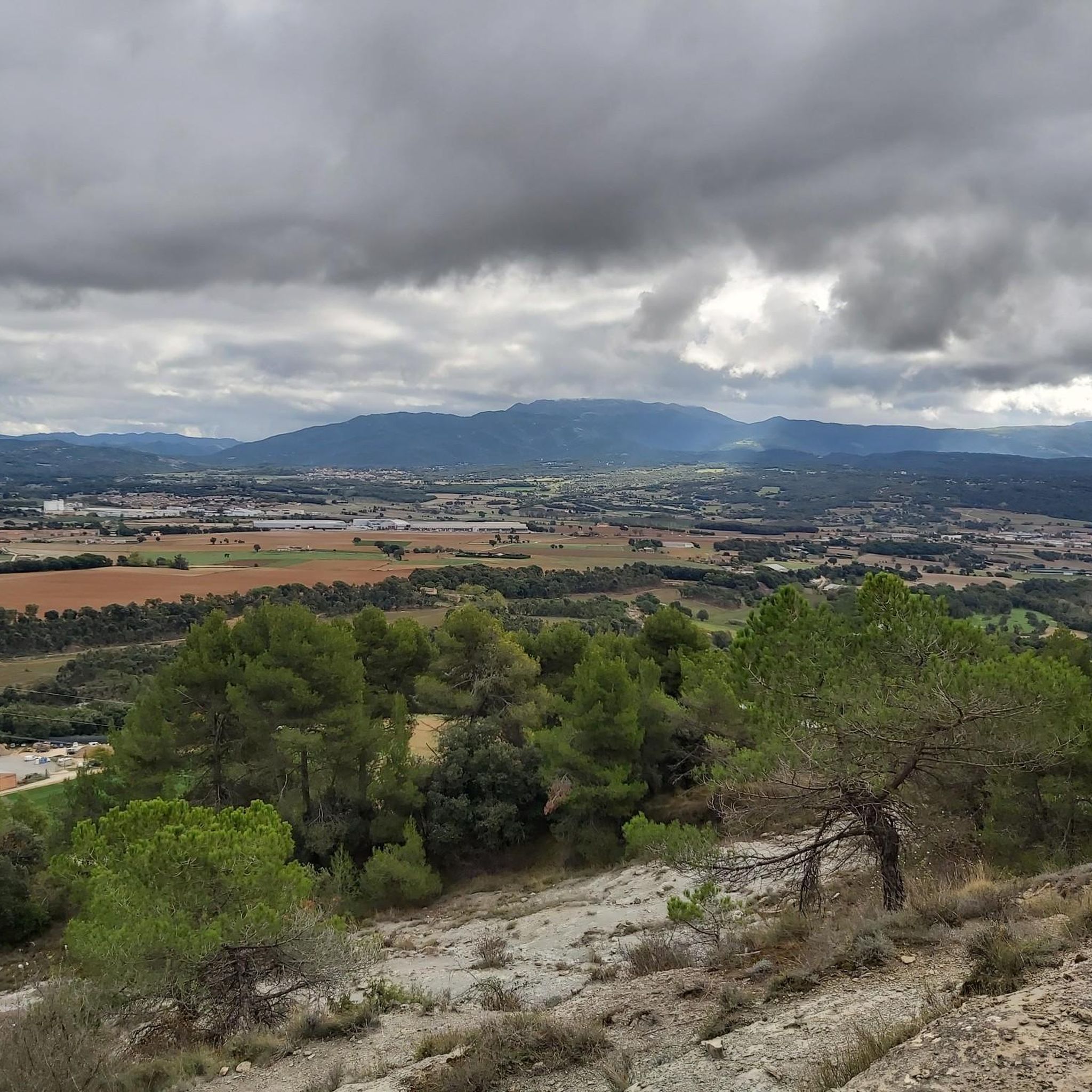
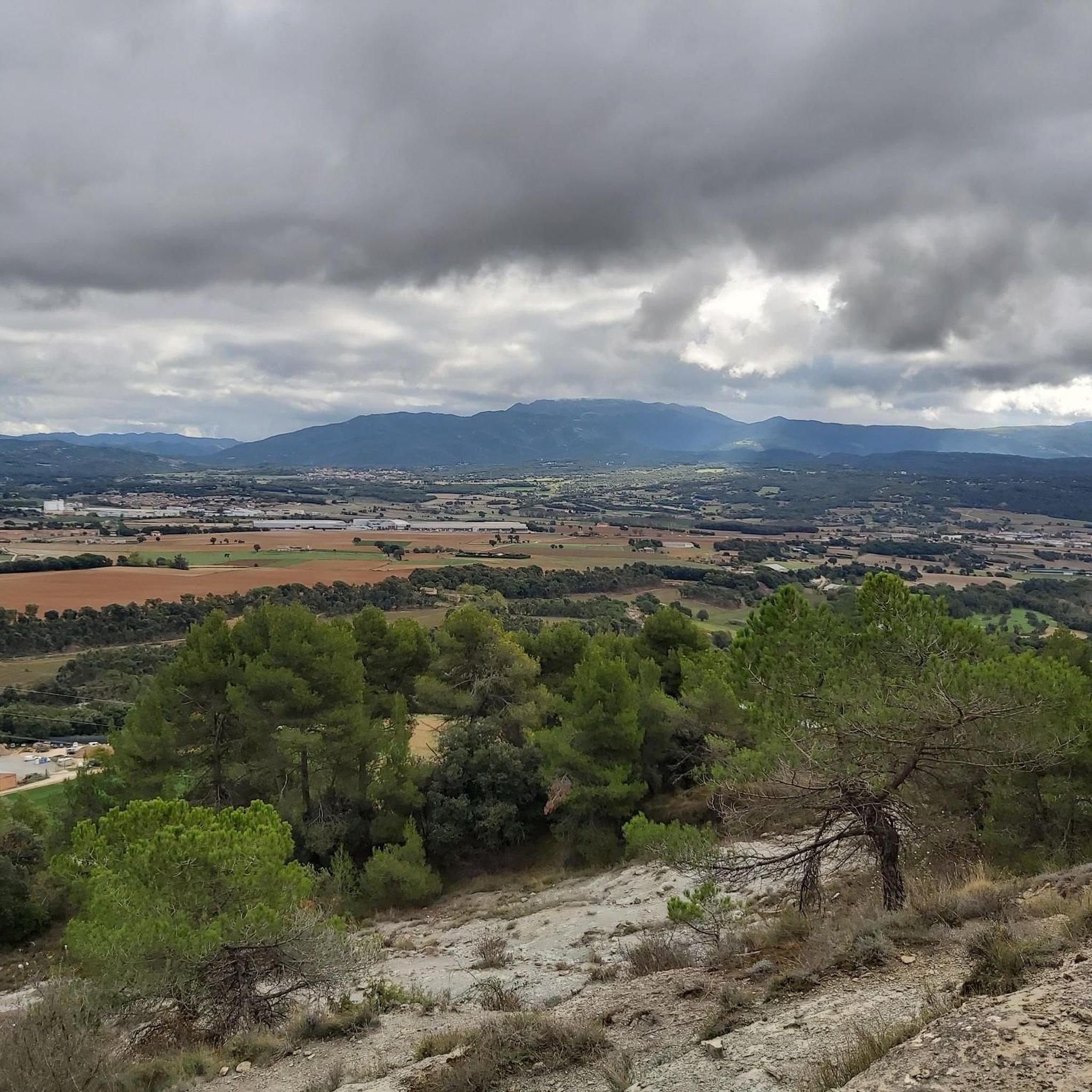
good views of the Plain of Vic and the Pyrenees and very fun downhill trails.
1
0

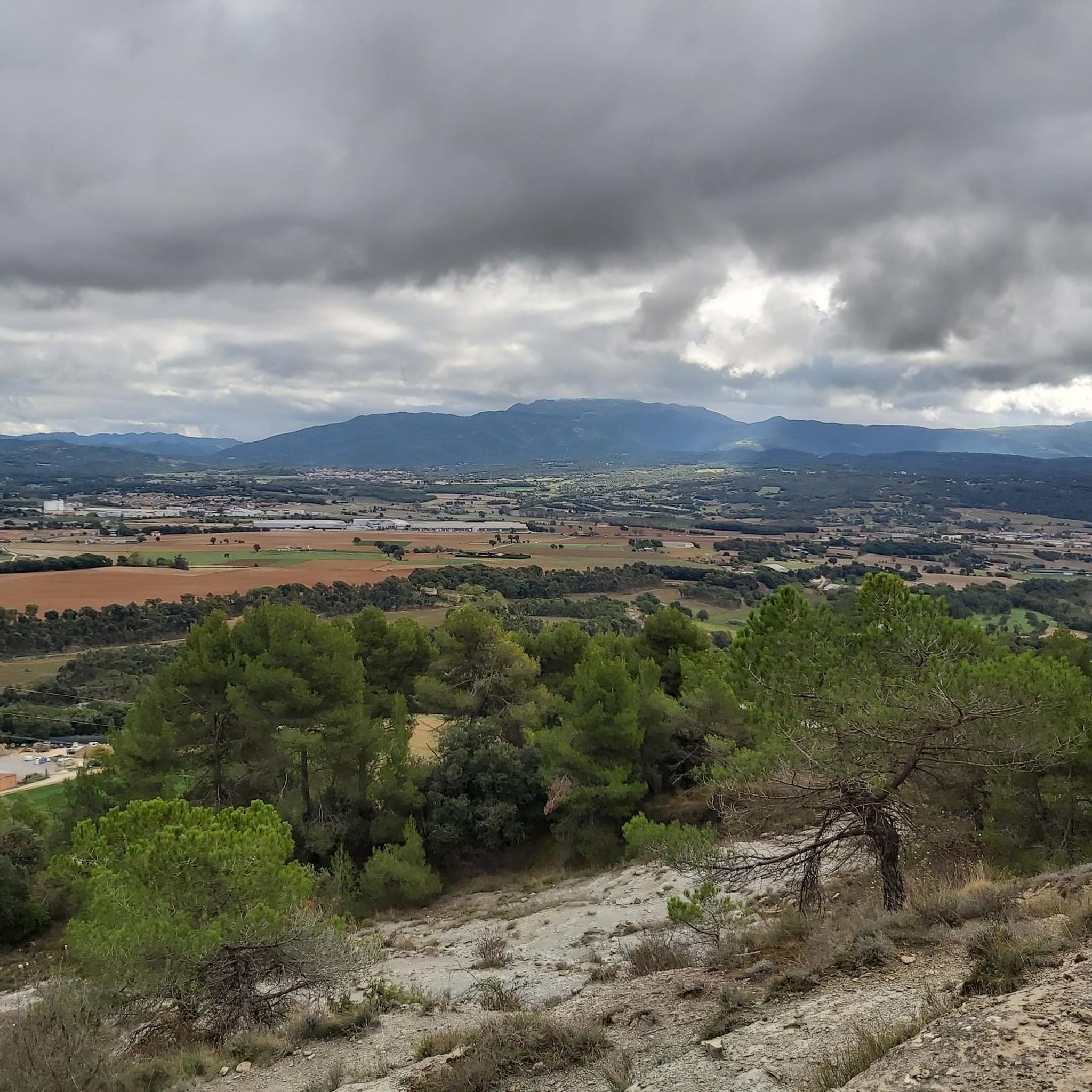
Can Boix Castle, also known as Taradell Castle, is located on some large rocks, at an altitude of 803 metres. Below the castle is a large cave. I think there are parts of the castle from the 10th century.
3
0

An incredible road with almost no cars. On one side you have cliffs and on the other stunning views. At the end of the road you will come to a monastery. Pay attention in the curves because, despite the fact that there are not many cars, when one passes there is not much space left on the road.
0
1

Old Benedictine sanctuary located in the municipality of San Feliu de Codinas, in the Catalan region of Vallés Oriental. The church was built in a cave, with its own stone serving as a roof. It is the largest troglodyte church in the country. It has a Romanesque portal formed by a semi-circular arch.
1
0

Small bauma located on the right bank of the PR-33 that leads from Figaró to Montmany, inside the Sot del Bac. Bauma formed by the lateral excavation of the Sot del Bac stream, 35-40 meters above the current talveg. It is a not very deep cavity excavated in a rocky margin or slope where the light penetrates. This has graffiti and evidence of occupation inside, with traces of having been set on fire. It is a suitable place for shelter or bivouac. At least before it was very common to use it. The Sot del Bac pass would be a natural path used by the first human communities, both to stock up on various natural resources (water, hunting and gathering) and as a place of passage and communication between the Gorge sector and Puiggraciós and the Cingles de Bertí. Currently this is occupied sporadically by walkers and climbers.
1
0
Frequently Asked Questions
What types of caves can I explore around Balenyà?
The area around Balenyà features a variety of underground formations, including natural grottoes, stalactite caves, and baumas (natural shelters). These range from caves associated with historical sites to those offering unique geological features.
Are there any caves with historical significance near Balenyà?
Yes, several caves in the region are linked to history. For instance, the Sant Miquel del Fai Monastery and Waterfall includes stalactite caves that are part of a historical religious site. Additionally, Can Boix Castle is built atop a large grotto with remains dating back to the 10th century. The Sant Segimon Sanctuary also originated from a chapel built within a cave in the 13th century.
Can I visit prehistoric caves in the broader Catalonia region?
Yes, the broader Catalonia region offers significant prehistoric cave sites. The Prehistoric Caves of Serinyà, located in Girona, are an important archaeological site showcasing human habitation from Neanderthals to modern humans. Another notable site is the Caves of El Toll in Moià, which contain remains from the Neolithic or Bronze Age.
Are there any caves known for impressive geological formations?
While the local caves around Balenyà offer natural grottoes and stalactites, for more extensive and impressive geological formations, consider the Salnitre Caves of Collbató (Montserrat Caves) in the wider Catalonia region. They are known for their spectacular calcareous rock formations and rich phosphate minerals, with publicly accessible galleries extending over 500 meters.
What outdoor activities can I do near the caves around Balenyà?
The region around Balenyà offers various outdoor activities. You can find numerous hiking trails, such as the 'El Roc Gros Viewpoint loop' or 'Sant Jaume de Viladrover loop'. For cycling enthusiasts, there are road cycling routes like the 'Collsesplanes Pass – Revell Pass loop' and gravel biking options such as the 'Salto de la Miñona viewpoint loop'. You can explore more routes in the Hiking around Balenyà, Road Cycling Routes around Balenyà, and Gravel biking around Balenyà guides.
Are there any caves that offer a unique exploration experience?
Yes, Sant Miquel del Fai Road leads to caves located behind a waterfall, providing a distinctive and memorable exploration opportunity. This area combines natural beauty with the thrill of discovering hidden grottoes.
What is a 'bauma' and where can I find one near Balenyà?
A 'bauma' is a natural shelter or shallow cave, often formed by erosion in rocky margins. You can find Balma la Miquelona, a small bauma located in the Sot del Bac, which historically served as a shelter or bivouac and shows evidence of past occupation.
What is the temperature like inside the caves in the region?
While local caves may vary, larger cave systems in Catalonia, such as the Salnitre Caves of Collbató, maintain a constant temperature of around 14°C (57°F) year-round, offering a cool escape in summer and a relatively mild environment in winter.
Are there any caves formed by volcanic activity in the wider region?
Yes, the Garrotxa Volcanic Zone Natural Park in Girona, within the broader Catalonia region, is known for its volcanic landscape which has created unique underground formations, including lava tubes and various cave systems. Examples include the Oratory of Mare de Déu de les Olletes and Bandoleros' Mine.
What do visitors enjoy most about the caves around Balenyà?
Visitors appreciate the diverse natural and historical features of the caves. Highlights like Sant Miquel del Fai are loved for their combination of waterfalls, monasteries, and accessible caves. The unique geological formations and the historical context of sites like Can Boix Castle and Sant Segimon Sanctuary also draw interest, offering insights into the region's past and natural processes.
Are there any caves that are part of a larger natural park?
While the immediate Balenyà area features individual cave highlights, the broader Catalonia region includes the Garrotxa Volcanic Zone Natural Park, which contains various cave systems and lava tubes formed by volcanic activity, offering a unique natural park experience.
Most popular routes around Balenyà
Most popular attractions around Balenyà

Get inspired with the komoot mobile app


Explore more
Extend your search for the best caves by checking out these guides of the top ones around Balenyà:
