Top 7 Castles around Bonastre
Best castles around Bonastre are found in the surrounding region, offering a glimpse into Catalonia's historical architecture. While Bonastre itself is known for its natural landscapes, including the Espai Natural Protegit del Massís de Bonastre, the nearby coastal areas and towns feature several notable historical fortifications. These sites provide insights into medieval and Renaissance periods, often situated in scenic locations. The region's historical sites are accessible for exploration, complementing the natural beauty of the Bonastre area.
Best castles around Bonastre
…Last updated: July 4, 2026
Tamarit Castle
Highlight • Castle
Translated by Google •
Tip by

Castillo de Santa Oliva
Highlight • Castle
Translated by Google •
Tip by
Sign up now to discover places like this
Get recommendations on the best single tracks, peaks, & plenty of other exciting outdoor places.
Sign up for free
Castell d'Altafulla
Highlight • Castle
Translated by Google •
Tip by

Cala Jovera Beach and Tamarit Castle
Highlight • Beach
Translated by Google •
Tip by

La Muga Castle
Highlight • Castle
Translated by Google •
Tip by

Sign up for free to discover even more castles around Bonastre.
Sign up for free
Already have an account?
Start today with a free account
Your next adventure awaits.
Login or Signup

Tips from the Community

Altafulla Castle was first documented in 1059. The current building, dating primarily from the 17th century, adjoins the walls of Vila Closa and has an irregular floor plan. The crenellated parapet gives it the appearance of a fortress. The predominant Renaissance style is clearly evident in the doors and windows. During the First Carlist War, it served as barracks for the Altafulla militia, and during the Civil War (1936–1939), it housed troops and militiamen. It is privately owned and not open to the public.
0
0

climb up to the top and look at the views
0
0

Santa Oliva is a quaint little town with some interesting sites to see. The Castell de Santa Oliva dates back to the 8th century, although the most important tower dates back to the year 1012. It is located at the top of a small hill, which gives it a good panoramic view of the surroundings. The Monestir de Santa María is a Romanesque monastery from the 16th century. XII and also an interesting place to visit.
0
0

The Castillo stands directly on the sea between cliffs and the beach. It has a venerable look!
0
0

The origin of this construction dates back to the 11th century, when it was a farmhouse. In the 19th century it was completely transformed, in the form of a historicist-style castle. The reforms were inspired by a wealthy owner from Bellver, who wanted to live with space but without losing sight of her original population. It is currently in a dilapidated state, although it retains some of the towers included in the reconstruction.
0
0

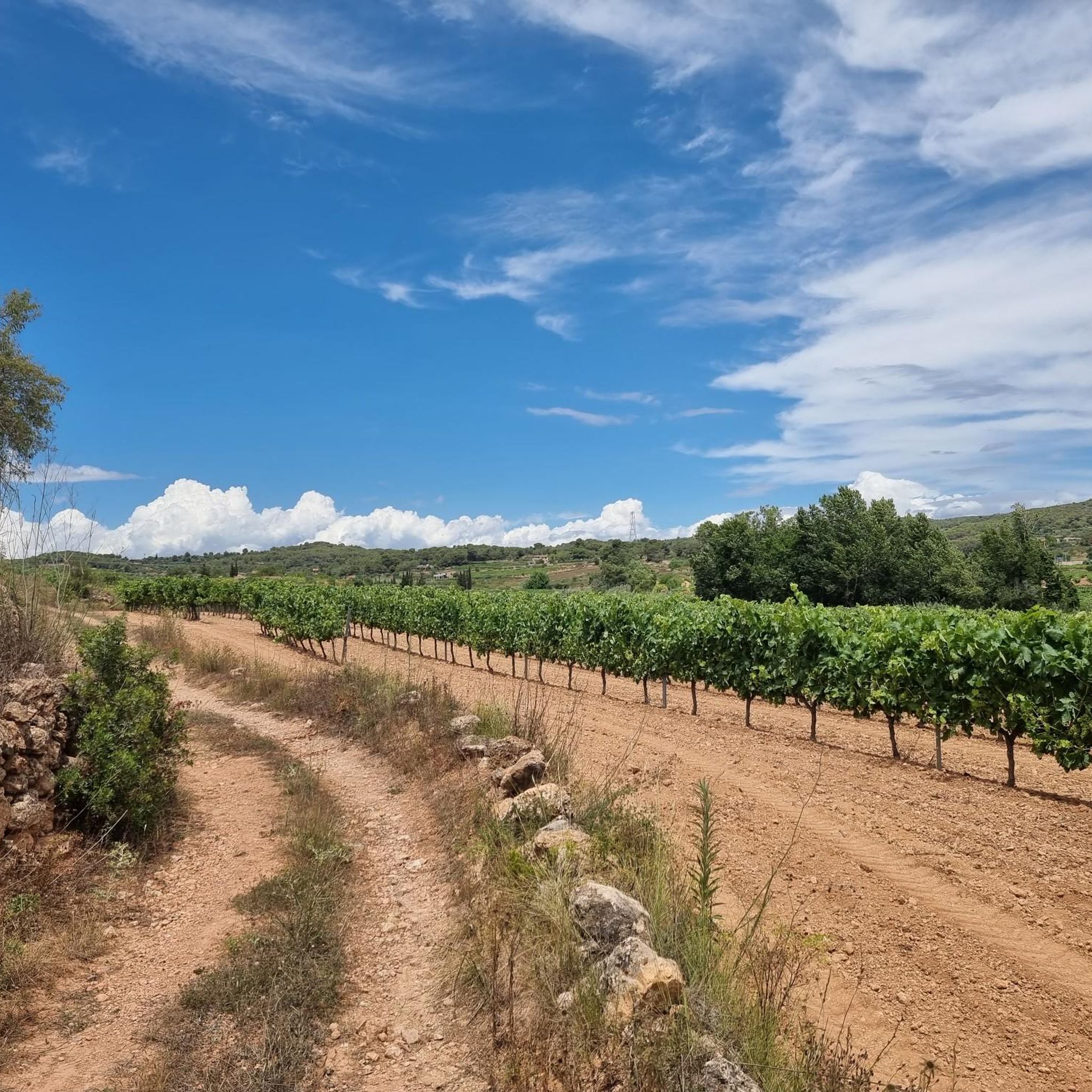
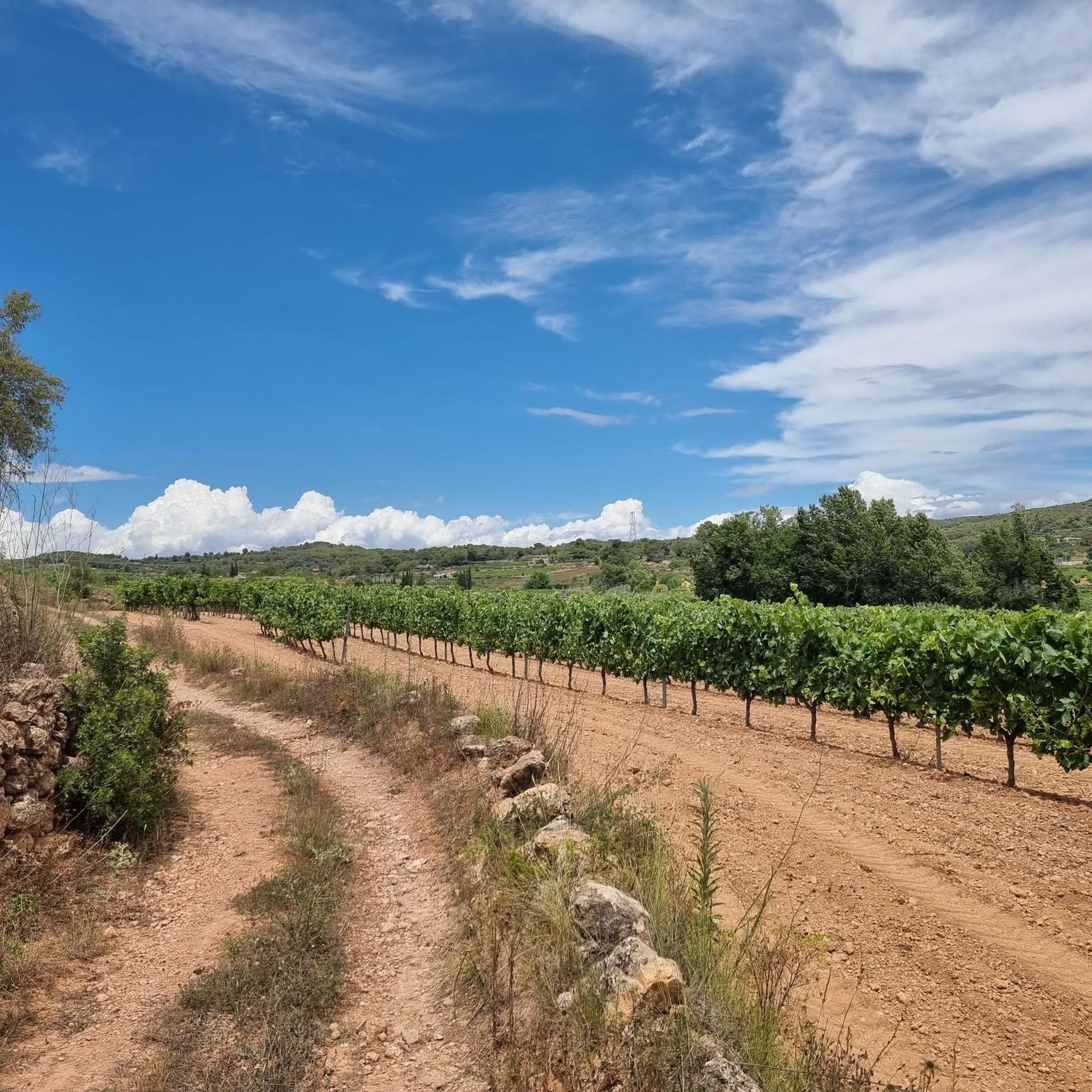
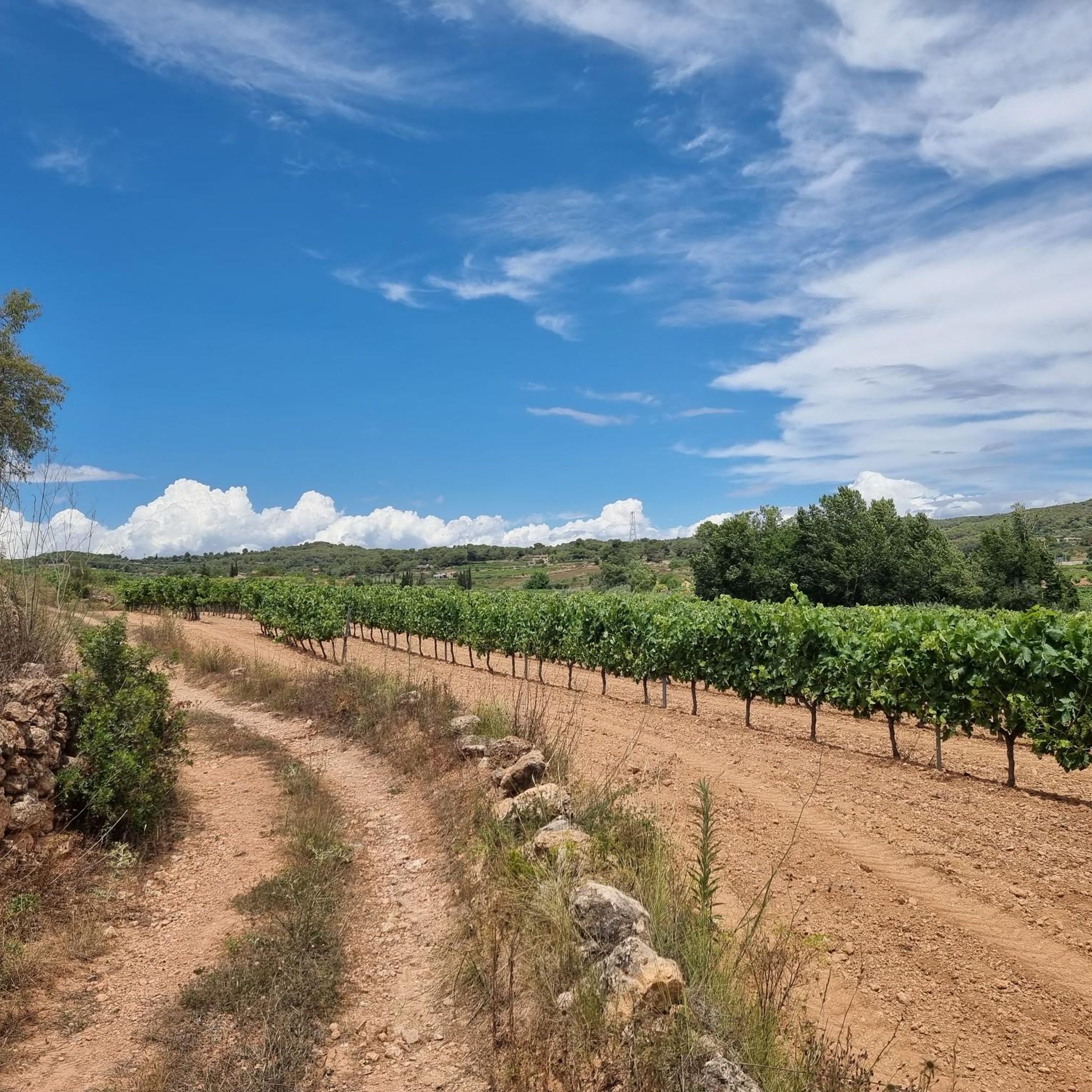
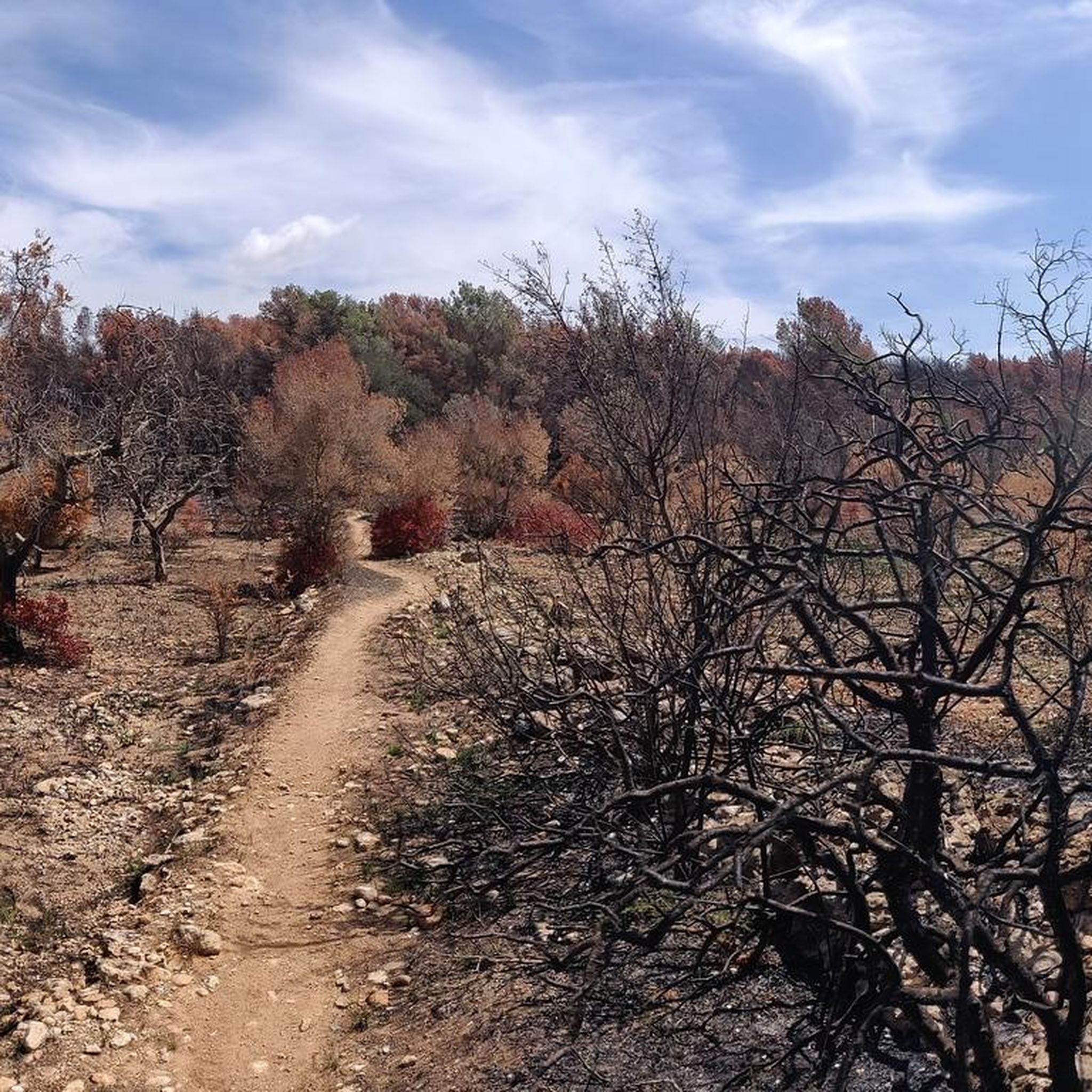
It's doable with a mountain bike. With the e-nike you sometimes had to push.
0
0

The first references to this castle date from the 8th century, although the most important tower dates from the year 1012. It is very well preserved.
0
0

Very well preserved castle, located on the top of a small hill, on the outskirts of the municipality of Santa Oliva. The architectural complex, made up of two towers, was initially built to defend against Muslim rule.
2
0
Frequently Asked Questions
Are there historical castles directly within Bonastre?
Bonastre itself is primarily known for its natural landscapes, such as the Espai Natural Protegit del Massís de Bonastre. While Spain is rich in historical castles, there are no prominent or widely recognized historical castles directly within the municipality of Bonastre that are significant tourist attractions. The notable castles are found in the surrounding region.
Which castles near Bonastre are open to the public?
Among the castles in the region, Tamarit Castle is a well-preserved historical site located on the Mediterranean coast that is generally accessible for visits. In contrast, Castell d'Altafulla, while historically significant, is privately owned and not open to the public.
What is the best time to visit the castles around Bonastre?
The best time to visit the castles around Bonastre, especially coastal ones like Tamarit Castle, is typically during the spring (April-June) and autumn (September-October) months. The weather is pleasant for exploring, avoiding the intense heat of summer and the cooler, potentially wetter days of winter. This also allows for comfortable enjoyment of nearby beaches and outdoor activities.
Are there family-friendly activities at the castles near Bonastre?
Yes, Tamarit Castle and its surrounding area, including Cala Jovera Beach, are considered family-friendly. The coastal location offers opportunities for children to enjoy the beach while adults explore the historical architecture. The combination of history and natural beauty makes for an engaging family excursion.
Can I find hiking trails near the castles around Bonastre?
Absolutely. The region offers various hiking opportunities. For instance, you can find routes that pass by or offer views of these historical sites. Explore options like the 'Serra de Molins – Torre del Cucurull loop' or 'La Mola loop' for hiking around Bonastre. You can find more details on these and other trails in the Hiking around Bonastre guide.
What kind of architectural styles can I expect to see in the castles?
The castles around Bonastre showcase a range of architectural styles reflecting different historical periods. Tamarit Castle, for example, combines Romanesque, Gothic, and Renaissance elements from its construction in the 12th century. Castell d'Altafulla primarily features a predominant Renaissance style from its 17th-century reconstruction. La Muga Castle, originating in the 11th century, was transformed into a historicist-style castle in the 19th century.
Are there any castles in a more natural or secluded setting?
La Muga Castle, with its 11th-century origins and current dilapidated state, offers a more rustic and secluded experience. While transformed in the 19th century, it retains some of its original towers and is situated in a setting that allows for a different kind of exploration, away from more developed areas.
What are the options for cycling near the castles?
The area around Bonastre and its castles is suitable for cycling. Routes like the 'Altafulla Castle and Old Town – Gaià Nature Reserve loop' offer scenic rides that can include views of historical sites. For more cycling routes, refer to the Cycling around Bonastre guide.
Are there viewpoints offering good perspectives of the castles?
Yes, several highlights offer excellent viewpoints. Tamarit Castle itself provides stunning views of the Mediterranean. Additionally, Cala Jovera Beach and Tamarit Castle is specifically noted for offering a beautiful perspective of Tamarit Castle from the beach, combining natural beauty with historical architecture.
What do visitors enjoy most about the castles around Bonastre?
Visitors frequently appreciate the blend of history and natural beauty. The well-preserved medieval architecture of castles like Tamarit Castle, especially its coastal location, receives high praise. The opportunity to explore historical sites while enjoying the Mediterranean landscape and nearby beaches is a major draw.
Are there any less crowded castles to visit in the region?
While Tamarit Castle is popular, exploring the surroundings of La Muga Castle might offer a less crowded experience due to its dilapidated state and more rural setting. It provides a glimpse into an older, less restored historical site.
Can I bring my dog to the areas around the castles?
While specific rules for each castle vary, the natural areas and trails around Bonastre and its castles are generally dog-friendly. Many hiking and walking paths, such as those found in the Hiking around Bonastre guide, are suitable for walks with dogs, provided they are kept on a leash and owners clean up after them.
Most popular routes around Bonastre
Most popular attractions around Bonastre

Get inspired with the komoot mobile app


Explore more
Looking for the best castles somewhere else? Discover other guides around Bonastre:
