Top 14 Castles around Torrelles De Foix
Castles around Torrelles De Foix, a municipality in the Alt Penedès region of Barcelona, Spain, offer glimpses into its rich past. The area is characterized by its elevated positions, providing panoramic views of the Penedès plain and the Foix river basin. Historically, these fortifications served as strategic defensive points for the Marca del Penedès. The landscape combines historical significance with natural beauty, making it a notable destination for exploring medieval architecture and regional history.
Best castles around Torrelles De Foix
…Last updated: July 4, 2026
El Castellot
Highlight • Historical Site
Translated by Google •
Tip by

Sant Martí Sarroca Castle and Church Complex
Highlight • Castle
Translated by Google •
Tip by

Sign up now to discover places like this
Get recommendations on the best single tracks, peaks, & plenty of other exciting outdoor places.
Sign up for free
Castle of La Granada
Highlight • Castle
Translated by Google •
Tip by
Castell de Mediona
Highlight • Castle
Translated by Google •
Tip by
Sant Sadurní de Castellví
Highlight • Religious Site
Translated by Google •
Tip by
Sign up for free to discover even more castles around Torrelles De Foix.
Sign up for free
Already have an account?
Start today with a free account
Your next adventure awaits.
Login or Signup
Popular around Torrelles De Foix
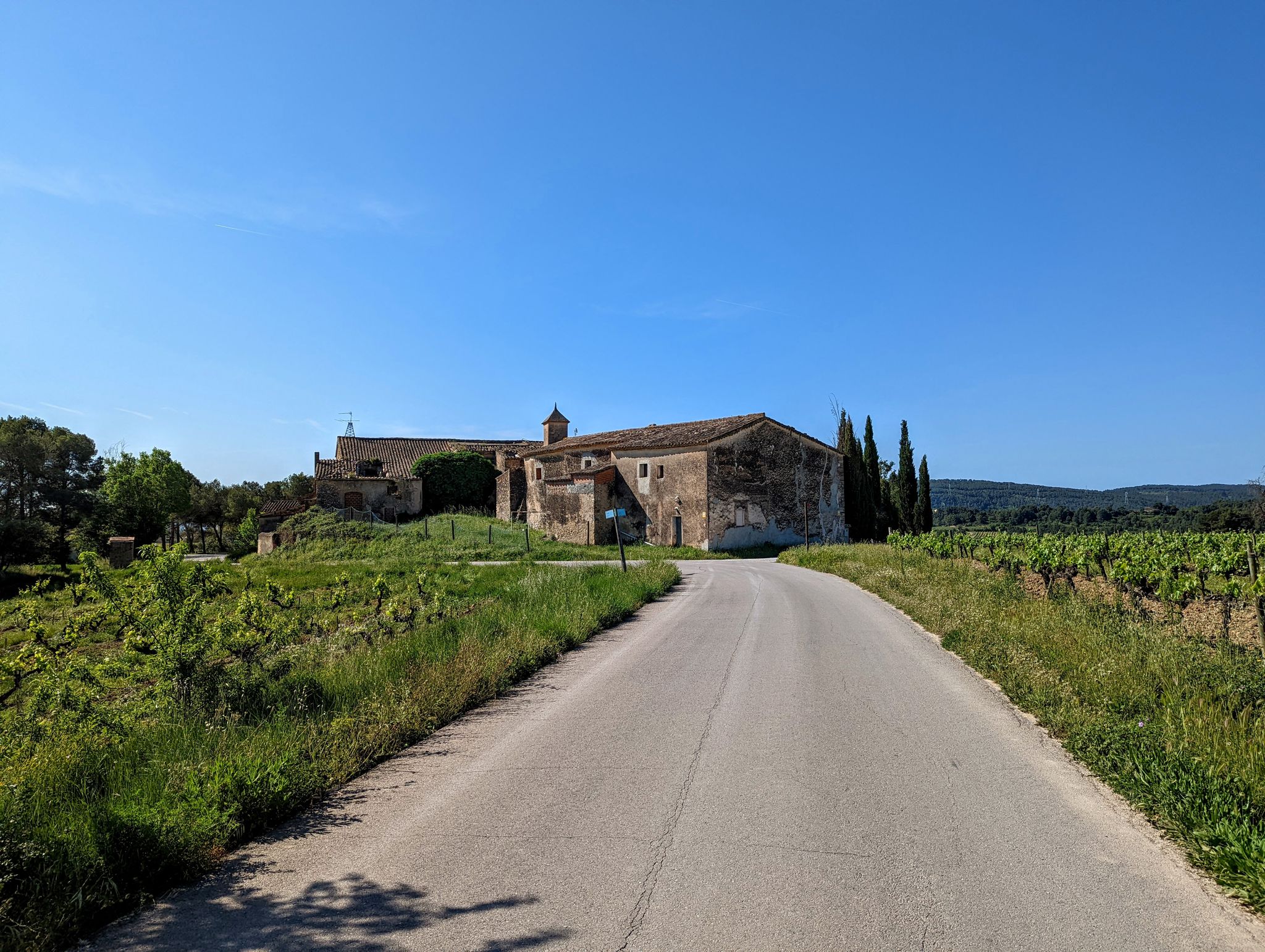
Between vineyards and castles – Penedès 360 Back Roads
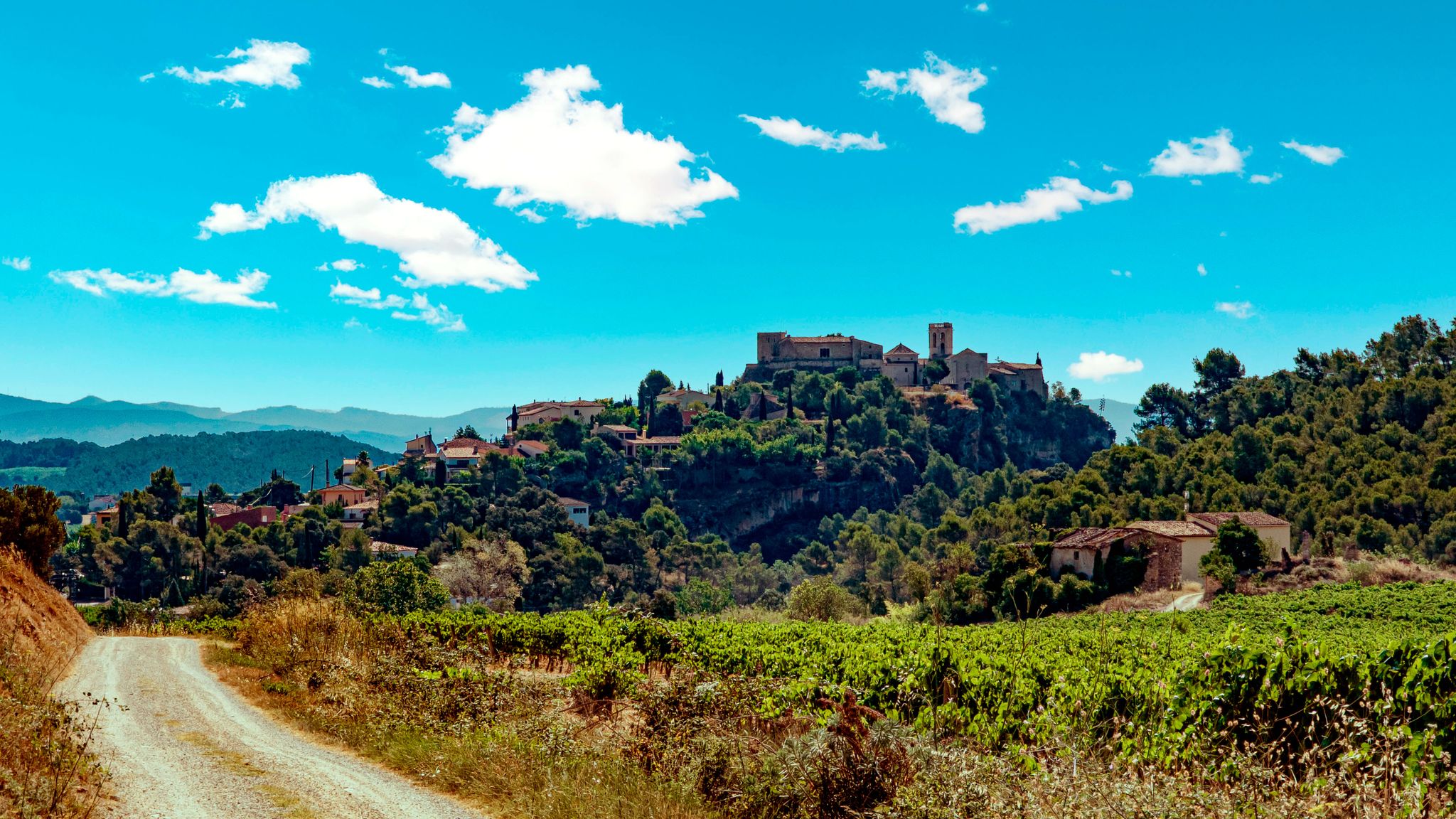
Trails with history – hikes in the Penedès region

A 'Slow Bike' trail — Spain’s Penedès 360

Gravel biking around Torrelles De Foix
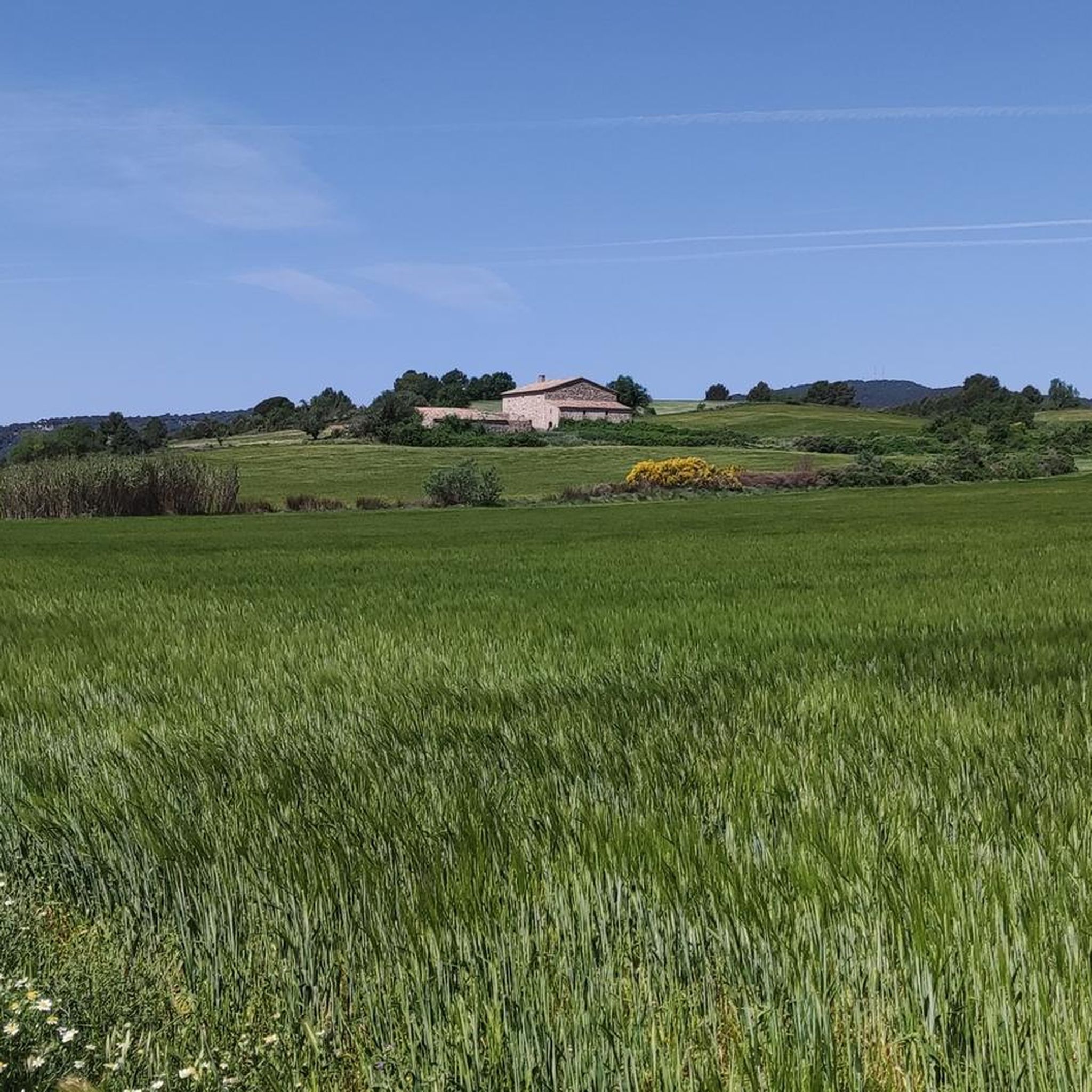
Hiking around Torrelles De Foix
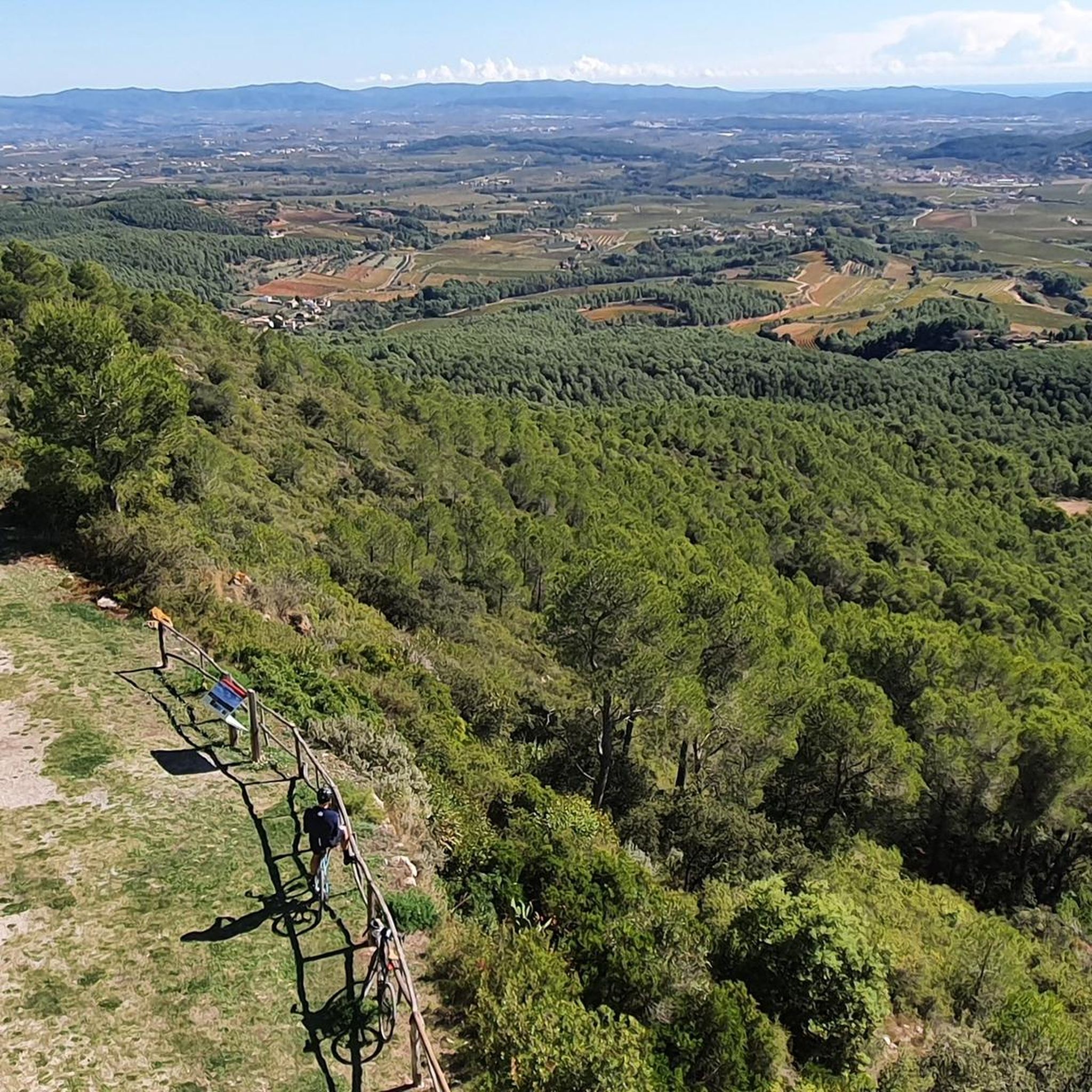
Cycling around Torrelles De Foix
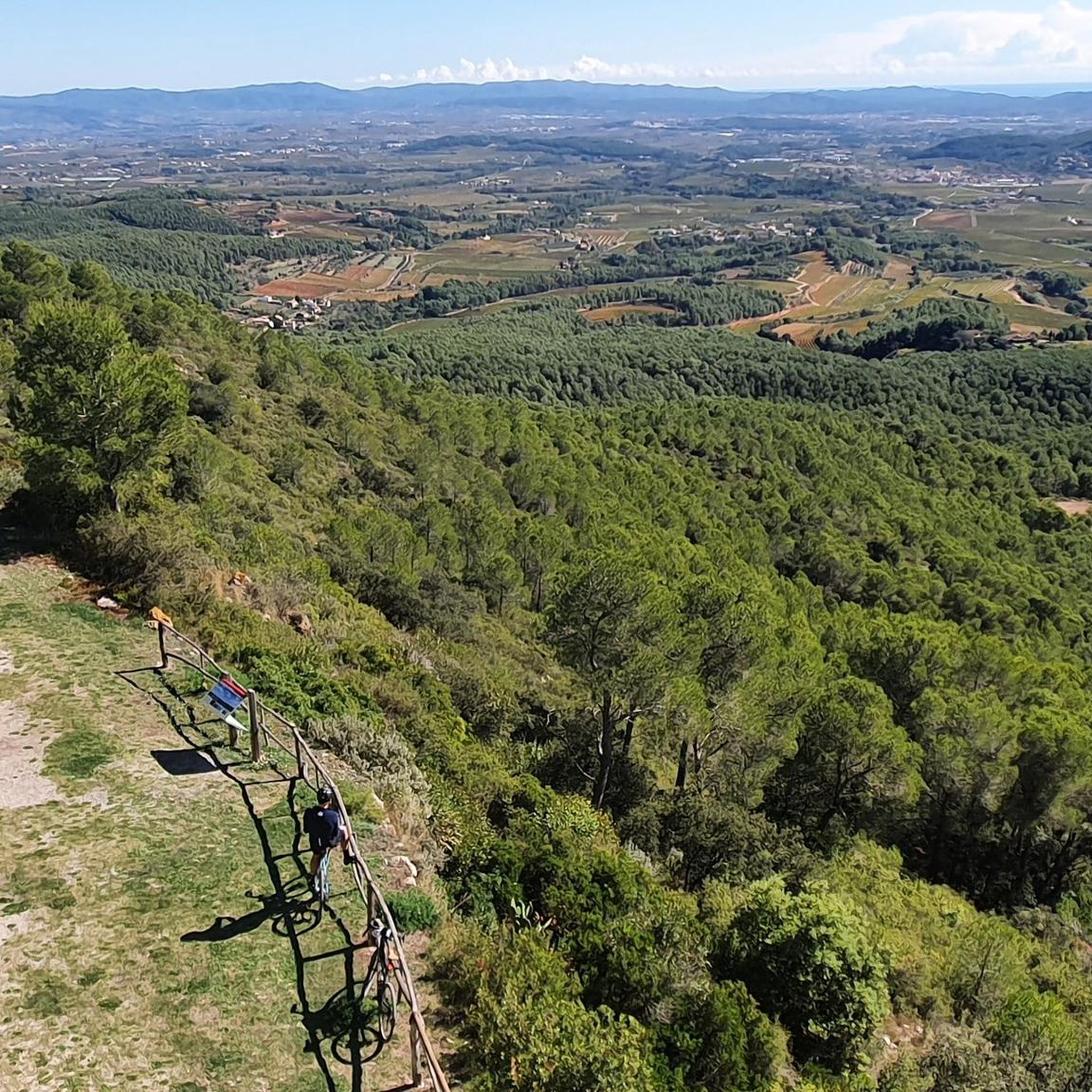
Road Cycling Routes around Torrelles De Foix
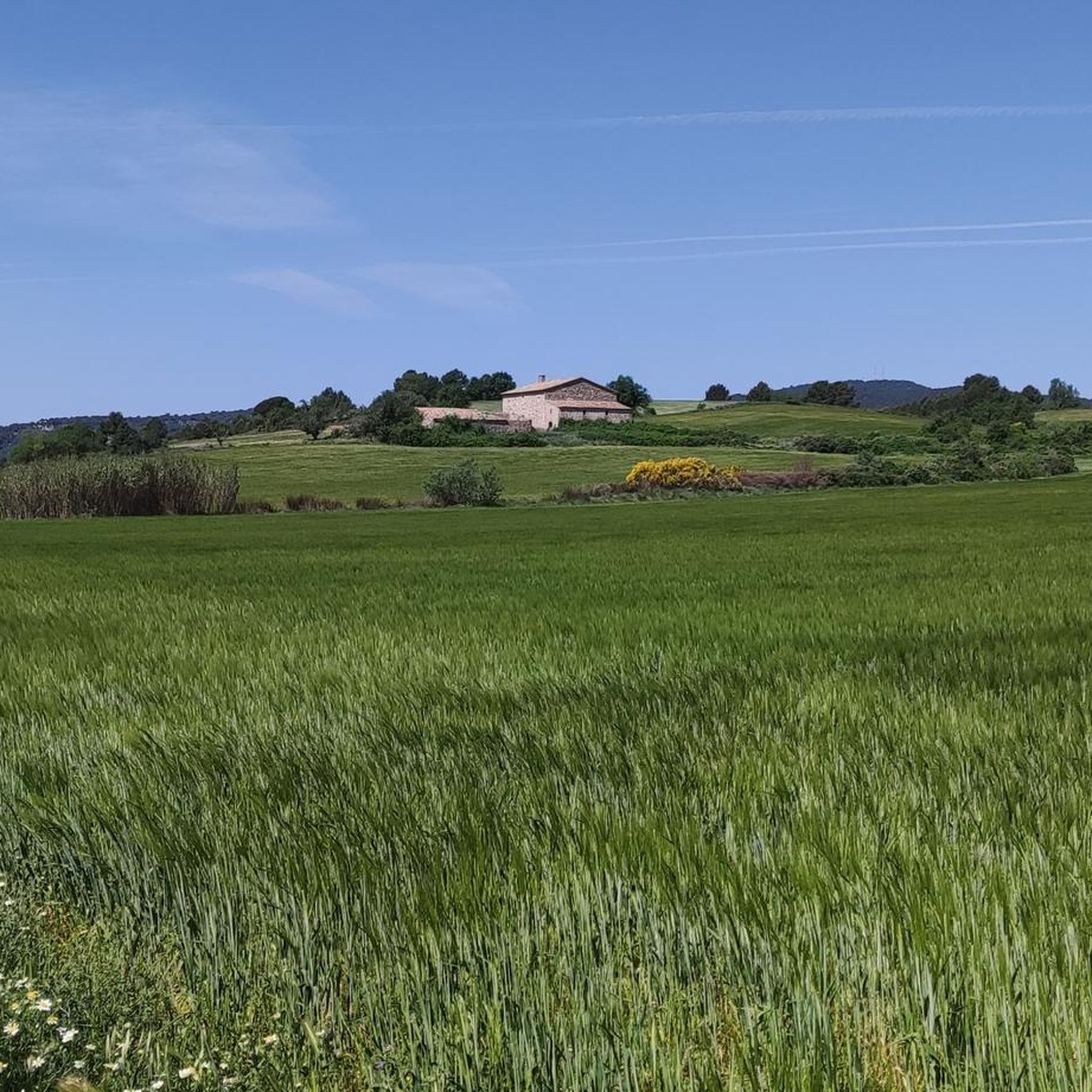
Running Trails around Torrelles De Foix
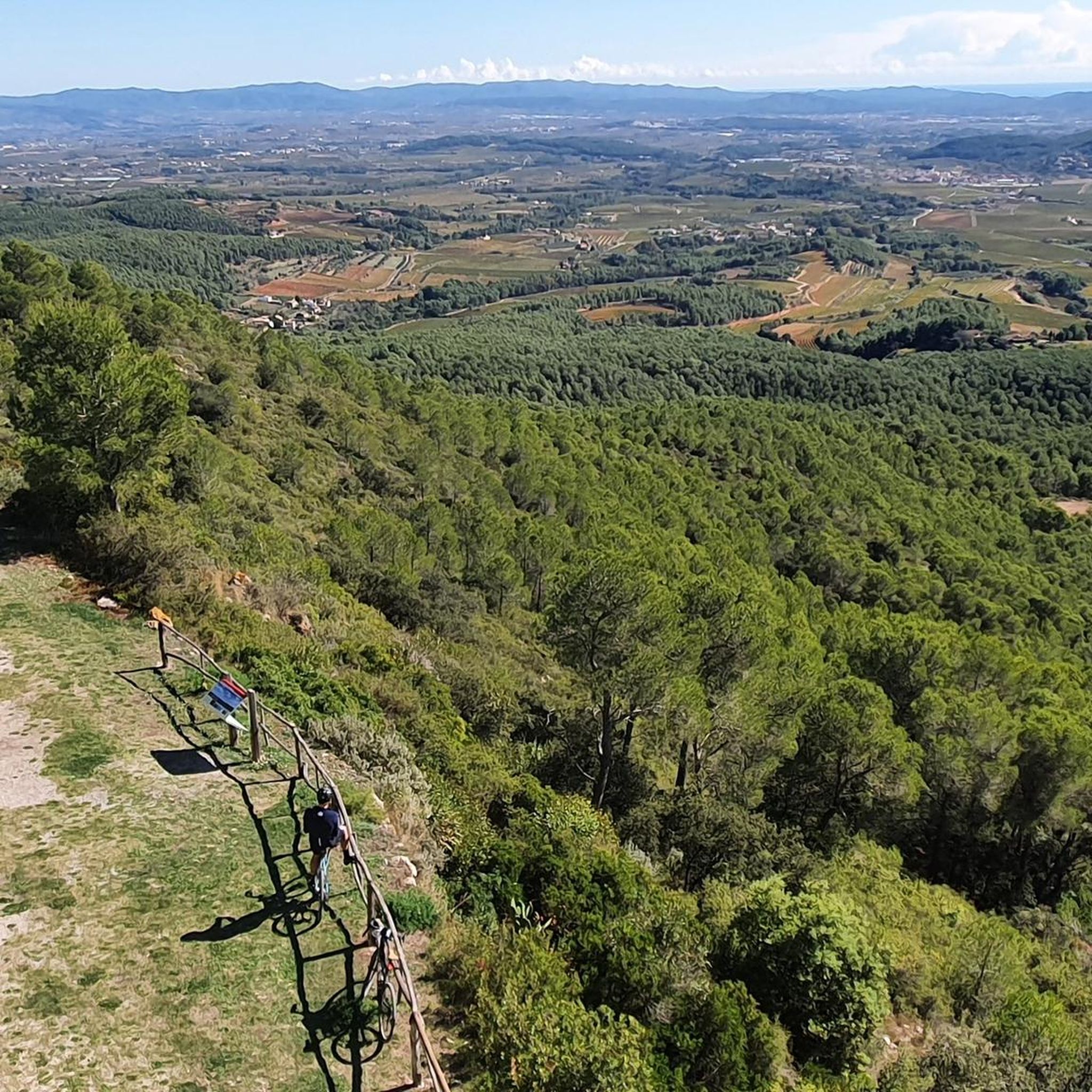
MTB Trails around Torrelles De Foix

Tips from the Community

There is little more to add to what Peaknik explains so well. You have to look closely to see the ruins of the castle.
0
0

From the church of Sant Sadurní de la Marca you can see not only the chapel itself but also the views of the castle on top of the mountain.
0
0
Beautiful tower not only for its views but also for the views it offers of the Penedès plain. The demanding climb is worth it!
0
0

Turó de la Roca has historically been a prominent point in the municipality of Sant Martí Sarroca. Although the first references are from the 10th century, when it served as a surveillance and protection point, there are indications of previous Iberian and Roman settlements. The monumental complex is made up of the Romanesque church of Santa María, restored in 1906, and the castle of Sant Martí, built in the 11th century.
0
0
Located on the hill of the same name, at an altitude of 468 meters, on the Marmellar stream and dominating the entire extension of the Penedès plain, the Castellot is one of the most recognizable surveillance and defense structures of the medieval period. This small fortress had the mission of serving as a lookout and defense of the territory in the event of an attack by the Saracens. Due to its small size, it never had a castle structure, it was just a watchtower and defense tower, with a small attached construction and next to it the primitive chapel of Sant Miquel. The complex is dated between the end of the 10th century and the beginning of the 11th century, with some modifications made in the 13th century, before being abandoned and becoming a temporary refuge for shepherds, vagabonds and bandits. A second phase of restoration was completed in March 2021, mainly focused on the watchtower, the upper part of which can now be accessed via an internal staircase.
0
0
Located on the hill of the same name, at an altitude of 468 meters, on the Marmellar stream and dominating the entire extension of the Penedès plain, the Castellot is one of the most recognizable surveillance and defense structures of the medieval period. This small fortress had the mission of serving as a lookout and defense of the territory in the event of an attack by the Saracens. Due to its small size, it never had a castle structure, it was just a watchtower and defense tower, with a small attached construction and next to it the primitive chapel of Sant Miquel. The complex is dated between the end of the 10th century and the beginning of the 11th century, with some modifications made in the 13th century, before being abandoned and becoming a temporary refuge for shepherds, vagabonds and bandits. A second phase of restoration was completed in March 2021, mainly focused on the watchtower, the upper part of which can now be accessed via an internal staircase.
0
0
The Castell de Mediona has been documented since 954, having passed through different owners throughout history, something that can be seen in the different architectural forms that can be seen in its remains. The oldest construction is a semicircular tower of which only the first floor and an adjoining enclosure remain. A second construction phase provided new fortifications, such as a bastion and a rectangular Gothic room (SXIV). A third construction phase raised two new square towers (SXV). Inside the fortification there is a church dedicated to Santa María (SXIV).
0
0
The Castell de Mediona has been documented since 954, having passed through different owners throughout history, something that can be seen in the different architectural forms that can be seen in its remains. The oldest construction is a semicircular tower of which only the first floor and an adjoining enclosure remain. A second construction phase provided new fortifications, such as a bastion and a rectangular Gothic room (14th century). A third construction phase raised two new square towers (15th century). Inside the fortification there is a church dedicated to Santa María (14th century).
0
0
Frequently Asked Questions
What are the most notable castles and historical sites in Torrelles De Foix?
The region features several significant historical sites. The site of the former Castillo de Foix is now home to the Santuario de la Mare de Déu de Foix, offering panoramic views. Other key sites include El Castellot, a restored watchtower with accessible upper parts, and the Sant Martí Sarroca Castle and Church Complex, which features a Romanesque church and an 11th-century castle with freely accessible rooms. You can also find the remains of the 10th-century Castle of La Granada.
Are there any castles in Torrelles De Foix that offer accommodation?
Yes, El Castell is a fortified manor house from 1600 that has been meticulously restored and transformed into a guesthouse. It offers a unique blend of history with modern comforts, including private gardens, an outdoor swimming pool, and a therapeutic jacuzzi area.
What kind of views can I expect from the castles in the area?
Many of the castle sites are strategically located on elevated positions, providing exceptional panoramic views. For instance, the Santuario de la Mare de Déu de Foix, perched at 680 meters, offers privileged views of the entire Penedès plain and the Foix river basin. Similarly, El Castellot and Sant Martí Sarroca Castle also provide great vistas of the Penedès region.
What historical significance do the castles of Torrelles De Foix hold?
The castles and fortified structures in Torrelles De Foix, such as the original Castillo de Foix (now the Santuario site) and El Castellot, were crucial strategic defensive points for the Marca del Penedès against al-Ándalus during the 10th and 11th centuries. They offer insights into medieval defensive architecture and the region's rich past.
Are there any family-friendly castles or activities in Torrelles De Foix?
While specific 'family-friendly' designations for all castles aren't available, sites like the Sant Martí Sarroca Castle and Church Complex have freely accessible rooms, which can be engaging for families. The panoramic views from locations like the Santuario de la Mare de Déu de Foix can also be enjoyed by all ages. For a unique experience, El Castell, a fortified manor house, offers extensive gardens and a swimming pool, which could be appealing for families staying there.
What outdoor activities can I do near the castles in Torrelles De Foix?
The area around Torrelles De Foix is excellent for outdoor activities. You can find numerous routes for running, gravel biking, and road cycling. For running, consider routes like the 'Font dels Giberts – Foix Sanctuary loop'. Gravel biking options include the 'Creu de Lavit – View of La Creu de Lavit loop'. Road cyclists might enjoy the 'Collet de la Serra – Pontons - Torrelles de Foix loop'. You can explore more options on the dedicated guides for Running Trails, Gravel Biking, and Road Cycling Routes around Torrelles De Foix.
What is the best time to visit the castles in Torrelles De Foix?
The Alt Penedès region generally offers pleasant weather for exploring historical sites. Spring and autumn are ideal, with milder temperatures perfect for walking and enjoying the panoramic views without the intense heat of summer. These seasons also tend to have fewer crowds.
Are there any lesser-known or 'hidden gem' castles to visit?
Beyond the more prominent sites, the Torres Altes de Foix is a medieval fortified house with a circular tower and arrow slits, offering a glimpse into medieval defensive architecture. While less information is available on specific visitor experiences, its historical context makes it an interesting stop for those keen on understanding the region's fortifications.
What should I wear when visiting the castles in Torrelles De Foix?
Comfortable walking shoes are highly recommended, as many castle sites involve walking on uneven terrain or uphill climbs to reach them. Layered clothing is also advisable, especially during spring and autumn, to adapt to changing temperatures, and consider sun protection during warmer months due to the exposed locations of many sites.
Are there any castles that are particularly good for photography?
The Santuario de la Mare de Déu de Foix is an excellent spot for scenic photography due to its elevated position and panoramic views of the Penedès plain. The restored watchtower of El Castellot also offers stunning vistas, making it a popular choice for capturing the landscape.
Can I access the upper parts of any watchtowers or castles?
Yes, the watchtower at El Castellot, which was restored in 2021, now offers access to its upper part via an internal staircase, allowing visitors to experience its historical function and enjoy the views.
What do visitors enjoy most about the castles around Torrelles De Foix?
Visitors frequently appreciate the historical significance and the breathtaking panoramic views offered by these sites. The opportunity to explore ancient ruins, Romanesque churches, and restored watchtowers, often combined with a challenging but rewarding climb, is a highlight for many. The komoot community has shared over 30 photos and given more than 40 upvotes, indicating a strong appreciation for the area's unique blend of history and natural beauty.
Most popular routes around Torrelles De Foix
Most popular attractions around Torrelles De Foix

Get inspired with the komoot mobile app


Explore more
Looking for the best castles somewhere else? Discover other guides around Torrelles De Foix:
