Top 9 Castles around Ardales
Best castles around Ardales are situated in a region known for its historical significance and varied landscapes. Ardales, a village in Málaga, Spain, is characterized by its position amidst mountains, valleys, and rivers. The area features several historical fortresses that played roles in past conflicts. These sites offer insights into the region's history and provide expansive views of the surrounding natural environment.
Best castles around Ardales
- The most popular castles is Álora, a settlement known for its emblematic castle.…
Last updated: July 4, 2026
Álora
Highlight • Settlement
Translated by Google •
Tip by

Álora Castle
Highlight • Castle
Translated by Google •
Tip by
Sign up now to discover places like this
Get recommendations on the best single tracks, peaks, & plenty of other exciting outdoor places.
Sign up for free
Castillo de la Peña de Ardales
Highlight • Castle
Translated by Google •
Tip by

Turón Castle
Highlight • Castle
Translated by Google •
Tip by

Ardales Town Center
Highlight • Settlement
The streets are lined with white, traditional Andalusian houses, often decorated with flower boxes …
Translated by Google •
Tip by

Sign up for free to discover even more castles around Ardales.
Sign up for free
Already have an account?
Start today with a free account
Your next adventure awaits.
Login or Signup
Popular around Ardales
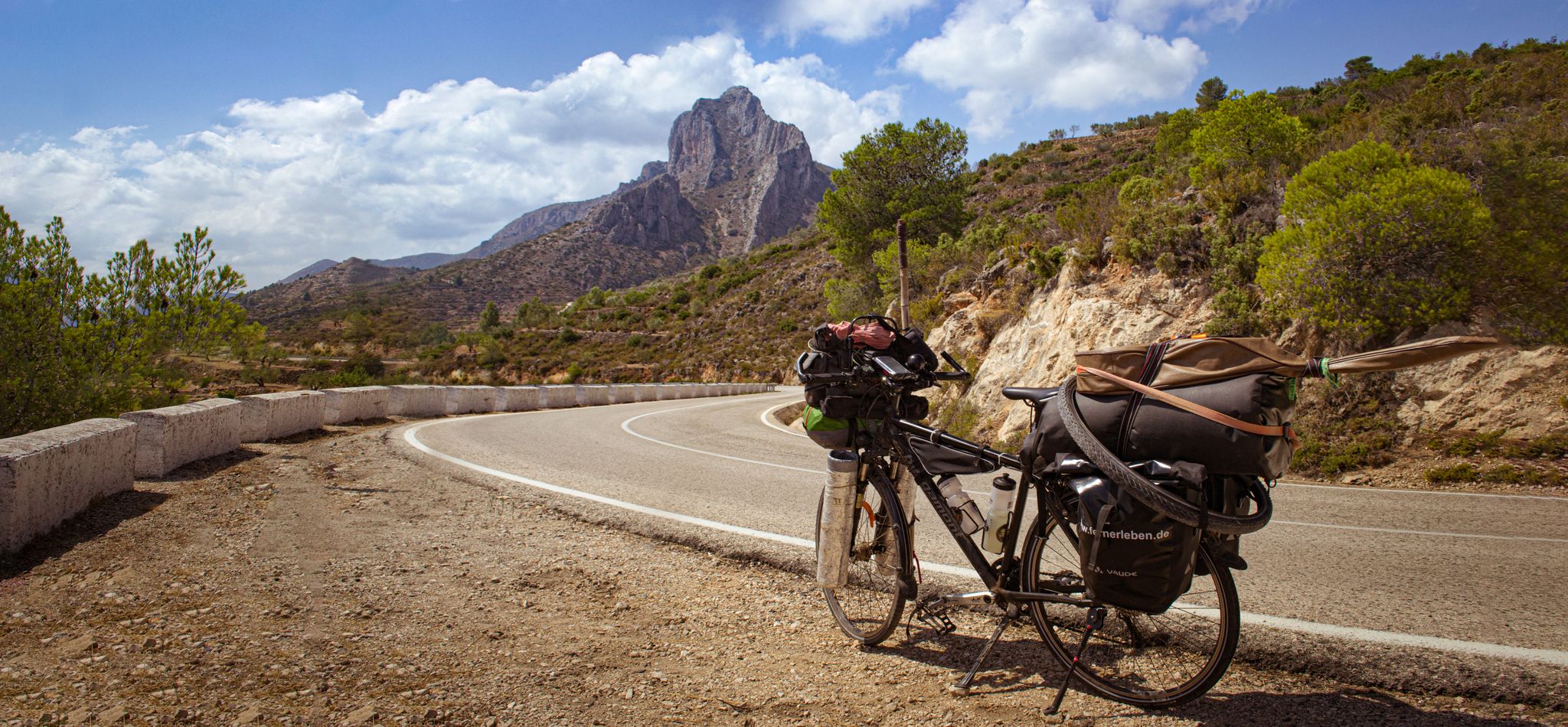
On the road to the sun — bikepacking to southeast Spain
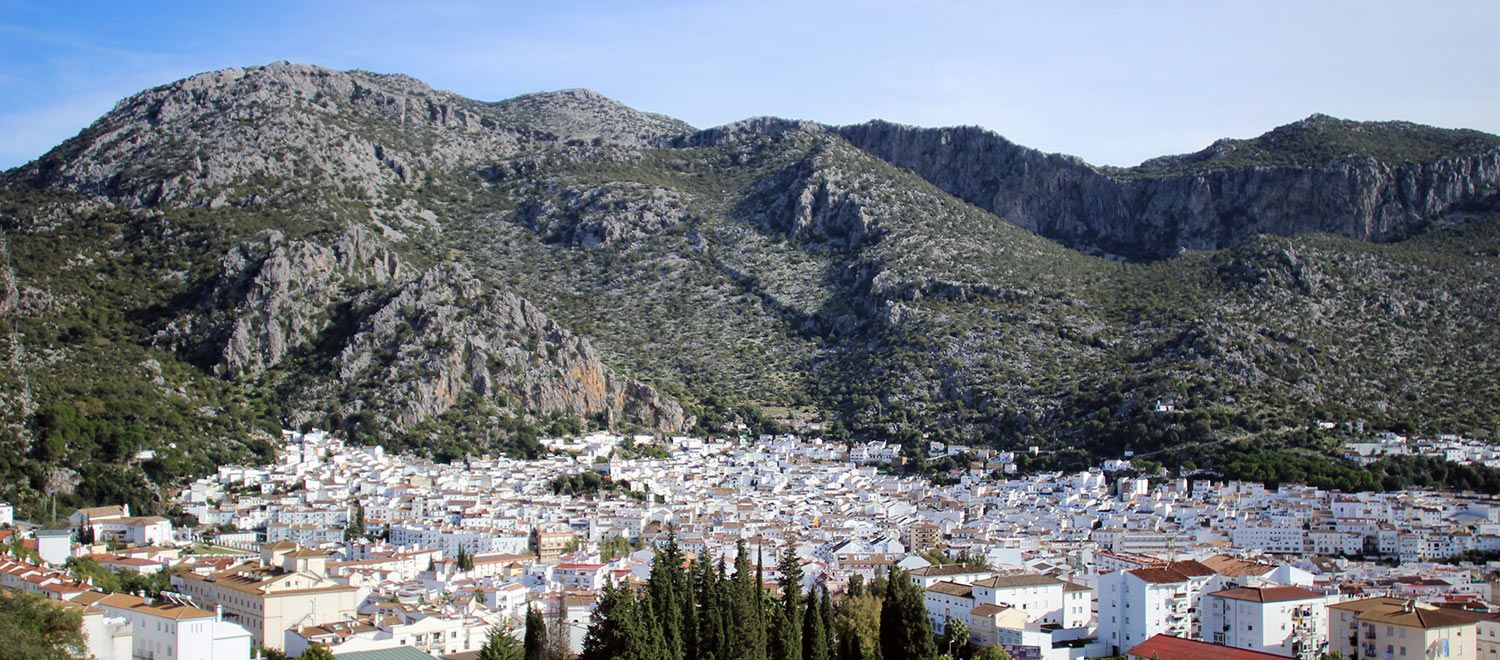
Explore the Betic Mountains on two wheels – Altravesur
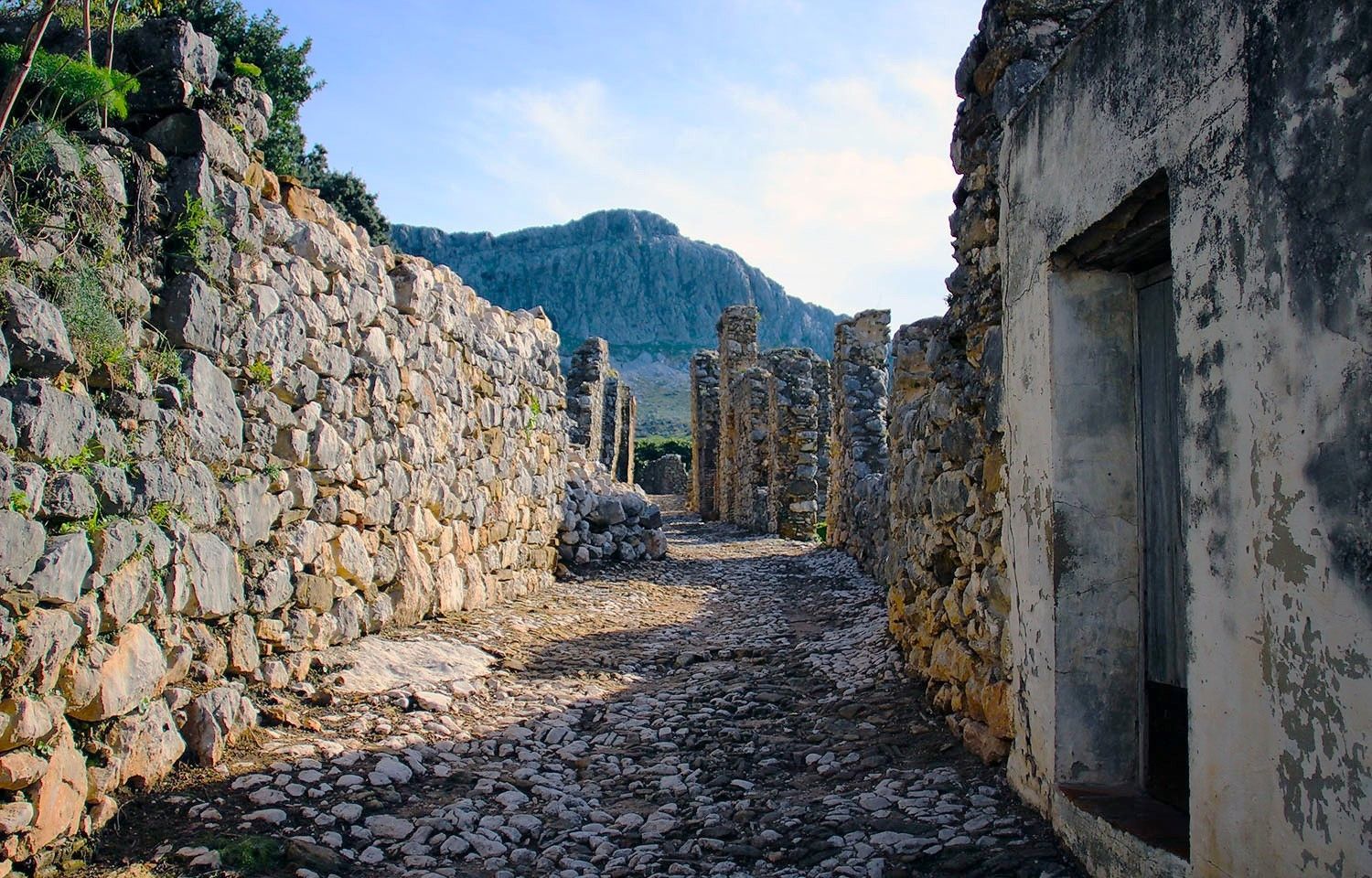
Andalusia without limits – Tarifa to La Puebla de Don Fabrique on the GR 7
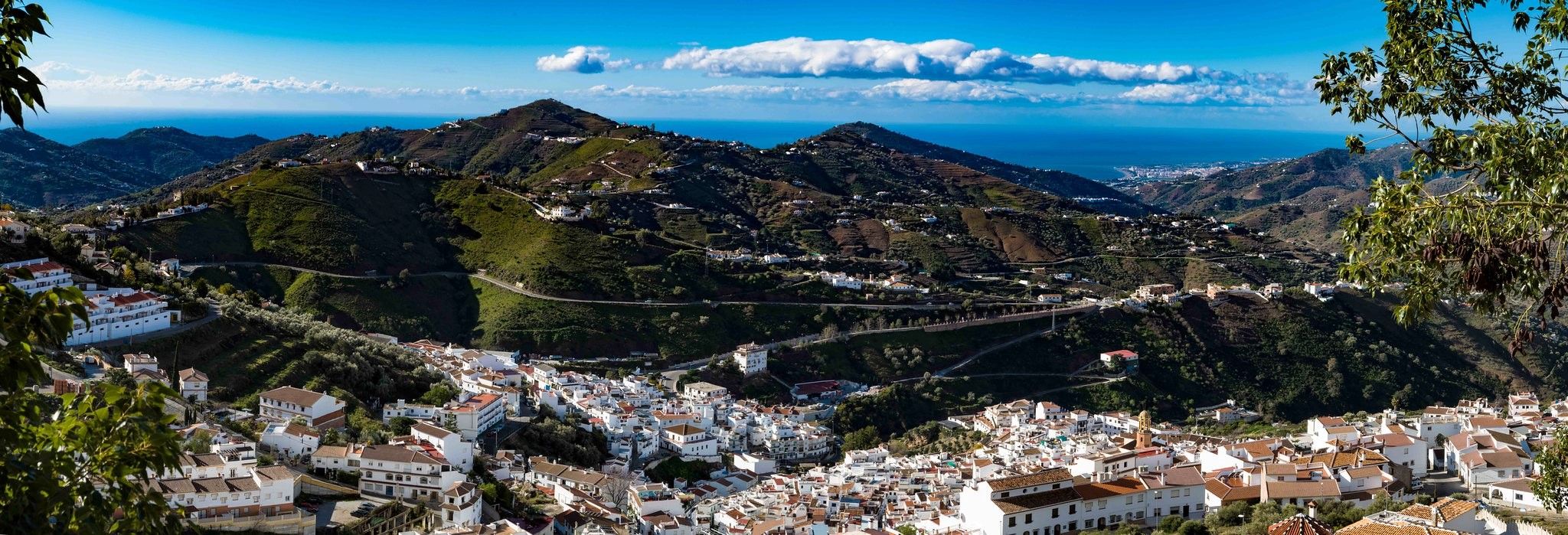
Hike between sea and mountains — Gran Senda de Málaga (GR 249)
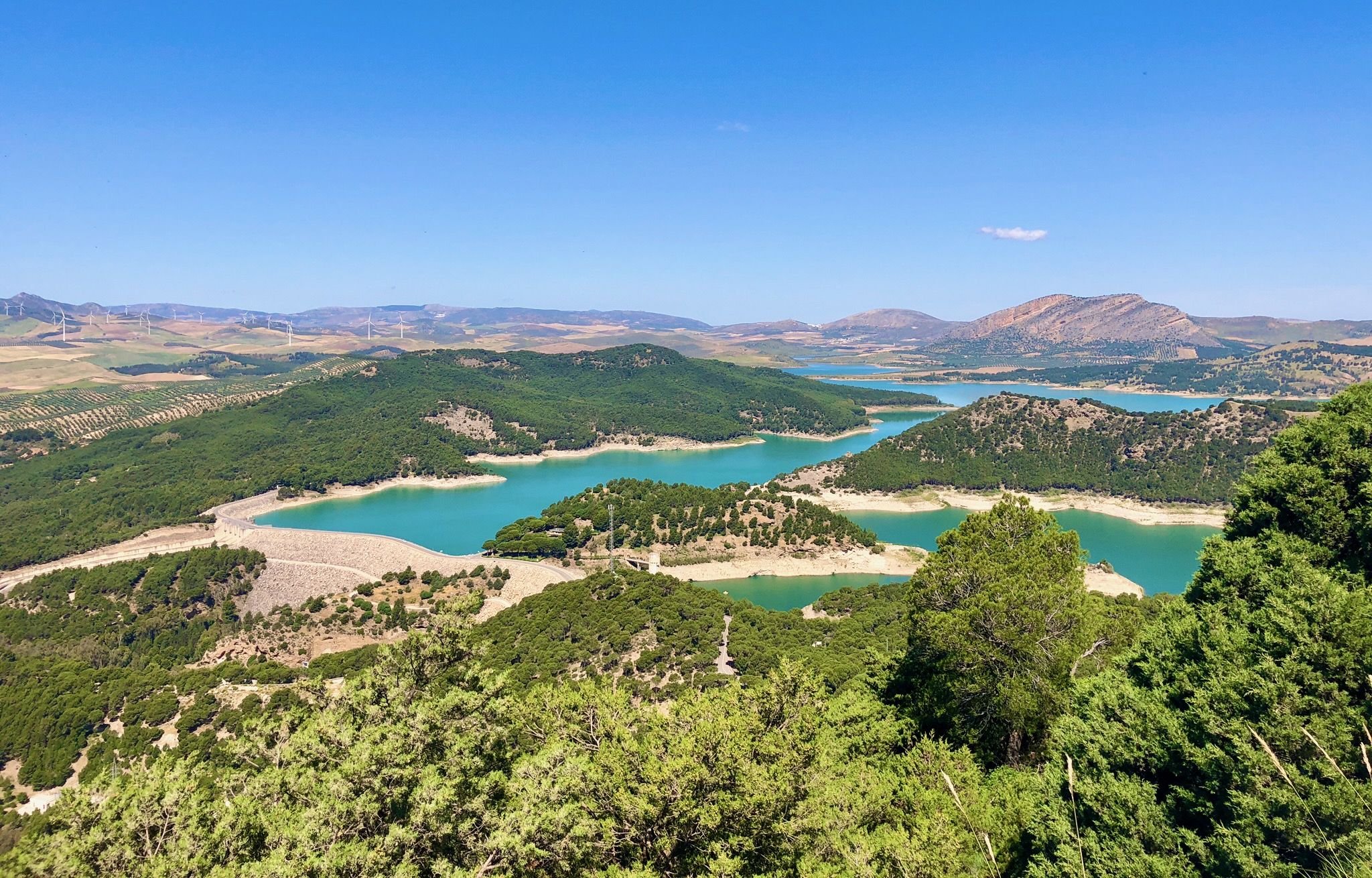
Seven days walking along the Gran Senda de Málaga (GR 249)
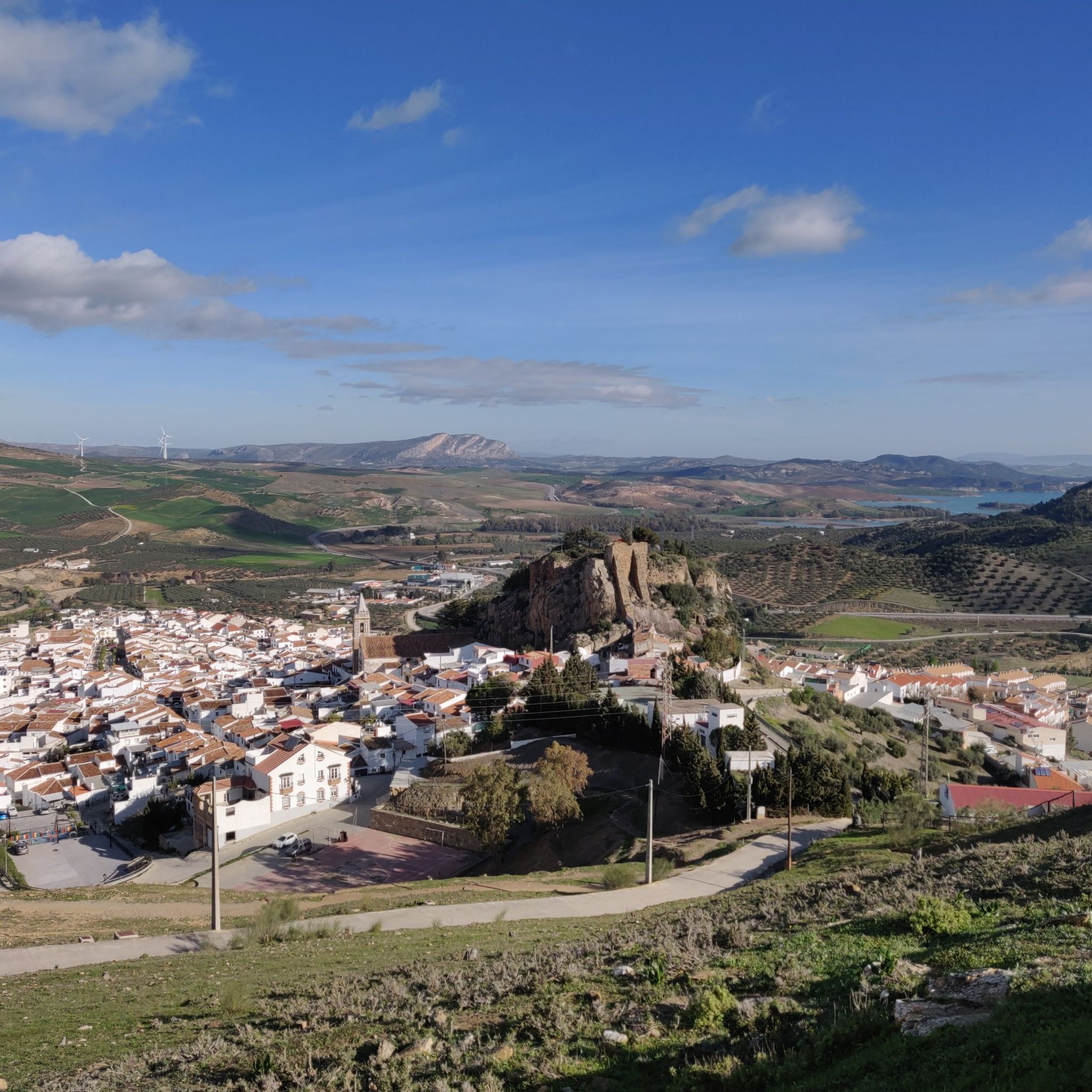
Hiking around Ardales
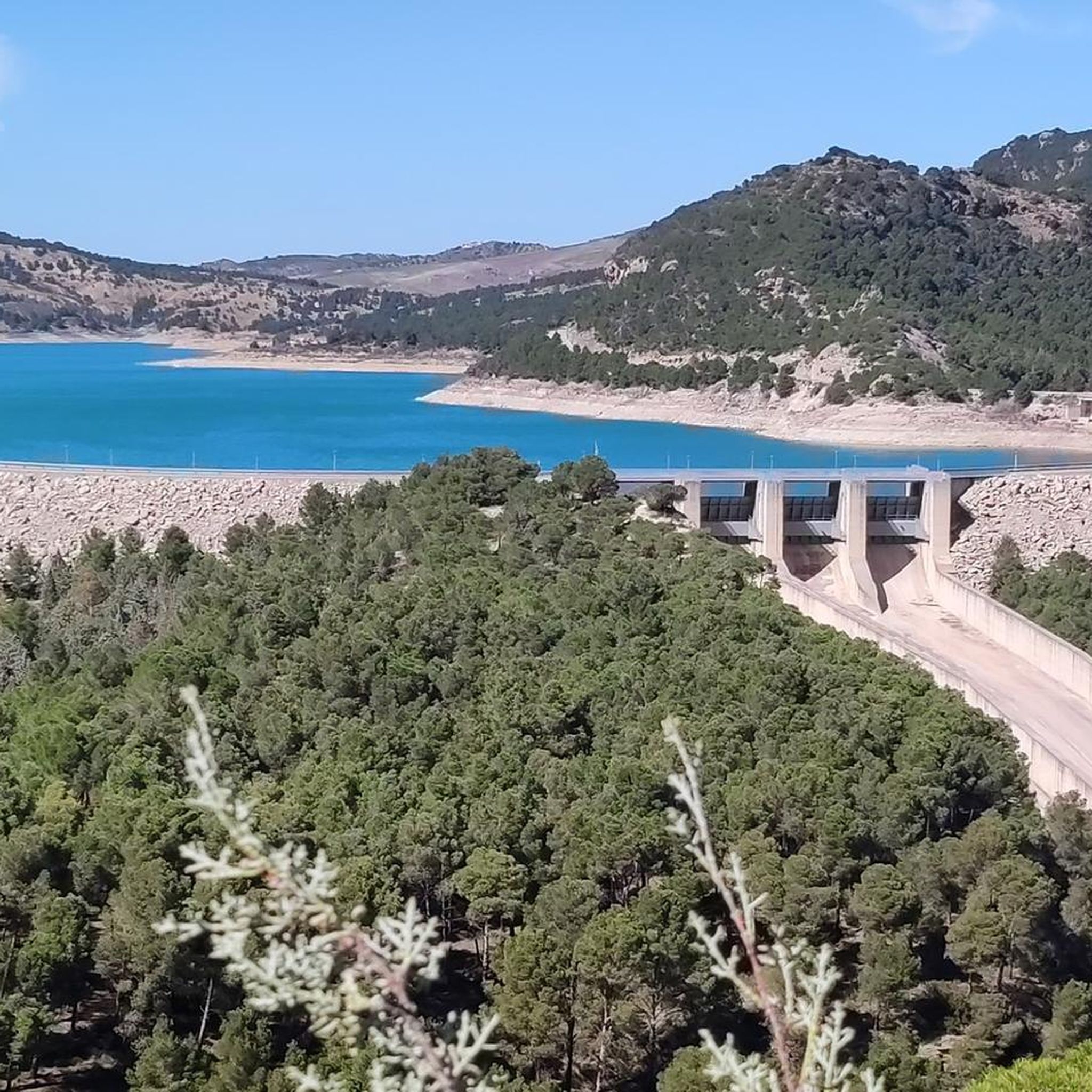
Cycling around Ardales
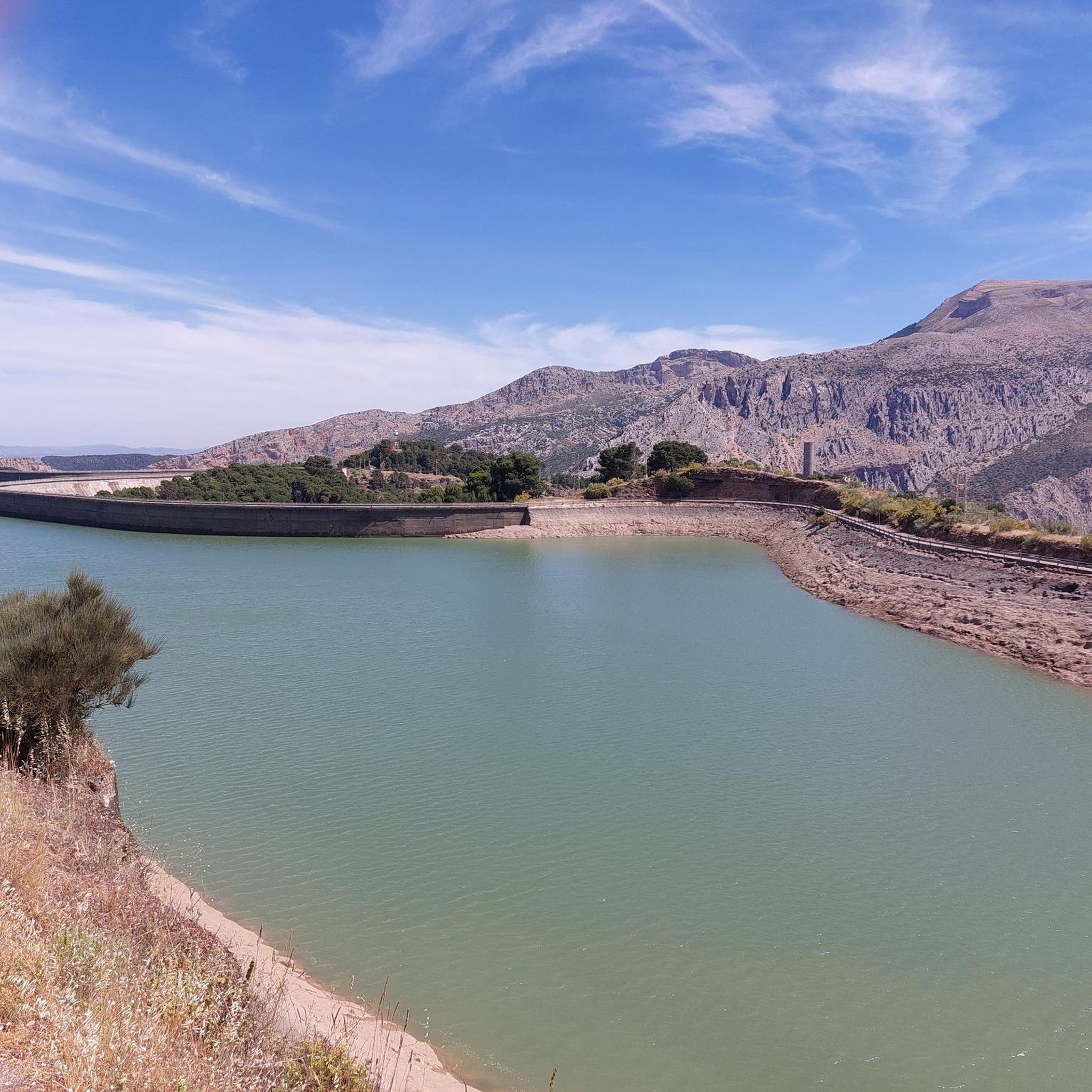
Road Cycling Routes around Ardales
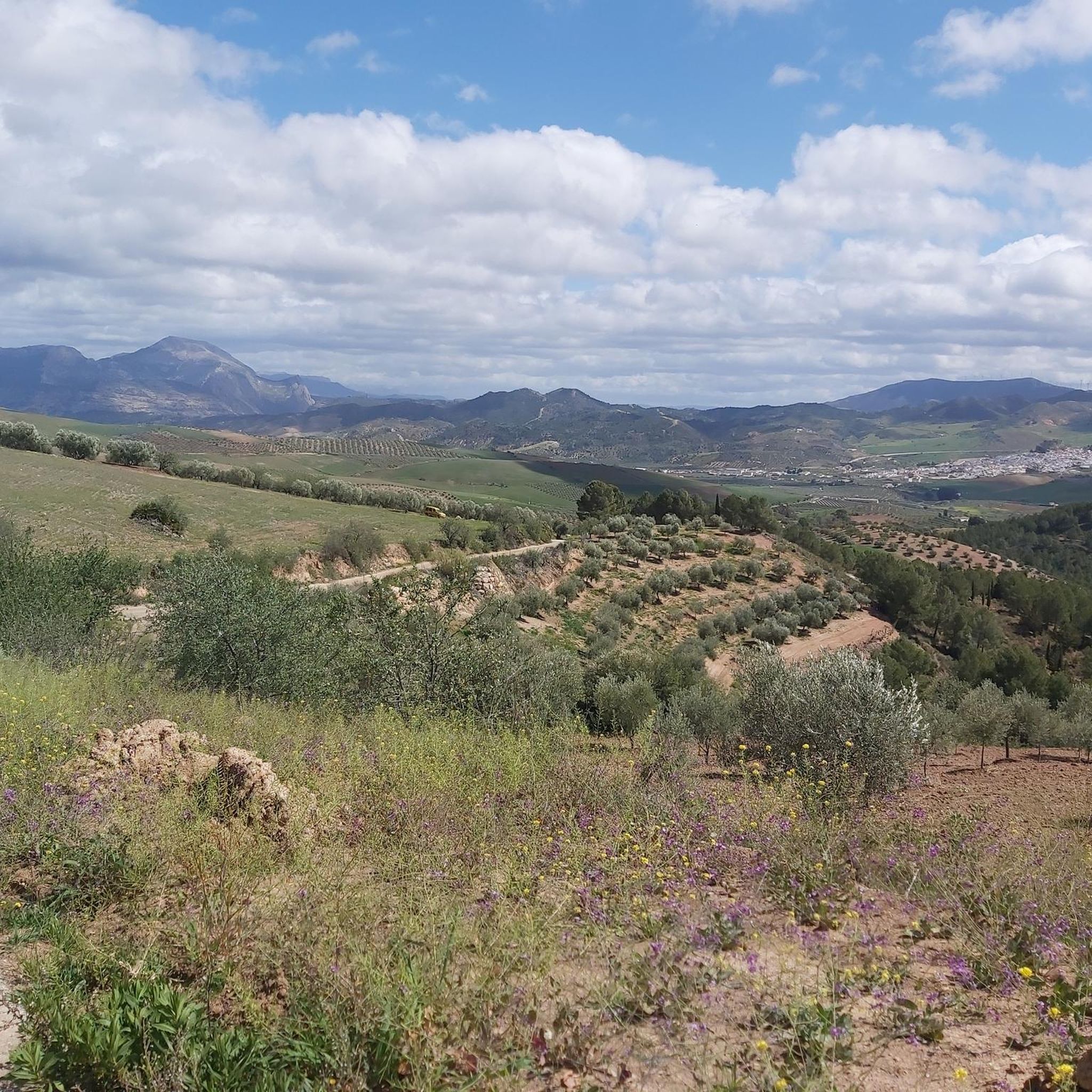
Running Trails around Ardales
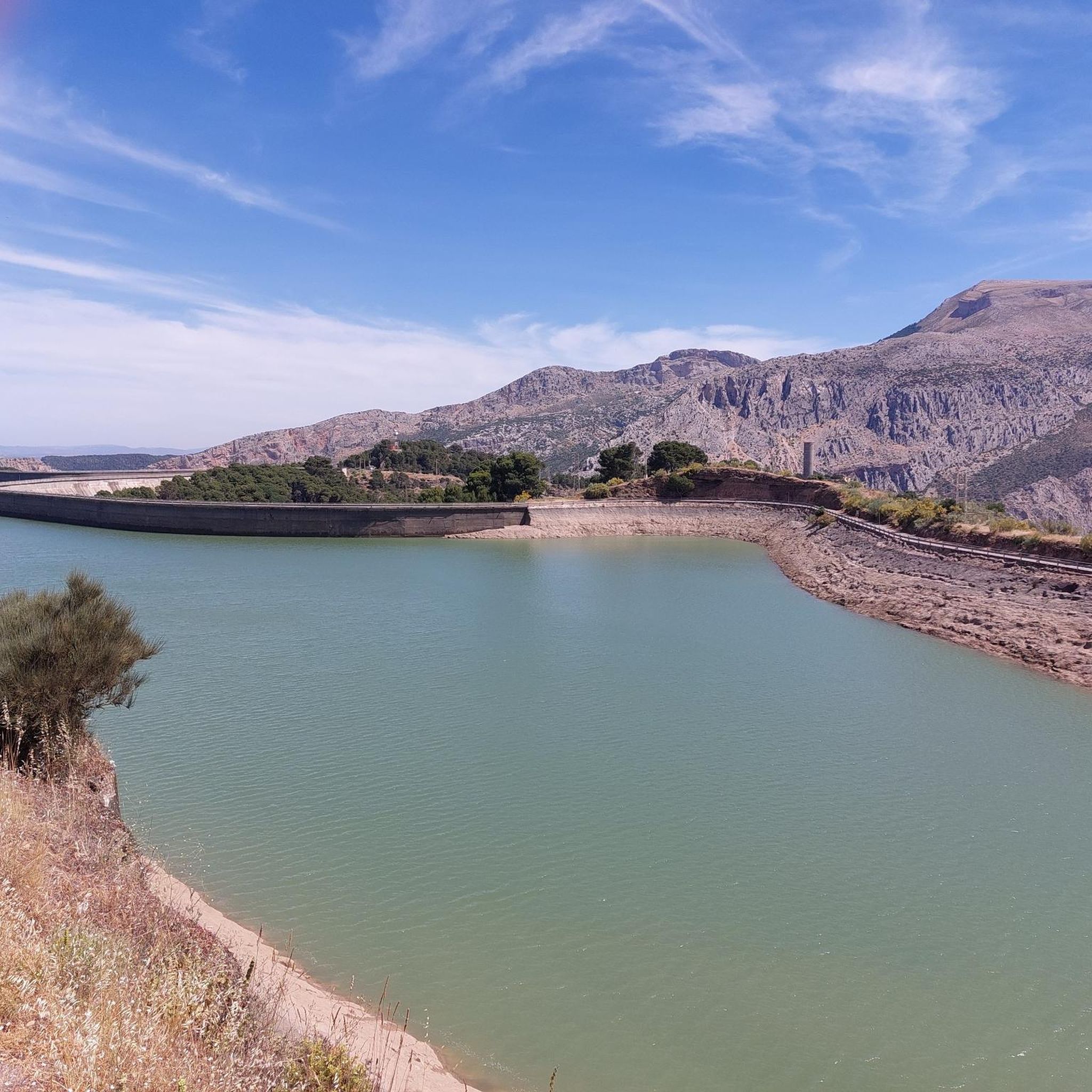
MTB Trails around Ardales
Other adventures around Ardales


Tips from the Community

The Arab castle of Álora, also known as Castillo de Álora, sits atop Cerro de las Torres overlooking the town and is one of the most important historical structures in the region. The fortress, in its present form, dates back to the Moorish rule of the Middle Ages, although the site had been used and fortified in earlier periods. Due to its strategic location, the castle controlled the Guadalhorce Valley and served both military and administrative purposes. It was captured by Christian troops in 1484 during the Reconquista. Remaining are sections of the imposing curtain walls, square towers, and a horseshoe-arched gate, typical of Islamic military architecture. Within the complex are also remnants of later Christian buildings, including a chapel built over a former mosque. The castle has been a listed building (Bien de Interés Cultural) since 1931 and offers a wide view over Álora and the Guadalhorce valley from its elevated position.
1
0

The Castillo de Álora, also known as the Castle of Álora, stands on a hill above the town and forms an impressive landmark. The castle's origins date back to Roman times, but the current structure dates largely from the Moorish period (Al-Andalus), particularly from the 9th and 10th centuries. The Moors used the fortress's strategic location to monitor the Guadalhorce Valley and protect themselves from Christian attacks. The horseshoe portal, a typical element of Islamic architecture, is particularly noteworthy. Sections of the castle walls, a Moorish tower, and a small Christian chapel added after the Reconquista still remain. From the castle grounds, you can enjoy magnificent panoramic views over the valley, the village of Álora, and the surrounding Sierra de Huma mountains. Today, the castle is a cultural landmark and a popular viewpoint. It tells the eventful history of the region – from Romans to Moors to the Christian reconquest.
0
0
Álora is a small town in the province of Málaga in Andalusia, about 40 kilometers northwest of Málaga city. It is located in the Valle del Guadalhorce, an agricultural region, and has a population of around 13,000. The town is known for its typical Andalusian architecture with white houses and narrow streets. Álora has a long history dating back to Roman times. Later, under Moorish rule, it was of strategic importance, as can still be seen today in the Castillo de Álora – a castle located on a hill above the town. Today, Álora is primarily a starting point for visitors to the Caminito del Rey, a well-known hiking route through the Desfiladero de los Gaitanes gorge. Despite its growing tourist importance, the town remains relatively quiet and has retained its traditional character. There are a few bars, small shops and a few sights such as churches and museums, but overall, Álora is a rather tranquil place.
0
0

Short video about hiking in the area around Ardales could be found on my YouTUBE Channel under the following link: https://www.youtube.com/watch?v=awPz2AyvGT8
0
0

The centre of Ardales is a charming and historic place that exudes a typical Andalusian atmosphere. The streets are lined with white, traditional Andalusian houses, often decorated with flower boxes and wrought iron balconies. The centre consists of narrow, winding streets. The Plaza de San Isidro is the central square of the village, where locals and visitors meet. The square is surrounded by cafés and restaurants where you can enjoy local specialities. In addition to the charming houses, you will also find historic buildings such as the Parroquia de Nuestra Señora de los Remedios, a beautiful church just below an overgrown rock, where the remains of a medieval castle can just be seen. The castle of La Peña, which dates back to the 9th century and is located on a promontory 496 metres high.
8
0

The Castillo árabe de Álora is a historic fortification located on the Cerro de las Torres. The castle was originally built by the Arabs during the 9th and 10th centuries, but its origins date back to the Phoenicians and Romans.
2
0

Beautiful white village in the north of the Sierra de las Nieves.
6
0
Frequently Asked Questions
What are the main historical castles in Ardales?
Ardales is home to several historically significant castles. The most prominent are the Castillo de la Peña de Ardales, known for its 9th-century origins and panoramic views, and Turón Castle, a medieval fortress with significant ruins. Additionally, the nearby settlement of Álora features its own emblematic castle, Álora Castle, which has Phoenician and Roman origins.
What kind of views can I expect from the castles around Ardales?
The castles in Ardales offer breathtaking panoramic views of the surrounding landscapes. From Castillo de la Peña de Ardales, perched at 496 meters, you can see Ardales village and the sprawling Guadalteba region, including mountains, valleys, and rivers. Turón Castle, situated on a hill at 580 meters, provides expansive views of the Turón River valley and picturesque natural surroundings.
Are there hiking trails near the castles in Ardales?
Yes, the area around Ardales' castles is excellent for hiking. For example, the ascent to Turón Castle is a rewarding hike, with the "Ruta al Castillo de Turón" being an 8-kilometer circular route. You can find various hiking options, including routes like the "Gaitanejo Trail" or "Cerro del Calvario - Capellán - Turón – circular from Ardales (PR-A 90)". More details on these and other trails can be found in the Hiking around Ardales guide.
Are the castles around Ardales suitable for families?
While the castles themselves are historical sites, the surrounding areas offer family-friendly activities, especially hiking. Many trails, like the "View of the Mountains – Cave Houses of Sierra Parda loop from Parking Ardales," are of moderate difficulty and can be enjoyed by families. Always check the specific trail difficulty and length to ensure it suits your family's needs.
What is the best time of year to visit the castles in Ardales?
The Ardales region generally enjoys pleasant weather for exploring. Spring and autumn are often ideal, offering mild temperatures for hiking and sightseeing. Summers can be hot, so early mornings or late afternoons are recommended if visiting during this season. Winters are generally mild, but some castle access might be limited, as noted for Castillo de la Peña de Ardales during the off-season.
Can I find food or drinks near the castles?
Ardales is a charming village with local amenities. While there might not be cafes directly at the castle ruins, the village itself offers bars and small shops where you can find refreshments. For example, the settlement of Álora also has local cuisine options.
What are the historical origins of the castles in Ardales?
The castles in Ardales boast a rich and layered history. Castillo de la Peña has origins dating back to the Copper Age, with its medieval structure largely from the 9th century, fortified by Omar ben Hafsun. Turón Castle was constructed by the Nasrids in the 14th century as part of Granada's defensive network against Castilian advances. These fortresses played crucial roles in the conflicts between Christian and Muslim kingdoms.
How long does it typically take to visit the castles?
The time required to visit each castle can vary. For ruins like Turón Castle, the visit might involve a hike of a few hours for the circular route. Exploring Castillo de la Peña de Ardales and its viewpoint could take 1-2 hours. If you plan to visit multiple castles or combine it with hiking, allocate a full day.
Is it possible to visit the castles with a dog?
While specific rules for dogs within the castle ruins might vary, many outdoor trails and natural areas around Ardales are generally dog-friendly. It's advisable to keep dogs on a leash and ensure they are well-behaved, especially in historical sites or near other visitors. Always check local signage for any restrictions.
What are the difficulty levels of trails leading to the castles?
Trails leading to and around the castles in Ardales range in difficulty. For instance, the "Ruta al Castillo de Turón" is an 8-kilometer circular route, which can be considered moderate. Other trails in the region, such as "Los Jiménez - Fuente Garzón Trail (PR-A 91)" are moderate, while some, like the "Gaitanejo Trail," are rated difficult. Always check the specific route details before heading out.
Where can I park when visiting the castles?
Parking is generally available in or near the village of Ardales. For specific castle visits, such as Castillo de la Peña de Ardales, you would typically park in Ardales village and walk up. For trails leading to castles like Turón Castle, designated parking areas for hikers might be available at the trailheads. It's always a good idea to check for specific parking instructions for your chosen route.
What other outdoor activities can I do near Ardales' castles?
Beyond exploring castles and hiking, the Ardales region offers a variety of outdoor activities. You can enjoy road cycling routes like the "Guadalhorce Reservoirs Loop" or the longer "View of Caminito del Rey – View of Álora Castle loop from Ardales." There are also touring bicycle routes, such as the "View of the Guadalhorce Reservoir – Guadalhorce Reservoir loop from Ardales." For more options, consult the Road Cycling Routes around Ardales and Cycling around Ardales guides.
What makes Castillo de la Peña de Ardales significant?
The Castillo de la Peña de Ardales is significant for its dramatic location on a rocky outcrop, offering impressive panoramic views. Its history spans from the Copper Age, serving as a prehistoric settlement, Iberian fortified village, and potentially a Roman temple. The current medieval structure, fortified in the 9th century by Omar ben Hafsun, played a crucial role as a frontier stronghold, frequently changing hands between Christian and Nasrid forces. It's a protected historical monument showcasing influences from various historical periods.
Most popular routes around Ardales
Most popular attractions around Ardales

Get inspired with the komoot mobile app


Explore more
Looking for the best castles somewhere else? Discover other guides around Ardales:
