Top 5 Caves around Navarcles
Best caves around Navarcles include historically significant sites and natural formations within a landscape characterized by rocky outcrops and torrents. The region offers a blend of natural beauty and historical intrigue, particularly with sites like the Hospital de la Sangre. These caves and rock shelters provide a glimpse into the area's past, from military use to traditional livelihoods. Exploring these locations connects visitors with both the geological features and the human history of the Navarcles area.
Best caves around Navarcles
…Last updated: July 4, 2026
The Blood Hospital
Highlight • Cave
Translated by Google •
Tip by

Turó de la Cort Fosca
Highlight • Summit
Translated by Google •
Tip by

Sign up now to discover places like this
Get recommendations on the best single tracks, peaks, & plenty of other exciting outdoor places.
Sign up for free
Balma dels Gobians
Highlight • Cave
Translated by Google •
Tip by

Pujol de la Mata
Highlight • Summit
Translated by Google •
Tip by
Turó de Puig-andreu (753 m)
Highlight • Summit
Translated by Google •
Tip by

Sign up for free to discover even more caves around Navarcles.
Sign up for free
Already have an account?
Start today with a free account
Your next adventure awaits.
Login or Signup
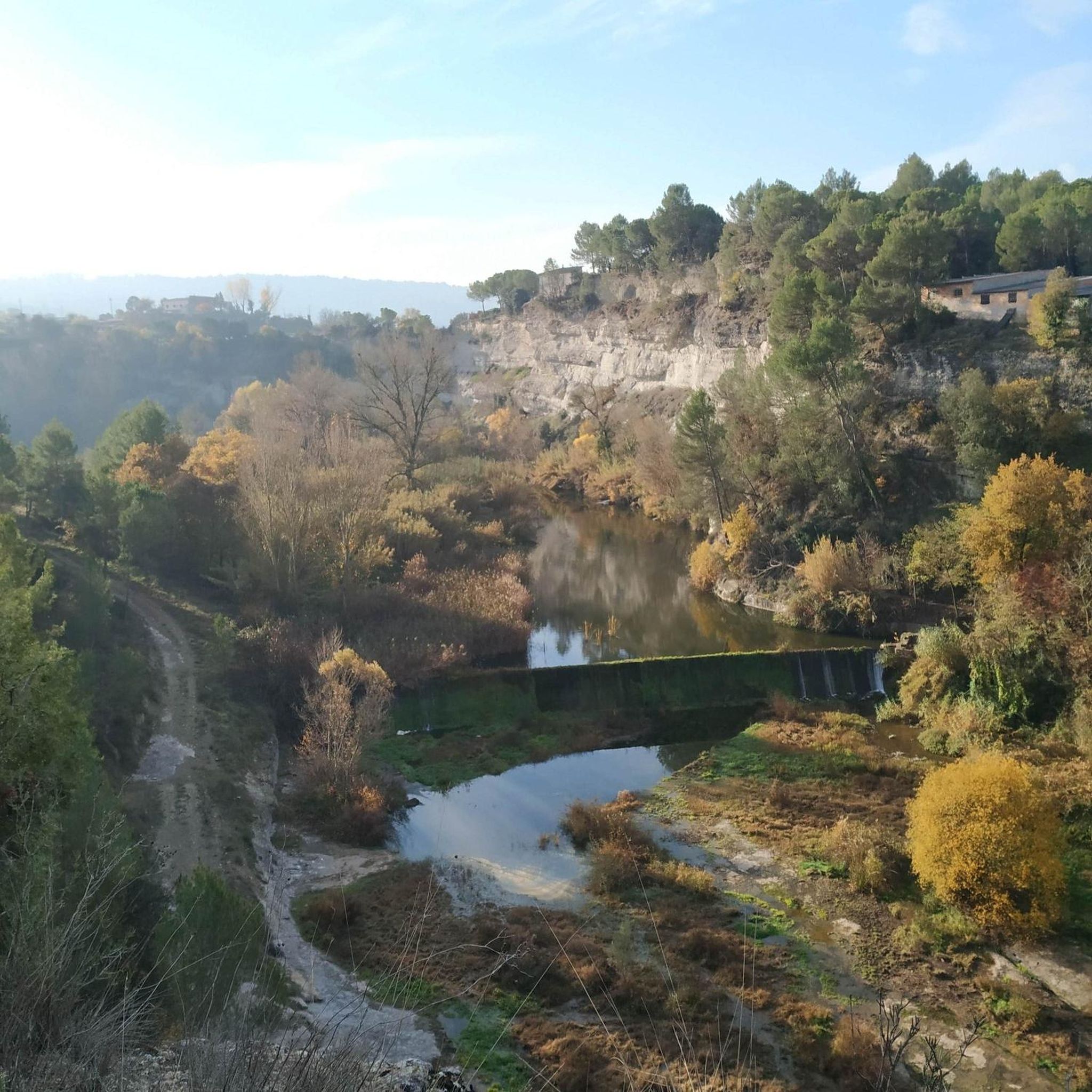

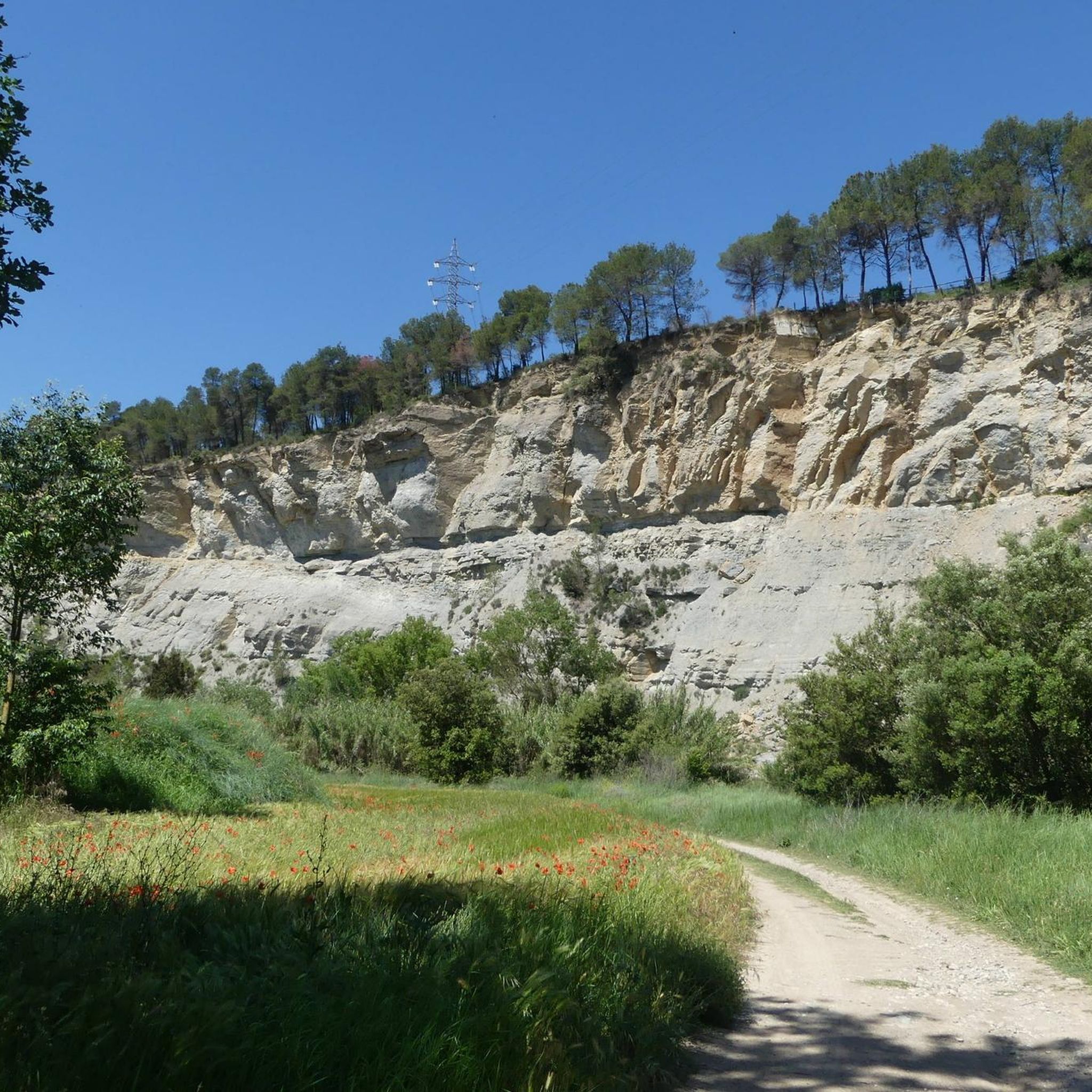
Other adventures around Navarcles

Tips from the Community

Incredible views 🏔️⛰️🏔️. The metal steps anchored to the rock are no longer there, but you can climb up by climbing the part furthest to the right.
0
0
Go through the cave to the other side of the mountain and see the views... 🏞️
0
0

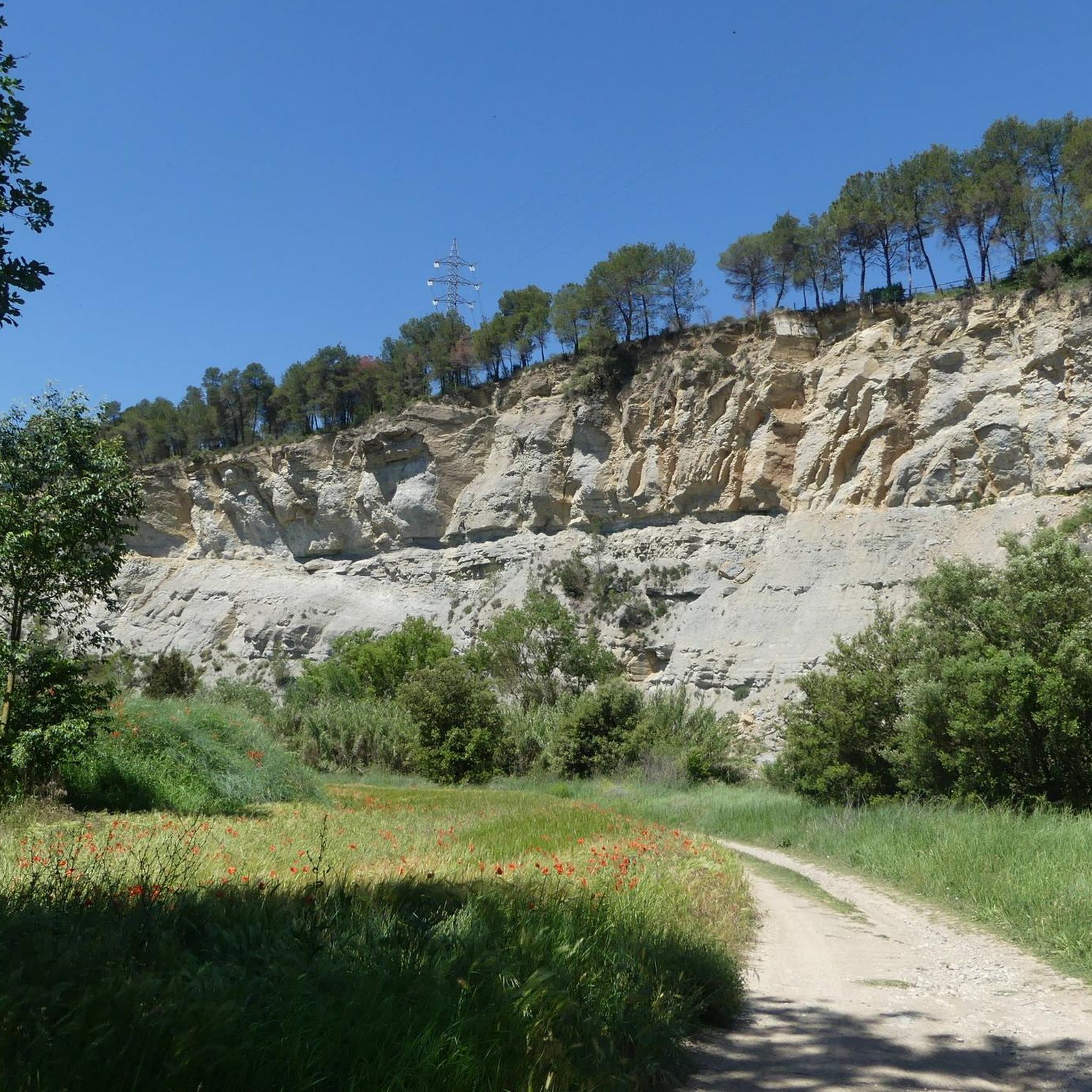
Balma with a semicircular plan with a width of 42 m limited in the central part by a difference in level of 4 meters. The most remarkable thing is a small construction to collect the water that drips from the roof, located in the S area of the balma. The bauma is located on the Gobians stream, which originates at the source of the Pets at the top of the ridge. These mudstones are formed by water undermining the softer materials beneath the conglomerate rock. In the past, the orchards of the people of the village reached almost to the bottom of the bauma. These gardens located in the lower part of the town, next to the Talamanca stream and where there was water, provided the town with fresh vegetables over the centuries.
0
0

Balma with a semicircular floor plan and a width of 42 m limited in the central part by a difference in level of 4 meters. The most remarkable thing is a small construction to collect the water that drips from the ceiling. The cave is in the middle of the torrent of the Gobians. A path allows us to easily go down to the cave, which can be seen from the track.
2
1
A landmark of piled stones marks the top of the Cort Fosca Hill (with an altitude of 826 meters) which is located between the Figueret torrent and the Sot de Matarrodona. It receives its number from one of the cavities that exist at its feet, which has a route of 110 meters in length.
1
0

The Balma del Puig Andreu is a crafted balm that has a closure based on dry stone. It is located at the foot of the hill of the same name which is in the north-west part of the park, located north of Sot de l'Infern and very close to the village of Mura. Note the trapdoor-shaped windows and the two access entrances to the balma. The carved balmas were built with a dry stone front wall that closes the natural cavity and usually served as a shelter for people and animals. (Source: https://ce-terrassa.cat/passejades-pel-parc-%C2%B7-la-balma-del-puig-andreu/)
1
0

There are some anchors in the rock to climb.
8
0
Balma q allows you to sit and shelter from the rain ....
6
0
Frequently Asked Questions
What is the historical significance of the caves around Navarcles?
The caves around Navarcles hold significant historical value, particularly The Blood Hospital. This large, triangular natural tunnel was famously used as a field hospital by Carlist soldiers in the 19th century. Its strategic location and preserved walls offer a unique glimpse into military history and how natural formations were adapted for human use during times of conflict.
What kind of natural features can be found in the caves near Navarcles?
The caves near Navarcles showcase diverse natural features. The Blood Hospital is a notable triangular natural tunnel. At Turó de la Cort Fosca, you'll find a cave at the base of the summit with a route extending 110 meters. Balma dels Gobians features a semicircular plan and a small construction to collect dripping water, formed by water undermining softer materials beneath conglomerate rock.
Are there any caves that offer panoramic views?
Yes, several locations around Navarcles combine cave exploration with stunning views. Pujol de la Mata is a summit with a cave that can be traversed, leading to panoramic vistas. Similarly, Turó de la Cort Fosca and Turó de Puig-andreu (753 m) are summits that feature caves or rock shelters and offer excellent vantage points of the surrounding landscape.
What outdoor activities can I combine with a visit to the caves?
The area around Navarcles is excellent for combining cave visits with various outdoor activities. You can explore numerous cycling routes, including those for touring bicycles, mountain biking, and road cycling. Many of these routes pass through the natural landscapes where the caves are located, offering a great way to experience both.
Are there hiking trails that include cave visits near Navarcles?
While specific hiking guides for caves aren't listed, the caves themselves are often part of or accessible via hiking paths. For example, The Blood Hospital is a natural tunnel within a rocky outcrop, and Balma dels Gobians is located in the middle of a torrent, accessible by a path. Exploring the nearby cycling and MTB routes can also lead you to these natural formations.
What is the best time to visit the caves around Navarcles?
The best time to visit the caves around Navarcles generally aligns with favorable weather for outdoor activities. Spring and autumn offer pleasant temperatures for exploring the natural surroundings and the caves. Summer can be warm, but the caves provide a cool respite. Winter visits are also possible, though some paths might be muddy after rain.
Are the caves around Navarcles family-friendly?
Many of the caves and rock shelters around Navarcles, especially those that are more accessible or part of shorter walks, can be family-friendly. For instance, the historical significance of The Blood Hospital can be an engaging educational experience for older children. Always check the specific access and terrain for each location to ensure it suits your family's capabilities.
Do I need a permit to visit the caves near Navarcles?
Generally, permits are not required for visiting the publicly accessible natural caves and rock shelters around Navarcles, such as The Blood Hospital or Balma dels Gobians. These are often open natural formations. However, for any organized caving expeditions or access to more restricted areas, it's always advisable to check with local authorities or guide services.
What should I wear when exploring caves in Navarcles?
When exploring the caves around Navarcles, it's recommended to wear comfortable clothing suitable for outdoor activity. Sturdy walking shoes or hiking boots with good grip are essential, as paths can be uneven or rocky. A headlamp or flashlight is advisable for darker sections of caves, even if they are natural tunnels. Layers of clothing are also useful, as cave interiors can be cooler than the outside temperature.
Are the caves around Navarcles dog-friendly?
Many of the outdoor areas and natural rock shelters around Navarcles are generally dog-friendly, provided dogs are kept on a leash and owners clean up after them. For specific caves like The Blood Hospital or Balma dels Gobians, access with dogs is typically permitted as they are open natural formations. Always respect local signage and other visitors.
What do visitors enjoy most about the caves around Navarcles?
Visitors frequently appreciate the blend of natural beauty and historical intrigue offered by the caves around Navarcles. The unique historical context of The Blood Hospital, with its Carlist war history, is a major draw. The opportunity to explore natural tunnels, rock shelters, and summits like Pujol de la Mata that offer incredible views, also receives high praise from the komoot community, with many shared photos and upvotes.
Is parking available near the caves around Navarcles?
While specific parking areas for each cave are not detailed, the caves around Navarcles are typically accessed via trails and routes that originate from or pass near local villages and trailheads. You can usually find parking in or near Navarcles itself, or at designated parking spots for popular hiking and cycling routes in the surrounding natural areas. It's advisable to check maps for the closest access points to your chosen cave.
Most popular routes around Navarcles
Most popular attractions around Navarcles

Get inspired with the komoot mobile app


Explore more
Extend your search for the best caves by checking out these guides of the top ones around Navarcles:
