Top 7 Caves around Lanjarón
Best caves around Lanjarón offer diverse experiences within the Granada province. Lanjarón, situated in the Alpujarra region, serves as a base for exploring natural and historical underground sites. The area is characterized by its mountainous terrain and rich geological formations. Visitors can discover a range of caves, from natural wonders to historical dwellings.
Best caves around Lanjarón
- The most popular caves is Picnic Area at Tajo de las Cuevas, a facilities highlight that is a large hole in the…
Last updated: October 7, 2026
Picnic Area at Tajo de las Cuevas
Highlight • Rest Area
Translated by Google •
Tip by

Cueva de los Riscos
Highlight • Cave
Translated by Google •
Tip by

Sign up now to discover places like this
Get recommendations on the best single tracks, peaks, & plenty of other exciting outdoor places.
Cistern of Dúrcal Castle
Highlight • Historical Site
Translated by Google •
Tip by

Cave of the Doves
Highlight • Cave
Translated by Google •
Tip by
Secret Cave
Highlight • Cave
Translated by Google •
Tip by

Sign up for free to discover even more caves around Lanjarón.
Already have an account?
Start today with a free account
Your next adventure awaits.
Popular around Lanjarón
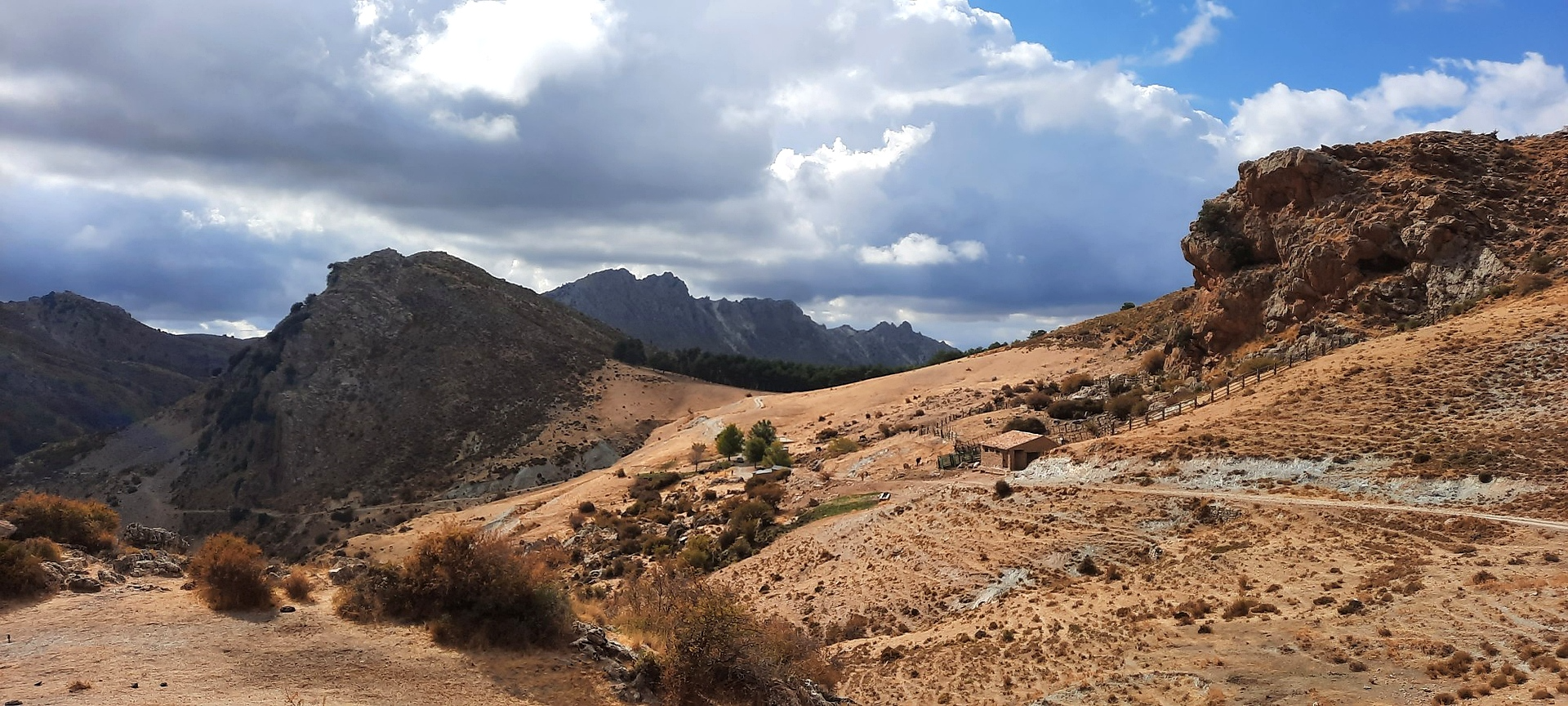
Sulayr Trail (GR 240) — 300 kilometers in the mountain of the sun
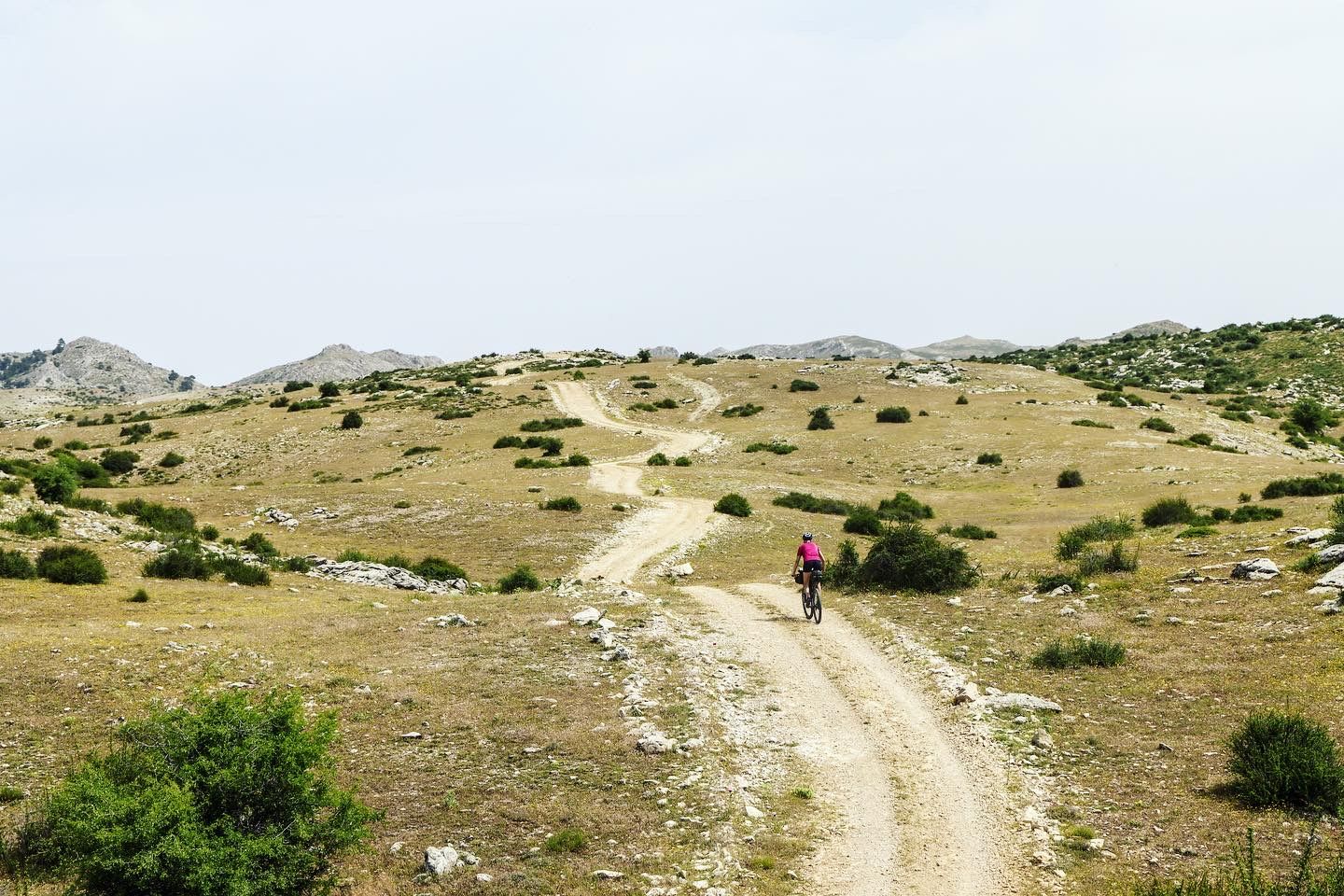
Bikepacking the mountains and deserts of Andalucía
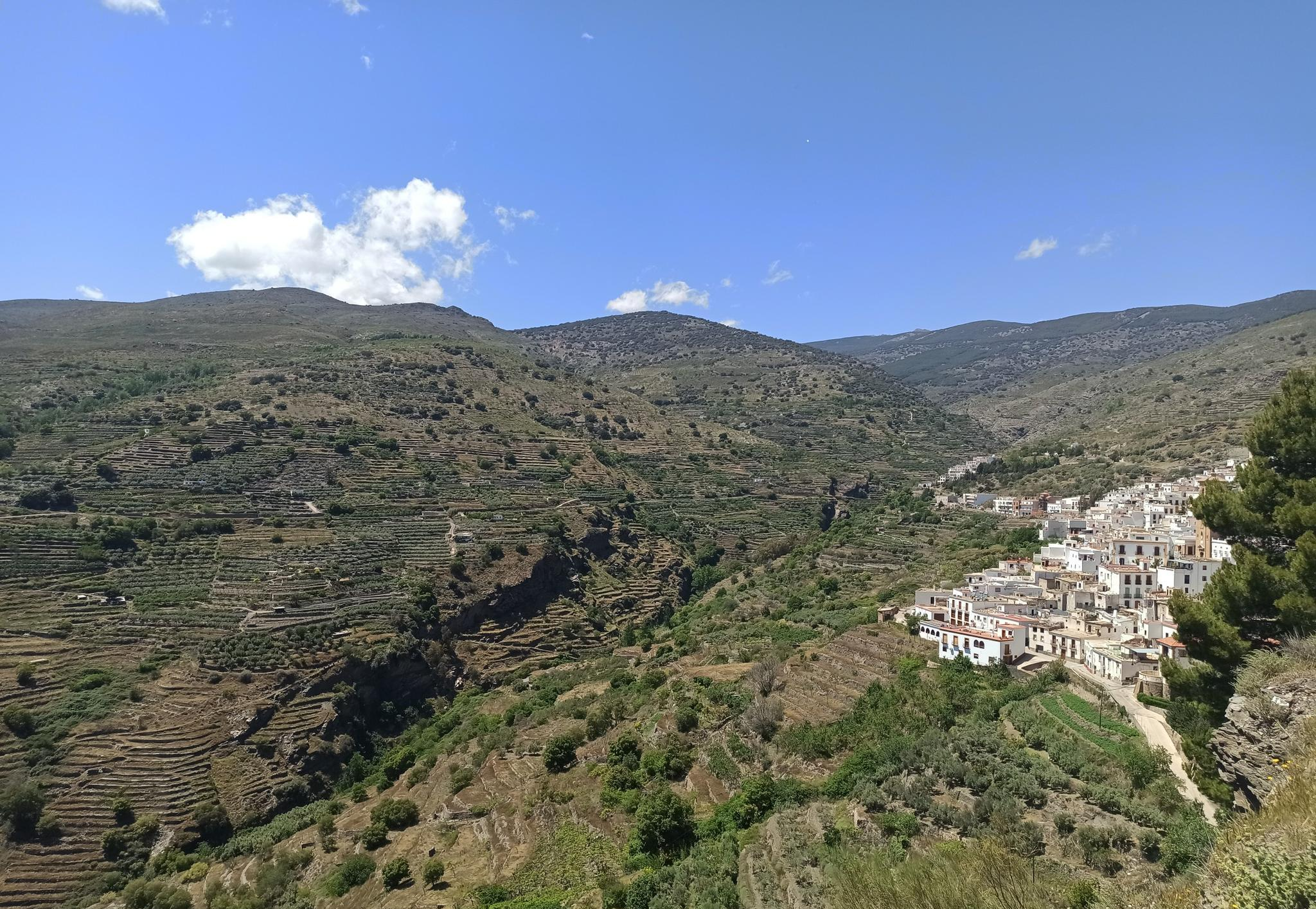
Among white villages - Path of the Alpujarra (GR 142)
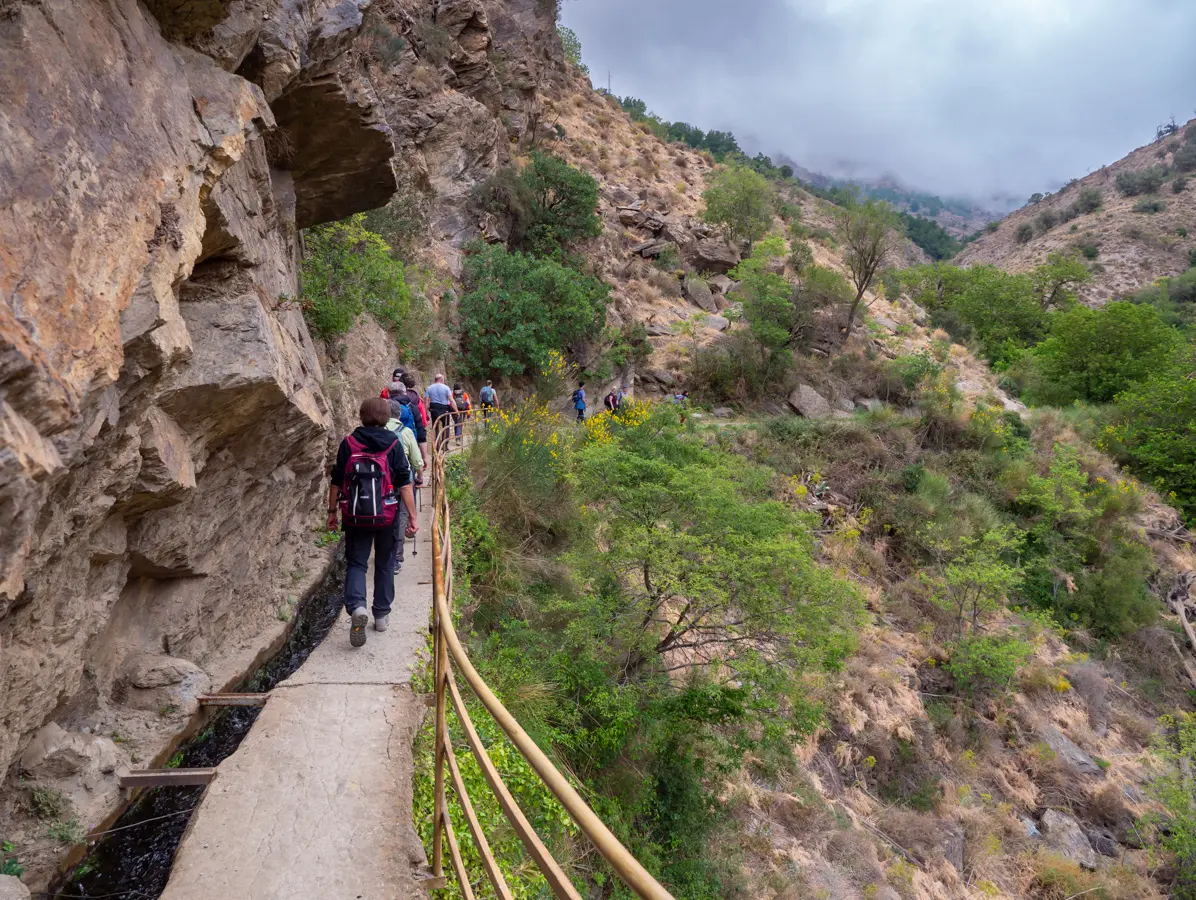
The gateway to the Alpujarra – five incredible routes from Lanjarón
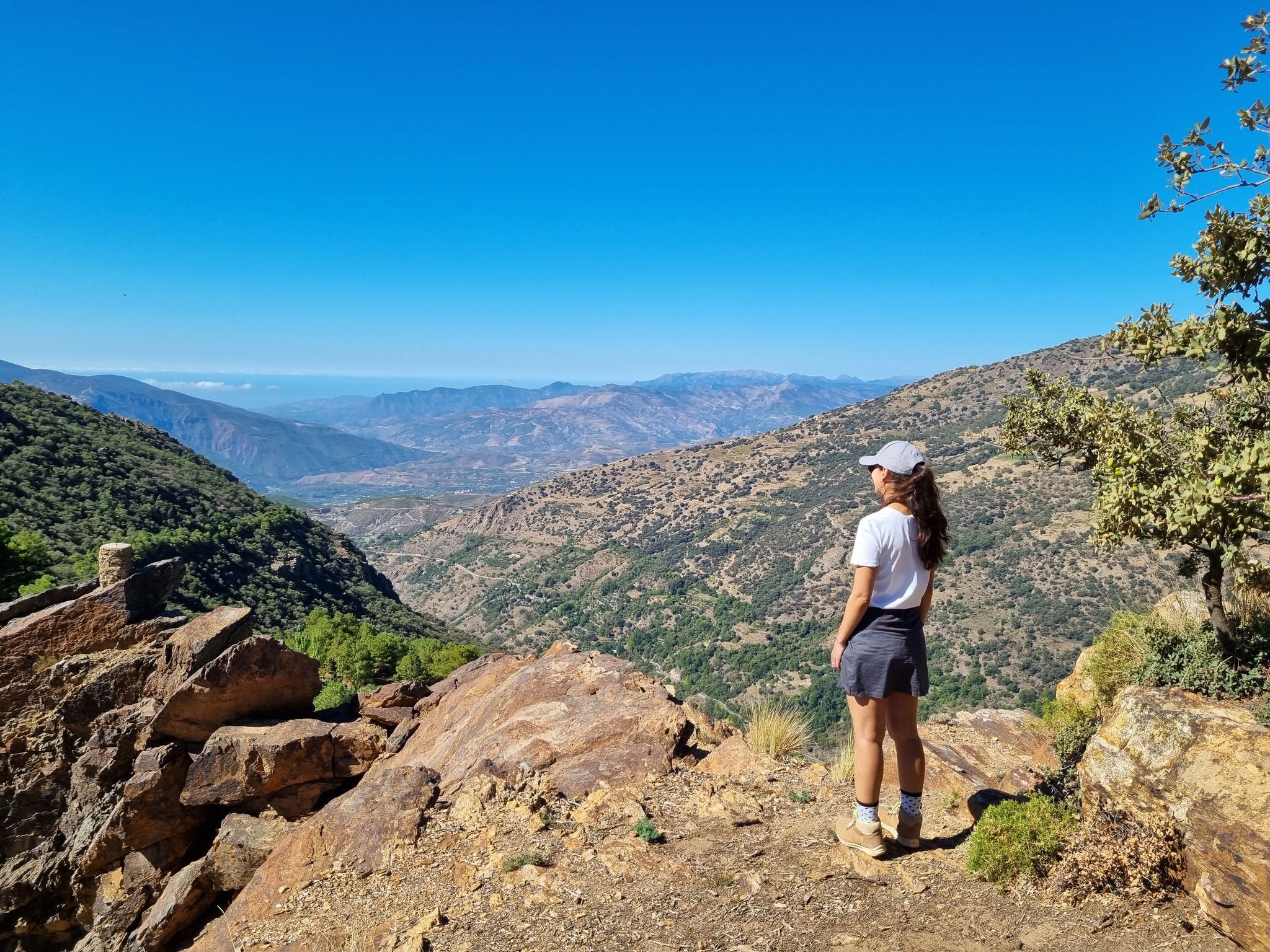
Lanjarón to Trevélez – five days in the Alpujarra of Granada
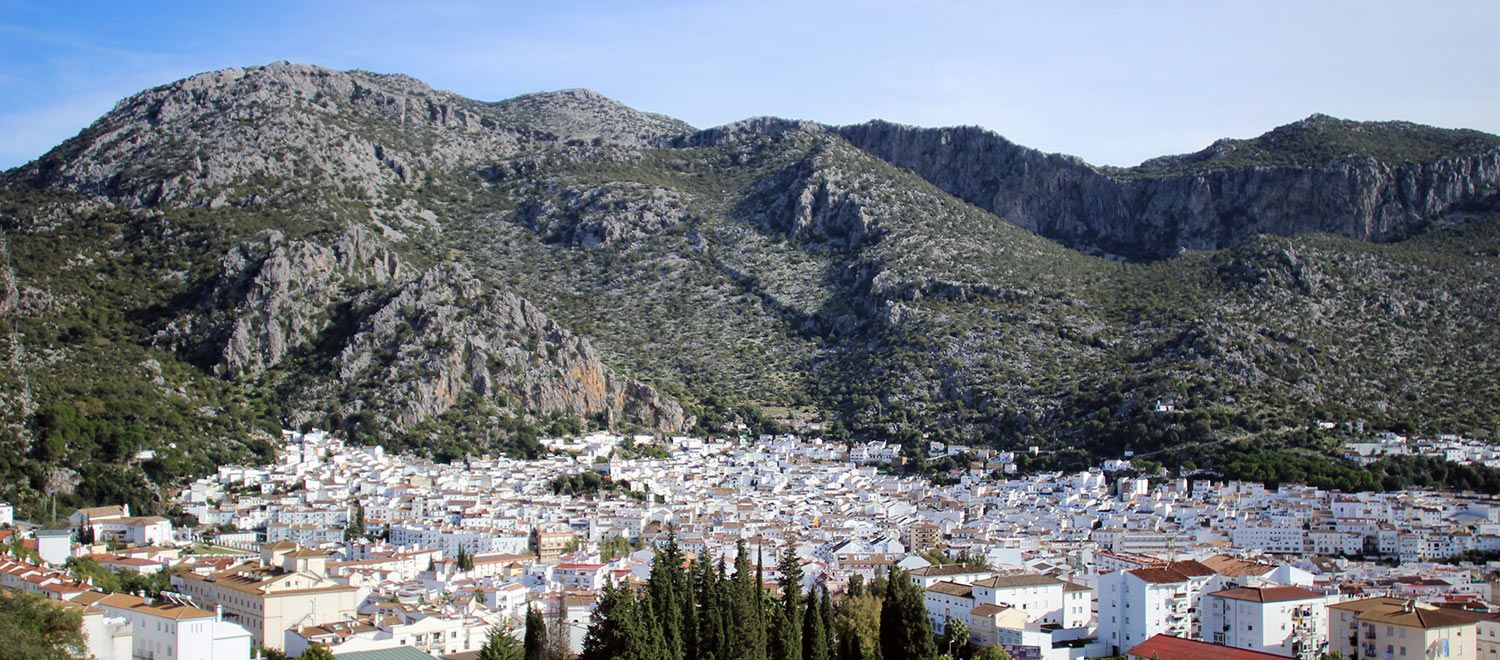
Explore the Betic Mountains on two wheels – Altravesur
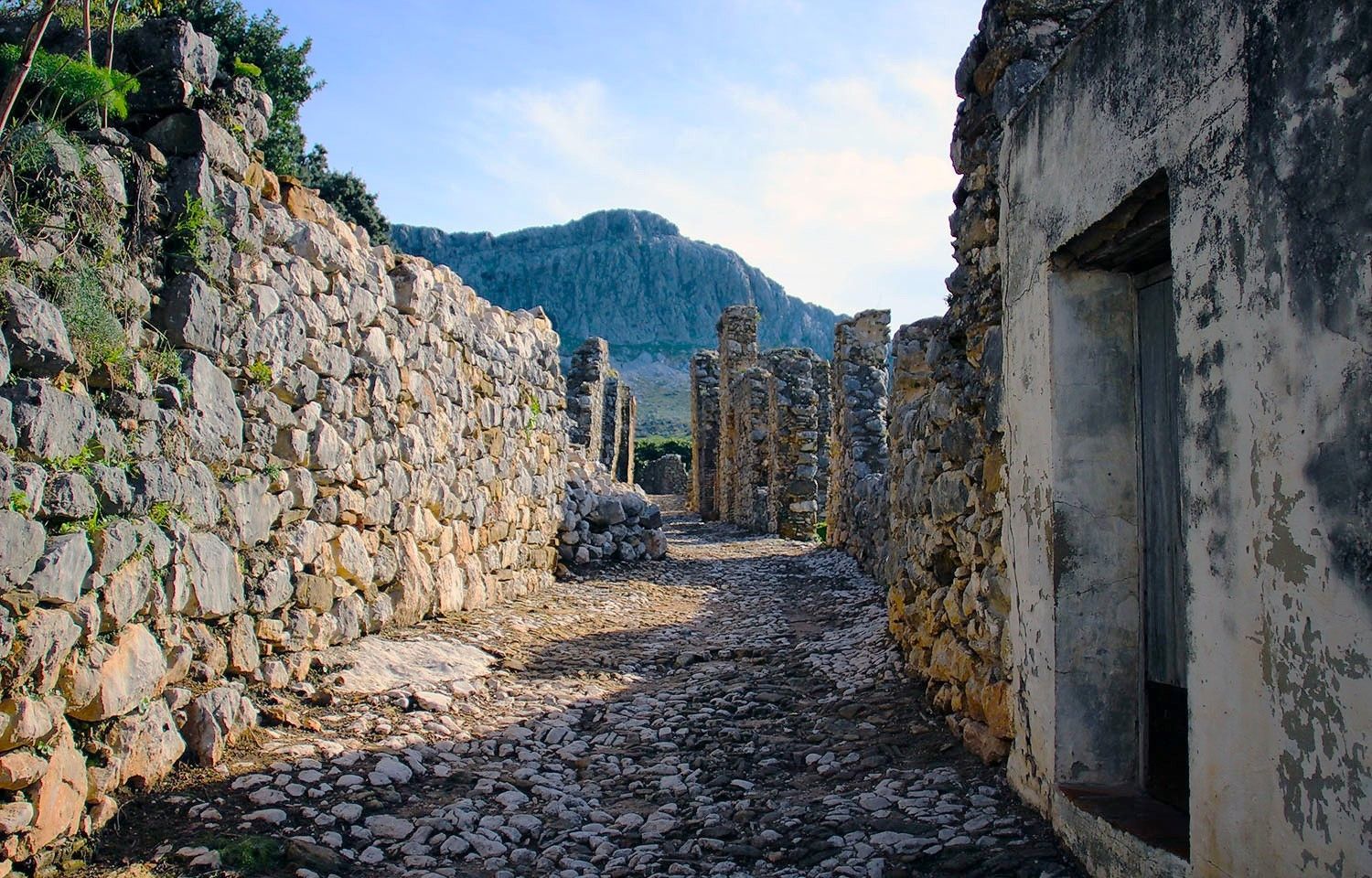
Andalusia without limits – Tarifa to La Puebla de Don Fabrique on the GR 7
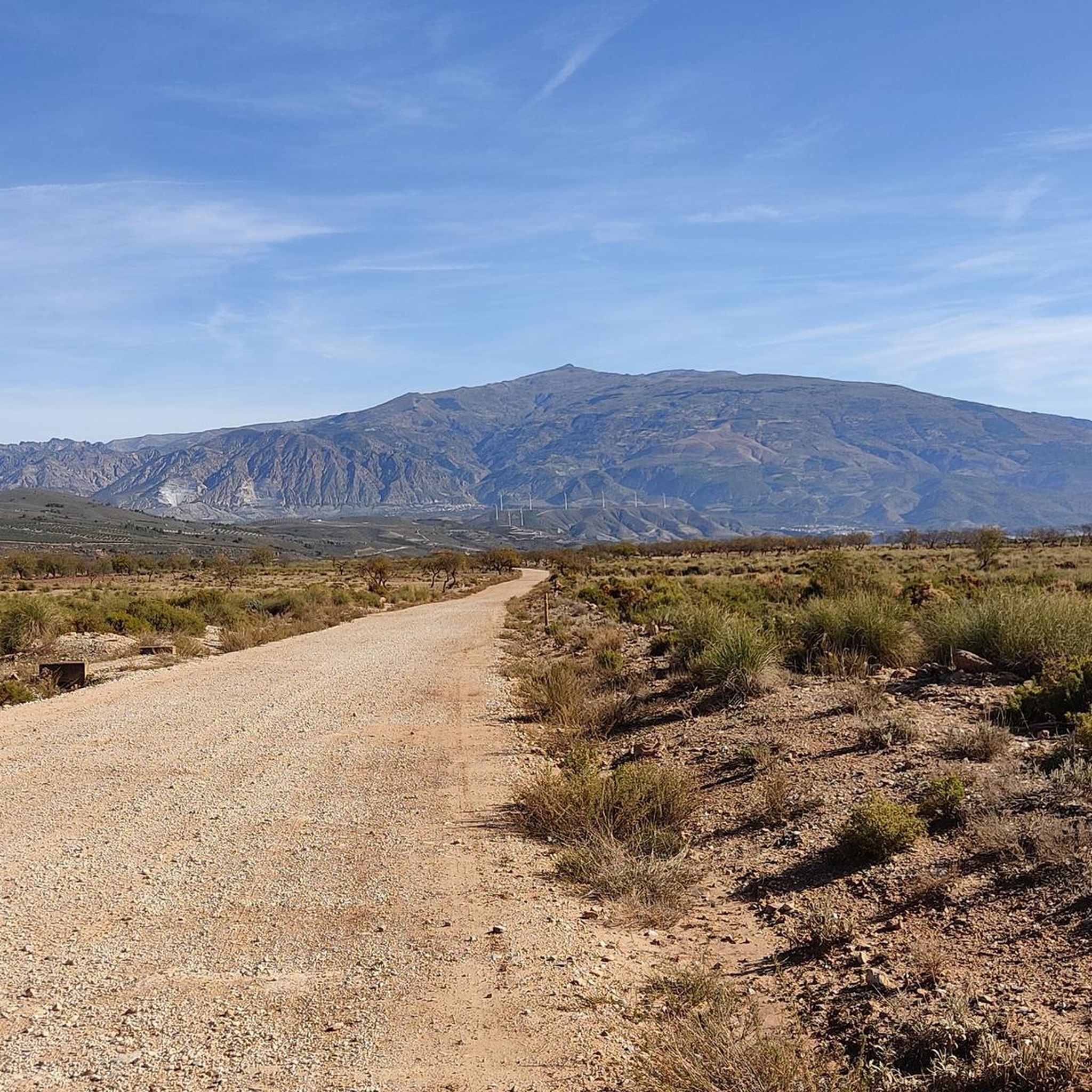
Hiking around Lanjarón
Road Cycling Routes around Lanjarón
Running Trails around Lanjarón
Other adventures around Lanjarón


Tips from the Community

The Cueva de los Riscos, also known as the Cueva de Vacamía, is located in the natural setting of the Dúrcal River, very close to the municipality of Villamena, in the province of Granada. Although not well-known among tourists, it is frequented by local hikers and explorers. A makeshift wooden platform has been placed in one of the cave's main chambers. There is a decapitated Buddha, along with a female figure (not clearly identified), and many candle remains scattered on the floor.
2
0

Halfway between the Béznar reservoir and Pinos del Valle. It has several tables, most of them sheltered from the sun. Its peculiarity is that it is a large hole in the mountain that is used precisely as a picnic area.
1
0

Unfortunately, this cave with the Budda could not be found. But a few other caves. Very nice there by the river. However, many paths that are not marked on the map.
1
0

This cave is by the Sierra de Lujar in a place known as the King's factory
0
0
This castle in ruins is located in front of Durcal, it is delimited by the Granada motorway. To get to it, you have to take from the exit of the town at the San Blas fountain towards the Urquizar baths, you have to be very careful once you cross the motorway bridge and we begin the descent quite descending because when we pass the last farmhouses on the right we are fixed to the right and we will find an indicative sign that will take us to the ruins of the castle of Durcal.
1
0
This is one of several caves that are at the foot of the Durcal river below the Bacania baths in Durcal, the cave is called Cueva de los Riscos.
1
0
This cave is located in the Sierra de Lujar in the northwestern part of an area called Fabrica del Rei in which in the 1920s or perhaps before the mining of the anthrasite mineral was worked, which can still be found lying on the ground for the lovers of mineralogy. the cave of the pigeons in which several families of stock dove and turtle dove are housed.
0
0

It is a perfect place to sleep on the way to Mulhacén. In addition, at this point you also have access to the river to make a stop and put your sore feet in the water or refill some of the bottles you carry in your backpack.
2
0
Frequently Asked Questions
What are some unique natural caves to explore near Lanjarón?
Beyond the well-known sites, you can discover natural formations like the Cueva de los Riscos, also known as Cueva de Vacamía, located in the natural setting of the Dúrcal River. It's frequented by local hikers and features a makeshift wooden platform and unique statues. Another is the Cave of the Doves in the Sierra de Lujar, known for housing stock and turtle doves and its historical connection to anthrasite mining.
Are there any caves near Lanjarón with historical significance?
Yes, the region offers several caves with historical importance. The Cistern of Dúrcal Castle is a historical site featuring a cave within the ruins of an ancient castle. Further afield, the Cueva de las Ventanas in Píñar boasts Neolithic burial sites and human occupation, while the Cueva del Agua in Íznalloz has evidence of human presence dating back to the Copper Age.
Which caves near Lanjarón are suitable for families or visitors with reduced mobility?
The Picnic Area at Tajo de las Cuevas is a family-friendly spot, being a large hole in the mountain used as a picnic area with tables, some sheltered from the sun. For a more extensive cave experience, Cueva de las Ventanas in Píñar is highly accessible, with large parts adapted for visitors with reduced mobility, including wheelchair users, and an interactive interpretation center.
What are the most adventurous caving experiences available near Lanjarón?
For a more adventurous experience, consider the Cueva del Agua in Íznalloz. This cave offers a labyrinth of passages, spectacular formations, and crystal clear lagoons. Certain sections require ropes and descents, particularly for those wanting to explore its deeper parts like the Sima del Plus Ultra. Visits typically require prior arrangement with the Provincial Council of Granada.
Can I find any unique geological formations in the caves around Lanjarón?
Absolutely. The Cueva del Agua in Íznalloz is notable for its unique 'coralline' crystallizations and was the site where anti-stalagmites were first discovered in Spain. The Cueva del Tesoro in Rincón de la Victoria is unique as it's one of only three marine caves in the world and the only one in Europe open to the public, featuring distinct wave formations and shapes in the rock formed by ancient sea currents.
Are there any caves near Lanjarón that offer cultural insights?
Yes, the Sacromonte Caves in Granada City offer a fascinating cultural insight. These are not natural geological formations but ethnographic cave dwellings carved into the hillsides. They historically housed Gitanos, Jews, and Muslims, and today some are open as a museum showcasing the history, culture, and traditions of the area, including the origins of 'Zambra' Flamenco.
What outdoor activities can I combine with a visit to the caves near Lanjarón?
Lanjarón is an excellent base for various outdoor activities. You can explore numerous cycling routes, such as the 'Nazari Bridge of Tablate – Old Village Washhouse loop' or 'El Padul – Metal Bridge loop'. For hikers, there are challenging mountain hikes like those around Mulhacén Peak, and several running trails, including the 'Sendero Circular de Lanjarón'. You can find more details on these activities in the Cycling around Lanjarón, Mountain Hikes around Lanjarón, and Running Trails around Lanjarón guides.
Is there a cave near Lanjarón that is good for an overnight stay or a rest stop?
Yes, the Secret Cave is described as a perfect place to sleep on the way to Mulhacén. It also offers access to the river, making it a good spot to rest your feet or refill water bottles during a hike.
What is the most impressive cave formation I can see near Lanjarón?
The Cueva de Nerja, located near the village of Maro, is renowned for its spectacular rock formations. It houses the world's longest and largest stalactite, measuring 32 meters high, found in the Cataclysm Hall. The sheer scale and beauty of these formations make it a must-see.
Are there any caves near Lanjarón that are known for archaeological discoveries?
The Cueva de Nerja is one of the most important archaeological sites in Spain, containing some of Europe's oldest known cave art and evidence of human habitation dating back 25,000 to 42,000 years. Additionally, the Cueva del Tesoro has prehistoric paintings and human footprints dating back 40,000 years.
What do visitors enjoy most about the caves around Lanjarón?
Visitors appreciate the diverse experiences offered by the caves around Lanjarón, from the natural beauty of geological formations to the rich historical and cultural insights. The komoot community has shown its appreciation with 14 upvotes and 2 photos shared, highlighting the variety of sites, including unique picnic areas within cave formations and historical sites with underground elements.
Most popular routes around Lanjarón
Most popular attractions around Lanjarón

Get inspired with the komoot mobile app


Explore more
Extend your search for the best caves by checking out these guides of the top ones around Lanjarón:
