Top 6 Gorges around Senija
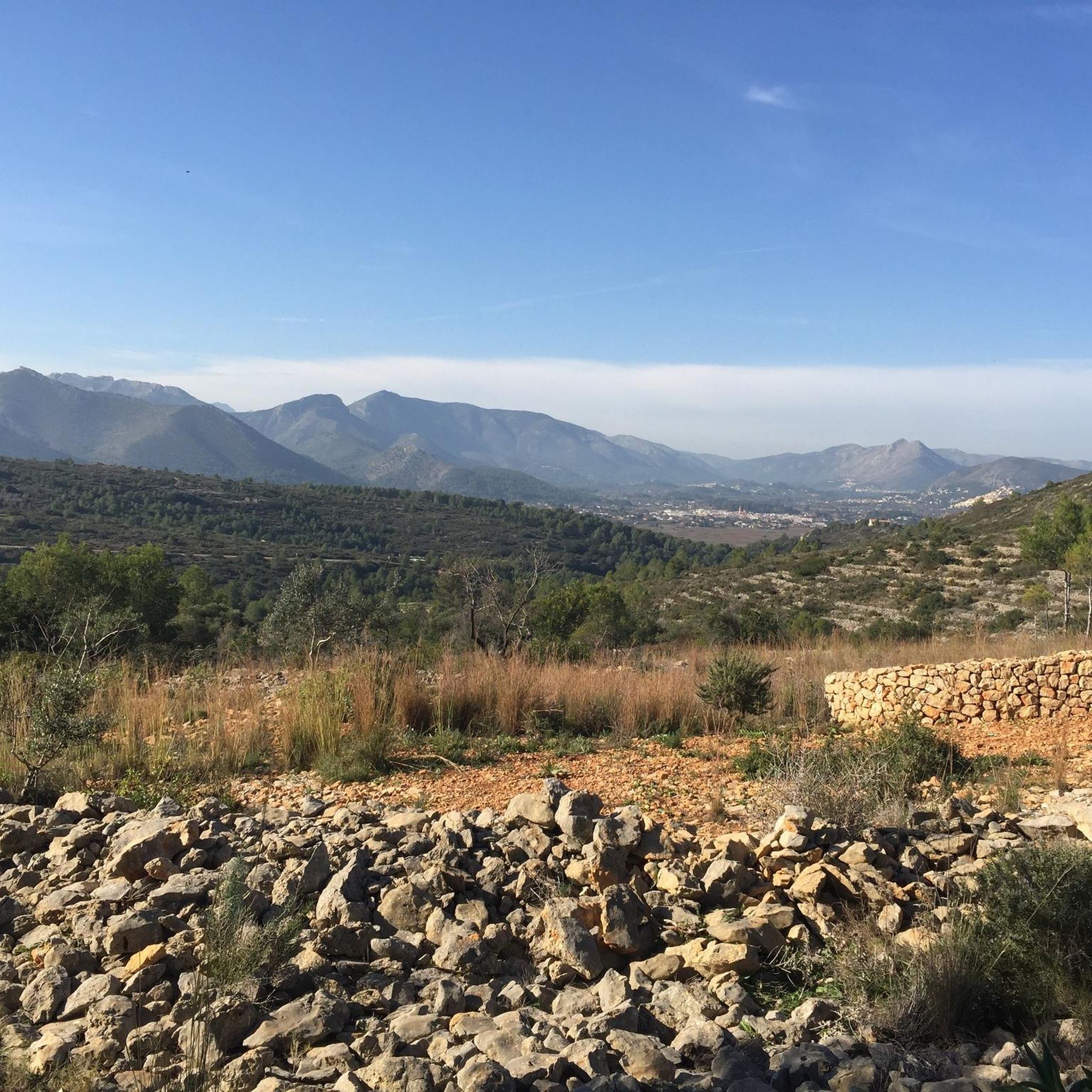
Canyons around Senija are characterized by rugged terrain, ravines, and gorges within the Marina Alta region of Alicante. This area offers opportunities for exploring natural landscapes and challenging hikes. Senija itself is nestled against a hillside, surrounded by almond, olive, and carob trees, providing varied terrain for outdoor activities. The region's natural beauty includes smaller ravines and caves, offering a different kind of canyon experience.
Best canyons around Senija
- The most popular canyons is Barranco de la Viuda, a…
Last updated: August 13, 2026
Gorgos Riverbed and Aqueduct in Gata de Gorgos
Highlight • River
Translated by Google •
Tip by

Barranco de la Viuda
Highlight (Segment) • Gorge
Translated by Google •
Tip by

Sign up now to discover places like this
Get recommendations on the best single tracks, peaks, & plenty of other exciting outdoor places.
Sign up for free
Views of the Serra de Bèrnia
Highlight • Viewpoint
Translated by Google •
Tip by
Graffiti Tunnels Trail
Highlight (Segment) • Trail
Translated by Google •
Tip by

Costera del Masserof
Highlight • Gorge
Translated by Google •
Tip by

Sign up for free to discover even more gorges around Senija.
Sign up for free
Already have an account?
Start today with a free account
Your next adventure awaits.
Login or Signup
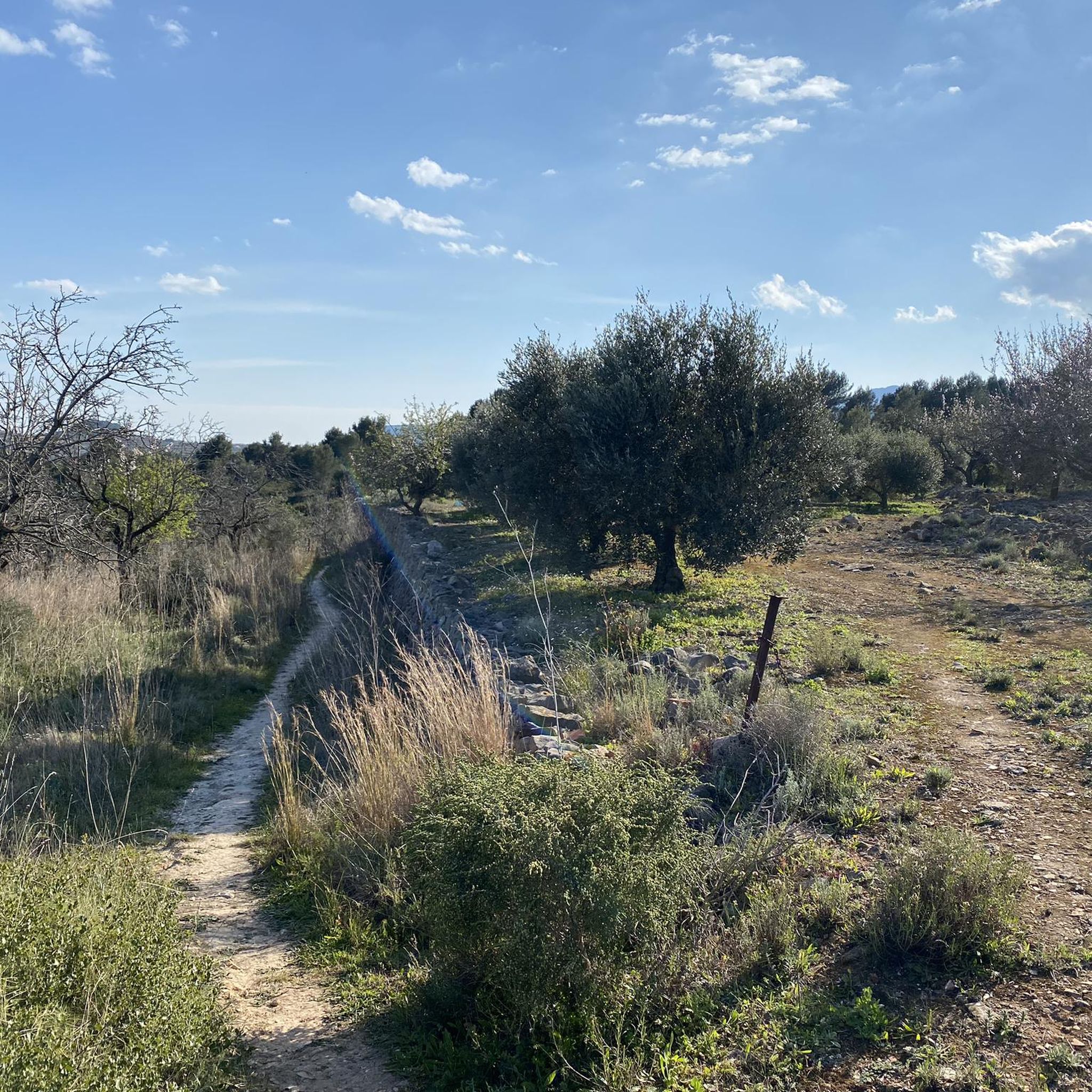
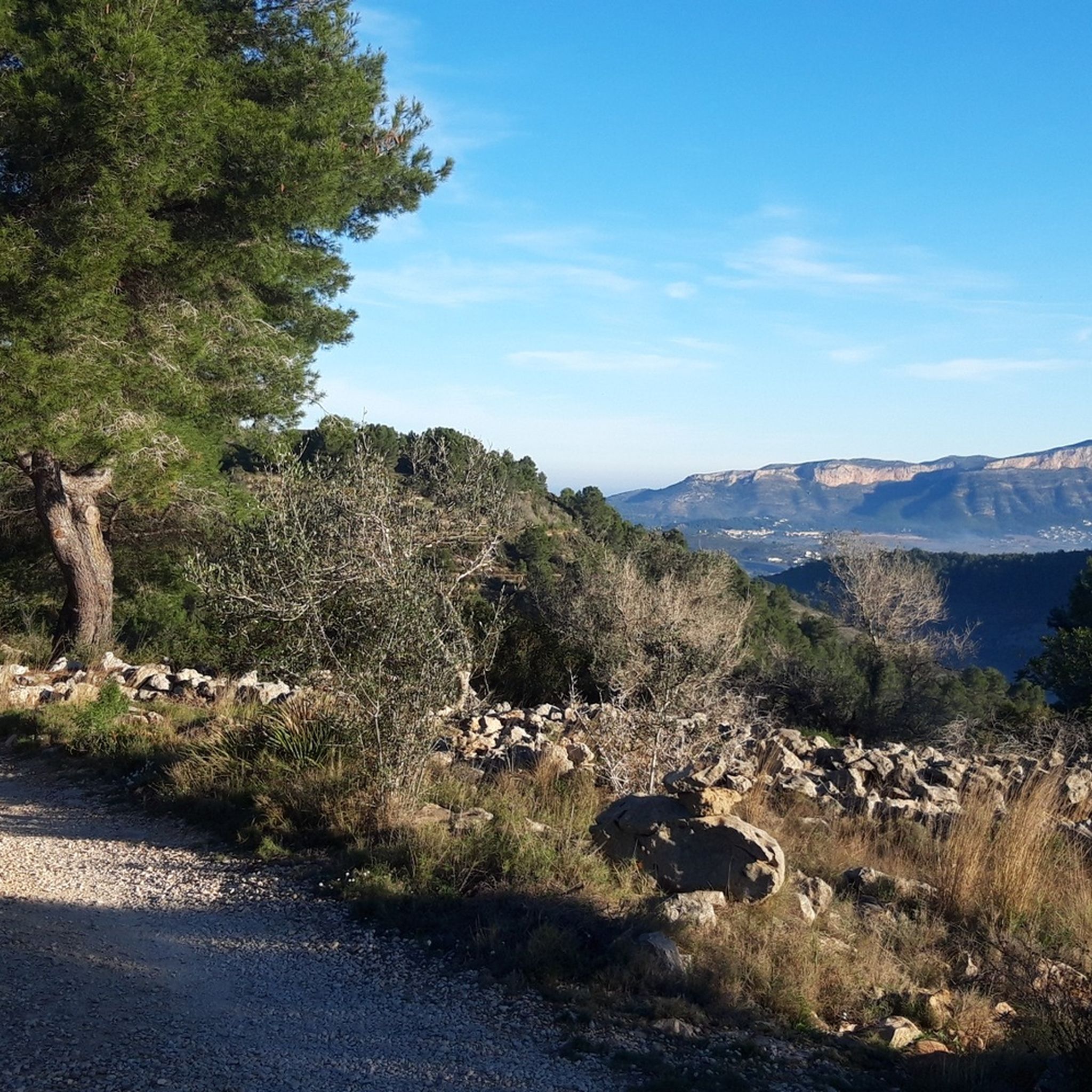
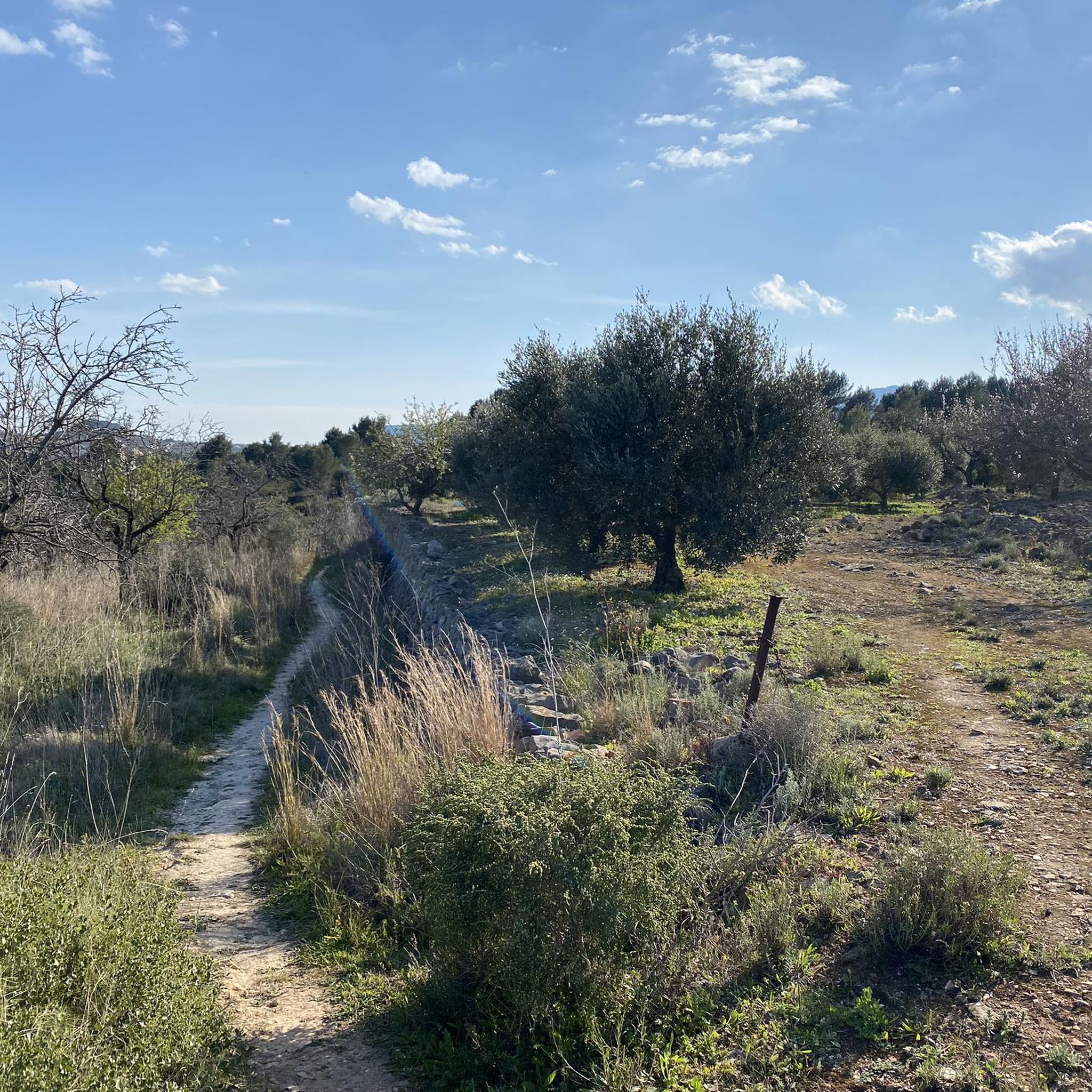
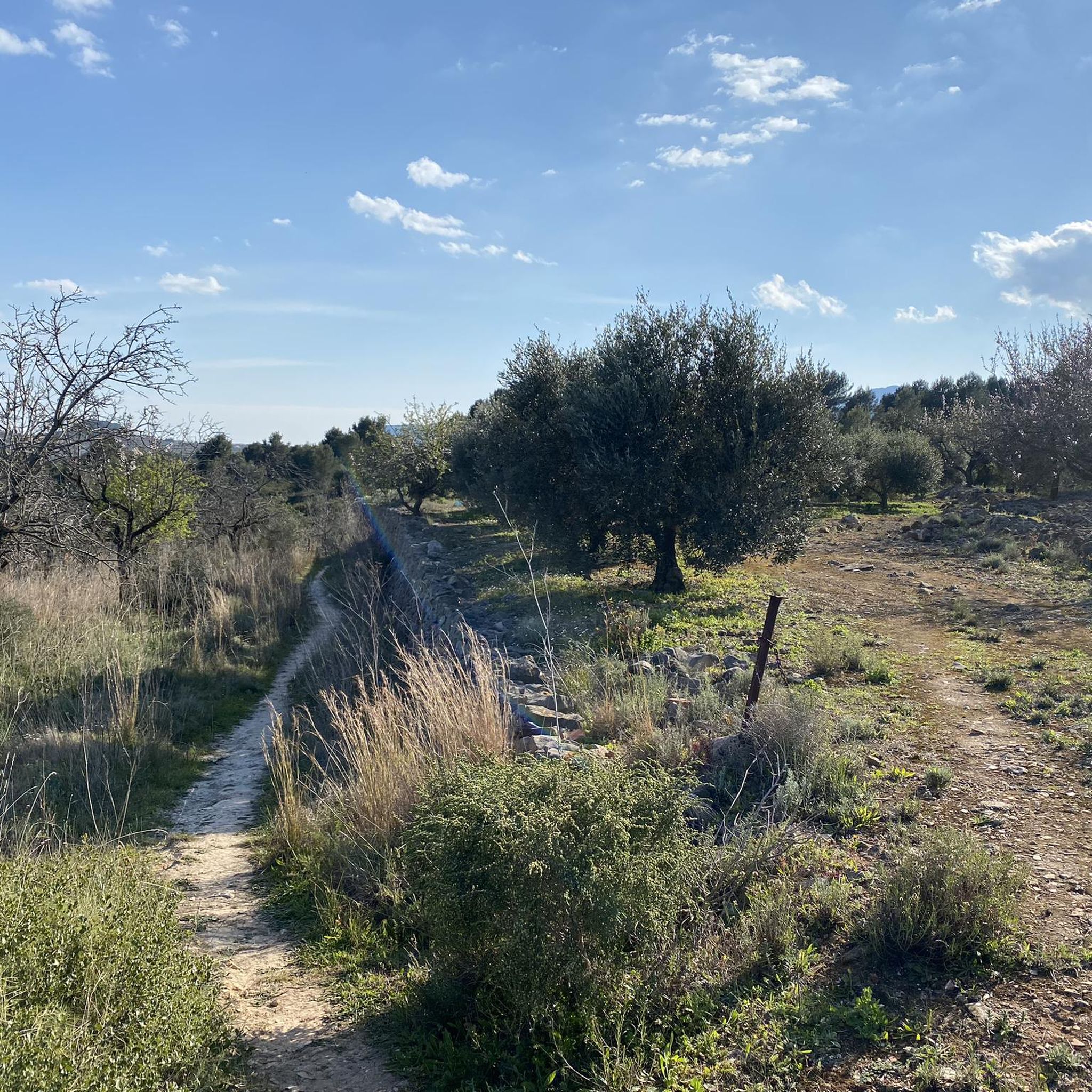


Tips from the Community

Beautiful landscapes
0
0

Beautiful rolling road through a Beautiful landscape
0
0


Gata de Gorgos owes its name to the river (bed) the Gorgos that runs through the village. This river flows into the Mediterranean Sea at Jávea. The village is located at approximately 75m above sea level and has over 6000 inhabitants who mainly speak Spanish and Valencian. From the 16th to the 18th century, agriculture was the most important source of income for the village. The most important things that were grown during this time were: wheat, (wine) grapes, cane, olives, barley, almonds and, for example, grapes for raisins. Until the middle of the 20th century, agriculture was the most important financial sector for Gata de Gorgos. Due to the deterioration of the quality of the soil, but especially due to the demand for (second) homes on the coast, the former agricultural land has now been built on in many places by, among other things, urbanisation and tourism has become an important source of income. Gata de Gorgos has a very charming centre that is definitely worth a visit. Those looking for products made of reed will find what they are looking for here. The place is known for its handmade articles (artesanías) made of reed (hats, baskets and the like). The shops that sell these products have earned Gata de Gorgos its nickname ‘Bazaar of the Costa Blanca’.
3
0

Nice varied tour. Some climbing exercises on the large rocks in the riverbed.
0
0

Feasible passages, with MTB S0-S1, can also be mastered with a touring bike. Beautiful landscape.
2
0

interesting city in the Spanish hinterland
0
2

On the road it is one of the places with the best panoramic views of the Serra de Bèrnia. Undoubtedly one of those places where it is worth pausing and taking a photo while enjoying this wonderful place and the landscape that surrounds it.
1
0
Frequently Asked Questions
What kind of natural features can I expect to see around Senija?
The area around Senija is characterized by rugged terrain, smaller ravines, and gorges within the Marina Alta region. You'll find picturesque riverbeds, barrancos, and natural formations like those at Barranco de la Viuda and Costera del Masserof. The landscape is also rich with almond, olive, and carob trees, offering varied terrain for exploration.
Are there any particularly scenic viewpoints or landmarks near the canyons?
Yes, you can enjoy panoramic vistas from places like Views of the Serra de Bèrnia, which offers excellent photographic opportunities. The Gorgos Riverbed and Aqueduct in Gata de Gorgos is also a picturesque spot, notable for its river ravine with houses situated along one side.
What are the difficulty levels for exploring the canyons and ravines around Senija?
Many routes around Senija, such as Barranco de la Viuda, are picturesque and do not require technical difficulty, though sturdy footwear is recommended due to rugged paths and loose stones. Other areas like Costera del Masserof involve varied hikes through valleys and at altitude, requiring sure-footedness. For more challenging hikes, the 'Stone and Water Trail' near Senija includes a scramble, indicating rugged terrain.
Are there family-friendly options for exploring the natural areas near Senija?
While specific 'family-friendly' canyoning routes are not explicitly highlighted, many of the natural areas offer varied hiking experiences. Routes without technical difficulty, like parts of Barranco de la Viuda, can be suitable for families who are comfortable with rugged paths and wearing appropriate footwear. The general landscape around Senija, with its almond and olive groves, also provides pleasant, less strenuous walking opportunities.
Can I bring my dog to the canyons and hiking trails around Senija?
The guide data does not specify dog-friendly rules for individual canyons. However, many natural trails in the region are generally accessible for dogs, especially if kept on a leash. It's always advisable to check local regulations or signage at specific trailheads regarding pet policies.
What is the best time of year to visit the canyons and natural areas around Senija?
The Marina Alta region, where Senija is located, experiences a Mediterranean climate. Generally, spring (April-May) and autumn (September-October) offer the most pleasant weather for outdoor activities, with milder temperatures and less rainfall. Summers can be very hot, making early mornings or late afternoons preferable for exploration, while winters are mild but can have occasional rain.
Are there any specific permits required for hiking or canyoning in the Senija area?
The guide data does not indicate that specific permits are required for general hiking or exploring the mentioned canyons and ravines around Senija. However, for organized canyoning activities or access to certain protected natural parks, it's always prudent to check with local tourism offices or guide services for any specific requirements.
What other outdoor activities can I do near the canyons around Senija?
Beyond exploring canyons, the region offers a variety of outdoor activities. You can find numerous hiking trails, including the 'Stone and Water Trail' from Senija. There are also opportunities for gravel biking and mountain hikes. For more detailed routes, you can explore guides like Gravel biking around Senija, Mountain Hikes around Senija, and Hiking around Senija.
Where can I find cafes, restaurants, or accommodation near the canyons in Senija?
Senija itself is a charming village with traditional architecture. While specific establishments near the canyons are not listed, the village and nearby towns in the Marina Alta region will offer various amenities, including cafes, restaurants, and accommodation options. Gata de Gorgos, for example, is known for its charming center and handmade reed articles, providing a pleasant stop.
What should I bring when exploring the canyons and ravines?
When exploring the rugged terrain and ravines, it is highly recommended to wear suitable footwear, such as sturdy hiking shoes, to navigate loose stones and varied paths. For routes that involve scrambling or walking through dry creek beds, sure-footedness is important. Always carry water, especially during warmer months, and consider sun protection.
Are there any more 'classic' canyoning experiences in the wider Alicante province?
While Senija's immediate surroundings feature smaller ravines and rugged terrain, for a more defined canyoning experience with narrow and high walls, you might consider L'Estret Canyon (also known as Estret del Pantá) in the wider Alicante province, near towns like Relleu and Orxeta. This is considered one of the most beautiful water ravines in the province.
What makes the <a href="https://www.komoot.com/highlight/4002100" target="_blank" rel="noopener">Graffiti Tunnels Trail</a> unique?
The Graffiti Tunnels Trail offers a scenic, canyon-like route that is easy to navigate. It features short tunnels, making it an interesting and accessible option for mountain biking or touring bikes, with no need for artificial light within the tunnels.
Most popular attractions around Senija

Get inspired with the komoot mobile app


Explore more
Already discovered everything in this region? See additional gorges around Senija for your next adventure:
