Top 7 Castles around Santa Coloma De Cervelló
Best castles around Santa Coloma De Cervelló offer a glimpse into the region's medieval past and defensive history. Situated near the Llobregat river, this area features historical ruins set against a backdrop of natural landscapes. Visitors can explore sites that once formed part of a strategic defensive network, providing panoramic views of the surrounding territory. The blend of historical significance and accessible natural settings makes it a notable destination for exploration.
Best castles around Santa Coloma De Cervelló
- The most…
Last updated: July 4, 2026
Castellciuró Ruins
Highlight • Castle
Translated by Google •
Tip by

Castellciuró
Highlight • Castle
Translated by Google •
Tip by

Sign up now to discover places like this
Get recommendations on the best single tracks, peaks, & plenty of other exciting outdoor places.
Sign up for free
Eramprunyà Castle
Highlight • Castle
Translated by Google •
Tip by

Castell de l'Oreneta Park
Highlight • Forest
Translated by Google •
Tip by

Salvana Tower
Highlight • Castle
Translated by Google •
Tip by
Sign up for free to discover even more castles around Santa Coloma De Cervelló.
Sign up for free
Already have an account?
Start today with a free account
Your next adventure awaits.
Login or Signup
Popular around Santa Coloma De Cervelló
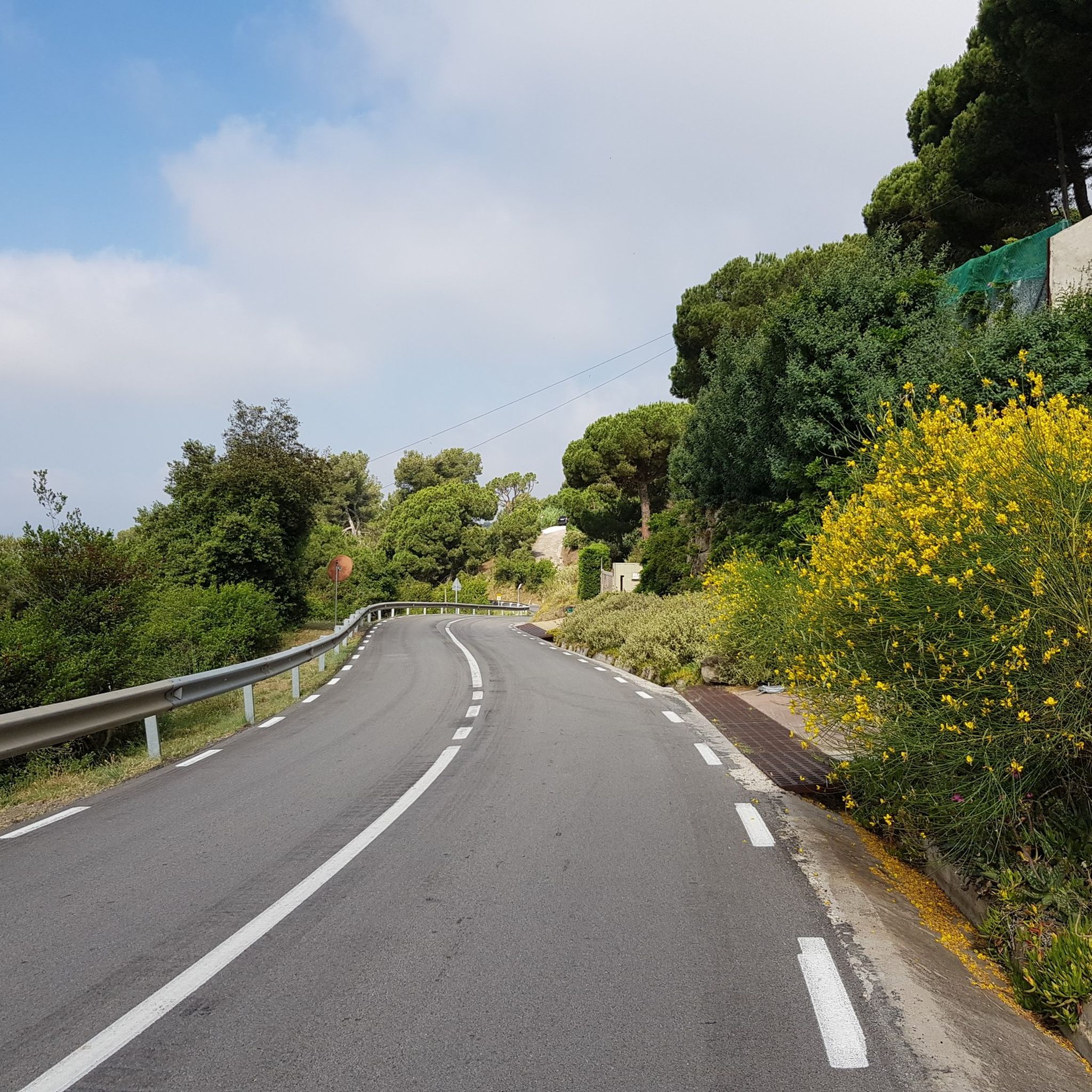
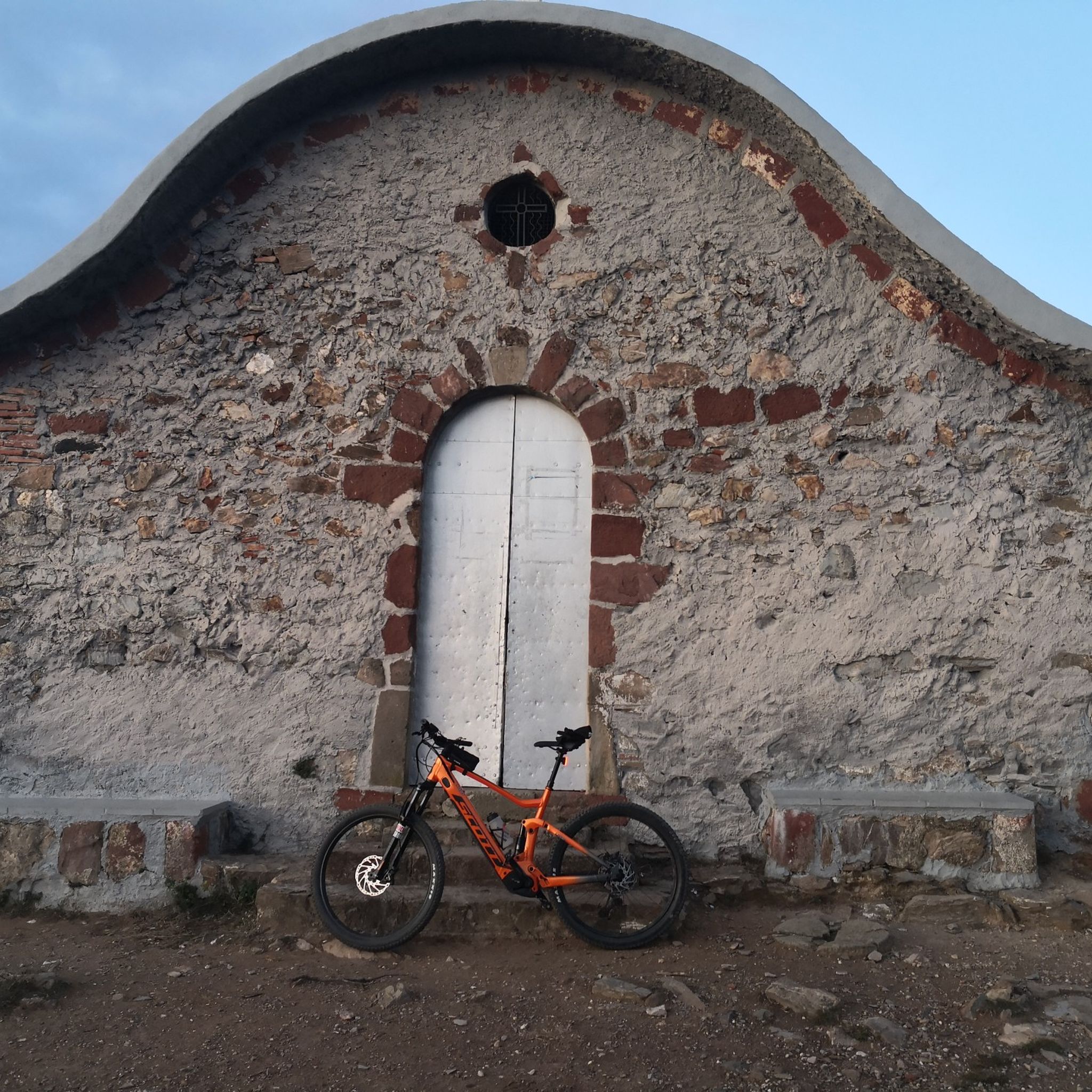
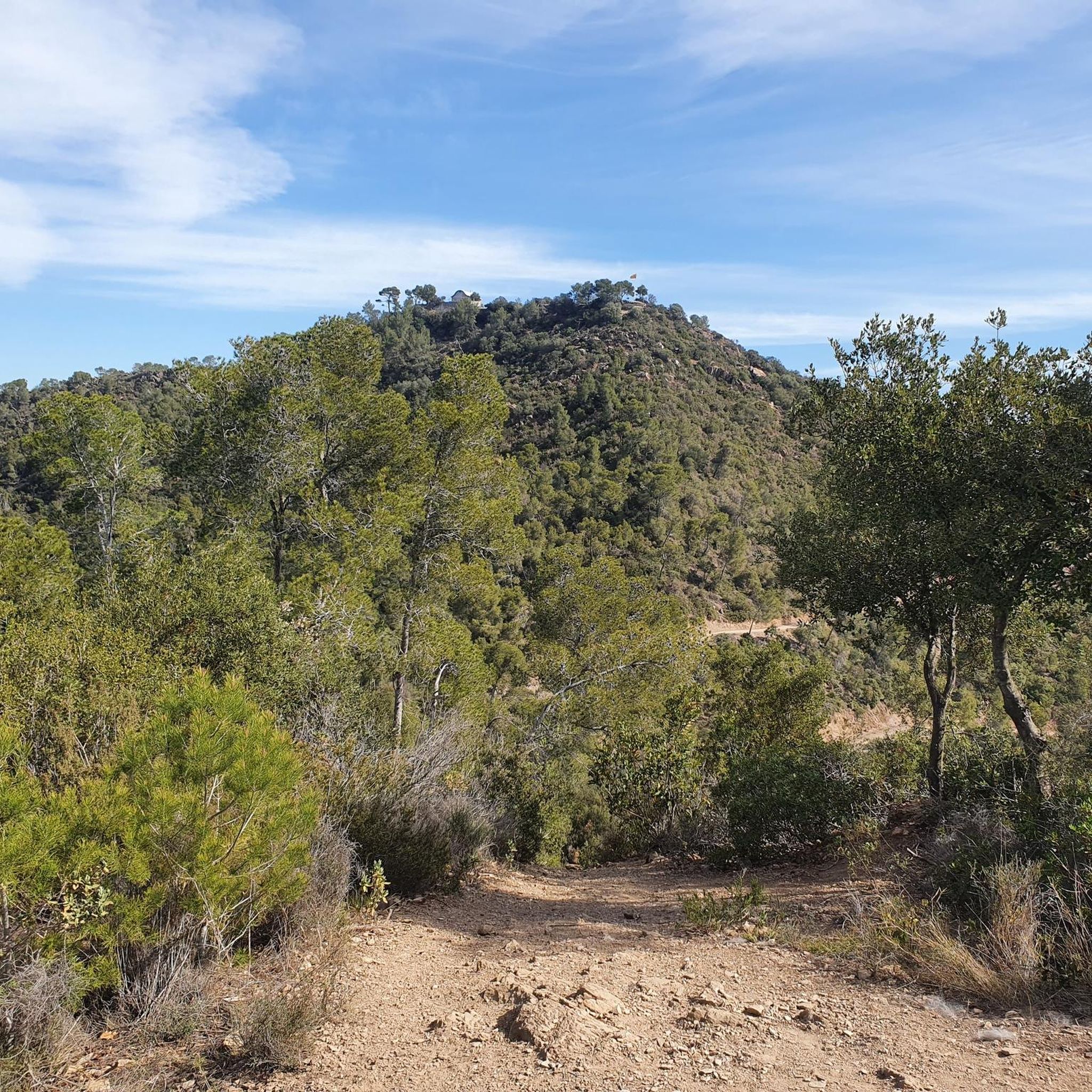
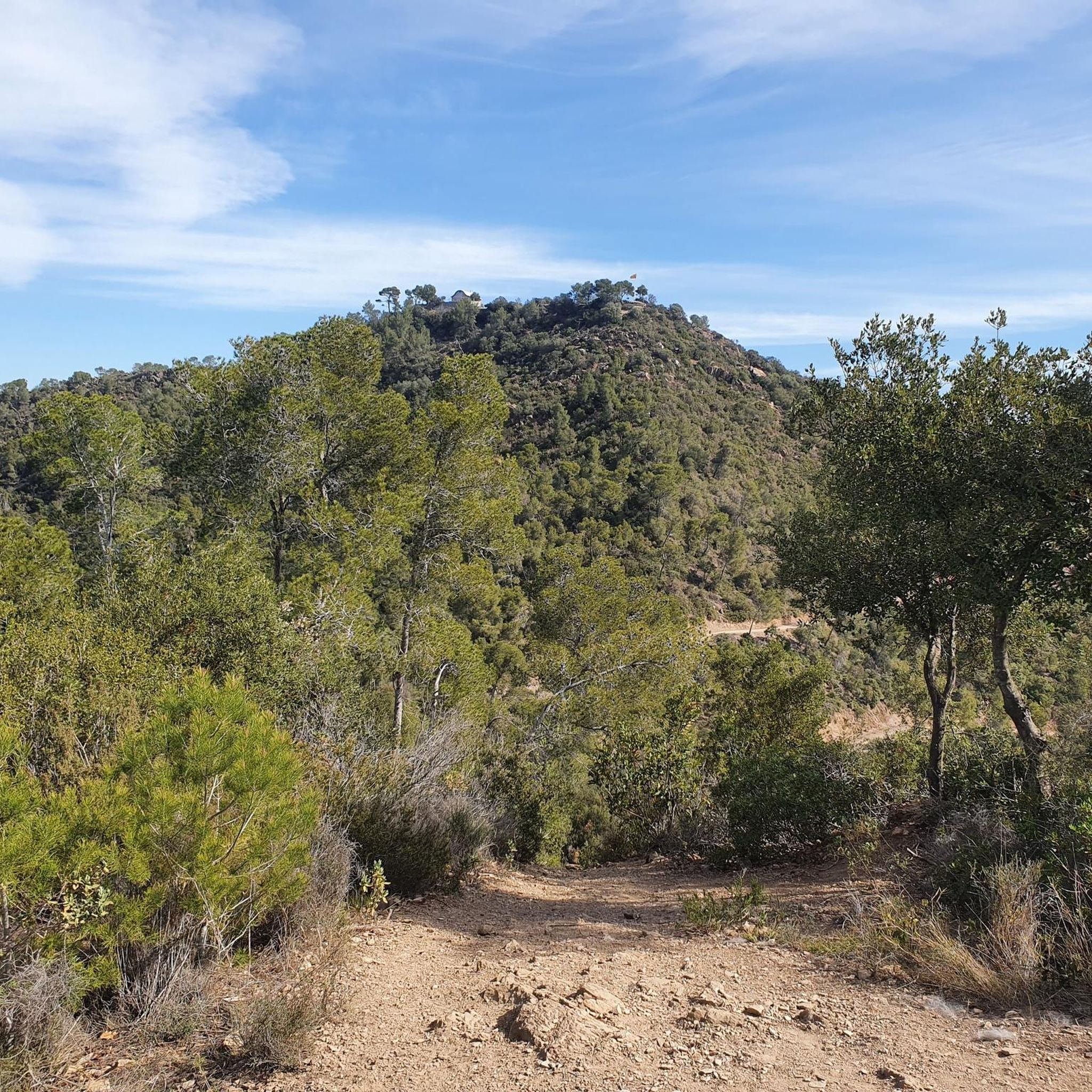
Tips from the Community

It's in very bad condition. If you go in, be very careful.
0
0

More than 1,000 years of history Although recent archaeological studies testify to the occupation of the Eramprunyà cliff since prehistoric and Iberian times, the history of the castle begins in the 9th century. In 801 the Franks took the city of Barcelona from the Saracens, who had to retreat to the right bank of the Llobregat. The defense of Barcelona required the protection of the flat area, but also the entire lower part of the Llobregat valley, from Martorell to the sea, as it is a natural area of access to Barcelona. It was also necessary to control the entire coastline and the paths of the Garraf. Some of the castles that were built at this time were those of Cervelló, Castellví de Rosanes, Sant Boi, Corbera, Castelldefels and Eramprunyà. For visits Second Sunday of the month, at 10 am Meeting point at the Hermitage of Bruguers. Source and for + info https://www.patrimonigava.cat/espais-patrimonials/castell-deramprunya
0
0

This castle is located near Sant Miquel d'Eramprunyà and is located on an elevated part, between the slopes of the Garraf with magnificent views over the Llobregat delta.
0
0

On a small hill, above the town of Molins de Rei, are the ruins of the castle that was built in the 14th century on the remains of an old circular defensive tower, called Guadall or Guadallo, of Visigothic origin (8th century) , that is to say, pre-Romanesque. This is confirmed by the remains of a wall lock that used an opus spicatum facing characteristic of that period. On the west facade stands a three-tiered tower where the door and two openings are preserved, one of which is currently reconstructed. There are also remains of the trapezoidal plant, a small tower attached to the rock, the walls of the Guadall tower and the remains of a large cistern, partially drilled into the rock and protected by a barrel vault (10th and 12th centuries ).
2
0

A large forest area (17 hectares) that connects Barcelona with the Collserola mountain range. There are rest areas, areas for children's play, the largest with table tennis tables, and picnic areas that enjoy the shade of a large carob tree where you can see panoramic views of Barcelona, from Sant Adrià de Besòs to Prat de Llobregat. Next to the park are the Can Caralleu public swimming pools, ideal for rounding off a summer day.
2
0

A century later the castle would pass under the direct domain of King Jaime II. In 1320, the sovereign granted Simón des Llor (de Lauro) permission to build a new castle on the site, and in 1332 Molins de Rey and the site of Ciuró were sold for 10,000 salaries. In 1632, "Molins de Rey" and "Santa Creu d'Olorda" are recorded as places owned by Countess Benavent, although by then the castle must have been in a very poor state of preservation. The current owner is Mr. Lluís Vila, a resident of Molins de Rey.
5
0
The castle was built on the site of the Guadallo tower (mentioned in 998), at a height of 155 meters and in a fairly strategic location. It is located on the westernmost hill of the branch that leaves the hill of Can Ribes joined, and a very short distance, with the Puig de Olorda. This situation gives it a good perspective of the course of the Llobregat river and the town of Molins de Rey. It was granted to the Hospitallers in the 12th century, according to a document from 1162 in what is known as “Cidró”. In 1202 it was owned by the Order of the Temple.
4
0
Castellciuró is a castle located in the municipality of Molins de Rey, in Bajo Llobregat, in the Collserola mountain range, very close to the hermitage of Santa Cruz de Olorde and Puig de Olorda. It is currently in ruins, although these have been restored, and it also serves as a viewpoint. Documented in 1066, the oldest part of the remains of this castle is a wall in opus spicatum (work of inclined stones, alternating the direction of the inclination in each course) very well built, which could be of Visigothic origin (8th century). or pre-Romanesque (10th century) and were destroyed around the year 985 by the Saracen hordes of Almanzor. Of its scarce remains, a couple of walls and a cistern embedded in the rock stand out.
5
0
Frequently Asked Questions
What historical castles can I explore in Santa Coloma De Cervelló?
Santa Coloma De Cervelló and its surroundings are rich in medieval history. You can explore the ruins of Castillo Torre Salvana, a 10th-century castle offering expansive views and located near Colònia Güell. Another significant site is Castell Nou de Cervelló (also known as Castillo de Montpedrós), a 9th-century defensive structure with panoramic vistas over the Llobregat Delta and surrounding mountains. Further afield, you can visit Castellciuró Ruins, documented since 1066, or the 1000-year-old Eramprunyà Castle, which offers magnificent views over the Llobregat delta.
Are there any family-friendly castle experiences near Santa Coloma De Cervelló?
Yes, for a family-friendly outing that includes castle elements, consider visiting Castell de l'Oreneta Park. This large forest area connects Barcelona with the Collserola mountain range and features the remains of a castle, La Oreneta, which gives the park its name. It offers rest areas, children's play zones, and picnic spots with panoramic views of Barcelona, making it suitable for families.
What kind of views can I expect from the castles in this region?
The castles in and around Santa Coloma De Cervelló are often strategically located on elevated points, offering spectacular views. From Castillo Torre Salvana, you can see the historic Colònia Güell and Antoni Gaudí's church. Castell Nou de Cervelló provides extensive views of the Collserola mountain range, the Garraf and Ordal massifs, the Llobregat Delta, and the ancient path to Barcelona. Castellciuró offers great views over the Baix Llobregat and even Montserrat, while Eramprunyà Castle boasts magnificent views over the Llobregat delta.
Can I combine a castle visit with other outdoor activities?
Absolutely! The region around Santa Coloma De Cervelló is excellent for combining historical exploration with outdoor activities. Many castles are accessible via hiking trails. Additionally, you can find numerous cycling opportunities, including road cycling, touring bicycle routes, and gravel biking trails. For detailed routes and guides, you can explore options like Road Cycling Routes around Santa Coloma De Cervelló, Cycling around Santa Coloma De Cervelló, and Gravel biking around Santa Coloma De Cervelló.
What is the best time of year to visit the castles and go hiking?
While specific recommendations for Santa Coloma De Cervelló are not available, generally, the best time to visit castles and enjoy hiking in Catalonia is during the spring (April to June) and autumn (September to November). During these seasons, the weather is typically mild and pleasant, avoiding the intense heat of summer and the cooler, potentially wetter days of winter. This makes for comfortable exploration of ruins and scenic walks.
Is Castillo Torre Salvana accessible, and are there any entry fees?
Castillo Torre Salvana is an abandoned ruin that is generally open for exploration, allowing visitors to wander through its dilapidated walls. There are no official entry fees. However, it's important to note that the castle is in a very poor condition, and visitors should exercise extreme caution when exploring. For more context on its state, you can refer to its listing on Atlas Obscura.
Are dogs allowed on trails leading to the castles?
Information regarding specific dog policies for individual castle ruins like Castillo Torre Salvana or Castell Nou de Cervelló is not readily available. However, many outdoor trails in the region are generally dog-friendly, especially if dogs are kept on a leash. It's always advisable to check local signage or official park websites for the most current regulations before bringing your dog.
How long does it take to walk to the castles from Santa Coloma De Cervelló?
The walking time to the castles depends on your starting point and the specific castle. For instance, Castillo Torre Salvana is located adjacent to Colònia Güell, making it easily accessible if you are already visiting that area. Castell Nou de Cervelló is situated on Montpedrós hill, requiring a climb that offers a natural itinerary. Distances and terrain vary, so it's best to consult a local map or a hiking app like komoot for estimated times from your chosen starting location.
Are there any guided tours or specific visiting hours for Eramprunyà Castle?
Yes, Eramprunyà Castle offers specific visiting opportunities. According to available information, visits are scheduled for the second Sunday of each month at 10 am, with the meeting point at the Hermitage of Bruguers. It's recommended to check the official website of Patrimoni Gavà for the most up-to-date information and any potential booking requirements.
What is the historical significance of the castles in Santa Coloma De Cervelló?
The castles in Santa Coloma De Cervelló are deeply rooted in the region's medieval past. Castillo Torre Salvana, dating back to the 10th century, was partially destroyed during the Catalan Civil War in 1224 and is recognized as a Cultural Asset of National Interest. Castell Nou de Cervelló, originating in the 9th century, was part of a crucial defensive network along the Llobregat river against Muslim forces and played a significant role in regional conflicts, including the Catalan Civil War and the War of the Reapers.
Are there any cafes or restaurants near the castles for refreshments?
While the castle ruins themselves are often in natural or historical settings without direct amenities, areas nearby offer options. For instance, Castillo Torre Salvana is adjacent to Colònia Güell, which has cafes and restaurants. For other castles, you would typically find dining options in the nearest towns or villages, such as Santa Coloma De Cervelló itself or Molins de Rei, which is close to Castellciuró.
What should I wear for a visit to the castle ruins and surrounding trails?
Given that many castles are ruins and often involve walking on uneven terrain or trails, it's advisable to wear comfortable, sturdy walking shoes or hiking boots. Layered clothing is also recommended, as weather conditions can change, especially on elevated viewpoints. Sun protection (hat, sunscreen) and water are essential, particularly during warmer months.
Most popular routes around Santa Coloma De Cervelló
Most popular attractions around Santa Coloma De Cervelló

Get inspired with the komoot mobile app


Explore more
Looking for the best castles somewhere else? Discover other guides around Santa Coloma De Cervelló:
