Top 4 Caves around Cazorla
Caves around Cazorla are found within the Sierras de Cazorla, Segura y Las Villas Natural Park, a protected area in Spain. This region is characterized by magnificent karstic formations of dolomitic limestone, shaped by water. Over 200 cataloged caves make speleology a notable activity. The landscape features rivers like the Tíscar and Cerezuelo, alongside diverse woodlands.
Best caves around Cazorla
- The most popular caves is Malena Waterfall, a waterfall and nearby cave that is part of a family-friendly circular…
Last updated: June 20, 2026
Malena Waterfall
Highlight • Waterfall
Translated by Google •
Tip by

Cerrada de la Alcantarilla Tunnel
Highlight • Structure
Translated by Google •
Tip by

Sign up now to discover places like this
Get recommendations on the best single tracks, peaks, & plenty of other exciting outdoor places.
Sign up for free
Shelter without door or windows
Highlight • Mountain Hut
Translated by Google •
Tip by

Caves for livestock
Highlight • Cave
Translated by Google •
Tip by
Cuevas Bermejas Arch
Highlight • Natural Monument
Translated by Google •
Tip by

Start today with a free account
Your next adventure awaits.
Login or Signup
Popular around Cazorla
European Divide Trail — 7,600 km across the continent
Bikepacking the mountains and deserts of Andalucía
Jaén, inland paradise – three Tours from Cazorla

Bikepacking in Andalusia – Europe's gravel paradise
European Divide Trail across the Iberian Peninsula – central
Transhumance in the Sierra de Segura – hiking the GR 144
Wild and free Andalusia – Transandalus through the interior
A wild experience – Sierra de Cazorla, Segura y Las Villas (GR 247)
A circular high altitude trail – Bosques del Sur (GR 247)
Las Cumbres Reinas de España — Spanish mountain trail races
Other adventures around Cazorla


Tips from the Community

In this hollowed wall there have been cavities since time immemorial used by humans for their daily tasks, such as livestock farming.
12
0


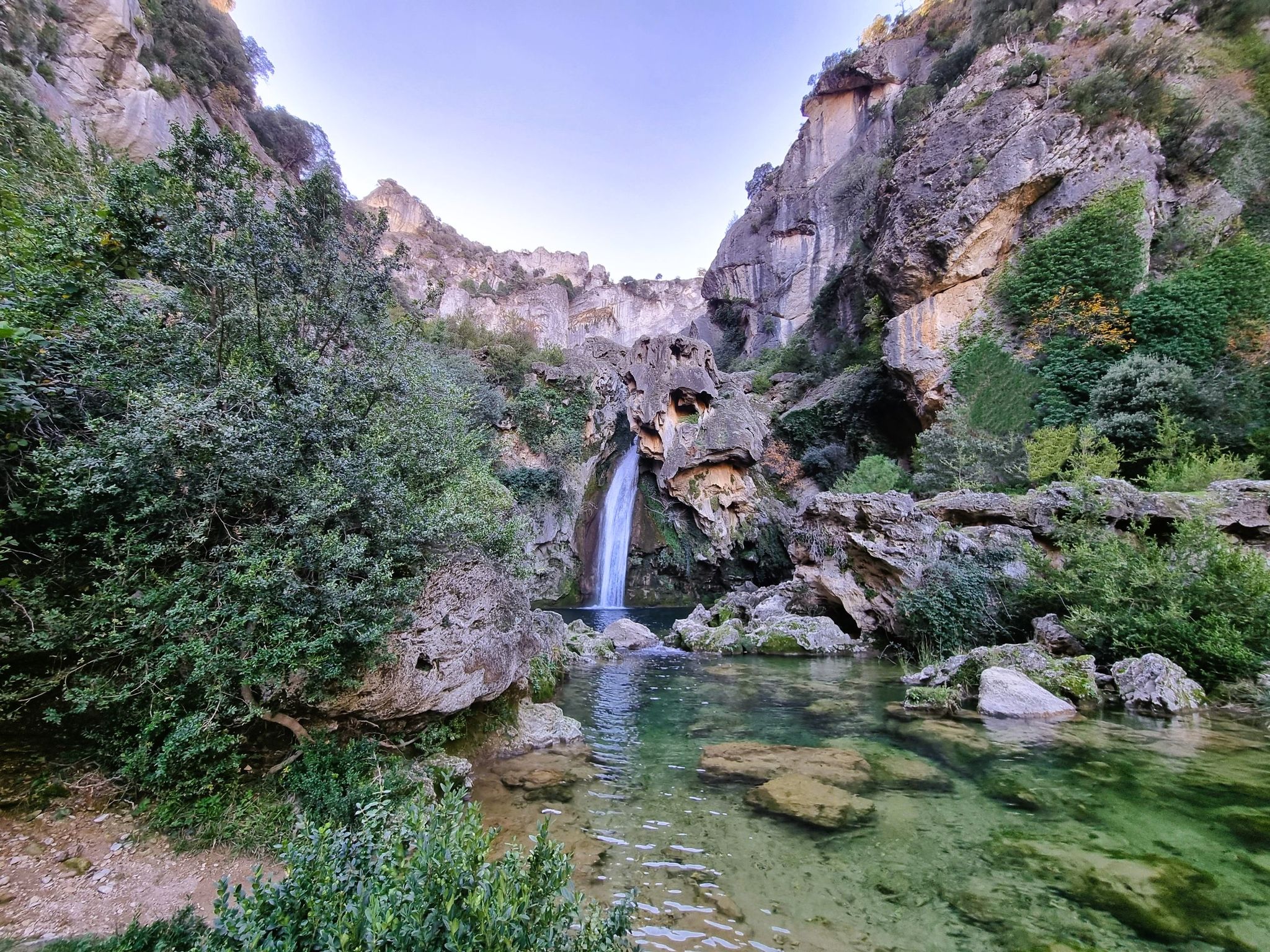
The route to the Malena Waterfall begins in Cazorla and is ideal for the whole family. It is a circular route that follows the Cerezuelo River. Along the way, you will enter a narrow gorge, crossing wooden bridges and enjoying the rich riverside vegetation. The first section of the trail will take you to the Malena waterfall itself. Near the waterfall is the Cueva de la Malena, which, according to the elders, was a refuge for bandits during the time of the reconquest. The cave is also shrouded in legends, such as that of the Tragantía, whose song warned: “I am the tragantía, daughter of the Moorish king; "Whoever hears me sing will not see the light of day." Since then, the cave has remained virtually inaccessible due to undergrowth that makes access difficult.
6
0
It is a tunnel built to channel water from the reservoir both for irrigation and for human consumption. It appears that it has not been used for many years and its construction is very deteriorated.
17
0

Here you will find the Cuevas Bermejas. There is a beautiful double arch that is at least worth stopping for a photo.
0
0

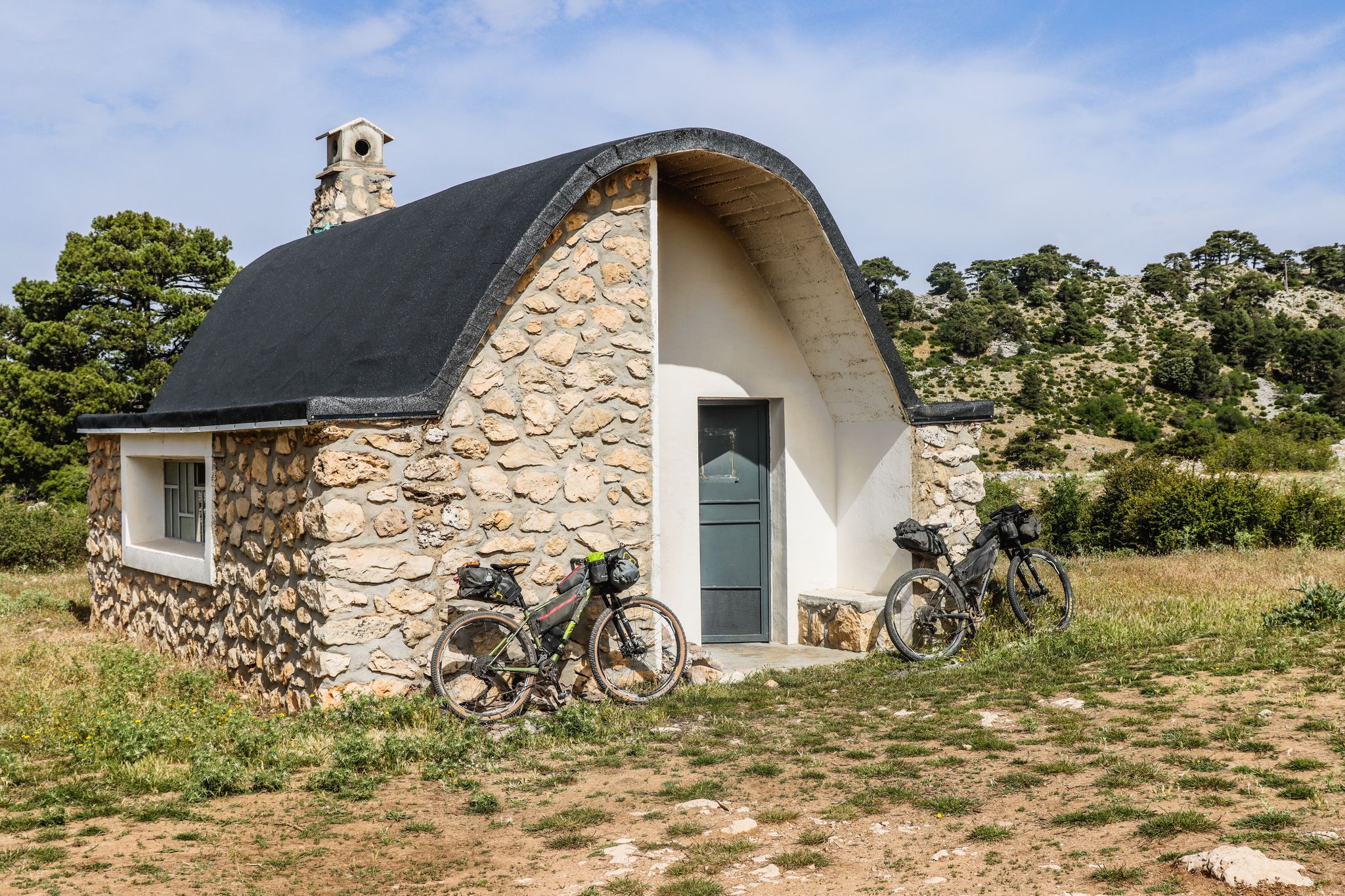
The free refuge The little house of the Robustiano goblin is a small cave-like refuge in a regular state, it will make you recover your strength in a better way for the next stage. It is in pretty bad shape. At the time of my journey, I had neither windows nor doors.
1
0

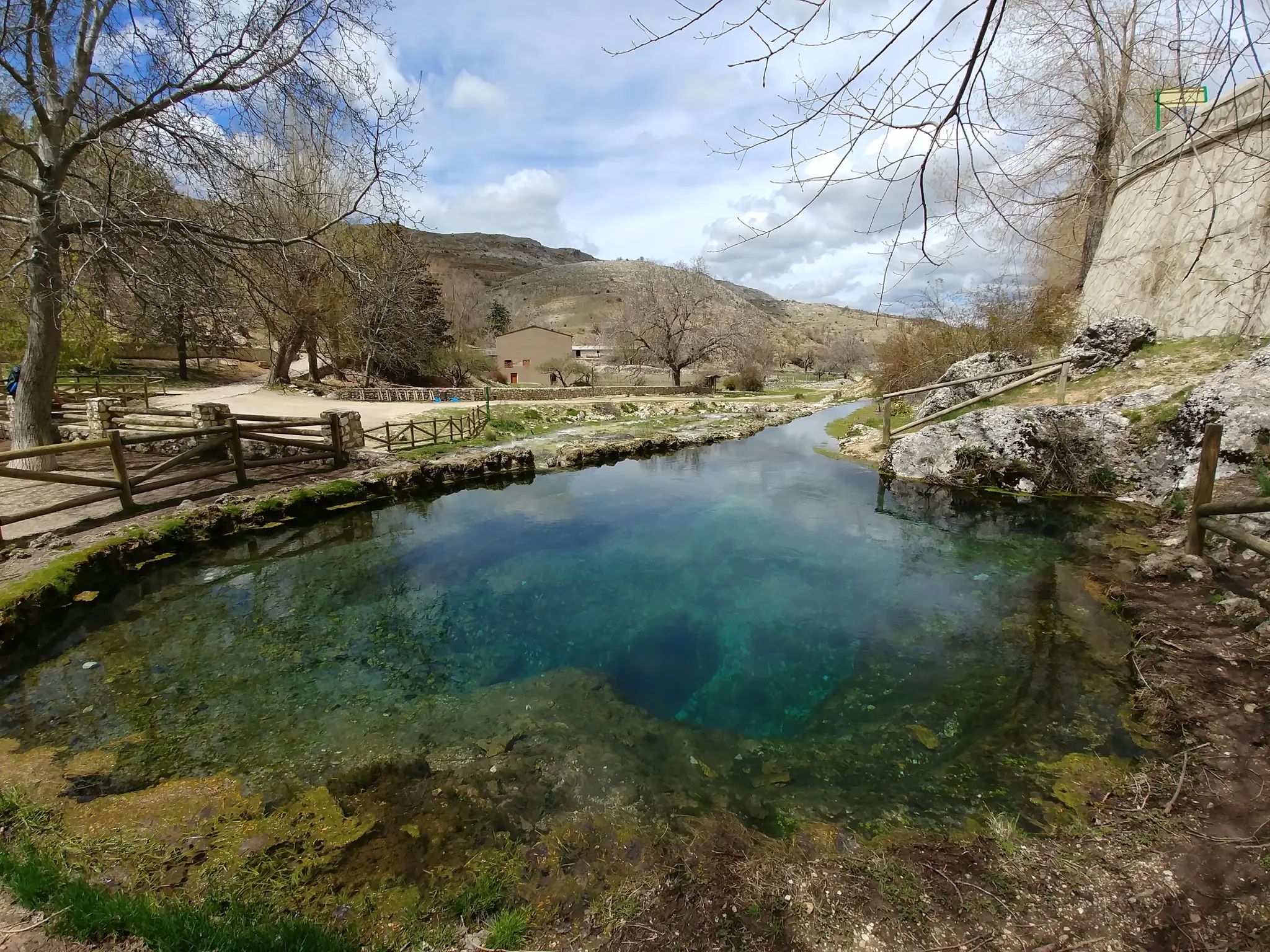
This beautiful waterfall is at the source of the Cerezuelo River, also called the Cazorla River. At its feet a pool has formed that when it accumulates allows you to bathe.
2
0
If it rains it gets wet inside
0
0
Frequently Asked Questions
What are some historically significant caves in the Cazorla region?
The region is rich in historical caves. The Cueva de la Malena, near Malena Waterfall, served as a refuge for bandits during the Reconquista and is steeped in local legends. Additionally, the Caves for livestock demonstrate how humans have historically used natural cavities for daily tasks like farming.
Are there any caves with prehistoric art in the area?
Yes, the Abrigo del Cerro de Vitar in the Sierra de Quesada is significant for its prehistoric cave paintings, offering insights into ancient human activity and rupestre art in the region.
Which caves showcase unique geological formations or water features?
The Cueva del Agua, located near Tíscar, is known for its impressive hydrological features, including waterfalls within and near the cave, as it's close to the source of the Tíscar river. The Los Anguijones Caves, on the right bank of the Segura river, are also notable for their unique and imposing geological formations.
Are there family-friendly options for exploring caves around Cazorla?
Yes, the Malena Waterfall and its nearby cave are part of a family-friendly circular route along the Cerezuelo River, starting in Cazorla. It's an ideal option for families to enjoy the natural beauty and local legends.
What kind of man-made structures related to caves can be found?
The Cerrada de la Alcantarilla Tunnel is a challenging man-made structure originally built to channel water from a reservoir. Although now deteriorated, it offers a glimpse into historical water management in the region.
What outdoor activities can I combine with visiting caves in Cazorla?
The Sierras de Cazorla, Segura y Las Villas Natural Park offers numerous outdoor activities. You can find excellent cycling routes, including touring bicycle and road cycling options, as well as various running trails. For example, the Río Cerezuelo Circular Trail is a popular running route. You can explore more options on the Cycling around Cazorla, Road Cycling Routes around Cazorla, and Running Trails around Cazorla guide pages.
Are there any caves known for their natural setting and tranquility?
The Cueva del Peinero, near Villacarrillo in the Sierra de las Villas, is situated in a beautiful, remote valley surrounded by ash, maple, and gall oak woodlands. It's an ideal spot for those seeking serene landscapes and combining caving with activities like picnicking or hiking.
What is the geological characteristic of the caves in Cazorla?
The caves in the Sierras de Cazorla, Segura y Las Villas Natural Park are primarily characterized by magnificent karstic formations of dolomitic limestone. These formations have been shaped over time by the dissolving action of water, creating the unique cave systems found here.
What should I know about accessing the Cueva de la Malena?
While historically significant and part of a popular route, access to the Cueva de la Malena itself can be challenging due to undergrowth that makes entry difficult. The route to the nearby Malena Waterfall is more accessible.
Are there any caves that are also viewpoints or natural monuments?
Yes, the Cuevas Bermejas Arch is a natural monument that also serves as a beautiful viewpoint. It features a striking double arch that is worth stopping to admire and photograph.
What is the best time to visit the caves in Cazorla?
The Sierras de Cazorla, Segura y Las Villas Natural Park generally offers pleasant conditions for outdoor activities, including cave exploration, during spring and autumn when temperatures are milder. Summer can be hot, while winter might bring colder temperatures and potential for rain, which could affect accessibility to some caves.
What are the general difficulty levels for exploring caves in the region?
The difficulty varies. Some caves, like the Cueva de la Malena (near the waterfall), are part of family-friendly routes. Others, such as navigating the 10-meter-long, 1-meter-high tunnel to access the Cueva del Agua, or the deteriorated Cerrada de la Alcantarilla Tunnel, can be more challenging and may require careful navigation.
Most popular routes around Cazorla
Most popular attractions around Cazorla

Get inspired with the komoot mobile app


Explore more
Extend your search for the best caves by checking out these guides of the top ones around Cazorla:
