Top 4 Caves around Polop
Best caves around Polop are found within the Costa Blanca region, offering diverse geological formations and natural wonders. This area is characterized by its mountainous terrain and proximity to the Mediterranean Sea, contributing to a variety of cave types. The landscape provides opportunities for exploring both inland and coastal subterranean features. The region is known for its natural landmarks and scenic viewpoints.
Best caves around Polop
- The most popular caves is Forat de Bèrnia, a natural monument that features…
Last updated: June 20, 2026
Forat de Bèrnia
Highlight • Cave
Translated by Google •
Tip by

Ascent to the Forat de Bèrnia via the North Side
Highlight • Cave
Translated by Google •
Tip by

Sign up now to discover places like this
Get recommendations on the best single tracks, peaks, & plenty of other exciting outdoor places.
Sign up for free
Cremat Cave
Highlight • Cave
Translated by Google •
Tip by

Cova de la Ballena
Highlight • Cave
Translated by Google •
Tip by
Start today with a free account
Your next adventure awaits.
Login or Signup


Tips from the Community

The path is closed, officially impassable and should actually not be here at all for nature conservation reasons!
0
0

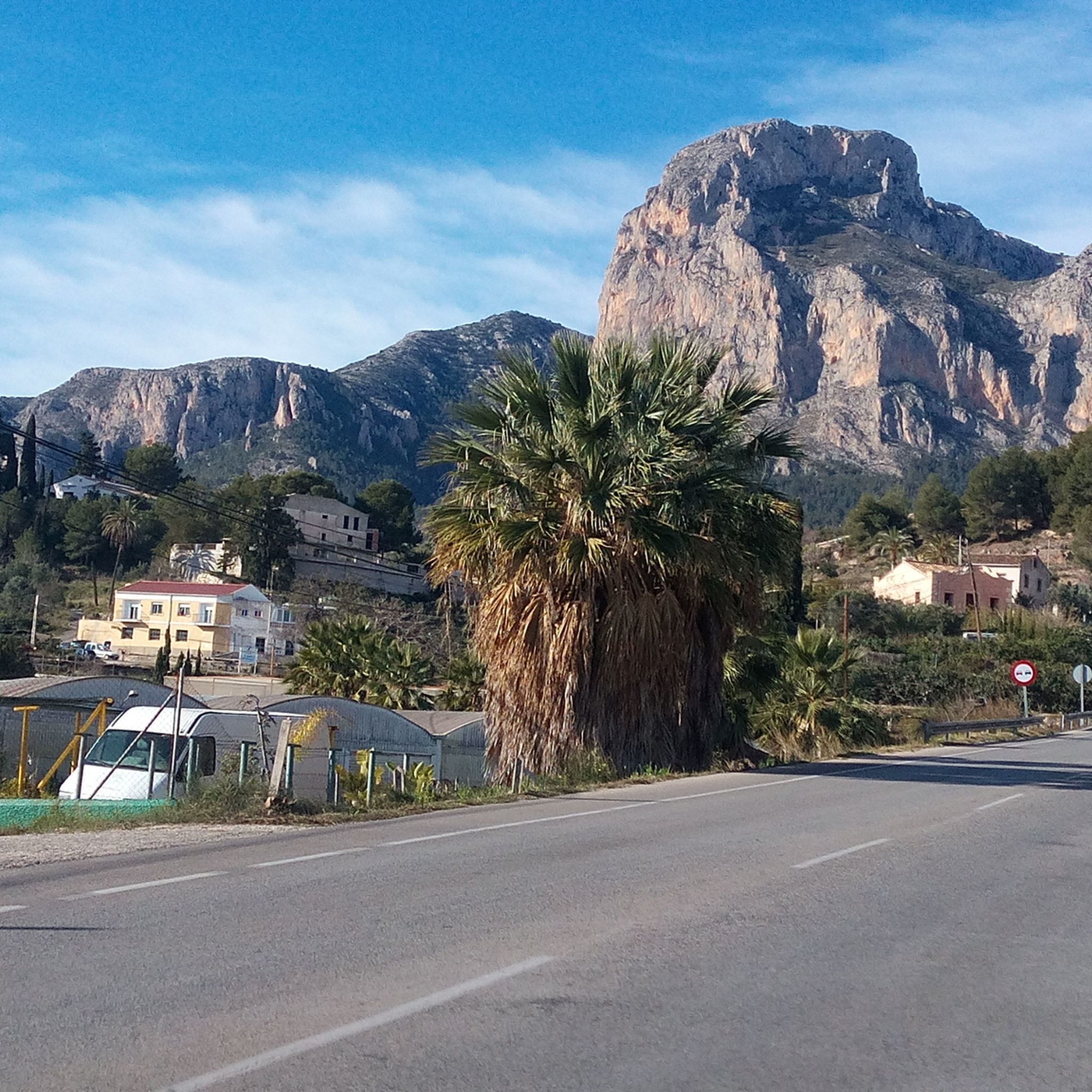
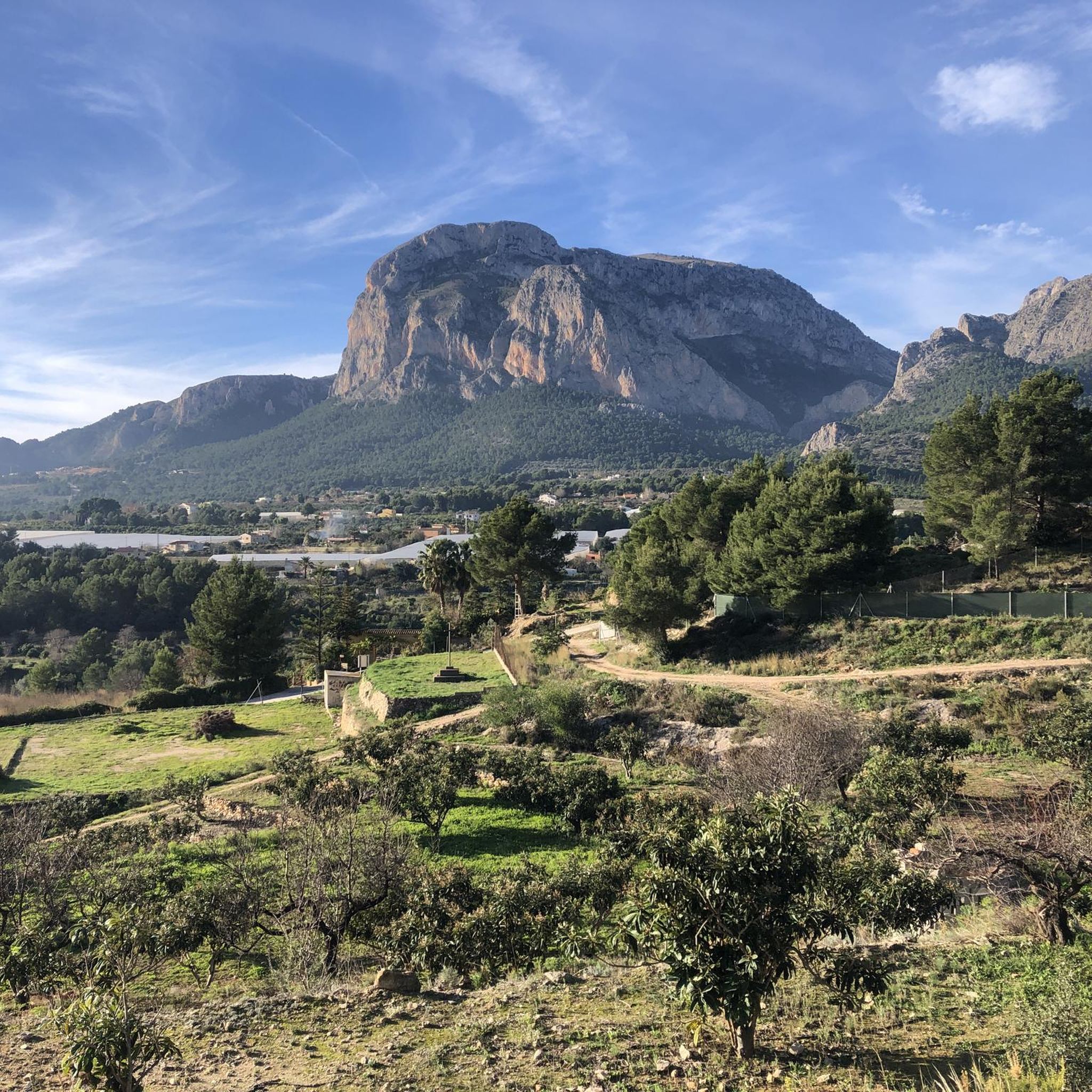
The Forat de Bèrnia is an impressive place in the Sierra de Bèrnia, located in the Valencian Community, Spain. This natural tunnel, about 15 to 20 meters long, crosses the mountain range from north to south. At its widest entrance, it offers panoramic views of Altea, the Serra Gelada and the Mediterranean. The Forat de Bèrnia is presented as a spacious natural shelter that becomes a magnificent viewpoint of the Costa Blanca. The route begins on the north side of the mountain range, which is greener and wetter. As you cross the Forat, you move to the south face, with spectacular views of Altea, Benidorm and Puig Campana. In addition to the Forat, you can also explore the remains of the Bèrnia Fort and enjoy the varied landscapes that the mountains offer. If you decide to do this route, I recommend avoiding weekends and holidays to avoid the crowds and preserve the natural environment. I hope you enjoy this natural wonder! 😊🏞️
3
0
The Forat de Bèrnia is an impressive place in the Sierra de Bèrnia, located in the Valencian Community, Spain. This natural tunnel, about 15 to 20 meters long, crosses the mountain range from north to south. At its widest entrance, it offers panoramic views of Altea, the Serra Gelada and the Mediterranean. The Forat de Bèrnia is presented as a spacious natural shelter that becomes a magnificent viewpoint of the Costa Blanca. If you decide to do this route, I recommend avoiding weekends and holidays to avoid the crowds and preserve the natural environment. I hope you enjoy this natural wonder! 😊🏞️
4
0

The entrance to the cave is well hidden. If you stand in front of the signpost, go about 3m to the right and then left into the bushes.
0
0

The path is closed at the bottom and it is forbidden to leave the paths in the national park. Definitely a nice place, but not legally accessible at the moment
1
0

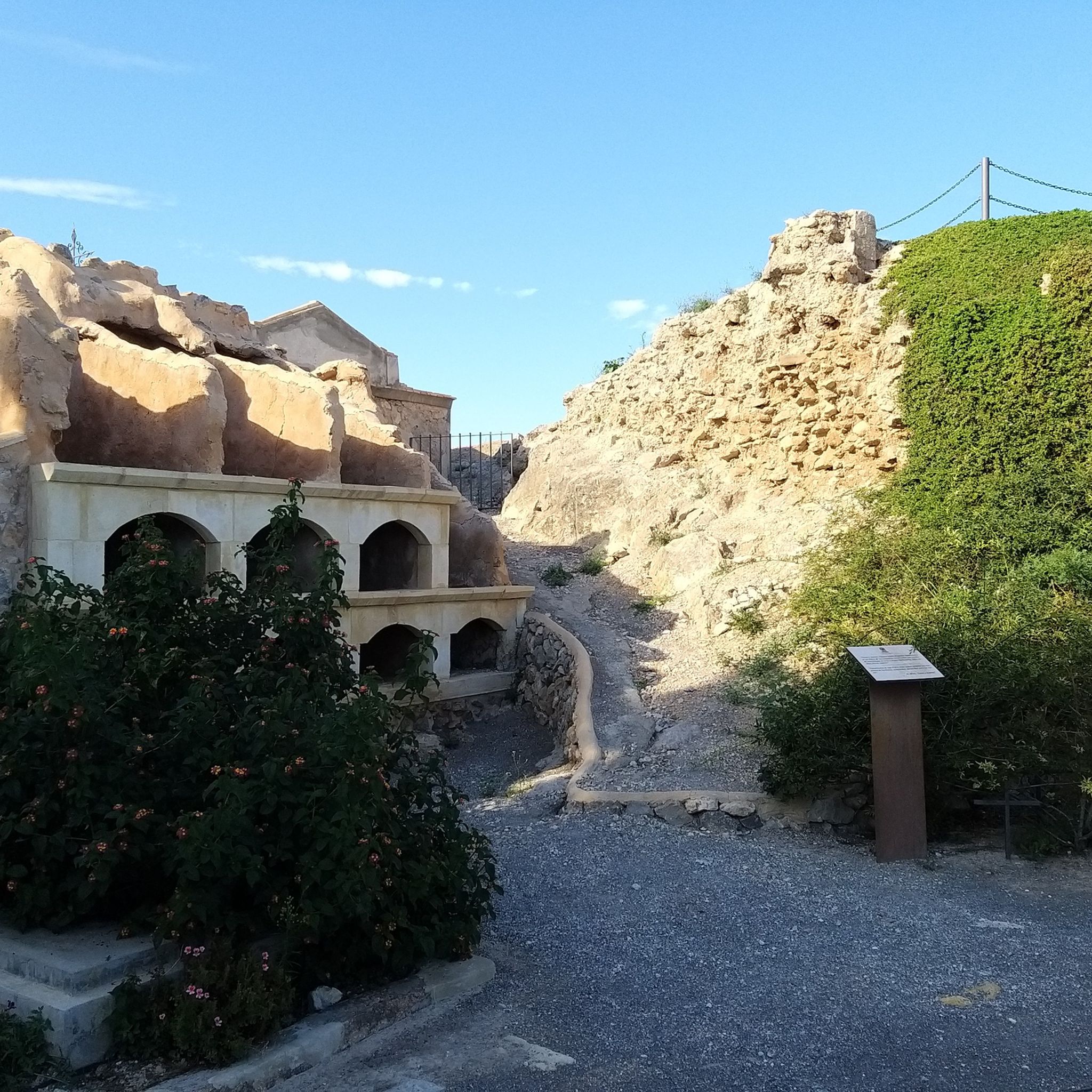
The path reaches a fork where there is a marked cave, Cova del Cremat. You will see several paths that are not marked but if you follow them they will fade into the vegetation. The path that the route follows is the one that begins a descent with a steep slope.
1
0
From the route to the Faro del Albir, there is an essential stop: the Cova de la Ballena. This cave, reminiscent of the mouth of this mammal, is formed by the erosion of the sea over the years, humidity, salt and sand, leaving cavities of different sizes. Without a doubt, a unique natural spectacle.
12
0

Deep cave starts here. The alcove at the entrance can provide a welcome rest from the elements.
1
0
Frequently Asked Questions
What are some notable caves to visit near Polop?
Beyond the local mountain passages, the Costa Blanca region offers several impressive caves. You can explore the historical Forat de Bèrnia, a natural tunnel with panoramic views, or venture to the Cueva de las Calaveras in Benidoleig, known for its ancient formations and historical finds. Another must-see is the Coves del Canelobre in Busot, famous for its cathedral-like chambers and stunning acoustics.
Are there any family-friendly caves near Polop?
Yes, several caves in the region are suitable for families. The Cueva de las Calaveras in Benidoleig offers a 300-meter walking path, a children's play area, and a restaurant. The Cueva del Rull in Vall d'Ebo provides an easy 45-minute circular tour through beautifully preserved formations, with picnic areas outside. The Coves del Canelobre also has accessible paths, making it a good option for most visitors.
What kind of natural features can I expect to see in the caves around Polop?
The caves in this region showcase diverse natural wonders. You'll find impressive limestone formations like stalactites, stalagmites, columns, and ribbon-like banderols. Caves like the Coves del Canelobre feature towering vaults and unique jellyfish-like rock formations. The Forat de Bèrnia is a natural tunnel offering spectacular views of the Mediterranean, while marine caves like Cova Tallada and Cueva de los Arcos display formations carved by sea erosion.
Are there caves with historical significance in the area?
Absolutely. The Cueva de las Calaveras (Skull Caves) in Benidoleig were discovered in 1768 and are named after human skulls found inside, with evidence of prehistoric animals. They were also used during WWII. Cova Tallada, meaning 'the carved cave,' is a marine cave historically used to extract stone since the Muslim Era, adding a layer of archaeological interest to its natural beauty.
What is the best way to access marine caves like Cova Tallada or Llop Marí Cave?
Marine caves such as Cova Tallada in Dénia – Jávea and Llop Marí Cave near Cala Granadella are best accessed by sea. Kayaking or paddleboarding are popular methods to reach and explore these unique coastal grottoes, offering a different perspective than inland caves.
What are the accessibility considerations for caves near Polop?
Many of the developed show caves, like Cueva de las Calaveras and Coves del Canelobre, have established walking paths, making them generally accessible for most visitors. However, natural tunnels like the Forat de Bèrnia require navigating a low, inclined section for about 80 meters. The Cremat Cave is described as challenging with a well-hidden entrance and steep descent. Always check specific cave details for physical requirements.
Can I visit the Coves del Canelobre or Cueva de las Calaveras using public transport from Polop?
While Polop itself is a smaller town, you can typically reach larger towns like Busot (for Coves del Canelobre) or Benidoleig (for Cueva de las Calaveras) by local bus services, often requiring connections. It's advisable to check current bus schedules and routes from Polop to these destinations, as direct routes might be limited. Driving is generally the most convenient option for reaching these caves.
Are there any hiking trails that incorporate caves around Polop?
Yes, the area around Polop is known for its hiking opportunities that include cave features. The route to the Forat de Bèrnia is a popular trail that takes you through a natural tunnel. The Ascent to the Forat de Bèrnia via the North Side also offers a scenic hike through the tunnel. For more challenging options, the path to Cremat Cave involves a steep descent into a deep cave.
What outdoor activities can I combine with a visit to the caves near Polop?
The region around Polop offers a variety of outdoor activities. You can find numerous road cycling routes, gravel biking trails, and MTB trails. For example, you can explore routes like the 'Ascent to the port of Tudons and Confrides' for road cycling, or the 'Amadòrio reservoir and views of Puig Campana' for gravel biking. There are also MTB trails such as 'Polop - Plaza de Xorros – Polop Viewpoint loop'. You can find more details on these activities in the Road Cycling Routes around Polop, Gravel biking around Polop, and MTB Trails around Polop guides.
What do visitors enjoy most about the caves around Polop?
Visitors frequently appreciate the stunning natural beauty and unique geological formations. The panoramic views from places like the Forat de Bèrnia are highly praised. Many enjoy the sense of adventure in exploring natural tunnels and hidden grottoes. The historical context of some caves and the opportunity for family outings also contribute to a positive visitor experience.
Are there any caves near Polop that are suitable for snorkeling or kayaking?
Yes, the coastal areas near Polop offer marine caves perfect for water activities. Cova Tallada in Dénia – Jávea and Llop Marí Cave near Cala Granadella are ideal for kayaking and paddleboarding, allowing you to explore their unique formations from the sea. The Cueva de los Arcos in Benitachell, with its striking arches extending into the sea, is also easily accessible for kayaking and offers great photo opportunities.
What is the best time of year to visit the caves in the Costa Blanca region?
The caves in the Costa Blanca region can generally be visited year-round. However, for inland caves, spring and autumn offer pleasant temperatures for hiking to and from the cave entrances. During summer, the cool temperatures inside the caves provide a welcome escape from the heat. For marine caves, warmer months are ideal for water activities like kayaking and snorkeling.
Most popular routes around Polop
Most popular attractions around Polop

Get inspired with the komoot mobile app


Explore more
Extend your search for the best caves by checking out these guides of the top ones around Polop:
