Top 2 Caves around Periana
Best caves around Periana are found within a region known for its natural beauty and historical sites. The area features diverse geological formations, from deep, technical caves to accessible rock shelters and viewpoints. These natural features are integrated into the landscape, offering insights into the region's geology and historical human interaction with the environment. Periana and its surroundings provide a variety of cave experiences for different levels of exploration.
Best caves around Periana
- The most popular caves is Fájara Cave…
Last updated: October 7, 2026
Fájara Cave
Highlight • Cave
Translated by Google •
Tip by

Morrón de Mal Infierno
Highlight • Natural Monument
Translated by Google •
Tip by

Sign up now to discover places like this
Get recommendations on the best single tracks, peaks, & plenty of other exciting outdoor places.
Cueva Oreí
Highlight • Cave
Translated by Google •
Tip by

Toma y Bebe Cave
Highlight • Cave
Tip by

Cave in the Sierra de Tejeda, Almijara and Alhama Natural Park
Highlight (Segment) • Cave
Translated by Google •
Tip by

Start today with a free account
Your next adventure awaits.
Popular around Periana
Andalusia without limits – Tarifa to La Puebla de Don Fabrique on the GR 7
Between white villages and mountains – GR 242 Tejeda-Almijara
Hike between sea and mountains — Gran Senda de Málaga (GR 249)
MTB Trails around Periana
Hiking around Periana
Road Cycling Routes around Periana
Cycling around Periana
Running Trails around Periana

Gravel biking around Periana
Other adventures around Periana


Tips from the Community

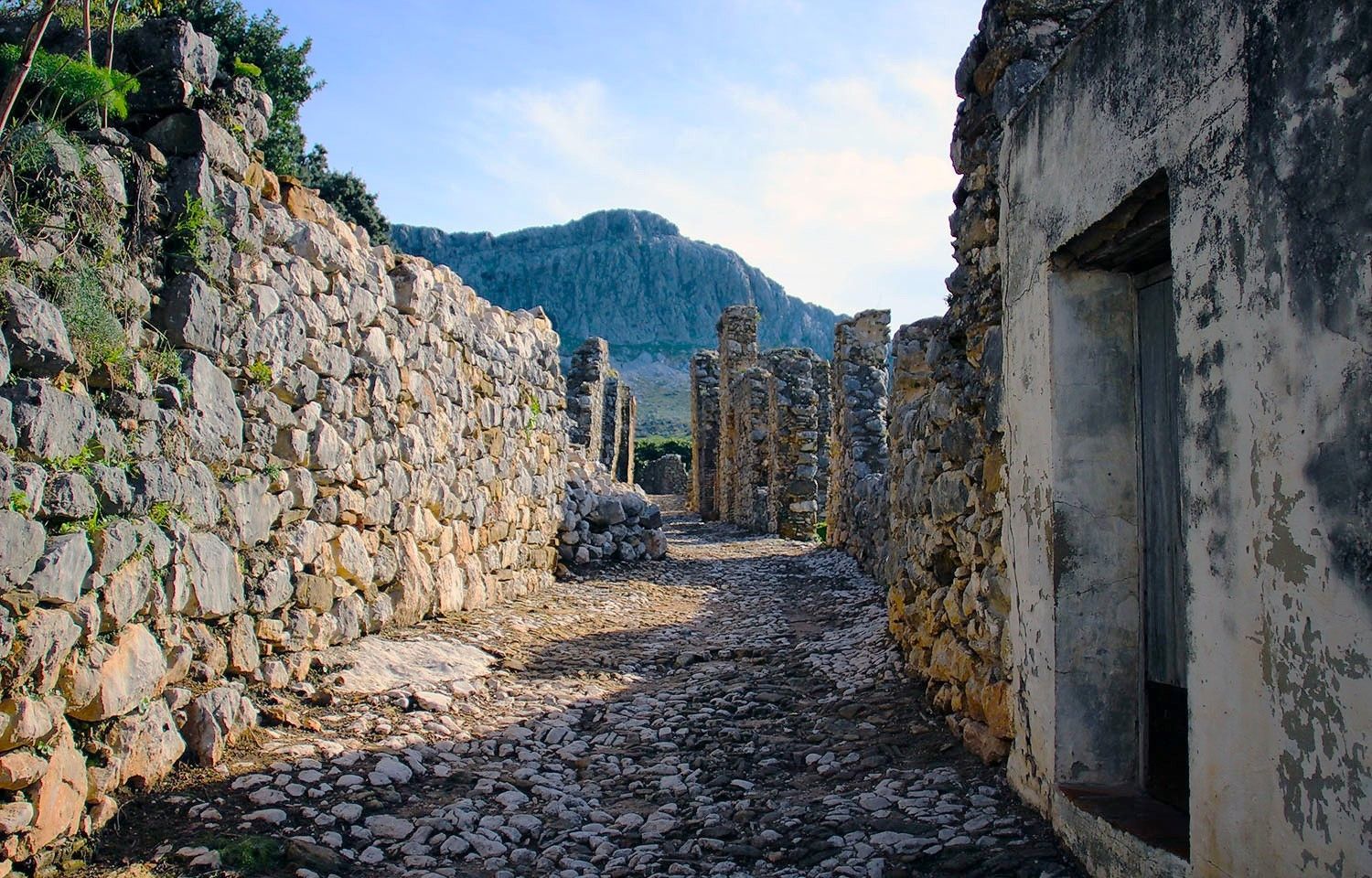
Cueva de Toma y Bebe is a small rock shelter in the Sierra de Camarolos, near the Hondonero area. Despite its name, it is more of a shallow overhang than a true cave. Traditionally, it was used by shepherds and travellers as a temporary refuge, providing shelter from sun, rain and wind. Today, the site is a minor point of interest along several hiking routes. It offers a glimpse into the practical use of natural shelters in the mountains before modern infrastructure reached these remote areas.
0
0

A beautiful but challenging walking route with quite a few elevation meters. Beautiful area, intense tranquility, great views. Recommended!
0
0

Within the Bosque de Las Morillas is this curious rock formation with some caves that make it even more striking to look at.
1
0
Curious rock formation with some caves that make it even more striking to look at.
2
0

To do caving in this cave it is necessary to have the appropriate knowledge and equipment, in addition to requesting special permits.
1
0
This cave is located to the left of the shelter. To enter it is necessary to be equipped.
1
2

When you reach the signpost, you only see the upper part. This looks like a normal cave. As you get closer, you reach a huge hole in the cliff face through which you can look down into the Axarquia. Really spectacular!
1
0
The cave is in the immediate vicinity of the GR249 hiking trail
1
1
Frequently Asked Questions
What types of caves can I explore near Periana?
Near Periana, you'll find a range of natural formations from challenging geological sites to accessible rock shelters. For experienced cavers, the Fájara Cave offers extensive passages and unique crystallizations. For those seeking scenic views and easier access, the Cueva Oreí provides spectacular panoramas of the Axarquía region from a large cliff opening. Additionally, the Toma y Bebe Cave is a small rock shelter with historical significance as a refuge for shepherds.
Are there any family-friendly cave experiences around Periana?
While some caves in the region require specialized equipment and experience, the Toma y Bebe Cave is a small rock shelter that can be a point of interest along several hiking routes, offering a glimpse into the region's natural history without requiring technical caving skills. It's more of a shallow overhang, making it suitable for a less strenuous visit as part of a family hike.
What are the accessibility requirements for caving near Periana?
Accessibility varies greatly depending on the cave. The Fájara Cave is considered challenging and requires specialized knowledge, equipment, and permits due to its technical nature, including narrow passages and active water flow. Other sites like the Cueva Oreí are accessible via walking routes, but still involve hiking to reach the viewpoint.
What natural features can I expect to see in the caves around Periana?
The caves and rock formations near Periana offer diverse natural features. The Fájara Cave is renowned for its 'admirable crystallizations' and is a 'living cave' with active water flow. The Cueva Oreí is notable for being a 'huge hole in the cliff face' that provides spectacular panoramic views. The Morrón de Mal Infierno is a curious rock formation with some caves that add to its striking appearance.
Are there historical or archaeological aspects to the caves in this region?
Yes, some caves in the region hold historical significance. The Fájara Cave shows evidence of Neolithic occupation, indicating its use by early inhabitants. The Toma y Bebe Cave, though a shallow overhang, historically served as a temporary refuge for shepherds and travelers, offering insight into traditional uses of natural shelters.
What is the best time of year to visit caves near Periana?
The best time to visit caves around Periana generally depends on the specific cave and your activity. For caves with active water flow like the Fájara Cave, conditions can be more challenging during heavy rainfall. Generally, spring and autumn offer milder temperatures for hiking to cave entrances and exploring the surrounding natural parks.
Are there hiking routes near the caves around Periana?
Yes, several caves are points of interest along hiking routes. The Fájara Cave is in the immediate vicinity of the GR249 hiking trail. The Toma y Bebe Cave is a minor point of interest along various hiking routes in the Sierra de Camarolos. Additionally, the Cueva Oreí is accessible via walking routes, offering spectacular views.
What outdoor activities can I do near these caves?
Beyond caving and hiking to the cave entrances, the region around Periana offers various outdoor activities. You can find numerous cycling routes, including traffic-free bike rides for both racebikes and touring bicycles, such as those listed in the guide for Traffic-free bike rides around Periana. There are also running trails available, like those detailed in the Running Trails around Periana guide, which include routes around La Viñuela Reservoir.
What should I wear for caving or exploring cave areas in Periana?
For technical caving in sites like the Fájara Cave, appropriate caving gear, including helmets, lights, and protective clothing, is essential. For exploring more accessible cave areas or hiking to viewpoints like Cueva Oreí, sturdy hiking boots, comfortable layered clothing, and water are recommended. Always be prepared for varying temperatures and conditions inside and outside the caves.
Are there any caves that offer panoramic views?
Yes, the Cueva Oreí is particularly known for its spectacular views. It's described as a 'huge hole in the cliff face' through which you can look down into the Axarquía region, offering impressive panoramas of the surrounding landscape. The Morrón de Mal Infierno also functions as a viewpoint with curious rock formations.
What makes the Fájara Cave challenging?
The Fájara Cave is challenging due to its extensive horizontal path (over 1,500 meters) and a vertical drop of 40 meters, featuring three distinct levels. It's a 'living cave' where water actively flows, especially during heavy rainfall, which can make sections impassable. Exploring it requires specialized knowledge, equipment, and permits, making it suitable only for experienced cavers.
Most popular routes around Periana
Most popular attractions around Periana

Get inspired with the komoot mobile app


Explore more
Extend your search for the best caves by checking out these guides of the top ones around Periana:
