Top 5 Castles around Figaró-Montmany
Best castles around Figaró-Montmany are found in a region defined by its natural landscape, including the Cingles de Bertí and the Congost valley. This area combines historical significance with natural features. The municipality contains remnants of medieval defensive structures and distinctive architectural landmarks. Its strategic location historically controlled important valleys.
Best castles around Figaró-Montmany
- The most popular castles is La Popa Castle (Castellcir), a castle that was documented since 1014 and served to defend the Castellcir-Tenes stream valley. It…
Last updated: July 4, 2026
El Clascar Castle
Highlight • Castle
Translated by Google •
Tip by

Montbui Castle
Highlight • Castle
Translated by Google •
Tip by

Sign up now to discover places like this
Get recommendations on the best single tracks, peaks, & plenty of other exciting outdoor places.
Sign up for free
Mas d'Esplugues de Castellcir
Highlight • Historical Site
Translated by Google •
Tip by

Castillo de Sant Martí de Centelles
Highlight • Castle
The wall has a length of approximately 200 meters and a width of 80 meters in the largest part. Although the large part of the structure that is preserved …
Translated by Google •
Tip by

La Popa Castle (Castellcir)
Highlight • Castle
Translated by Google •
Tip by

Start today with a free account
Your next adventure awaits.
Login or Signup

Tips from the Community

This farmhouse is very special: it's built taking advantage of the natural shelter of a large rock and is located next to the Fontscalents stream. This spot has been home to different generations for over a thousand years, from medieval times until very recently, making it a place steeped in history. Although its name is already mentioned at the end of the 12th century, the building that stands today is the result of later renovations, especially from the 17th and 18th centuries. Some dates engraved in the stone still offer clues to these works. The façade, with its irregular and rustic appearance, blends elements of well-worked stone with simpler walls made of rubble and mortar.
1
0

Time waits for no one, and it's currently inaccessible for security reasons 😞
0
0

The arrival is via a trail, so if you're riding gravel it's a bit uncomfortable.
0
0

Incredible places to take photos
0
0

Castell de Popa, spectacular.
1
0

Exceptional farmhouse built under a balma, next to the stream of Fontscalents. This place was inhabited from the early medieval period until the beginning of the 21st century. The toponym has been documented since 1192 and the farmhouse itself, since 1408. The construction that has come down to us is later, built between the 17th and 18th centuries. From this century there are several dates inscribed on the lintels: 1748, 1755. The facade, completely irregular, preserves several doors and windows framed with well-cut stone, while the facing is made of pebbles and little or no worked stones tied with mortar
2
0
Throughout history the castle was confiscated from the Centelles and became a royal residence during the Catalan Civil War during the period 1462-1472. It was also a gathering point for troops on more than one occasion during the Uprising of Catalonia (1640-1659) and later, in the War of the Spanish Succession (1705) it was the area from which the Vincentian migueletes supporting Archduke Charles blocked the Filipista troops of Viceroy Velasco. During the Spanish War of Independence, French troops, in 1809, occupied the town of Centellas and the castle. During the Carlist wars, the parties turned it into one of the dens from which they attacked neighboring towns.
1
0
Frequently Asked Questions
What is the historical significance of castles in the Figaró-Montmany area?
The castles around Figaró-Montmany hold deep historical significance, primarily as medieval defensive structures. For instance, the Castell de Montmany, though now in ruins, dates back to the 11th-12th century and was a crucial center for its jurisdictional territory. Similarly, Castillo de Sant Martí de Centelles was a powerful border castle from the 9th century, later serving as a royal residence. These sites offer a tangible connection to the region's medieval past and its strategic importance in controlling valleys like the Congost.
Are there any well-preserved or iconic castle-like structures in Figaró-Montmany?
While many medieval castles in the area are in ruins, the La Popa Castle (Castellcir) is a notable example that offers a strong sense of its original defensive purpose and provides spectacular views. Additionally, the Castell de Rubinat, though not a medieval fortress, is an iconic 19th-century summer residence designed to evoke a castle, complete with towers and battlements, making it a distinctive landmark in the municipality.
What kind of views can I expect from the castles in this region?
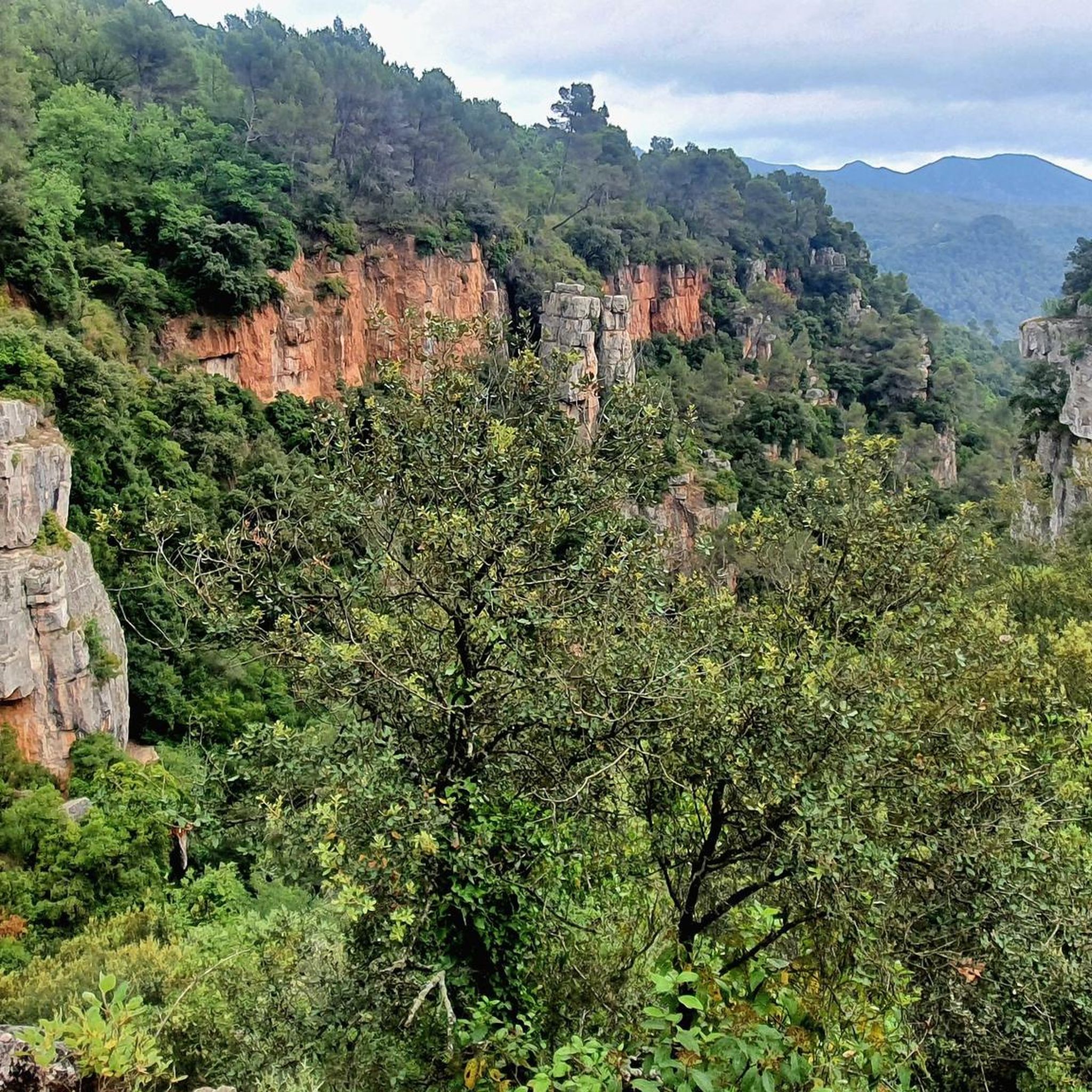
Many castles in the Figaró-Montmany area are strategically located on hilltops, offering impressive panoramic views. From Montbui Castle, you can enjoy majestic views of the Vallés Oriental and Vallés Occidental regions. The ruined El Clascar Castle, perched atop the Cingles de Bertí, also provides excellent vantage points of the surrounding natural landscape.
Are there any castles that are particularly interesting for their architectural remains?
Yes, the Castell de Montmany, despite being in ruins, still preserves two walls reaching 6 to 7 meters high. These walls, about one meter thick, show evidence of embrasures (arrow slits) at various heights, indicating it had at least three floors. A central chamber may have served as a cistern, providing insight into medieval defensive architecture.
What outdoor activities can I do near the castles in Figaró-Montmany?
The region around Figaró-Montmany offers various outdoor activities. You can find numerous routes for gravel biking, running, and road cycling. For example, there are gravel biking routes like the 'Can Cabanyes Natural Area – Riu Congost Greenway loop' or running trails such as the 'Sui Summit – Vallforners loop'. You can explore more options and detailed routes in the Gravel biking around Figaró-Montmany, Running Trails around Figaró-Montmany, and Road Cycling Routes around Figaró-Montmany guides.
Are there hiking trails near the castles?
Yes, many of the castles are accessible via hiking trails, often leading through scenic natural areas. For instance, the El Clascar Castle is located at the top of the Cingles de Bertí and can be reached by an old rural road, now a path, from San Pedro de Bertí. The Castell de Montmany is also situated on a hill, making it a good destination for those who enjoy historical landscapes and walking.
What is the best time to visit the castles in Figaró-Montmany?
The best time to visit the castles is generally during spring and autumn when the weather is mild and pleasant for exploring ruins and enjoying the views. Summer can be hot, especially for exposed hilltop locations, while winter might offer a different, stark beauty but could be chilly. Always check local weather forecasts before your visit.
Are there any family-friendly castles or historical sites in the area?
While many of the castles are ruins, their historical context and scenic locations can be engaging for families. Exploring the remains of Castell de Montmany or the iconic appearance of Castell de Rubinat can spark imagination. The Mas d'Esplugues de Castellcir, a unique farmhouse built under a large rock, offers a fascinating glimpse into past living conditions and is a great spot for photos, making it an interesting stop for families.
What do visitors enjoy most about the castles and historical sites in Figaró-Montmany?
Visitors particularly appreciate the blend of history and nature. The opportunity to explore ancient ruins like El Clascar Castle and imagine their past significance, combined with the stunning views from elevated positions like Montbui Castle, is a major draw. The unique architectural style of structures like Castell de Rubinat and the historical depth of sites such as Castillo de Sant Martí de Centelles also contribute to a rich and engaging experience.
Are there any hidden gems or lesser-known historical sites near the castles?
Beyond the main castles, the region holds other intriguing historical sites. The Mas d'Esplugues de Castellcir is a unique farmhouse, documented since 1192, built into a natural rock shelter. It offers a fascinating look at how people lived in the region from medieval times until recently, providing a different kind of historical exploration away from traditional castle ruins.
Can I find cafes or refreshments near the castles?
While most castles are in natural or rural settings, you can often find cafes and restaurants in the nearby towns and villages of Figaró-Montmany. It's advisable to plan your visit and check for amenities in the closest settlements before heading out, especially if you're exploring more remote castle ruins.
Most popular routes around Figaró-Montmany
Most popular attractions around Figaró-Montmany

Get inspired with the komoot mobile app


Explore more
Looking for the best castles somewhere else? Discover other guides around Figaró-Montmany:
