Top 5 Castles around Sant Joan De Moró
Best castles around Sant Joan De Moró include the historically significant Moró Castle, located on the Tossal del Mollet. This site offers archaeological insights into the region's past, combining ancient Iberian and medieval history with natural beauty. The Tossal del Mollet, designated a Municipal Natural Landscape, provides panoramic views of the Alcalatén region. The area features a blend of historical fortifications and natural landscapes.
Best castles around Sant Joan De Moró
- The most popular castles is Vilafamés, a settlement that features an old quarter with Arab origins and a castle at its top. The village is notable for its rock stone construction predominating in all buildings.
- Another must-see spot is Montornès Castle, a castle. Visitors can expect impressive views from the castle, including the beaches of Benicassim and Castellón.
- Visitors also love Castell Vell (Castle of La Magdalena), a fortress of Andalusian origin. This site is special for its history, having been inhabited since the Neolithic period and recognized as the cradle of the city of Castelló.
- Sant Joan De Moró is known for fortified settlements, medieval fortresses, and archaeological sites. The region offers a variety of castles to see and explore, each with distinct historical periods and architectural features.
- The castles around Sant Joan De Moró are appreciated by the komoot community, with 29 upvotes and 7 photos shared.
Last updated: July 4, 2026
Vilafamés
Highlight • Settlement
Vilafamés stands out for its old quarter. Strolling through its streets calmly, transports us to its Arab origins with narrow and zigzag streets, with corners that make you marvel, with its castle at the top and the small church at its feet.
With the Christian expansion, Vilafamés began to grow by building its impressive parish church and its 15th century palace. Here the streets are linear.
Its impressive “ROCA GROSSA”, a stone grindstone that is found as you go up the main street of Vilafamés, attracts attention.
What is most surprising, without a doubt, is that throughout the old neighborhood of Vilafamés, its rock stone predominates in all the buildings.
The historical complex of Vilafamés was declared an Asset of Cultural Interest in 2005.
Translated by Google •
Tip by

Alcalatén Castle
Highlight • Castle
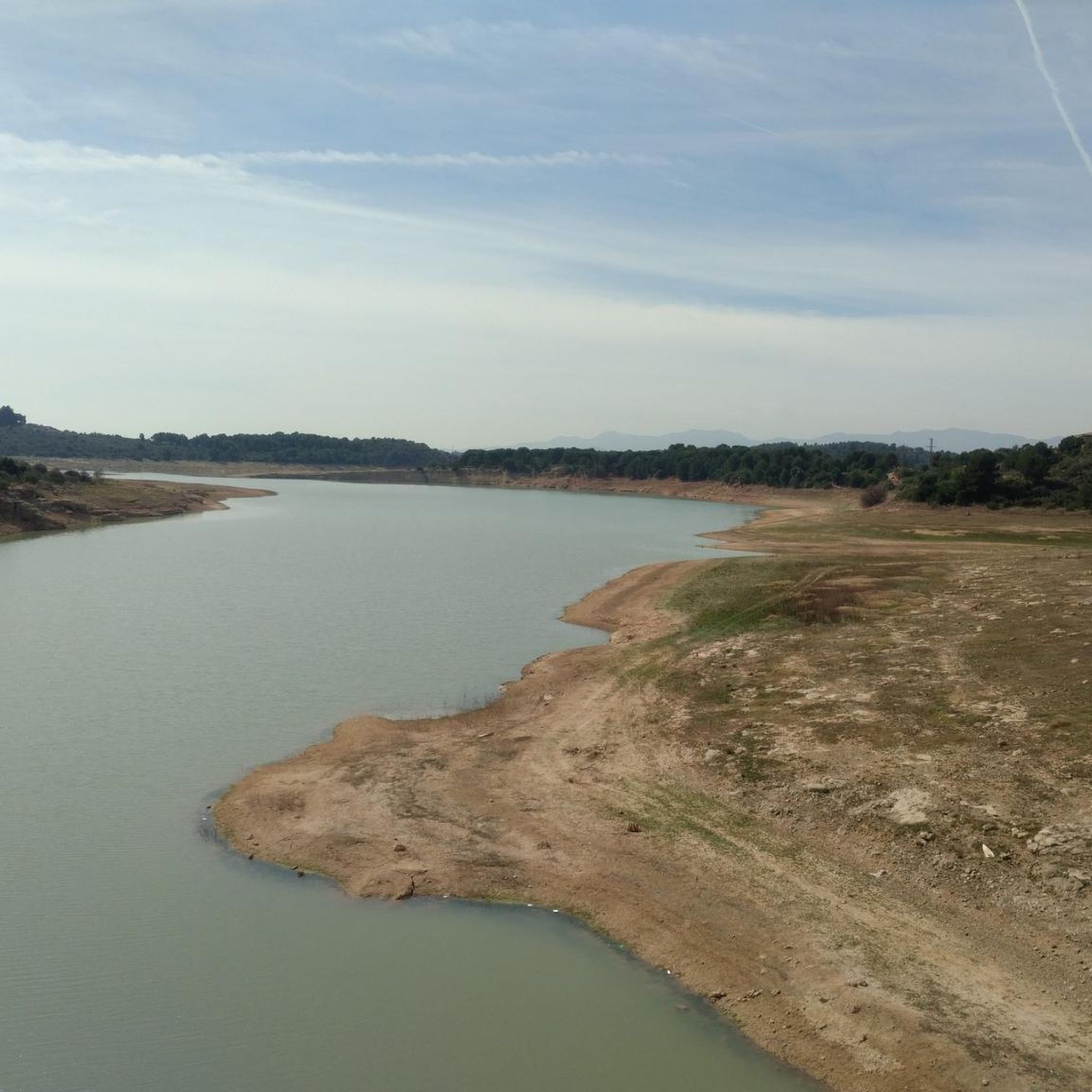
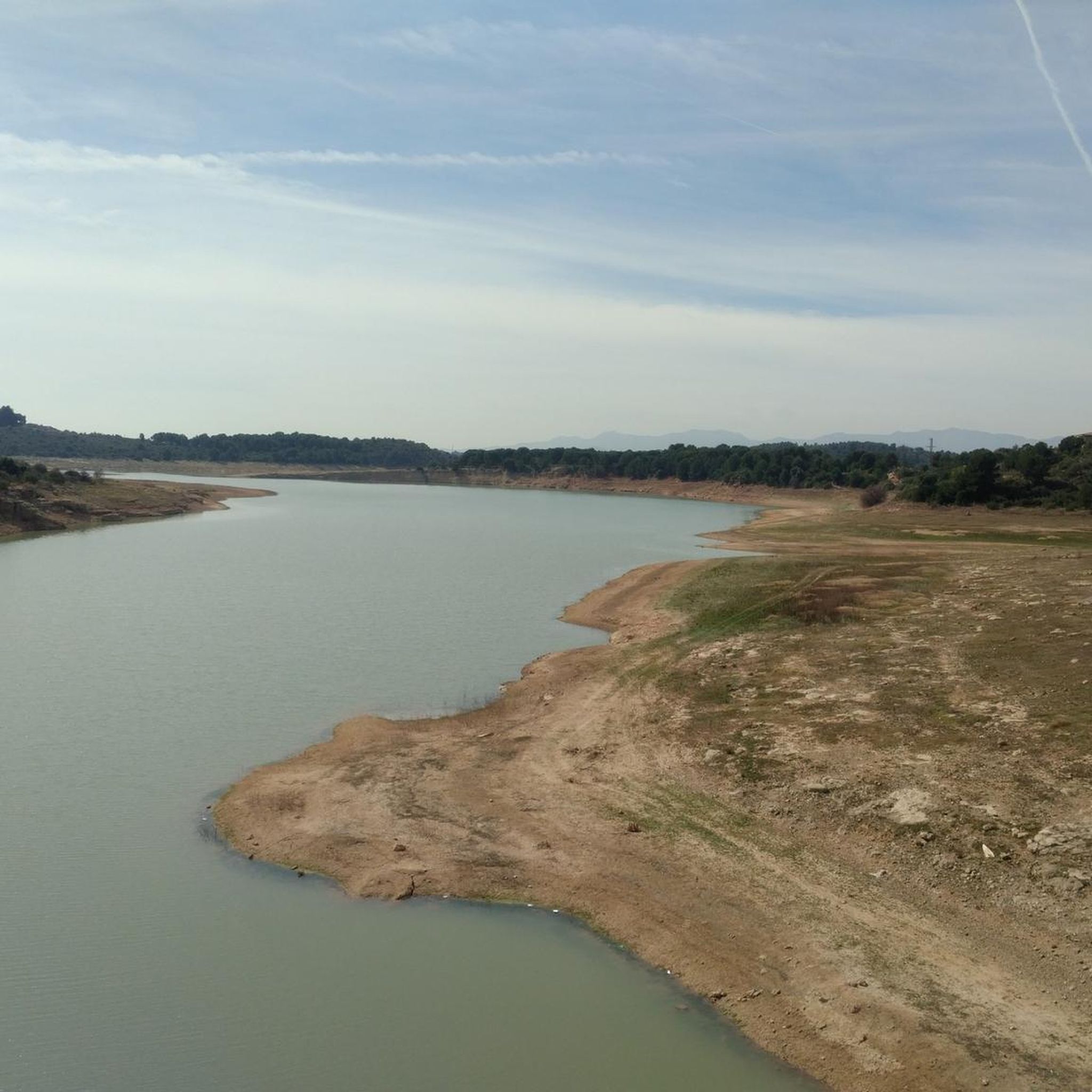
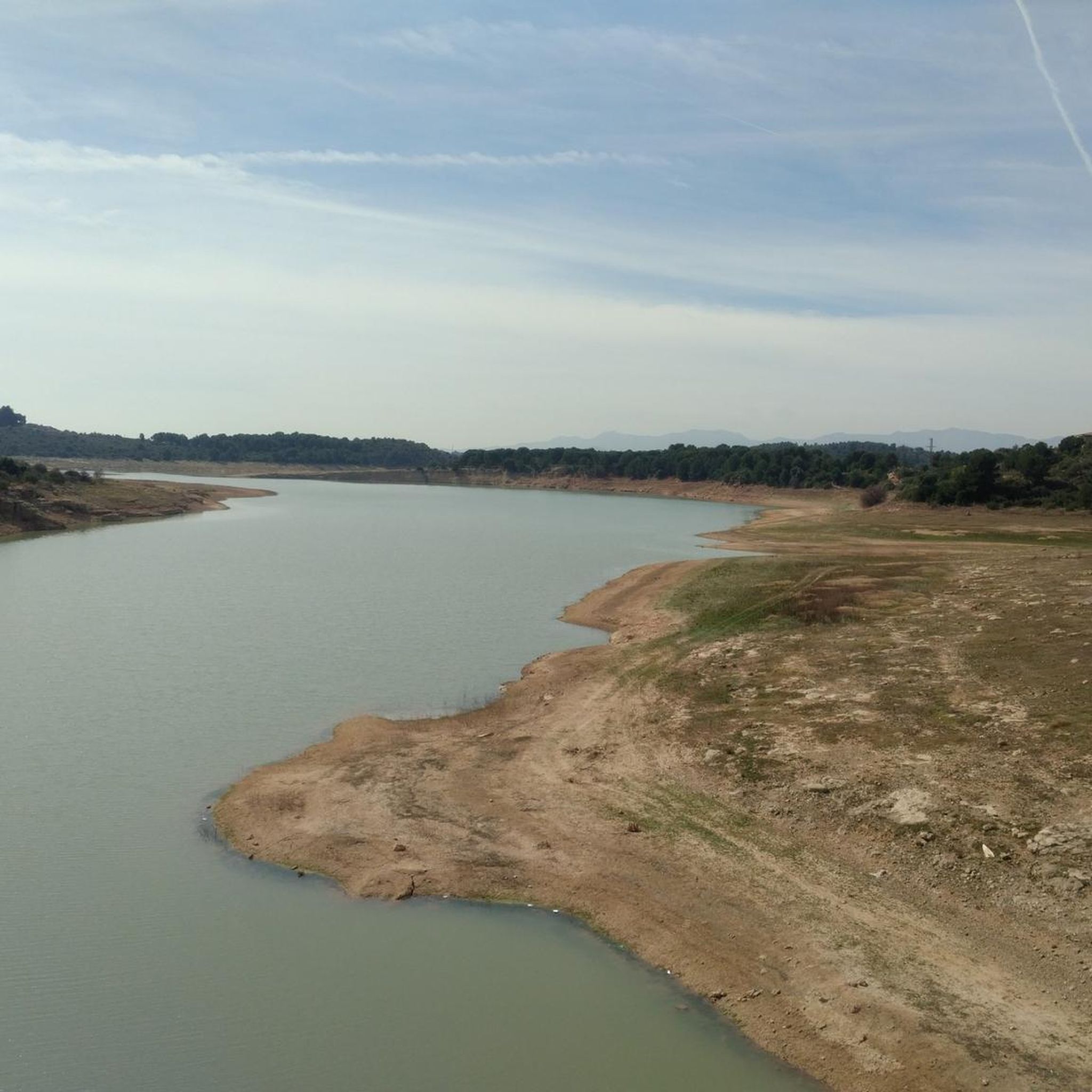
From the castle you can enjoy beautiful views of the town of l'Alcora and the river.
Translated by Google •
Tip by

Sign up now to discover places like this
Get recommendations on the best single tracks, peaks, & plenty of other exciting outdoor places.
Sign up for free
Castell Vell (Castle of La Magdalena)
Highlight • Castle
Translated by Google •
Tip by

Montornès Castle
Highlight • Castle
Translated by Google •
Tip by

Ermita de la Magdalena and Castell Vell
Highlight • Castle
Translated by Google •
Tip by

Sign up for free to discover even more castles around Sant Joan De Moró.
Sign up for free
Already have an account?
Start today with a free account
Your next adventure awaits.
Login or Signup

Tips from the Community

Islamic origins between the 10th and 12th centuries. After the Christian conquest by James I in 1233, the king granted the castle and the title of baron to the knight Ximén d'Urrea. It was a key military fortress for controlling the Tinença d’Alcalatén, and underwent renovations in the 15th and 16th centuries under Christian rule. It was declared a Site of Cultural Interest on May 30, 2000 (code RI-51-0010535).
1
0
Here is detailed information about Alcalatén Castle (also called Castle of l’Alcalatén or Castle of San Salvador), located in L’Alcora (Castellón): It is located on the slope of Mount San Cristóbal (or San Salvador), about 3km north of L’Alcora, accessible by the CV-190 road towards Lucena del Cid, at an elevation of about 370m above sea level, overlooking the valley and the river of l’Alcora.
1
0

Old village, but not much going on.
0
0

The Castell Vell, on the Magdalena Hill, is a fortress of Andalusian origin. Although it has been inhabited since the Neolithic period, it acquired its great importance as the cradle of the city of Castelló.
0
0
The hermitage of La Magdalena is carved into the rock. The portico was built in the 15th century (1455), the chapel in 1456 and the stable at the end of the same century. In 1758, the master Vicente Pellicer gave it its current design as a hermitage, hostel and attached tower.
0
0

Goats seem to live there right now
0
0

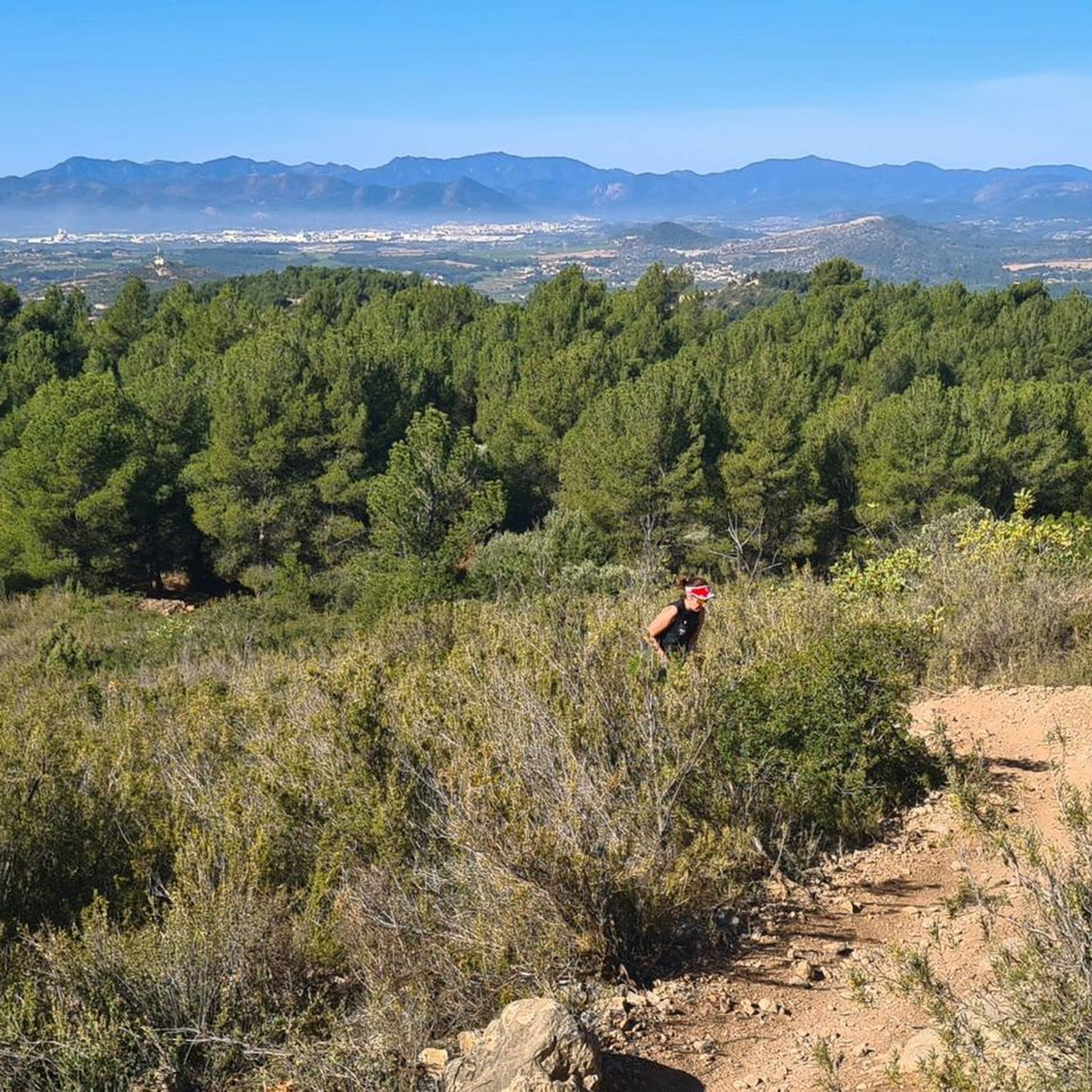
As you get closer to Vilafamés, you can see the town at the top, on a hill. Vilafamés stands out for its old quarter. Strolling through its streets calmly, transports us to its Arab origins with narrow and zigzag streets, with corners that make you marvel, with its castle at the top and the small church at its feet. With the Christian expansion, Vilafamés began to grow by building its impressive parish church and its 15th century palace. Here the streets are linear. Its impressive “ROCA GROSSA”, a stone grindstone that is found as you go up the main street of Vilafamés, attracts attention. What is most surprising, without a doubt, is that throughout the old neighborhood of Vilafamés, its rock stone predominates in all the buildings. The historical complex of Vilafamés was declared an Asset of Cultural Interest in 2005.
1
0

Frequently Asked Questions
What kind of historical sites can I expect to find around Sant Joan De Moró?
The region offers a rich blend of historical sites, from ancient Iberian settlements to medieval fortresses. You can explore archaeological remnants like those at Moró Castle on the Tossal del Mollet, which dates back to the 5th-9th centuries, or visit well-preserved structures such as Alcalatén Castle, a medieval Almohad fortress with origins in the 12th century. Other sites like Castell Vell (Castle of La Magdalena) have been inhabited since the Neolithic period, offering a deep dive into the area's past.
Are there good viewpoints or scenic spots near the castles?
Yes, many of the castles are strategically located on elevated positions, offering spectacular panoramic views. Moró Castle, situated on the Tossal del Mollet, provides extensive vistas of the Alcalatén region and a significant portion of the province. Similarly, Montornès Castle offers impressive views stretching to the beaches of Benicassim and Castellón, including the Columbretes islands. From Alcalatén Castle, you can enjoy beautiful views of the town of l'Alcora and its river, while Castillo de Borriol provides amazing views of the town and the La Plana Alta valley.
What kind of natural features can I explore near the castles?
Beyond the historical structures, the area is rich in natural beauty. The Tossal del Mollet, where Moró Castle is located, is designated a Municipal Natural Landscape, recognized for its ecological, scenic, and historical-cultural significance. Visitors can enjoy hiking through this landscape and observing unique rocky formations. The region's castles are often nestled within or near natural parks and hills, providing opportunities for combining historical exploration with outdoor activities.
Are there hiking trails to reach Moró Castle or other castles?
Yes, hiking is a popular way to access many of these historical sites. Moró Castle on the Tossal del Mollet is ideal for those who enjoy hiking through natural landscapes to reach archaeological remains. For Castillo de Borriol, there's a path without much technical difficulty leading to the ruins. You can find various hiking routes in the area, including the 'Borriol Castle and Racó de Raca Loop', which is a moderate 14 km trail. For more hiking options, check out the Hiking around Sant Joan De Moró guide.
What is the best time to visit the castles around Sant Joan De Moró?
The best time to visit is generally during the spring and autumn months when the weather is mild and pleasant for hiking and exploring. Summers can be quite hot, especially for sites that involve uphill walks like Moró Castle. Winter offers cooler temperatures, which can be suitable for walking, but some facilities or access might be limited. Always check local weather forecasts before your visit.
Are the castles family-friendly or suitable for children?
Many of the castle sites, especially those with accessible paths and open spaces, can be enjoyable for families. Exploring the ruins of Moró Castle and hiking the Tossal del Mollet can be an adventurous outing for older children interested in history and nature. Villages like Vilafamés, with its old quarter and castle, offer a charming experience for families to stroll and discover. However, some sites involve uneven terrain or steep climbs, so parental discretion is advised based on children's ages and abilities.
Can I bring my dog to the castle sites?
While specific dog policies for each castle are not always explicitly stated, many outdoor archaeological sites and hiking trails in natural landscapes, like the Tossal del Mollet around Moró Castle, are generally dog-friendly, especially if dogs are kept on a leash. For specific castle ruins such as Castillo de Borriol, access is often open. It's always best to ensure your dog is well-behaved and to clean up after them. Some indoor sections or protected archaeological areas might have restrictions.
What other outdoor activities can I do near these castles?
The region around Sant Joan De Moró offers a variety of outdoor activities. Besides hiking to castles, you can find numerous routes for cycling and gravel biking. For example, there are cycling routes like the 'Pou de Mollet – Vilafamés loop' and gravel biking options such as the 'View of Vilafamés – View of Vilafamés Castle loop'. You can explore more options in the Cycling around Sant Joan De Moró and Gravel biking around Sant Joan De Moró guides.
What makes Vilafamés a unique place to visit?
Vilafamés is unique for its old quarter with Arab origins, featuring narrow, zigzag streets and a castle at its top. The village is particularly notable for its distinctive rock stone construction that predominates in all buildings, including its impressive parish church and 15th-century palace. It's also home to the impressive 'ROCA GROSSA', a large stone formation on its main street, and was declared an Asset of Cultural Interest in 2005.
How accessible are the castles by public transport or car?
Access to the castles primarily involves reaching the nearby towns by car, as public transport options directly to the castle sites themselves can be limited. Sant Joan De Moró is generally accessible by road. Moró Castle on the Tossal del Mollet requires a hike from a nearby access point. For castles like Alcalatén Castle, located about 3km north of L’Alcora, it's accessible by the CV-190 road. Parking is usually available in the closest towns or designated areas near trailheads. Always plan your route in advance.
What do visitors enjoy most about the castles in this region?
Visitors particularly enjoy the blend of historical exploration with stunning natural scenery. The panoramic views from elevated castle sites like Moró Castle and Montornès Castle are frequently highlighted. The archaeological significance of sites like Moró Castle, offering a tangible connection to ancient Iberian and medieval civilizations, also captivates many. The charm of villages with castles, such as Vilafamés, and the opportunity to combine cultural visits with hiking in beautiful landscapes are also highly appreciated.
Most popular routes around Sant Joan De Moró
Most popular attractions around Sant Joan De Moró

Get inspired with the komoot mobile app


Explore more
Looking for the best castles somewhere else? Discover other guides around Sant Joan De Moró:
