Top 5 Caves around Jumilla
Best caves around Jumilla offers a combination of natural caves for adventure and those steeped in local history and prehistory. The municipality, located in the northern part of the Region of Murcia, Spain, features underground formations and ancient sites. Several caves are within or very close to Jumilla, while others require a short trip. The region provides diverse attractions, from geological formations to historical legends and prehistoric art.
Best caves around Jumilla
- The most popular caves is Horadada Cave of…
Last updated: June 20, 2026
Horadada Cave of Monte Arabí
Highlight • Cave
The space is included in the delimitation of the environment for the protection of Cantos de Visera …
Translated by Google •
Tip by

View of Monte Arabí
Highlight • Viewpoint
Translated by Google •
Tip by
Sign up now to discover places like this
Get recommendations on the best single tracks, peaks, & plenty of other exciting outdoor places.
Sign up for free
Jaime el Barbudo Cave
Highlight • Cave
Translated by Google •
Tip by

Cueva Horadada
Highlight • Cave
Translated by Google •
Tip by
Morra de la Mina Sinkhole
Highlight • Cave
Tip by

Start today with a free account
Your next adventure awaits.
Login or Signup
Popular around Jumilla
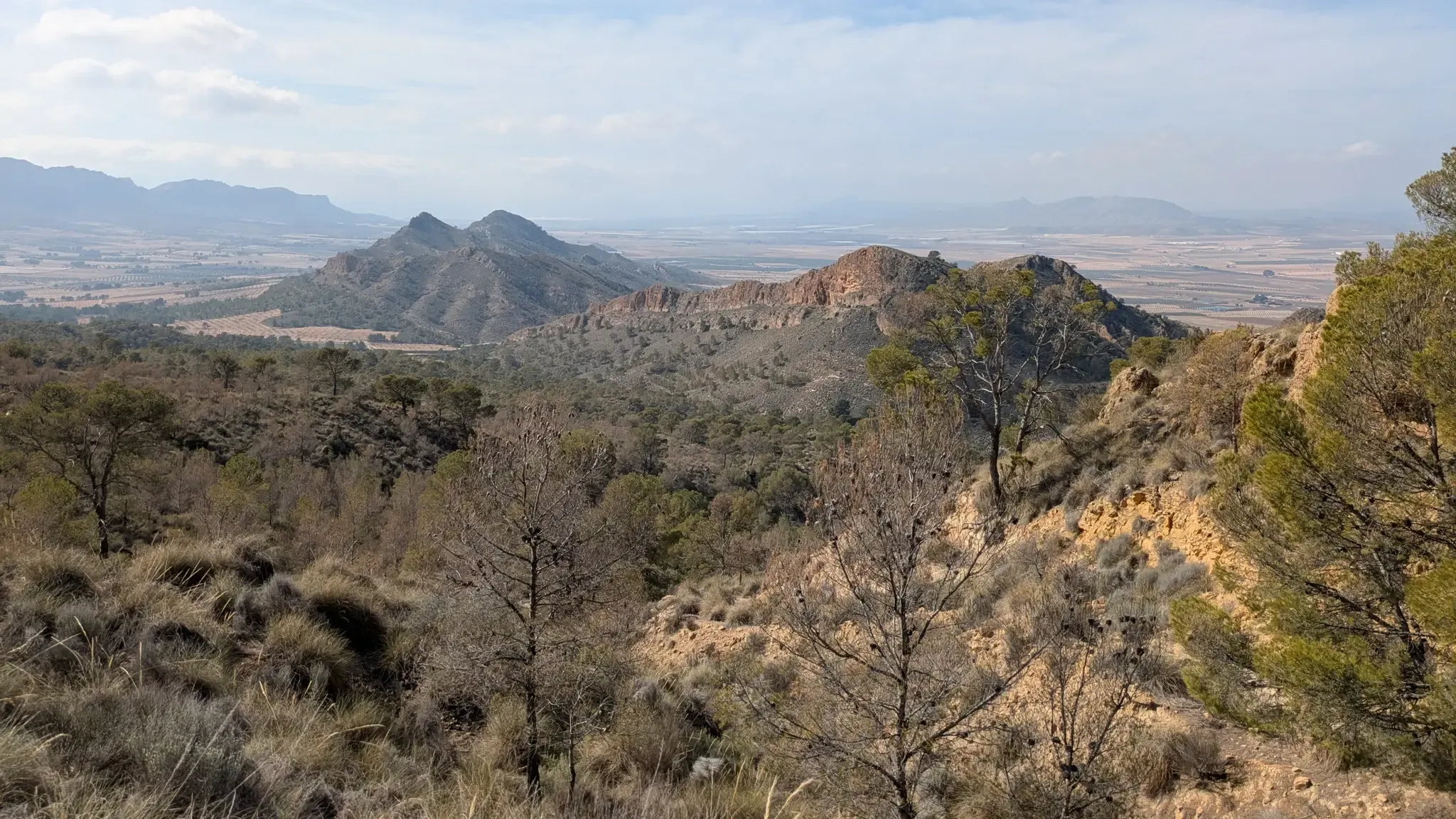
Path of the Cross of the Altiplano – GR 251
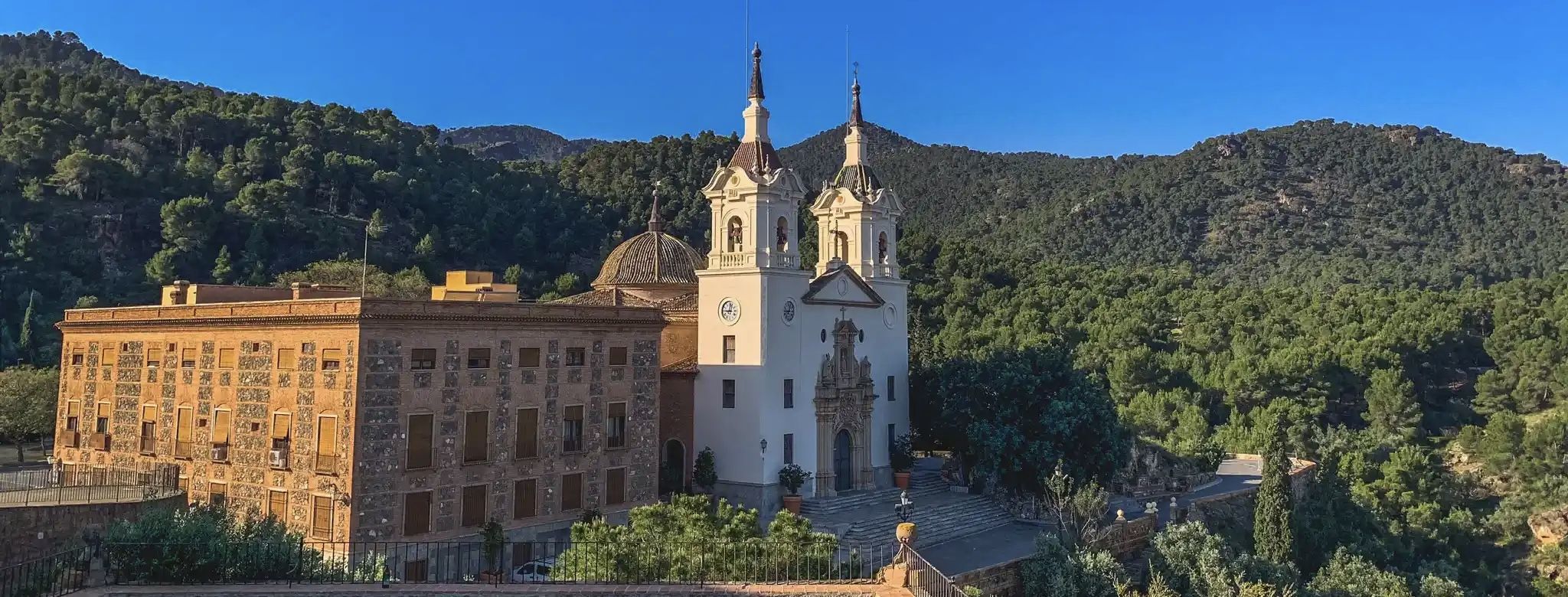
A ride through the "Huerta de Europa" – Transmurciana on MTB
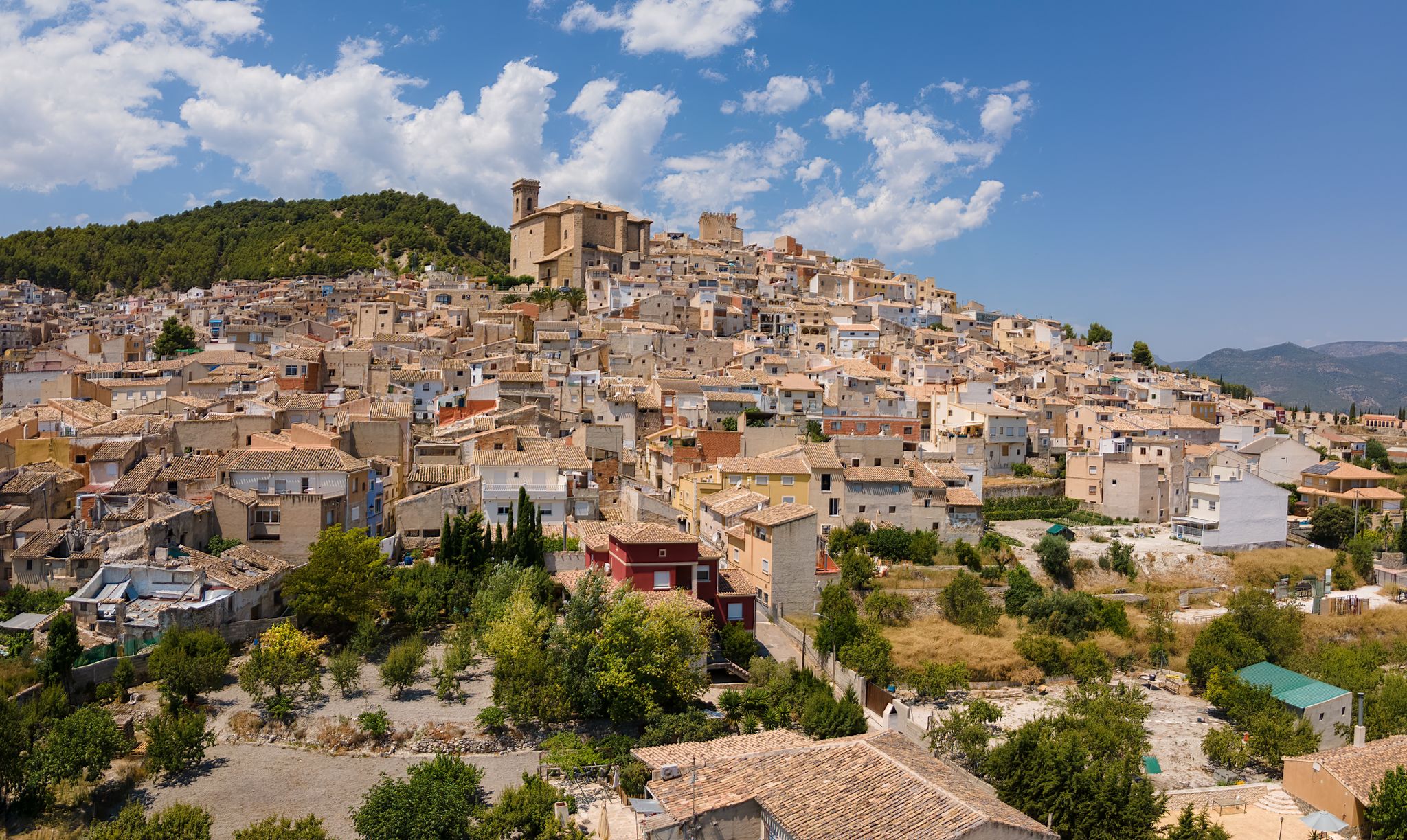
Castles, plains and charming villages – Murcia on foot (GR 7)
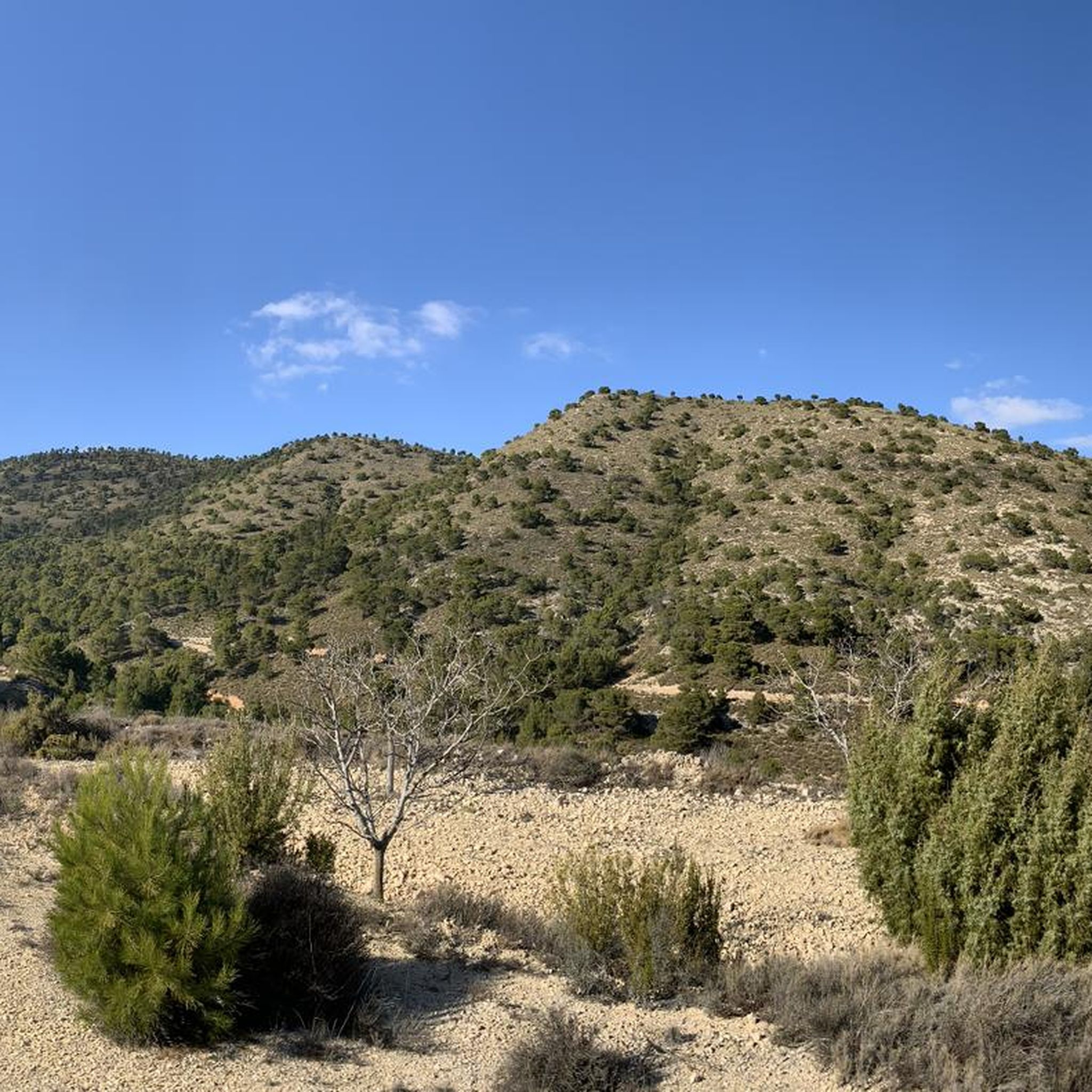
Road Cycling Routes around Jumilla
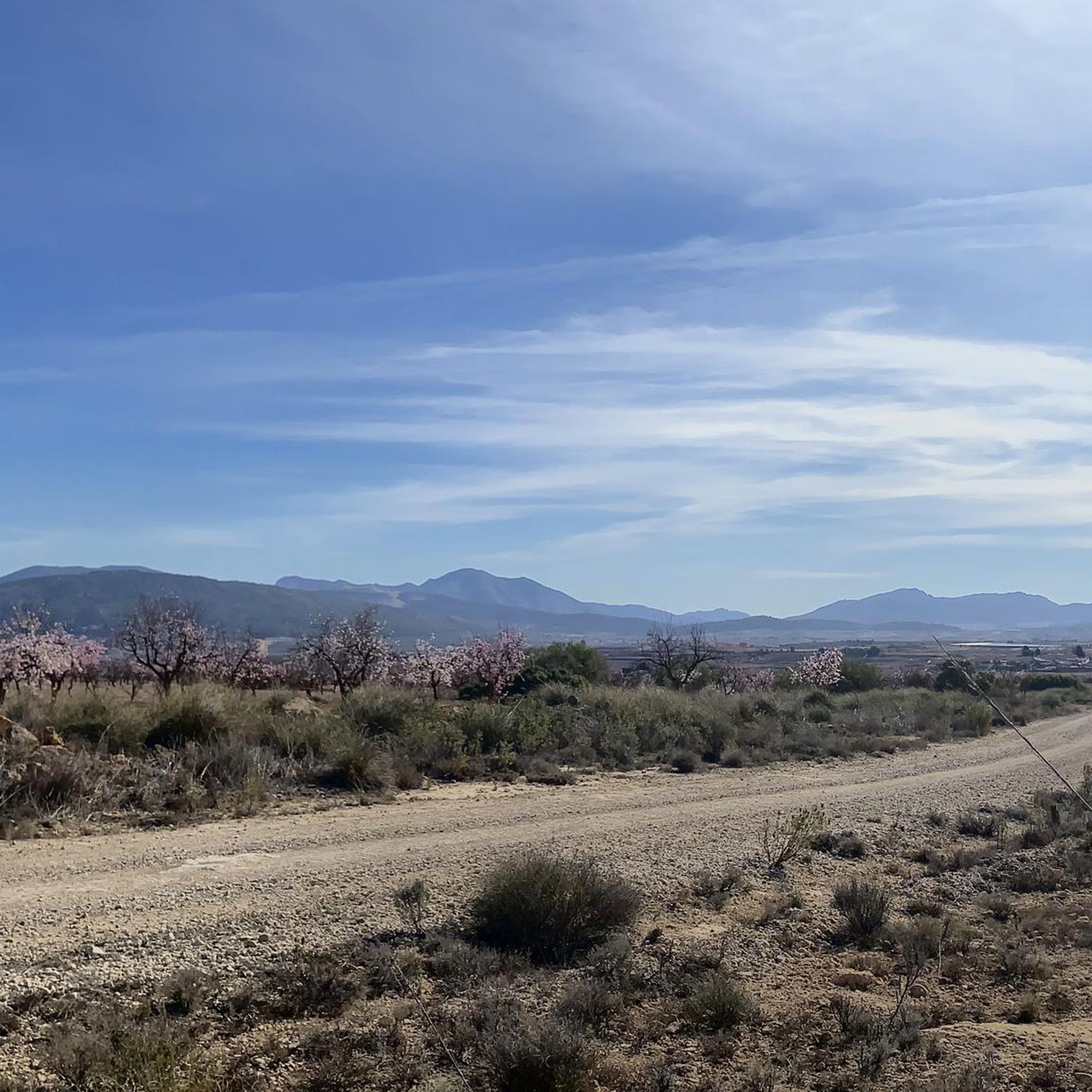
MTB Trails around Jumilla
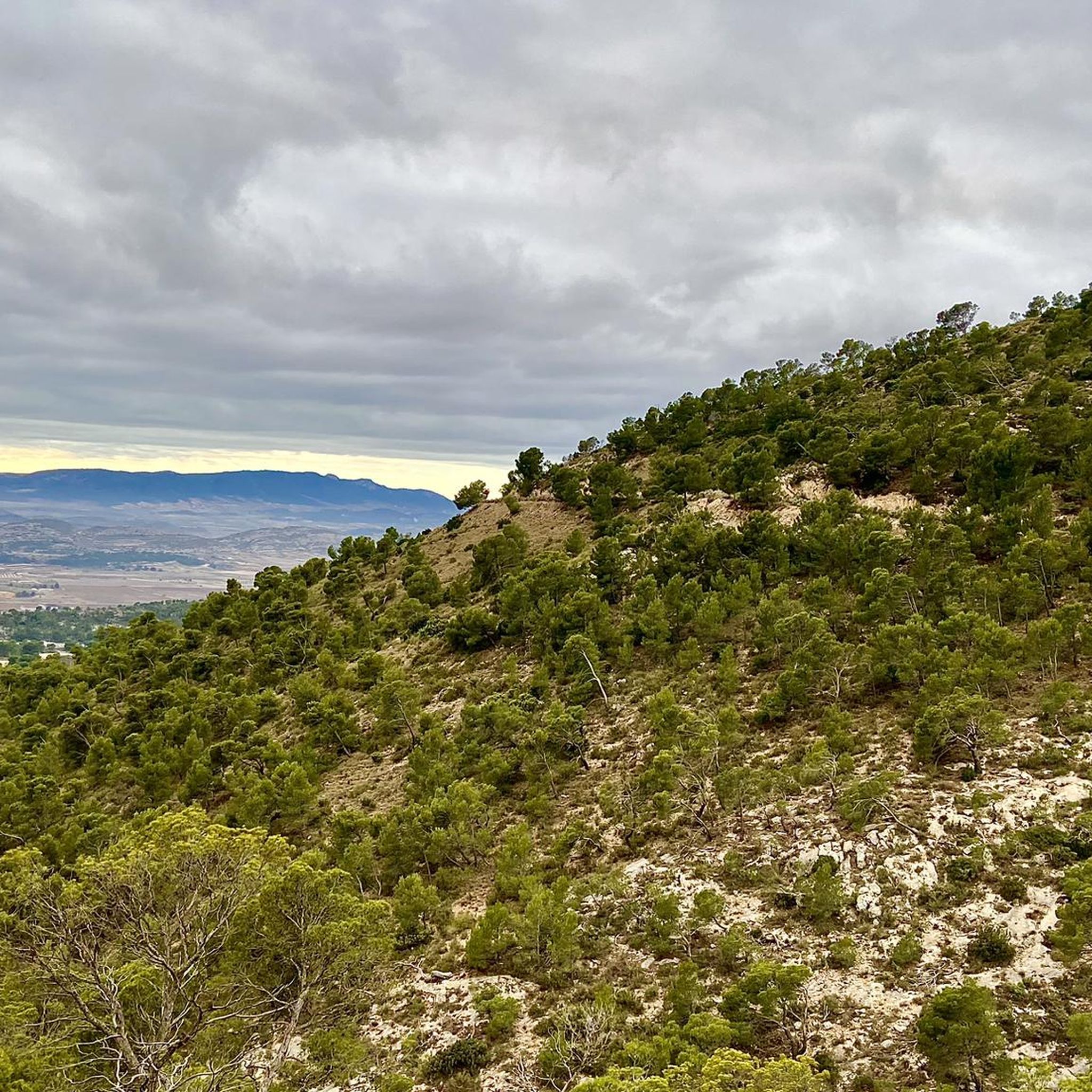
Cycling around Jumilla
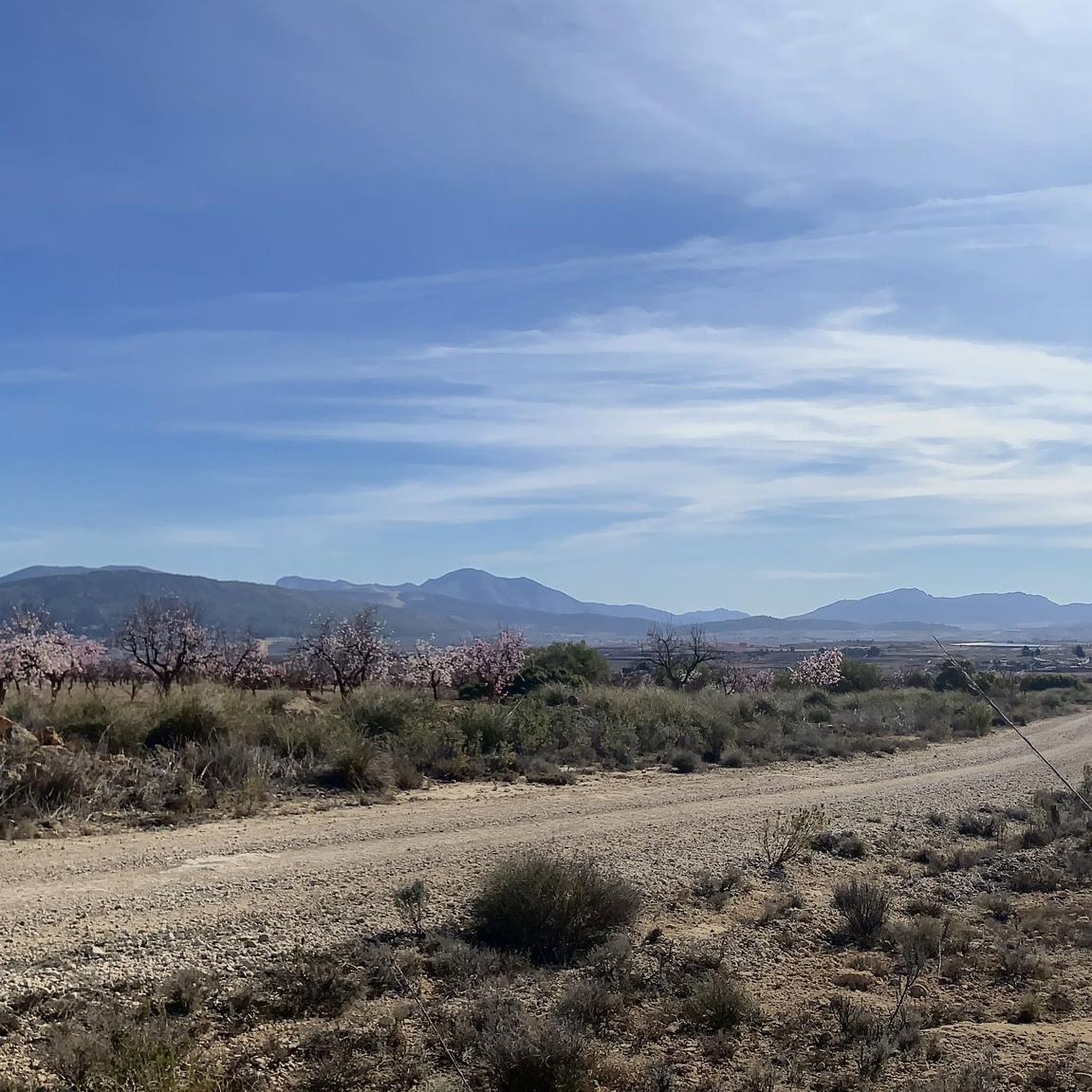
Hiking around Jumilla
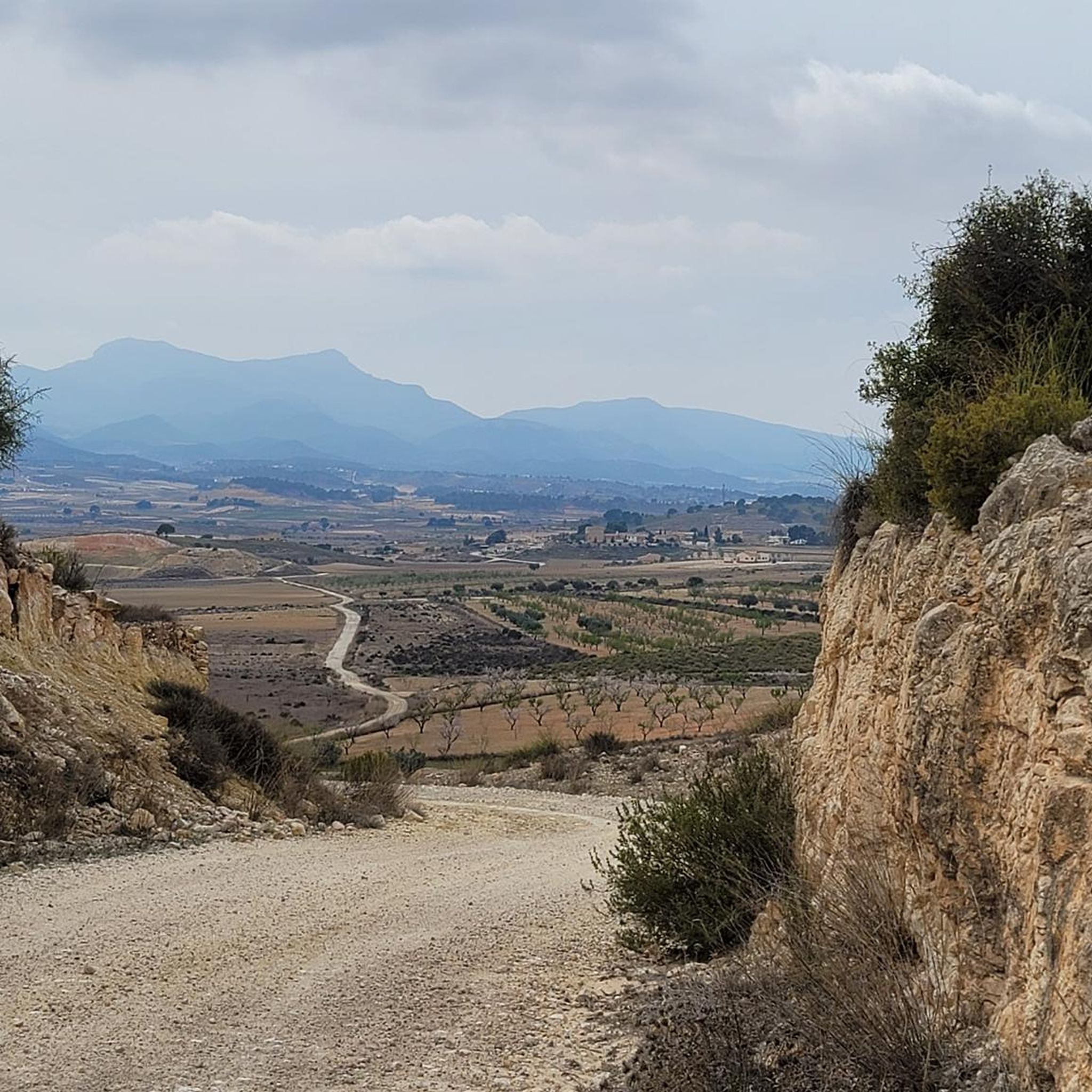
Running Trails around Jumilla

Gravel biking around Jumilla
Other adventures around Jumilla


Tips from the Community

An impressive cave that is a perfect shelter to rest during the hike.
5
0
Mount Arabí is a fascinating place for hiking and nature lovers. Located near Yecla, in the province of Murcia, this mountain is known for its impressive rock formations, caves and cave paintings.
4
0

this is a natural fault line and care must be taken. it is fenced off for safety reasons and is indicated as to be 45m deep.
3
0
the highest point at 1065m with beautiful 360° views of the surrounding valley
1
0
Monte Arabí is an interesting mountain range that stands out in the Altiplano region (Murcia), about 17 kilometers northwest of Yecla.
9
1
It is located 18 km NW of the urban area, on Mount Arabí. The space is included in the delimitation of the environment for the protection of Cantos de Visera I and II, Abrigos del Mediodía I and II and petroglyphs, on Monte Arabí.
8
0

We are in Mount Arabí and more specifically in the Cueva Horadada, a work of art of nature. It is a large open cavity in the rock, with a hole at the top. Upon entering it we are going to be speechless. An ideal place to visit with the whole family, the little ones will love it!
1
1

Large open cavity in the rock, with a hole in the ceiling. There are nests of various species of birds inside. The walls, like other parts of the mount, serve as an example of erosion by wind action.
1
1
Frequently Asked Questions
What are some other notable caves to explore in the Jumilla region?
Beyond the most popular, you can explore the Morra de la Mina Sinkhole, a challenging natural fault line that is 45 meters deep and fenced for safety. In the wider Murcia region, accessible from Jumilla, consider visiting Cueva del Puerto in Calasparra, known for its diverse formations and a unique luminescent minerals room, or Abrigos del Pozo in Almadenes Canyon, famous for its UNESCO World Heritage prehistoric cave paintings.
Do the caves around Jumilla have historical or cultural significance?
Yes, many caves in and around Jumilla are rich in history and culture. The Horadada Cave of Monte Arabí is part of a protected area with prehistoric rock art, including UNESCO World Heritage sites like Cantos de Visera. Locally, Cueva de los Encantados and Cueva del Monje in Jumilla are linked to local legends, adding a mystical dimension to their appeal. Cueva del Puerto also has connections to the Roman sanctuary of Cueva Negra.
Are there family-friendly caves to visit near Jumilla?
Absolutely. Both Horadada Cave of Monte Arabí and Cueva Horadada are considered family-friendly. They are large open cavities with impressive natural formations that children often find fascinating. The area around Monte Arabí also offers opportunities to see ancient human expressions alongside natural geological features, making it an educational outing for all ages.
What unique geological features can be found in the caves around Jumilla?
The caves around Jumilla showcase diverse geological formations. You can find large open cavities, such as the Horadada Cave of Monte Arabí, which features a distinctive hole in its upper part. Other caves offer opportunities to observe stalactites and stalagmites, while the Morra de la Mina Sinkhole is a natural fault line, representing a different type of geological wonder.
What is the best time of year to visit the caves in Jumilla?
The Region of Murcia generally experiences a Mediterranean climate. Spring and autumn are often ideal for exploring caves and engaging in outdoor activities, as temperatures are milder. Summers can be very hot, which might make surface exploration less comfortable, though the caves themselves offer a cooler environment. Winters are generally mild.
Are there opportunities for guided tours in the caves around Jumilla?
While some local caves might be explored independently, the Cueva del Puerto in Calasparra, a short journey from Jumilla, specifically offers a guided tour lasting over an hour. For more adventurous caving experiences in Jumilla, prior caving experience and knowledge of vertical progression techniques are often required, suggesting these might be self-guided or require specialized arrangements.
What outdoor activities can I do near the caves in Jumilla?
The region around Jumilla offers various outdoor activities. You can find numerous cycling routes, including road cycling, touring bicycle routes, and gravel biking. For instance, explore routes like 'Ascent to the Monastery of Santa Ana and Cieza' for road cycling, 'Monasterio de Santa Ana, Iglesia de Santiago y Castillo' for touring, or 'Jumilla – La Punta loop' for gravel biking. You can find more details on these routes in the Road Cycling Routes around Jumilla, Cycling around Jumilla, and Gravel biking around Jumilla guides.
Are there hiking trails that lead to or are near the caves?
Yes, several trails lead to or are near the caves. For example, Jaime el Barbudo Cave can be reached via trails through the Sierra de la Pila, offering a beautiful and picturesque forest experience. The area around Monte Arabí, home to Horadada Cave, is also known for hiking opportunities.
What should I bring for a caving experience in Jumilla?
For general cave exploration, especially in more accessible sites, comfortable walking shoes are recommended. If you plan on more adventurous caving that involves vertical progression, specialized equipment such as rappelling gear, helmets, and appropriate lighting will be necessary. Always bring plenty of water, especially if combining caving with hiking, and consider suitable footwear for varied terrain.
Are there any caves around Jumilla that are wheelchair accessible?
Based on available information, most natural caves in the Jumilla region, including those with challenging terrain or requiring vertical progression, are not typically wheelchair accessible. Access often involves uneven surfaces, narrow passages, or steep descents. It is advisable to check specific accessibility details for any cave you plan to visit.
What do visitors enjoy most about the caves around Jumilla?
Visitors appreciate the combination of natural beauty and historical significance. Many are impressed by the sheer size and unique formations of caves like Horadada Cave of Monte Arabí, often describing it as a 'wonderful work of art from nature.' The opportunity to see prehistoric rock art and experience the tranquility of the surrounding natural landscapes, such as the Sierra de la Pila, also adds to the appeal.
Most popular attractions around Jumilla

Get inspired with the komoot mobile app


Explore more
Extend your search for the best caves by checking out these guides of the top ones around Jumilla:
