Top 7 Castles around Benafigos
Best castles around Benafigos offers a glimpse into a rich historical past, with remnants and structures that speak to ancient defenses and heritage. The village is situated on a hill over 900 meters high, providing picturesque views and a sense of its historical strategic importance. While the original Castillo de Benafigos is largely disappeared, its walls may be integrated into modern buildings, including the Church of San Juan Bautista. The area features various historical sites that contribute to its cultural…
Last updated: June 20, 2026
Culla Historic Village
Highlight • Historical Site
Translated by Google •
Tip by

Xodos
Highlight • Settlement
Translated by Google •
Tip by

Sign up now to discover places like this
Get recommendations on the best single tracks, peaks, & plenty of other exciting outdoor places.
Sign up for free
Vistabella del Maestrat
Highlight • Settlement
Translated by Google •
Tip by

Atzeneta del Maestrat
Highlight • Settlement
The abundant …
Translated by Google •
Tip by
Atzeneta del Maestrat Castle
Highlight • Castle
Translated by Google •
Tip by

Sign up for free to discover even more castles around Benafigos.
Sign up for free
Already have an account?
Start today with a free account
Your next adventure awaits.
Login or Signup

Tips from the Community

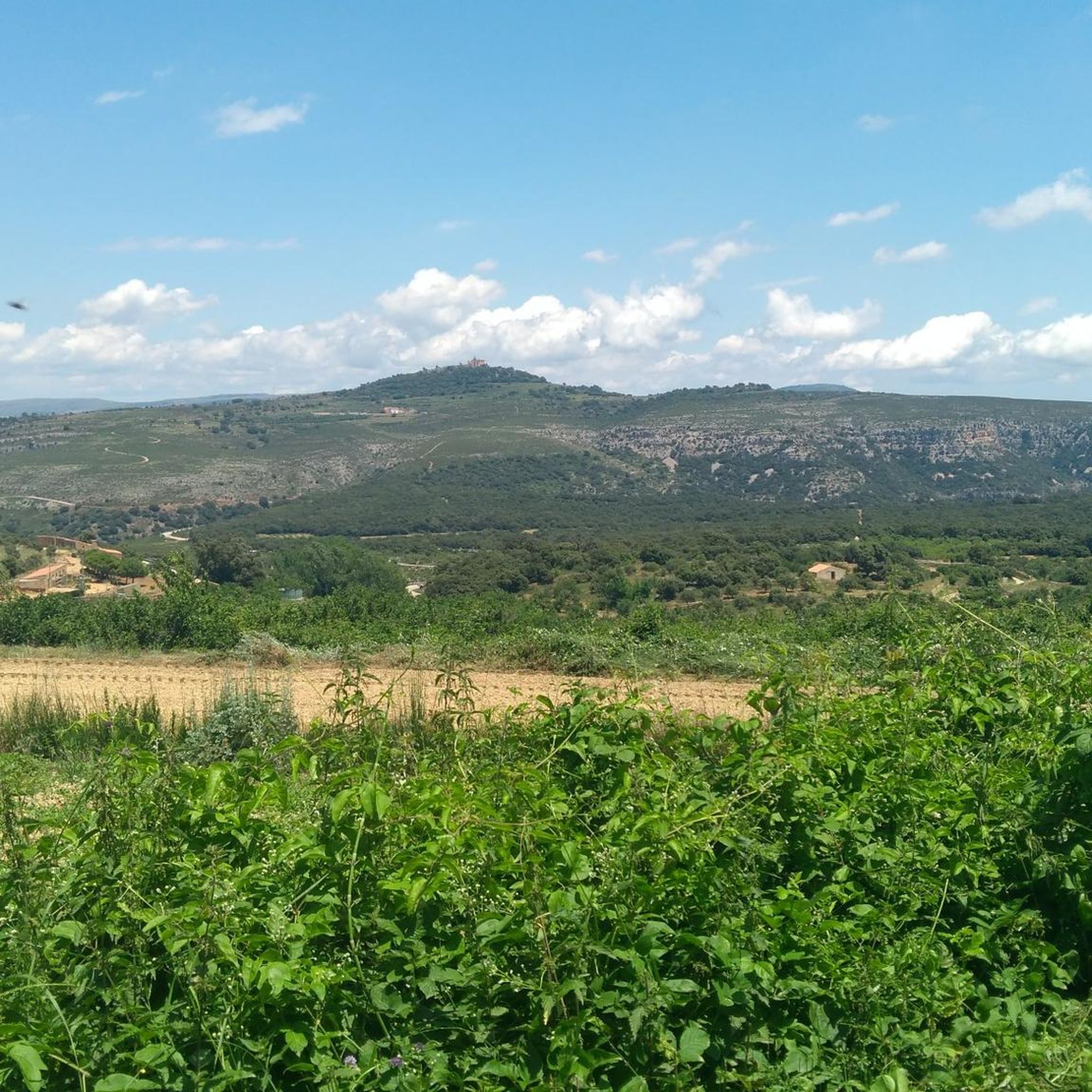
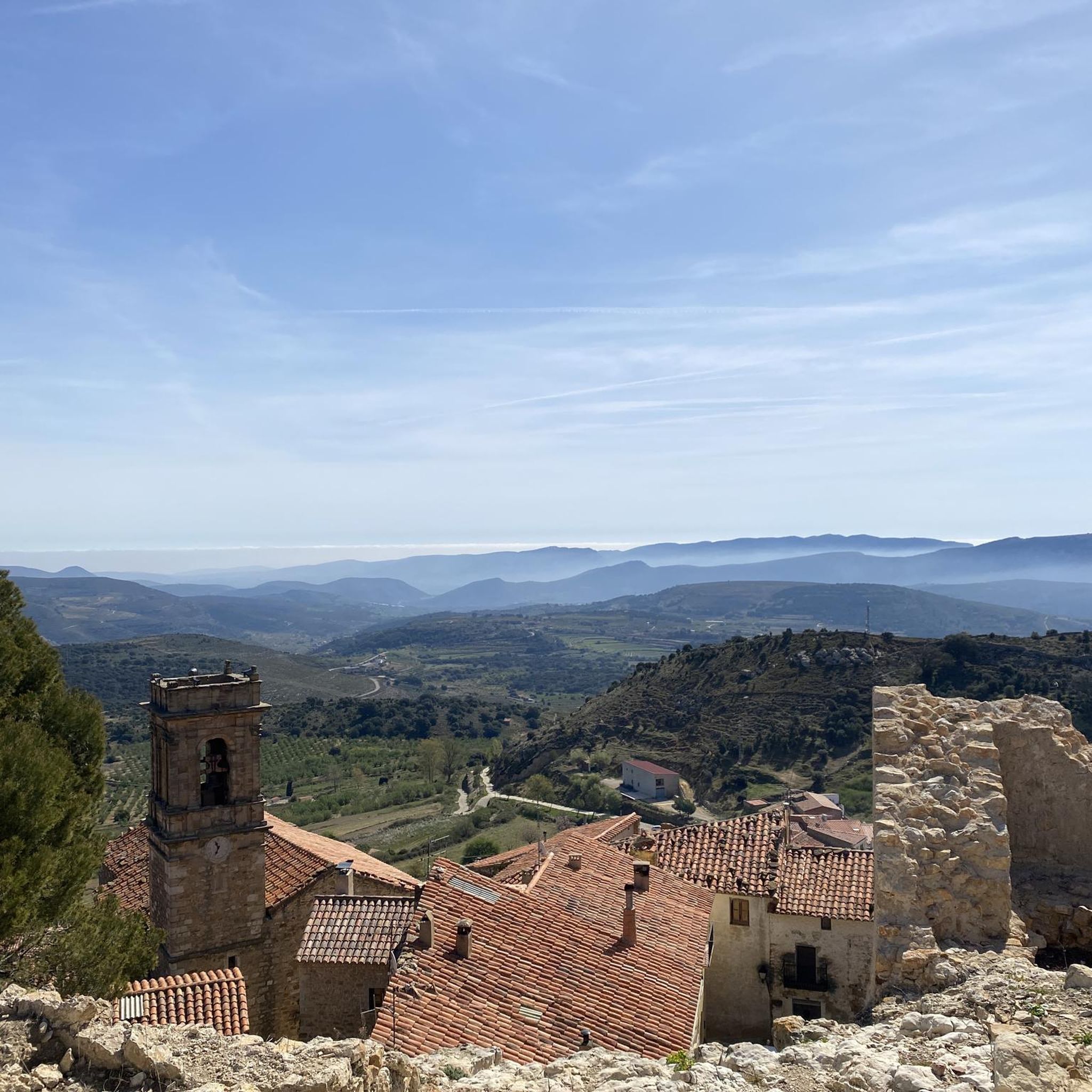
More than a castle, it looks like a hermitage. It is located on a hill and therefore has wonderful views of Alto Maestrazgo.
0
0

Beautiful village located on the GR7 hiking trail.
1
0

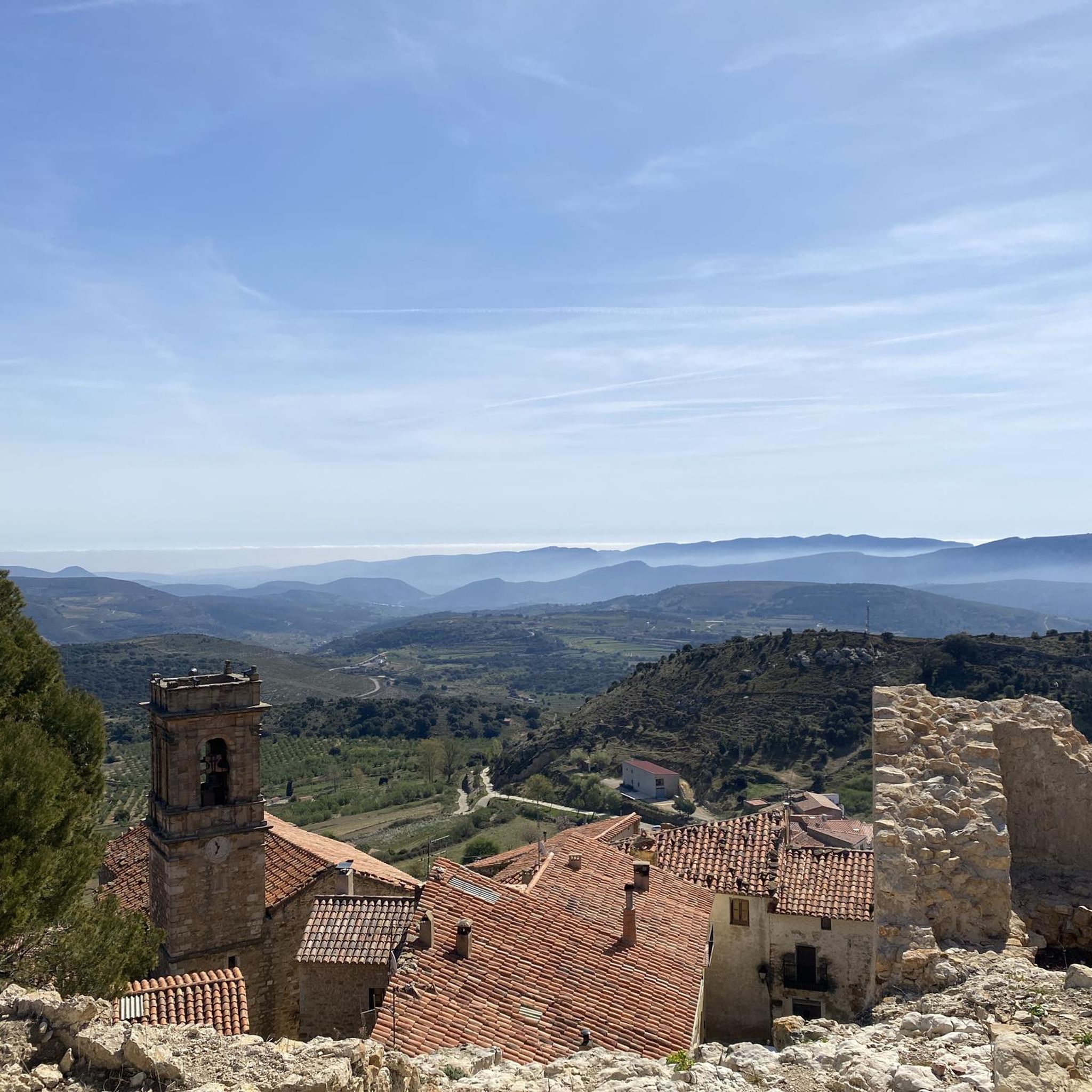
It is part of the Most Beautiful Towns in Spain and is undoubtedly worth visiting. Very quiet and small, which allows you to explore it even if you are passing through the area. Walk through its little streets and feel like you are traveling back in time to the time of the Templars!
2
0

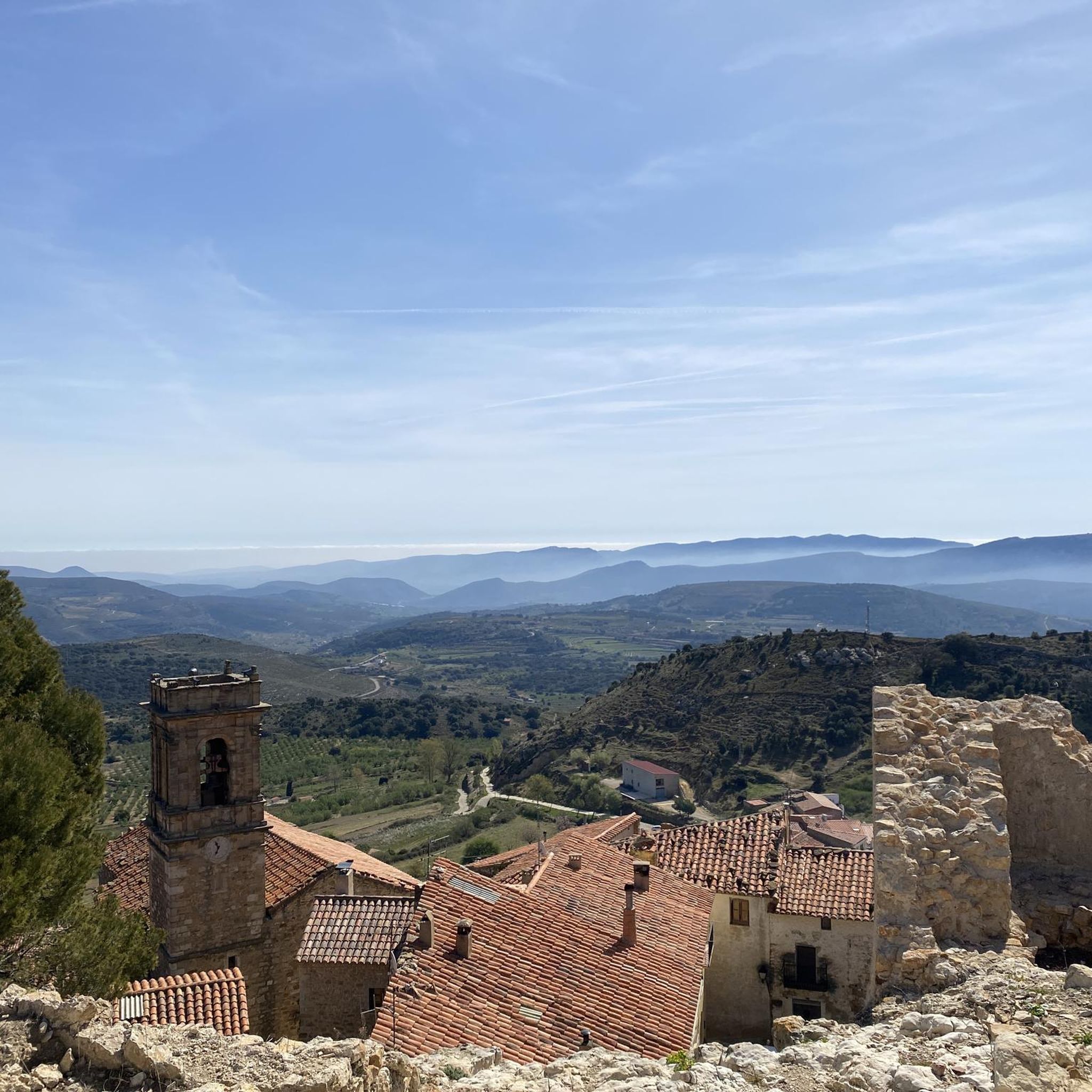
Chodos (in Valencian Xodos) is a municipality in the region of Alcalatén (Castellón). In the center of the town is its castle, of which only the remains of a tower and walls remain.
1
0

Municipality of the Alt Maestrat region, in the province of Castellón (Valencian Community). It is located in the middle of the Penyagolosa massif, limiting to the north with the province of Teruel. The origin of this population is Muslim, since Vistabella belonged to the castle of Culla. Vistabella has witnessed numerous historical events, such as the battle in 1812 against General Suchet during the Spanish war of independence, or important episodes of the Carlist wars, becoming the headquarters of the newspaper printing company of the time such as "Vanguardia". or "Flyer of War". Of its heritage, its castle stands out, of which a tower remains and part of the wall and the church of the Assumption, from the 17th century, one of the most important samples of Renaissance art in the Valencian territory. Part of the wall and two of the four entrances to the nucleus, the Forn and San Roc portals, have been preserved. Another important architectural sample is the palace house of Polo, from the 18th century, the prison and palace of King Pedro the Ceremonious, from the 14th century, the hermitage of San Antonio, from the 18th century.
1
0
Municipality of the Alto Maestrazgo region, in the province of Castellón (Valencian Community). The place name comes from Arabic, and refers to the Berber tribe of the Zenatas. The abundant archaeological remains of the place explain its long history, from Iberian ceramics to the Arab castle and medieval walls. The remains of the medieval walls and the castle of Adzaneta, or the Torre de la Presó, form part of its cultural heritage. The current town hall, formerly a hospital and Palace of the Commander of the Setena Culla during the 16th century, is also a historic building.
0
0
Population of the Alcalatén region, in the province of Castellón (Valencian Community), very popular as a hiking and cycling destination, due to its proximity to the Penyagolosa National Park. The origin of Xodos is Arab, and after the Reconquest, King Jaume I granted the lordship to the Aragonese nobleman Ximén de Urrea. The cultural heritage of Xodos includes the parish church of San Pedro Mártir, from the 17th century, which has a nave with three altars and a bell tower, and the castle and walls of Xodos. It is believed that the whole municipality was surrounded by a wall, of which now only the tower of homage remains. The geographical location of Xodos, perched on a rock mass on a precipice above the Alcalatén river valley, was of great strategic importance. The fortification allowed the defense of one of the natural routes that communicated with Aragon.
0
0

Frequently Asked Questions
What historical sites can I visit in Benafigos itself, given the original castle is gone?
While the original Castillo de Benafigos is largely disappeared, you can explore other significant historical sites within the village. The Church of San Juan Bautista, dating back to the 13th century, is believed to have integrated walls from the ancient castle into its structure. You can also see the 16th-century Renaissance Casa Abadía, the former Old Prison (now a cultural space), and the 18th-century Ermita del Calvario.
Which castles or historical settlements near Benafigos offer visible remains?
Several nearby settlements offer visible castle remains. You can visit Xodos, a municipality with the remains of a castle, including a tower and walls. Atzeneta del Maestrat features archaeological remains, an Arab castle, and medieval walls, including the Torre de la Presó. In Vistabella del Maestrat, you can find a remaining tower and part of the wall from its castle.
Are there any medieval villages with castles worth visiting near Benafigos?
Yes, Culla Historic Village is a notable medieval town with a castle dominating the heights. Dating from the 12th and 13th centuries, it is listed as an Asset of Cultural Interest and is part of the Most Beautiful Towns in Spain. Its narrow cobbled streets offer a journey back in time.
What kind of views can I expect when visiting the Benafigos area and its historical sites?
The village of Benafigos is situated on a hill over 900 meters high, offering picturesque views of the surrounding landscape. Similarly, the Atzeneta del Maestrat Castle (also known as Hermitage of Sant Joan Baptista) provides very nice views of the entire Alto Maestrat region.
What outdoor activities can I do near the castles around Benafigos?
The area around Benafigos offers various outdoor activities. You can find numerous hiking trails, such as the moderate 'Bar Delpoble loop from Culla' or the more difficult 'Culla Historic Village – Bar Delpoble loop from Culla'. For road cycling, routes like 'Atzeneta del Maestrat – Vistabella del Maestrat loop from Atzeneta del Maestrat' are available. Running trails also exist, including the 'Atzeneta del Maestrat loop from Atzeneta del Maestrat'. You can explore more options on the Hiking around Benafigos, Road Cycling Routes around Benafigos, and Running Trails around Benafigos guide pages.
Are there family-friendly historical sites or castles in the Benafigos area?
Yes, Atzeneta del Maestrat is listed as a family-friendly historical site. Its rich archaeological history, from Iberian ceramics to an Arab castle and medieval walls, can be an engaging experience for families.
What is the historical significance of the castles and settlements in this region?
The castles and settlements around Benafigos have a rich historical past, often with Arab origins. Places like Atzeneta del Maestrat derive their name from Arabic and show abundant archaeological remains. Vistabella del Maestrat also has Muslim origins and was part of the castle of Culla, witnessing significant historical events like battles during the Spanish War of Independence and Carlist wars. The region was historically part of the Setena de Culla and later belonged to the Order of the Temple and the Order of Montesa.
Can I find any religious buildings or hermitages connected to the historical sites?
Yes, several religious buildings are intertwined with the historical sites. In Benafigos, the Church of San Juan Bautista is a significant historical site. In Vistabella del Maestrat, the Church of the Assumption from the 17th century stands out as an important example of Renaissance art. The Ermita del Calvario in Benafigos is an 18th-century hermitage, and the Atzeneta del Maestrat Castle is also known as the Hermitage of Sant Joan Baptista, a site for two annual pilgrimages.
What are some unique architectural features to look for in the castles and historical buildings?
Look for remnants of medieval walls, such as those found in Xodos and Atzeneta del Maestrat, which also features the Torre de la Presó. In Vistabella del Maestrat, you can see a castle tower, part of the wall, and preserved portals like Forn and San Roc. The 16th-century Renaissance style of the Casa Abadía in Benafigos and the 18th-century Polo palace house in Vistabella also offer distinct architectural insights.
Are there any specific hiking trails that pass through or near these historical villages and castles?
Yes, Culla Historic Village is notably located on the GR7 hiking trail, making it accessible for hikers. You can find various hiking routes in the area, such as the 'Culla Historic Village – Bar Delpoble loop from Culla' or the 'Cova de Pere Tomàs loop from Castell d'Atzeneta del Maestrat'. More details are available on the Hiking around Benafigos guide page.
What do visitors enjoy most about the castles and historical sites around Benafigos?
Visitors appreciate the opportunity to step back in time and explore the rich history of the region. They enjoy walking through the narrow cobbled streets of medieval towns like Culla Historic Village and discovering charming corners. The strategic locations of these sites also offer picturesque views, such as those from Benafigos village itself or the Atzeneta del Maestrat Castle.
What is the best time to visit the castles and historical sites around Benafigos?
The region's elevated position means it can be pleasant during many seasons. For hiking and exploring, spring and autumn generally offer mild temperatures. Summer can be warm, but the higher altitude of Benafigos (over 900 meters) might provide some relief. Winter visits are possible, but check local conditions as some areas might be colder.
Most popular attractions around Benafigos

Get inspired with the komoot mobile app


Explore more
Looking for the best castles somewhere else? Discover other guides around Benafigos:
