The 5 Most Amazing Peaks around Cervantes
Best mountain peaks around Cervantes are primarily found in the Ancares Mountains of Lugo, Spain, an area recognized as a UNESCO Biosphere Reserve. This region is characterized by a landscape of forests, scrubland, and meadows, with elevations reaching near 2,000 meters. The mountains offer a blend of natural beauty and traditional Galician mountain culture. It is an ideal destination for those seeking diverse mountainous terrain and opportunities for outdoor activities.
Best mountain peaks around Cervantes
- The most popular mountain peaks…
Last updated: July 4, 2026
Cebreiro Pass
Highlight • Mountain Pass
Translated by Google •
Tip by

The three passes of O Cebreiro
Highlight (Segment) • Mountain Pass
Tip by

Sign up now to discover places like this
Get recommendations on the best single tracks, peaks, & plenty of other exciting outdoor places.
Sign up for free
Pico dos Tres Bispos
Highlight • Summit
Translated by Google •
Tip by

The three peaks of Cebreiro
Highlight (Segment) • Mountain Pass
In the …
Translated by Google •
Tip by
Pico Mostallar
Highlight • Summit
Translated by Google •
Tip by
Start today with a free account
Your next adventure awaits.
Login or Signup


Tips from the Community


Famous pass, feared by medieval pilgrims, practically connects the Bierzo with Galicia. The climb from Villafranca del Bierzo is no joke, but doable. Just take it easy.
4
0

Perfect road for a bike ride, you have to be careful in summer because of the vehicle traffic
0
0

After a long and hard climb you finally reach the pass and can be proud of yourself.
3
1
Here you have finally reached the long-awaited pass.
3
0
The route over the 3 passes is beautiful and the scenery is very impressive. Once you have reached the Ceibero, the other passes are no longer so strenuous.
3
0

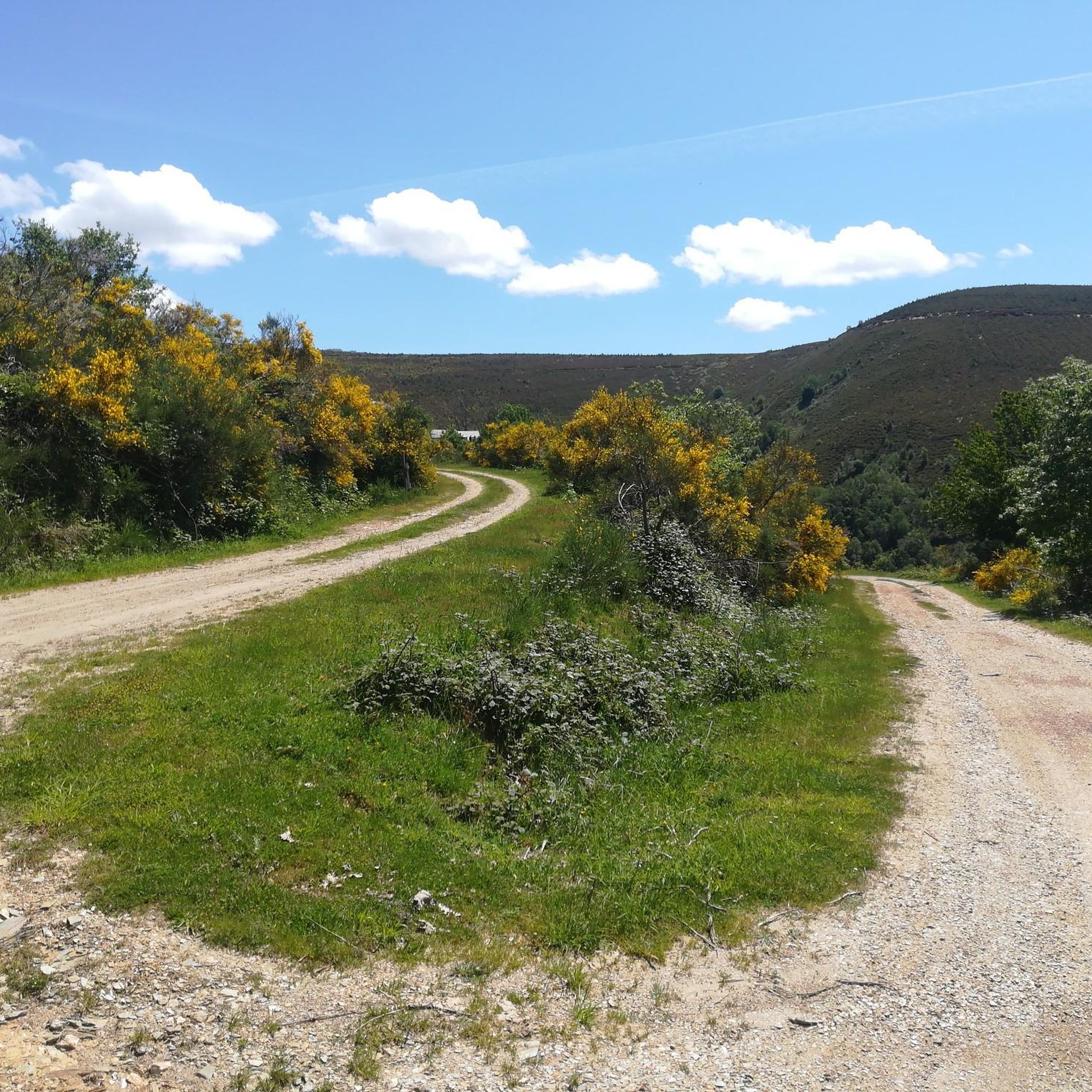
The last real climbs of the Camino are the three peaks of the Cebreiro mountain group, over a distance of approximately 13 km, divided into three equivalent segments. In the first stretch, starting from Pedrafita (1100 m above sea level) and following the LU-633 up to Cebreiro (1300 m.) there are 4 km almost entirely of climbs, which are also very tiring if you are carrying a lot of luggage: the heat accumulated for fatigue can turn into frozen sweat, cold and chills due to possible fog, tiredness and/or dehydration and the difference in temperature compared to Pedrafita; in addition to covering up, it is advisable to stop for a short refreshment at the village bar. In the second stretch you descend to Linares (1220 m), and then climb up to Alto de San Roque (1260 m), which is particularly windy, as evidenced by the statue of the saint placed on the pass of the hill. The third stretch descends again to Hospital (approximately 1250m) and then rises again reaching Alto do Poio (1335m), the highest point of the three peaks. From here the road begins to descend rapidly for about fifteen km up to 660 m. above sea level of Triacastela.
2
0

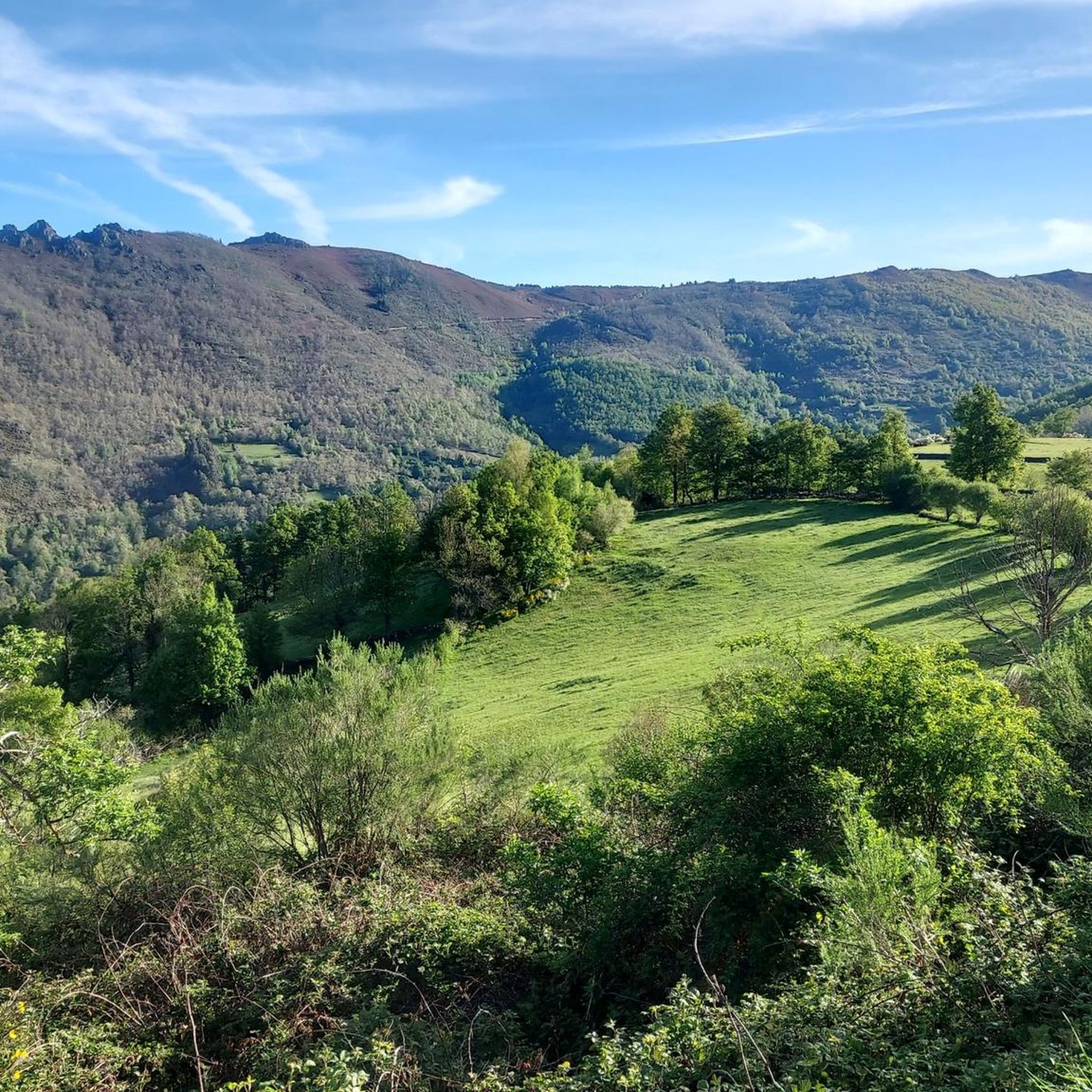
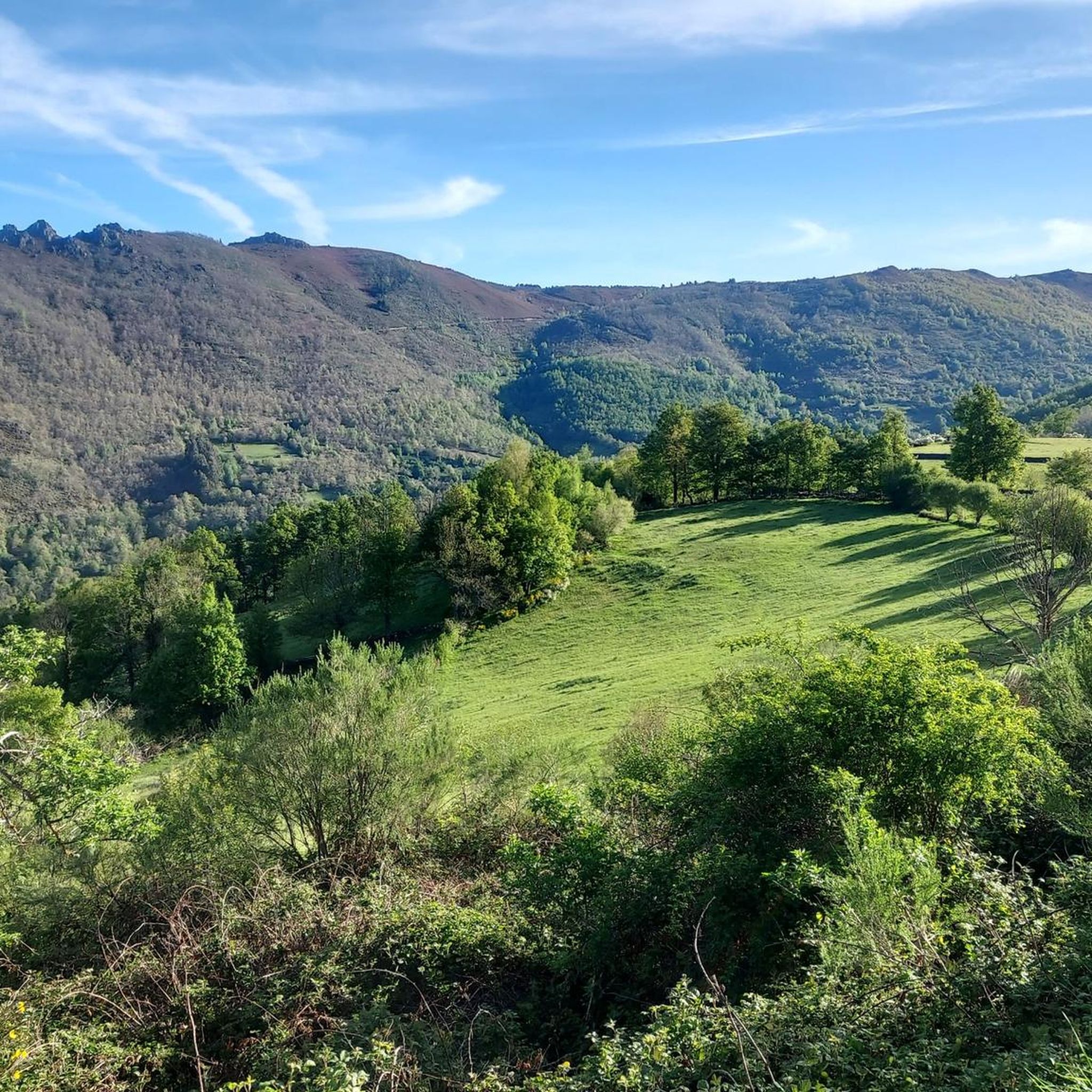
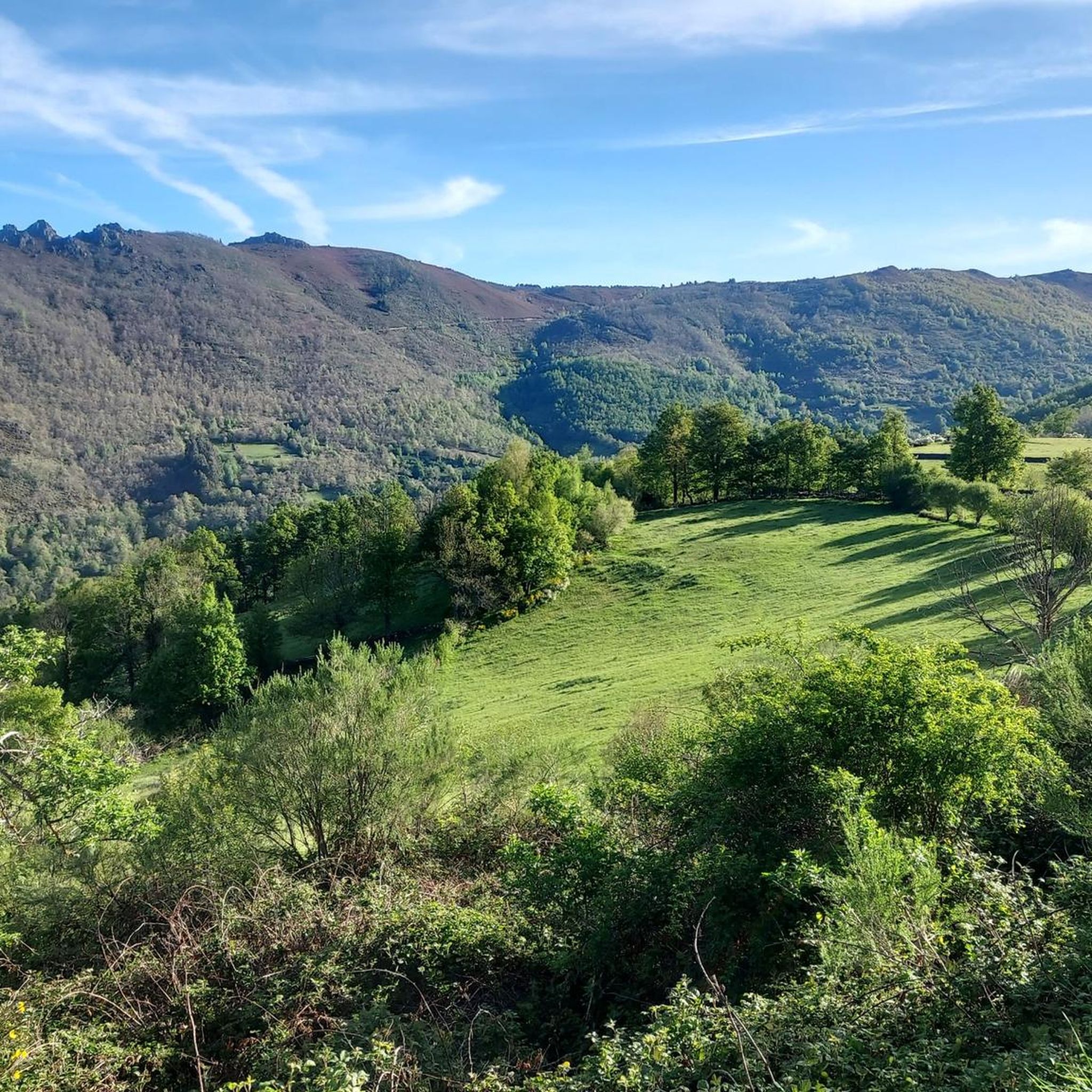
At an altitude of 1,794 meters, at the point where Galicia delimits Castilla and León, the top of Pico dos Tres Bispos offers beautiful views over the Serra dos Ancares.
4
1
Frequently Asked Questions
What are the most notable mountain peaks in the Cervantes region of Spain?
The Cervantes region in Lugo, Spain, is home to the Ancares Mountains, a UNESCO Biosphere Reserve. Key peaks include Pico Mostallar, which at 1,935 meters is the highest and most emblematic peak in Los Ancares and Lugo province. Other significant peaks are Pico dos Tres Bispos (1,794 meters), and the passes of O Cebreiro, Alto de San Roque, and Alto do Poio, which are part of the Camino de Santiago.
How challenging are the mountain peaks around Cervantes, Spain?
Many of the mountain peaks in the Ancares Mountains, such as Pico Mostallar and Pico dos Tres Bispos, are considered challenging summits, suitable for experienced hikers. The passes of O Cebreiro also involve long and sometimes strenuous climbs, especially if tackling all three in one go. However, the region also features areas with more gentle relief, offering a range of difficulties for various outdoor activities.
What kind of natural features can I expect to see in the Ancares Mountains?
The Ancares Mountains are characterized by a diverse landscape. You'll find a mosaic of forests, including Pyrenean oak, holm oak, maple, sorb, and birch, alongside extensive scrubland and meadows. Deep valleys are carved by a large river system that drains into the Navia River. The higher altitudes are often covered in snow for several months of the year, adding to the dramatic scenery.
Are there any historical or cultural landmarks near the mountain peaks in Cervantes, Spain?
Yes, the region is rich in history and culture. The passes of O Cebreiro are a significant stage of the Camino de Santiago, a historic pilgrimage route. The village of O Cebreiro itself is known for its traditional pallozas (pre-Roman dwellings) and its historical significance to the Camino. The Ancares Mountains are also a UNESCO Biosphere Reserve, preserving traditional Galician mountain culture.
When is the best time to visit the mountain peaks around Cervantes, Spain?
The Ancares Mountains can be visited throughout the year, but the best time depends on your activity. For hiking and cycling, late spring, summer, and early autumn offer pleasant weather. During winter, the higher peaks are often covered in snow, providing opportunities for winter sports, but requiring appropriate gear and experience. Always check local weather conditions before your visit.
What wildlife can be spotted in the Ancares Mountains?
The Ancares Mountains are a UNESCO Biosphere Reserve, home to a rich variety of fauna. Visitors might spot roe deer, otters, and even larger mammals like wolves and brown bears. The area is also a haven for various birds of prey, including the golden eagle and peregrine falcon, making it an excellent destination for nature observation.
What outdoor activities can I do near the mountain peaks around Cervantes?
The Ancares Mountains offer excellent opportunities for various outdoor activities. Hiking is very popular, with trails leading to summits like Pico Mostallar and Pico dos Tres Bispos. Cycling, both road cycling and touring, is also a great way to explore the scenic routes. You can find numerous routes for hiking, road cycling, and general cycling in the area.
Are there family-friendly options for exploring the mountains around Cervantes, Spain?
While many of the prominent peaks offer challenging ascents, the Ancares Mountains also feature areas with more gentle relief, making them suitable for family walks and less strenuous hikes. Look for trails that explore the lower valleys, forests, and meadows, which provide beautiful scenery without extreme difficulty. Always check the specific trail's difficulty before heading out with family.
Where can I find accommodation or amenities near the mountains in Cervantes, Spain?
The municipality of Cervantes and surrounding villages in the Ancares Mountains offer various accommodation options, from rural guesthouses to small hotels. These typically provide a base for exploring the mountains and experiencing traditional Galician mountain life. It's advisable to book in advance, especially during peak seasons.
What do visitors enjoy most about the mountain peaks around Cervantes?
Visitors frequently highlight the stunning panoramic views from summits like Pico dos Tres Bispos and Pico Mostallar. The unique blend of natural beauty, including pristine forests and diverse wildlife, combined with the rich cultural heritage of the Camino de Santiago and traditional Galician mountain life, makes the area particularly appealing. The challenging yet rewarding hiking experiences are also a major draw.
What is the significance of O Cebreiro in the Cervantes mountain region?
The three passes of O Cebreiro are a historically significant part of the Camino de Santiago in Galicia. The area features a long climb to the village of O Cebreiro itself, followed by two more passes, Alto de San Roque and Alto do Poio. It offers magnificent landscapes of mountains and forests, and is a crucial stage for pilgrims.
Most popular attractions around Cervantes

Get inspired with the komoot mobile app


Explore more
See even more amazing summits around Cervantes with these guides:
