Top 3 Gorges around Valdetórtola
Best canyons around Valdetórtola are primarily found in the wider Cuenca province, as Valdetórtola itself does not feature prominent canyon formations. This municipality, located in the province of Cuenca, Castilla-La Mancha, sits at an altitude of 968 meters above sea level. While specific canyons are not a defining feature of Valdetórtola's immediate terrain, the surrounding region offers diverse geological formations, including notable gorges. These natural attractions provide opportunities for outdoor activities and exploration within a short distance.
Best canyons around…
Last updated: July 4, 2026
Descent to Las Angustias
Highlight • Trail
Translated by Google •
Tip by

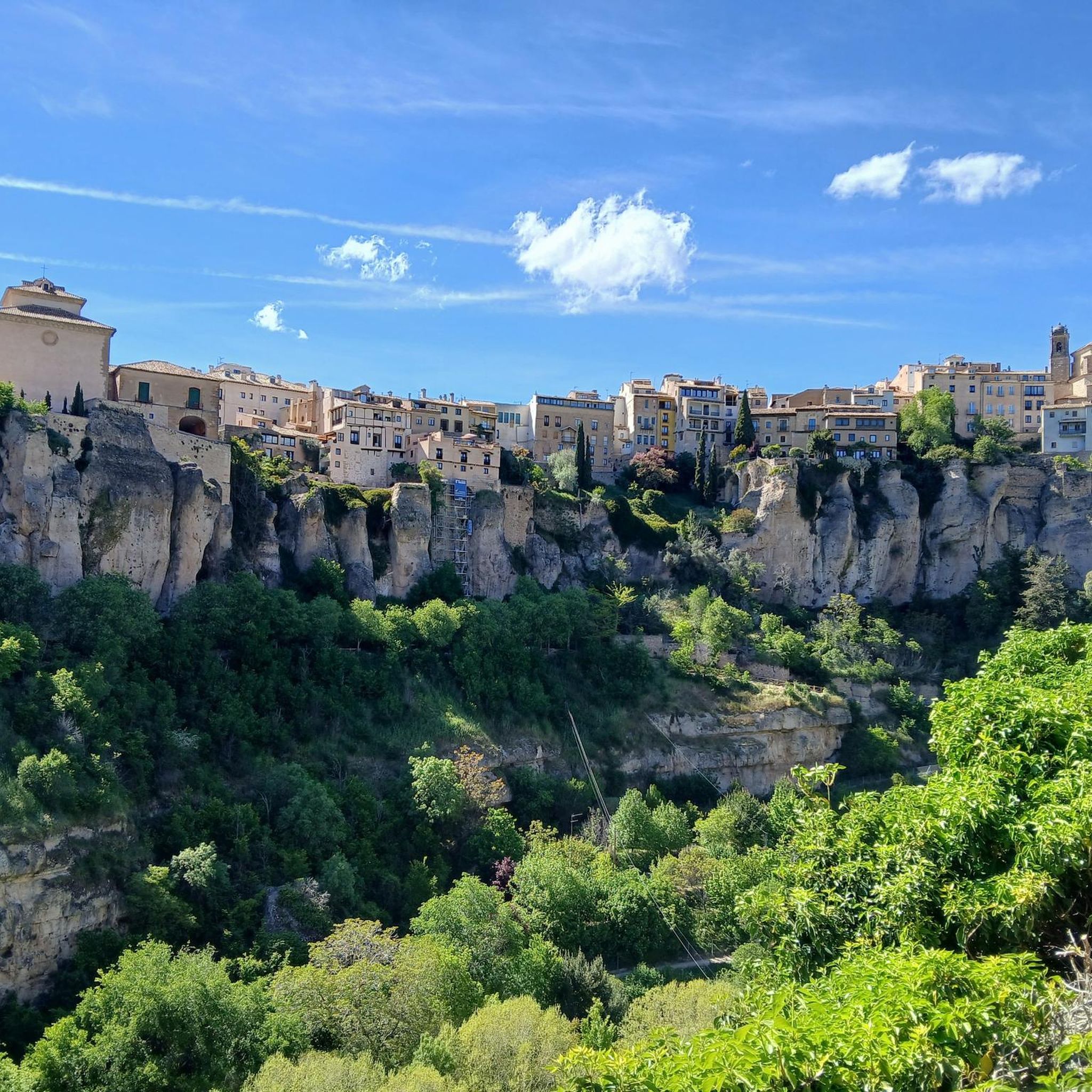
View of Cuenca and the Río Júcar Gorge
Highlight (Segment) • Viewpoint
Translated by Google •
Tip by
Sign up now to discover places like this
Get recommendations on the best single tracks, peaks, & plenty of other exciting outdoor places.
Sign up for free
View of the Parador de Cuenca and the Huécar Gorge
Highlight • Viewpoint
Translated by Google •
Tip by
Gritos River Gorge
Highlight (Segment) • Gorge
Translated by Google •
Tip by

Hoz del Huécar
Highlight (Segment) • Gorge
Translated by Google •
Tip by
Start today with a free account
Your next adventure awaits.
Login or Signup

Tips from the Community

From the viewpoints of the old town, especially the Camilo José Cela viewpoint, the Ojos de la Mora can be seen perfectly and with a great perspective, and many visitors highlight that it is beautiful at sunset.
7
0
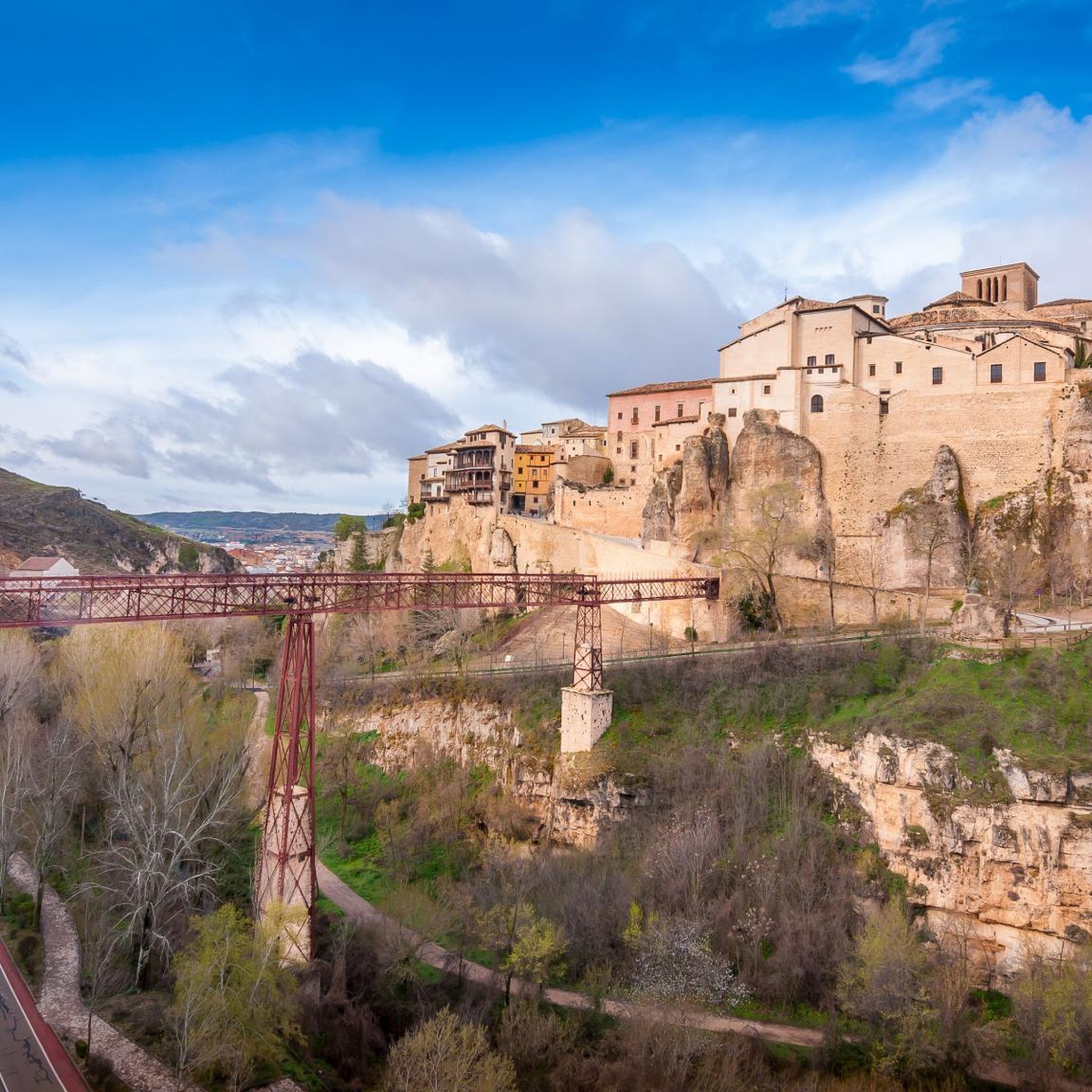
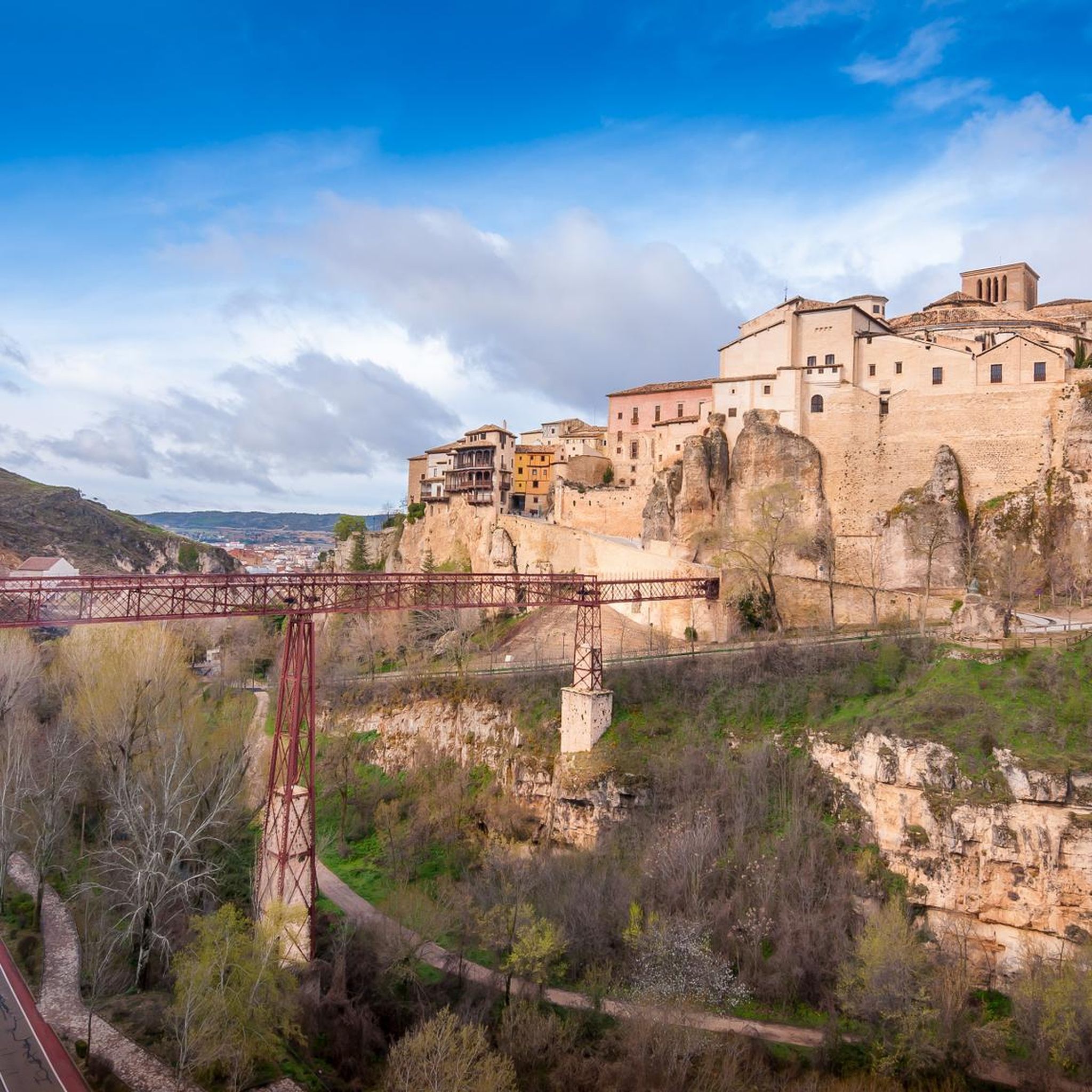
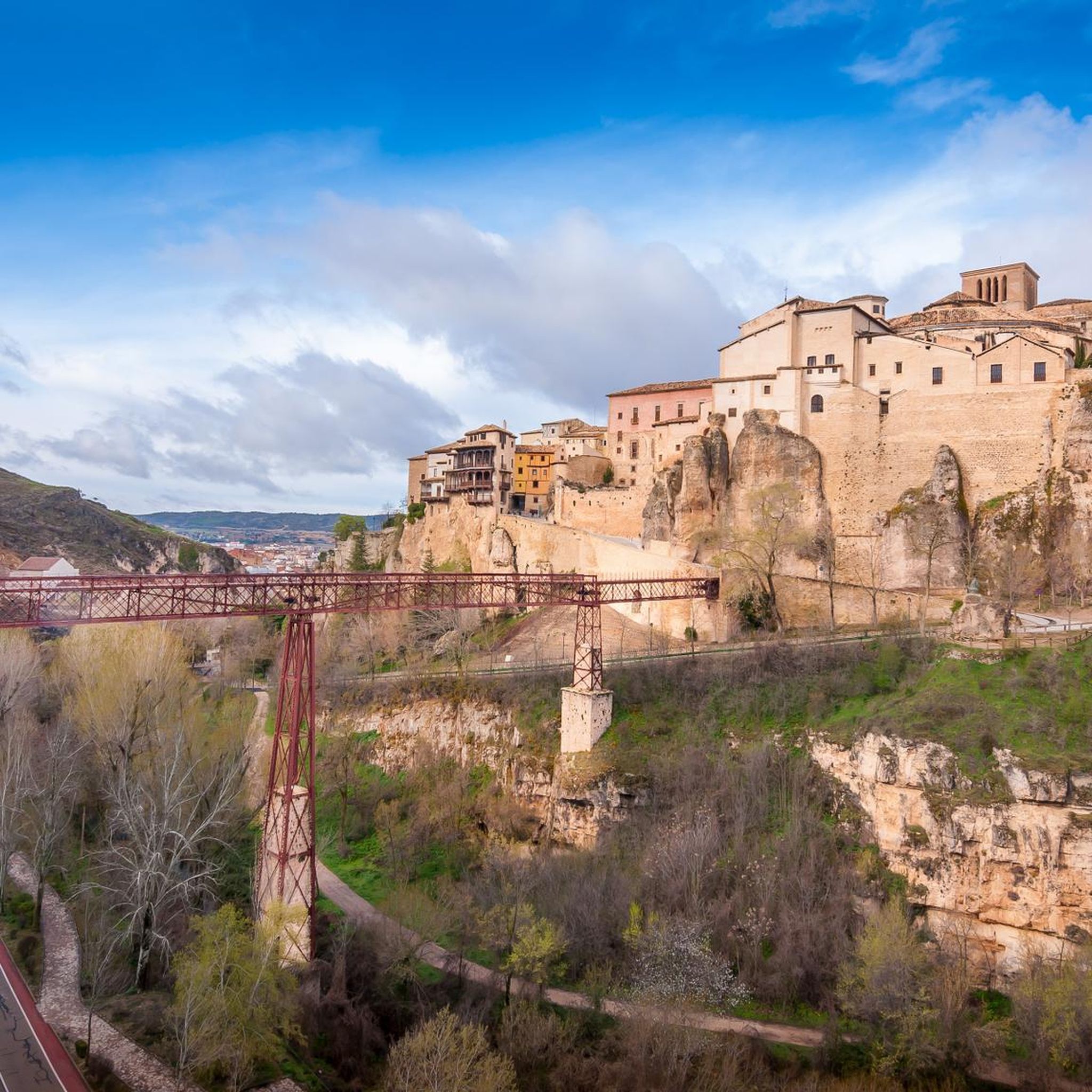
The Huécar Gorge is an impressive canyon carved by the Huécar River very close to the historic center of Cuenca. It forms part of the famous gorges that surround the city and give it its distinctive, monumental profile.
9
0

It's no rival to the nearby Hoz del Júcar, but it's also an area worth visiting.
2
0

descent from Cuenca Castle towards the Júcar River Gorges.
0
1
Beautiful landscapes, as on all the trails in Cuenca.
0
1

From the well-developed path on the edge of the cliff high above the gorge-like valley of the Rio Júcar, there are fascinating views down into the river valley and wonderful views of the rock faces on both sides as well as to the east of the old town of Cuenca, which towers above the rock faces, and behind it the mountain Cerro del Socorro.
2
0

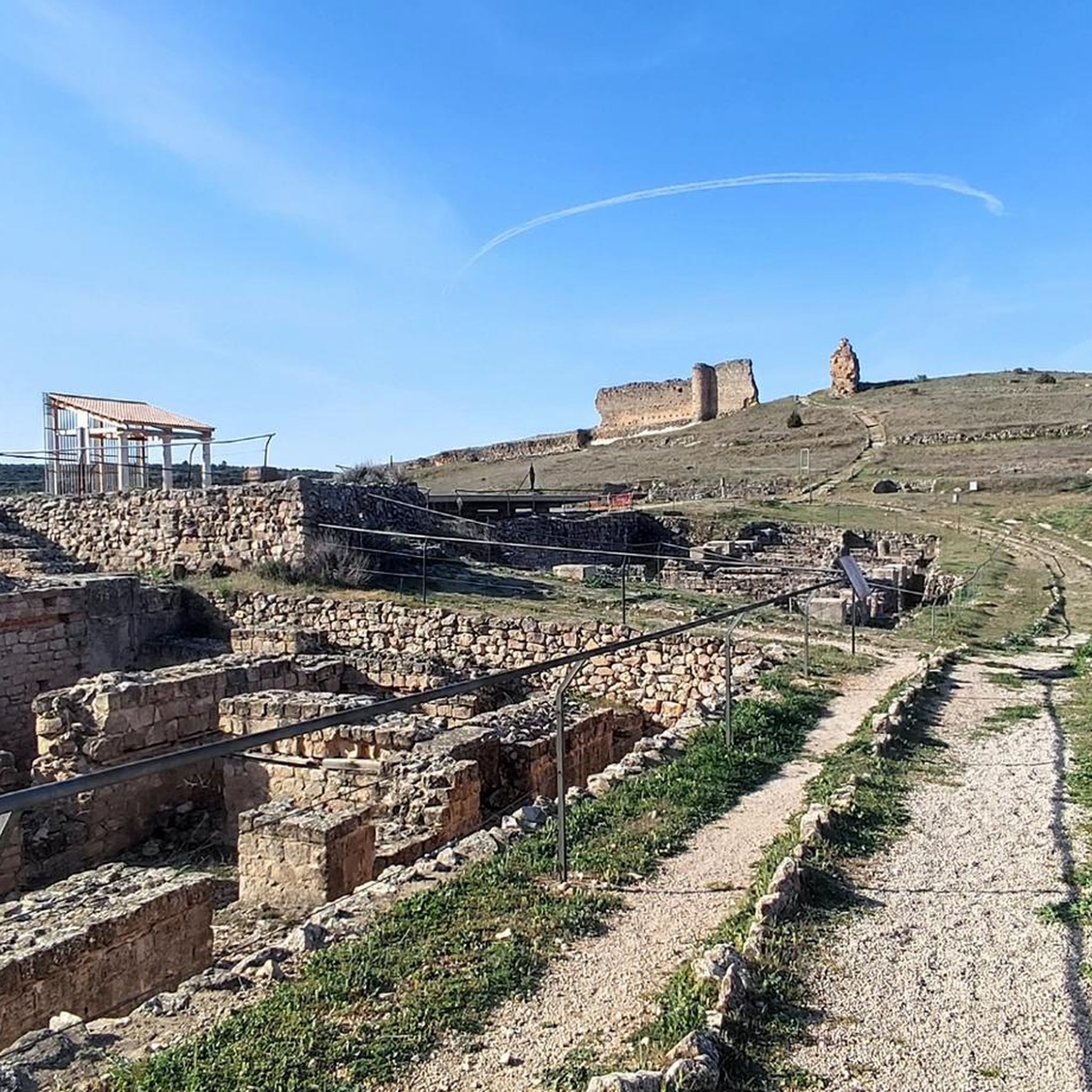
Joining the towns of Valeria and Valera de Abajo, this marvelous path runs along the gorge of the Gritos river through a dreamlike landscape. With a total length of about 7 km, you can choose to start at either end and cover the distance that you most want, without a doubt the complete route is the most picturesque.
3
0
It offers us magnificent views of the Huécar gorge.
31
0
Frequently Asked Questions
Where are the main canyons located in relation to Valdetórtola?
Valdetórtola itself does not feature prominent canyon formations. The most notable gorges and canyons are primarily found in the wider Cuenca province, particularly around the city of Cuenca, which is a short distance away. These areas offer diverse geological formations and natural landscapes to explore.
What are some of the most popular gorges to visit near Valdetórtola?
Visitors frequently enjoy several impressive gorges. These include the Descent to Las Angustias, which leads to La Ermita de la Virgen de las Angustias and offers views of the Júcar River Gorges. Another popular spot is the View of Cuenca and the Río Júcar Gorge, providing fascinating perspectives of the river valley and the old town. The View of the Parador de Cuenca and the Huécar Gorge also offers magnificent vistas of the Huécar gorge and the historic Parador.
Are there any natural monuments or protected areas among the gorges near Valdetórtola?
Yes, the Gritos River Gorge is recognized as a natural monument. This marvelous path runs along the gorge of the Gritos river, offering a dreamlike landscape between the towns of Valeria and Valera de Abajo.
What kind of views can I expect from the viewpoints in the canyons near Valdetórtola?
The viewpoints offer spectacular scenery. For instance, from the View of Cuenca and the Río Júcar Gorge, you can see the rock faces on both sides of the river valley and the old town of Cuenca towering above. The View of the Parador de Cuenca and the Huécar Gorge provides magnificent views of the Huécar gorge and the historic Parador building.
What outdoor activities can I do near these gorges?
The region around Valdetórtola and the nearby gorges offers a variety of outdoor activities. You can find numerous road cycling routes, such as the 'Ciudad Encantada y Ventano del Diablo' circular route from Cuenca, or the 'Gritos River Gorge' loop. There are also running trails, including loops from Cuenca like 'Albergue de Peregrinos', and MTB trails like the 'San Antón Bridge – Júcar Riverside Walk' loop. For more details on these activities, you can explore the Road Cycling Routes around Valdetórtola, Running Trails around Valdetórtola, and MTB Trails around Valdetórtola guides.
Are there historical sites associated with the gorges near Valdetórtola?
Yes, some gorges are closely linked to historical sites. The Descent to Las Angustias leads to La Ermita de la Virgen de las Angustias. Additionally, the View of the Parador de Cuenca and the Huécar Gorge offers views of the old monastery, now the Parador de Cuenca, nestled within the gorge landscape.
What are the geological features of the gorges around Valdetórtola?
The gorges in the wider Cuenca province, such as the Júcar River Gorge and the Huécar Gorge, are characterized by impressive rock formations carved by river erosion. These deep river valleys showcase dramatic cliffs and unique geological profiles, contributing to the distinctive monumental landscape of the area, especially around the city of Cuenca.
What do visitors particularly enjoy about the gorges near Valdetórtola?
Visitors frequently highlight the beautiful landscapes and fascinating views. Many appreciate the perspectives of the rock faces and the old town of Cuenca from viewpoints like the Camilo José Cela viewpoint. The trails, such as the one along the Gritos River Gorge, are often described as picturesque and dreamlike.
Is the Huécar Gorge worth visiting compared to the Júcar Gorge?
The Huécar Gorge, also known as Hoz del Huécar, is an impressive canyon carved by the Huécar River very close to the historic center of Cuenca. While it might not rival the scale of the nearby Júcar Gorge, it is definitely an area worth visiting for its distinctive profile and proximity to the city's monumental architecture.
Are there any specific trails or routes that explore these gorges?
Yes, there are several trails. The Descent to Las Angustias is a trail that leads down from Cuenca Castle towards the Júcar River Gorges. The Gritos River Gorge features a path of about 7 km that runs along the gorge, connecting the towns of Valeria and Valera de Abajo.
Most popular routes around Valdetórtola
Most popular attractions around Valdetórtola

Get inspired with the komoot mobile app


Explore more
Already discovered everything in this region? See additional gorges around Valdetórtola for your next adventure:
