Top 5 Caves around Ucero
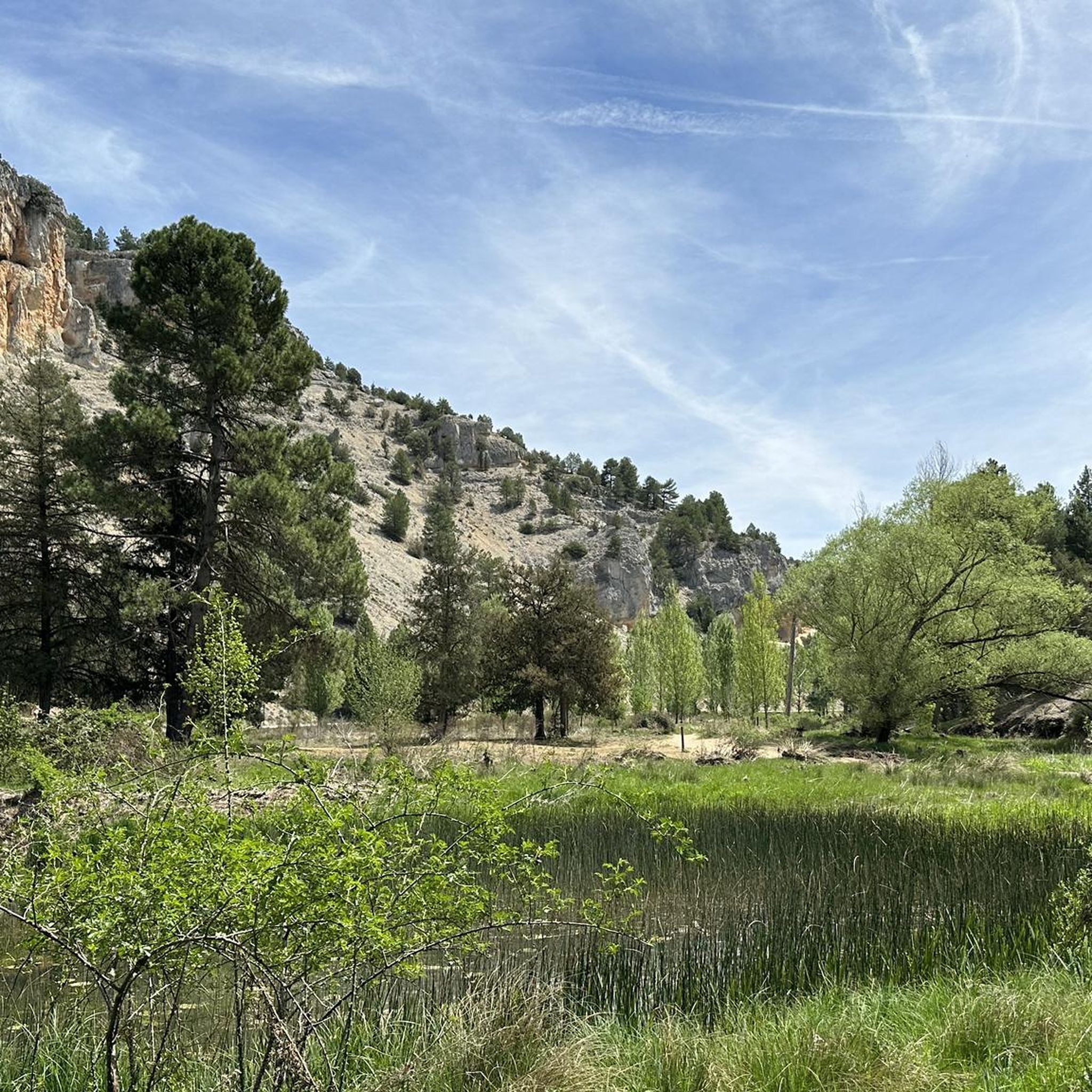
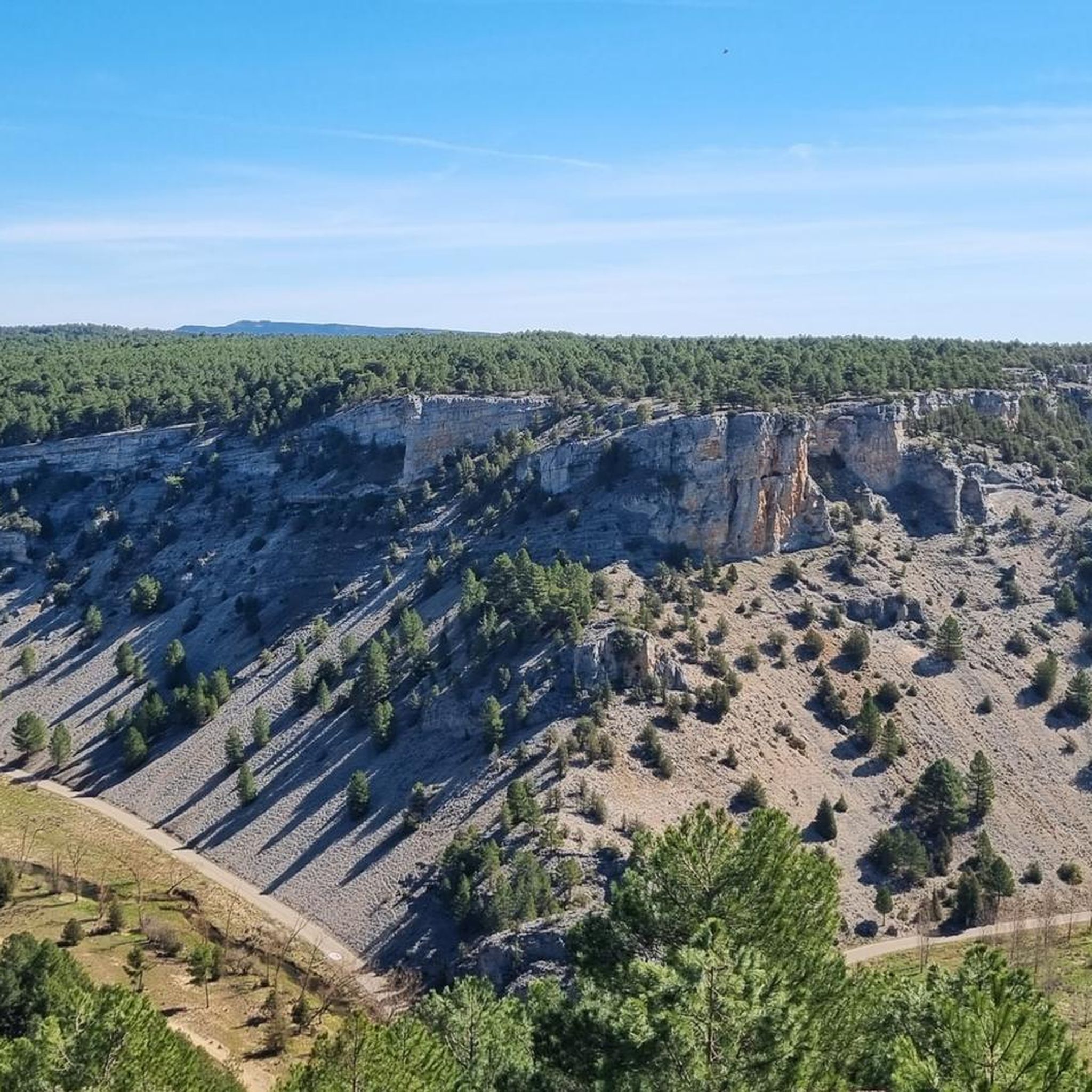
Caves around Ucero are primarily found within the Cañón del Río Lobos Natural Park in Soria, Spain, an area known for its karstic terrain and underground landscapes. This region features numerous natural cavities formed by subterranean waters over millennia. The park's geological formations include significant caves and rock arches, offering opportunities for exploration. Ucero serves as a gateway to these natural features, providing access to a diverse range of underground environments.
Best caves around Ucero
- The most popular caves is…
Last updated: July 3, 2026
Cueva Grande (Río Lobos Canyon)
Highlight • Cave
Translated by Google •
Tip by

Entrance Trail to Cañón del Río Lobos from Casarejos (GR-86)
Highlight (Segment) • Trail
Translated by Google •
Tip by

Sign up now to discover places like this
Get recommendations on the best single tracks, peaks, & plenty of other exciting outdoor places.
Sign up for free
Devil's Eye (Natural Rock Arch)
Highlight • Natural Monument
Translated by Google •
Tip by

View of the Hermitage of San Bartolomé from Cueva Grande
Highlight • Cave
Translated by Google •
Tip by
Casarejos Canyon
Highlight • Canyon
Translated by Google •
Tip by
Start today with a free account
Your next adventure awaits.
Login or Signup
Other adventures around Ucero

Tips from the Community

Spectacular area for hiking routes
0
0

This park is known for its spectacular geological formations, caves and chasms, as well as its rich biodiversity.
4
0
The LOBOS River canyon is worth visiting
0
0
The large cave, a large cavity in an idyllic landscape, which is the surroundings of the hermitage of San Bartolomé
0
1
The number of times I've climbed up there
0
0

Impressive cave created by nature over millions of years
1
0

Very interesting and beautiful descent into the Lobos River canyon from San Leonardo.
0
0
Frequently Asked Questions
What are the main caves to explore near Ucero?
The primary caves in the area are the Cueva Grande (Río Lobos Canyon), known for its view of the Hermitage of San Bartolomé, and the Cueva de la Galiana, which is the most famous and accessible for tourist visits. The Cañón del Río Lobos Natural Park, where these caves are located, also features other geological formations like the Devil's Eye (Natural Rock Arch).
Are there guided tours available for the caves in Ucero?
Yes, the Cueva de la Galiana offers guided tours year-round. You can choose between an 'Initiation Route' suitable for beginners and children over 10, or an 'Adventure Route' for a more challenging experience involving crawling and climbing. Tours typically last between 2 to 4.5 hours and include safety equipment like helmets and headlamps.
What kind of geological formations can I expect to see in the caves around Ucero?
The caves, particularly the Cueva de la Galiana, are rich in diverse speleothems. You can observe impressive rock formations including gours (small pools of clear water), columns, stalactites, stalagmites, and flowstones. The Cueva de la Galiana also features distinct areas like the 'Sala del Bosque' (Forest Room) and the 'Lake Room' with abundant formations.
Are the caves around Ucero suitable for families with children?
The Cueva de la Galiana offers an 'Initiation Route' during its guided tours, which is designed to be low difficulty and suitable for most people, including children over 10 years old. This provides a good introduction to caving in a safe and educational environment.
What is the best time to visit the caves near Ucero?
The Cueva de la Galiana offers guided tours year-round, making it accessible in any season. However, for exploring the surrounding Cañón del Río Lobos Natural Park and enjoying outdoor activities, spring and autumn generally offer the most pleasant weather conditions.
What outdoor activities can I do near the caves in Ucero?
The area around Ucero and the Cañón del Río Lobos Natural Park is excellent for various outdoor activities. You can find numerous running trails, MTB trails, and cycling routes. The Entrance Trail to Cañón del Río Lobos from Casarejos (GR-86) is a popular option for hiking and enjoying less crowded sections of the canyon.
Are there any historical or cultural sites near the caves?
Yes, the Cueva Grande is located near the Templar hermitage of San Bartolomé within the Cañón del Río Lobos Natural Park. The cave itself offers a unique perspective, framing the hermitage in its opening, and the area is steeped in history and local legends.
What should I wear for a caving experience in Ucero?
For guided tours in caves like Cueva de la Galiana, it's advisable to wear comfortable clothing that you don't mind getting dirty, as some routes may involve crawling. Sturdy, closed-toe shoes with good grip are essential. Safety equipment like helmets and headlamps are typically provided by tour operators.
Is it possible to visit the caves without a guide?
While some natural cavities in the Cañón del Río Lobos Natural Park might be accessible, the Cueva de la Galiana, the most famous and well-developed for visitors, is primarily explored through guided tours to ensure safety and provide an educational experience. Exploring other caves independently may require specific permits and expertise.
Are there any viewpoints overlooking the caves or the canyon?
Yes, the Cueva Grande offers a unique viewpoint from within, providing a picturesque frame for the Hermitage of San Bartolomé. Additionally, the Devil's Eye (Natural Rock Arch) is a natural window carved into the rock, offering another spectacular vista within the Cañón del Río Lobos.
What is the difficulty level for caving in the Ucero area?
The Cueva de la Galiana offers options for varying difficulty levels. Its 'Initiation Route' is considered low difficulty, making it suitable for beginners. The 'Adventure Route' is more challenging, involving crawling and climbing with ropes, providing a more in-depth caving experience for those seeking it.
Can I bring my dog on trails near the caves?
The Cañón del Río Lobos Natural Park has specific regulations regarding dogs on trails. It's best to check the park's official guidelines or local tourist information for current rules on dog access to ensure a compliant and enjoyable visit.
Most popular attractions around Ucero

Get inspired with the komoot mobile app


Explore more
Extend your search for the best caves by checking out these guides of the top ones around Ucero:
