Top 7 Gorges around Consuegra de Murera
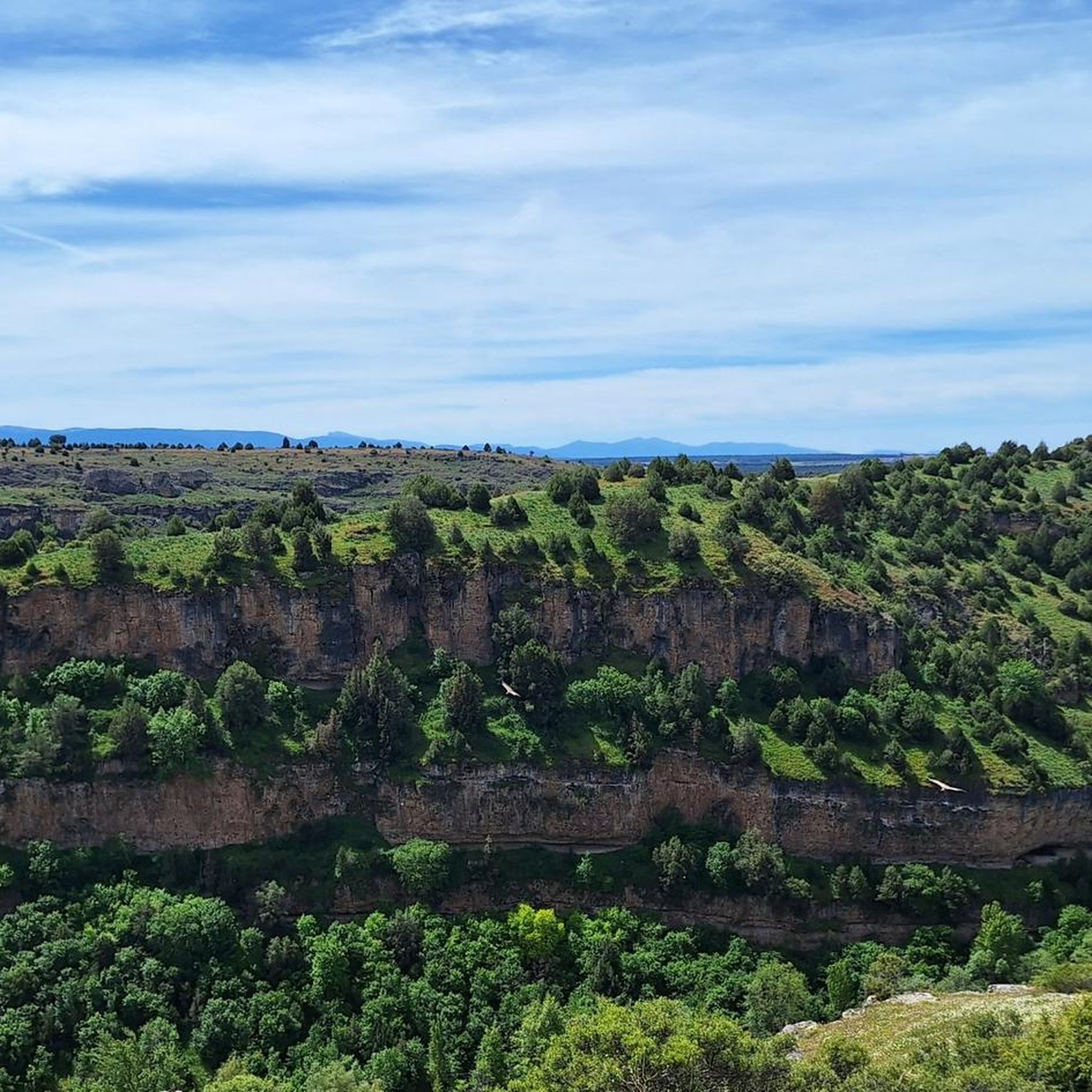
Canyons around Consuegra de Murera, a locality within the municipality of Sepúlveda, are primarily formed by the San Juan River. This area is characterized by impressive geological formations, including limestone and dolomite walls sculpted by karst erosion. The canyon supports diverse flora, with a continuous gallery of poplars, alders, and ash trees along the river, and provides crucial nesting grounds for a large population of griffon vultures and other raptors. The region offers opportunities to observe varied plant life and…
Last updated: July 3, 2026
Vulture Cliff
Highlight • Natural Monument
Translated by Google •
Tip by

Hoces del Duratón Natural Park
Highlight • Gorge
Translated by Google •
Tip by

Sign up now to discover places like this
Get recommendations on the best single tracks, peaks, & plenty of other exciting outdoor places.
Sign up for free
Viewpoint of Virgen de la Peña
Highlight • Viewpoint
At the viewpoint there are informative …
Translated by Google •
Tip by

View of the Hermitage of San Frutos and the Duratón Gorge
Highlight • Viewpoint
Translated by Google •
Tip by

View of Vulture Nests
Highlight • Viewpoint
Translated by Google •
Tip by

Sign up for free to discover even more gorges around Consuegra de Murera.
Sign up for free
Already have an account?
Start today with a free account
Your next adventure awaits.
Login or Signup
Tips from the Community

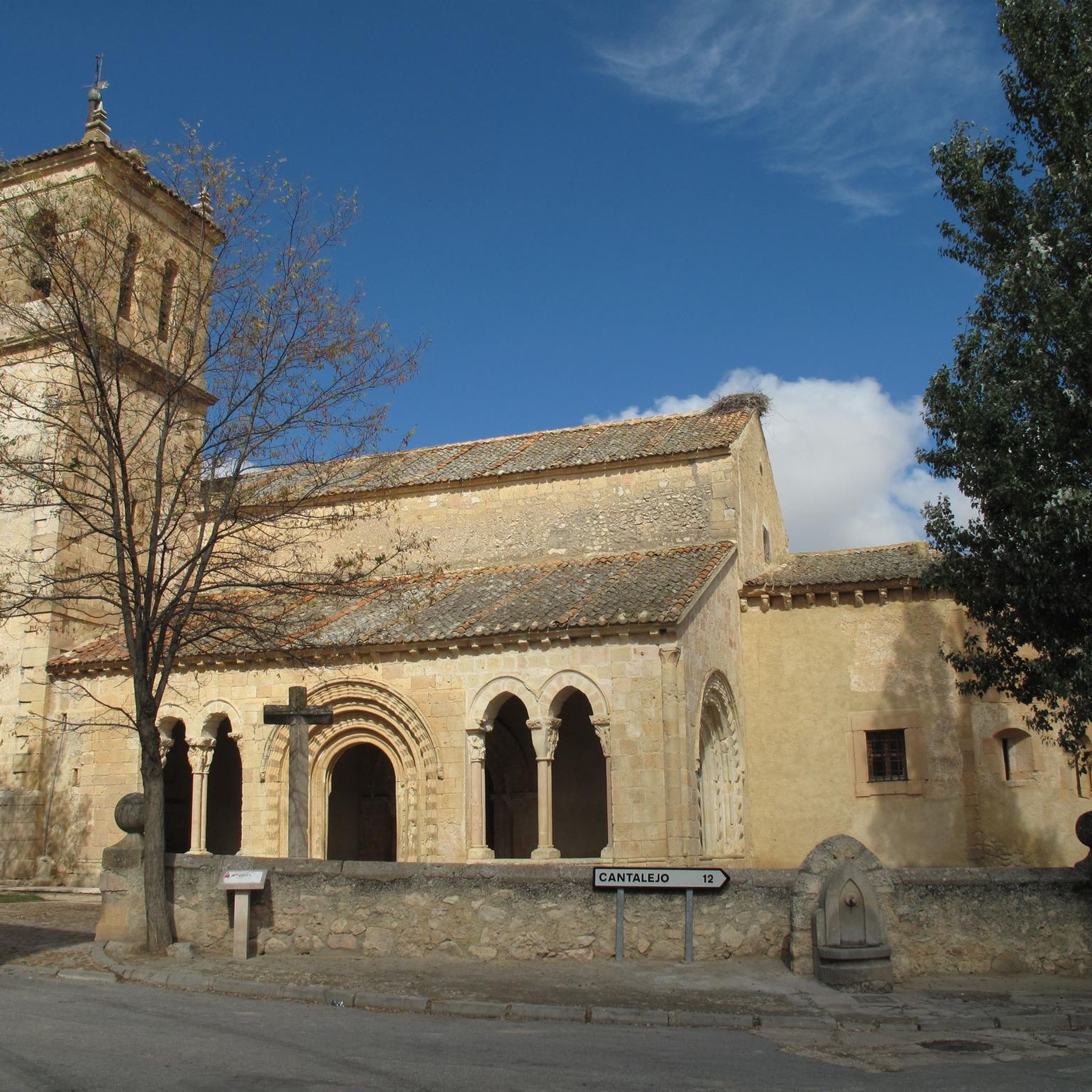
Located directly behind the Virgen de la Peña sanctuary. From there you have a wonderful view of the first hoces of the Duratón River. At the viewpoint there are informative signs about the fauna, flora and other features of Las Hoces.
1
0

Above the Río Duratón there are these immense rocks, a gorge formed by the river, where we can see these huge animals.
0
1
In the passage of the Río Duratón through these lands, over the years, the river has created a huge gorge that has formed walls that are currently used for nesting vultures and their young.
1
0

To get to the viewpoint we must deviate from the path. We will find a beautiful image of the Hermitage of San Frutos in the middle of a wide Hoz del Río Duratón.
1
0

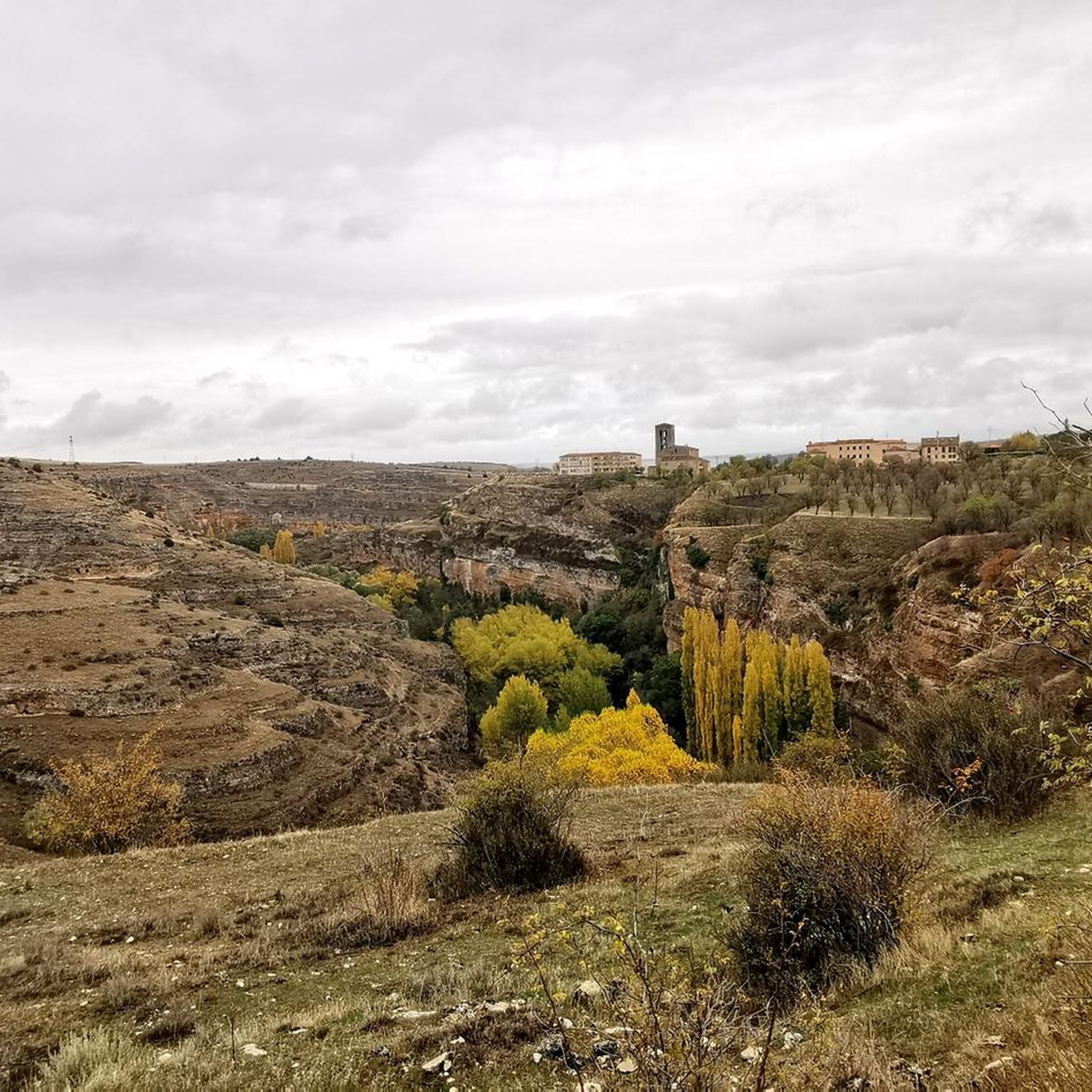
The Duratón canyon is a valley nestled between the plateau of the Segovian páramo with walls that reach one hundred meters in several areas and an average width of fifty meters. The road draws the river line of the canyon, it is winding and undulating between imposing limestone and dolomite walls that have suffered a forceful wear of karstic dissolution for millions of years. At first the water filtered into the earth, forming an underground water course below the current course and due to erosion the roof and the side walls collapsed and the current bed emerged, although much narrower. Later periglacial modeling continued to affect the cuts in the gorges and increased the width of the gorge until the gorges became what they are today. The bottom of the river valley is an alluvial plain of gravel, sand, silt and clay where forest species grow that fill the interior of the gorge with life and color up to the meanders of the Burgomillodo reservoir, in the final stretch of the river within of the space of the natural park. In the central part of the gorges is the mouth of the Valdemuelas stream, a narrow gorge that descends from Villar de Sobrepeña, the area where the largest community of griffon vultures and birds of prey in the natural park is concentrated. The path is a constant gallery of poplars, poplars, alders, ash trees, willows, elms and other forest species associated with water courses. In some meanders the plain is more extensive and there are old plantations of walnut, chestnut, plum and wild hazelnut trees, the autumn festival of color is guaranteed. More than five hundred pairs of griffon vultures nest on the walls of the gorges, there are also Egyptian vultures, golden eagles and peregrine falcons.
0
1

Fantastic place to see the vultures, as it is not a protected area, it allows you to see them much closer than other known areas of the Hoces del Duratón.
1
0

We have never seen more vultures together than here
1
1
Frequently Asked Questions
What are the main canyons to explore around Consuegra de Murera?
The canyons around Consuegra de Murera are primarily formed by the San Juan River, known for its impressive limestone and dolomite walls. Key highlights include the Vulture Cliff and View of Vulture Nests, both offering exceptional opportunities to observe griffon vultures. You can also visit the Viewpoint of Virgen de la Peña for views of the Duratón River gorges.
What unique natural features can I expect to see in the canyons near Consuegra de Murera?
The canyons are characterized by towering limestone and dolomite cliffs, sculpted by millions of years of karst erosion. The river valleys feature alluvial plains supporting diverse flora, including poplars, alders, ash trees, and willows. In wider areas, you'll find old plantations of walnut, chestnut, and plum trees, offering vibrant colors, especially in autumn. The area is also a crucial nesting ground for griffon vultures and other raptors.
What kind of wildlife can be observed in the San Juan River Canyon?
The canyon walls provide a vital nesting habitat for over five hundred pairs of griffon vultures, making it an excellent spot for birdwatching. You might also spot Egyptian vultures, golden eagles, and peregrine falcons. The confluence of the Valdemuelas stream with the San Juan River is a particularly concentrated area for these birds of prey.
Are there family-friendly viewpoints or activities in the canyons?
Yes, the Viewpoint of Virgen de la Peña is considered family-friendly. It offers wonderful views of the Duratón River gorges and has informative signs about the local fauna and flora, making it an educational stop for all ages.
What is the best time of year to visit the canyons around Consuegra de Murera?
Autumn is particularly recommended for visiting the canyons. The varied tree species along the river, such as walnut, chestnut, and plum trees, display a vibrant 'festival of color' during this season. The weather is also generally pleasant for outdoor activities.
What outdoor activities can I do near the canyons of Consuegra de Murera?
Beyond exploring the canyons themselves, the region offers various outdoor activities. You can find numerous road cycling routes, such as 'Waters of the Duratón River — Hoces' and 'Sepúlveda and Hoces del Duratón Loop'. There are also cycling routes for touring bicycles and running trails like the 'Long Duratón Trail' and 'Detour to Sepúlveda'. For more details, explore the road cycling routes, general cycling routes, and running trails guides.
What do visitors enjoy most about the canyons in this region?
Visitors frequently highlight the spectacular scenery, especially the towering limestone and dolomite cliffs. The opportunity to observe a large population of griffon vultures and other raptors up close is also a major draw. The rich biodiversity and the vibrant autumnal colors of the riverside forests are highly appreciated.
Is the San Juan River Canyon part of a larger natural park?
While the San Juan River Canyon is a significant natural feature in its own right, the area around Consuegra de Murera is closely associated with the Hoces del Río Duratón Natural Park. This larger park is renowned for its impressive gorges and natural beauty, suggesting a broader region of natural interest for exploration.
Are there any specific viewpoints recommended for seeing the vultures?
Absolutely. The Vulture Cliff is a natural monument that offers a prime vantage point for observing vultures, often allowing for closer views than in more protected areas. The View of Vulture Nests is another excellent spot within the gorge to see these birds and their young.
What is the geological history of the canyons around Consuegra de Murera?
The canyons were formed over millions of years by karst erosion, sculpting the imposing limestone and dolomite walls. Initially, the San Juan River flowed underground, and subsequent erosion led to the collapse of the roof and sidewalls, creating the current riverbed. Periglacial modeling further widened these gorges to their present state.
Can I find information about local flora and fauna at the viewpoints?
Yes, at the Viewpoint of Virgen de la Peña, you will find informative signs detailing the local fauna, flora, and other features of Las Hoces, enhancing your understanding of the natural environment.
Most popular routes around Consuegra de Murera
Most popular attractions around Consuegra de Murera

Get inspired with the komoot mobile app


Explore more
Already discovered everything in this region? See additional gorges around Consuegra de Murera for your next adventure:
