Top 6 Castles around Nambroca
Best castles around Nambroca are found in the historic city of Toledo, located in close proximity to Nambroca. This region is characterized by its rich historical significance and diverse architectural heritage. The area offers a landscape where ancient fortifications stand as testaments to centuries of history.
Best castles around Nambroca
- The most popular castles is Palacio de Galiana, a historical site located on the banks of the Tagus River. This ancient palace was built in the 11th century by…
Last updated: July 3, 2026
Palacio de Galiana
Highlight • Historical Site
Translated by Google •
Tip by

Almonacid Castle
Highlight • Castle
Translated by Google •
Tip by

Sign up now to discover places like this
Get recommendations on the best single tracks, peaks, & plenty of other exciting outdoor places.
Sign up for free
Castle of the Counts of Orgaz
Highlight • Castle
Translated by Google •
Tip by
San Servando Castle
Highlight • Castle
Translated by Google •
Tip by
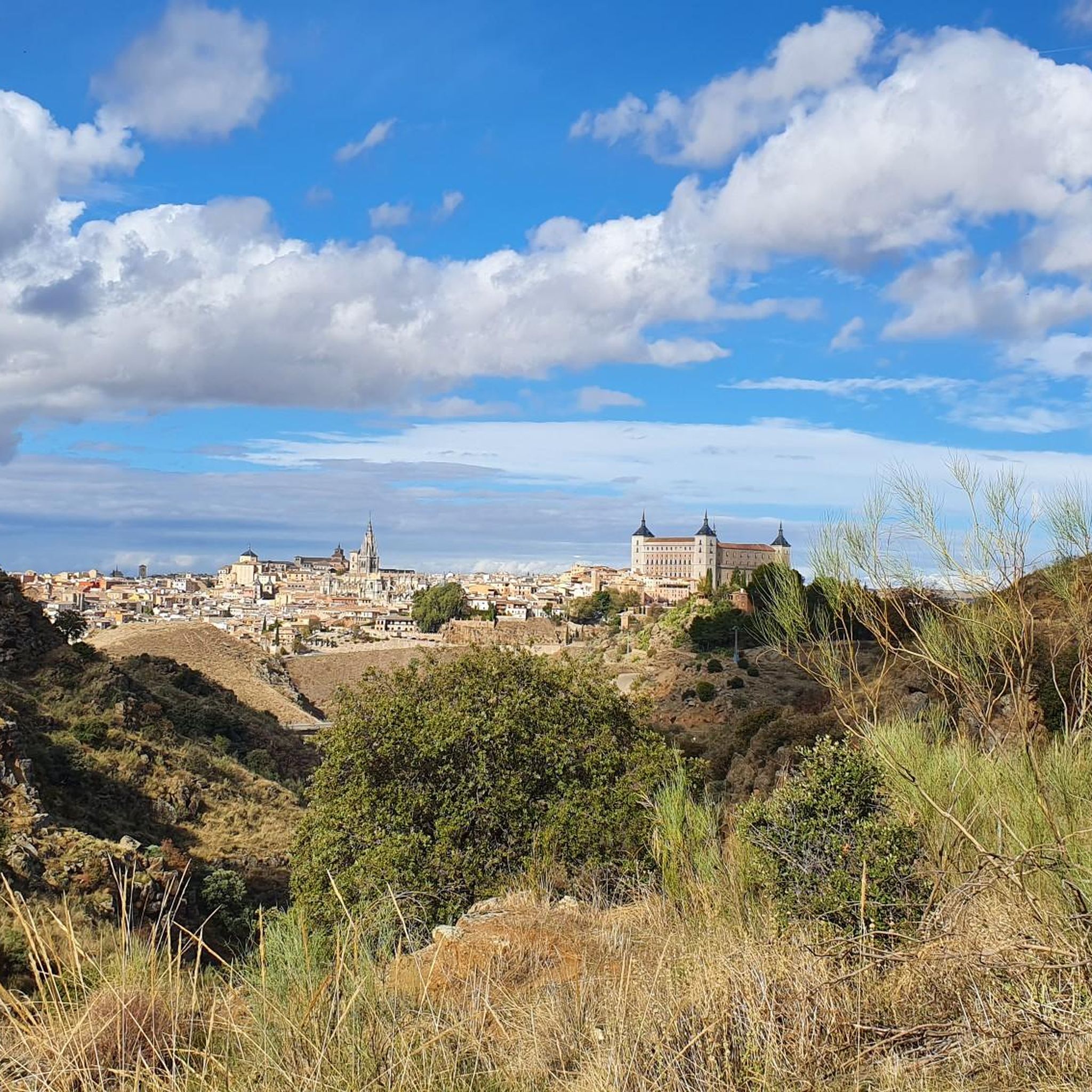
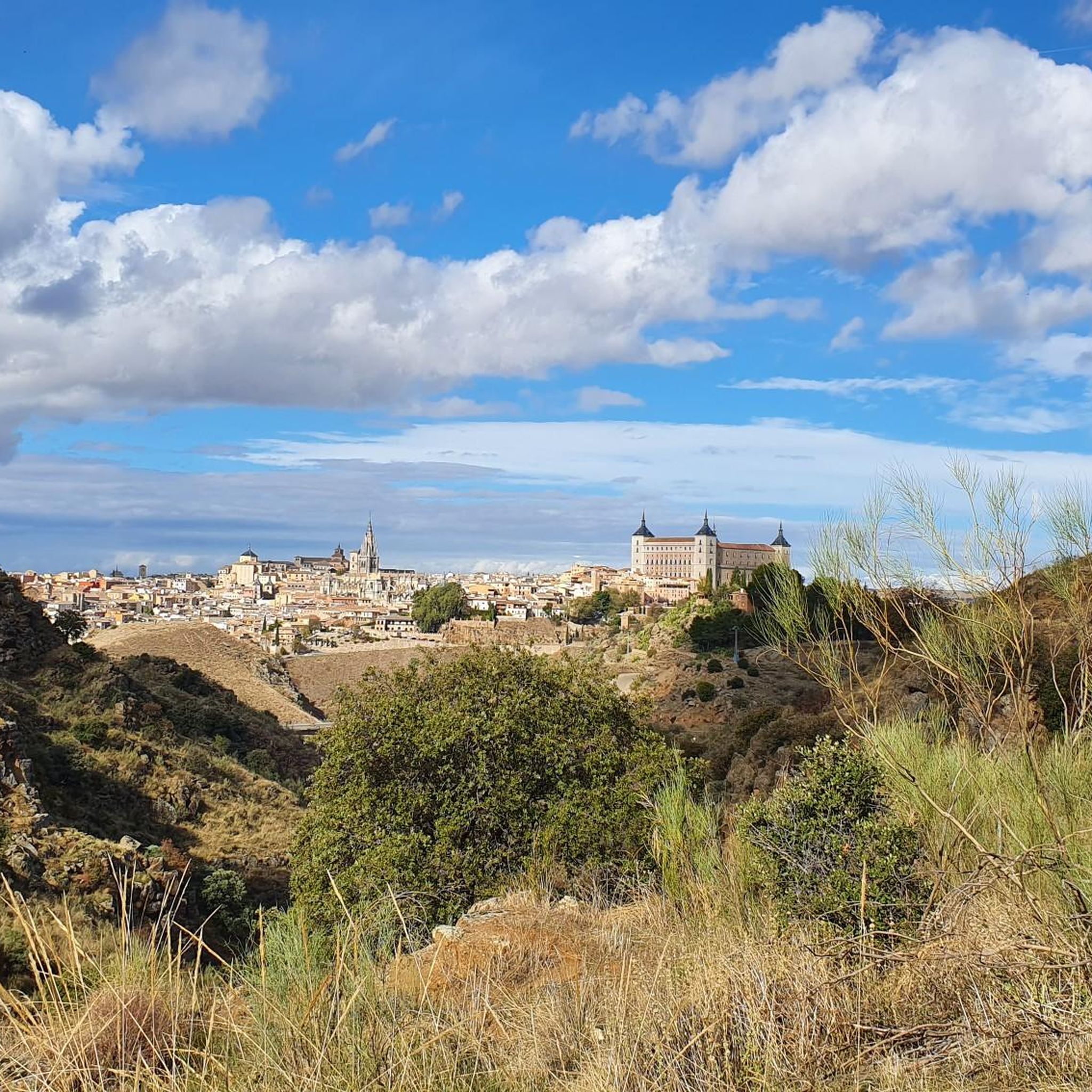
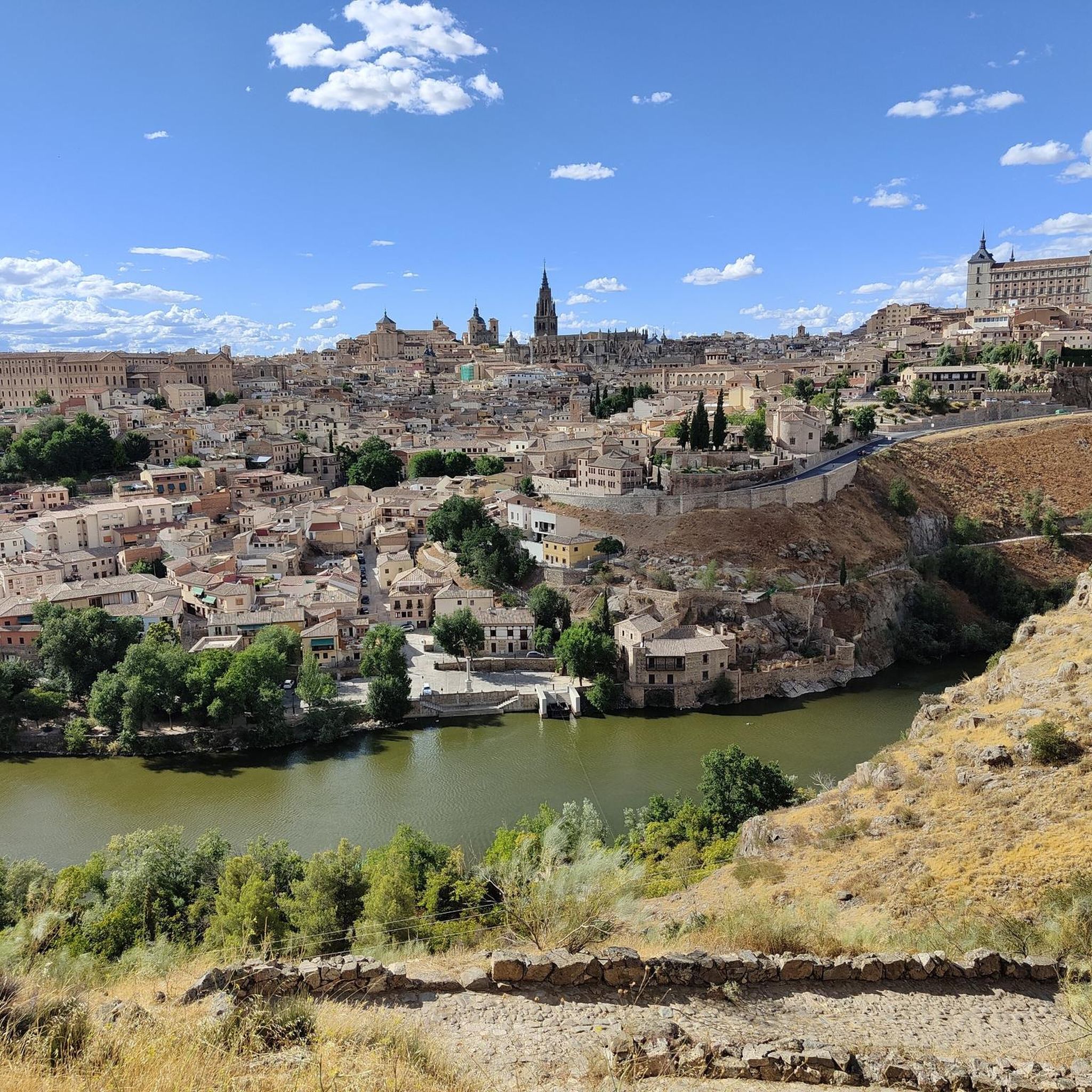
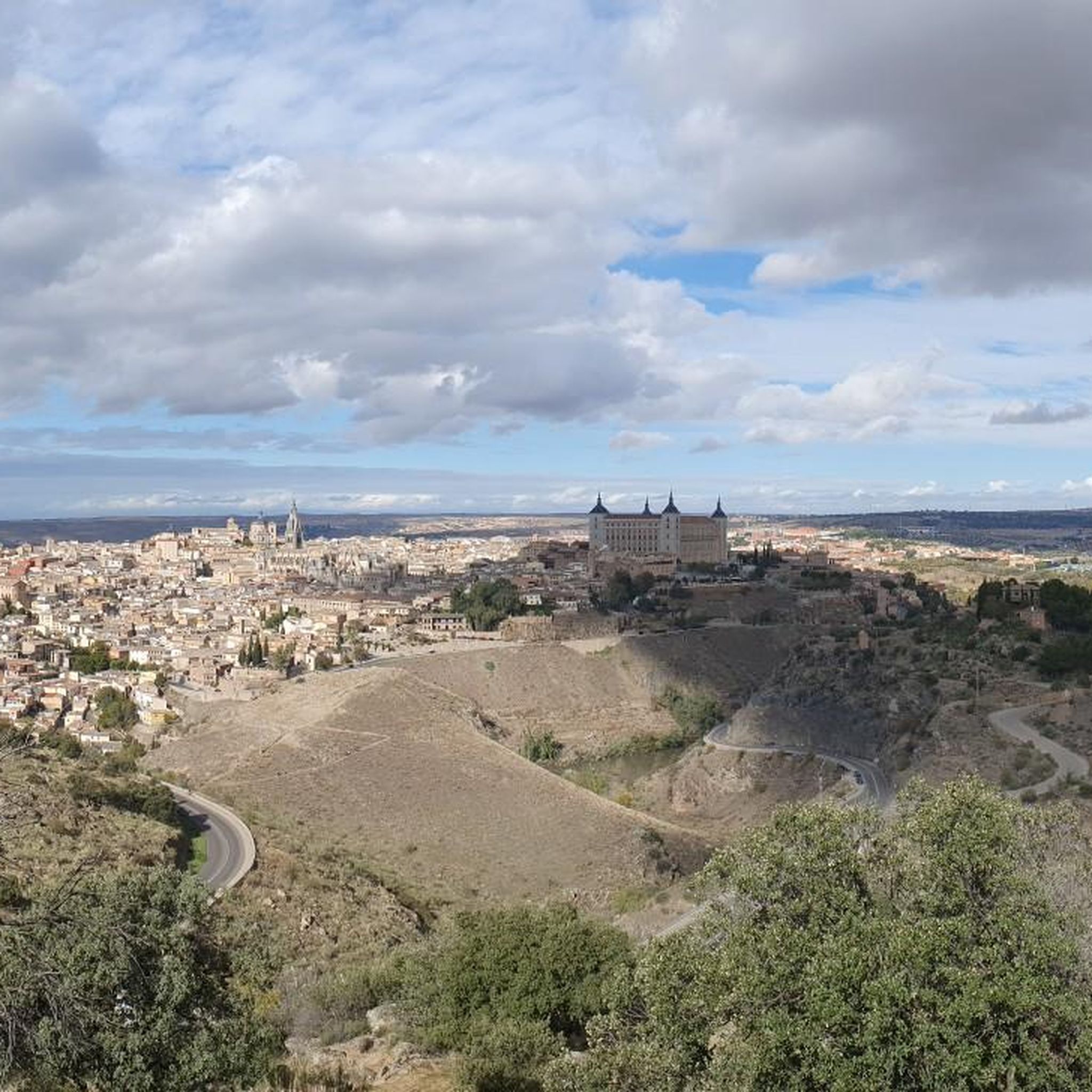
View of the Puente de Alcántara and the Alcázar of Toledo
Highlight • Viewpoint
Translated by Google •
Tip by

Sign up for free to discover even more castles around Nambroca.
Sign up for free
Already have an account?
Start today with a free account
Your next adventure awaits.
Login or Signup


Tips from the Community

Currently, it is not possible to climb to the castle because a tower has collapsed.
0
1

The Alcántara Bridge is one of Toledo's most important historical gateways and a key engineering feat dating back to Roman times. Originally built by the Romans as part of the roads crossing the Tagus River towards the city of Toletum, it was rebuilt in several stages due to damage and flooding of the Tagus. Notable phases include: 10th century: renovation under Islamic rule (the horseshoe arch was added). 13th century: reconstruction under Alfonso X, from which the western tower originates. 1721: replacement of the eastern tower with a Baroque triumphal arch. One of the Alcántara Bridge's greatest attractions is that it offers one of the best panoramic views of the Alcázar of Toledo, thanks to its low position next to the Tagus River.
1
0
It is located next to the Tourist Information office.
7
0
It is located next to the Tourist Information office, where they provide information about guided tours.
4
0
The Castle of San Servando is an impressive medieval fortress located in Toledo, next to the Tagus River and very close to the Alcántara Bridge. It is one of the city's most notable monuments due to its history, architecture, and strategic location. Built in 1024 as a monastery during the reign of Alfonso VI.
11
0

Built during the Middle Ages next to the western entrance gate to the town of Orgaz, it was for years a key element in the settlement's defense and surveillance functions. Although we now know it as the Castle of the Counts of Orgaz, when it was built, the castle belonged to the Lords of Orgaz. The Lordship of Orgaz was established in 1220 when Ferdinand III granted Ferdinand Juan de Alfariella, who had purchased the town of Orgaz from the Church of Santo Tomé, the title of Lord. Orgaz did not become a County until 1520 when the title of Count of Orgaz was granted to Álvaro Pérez de Guzmán by King Charles I.
0
2

Even more beautiful at night than during the day
1
0
The Almonacid Castle in Toledo is a Muslim building that was donated by Alfonso VI to the Toledo Cathedral. Its current configuration is due to the reforms carried out by Archbishop D. Pedro Tenorio in the 14th century and later it served as a prison for D. Alfonso de Gijón y Noreña, bastard son of Enrique II. In the 16th century, D. Pedro Gumiel commented that the fortress needed urgent repairs. In the 18th century it passed into the hands of the counts of Mora and during the War of Independence, in the 19th century (1809), it was a refuge for the troops of General Venegas, with the Battle of Almonacid taking place at its feet, which ended with the capture of the castle by the French. In 1839 the mayor of Almonacid allowed the residents of the town to use the material from which it was made for private use, further accentuating its ruin. Today the castle is property of the City Council and access is free.
1
0
Frequently Asked Questions
What are some of the most notable castles to visit near Nambroca?
While Nambroca itself doesn't have prominent castles, the nearby city of Toledo offers several remarkable fortifications. Key sites include the Palacio de Galiana, the Castle of the Counts of Orgaz, and Almonacid Castle. Additionally, Toledo boasts the historic Alcázar of Toledo and the Castle of San Servando.
Are there any castles near Nambroca that offer significant historical insights?
Yes, the castles in the region are rich in history. The Alcázar of Toledo, for instance, has served as a Roman praetorium, a Visigothic fortress, an Arab alcázar, and a medieval castle. The Castle of San Servando, originally a monastery, was later fortified by the Knights Templar to protect Toledo. Almonacid Castle, visible from afar, dates back to the 14th century and was intended as a military settlement.
What kind of views can I expect from the castles near Nambroca?
Many castles in the area offer excellent panoramic views. The Alcázar of Toledo provides sweeping vistas of the city. From San Servando Castle, you can enjoy views of the Tagus River and the city of Toledo. Almonacid Castle, perched on a promontory, offers extensive views in all directions over the surrounding landscape.
Are there family-friendly castles to visit near Nambroca?
The Castle of the Counts of Orgaz is categorized as family-friendly. Its well-preserved residential fortress structure and battlements can be engaging for visitors of all ages. The nearby town of Orgaz itself is also considered family-friendly, offering a charming historical experience.
What is the best time of year to visit the castles around Nambroca?
The region around Nambroca and Toledo experiences hot summers and mild winters. Spring (April-May) and autumn (September-October) generally offer the most pleasant weather for exploring castles, with comfortable temperatures for walking and sightseeing.
Can I combine a castle visit with outdoor activities near Nambroca?
Absolutely. The area around Nambroca offers various outdoor activities. You can find cycling routes, such as the 'Picnic area loop from Las Nieves' or the 'Bike loop from Nambroca', which are part of the Cycling around Nambroca guide. For gravel biking, routes like 'Alcántara Bridge – View of the Palacio de Galiana loop from Toledo' are available in the Gravel biking around Nambroca guide. There are also MTB trails, including 'Alcántara Bridge – View of the Palacio de Galiana loop from Nambroca', detailed in the MTB Trails around Nambroca guide.
How can I reach the castles near Nambroca using public transport?
The castles are primarily located in or near Toledo. While specific public transport details from Nambroca to individual castles like Almonacid or Guadamur are not readily available, Toledo is well-connected by bus from Nambroca. Once in Toledo, local buses or walking can take you to sites like the Alcázar or San Servando Castle. For the Castle of the Counts of Orgaz, you would typically need to travel to Orgaz, which may involve intercity bus services.
Are there any castles near Nambroca that are particularly well-preserved?
The Castle of the Counts of Orgaz is noted for its magnificent conservation. It is a beautiful example of a residential fortress from the 14th century, maintaining its rectangular shape, battlements, and Torre del Homenaje.
What is the historical significance of the Palacio de Galiana?
The Palacio de Galiana is an ancient palace built in the 11th century by King Al Mamun. Situated on the banks of the Tagus River, it offers privileged views of Toledo and has been a significant historical site for centuries, reflecting the region's rich Moorish heritage.
Are there any castles near Nambroca that are associated with famous historical figures or events?
Yes, the Alcázar of Toledo was commissioned by Emperor Charles V in the 16th century, and its history spans Roman, Visigothic, and Arab periods. The Castle of San Servando was given to the Knights Templar to protect Toledo after the Christian reconquest and is even depicted in El Greco's painting 'View of Toledo'.
What can I expect to see inside the Alcázar of Toledo?
The Alcázar of Toledo currently houses the Army Museum and the Castilla-La Mancha Library. Visitors can explore its impressive courtyards, grand staircases, and extensive collections detailing Spanish military history. The building itself is an architectural marvel, showcasing centuries of modifications and rebuilds.
Are there any castles near Nambroca that also serve as cultural venues or accommodations?
Yes, the Castle of San Servando, while a historical fortress, today serves as a youth hostel and hosts various cultural events. This offers a unique opportunity to experience a medieval setting with modern amenities.
Most popular routes around Nambroca
Most popular attractions around Nambroca

Get inspired with the komoot mobile app


Explore more
Looking for the best castles somewhere else? Discover other guides around Nambroca:
