Top 9 Caves around Anguiano
Best caves around Anguiano are found in the broader Comarca de Anguiano, with the Cuevas de Ortigosa de Cameros being the only ones adapted for tourist visits in La Rioja. These caves, formed approximately 160 million years ago during the Jurassic period, are a result of water dissolving calcareous rock. They consist of two main caverns, the Gruta de la Paz and the Gruta de la Viña, both featuring impressive speleothems. The area offers a combination of natural geological formations…
Last updated: July 3, 2026
Enebro Mine of Ortaura
Highlight • Cave
Translated by Google •
Tip by

Mina del Fresno
Highlight • Cave
Translated by Google •
Tip by

Sign up now to discover places like this
Get recommendations on the best single tracks, peaks, & plenty of other exciting outdoor places.
Sign up for free
Ortigosa de Cameros
Highlight • Settlement
Translated by Google •
Tip by
CuevaMesa
Highlight • Cave
Translated by Google •
Tip by
Cueva del Santo (Sancti Emiliani)
Highlight • Religious Site
Translated by Google •
Tip by

Sign up for free to discover even more caves around Anguiano.
Sign up for free
Already have an account?
Start today with a free account
Your next adventure awaits.
Login or Signup
Popular around Anguiano
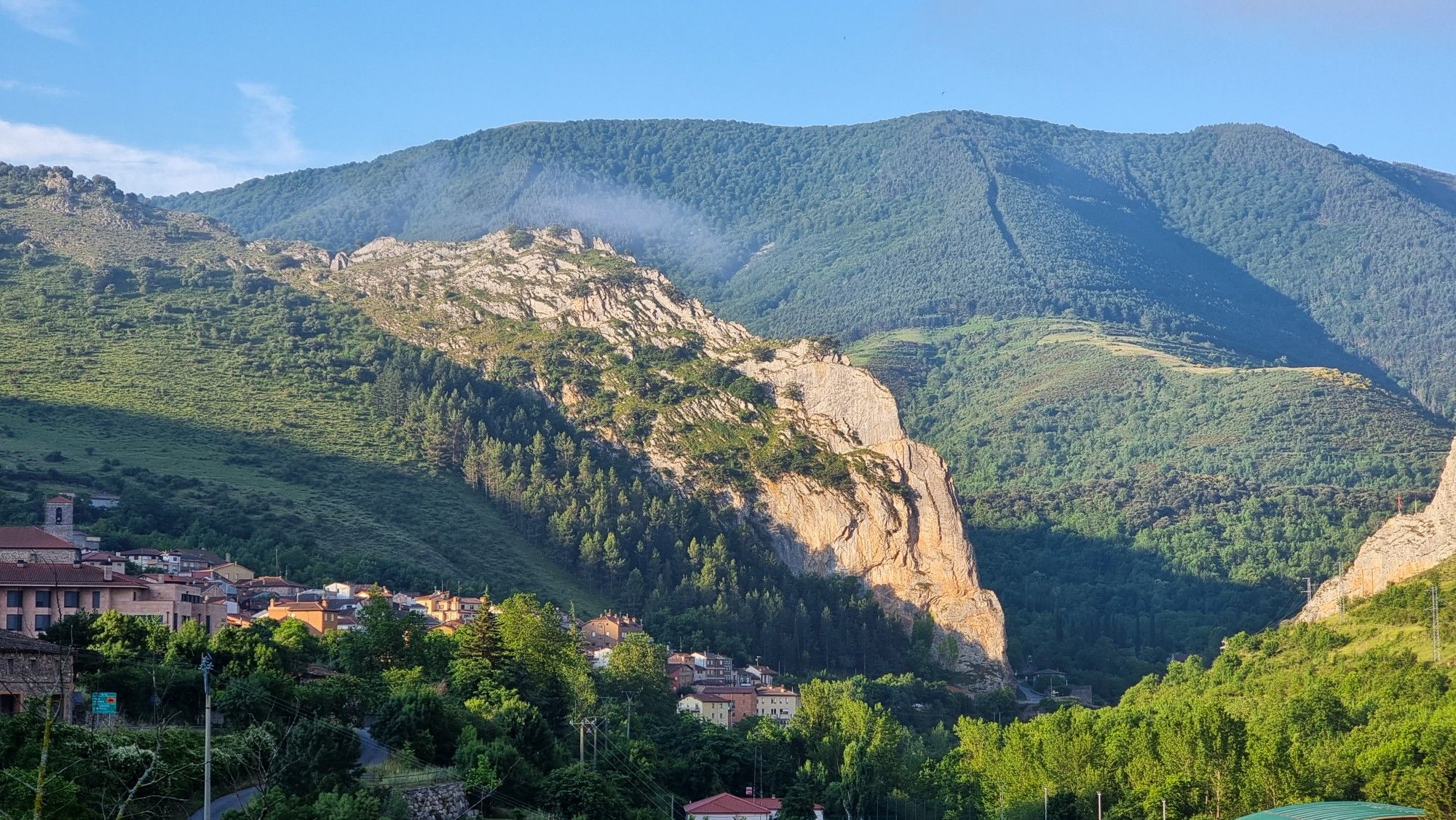
Passes and dinosaur footprints – Spain’s Sierras Riojanas (GR 93)
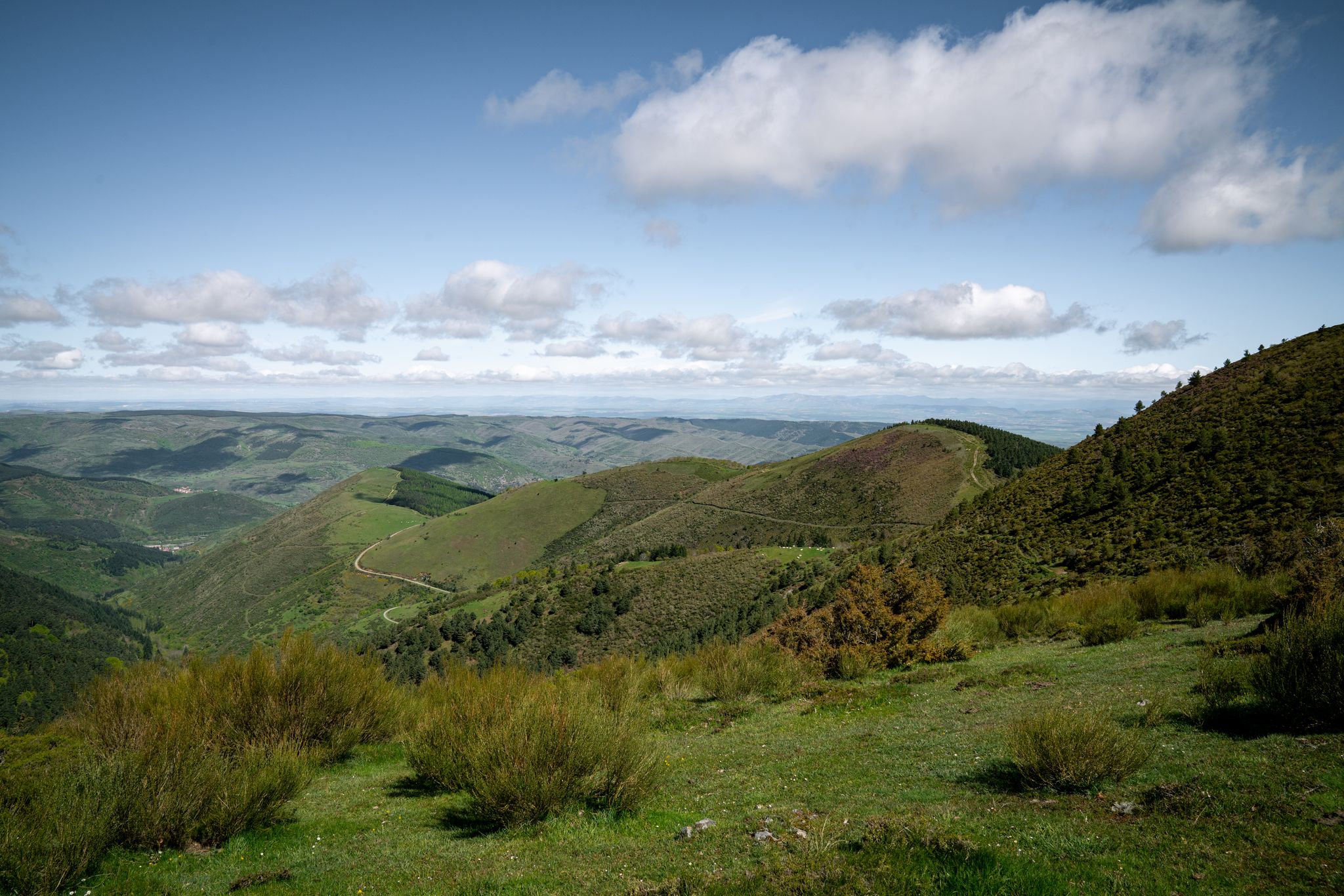
In the mountains of La Rioja – Iberian High Valleys trail (GR 190)
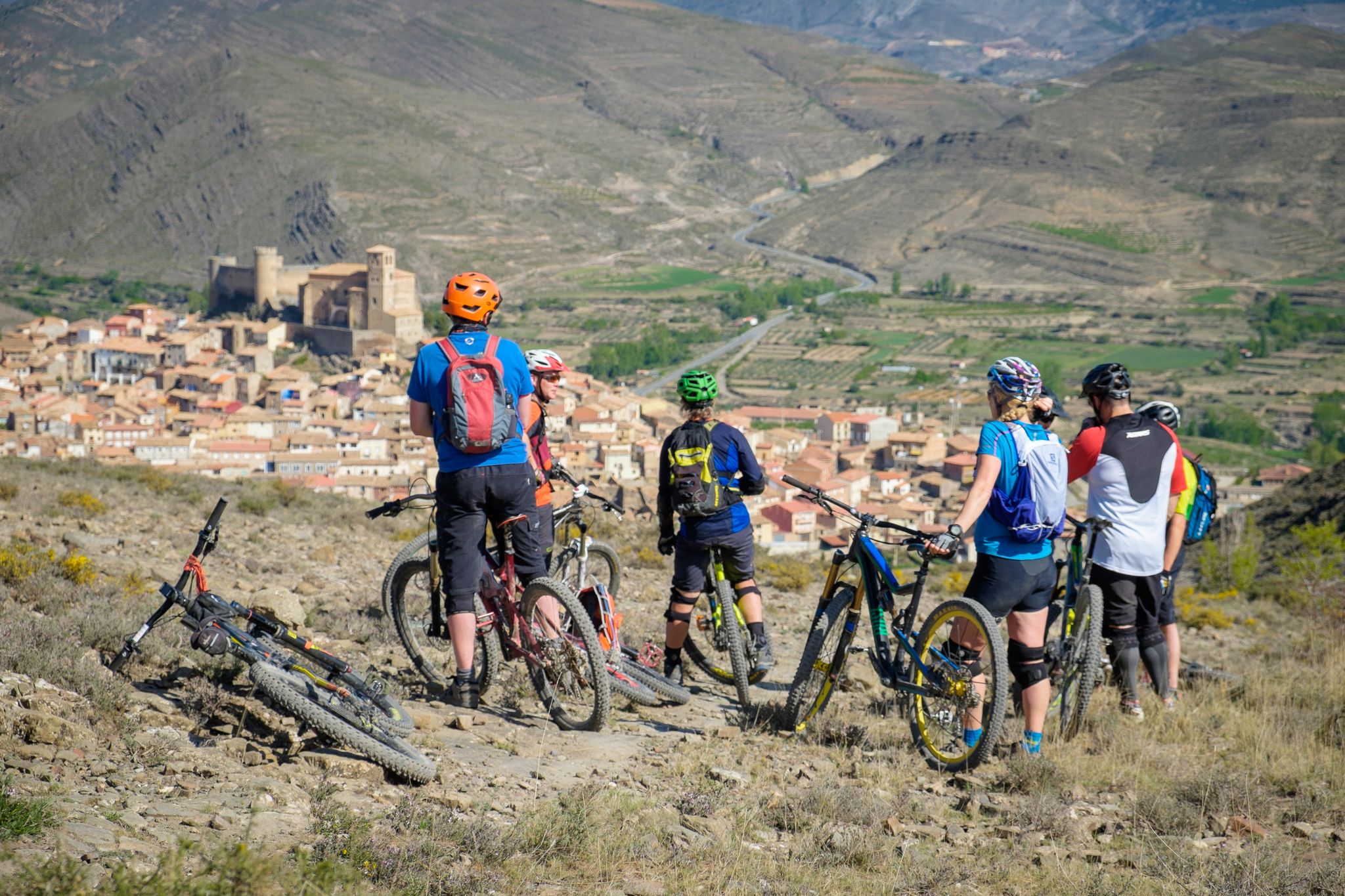
Mountains, valleys and trails in La Rioja – GR 93 by e-bike
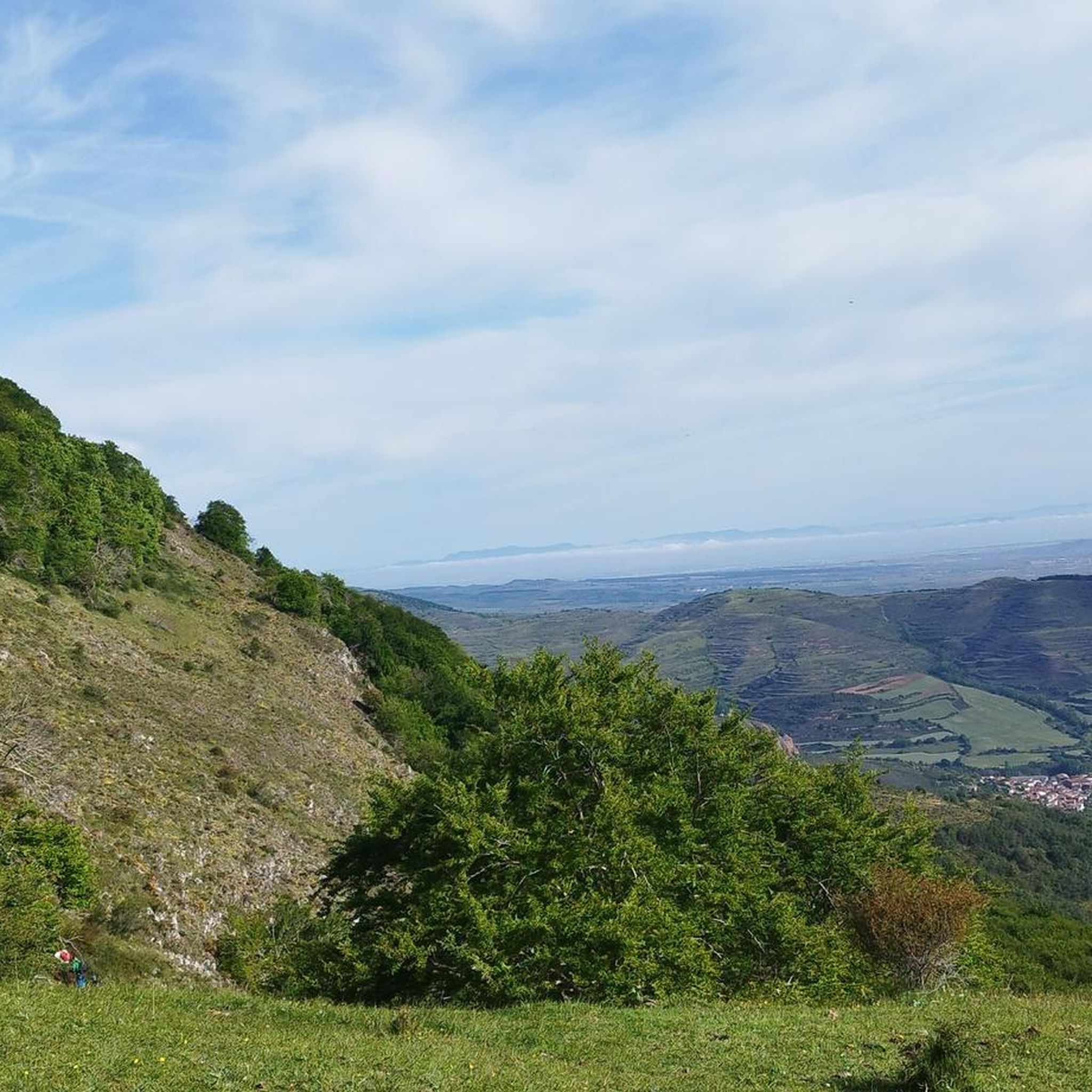
Road Cycling Routes around Anguiano
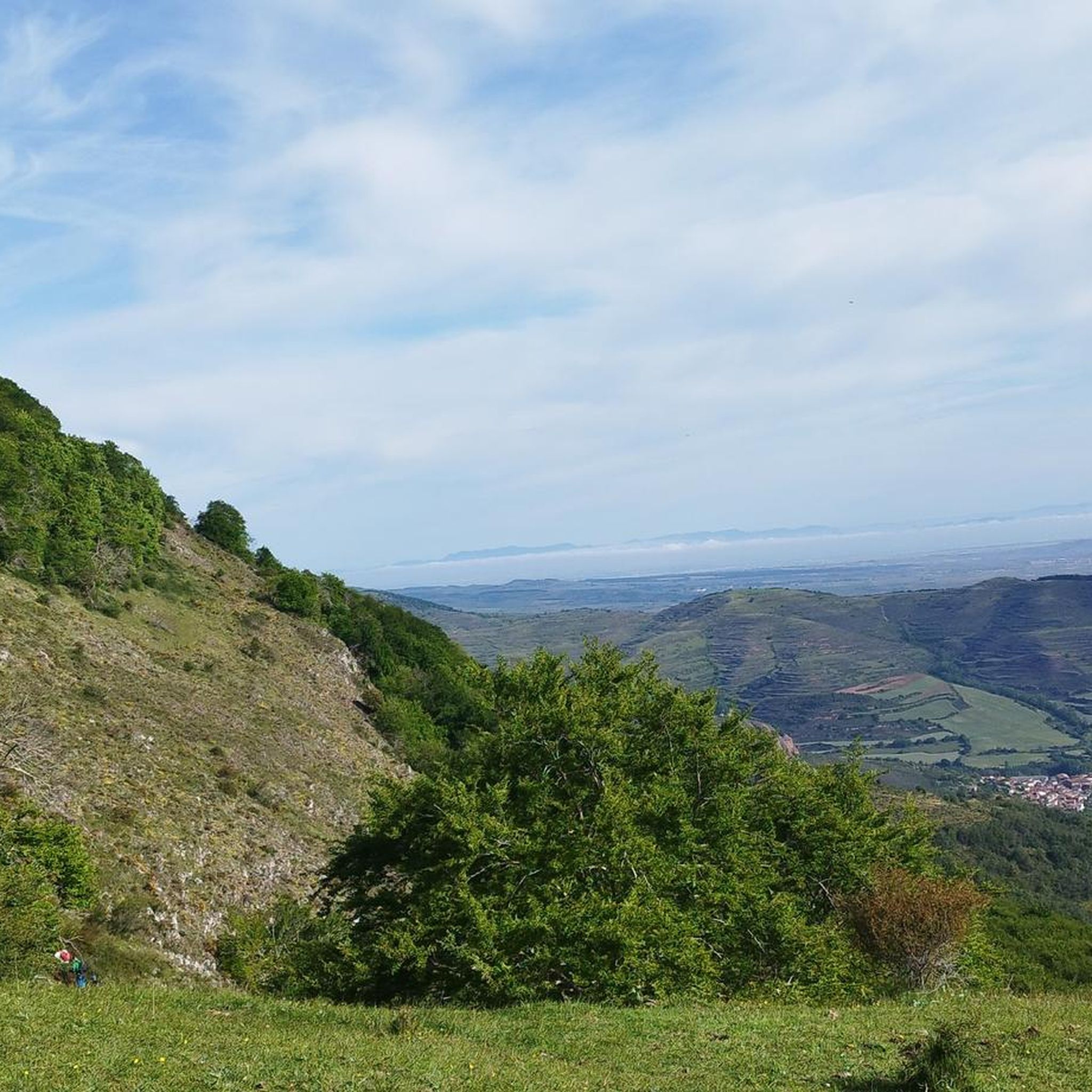
MTB Trails around Anguiano
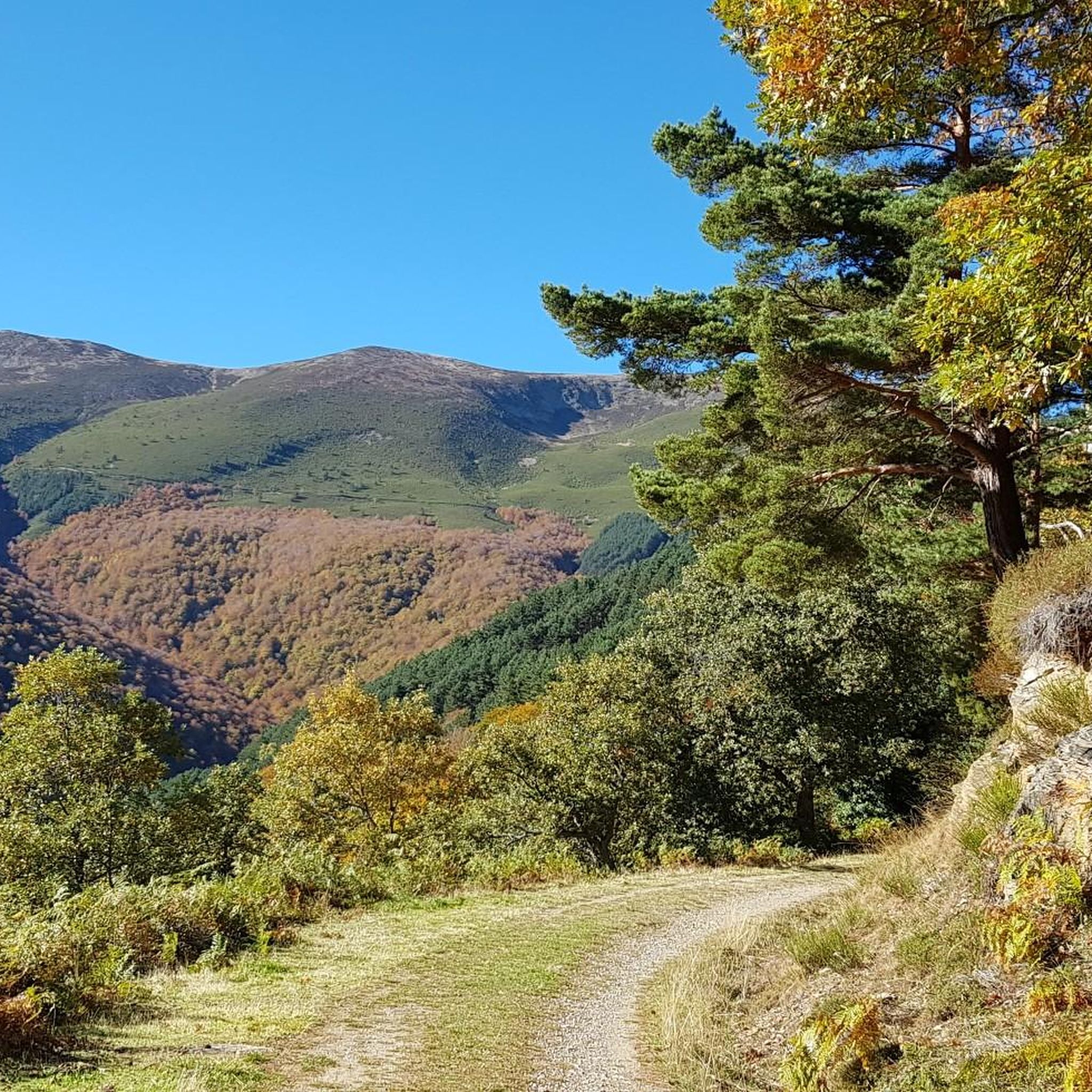
Cycling around Anguiano
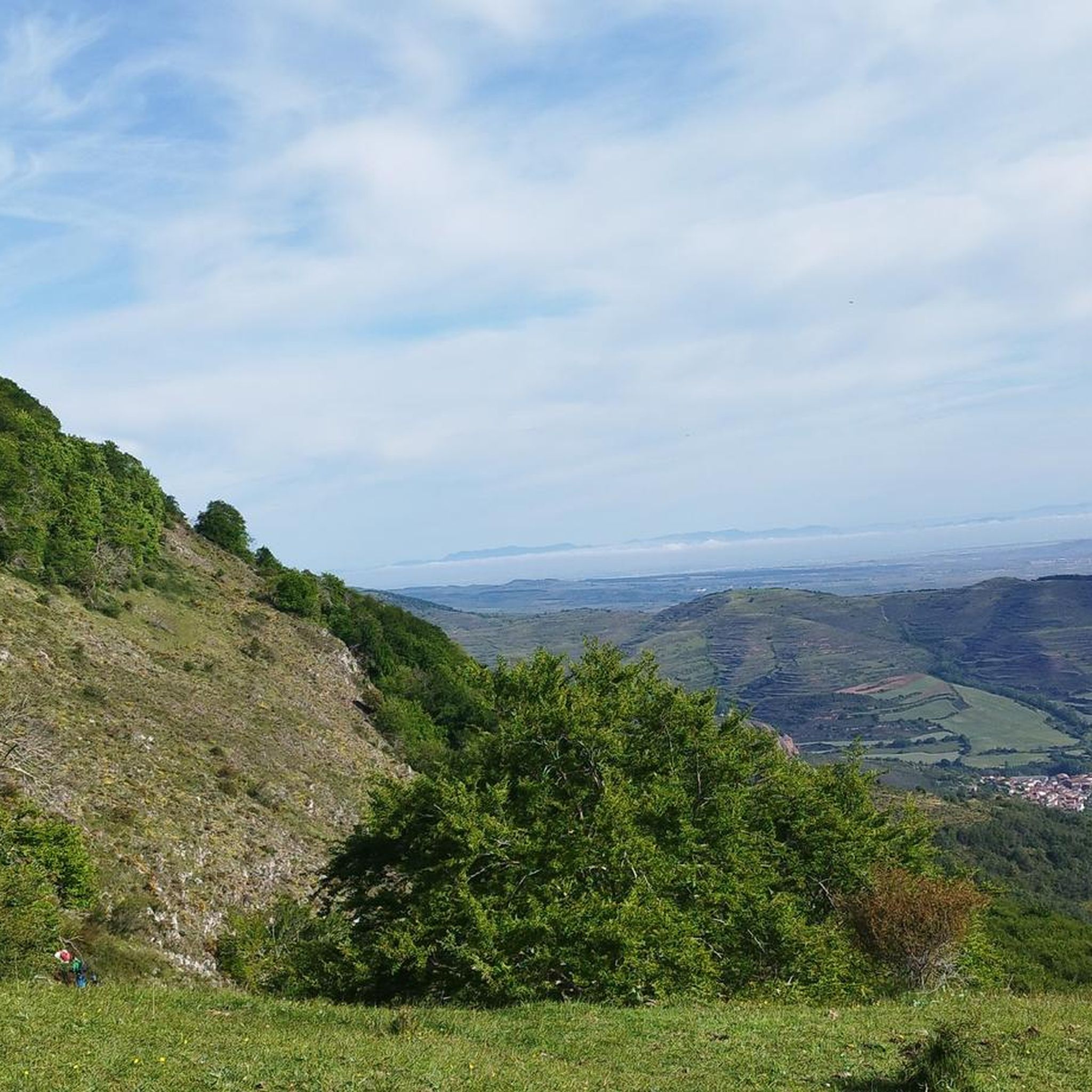
Hiking around Anguiano
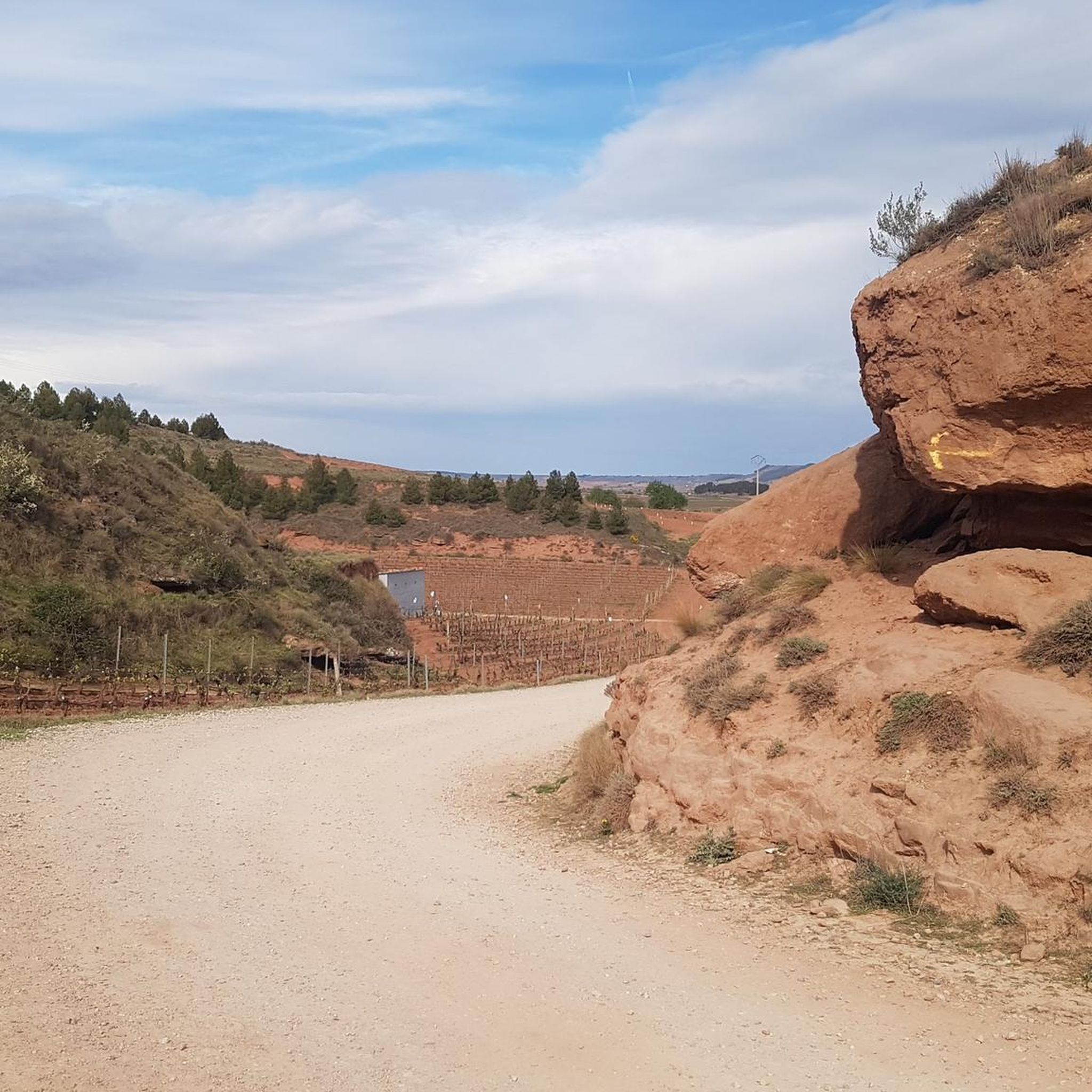
Running Trails around Anguiano
Other adventures around Anguiano


Tips from the Community

It is difficult to reach it, and it would be somewhat easier if it were signposted.
2
0

One of the most beautiful mountain villages in the Cameros region. Filled with stone houses, it is located on the slopes of a natural canyon, the Encinedo massif. This ravine was formed through a karstic process that gave rise to several chasms and caves. Two of them can be visited, the one in La Paz and the one in La Villa.
1
0

Another mouth of the Ortaura mines. This one has almost no depth,... just 3 meters. It is more of a tasting than anything else.
3
0
Important town of the region of Cameros.
1
0

The Cueva del Santo is open to the public, since the door does not have a key. It is important to leave the site as we found it. According to legend, once upon a time a plague affected the women of the valley, for this reason the men approached the cave to ask the saint for his intermediation, thus beginning the tradition of only men going up on pilgrimage every year to the Cueva del Santo.
1
0
One of the many mines from which iron ore was extracted, which was then treated and smelted in the old ironworks in the area. It is a gallery of about 20 or 25 meters, approximately, in whose mouth we find a juniper. Totally dry and without difficulty to cross it. It is a mouth that belongs to what were the Ortaura mines.
1
0
Beautiful hermitage in a remote place. Highly recommended visit.
2
0
I have to admit that I didn't find any cave there, the most I did was peek at some area that could have a hole, but getting as far as I got was a real ordeal of spikes and boxwoods. I don't recommend trying it.
1
0
Frequently Asked Questions
What are the main types of caves found around Anguiano?
The area around Anguiano features a variety of underground experiences. You'll find natural caves with impressive geological formations, such as the famous Gruta de la Paz and Gruta de la Viña in Ortigosa de Cameros. There are also historical mining sites like Mina del Fresno and Enebro Mine of Ortaura, which offer a glimpse into the region's past, and caves with religious significance like Cueva del Santo (Sancti Emiliani).
Which caves near Anguiano are adapted for tourist visits?
The only caves in the entire La Rioja region adapted for tourist visits are the Cuevas de Ortigosa de Cameros, located in the broader Comarca de Anguiano. These include the Gruta de la Paz and the Gruta de la Viña, both offering guided tours.
What geological features can I expect to see in the Cuevas de Ortigosa de Cameros?
The Cuevas de Ortigosa de Cameros are renowned for their spectacular speleothems, including a remarkable array of stalactites, stalagmites, and columns. The Gruta de la Paz displays diverse sedimentation forms with colors ranging from browns to oranges, yellows, and intense whites, while the Gruta de la Viña is celebrated for its impressively white stalactites. These formations were created over approximately 160 million years by water dissolving calcareous rock.
Are there guided tours available for the caves?
Yes, visits to the Cuevas de Ortigosa de Cameros are guided. These tours typically last around one hour and provide insightful commentary on the caves' history, geology, and unique formations.
How can I reach the Cuevas de Ortigosa de Cameros?
To reach the Cuevas de Ortigosa de Cameros, you can walk across the Iron Bridge from the Santa Lucía hermitage or take the Escalerones path directly from the village square of Ortigosa de Cameros. The village itself is connected to Anguiano by hiking routes, such as Stage 4 of the GR-93.
Are the caves around Anguiano family-friendly?
Yes, the Cuevas de Ortigosa de Cameros are considered family-friendly, offering an engaging guided experience suitable for various ages. The village of Ortigosa de Cameros, where the caves are located, is also listed as family-friendly.
What historical sites related to caves can be explored?
Beyond the natural grottoes, you can explore historical mining sites such as Mina del Fresno, a short gallery from the Ortaura mines, and Enebro Mine of Ortaura, an iron ore mine about 20-25 meters deep. Additionally, Cueva del Santo (Sancti Emiliani) is a historical religious site open to the public.
When is the best time to visit the caves around Anguiano?
The Cuevas de Ortigosa de Cameros are an excellent year-round attraction due to their stable internal temperature. However, to enjoy the surrounding natural landscapes and hiking opportunities, visiting during spring or autumn offers pleasant weather. Summer can also be a good time to escape the heat above ground.
What outdoor activities can I do near the caves?
The area surrounding the caves, particularly near Ortigosa de Cameros, offers stunning landscapes with beech and pine forests and a nearby reservoir. This provides excellent opportunities for hiking. You can also find various road cycling routes, MTB trails, and running trails in the broader Anguiano region.
Are there any challenging cave experiences for experienced cavers?
For those seeking a more challenging experience, CuevaLobrega-I is noted as a challenging cave with over 400 meters to explore, including sections that may require ropes or ladders. This is suitable for experienced cavers.
What is unique about the Gruta de la Viña in Ortigosa de Cameros?
The Gruta de la Viña, while shorter than the Gruta de la Paz with a 114-meter horizontal route, is particularly celebrated for its impressively white stalactites. Archaeological remains from the Bronze Age have also been discovered here, indicating its historical significance as a prehistoric dwelling.
Can I explore the village of Ortigosa de Cameros when visiting the caves?
Absolutely. The charming village of Ortigosa de Cameros, with its stone houses built into the mountain, is well worth exploring. It serves as the gateway to the Cuevas de Ortigosa and offers a picturesque setting in the Cameros region.
Most popular attractions around Anguiano

Get inspired with the komoot mobile app


Explore more
Extend your search for the best caves by checking out these guides of the top ones around Anguiano:
