Top 9 Gorges around Carrascosa
Best canyons around Carrascosa are found within the broader province of Cuenca, Spain, as Carrascosa del Campo itself is primarily known for a significant paleontological site. The region, particularly the Serranía de Cuenca, features impressive natural landscapes including various canyons and karst formations. These geological features offer opportunities for exploration and appreciation of the natural environment. The area is characterized by rivers carving through rock, creating deep ravines and unique formations.
Best canyons around Carrascosa
- The most popular canyons is…
Last updated: May 6, 2026
Puerta del Infierno
Highlight • Structure
Translated by Google •
Tip by

Hoz de Beteta Natural Monument
Highlight • Gorge
Translated by Google •
Tip by
Sign up now to discover places like this
Get recommendations on the best single tracks, peaks, & plenty of other exciting outdoor places.
Sign up for free
Ascent Through Barranco del Hoyo
Highlight (Segment) • Trail
Translated by Google •
Tip by

Waterfall of the Hocino Gorge
Highlight • Waterfall
Translated by Google •
Tip by

Tormo de la Muesca Viewpoint
Highlight • Viewpoint
Translated by Google •
Tip by
Sign up for free to discover even more gorges around Carrascosa.
Sign up for free
Already have an account?
Start today with a free account
Your next adventure awaits.
Login or Signup
Tips from the Community

In the Cliffs of this Barranco del Hocino, in addition to its impressive appearance, there is a Via Ferrata where climbers secrete all their adrenaline.
0
0
On the right bank of the Escabas River, it is a narrow pass between rocks. To make the road they had to drill a large mouth in these rocks.
0
0

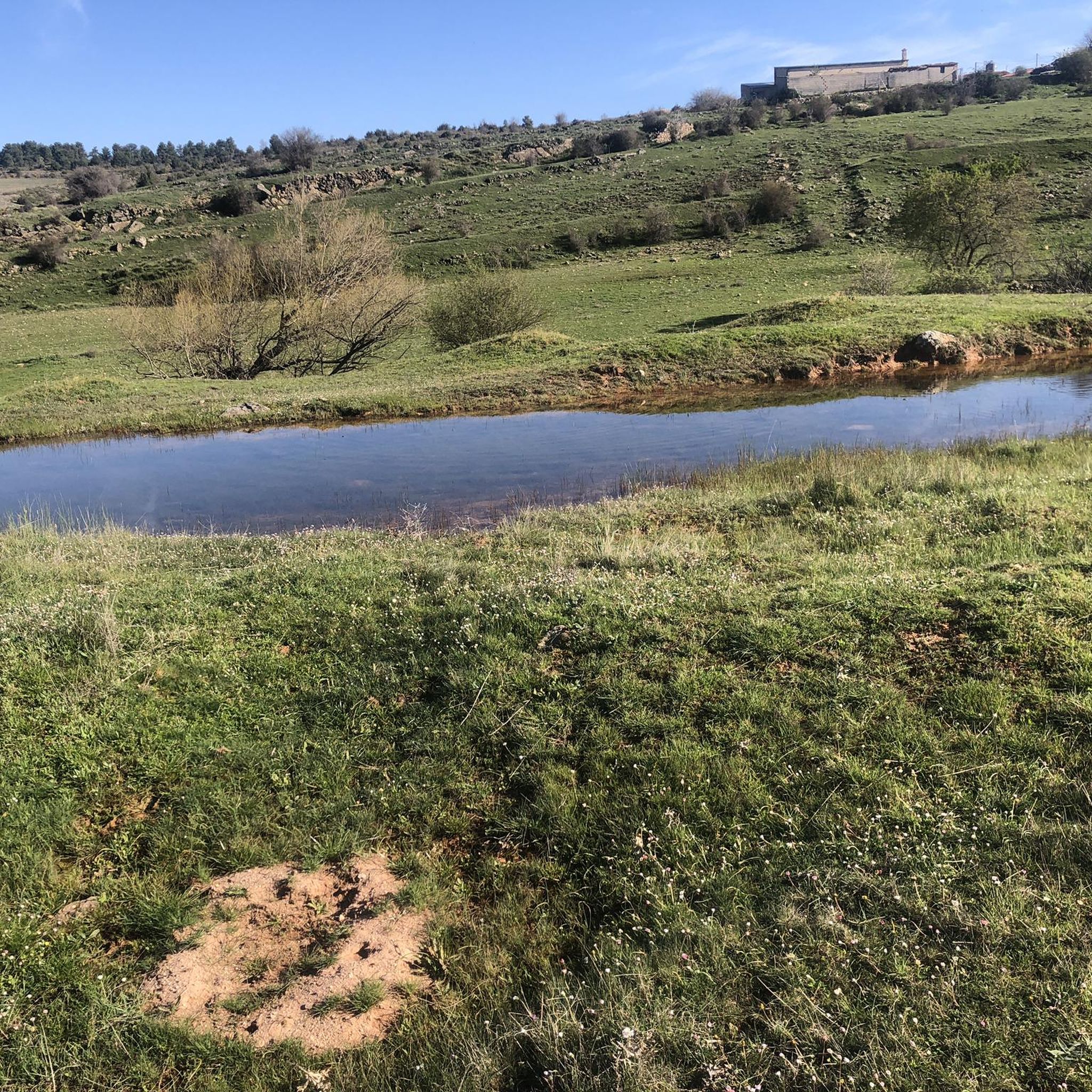
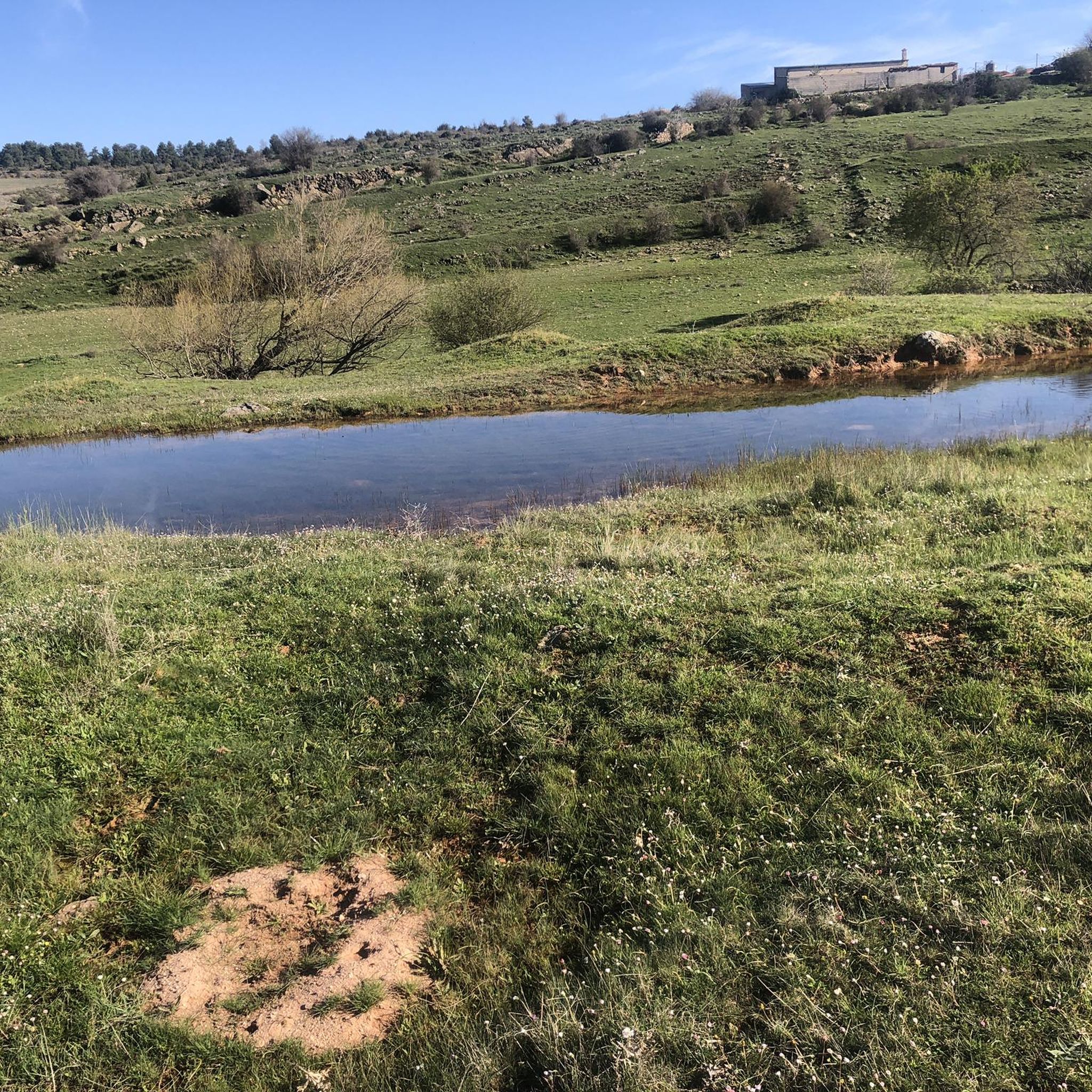
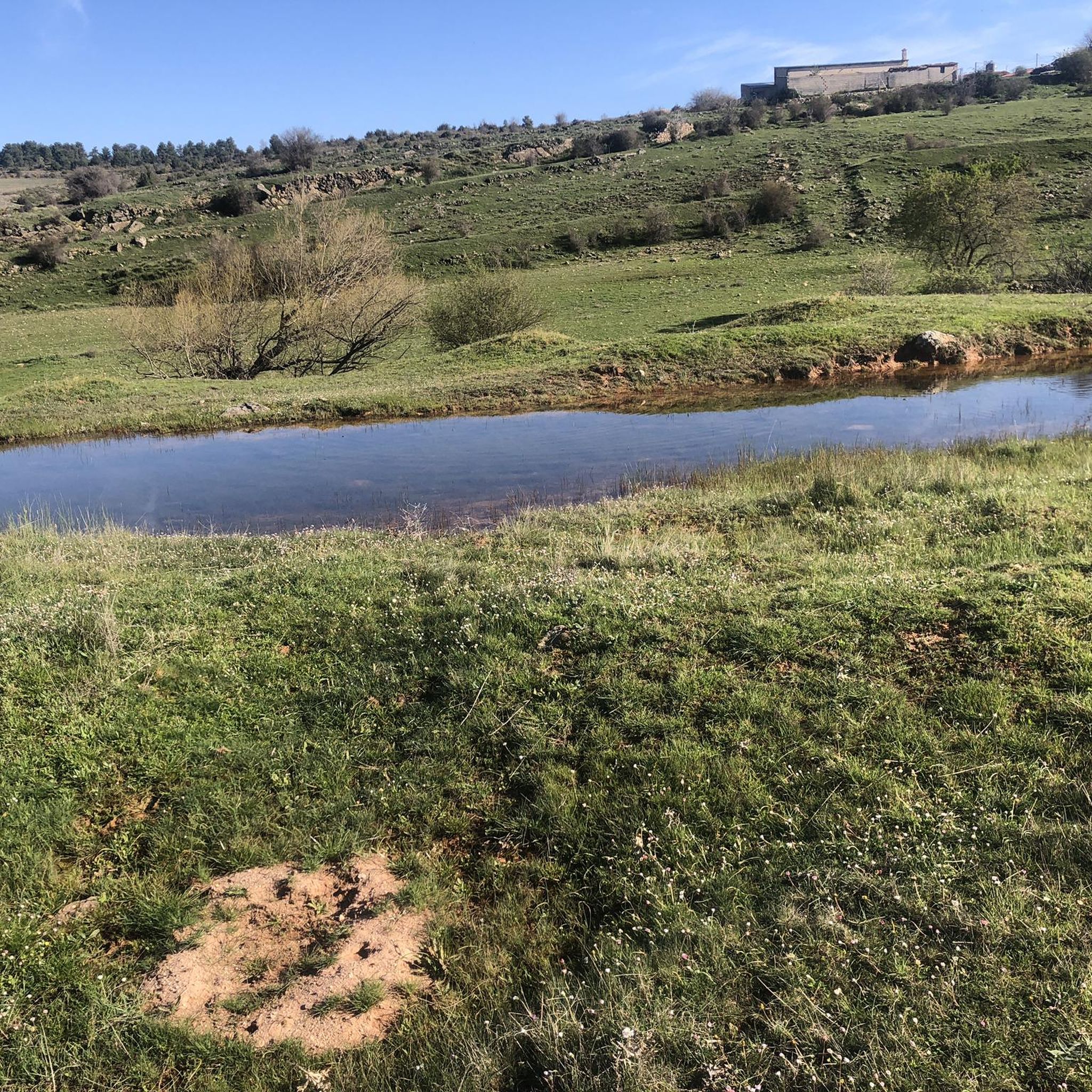
The Mirador del Tormo de la Notch is a fascinating place located in the Carrascosa region. From this viewpoint, you can enjoy impressive panoramic views of the surroundings.
1
0

The Gate of Hell is one of the tunnels excavated in the rock of the Escabas River. One of the many obligatory stops available in the upper Serranía de Cuenca. Be very careful when taking photos, the road is very narrow.
0
0

Steep and technical climb to exit the Cuervo River canyon towards the town of Carrascosa while avoiding following the course of the river. The bike may have to be pushed. With spectacular scenery, it is worth not being discouraged by the route and enjoying the surroundings.
0
0
The Gate of Hell is one of the tunnels excavated in the rock of the Escabas River. One of the many obligatory stops available in the high mountains of Cuenca. Be very careful when taking photos, the road is very narrow.
1
0

In order not to backtrack from the beautiful Embalse del Molino de Chincha to Puente de Vadillos, on the route to Beteta, you have to cross the nature reserve above the Chincha dam. The steep climb along the Barranco del Hoyo follows a faint single track path, barely visible due to a small landslide at the beginning of the climb. This is a tough hike-a-bike where you have to carry your bike over some steep rocky sections. Only try this at day time in good weather. At night or in wet weather this can be quite dangerous.
0
0
A spectacular river canyon, a beautiful and unique place. They are approx. 6 kilometers of cliffs over 80 meters high, created by the waters of the Guadiela River.
2
0
Frequently Asked Questions
What kind of natural features can I expect to see in the canyons around Carrascosa?
While Carrascosa del Campo itself is known for paleontological sites, the wider province of Cuenca, especially the Serranía de Cuenca, offers impressive natural landscapes. You can expect to see deep river canyons, dramatic karst formations, and unique rock formations sculpted by erosion. Highlights include the spectacular river canyon at Hoz de Beteta Natural Monument and the narrow pass of Puerta del Infierno along the Escabas River.
Are there any unique geological formations to explore in the region?
Yes, the Serranía de Cuenca is renowned for its unique geological formations. Beyond the canyons, you can explore areas like Las Majadas Alleys, which feature a 'sea of stone' with karst formations, and the famous Enchanted City, known for its curious rock formations resembling various figures, all sculpted by natural elements over millennia.
What are some of the most scenic viewpoints overlooking the canyons?
For breathtaking panoramic views, visit Tormo de la Muesca Viewpoint. It offers impressive vistas of the Guadiela river ravine and the Hoz de Tragavivos. Another notable spot is the Ventano del Diablo, which provides a stunning panoramic view of the Júcar River canyon.
Can I find waterfalls or rivers within the canyons near Carrascosa?
Absolutely. The region is characterized by rivers carving through rock. The Waterfall of the Hocino Gorge in Fuertescusa is a picturesque ravine with a waterfall that can even freeze in winter. Additionally, the Nacimiento del Río Cuervo is famous for its impressive waterfalls and crystal-clear pools.
What is the difficulty level of exploring the canyons around Carrascosa?
The difficulty varies. Some areas, like the Hoz de Beteta Natural Monument, offer accessible paths for general exploration. However, more challenging routes exist, such as the Ascent Through Barranco del Hoyo, which is a steep and technical climb requiring pushing a bike in some sections. The Hocino Gorge also features a Via Ferrata for climbers.
Are there opportunities for hiking or other outdoor activities near the canyons?
Yes, the area is excellent for outdoor activities. You can find numerous routes for running, mountain biking, and cycling. For example, you can explore running trails like 'Sendero del Cucurucho y la Hocecilla' or 'Hoz Somera and Castillejos'. Mountain bikers can tackle routes like 'Río de la Hoz entre Beteta y Valsalobre'. Cyclists have options such as 'Cañamares, Poyatos y Santa María del Val'. You can find more details on these activities in the Running Trails around Carrascosa, MTB Trails around Carrascosa, and Cycling around Carrascosa guides.
Is the area around Carrascosa suitable for family-friendly outings?
Many natural sites in the Serranía de Cuenca, while not directly in Carrascosa del Campo, offer family-friendly experiences. Places like The Enchanted City, with its whimsical rock formations, can be engaging for children. When planning, look for trails marked as easy or moderate, and always check specific accessibility for strollers if needed. The natural beauty and geological wonders provide an educational and fun outdoor experience for families.
What is the best time of year to visit the canyons and natural areas?
The Serranía de Cuenca is generally pleasant to visit during spring and autumn when temperatures are milder, and the natural scenery is vibrant. Summer can be hot, especially in the middle of the day, but it's ideal for water-based activities. Winter offers a different charm, with the possibility of snow and frozen waterfalls, but some paths might be more challenging or inaccessible due to weather conditions.
Are there any specific tips for visiting the 'Puerta del Infierno'?
The Puerta del Infierno is a narrow pass with tunnels excavated in the rock along the Escabas River. Visitors recommend being very careful when taking photos, as the road can be quite narrow. It's one of the many distinctive experiences in the upper Serranía de Cuenca.
What do visitors enjoy most about the canyons and natural monuments in this region?
Visitors frequently appreciate the spectacular natural beauty and unique geological formations. The Hoz de Beteta Natural Monument is described as a 'beautiful and unique place' with its impressive cliffs. The panoramic views from spots like Tormo de la Muesca Viewpoint are also highly praised, offering 'impressive landscapes worthy of several postcards'.
Are there any cultural or historical sites near the canyons?
While the focus of the canyons is natural beauty, the broader Cuenca province has a rich history. The city of Cuenca itself, with its famous 'hanging houses' and historic old town, is a UNESCO World Heritage site and offers significant cultural and historical attractions. Carrascosa del Campo is also known for its paleontological site at Cerro Arenoso, which provides insight into ancient ecosystems.
What kind of wildlife can be found in the canyons and natural areas?
The Serranía de Cuenca is a diverse natural environment, home to various wildlife. You might spot birds of prey soaring above the cliffs, and the rivers and forests support a range of mammals, amphibians, and reptiles. The area's rich biodiversity makes it an interesting spot for nature observation.
Most popular attractions around Carrascosa

Get inspired with the komoot mobile app


Explore more
Already discovered everything in this region? See additional gorges around Carrascosa for your next adventure:
