Top 7 Caves around Los Altos
Best caves around Los Altos offers access to a variety of underground formations, though prominent cave systems are located in the surrounding Northern California region. The area's geology includes diverse rock types, from limestone to volcanic rock, contributing to different cave structures. These natural features provide opportunities for exploration and observation of unique geological formations. The landscape around Los Altos is characterized by its proximity to mountain ranges and valleys, where many of these subterranean wonders are found.
Best caves…
Last updated: July 3, 2026
Turquoise Pools and Waterfalls of Orbaneja del Castillo
Highlight • Waterfall
Translated by Google •
Tip by

Pozo Azul de Covanera
Highlight • Natural Monument
Translated by Google •
Tip by

Sign up now to discover places like this
Get recommendations on the best single tracks, peaks, & plenty of other exciting outdoor places.
Sign up for free
Pozo Azul Trail
Highlight (Segment) • Natural Monument
Translated by Google •
Tip by
Huidobro Copper Mine: Los Altos Mine
Highlight • Structure
Translated by Google •
Tip by

CuevaDelAgua
Highlight • Cave
Translated by Google •
Tip by
Sign up for free to discover even more caves around Los Altos.
Sign up for free
Already have an account?
Start today with a free account
Your next adventure awaits.
Login or Signup

Other adventures around Los Altos

Tips from the Community

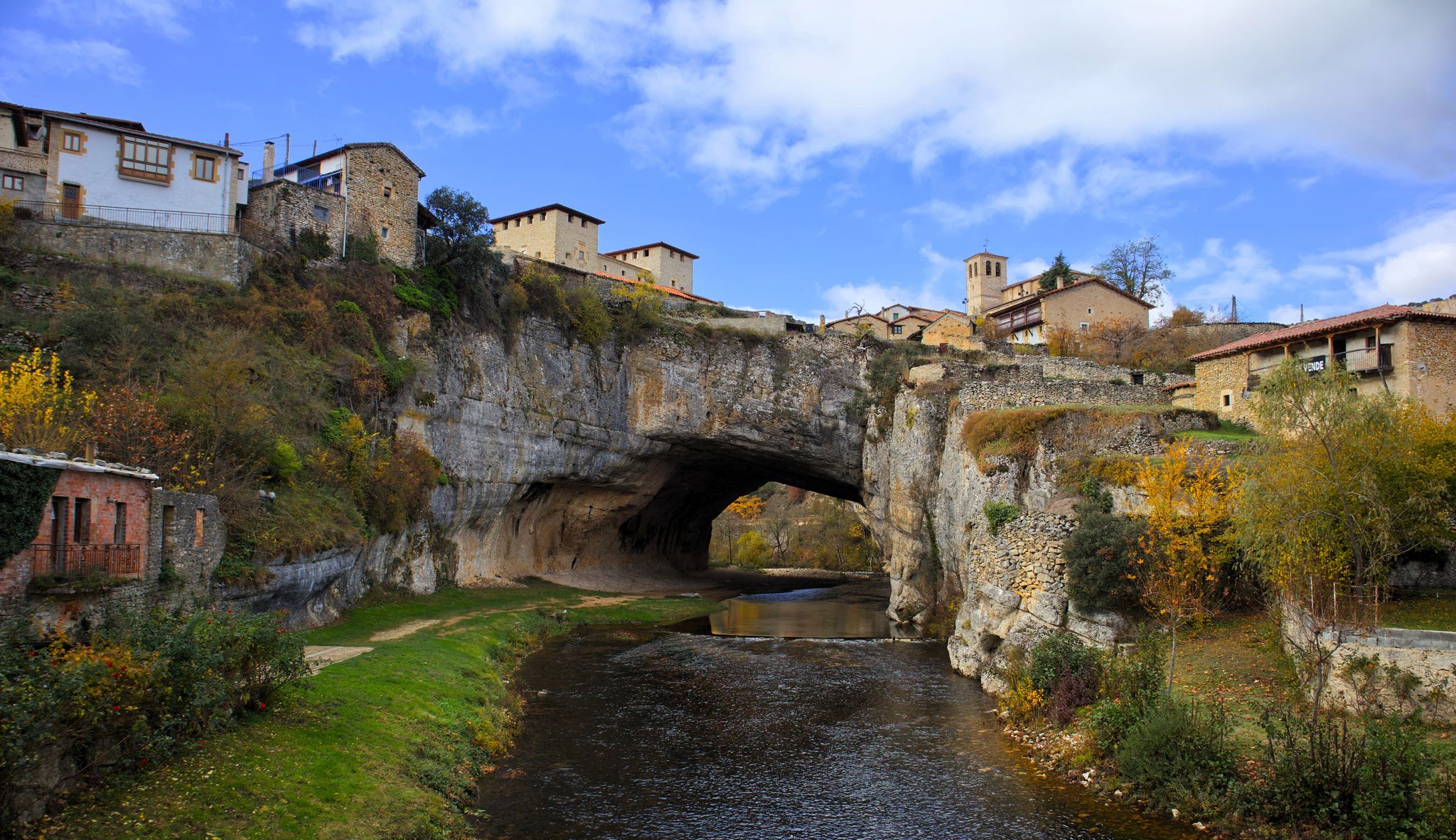
The waterfall springs from the Cueva del Agua from a height of over 20 meters, at the base of the rocky cirque that embraces the village, originating from an aquifer located in the subsoil of the Páramo de Bricia, and it leaps everywhere, dividing the village into two halves, the Villa and the Puebla, and descends among the stone houses, creating a most photogenic scene.
2
0

A spectacular area for hiking trails
0
0

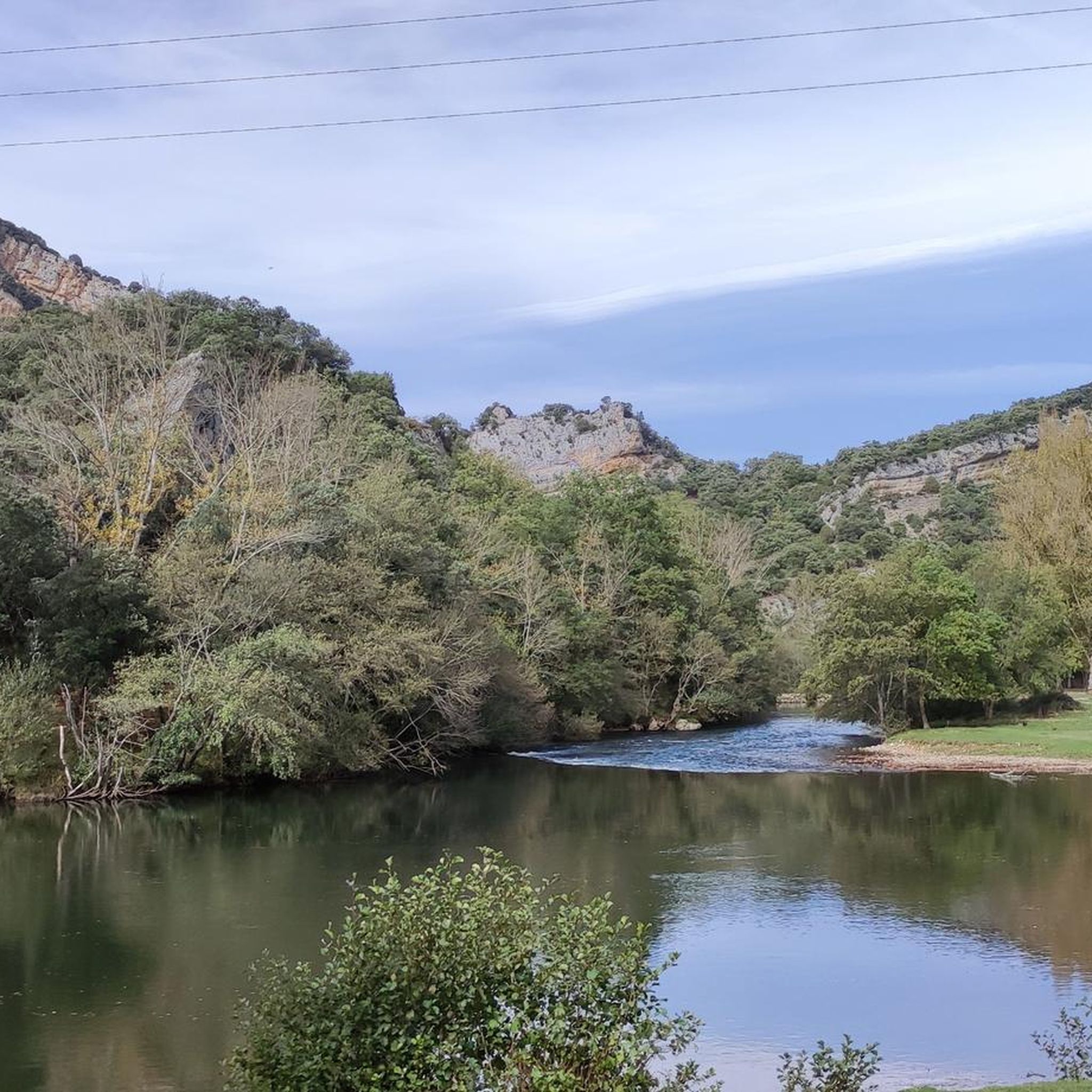
From various shades of blue, ranging from turquoise to a dark ultramarine in the deepest part. To reach the well, there's a half-kilometer walk along a beautiful path that even has a cave entrance. When we arrived, it was a beautiful day, with people swimming and a caving group who had put on their diving suits and were exploring the depths of the underwater cave. A spectacle.
2
1

Natural wonder of the karst environment of Castilla León in the province of Burgos
3
0
Access area to the BLUE WELL, entrance to the cave diving gallery
1
0

It's amazing! You can walk 100-200 metres inside, guided by fixed lights, and see the passage of an underground river. Definitely something worth seeing.
3
1
It is beautiful on its own, but if we add the depths of the town from which it arises... visit it!
7
0

The Orbaneja del Castillo waterfall is unique because it crosses the same town, dividing it into two parts: La Villa and La Puebla. The waterfall emerges from the Cueva del Agua and falls into the Ebro River in an impressive 25-meter drop, creating a most picturesque karst landscape.
4
2
Frequently Asked Questions
What types of caves can I explore in the region around Los Altos?
The region offers a diverse range of subterranean experiences. You can find historical sites like the Huidobro Copper Mine: Los Altos Mine, which features passageways and colorful metal-containing rocks. There are also natural caves with underground rivers, such as CuevaDelAgua, and unique geological formations like the blue-water spring at Pozo Azul de Covanera. Further afield in Northern California, you can explore limestone caverns, talus caves, and even lava tubes.
Are there any historical or archaeological caves near Los Altos?
Yes, the Huidobro Copper Mine: Los Altos Mine is a significant historical site. Exploited since at least the 18th century, and possibly even the Neolithic period for its aesthetic blue-green rocks, it offers a glimpse into past mining activities. Further north, Moaning Caverns also holds archaeological value with artifacts and bones dating back thousands of years.
What are some unique geological features I can expect to see in the caves?
The caves in the broader Northern California region showcase incredible geological diversity. You can marvel at the rare, spindly helictites in Black Chasm Cavern, or the 'textbook-perfect speleothems' including dogtooth spar and aragonite crystals at Mercer Caverns. Crystal Cave in Sequoia National Park is known for its sparkling stalactites and stalagmites, while Lava Beds National Monument features extensive lava tubes formed by volcanic activity.
Are there family-friendly cave experiences available?
Many caves offer guided tours suitable for families. For instance, CuevaDelAgua allows visitors to walk 100-200 meters inside with fixed lights, making it an accessible option. In Lava Beds National Monument, some lava tubes like Sentinel, Mushpot, and Merrill are relatively short and family-friendly for self-guided exploration. Moaning Caverns and Mercer Caverns also provide guided tours that are generally suitable for various ages.
What kind of accessibility can I expect at these caves?
Accessibility varies significantly by cave. Many developed caverns like Mercer Caverns and Moaning Caverns have stairs, viewing platforms, and lighting for easier access. However, natural caves or more challenging explorations, such as CuevaDelNispero (which is noted as challenging), may involve uneven terrain, narrow passages, or require specific gear. It's always best to check the specific accessibility details for each cave before visiting.
Can I go rappelling or engage in other adventurous activities in any of these caves?
Yes, for the truly adventurous, Moaning Caverns offers rappelling options into its vast chamber. This provides a unique and thrilling way to experience the cave's impressive scale. Other caves might offer more challenging exploration routes, but rappelling is a specific feature of Moaning Caverns.
Are there any caves where I can see water features or even swim?
Absolutely. CuevaDelAgua allows you to observe the passage of an underground river. The Pozo Azul de Covanera is famous for its intensely blue, deep spring. Further afield, Natural Bridges Cave in Vallecito is unique because visitors can swim through its two entrances, exploring its limestone formations and calcium deposits.
What outdoor activities can I do near the caves around Los Altos?
The region around Los Altos offers a variety of outdoor activities. You can find numerous hiking trails, including moderate to difficult routes like the 'Ojo de Rudrón Natural Arch' loop. There are also great options for mountain biking, such as the 'Cañones del Ebro' circular route, and running trails, including the 'Mirador del Cañón del Ebro' circular route.
What should I wear or bring when visiting caves in the area?
Given that caves maintain a cool, consistent temperature year-round, it's advisable to bring a light jacket or sweater, even on warm days. Sturdy, closed-toe shoes with good grip are essential for navigating uneven and potentially damp surfaces. For self-guided explorations, especially in places like Lava Beds National Monument, a headlamp or flashlight is crucial, and some more challenging caves may require helmets, knee pads, and gloves.
Are there any caves with seasonal closures or restrictions?
Yes, some caves have seasonal considerations. For example, the lower section of Bear Gulch Cave within Pinnacles National Park experiences seasonal closures to protect hibernating Townsend's big-eared bats. Additionally, access to CuevaDelNispero has been noted as prohibited by some visitors. Always check the latest information and conditions before planning your visit, especially for natural or less developed sites.
What do visitors enjoy most about the caves and natural features in this region?
Visitors frequently praise the unique natural beauty and the sense of discovery. The 'intense blue color' of the water at Pozo Azul de Covanera is often highlighted as spectacular. The experience of walking inside CuevaDelAgua to see an underground river is described as 'amazing'. The historical aspect of sites like the Huidobro Copper Mine, with its colorful passageways, also receives positive feedback for its unique charm.
Where can I find more information about national parks with caves in California?
For information on national parks in California that feature caves, such as Pinnacles National Park (home to Bear Gulch and Balconies Caves) and Sequoia National Park (home to Crystal Cave), you can visit the official National Park Service website. You can find general information about California's national parks at nps.gov.
Most popular routes around Los Altos
Most popular attractions around Los Altos

Get inspired with the komoot mobile app


Explore more
Extend your search for the best caves by checking out these guides of the top ones around Los Altos:
