Top 9 Castles around Vallbona De Les Monges
Best castles around Vallbona De Les Monges, a municipality in the Urgell comarca of Catalonia, Spain, offers a landscape rich in history and architectural heritage. The area is known for its Cistercian monastery, Santa Maria de Vallbona, which features Romanesque and Gothic styles. While traditional castles are present, the region also includes historical sites with castle-like origins or defensive features. These structures provide insight into the area's past and its strategic importance.
Best castles around Vallbona De Les Monges
- The most popular castles is Milmanda Castle, a castle that is an artistic and historical fortification. Emperors Carlos V and Felipe II once hunted here.
- Another must-see spot is Verdú Castle, a castle located in the heart of the town. It preserves different architectural elements, including Romanesque, Gothic, and Renaissance styles.
- Visitors also love Rocafort de Queralt, a settlement with an 11th-century origin. Its 12th-century castle was rebuilt in 1964, and two portals of the old town wall are preserved.
- Vallbona De Les Monges is known for traditional castles, settlements with castle remnants, and historical monasteries with defensive features. Visitors can explore a variety of historical sites, from well-preserved fortifications to ancient village walls and monastic complexes.
- The castles around Vallbona De Les Monges are appreciated by the komoot community, with 11 upvotes and 6 photos shared by visitors.
Last updated: July 3, 2026
Milmanda Castle
Highlight • Castle
Translated by Google •
Tip by

Rocafort de Queralt
Highlight • Settlement
Its origin is in the 11th century and in 1370 the barony of Rocafort de Queralt was established. It has a parish church dedicated to Sant Salvador (18th century), built on top of a previous church. The castle, from the 12th century, was completely rebuilt in 1964. Two portals of the wall that protected the town are also preserved.
Translated by Google •
Tip by

Sign up now to discover places like this
Get recommendations on the best single tracks, peaks, & plenty of other exciting outdoor places.
Sign up for free
Verdú Castle
Highlight • Castle
Translated by Google •
Tip by

L'Ametlla de Segarra
Highlight • Settlement
It is located in an area with a tradition of cereal farming and other rainfed crops such as olive groves and almond trees. You can also find vineyards, particularly organic vineyards that produce Comalats wine, which was the old name of the region.
Of its heritage, the church of Sant Pere and the tower of the old castle stand out.
Translated by Google •
Tip by
Guimerà Castle
Highlight • Castle
The Guimerà castle is strategically located on the border between the plateau and the ridge of the Corb valley, built on a plain of living rock, where today the remains of the medieval enclosure extend, expanded in several phases to the western end, and linked through the old cemetery to the Gothic church. Its characteristic feature is its round watchtower and defense. It is a building declared a cultural asset of national interest. Source: Wikipedia
Translated by Google •
Tip by

Sign up for free to discover even more castles around Vallbona De Les Monges.
Sign up for free
Already have an account?
Start today with a free account
Your next adventure awaits.
Login or Signup
Popular around Vallbona De Les Monges
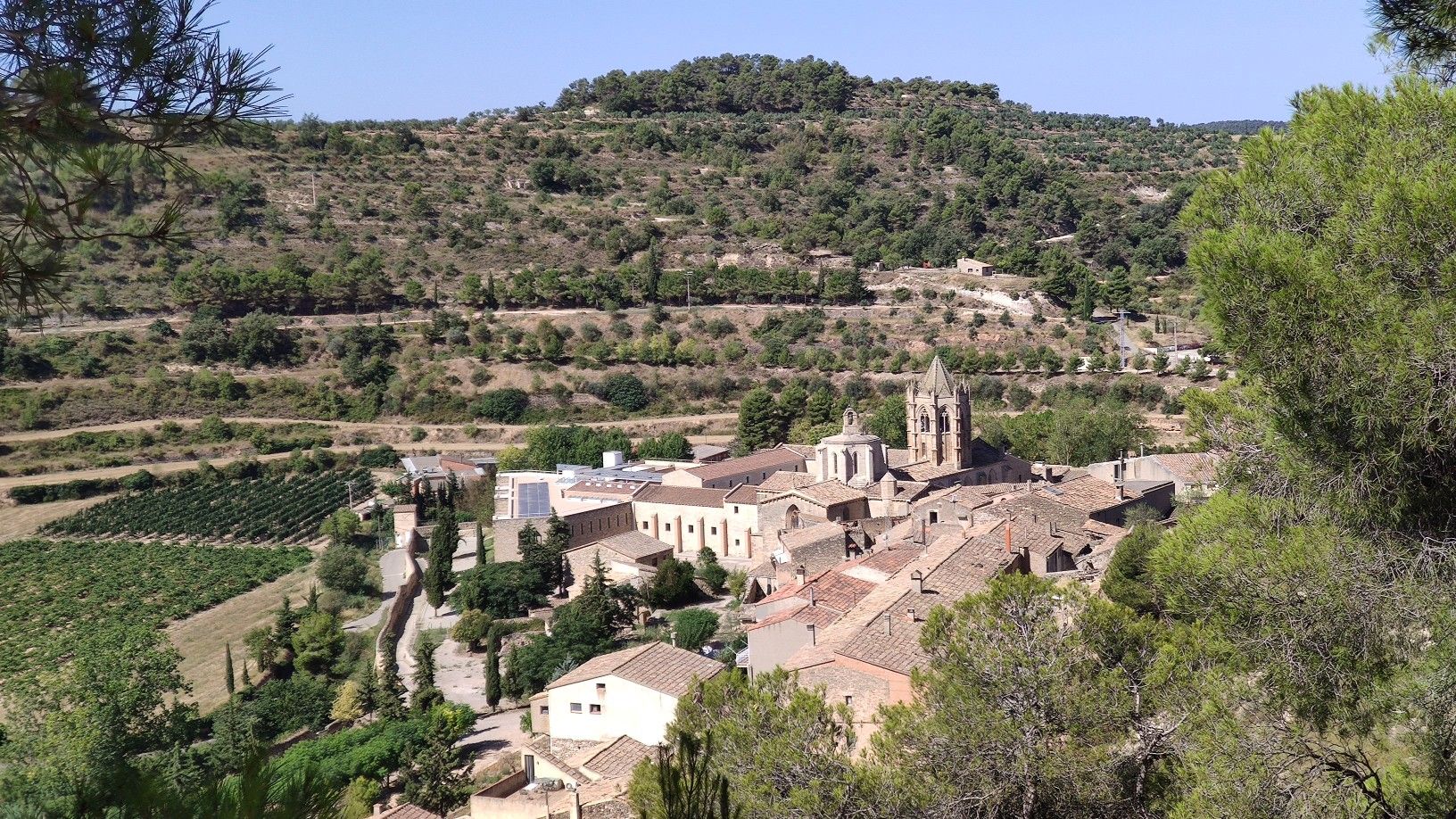
Monasteries, nature and culture – the Cistercian Route on foot
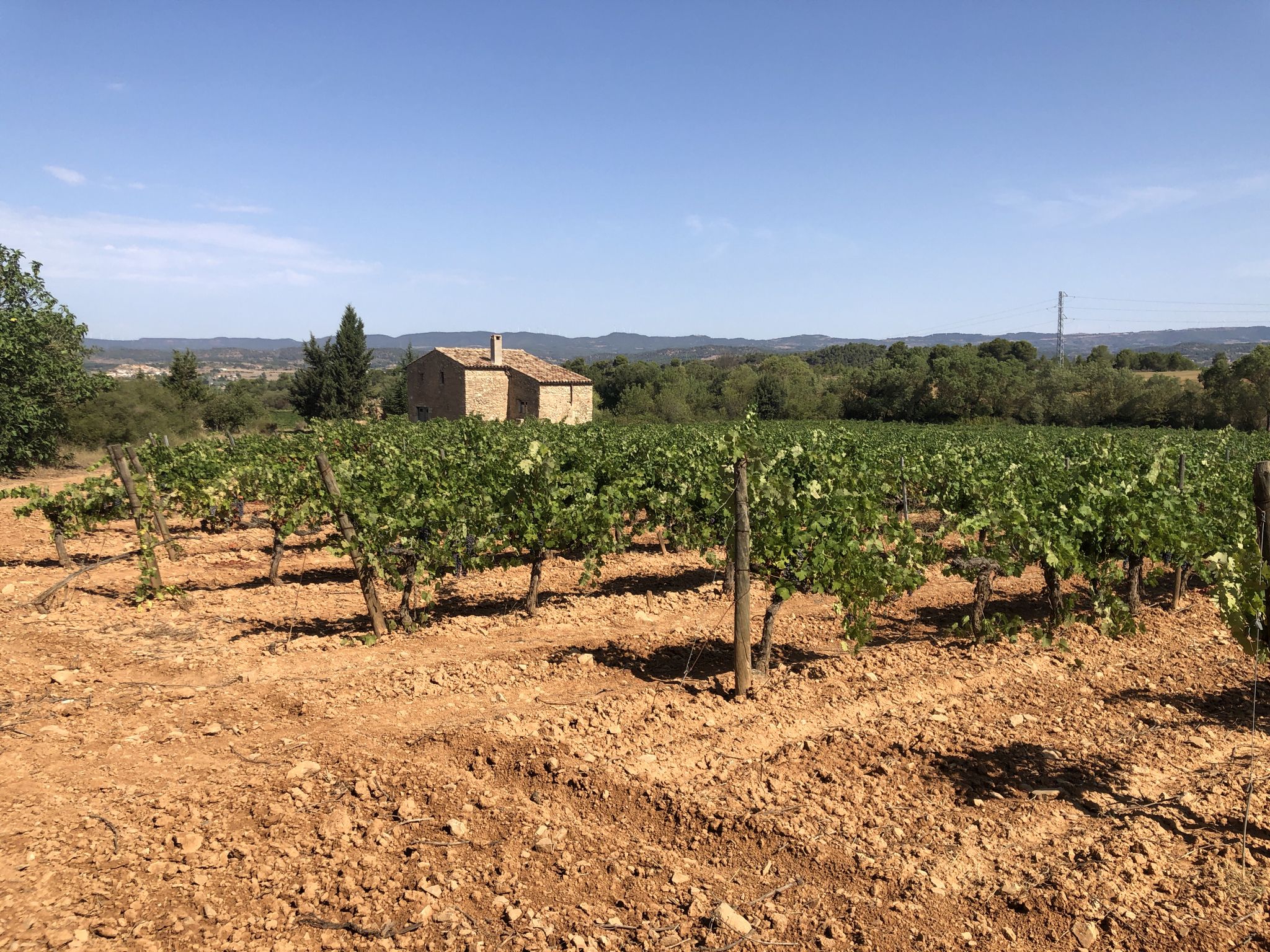
Trails of history — Cistercian MTB Route
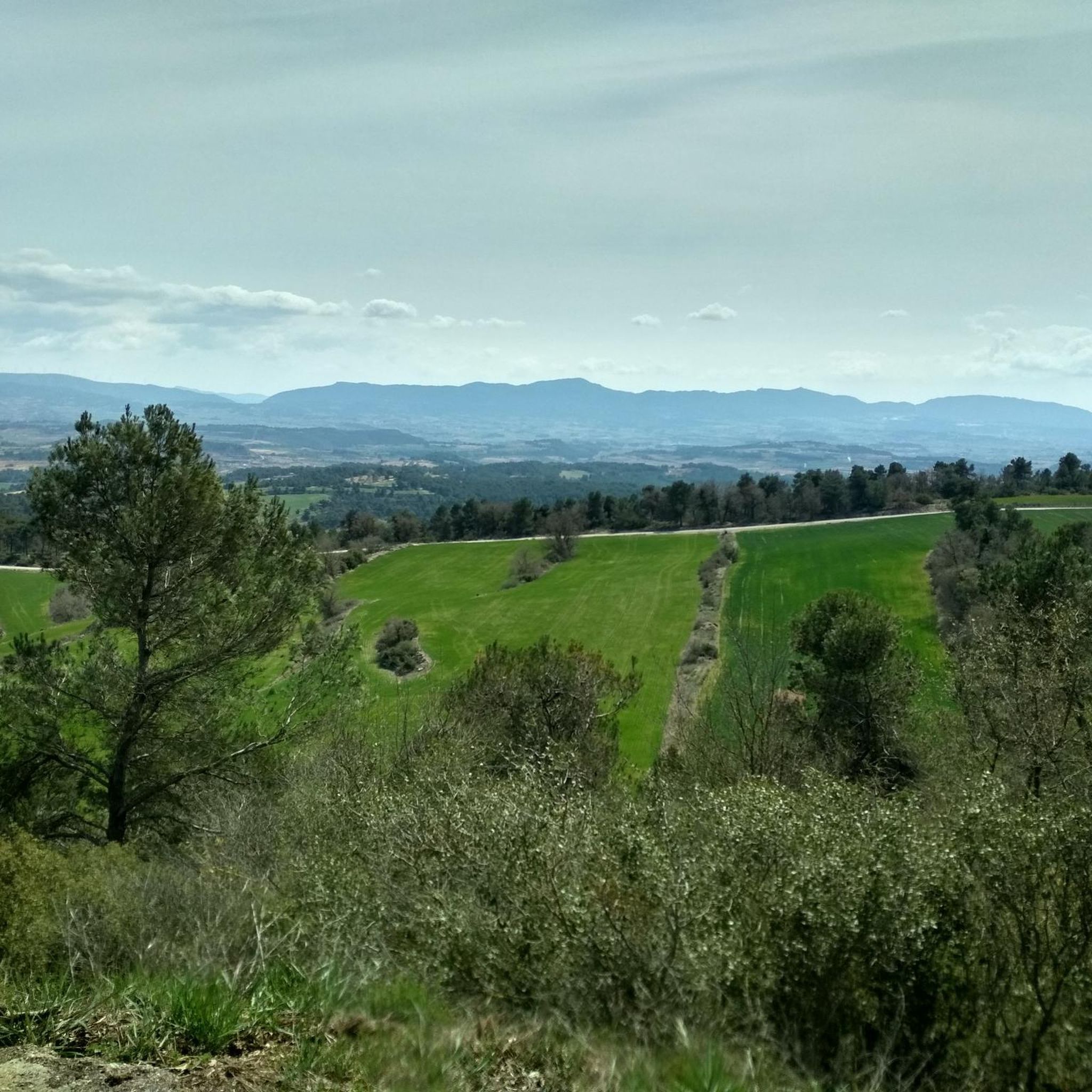
MTB Trails around Vallbona De Les Monges
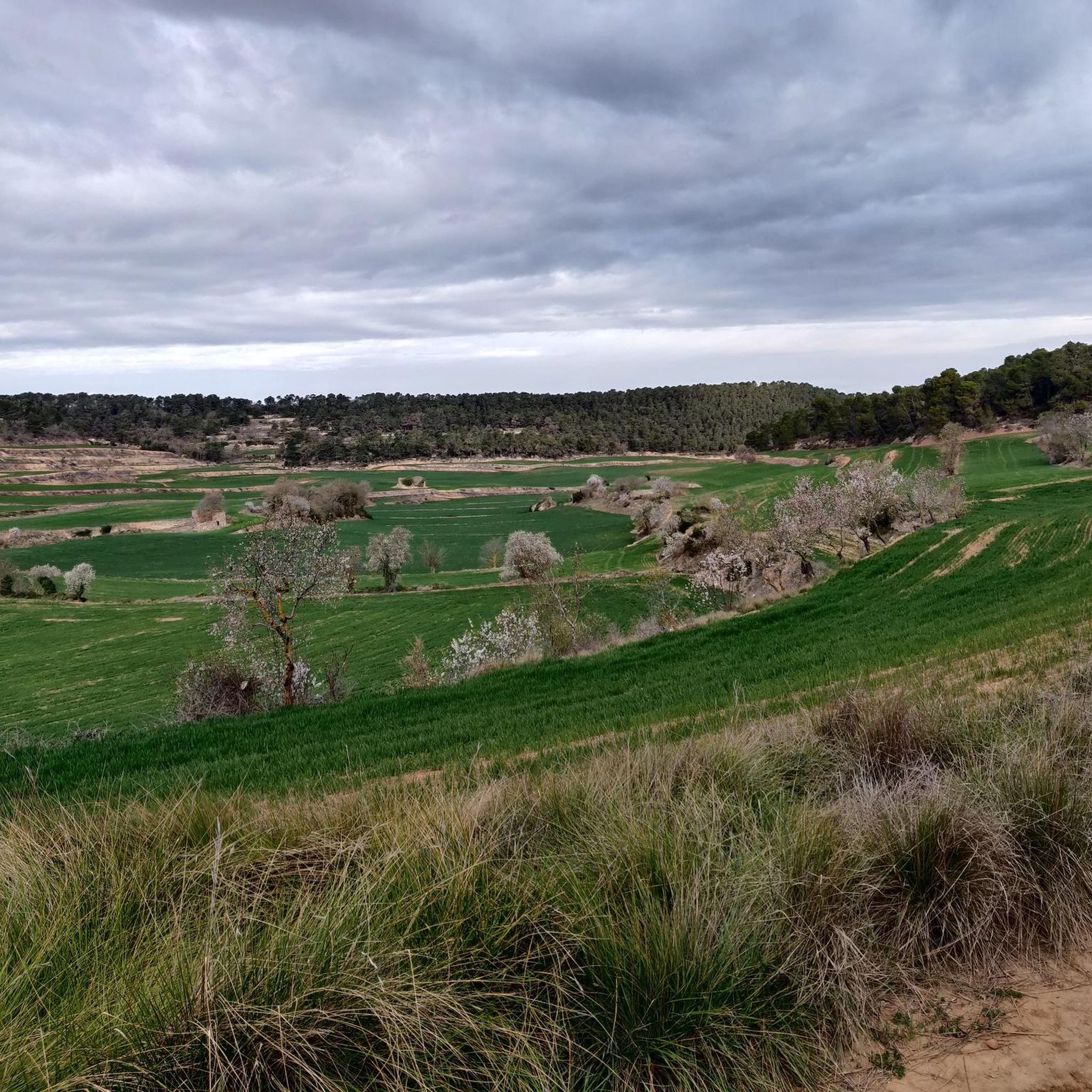
Hiking around Vallbona De Les Monges
Road Cycling Routes around Vallbona De Les Monges
Running Trails around Vallbona De Les Monges
Cycling around Vallbona De Les Monges
Gravel biking around Vallbona De Les Monges
Other adventures around Vallbona De Les Monges


Tips from the Community

The most important is the Fountain that you will find halfway up, fresh water that will save you, especially on summer days. The Guimerà castle is strategically located on the border between the plateau and the ridge of the Corb valley, built on a plain of living rock, where today the remains of the medieval enclosure extend, expanded in several phases to the western end, and linked through the old cemetery to the Gothic church. Its characteristic feature is its round watchtower and defense. It is a building declared a cultural asset of national interest. Source: Wikipedia
0
0

Halfway between the monasteries of Santa Maria de Vallbona and Santes Creus, the town of Rocafort de Queralt belongs to the region of Conca de Barberà (Tarragona). Its origin is in the 11th century and in 1370 the barony of Rocafort de Queralt was established. It has a parish church dedicated to Sant Salvador (18th century), built on top of a previous church. The castle, from the 12th century, was completely rebuilt in 1964. Two portals of the wall that protected the town are also preserved.
0
0
L'Ametlla de Segarra is a town belonging to the municipality of Montoliu de Segarra, in the Segarra region, province of Lleida. It is linked to the castle of the same name, appearing in records at the end of the 11th century. It is located in an area with a tradition of cereal farming and other rainfed crops such as olive groves and almond trees. You can also find vineyards, particularly organic vineyards that produce Comalats wine, which was the old name of the region. Of its heritage, the church of Sant Pere and the tower of the old castle stand out.
0
0

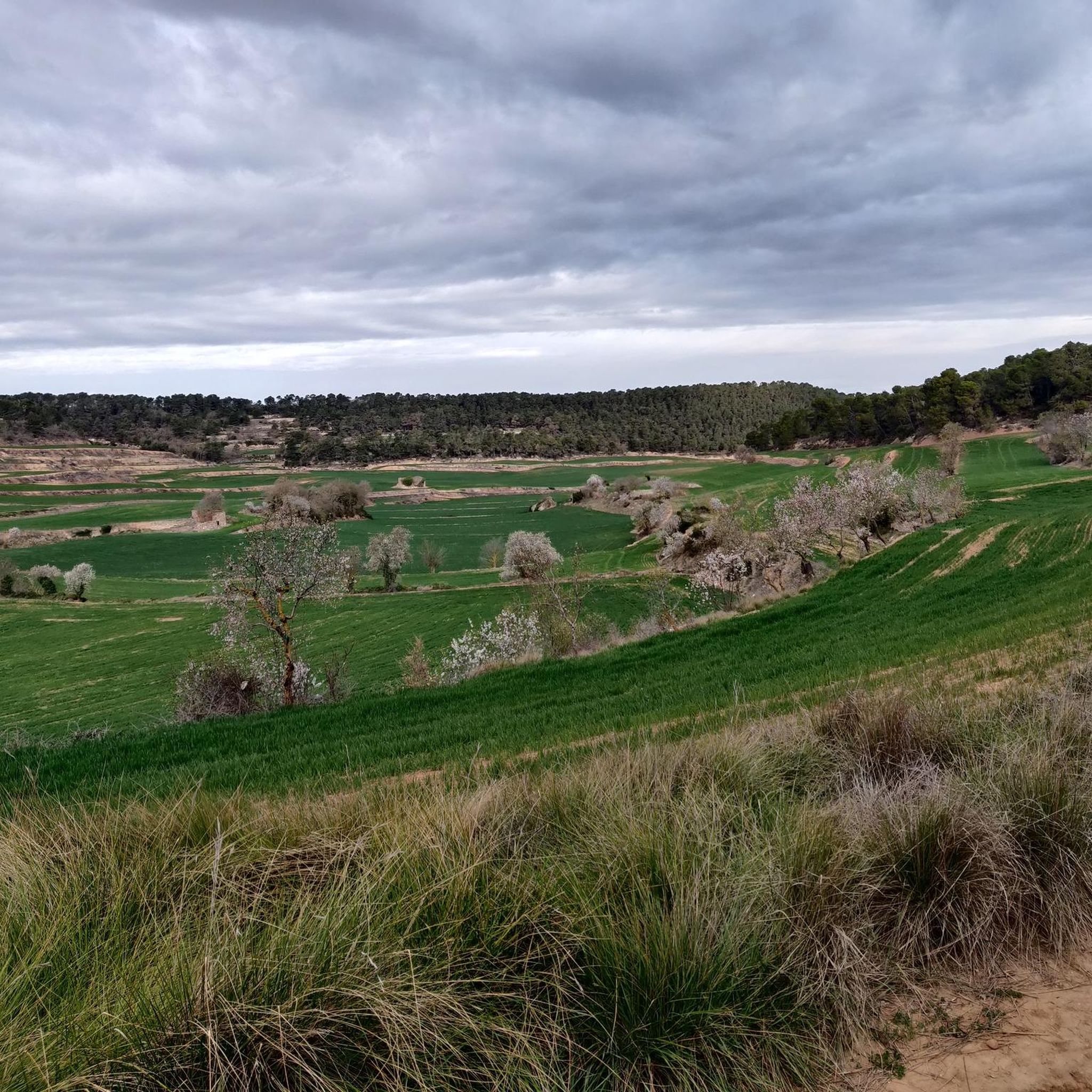
The drylands in the area are very beautiful and there are many possibilities for routes
0
0

This monument is located next to the Poblet Monastery. Milmanda's name means small castle. Milmanda Castle, an artistic and historical fortification where Emperors Carlos V and Felipe II hunted, can be visited from Monday to Sunday by booking in advance through its website. The tour includes a visit to the vineyard, in the Milmanda Castle, tasting of two wines, and an expert guide or sommelier throughout the tour.
1
0

The castle of Verdú is located in the heart of the town next to one of the most beautiful and unique churches in Catalonia, the church of Santa María de Verdú. The castle preserves different architectural elements: Romanesque, Gothic and Renaissance. We will find information panels, but I recommend hiring the guided tour at the Verdú tourist office.
0
0
Frequently Asked Questions
What kind of historical sites can I explore around Vallbona De Les Monges?
Beyond traditional castles, the region offers a rich tapestry of historical sites. You can visit well-preserved fortifications like Milmanda Castle, settlements with castle remnants such as Rocafort de Queralt, and the highly significant Cistercian Monastery of Santa Maria de Vallbona, which, while not a castle, boasts defensive features and centuries of history.
What are some notable castles or historical sites to visit in the area?
Key sites include Milmanda Castle, known for its artistic and historical significance and where emperors once hunted. Verdú Castle in the heart of its town showcases Romanesque, Gothic, and Renaissance elements. Also, consider Guimerà Castle with its characteristic round watchtower.
Are there any family-friendly historical sites around Vallbona De Les Monges?
Yes, several sites are suitable for families. Milmanda Castle offers tours that can be engaging for all ages. The settlement of Rocafort de Queralt, with its preserved town wall portals, and L'Ametlla de Segarra, featuring its old castle tower, provide interesting historical exploration for families.
What architectural styles can I expect to see in the castles and historical buildings?
The region's historical sites display a blend of architectural styles reflecting their long history. You'll find Romanesque and Gothic elements, particularly prominent in the Monastery of Santa Maria de Vallbona and Verdú Castle, which also incorporates Renaissance styles. Rocallaura's church, for example, combines Romanesque and Neo-Gothic features.
What outdoor activities can I do near these castles and historical sites?
The area around Vallbona De Les Monges is excellent for outdoor activities. You can find numerous routes for mountain biking, road cycling, and hiking. For example, there are moderate to difficult MTB trails, scenic road cycling routes, and hiking loops that often pass by or offer views of historical landmarks.
Are there hiking trails that include historical sites or offer good views?
Yes, there are several hiking opportunities. A moderate hike is the 'Santuario del Tallat and Colina Grande de Vallbona' loop, which is part of the 100 summits of Catalonia. The Santuari del Tallat itself features an 11th-century defense tower that provides magnificent views over the regions of l'Urgell, Sagarra, and Conca de Barberà. You can find more options on the Hiking around Vallbona De Les Monges guide.
What is special about the Monastery of Santa Maria de Vallbona?
The Monastery of Santa Maria de Vallbona is the most important female Cistercian monastery in Catalonia, with over 850 years of uninterrupted monastic life. It features a blend of Romanesque and Gothic architecture, including a magnificent Gothic bell tower and an octagonal dome. It also houses the royal tombs of Queen Violant of Hungary and her daughter Sancha of Aragon, and is part of the Cistercian Route.
What can I expect to see at Rocafort de Queralt?
Rocafort de Queralt is a settlement with an 11th-century origin. While its 12th-century castle was rebuilt in 1964, you can still explore two portals of the old town wall that protected the town. It's located halfway between the monasteries of Santa Maria de Vallbona and Santes Creus, offering a glimpse into medieval village life.
What is the best time of year to visit the castles and historical sites?
The region generally experiences pleasant weather for exploring historical sites. Spring and autumn offer mild temperatures, ideal for both outdoor activities and comfortable sightseeing. Summer can be warm, but many sites provide shade, and an early start to the day is recommended. Winter is cooler but can be a peaceful time to visit with fewer crowds.
Are there any viewpoints or scenic spots near the castles?
Yes, the area offers several scenic spots. The Santuari del Tallat, with its 11th-century defense tower, provides expansive views over the regions of l'Urgell, Sagarra, and Conca de Barberà. Additionally, the settlement of L'Ametlla de Segarra is known for its old castle tower and offers picturesque views of the surrounding cereal fields, olive groves, and almond trees.
How long should I plan for a visit to these historical sites?
The duration of your visit depends on the sites you choose. For a comprehensive experience at the Monastery of Santa Maria de Vallbona, including the audiovisual show and tour, allow at least 1.5 to 2 hours. Individual castles like Milmanda Castle or Verdú Castle might take 1-2 hours each, especially if you opt for a guided tour. Exploring a settlement like Rocafort de Queralt could take an hour or more, depending on your pace.
Most popular routes around Vallbona De Les Monges
Most popular attractions around Vallbona De Les Monges

Get inspired with the komoot mobile app


Explore more
Looking for the best castles somewhere else? Discover other guides around Vallbona De Les Monges:
