Top 5 Lakes around Tembleque
Best lakes around Tembleque, a municipality in the province of Toledo, Spain, are found within the broader Castile-La Mancha region. This area is characterized by its plains and diverse natural features, including significant wetlands and reservoirs. While Tembleque itself does not host large natural lakes, the surrounding landscape offers various aquatic environments. These bodies of water provide opportunities for outdoor activities and observing local biodiversity.
Best lakes around Tembleque
- The most popular lakes is Finisterre Reservoir, a lake built…
Last updated: June 20, 2026
Finisterre Reservoir
Highlight • Lake
Translated by Google •
Tip by

Laguna del Longar
Highlight • Lake
It is a favorite place …
Translated by Google •
Tip by

Sign up now to discover places like this
Get recommendations on the best single tracks, peaks, & plenty of other exciting outdoor places.
Sign up for free
La Alberca Spring
Highlight • Natural Monument
Translated by Google •
Tip by

Taray Wetlands
Highlight • Natural
Translated by Google •
Tip by

Lagunas del Campo la Mula
Highlight • Lake
Translated by Google •
Tip by
Start today with a free account
Your next adventure awaits.
Login or Signup


Other adventures around Tembleque

Tips from the Community

Numerous hiking and cycling routes border the reservoir: A circular route from Tembleque, crossing the Sierra de Algodor (~15 mi / 24 km), moderate difficulty, panoramic views, and picnic spots. A mountain bike route from Mora or Turleque to the shore, approximately 13–14 mi (~22 km), ideal for mountain bikes. The shoreline offers viewpoints, peninsular islands accessible in summer, and areas of Mediterranean woodland contrasting with the surrounding cereal fields.
2
0
It is located in the municipalities of Tembleque, Mora, Villanueva de Bogas, and Turleque (Toledo), about 5 km from Villanueva de Bogas, on the Algodor River, a tributary of the Tagus. Declared a Wildlife Refuge in September 2020, it boasts high biodiversity, especially of waterfowl and birds of prey.
2
0

These are temporary lagoons that form in years with abundant rainfall. In some years, they are dry or lose their water during the summer heat.
0
0
To the south of El Romeral are the so-called Sierras de El Romeral, rocky outcrops covered with holm oaks and kermes oaks. At their feet springs of water emerge from the source of the Butarque River. The areas where the water flowed became permanently flooded land. An example of these springs is La Alberca, a spring that was transformed during the 80s with the dual purpose of supplying irrigation water to crops, and as a bathing area for the people of Romeral.
1
0

Areas that have historically accumulated water as a source of life for numerous animal and plant species, but that in the last decade have experienced a drop in the water table due to the lack of precipitation.
0
0

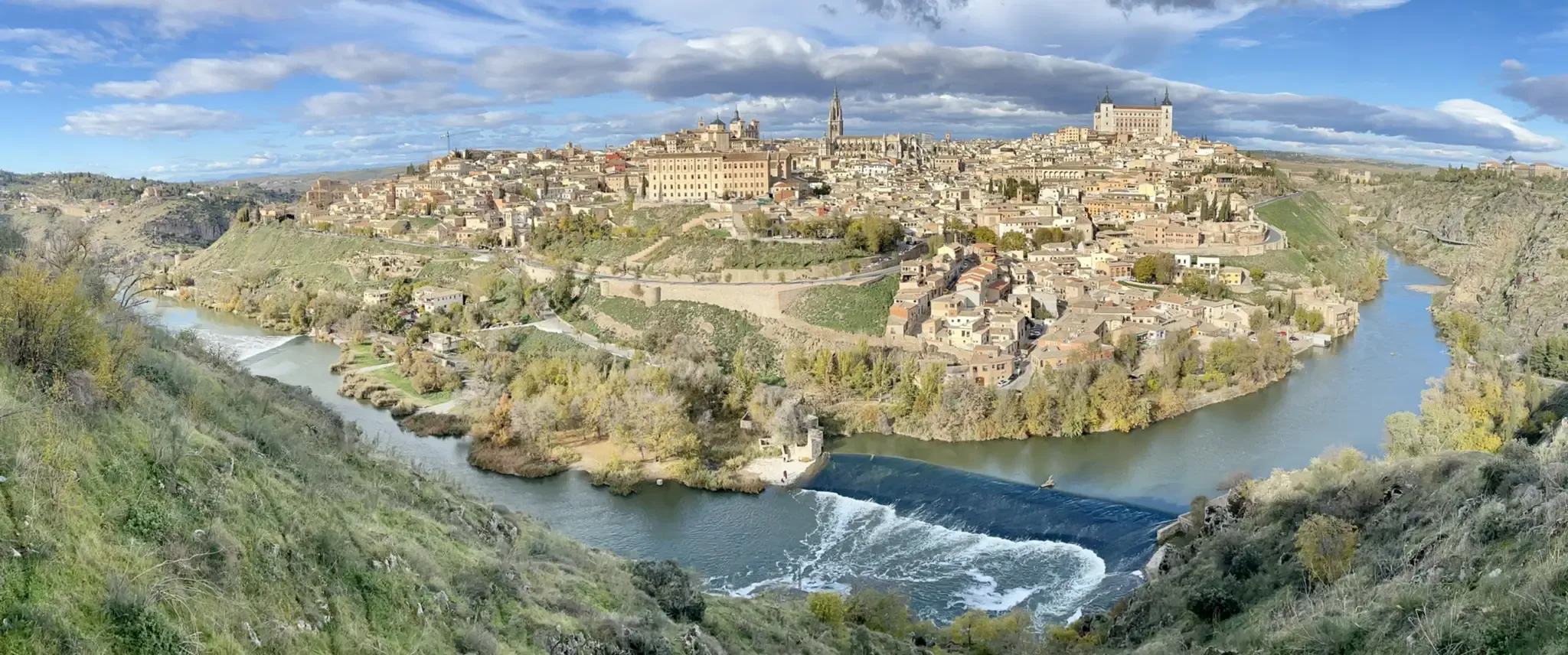
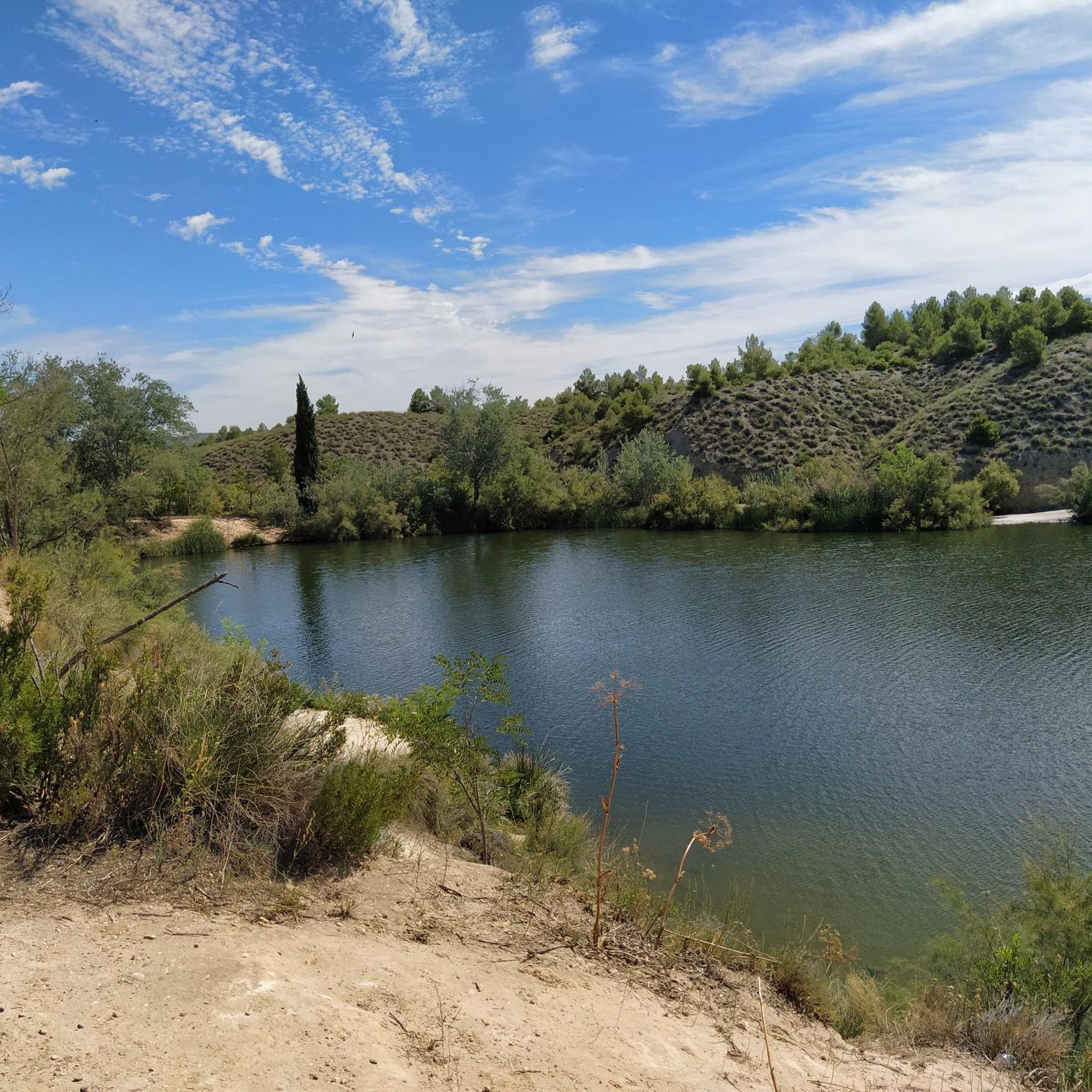
Built on the bed of the Algodor River, the Finisterre reservoir is a place with many roads and paths that allow you to go around it. You will be shooting through a very quiet and remote area, away from the cities and being able to enjoy the landscape of this area of La Mancha.
1
0
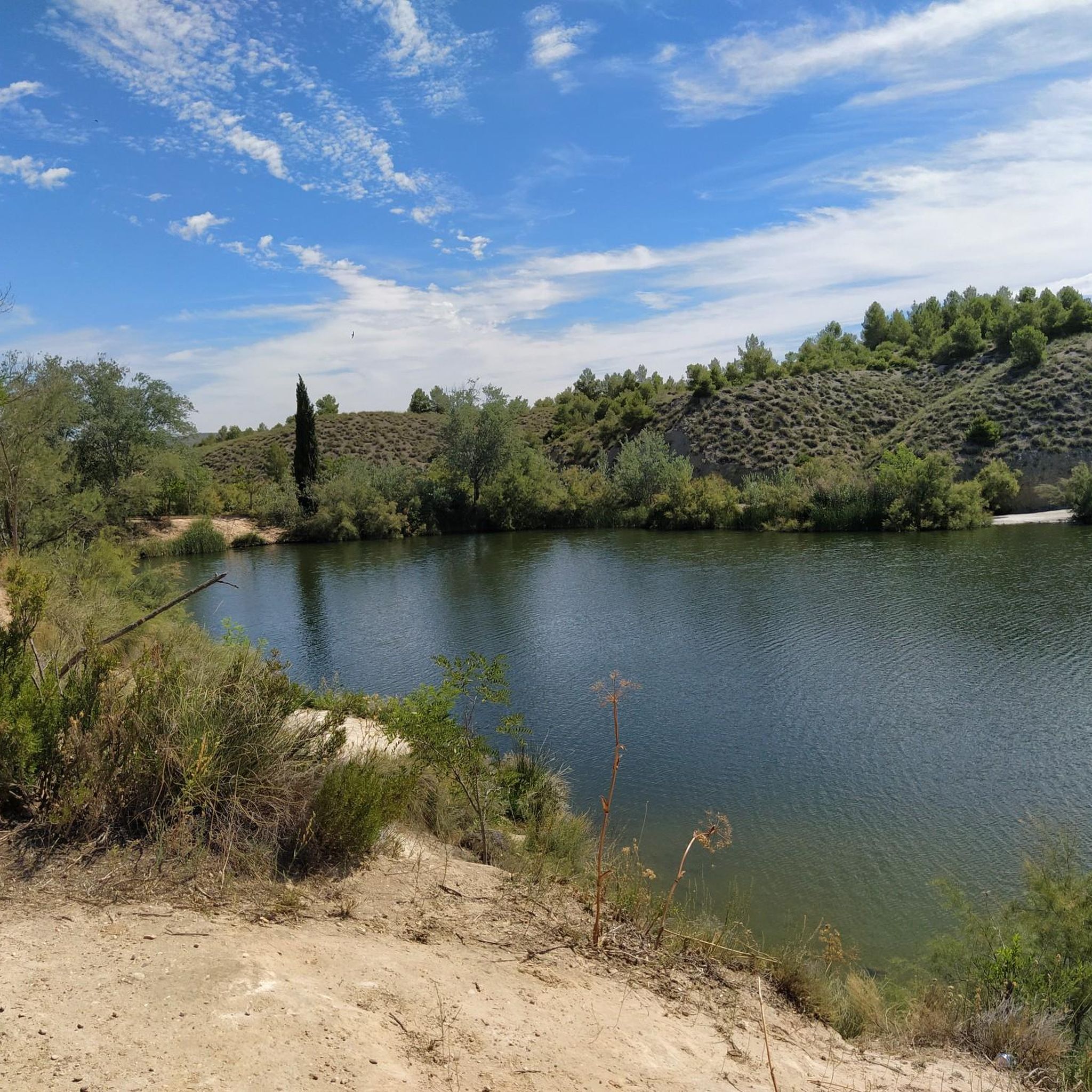
The Longar lagoon is part of the largest and most extensive saline lagoon complex in Spain with more than 400 hectares distributed in 2 lagoons. It is a favorite place for bird watching and it is worth doing it to see the sunset that is usually worthy of a postcard.
3
0
Frequently Asked Questions
What types of lakes can I find around Tembleque?
While Tembleque itself doesn't host large natural lakes, the surrounding Castile-La Mancha region offers a variety of aquatic environments. These include significant wetlands, reservoirs, and saline lagoons. You can find man-made reservoirs like Finisterre Reservoir, extensive saline lagoons such as Laguna del Longar, and ecologically important areas like Taray Wetlands.
Are there any family-friendly lakes in the region?
Yes, several lakes in the broader region are suitable for families. Finisterre Reservoir is categorized as family-friendly, offering paths for exploration in a quiet setting. La Portiña Reservoir, recognized as a natural monument north of Talavera de la Reina, is also a family-friendly destination. Additionally, Laguna Grande de Villafranca de los Caballeros features a 2.5 km long beach, making it popular for recreational use and swimming during summer.
Which lakes are best for birdwatching?
The region is excellent for birdwatching, particularly at its wetlands and saline lagoons. Laguna del Longar is a favorite spot for bird observation, known for its extensive saline lagoon complex. Finisterre Reservoir, declared a Wildlife Refuge, boasts high biodiversity, especially of waterfowl and birds of prey. Laguna Chica, part of the Lagunas de Villafranca de los Caballeros Biosphere Reserve, is also noted for its excellent birdwatching opportunities. Further afield, Tablas de Daimiel Natural Park is renowned for its wide variety of bird species.
What outdoor activities can I do near these lakes?
The lakes and surrounding areas offer various outdoor activities. You can enjoy hiking and cycling around Finisterre Reservoir, which has numerous roads and paths. For more structured activities, there are several nearby routes available. You can find hiking trails around Tembleque, MTB trails, and running trails that explore the natural landscapes, including routes like the 'North Lagoon-La Guardia Trail' for hiking or the 'Tembleque and El Romeral Windmills Trail' for MTB.
Are there any lakes suitable for swimming or recreational use?
Yes, Laguna Grande de Villafranca de los Caballeros is particularly well-suited for recreational use. It stands out as the only river lagoon in La Mancha designated for recreation and features a 2.5 km long beach, making it a popular destination for swimming and relaxation, especially during the summer months.
What are the best lakes for scenic views and photography?
For scenic views, Laguna del Longar is highly recommended, especially for capturing sunset views that are often described as postcard-worthy. The Lagunas de Ruidera Natural Park, with its interconnected lakes and waterfalls, also offers a unique and picturesque landscape ideal for photography.
What is the best time of year to visit the lakes around Tembleque?
The best time to visit depends on your preferred activities. For swimming and beach activities, the summer months are ideal for places like Laguna Grande de Villafranca de los Caballeros. For birdwatching, spring and autumn often provide the best opportunities to see migratory species. Keep in mind that temporary lagoons like Lagunas del Campo la Mula may only form in years with abundant rainfall and can dry up during summer.
Are there any protected natural areas among the lakes?
Yes, the region is home to several protected natural areas. The Lagunas de Ruidera Natural Park is an important wetland and a Biosphere Reserve. Tablas de Daimiel is also a Natural Park and one of the most important wetlands on the Iberian Peninsula. The Lagunas de Villafranca de los Caballeros, which include Laguna Grande and Laguna Chica y Salare, are designated as a Biosphere Reserve. Additionally, Finisterre Reservoir has been declared a Wildlife Refuge.
Can I find quiet and tranquil spots among the lakes?
If you are looking for a peaceful break, Laguna de Noblejas offers a quiet and tranquil environment. Finisterre Reservoir is also noted for being a quiet and remote area, away from cities, allowing visitors to enjoy the landscape of La Mancha in solitude.
What are the characteristics of the Taray Wetlands?
Taray Wetlands are areas that historically accumulated water, supporting numerous animal and plant species. They are recognized for their ecological significance. However, it's important to note that these wetlands can experience fluctuations in water levels, sometimes due to lack of precipitation.
Are there any lakes that are temporary or seasonal?
Yes, some lakes in the region are temporary. The Lagunas del Campo la Mula are examples of temporary lagoons that form in years with abundant rainfall. They may be dry or lose their water during the summer heat, so their presence is seasonal.
What makes the Lagunas de Ruidera Natural Park unique?
The Lagunas de Ruidera Natural Park, located between Ciudad Real and Albacete, is unique because its lakes are interconnected by waterfalls, creating a distinctive and picturesque landscape. Established in 1979 and declared a Biosphere Reserve, it is one of the most important wetlands in Castile-La Mancha.
Most popular attractions around Tembleque

Get inspired with the komoot mobile app


Explore more
Still not found your perfect lake around Tembleque? Check out the guides of these regions to see even more beautiful places.
