Top 8 Castles around Vilajuïga
Best castles around Vilajuïga are found in a region characterized by its historical significance and varied landscape, from coastal areas to elevated hills. This area, located in Catalonia, features a blend of natural defenses and strategic locations that have been utilized for centuries. The presence of ancient fortifications reflects its long history, including Roman and medieval periods. Exploring these sites offers insights into the region's past and its connection to broader historical events.
Best castles around Vilajuïga
- The most popular…
Last updated: October 7, 2026
Sant Pere de Rodes Monastery
Highlight • Religious Site
Translated by Google •
Tip by

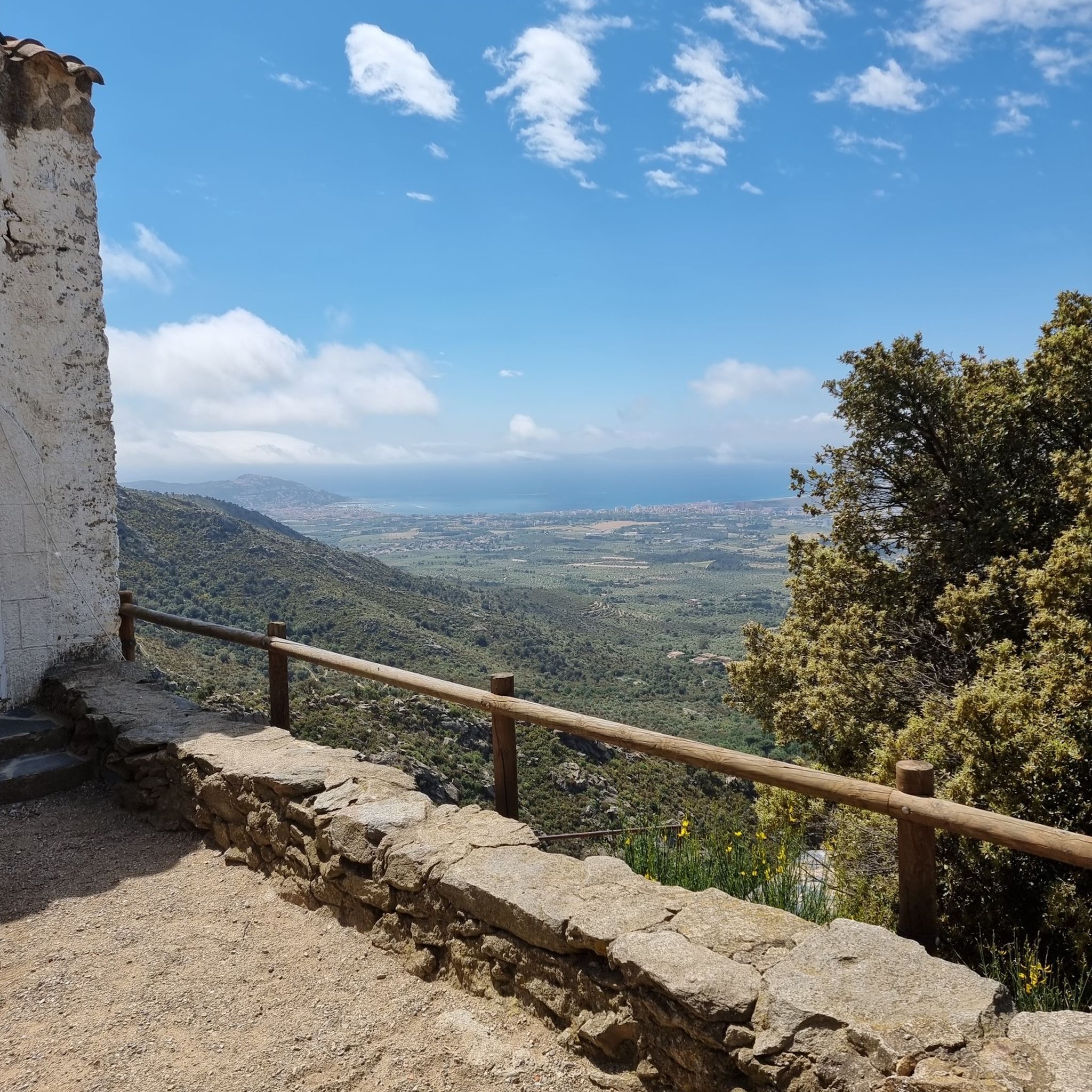
Sant Salvador de Verdera Castle Ruins
Highlight • Castle
Translated by Google •
Tip by

Sign up now to discover places like this
Get recommendations on the best single tracks, peaks, & plenty of other exciting outdoor places.
Querroig Castle
Highlight • Castle
Once upon a time there was a small castell, now only the base of a tower is left.
Translated by Google •
Tip by

Citadel of Roses
Highlight • Historical Site
Translated by Google •
Tip by

Quermançó Castle
Highlight • Castle
Translated by Google •
Tip by

Sign up for free to discover even more castles around Vilajuïga.
Already have an account?
Start today with a free account
Your next adventure awaits.


Other adventures around Vilajuïga

Tips from the Community

Superbe balade empruntant le chemin Walter Benjamin jusqu'au col de rumpissar. C'est après une courte ascension (supplémentaire) sur la crête des Albères séparant les 2 pays qu'un magnifique 360 degrés s'offre à nous, la côte, la mer, les falaises et une partie des plaines situées de part et d'autre de la frontière. Privilégiez les jours sans vent et dégagés car une fois là-haut...
0
0

If you don't want to go about 400 m along the National Road, there is a path, although it is only for mountain bikes and you will still have to push through certain rather complex sections.
0
0

Peak that is part of the FEEC list of 100 peaks where two states and three municipalities meet, Portbou, Cervera de la Marenda and Banyuls de la Marenda. From this point you get wonderful views of the Mediterranean to the east and the Albera mountains to the west, in a magnificent 360º panorama that includes Puig de Sallafort, Puig Neulós and Cap de Creus. At the top we find the ruins of an old medieval castle from the s. X-XI. The round tower is a later construction of the s. XIV or s. XV Until the Treaty of the Pyrenees (1659) when the current northern Catalan counties came under French jurisdiction, the castle depended ecclesiastically on the Count of Empúries and the Bishopric of Girona. The construction technique, like the material, is reminiscent of the castle of Sant Salvador Saverdera, near Sant Pere de Rodes, a peak also included in the list of the 100 Peaks. Salvem Querroig is a northern Catalan association that aims to restore the remains of the castle. For this reason, he had to contact the heir of the last known owner, Ponç Hug, Count of Empúries (1309). The current owner turned out to be Sol María de la Blanca de Medina i Orléans-Braganza, countess of Empúries, of the Ducal House of Medinaceli, based in Seville, and who has granted her permission for the works.
1
0

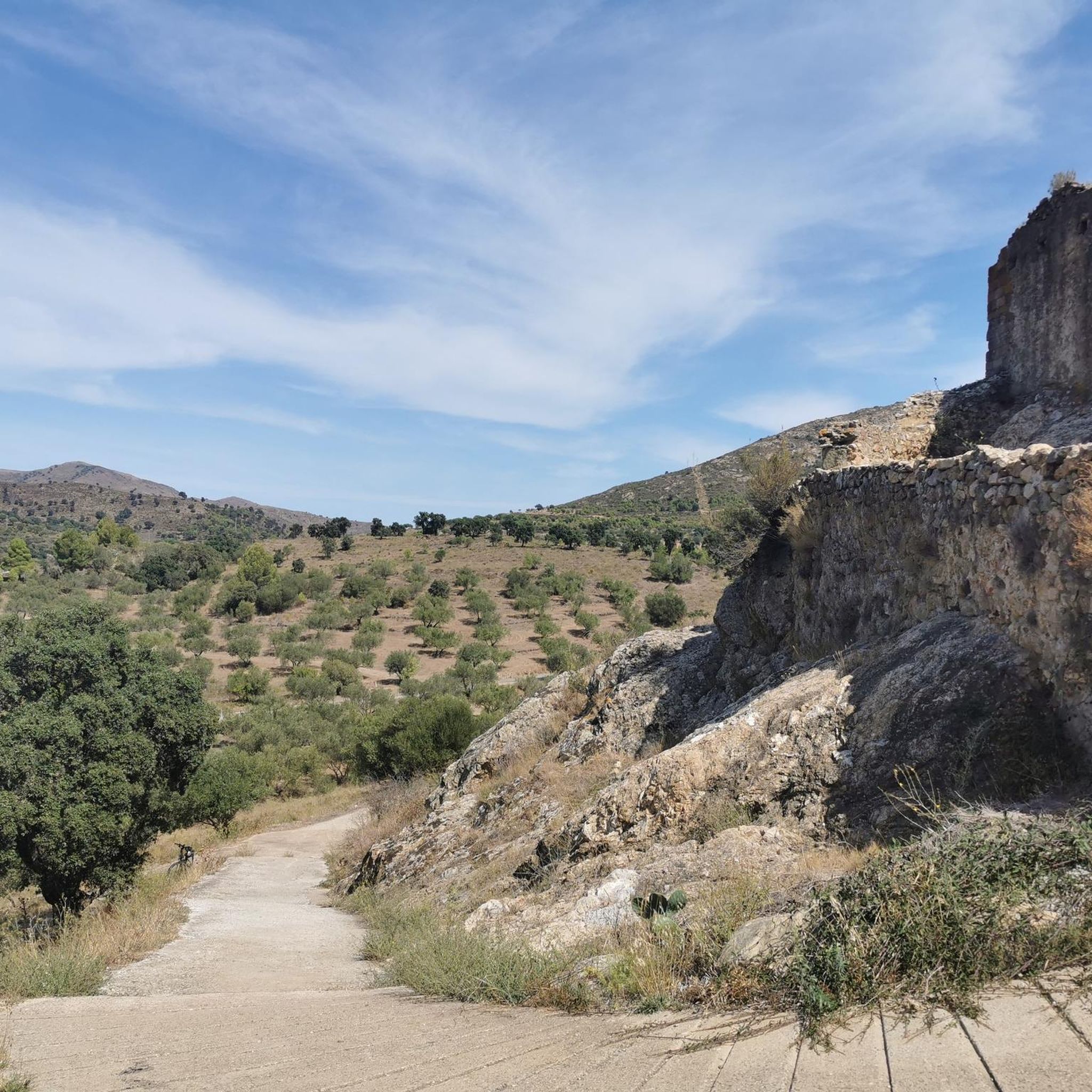
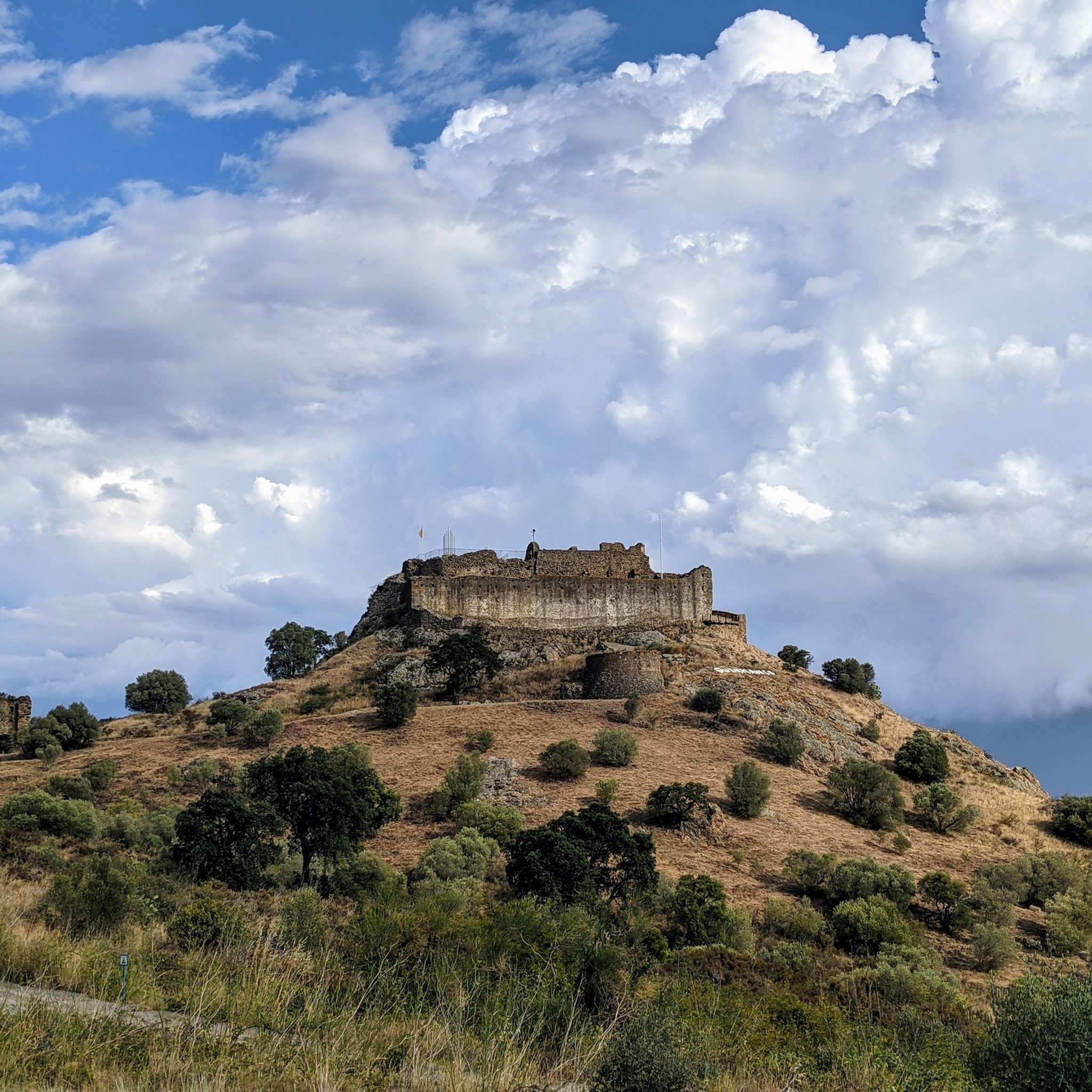
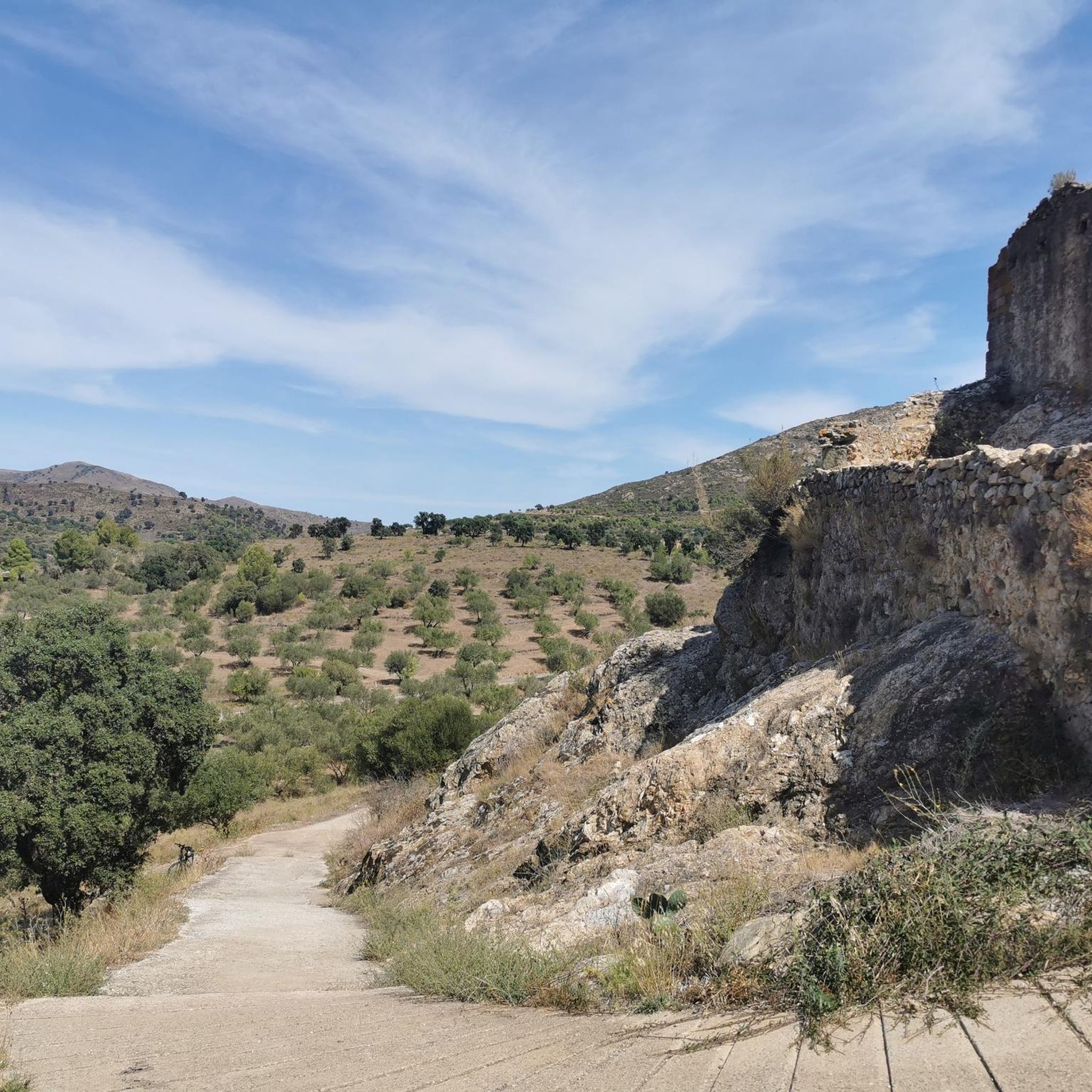
Ruins of the medieval castle, located on a high hill about two kilometers from the town of Vilajuïga. It is an isolated fortification that underwent many renovations and expansions during the 10th and 15th centuries. At the time, the complex was surrounded by a wall, today in a ruined state. Currently, part of the old Keep, the outer circular tower, and some later constructions are preserved. The castle of Quermançó is an important example of what early medieval Catalan castles were for defense, capable of resisting the onslaught of any crowd much larger than the few that could fit within its perimeter. https://www.catalunya.com/es/continguts/patrimoni-cultural/castillo-de-quermanco-17-16003-580470
4
0

Admission moderate (no 20€ for 2 adults and 2 children). The wifi key and a QR code hang at the entrance. This means that one cell phone can be used as an audio guide for the whole family :)
5
2

The Ciutadella de Roses is a 16th century construction that houses an archaeological site where there are vestiges of various historical periods. From remains of the Greek colony of Rhode (4th century BC) to the Renaissance fortification that gives it its name, passing through Visigothic or late-Roman sites.
1
0

Magnificent all-round view to the Pyrenees and the Costa Brava.
3
0

Very nice route, but be sure to have enough water.
4
2
Frequently Asked Questions
What is the most historically significant castle in the Vilajuïga area?
The most historically significant castle is undoubtedly Quermançó Castle. Its history dates back to at least 1078, with archaeological evidence of even older Roman and pre-Roman settlements. It played a crucial role in guarding the border between France and Spain and saw numerous conflicts, including the Napoleonic Wars.
Can I visit the interior of Quermançó Castle?
While the exterior of Quermançó Castle can be accessed on foot, the interior is currently closed to the public. This is due to it being privately owned and to prevent vandalism. However, exploring the ruins from the outside still offers a profound historical experience and impressive views.
Are there other notable historical sites besides castles near Vilajuïga?
Yes, the region is rich in history. The Sant Pere de Rodes Monastery is a monumental complex with castle elements, offering exceptional views. Nearby, you'll also find the Sant Salvador de Verdera Castle Ruins, situated at the highest point of the Sierra de Rodes, providing spectacular panoramas.
What kind of views can I expect from the castles around Vilajuïga?
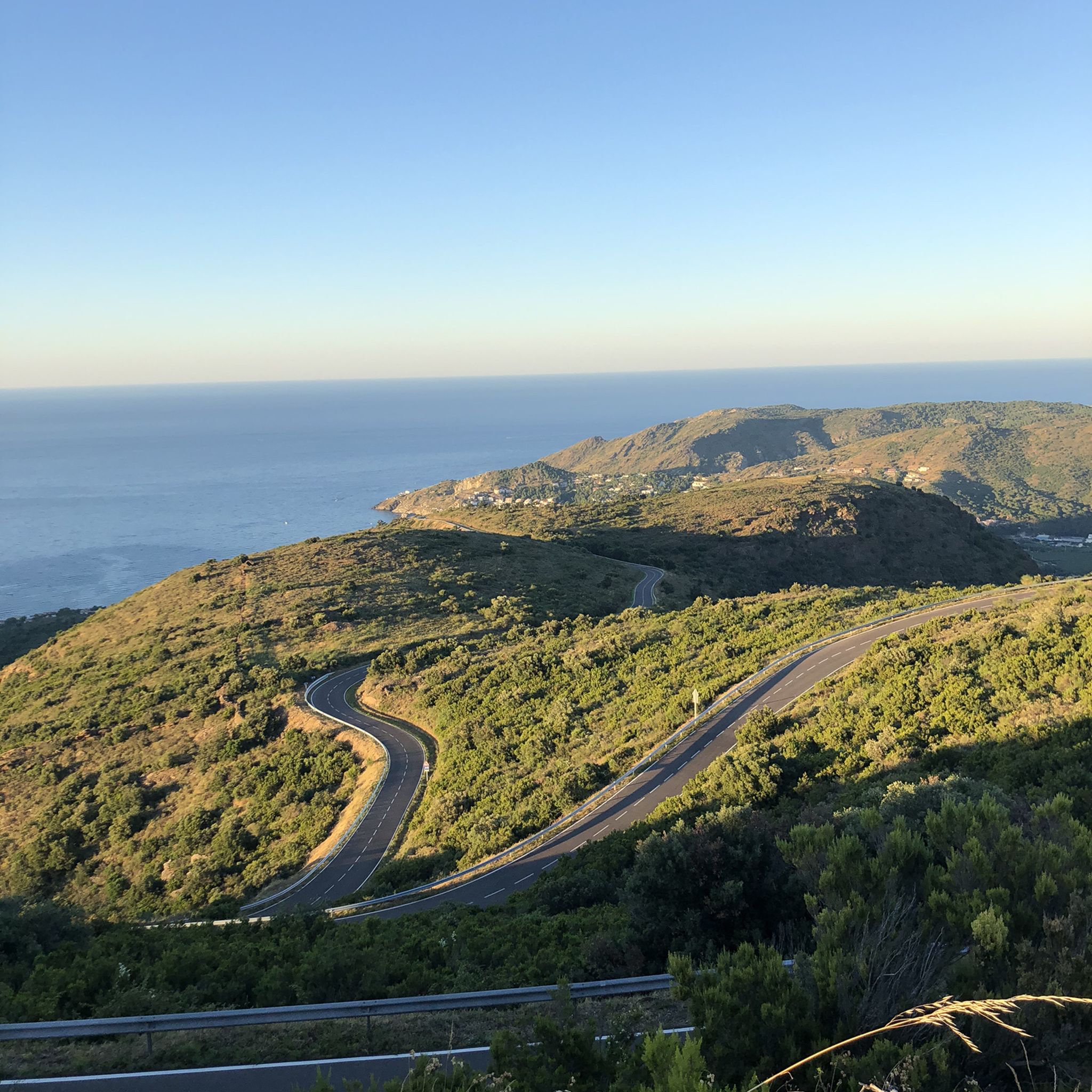
The castles in this region are often strategically located on elevated points, offering spectacular vistas. From Quermançó Castle, you can enjoy one of the most beautiful sunset views in the region. Sant Salvador de Verdera Castle Ruins provides panoramic views of the Cap de Creus and Empordà, while Querroig Castle offers a magnificent 360º panorama including the Mediterranean and the Albera mountains.
Are there family-friendly castles to visit in the Vilajuïga region?
The Citadel of Roses is categorized as family-friendly. It's a 16th-century construction housing an archaeological site with vestiges from various historical periods, including Greek, Roman, and Visigothic finds, making it an engaging educational visit for all ages.
What outdoor activities can I do near the castles?
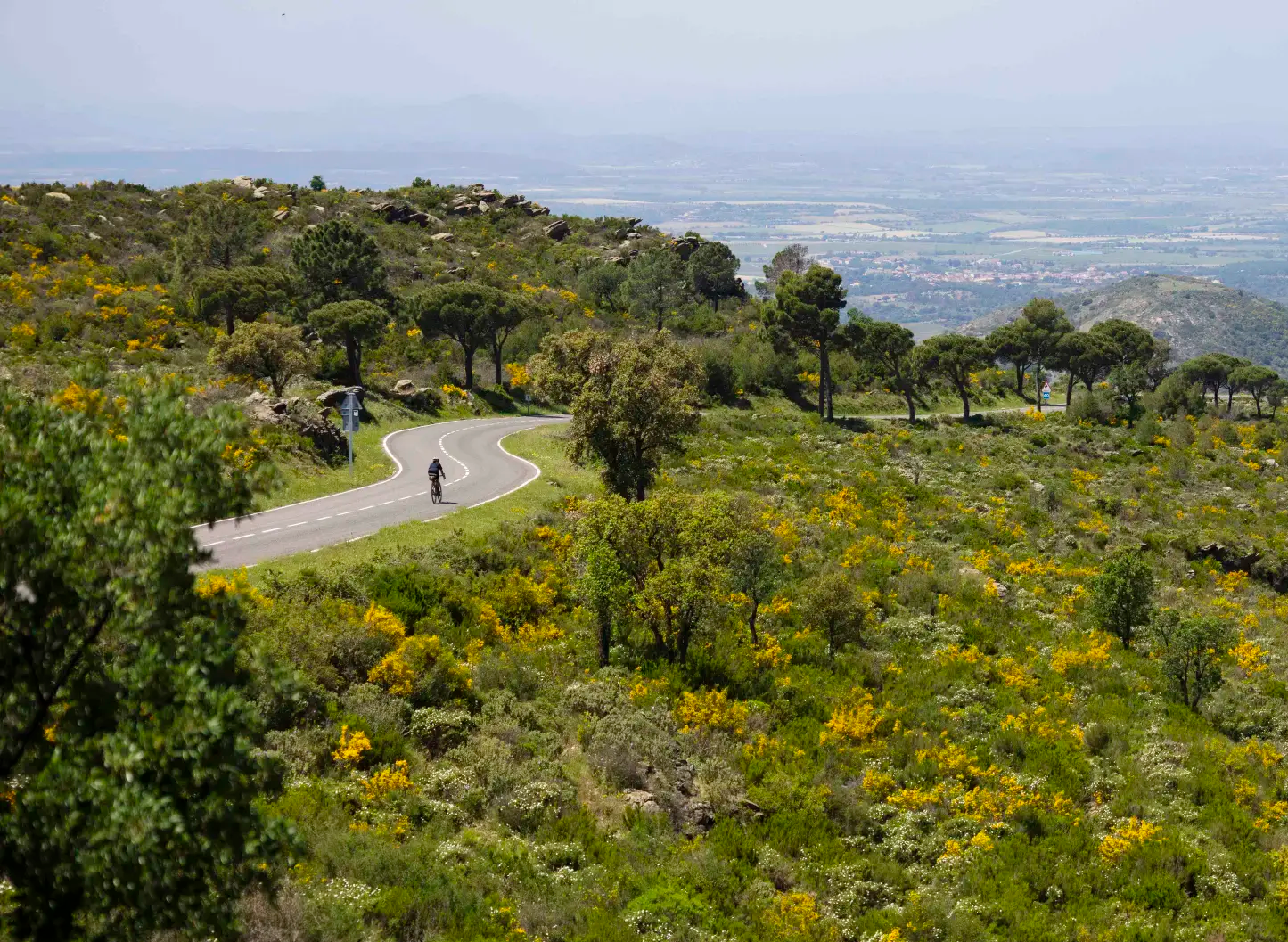
The area around Vilajuïga is excellent for outdoor activities. You can find numerous cycling routes, including those for touring bicycles and road cycling, which often pass by or offer views of the castles. For example, there's a 'Quermançó Castle – Llançà loop' for touring bicycles. Hiking is also popular, with trails leading to sites like the Sant Salvador de Verdera Castle Ruins. You can explore more options in the Cycling around Vilajuïga, Road Cycling Routes around Vilajuïga, and Hiking around Vilajuïga guides.
Are there hiking trails to reach the castles?
Yes, several castles are accessible via hiking trails. For instance, the Sant Salvador de Verdera Castle Ruins are about a 30-minute walk from the Sant Pere de Rodes Monastery. You can also reach Quermançó Castle on foot, parking your car on a section of the old road to Llançà and proceeding from there. The Hiking around Vilajuïga guide offers various routes.
What is the best time of year to visit the castles around Vilajuïga?
The region benefits from a Mediterranean climate. Spring (April-June) and autumn (September-October) generally offer pleasant temperatures for exploring and hiking, avoiding the peak heat of summer. These seasons also provide beautiful natural scenery, ideal for enjoying the views from the castle sites.
Is there a connection between Salvador Dalí and any of the castles?
Yes, the surrealist painter Salvador Dalí had a deep affection for Quermançó Castle. Located almost halfway between his hometown of Figueres and his coastal home in Cadaqués, he had ambitious plans for the castle, including creating a natural pipe organ played by the tramontana wind and housing a rhinoceros in its basement. He even sought to acquire it as a residence for his wife, Gala.
Where can I find parking when visiting the castles?
For Quermançó Castle, you can park your car on a section of the old road to Llançà and then proceed on foot to the castle. For other sites like the Sant Pere de Rodes Monastery, there are typically designated parking areas nearby, from which you can access the monastery and the Sant Salvador de Verdera Castle Ruins.
Are there any less crowded castles to explore near Vilajuïga?
While Quermançó Castle is a significant site, its interior closure means that the exterior exploration can feel less crowded than fully accessible, popular attractions. Querroig Castle, with only the base of a tower remaining, offers a more remote and tranquil experience, focusing on the exceptional views from its summit.
What should I pack for a castle tour or hike in the Vilajuïga area?
Given that many castles involve walking or hiking to reach them, comfortable walking shoes are essential. Depending on the season, layers of clothing are advisable, as the weather can change, especially on elevated sites. Don't forget water, sun protection (hat, sunscreen), and a camera to capture the stunning views. If you plan to hike, a small backpack with snacks and a map or GPS device is recommended.
Most popular routes around Vilajuïga
Most popular attractions around Vilajuïga

Get inspired with the komoot mobile app


Explore more
Looking for the best castles somewhere else? Discover other guides around Vilajuïga:
