Top 11 Caves around Olesa De Montserrat
Best caves around Olesa De Montserrat are found within the broader Montserrat area, a region known for its distinctive geological formations and cultural significance. The landscape features impressive rock formations and deep ravines, creating a diverse environment for natural cavities. These caves range from accessible tourist attractions to more secluded rock shelters. The area's history is intertwined with some of these sites, adding a cultural dimension to their natural appeal.
Best caves around Olesa De Montserrat
- The most popular caves…
Last updated: July 3, 2026
Font de l'Esllavissada
Highlight • Cave
off the cliff, hence the toponym of the landslide. Inside there is a small perennial water …
Translated by Google •
Tip by

Pruneres Cave
Highlight • Cave
Despite the fact that in many maps and texts it appears as a balm, we prefer to mention it …
Translated by Google •
Tip by
Sign up now to discover places like this
Get recommendations on the best single tracks, peaks, & plenty of other exciting outdoor places.
Sign up for free
Cave of Our Lady of Montserrat
Highlight • Cave
Translated by Google •
Tip by

Turó de l'Espluga (725 m)
Highlight • Summit
The Balma de l'Espluga is one of the symbols of the destructions committed against the natural and archaeological heritage of Sant Llorenç …
Translated by Google •
Tip by

Cova de l'Arcada
Highlight • Cave
Translated by Google •
Tip by

Sign up for free to discover even more caves around Olesa De Montserrat.
Sign up for free
Already have an account?
Start today with a free account
Your next adventure awaits.
Login or Signup
Popular around Olesa De Montserrat
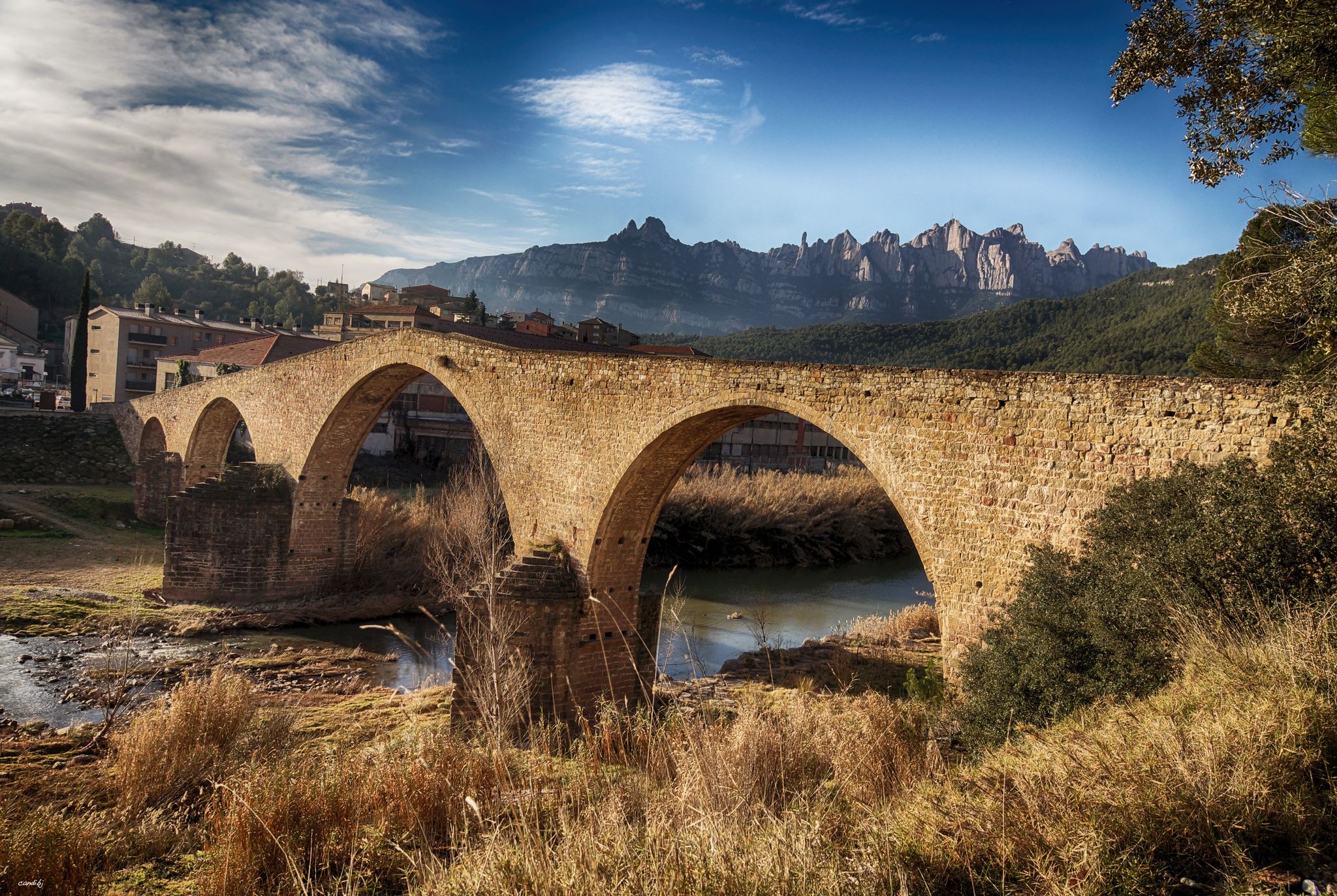
The river of Barcelona – El Camí del Llobregat
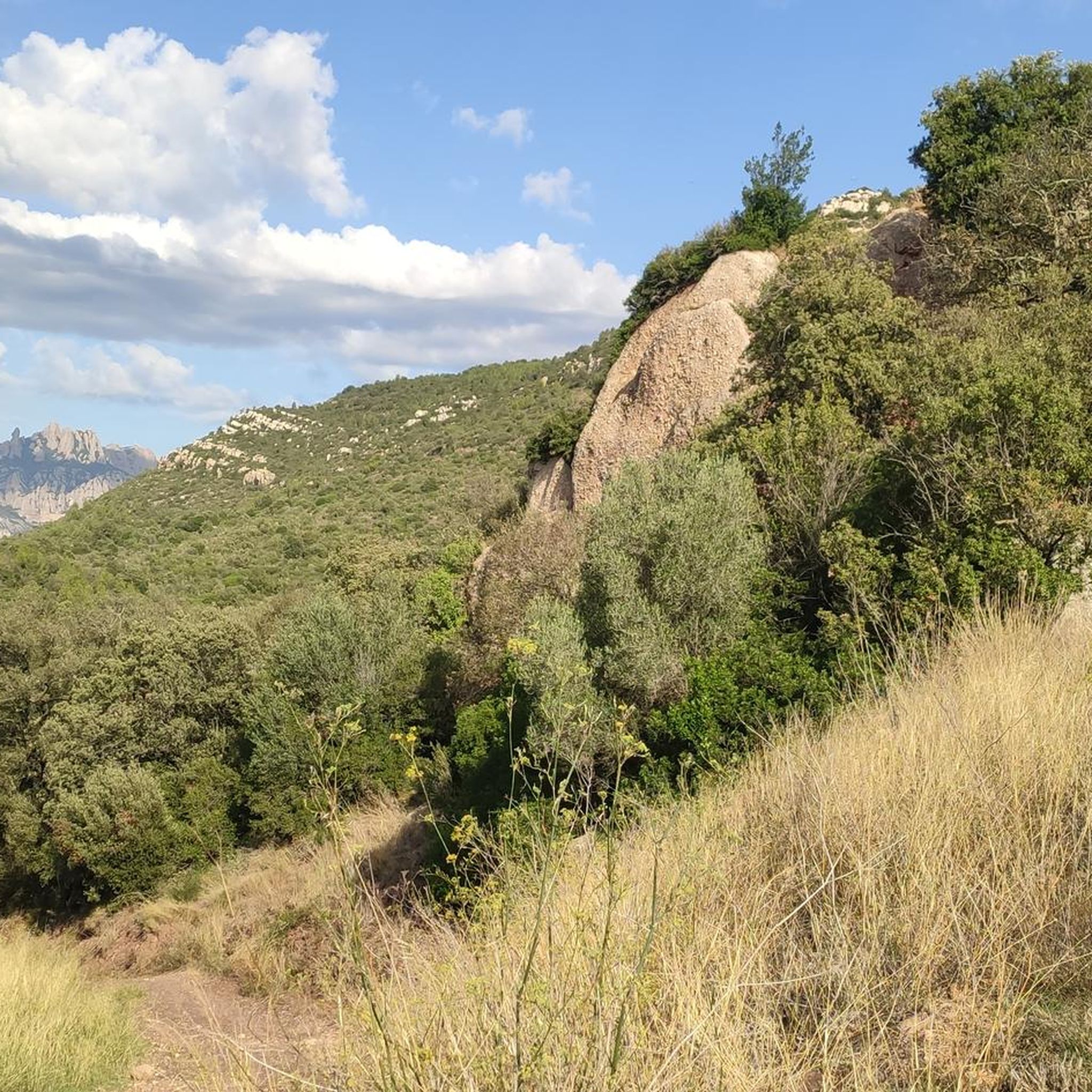
Hiking around Olesa De Montserrat
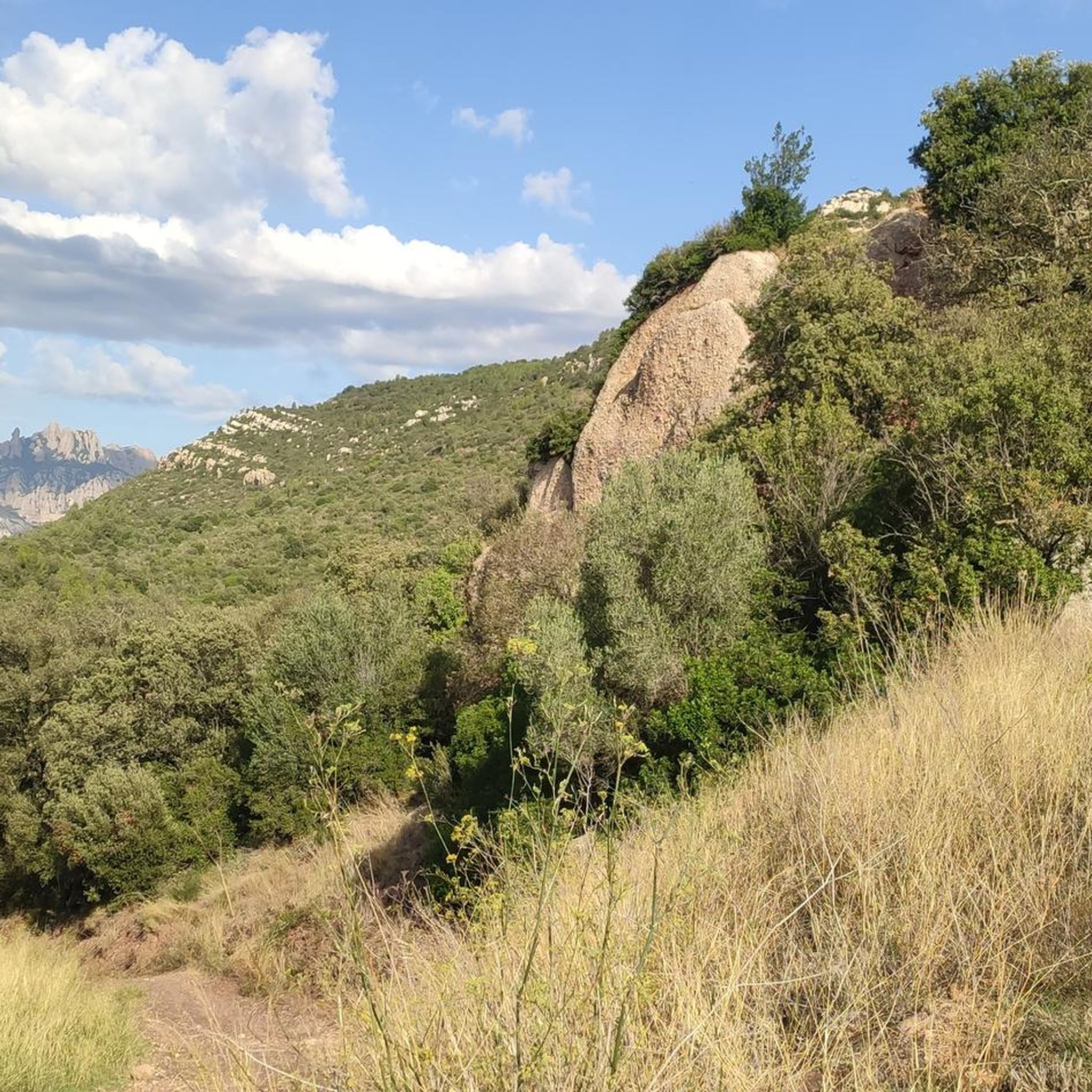
Road Cycling Routes around Olesa De Montserrat
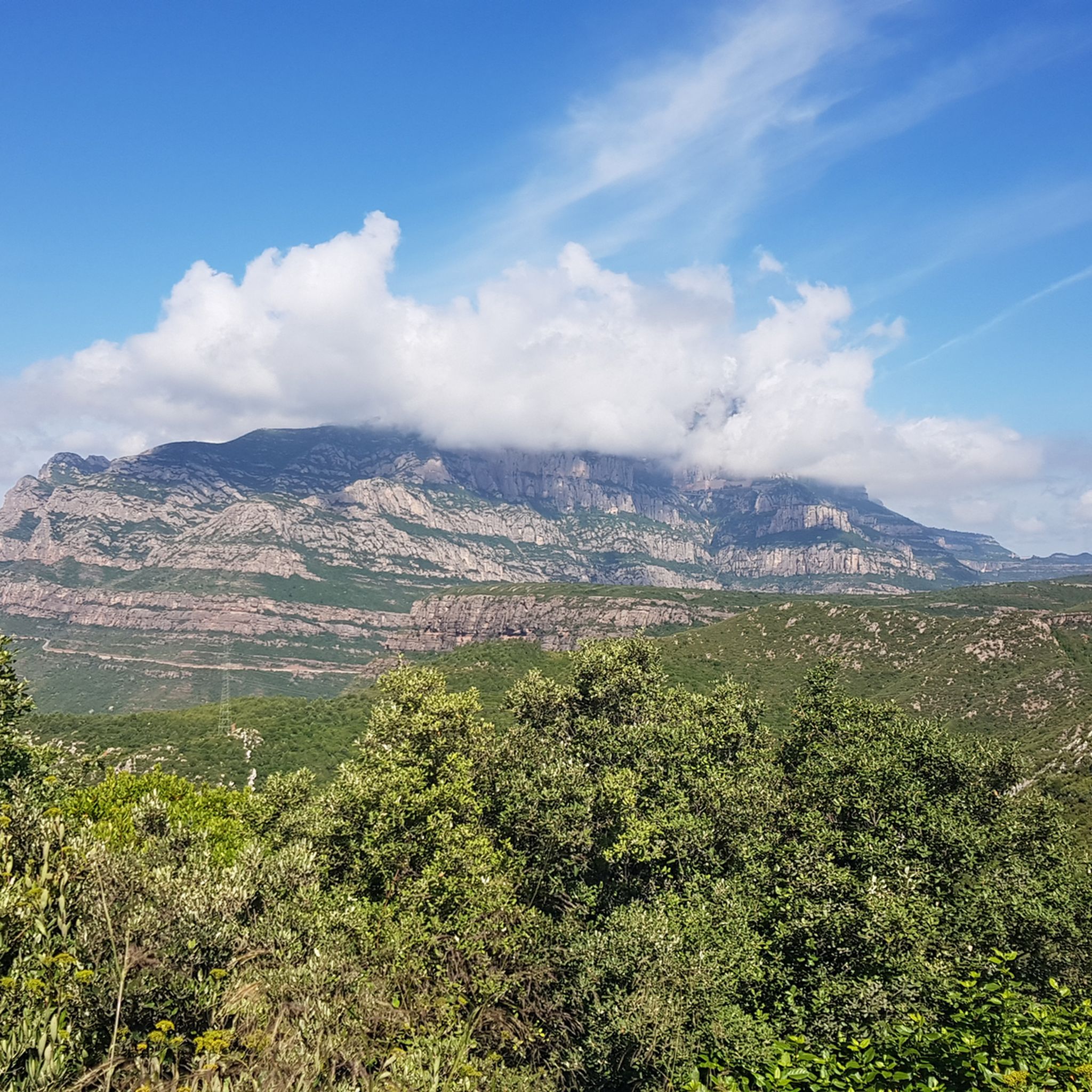
MTB Trails around Olesa De Montserrat
Cycling around Olesa De Montserrat
Running Trails around Olesa De Montserrat
Gravel biking around Olesa De Montserrat
Mountain Hikes around Olesa De Montserrat
Other adventures around Olesa De Montserrat

Tips from the Community

Interesting black virgin.
0
0

Oratory dedicated to Our Lady of Montserrat where we can see a small image with offerings of rosemary. It is located about 60 meters below the hermitage of Sant Salvador. It is usually open on the same days as the hermitage of Sant Salvador.
1
0
Spacious balma that had been enabled as a refuge in Montserrat Despite the fact that in many maps and texts it appears as a balm, we prefer to mention it as a cave, which is what it is in reality and, moreover, this is how it appears on the map of the Cartographic and Geological Institute of Catalonia. It is a fairly spacious cave, it is 16 meters deep and 45 meters wide, inside there is a small wall of stones. Josep Fatjó tells us about this cavity, "it was fixed throughout the year 1959 and on the day of the inauguration the climbing monks said a mass". In the cave there was a wall in front of wood, bedrooms with two rows of wooden bunks and logs with a capacity for about 15-20 people, there was also a firewood store and a dining room with a fireplace, all made by members of the GAM of the Barcelonès Mountain Club. The unsightly people who roam the mountains with their lack of civility have dedicated themselves to burning everything and have reduced this emblematic place to a pile of ashes.
0
0
Cavity 23 meters long by 5 meters wide. It is formed under some rocks off the cliff, hence the toponym of the landslide. Inside there is a small perennial water cistern, built in 1947, and next to it there is a chest with a fountain, which although years ago we had seen in good condition, is currently unusable. All of this favored the climbers' stay. Known since time immemorial. Mentioned in all the collections of cavities and guides of Montserrat, but of little speleological interest.
1
0

Small fountain hidden inside a bauma.
0
0
On the northern slope of the Serrat del Cabrit, there is a deep torrent hidden in the shade of holm oaks: the Coma Alta. This torrent, usually dry, descends in a SW direction until it reaches a vertical jump of 50 meters. At the foot of this jump, we find the Cova de l'Arcada. Unlike the Salnitre, the Arcada is not underground and has a small entrance. It's just the opposite: open and shallow, but of colossal size. Its monumental arch is approximately 30 meters high by 60 meters wide and 10 meters deep. Canyoning enthusiasts can access it from above, through the Torrent de la Coma Alta, abseiling to the entrance of the cave.
0
0

Cave descending from Sant Salvador d'Espases. There is a virgin.
5
0

The ruins that can be seen are not the originals of the balma of 1336, they are a reconstruction made in the year 80.
0
0
Frequently Asked Questions
What are the most accessible caves for general visitors in the Montserrat area?
The Cave of Our Lady of Montserrat is a historical site and religious building, accessible via a scenic path. For a more traditional cave experience, the Coves de Montserrat (also known as Saltpetre Caves or Collbató Caves) offer a 400-meter-long underground passageway prepared for tourist visits, though it involves climbing 244 steps to the entrance and about 500 steps inside.
Are there any caves with significant historical or religious importance in the region?
Yes, the Cave of Our Lady of Montserrat is steeped in religious history. Legend has it that the icon of the Virgin of Montserrat was discovered here in 880 AD, making it a significant pilgrimage destination. A chapel was built at the cave between 1696 and 1705.
What kind of natural formations can I expect to see in the caves around Olesa de Montserrat?
The Coves de Montserrat (Collbató Caves) feature impressive speleothems, including stalactites, stalagmites, and columns. The Cova de l'Arcada is notable for its colossal size, with a monumental arch approximately 30 meters high, 60 meters wide, and 10 meters deep.
Are there any caves suitable for more adventurous activities like canyoning or climbing?
The Cova de l'Arcada, with its open and shallow structure, is a popular spot for canyoning enthusiasts who can access it from above through the Torrent de la Coma Alta. The Cova del Cabrit is a spacious rock shelter well-known among the climbing community, often used for shelter.
What is the best time of year to visit the caves in the Montserrat area?
The Coves de Montserrat maintain a constant temperature of 14 degrees Celsius and high humidity year-round, making them suitable for visits in any season. For outdoor cave exploration or accessing sites like the Cave of Our Lady of Montserrat via scenic paths, spring and autumn offer pleasant weather conditions.
Are there any family-friendly options for exploring caves near Olesa de Montserrat?
The Coves de Montserrat (Collbató Caves) are generally considered family-friendly, offering guided tours through prepared passageways. However, be aware that access involves a significant number of steps, so comfortable footwear is essential, and it might be challenging for very young children or those with mobility issues.
What outdoor activities can I combine with a visit to the caves?
The Montserrat area offers various outdoor activities. You can find numerous MTB trails, cycling routes, and running trails around Olesa de Montserrat. The scenic path to the Cave of Our Lady of Montserrat, adorned with sculptural monuments, is also a popular walk.
Is there parking available near the main cave attractions?
For the Coves de Montserrat (Collbató Caves), parking is available, though the last parking area still requires climbing 244 steps to reach the cave entrance. For other sites, parking availability may vary, often requiring a short hike from designated parking spots.
Do I need a permit or guide to visit the caves?
For tourist-oriented caves like the Coves de Montserrat, guided tours are typically required and included with admission. More remote or challenging caves, such as the Cova de l'Arcada for canyoning, may require specialized equipment and experience, or a local guide, but generally not specific permits for casual visits to the exterior.
What should I wear when visiting the caves?
Comfortable, sturdy footwear is essential, especially for caves involving steps or uneven terrain like the Coves de Montserrat. Inside, temperatures remain constant at around 14 degrees Celsius, so a light jacket is advisable. For more adventurous cave exploration, appropriate outdoor gear and headlamps are recommended.
Are there any lesser-known or 'hidden gem' caves worth exploring?
The Font de l'Esllavissada is a smaller cavity, 23 meters long by 5 meters wide, formed under rocks. It once contained a small perennial water cistern and was historically favored by climbers. The Bauma dels Plecs del Llibre is another interesting rock shelter, described as a 'duplex' bivouac with a unique atmosphere.
Most popular routes around Olesa De Montserrat
Most popular attractions around Olesa De Montserrat

Get inspired with the komoot mobile app


Explore more
Extend your search for the best caves by checking out these guides of the top ones around Olesa De Montserrat:
