Top 5 Castles around El Palomar
Castles around El Palomar are situated in the Vall d'Albaida region of Valencia, Spain, an area characterized by its Mediterranean vegetation and cultivated fields. This region offers a blend of historical sites and natural landscapes, with castles often perched on rocky outcrops overlooking valleys. The terrain includes rural roads and well-marked trails, providing opportunities for exploration. Visitors can experience the cultural heritage embedded in these ancient fortifications, which often provide expansive views of the surrounding area.
Best castles around El…
Last updated: July 3, 2026
View of Castell de Cocentaina
Highlight • Castle
Translated by Google •
Tip by

View of Carrícola Castle
Highlight • Viewpoint
The Castillo de Carrícola rises on a rock above the …
Translated by Google •
Tip by

Sign up now to discover places like this
Get recommendations on the best single tracks, peaks, & plenty of other exciting outdoor places.
Sign up for free
View of Cocentaina Castle
Highlight • Viewpoint
Translated by Google •
Tip by

Art Trail to Carrícola Castle
Highlight • Trail
Translated by Google •
Tip by
View of Castell de Xàtiva
Highlight • Viewpoint
Translated by Google •
Tip by

Sign up for free to discover even more castles around El Palomar.
Sign up for free
Already have an account?
Start today with a free account
Your next adventure awaits.
Login or Signup


Tips from the Community

The route begins in the charming village of Carrícola, in the Vall d'Albaida region of Valencia. From there, a circular route begins that gently ascends along rural roads and well-marked trails, surrounded by Mediterranean vegetation and cultivated fields. The most special feature of this route is the Biodivers project, an artistic and ecological initiative that has transformed the surrounding area into an open-air museum. Along the way, visitors encounter contemporary sculptures integrated into the landscape: a giant iron spider, spiral books, human faces in fountains, geometric structures, and other works that invite reflection on the relationship between humans and nature.
3
0
The Castell de Carrícola, also known as Castellet, is a historic and natural gem located in the municipality of El Palomar, in the Vall d'Albaida region of Valencia. It is an ancient Islamic fortification built between the 10th and 12th centuries, although the current tower was erected after the Christian conquest, around the mid-13th century. It has been declared a Site of Cultural Interest and has been restored to allow visitors to visit it, including access to its terrace, from where you can enjoy spectacular views of the region and the Bellús reservoir.
3
0

The castle, which is not particularly worth seeing, dates back to the Almohad period and was built between the 10th and 12th centuries. But the view is very beautiful.
0
1

From the heart of Concetaina you can see the tower that remains of the castle that dominated the town. This vibrant town is nestled in the valley of the Alcoy River and is ideal for a break if you are on a tour around here.
0
0

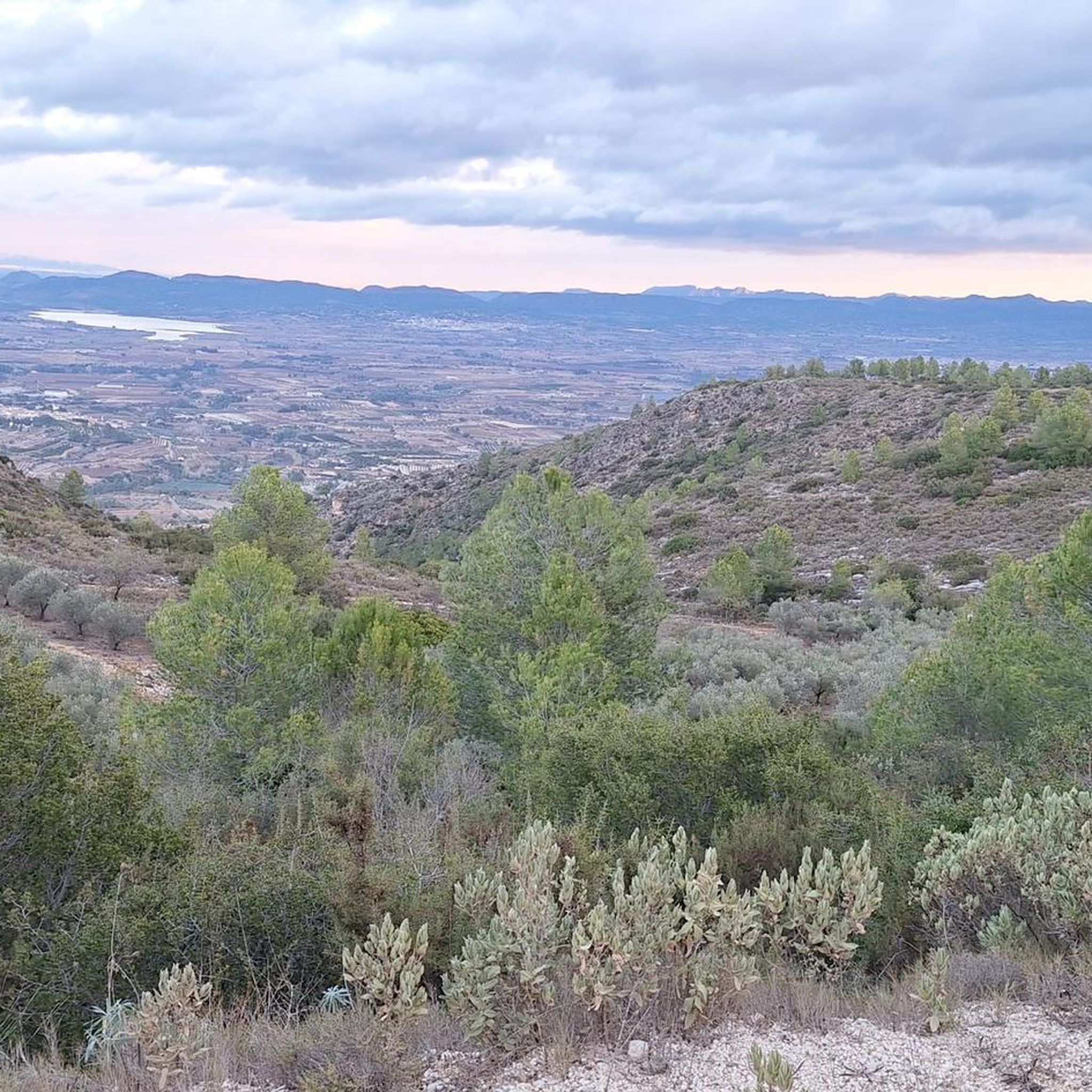
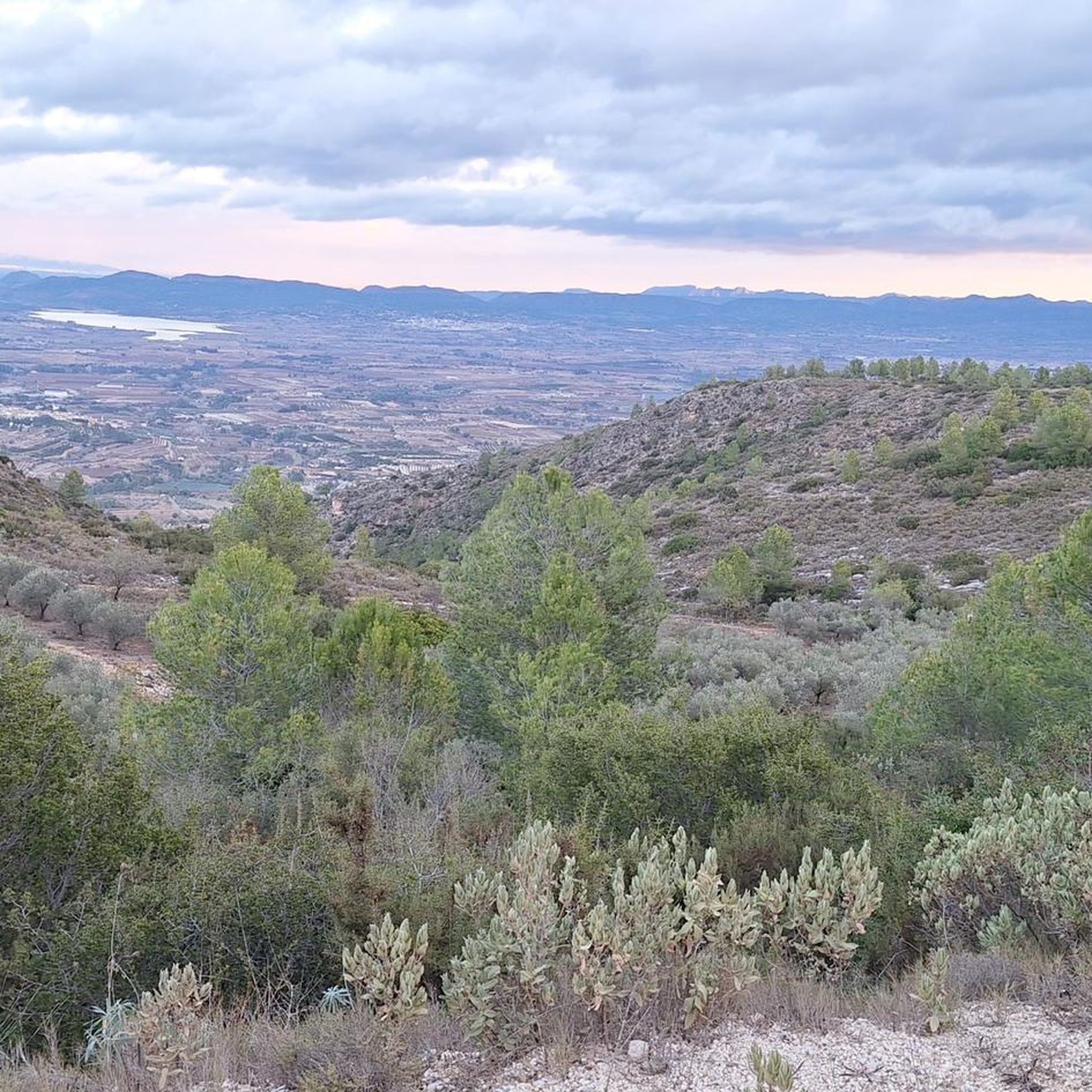
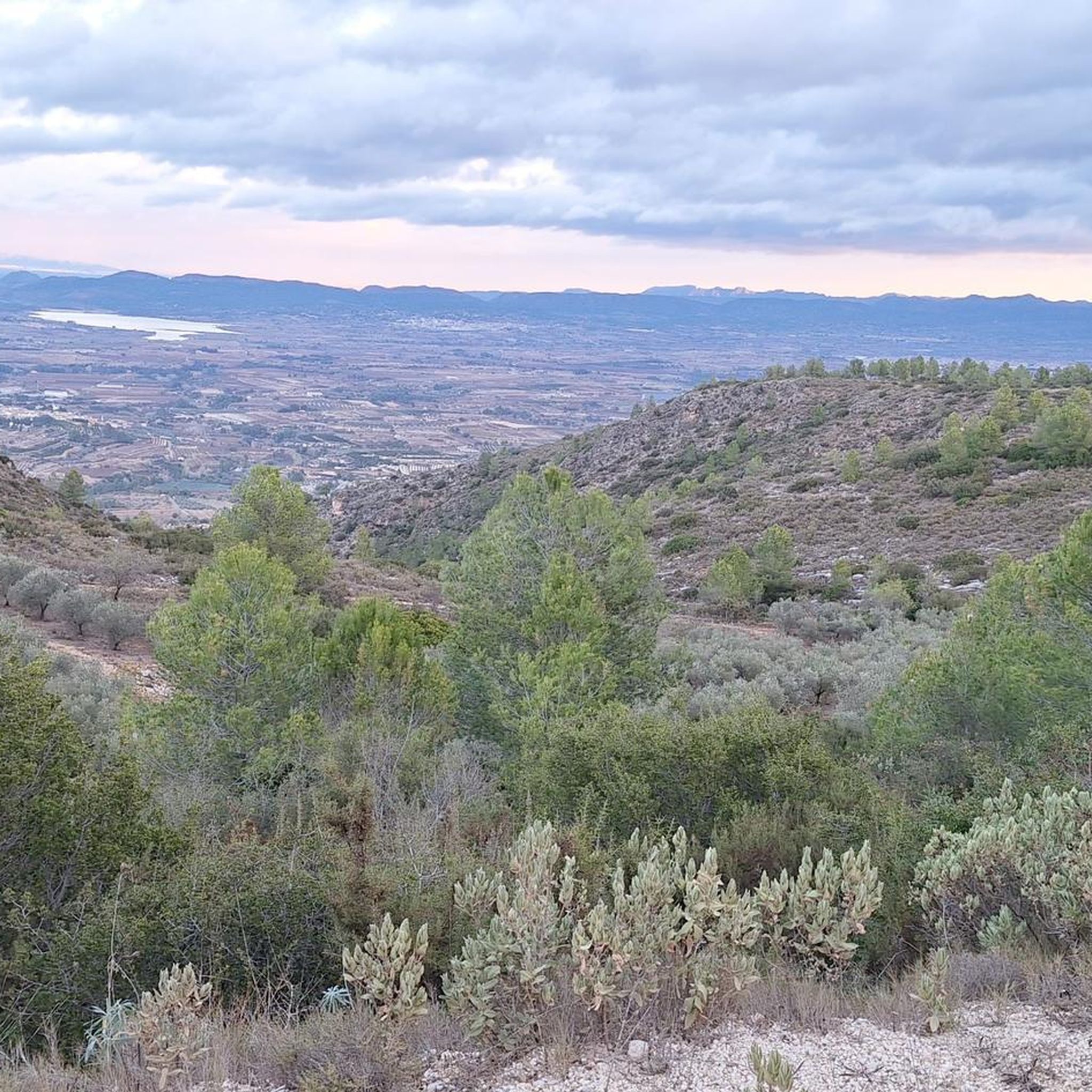
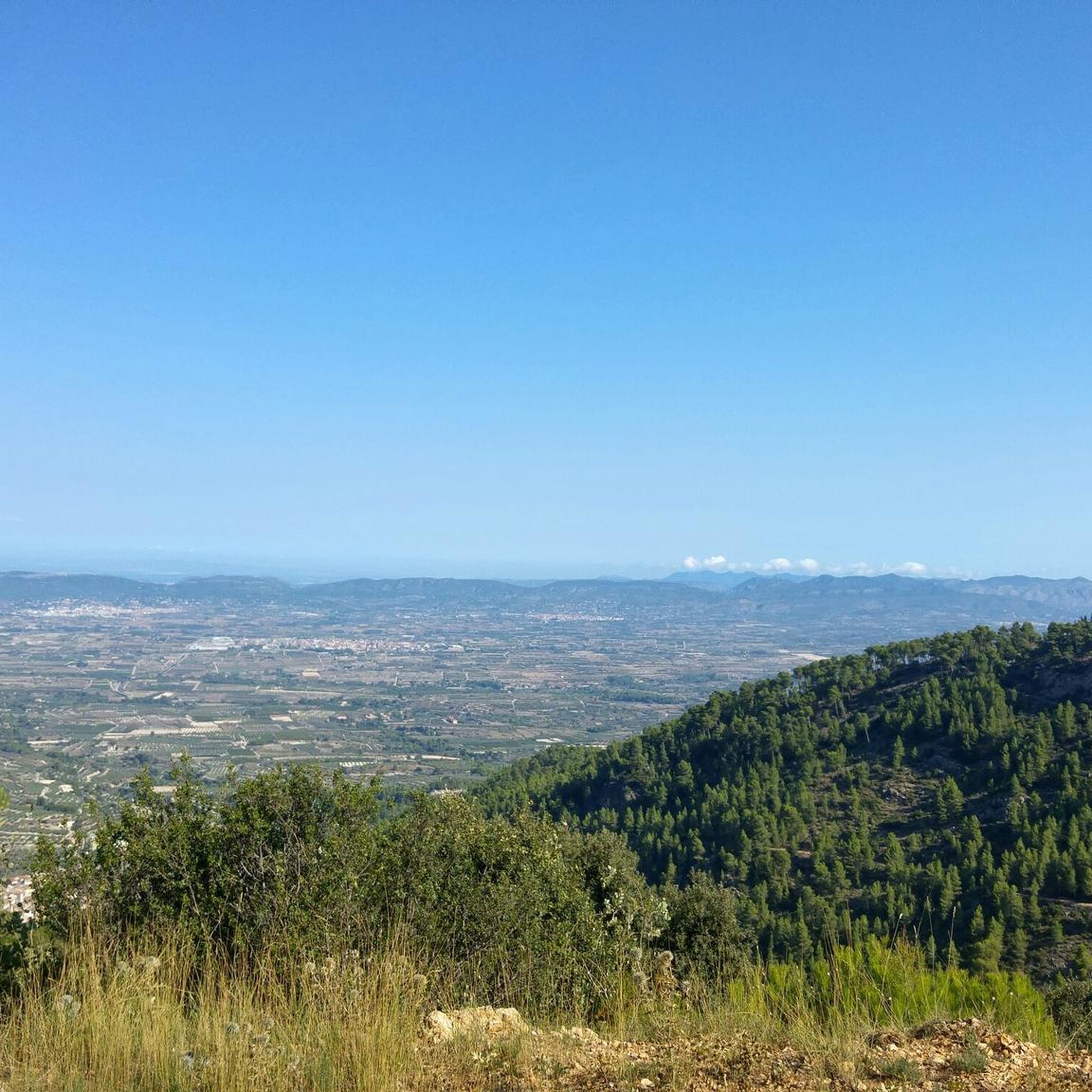
This point is a great viewpoint. Below is the figure of the castle tower and in the background the valley. The Castillo de Carrícola rises on a rock above the town. A trail leads to the remains of the wall and the high tower through the beautiful ravine of the Castellar.
1
0

The Castell de Xàtiva towers over the city. The double fortress in the Castell mountains has been the scene and witness of numerous conflicts due to the strategic location of the city. The fortress was on the ancient Via Augusta road that led from Rome across the Pyrenees and down the Mediterranean coast to Cartagena and Cádiz.
2
0

Wear suitable footwear, as there are quite steep steps and loose ground.
2
0
The views from the castle are spectacular.
2
0
Frequently Asked Questions
Where are the castles around El Palomar located?
The castles around El Palomar are situated in the Vall d'Albaida region of Valencia, Spain. This area is known for its Mediterranean vegetation, cultivated fields, and a blend of historical sites and natural landscapes.
What kind of historical significance do these castles hold?
The castles in this region have deep historical roots, including ancient Islamic fortifications dating back to the 10th-12th centuries and structures from the Christian conquest era. For example, the Castell de Cocentaina is an ancient Islamic fortification with a tower rebuilt after the Christian conquest, showcasing military Valencian Gothic style.
Are there any viewpoints offering great perspectives of the castles and surrounding area?
Yes, several highlights offer spectacular views. The View of Carrícola Castle provides a perspective of the castle tower and the valley below. Similarly, the View of Castell de Cocentaina offers expansive panoramas of the region and the Bellús reservoir from its restored terrace.
What natural features can I expect to see near the castles?
The region is characterized by Mediterranean vegetation and cultivated fields. Castles are often perched on rocky outcrops overlooking valleys. From the Castell de Cocentaina, you can enjoy views of the Bellús reservoir, and the town of Cocentaina is nestled in the valley of the Alcoy River.
Are there family-friendly options for visiting the castles?
Yes, the View of Cocentaina Castle is noted as family-friendly, offering a perspective of the castle tower from the vibrant town of Cocentaina, which is ideal for a break. While exploring, be aware that some paths, like those at Castell de Cocentaina, may involve steep steps and loose ground, so suitable footwear is recommended.
What outdoor activities can I do near these castles?
The area around El Palomar offers various outdoor activities. You can find numerous hiking, cycling, and mountain biking routes. For example, there are hiking trails like the 'View of Carrícola Castle – View of Castell de Cocentaina loop from Carrícola' and mountain biking routes such as 'Font Jordana – Beautiful trail loop from Bufali'. You can explore more options in the Hiking around El Palomar, Cycling around El Palomar, and MTB Trails around El Palomar guides.
Are there specific trails that combine art and nature near the castles?
Yes, the Art Trail to Carrícola Castle is a unique circular route that gently ascends along rural roads and well-marked trails. It features the Biodivers project, an artistic and ecological initiative with contemporary sculptures integrated into the landscape, inviting reflection on the relationship between humans and nature.
What should I wear when visiting the castles, especially considering the terrain?
When visiting castles like the Castell de Cocentaina, it's advisable to wear suitable footwear. Some areas may have quite steep steps and loose ground, making comfortable and sturdy shoes essential for safe exploration.
What do visitors enjoy most about the castles around El Palomar?
Visitors particularly appreciate the spectacular views from the castle viewpoints, the historical significance of the ancient fortifications, and the opportunity to explore trails through beautiful ravines and Mediterranean landscapes. The blend of cultural heritage and natural beauty is a key draw.
Can I access the castles by bike?
While many routes in the region are suitable for cycling, direct access to some castle sites may be on foot only. For instance, to reach the Cocentaina Castle, you typically need to leave your bike in the parking lot and ascend the narrow path on foot to reach the castle crowning the hill.
How long should I plan to spend at the castles?
The time needed varies by castle. For viewpoints like the View of Carrícola Castle, a shorter visit might suffice. For sites like the restored Castell de Cocentaina, which offers terrace access and historical context, you might want to allocate an hour or more. If you combine a visit with a trail, such as the Art Trail to Carrícola Castle, plan for a longer excursion.
Most popular routes around El Palomar
Most popular attractions around El Palomar

Get inspired with the komoot mobile app


Explore more
Looking for the best castles somewhere else? Discover other guides around El Palomar:
