Top 4 Caves around Gea De Albarracín
Best caves around Gea De Albarracín and its surrounding area feature significant rock shelters with prehistoric art, part of a UNESCO World Heritage site. The region also includes impressive rock-cut sections of the Roman Aqueduct, showcasing ancient engineering. These sites offer insights into both prehistoric communities and Roman ingenuity. The area is known for its unique artistic and historical value.
Best caves around Gea De Albarracín
- The most popular caves is Prado del Navazo Bulls Rock Shelter, a historical…
Last updated: July 3, 2026
Shelter of the Archer of the Enclosed Ravines
Highlight • Historical Site
Translated by Google •
Tip by

Prado del Navazo Bulls Rock Shelter
Highlight • Historical Site
Translated by Google •
Tip by
Sign up now to discover places like this
Get recommendations on the best single tracks, peaks, & plenty of other exciting outdoor places.
Sign up for free
Bishop's Little Kitchen Rock Shelter
Highlight • Historical Site
Translated by Google •
Tip by

Deer rock shelter and various figures
Highlight • Historical Site
Translated by Google •
Tip by
Lázaro Shelter
Highlight • Historical Site
Translated by Google •
Tip by

Sign up for free to discover even more caves around Gea De Albarracín.
Sign up for free
Already have an account?
Start today with a free account
Your next adventure awaits.
Login or Signup
Popular around Gea De Albarracín

Other adventures around Gea De Albarracín

Tips from the Community

The Bull Shelter of Prado del Navazo, also known as Toricos del Navazo, is one of the most prominent sites of Levantine Rock Art in the Sierra de Albarracín (Teruel), and is part of the complex declared a Site of Cultural Interest and World Heritage Site by UNESCO. Naturalistic representations of large bovids are painted in a yellowish-white color, unique in Levantine rock art, which typically uses reddish tones.
4
0

With protected cave paintings.
2
0
With protected cave paintings and access platform.
3
0
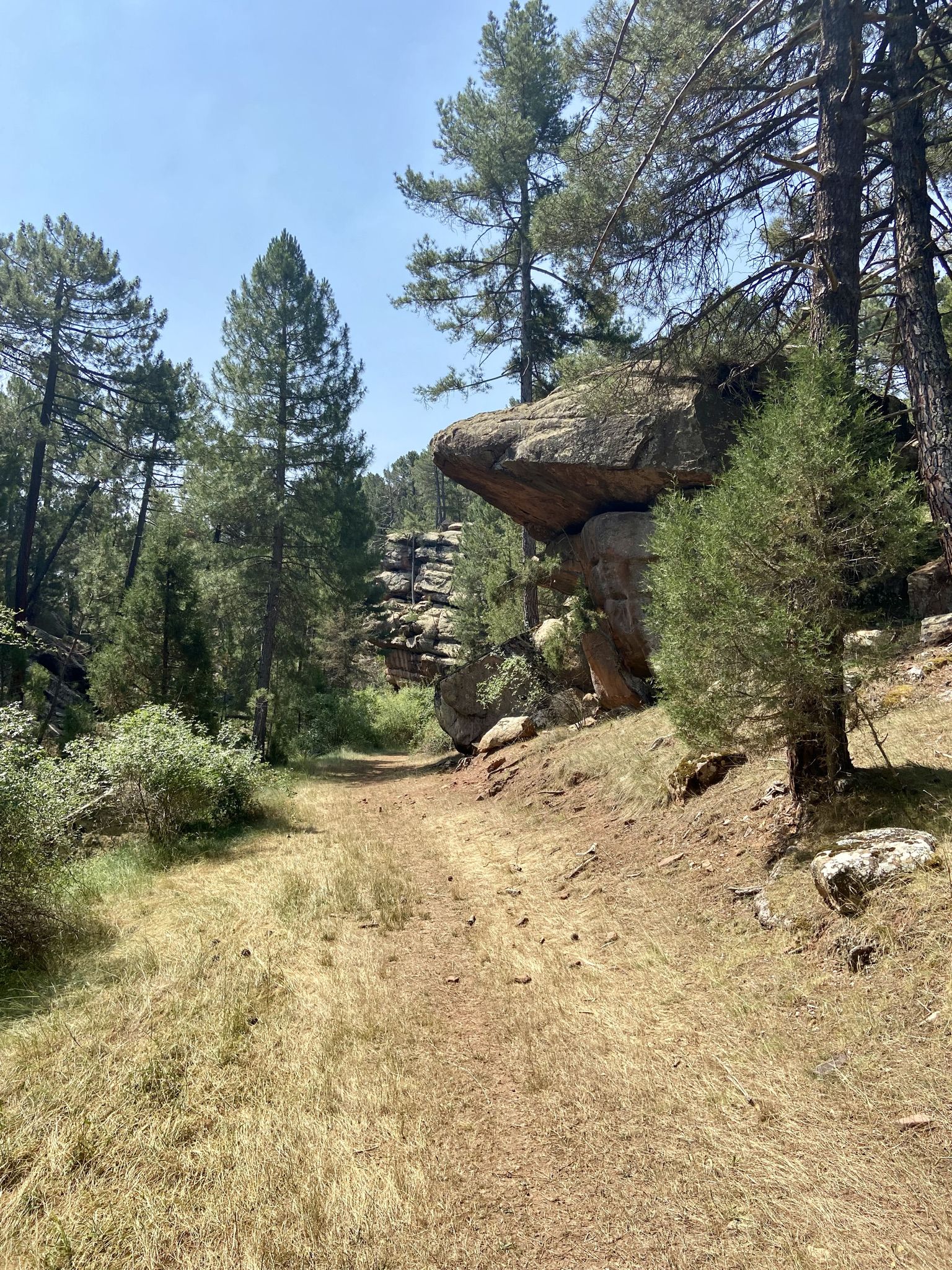
Protected landscape in the Sierra de Albarracin Cultural Park. In the middle of the Pinar de Ródeno
7
0

Discovered in 1986, two different scenes are represented, in one there are two archers fighting and in the other an archer with his legs bent facing an animal. It is estimated that they date from 4500-7000 years BC.
2
1
Discovered in 1892, it is one of the most important stops in the park. On the rock, 19 figures have been distinguished, including 5 people representing 3 different moments in time. It is estimated that they date from 4500-7000 years BC
2
1
Paintings discovered in 1974 representing a clearly distinguishable deer on the rock and various other figures that are somewhat more difficult to find. It is estimated that they date from 4500-7000 years BC. c.
2
1
Discovered in 1892, it is one of the most important representations of the park. Figures of bulls (35x70 cm) can be clearly distinguished, the indisputable symbol of the current region of Teruel. It is estimated that these paintings date from 6000-7000 years B.C.
1
0
Frequently Asked Questions
What types of caves can I explore around Gea de Albarracín?
The region offers a unique blend of prehistoric rock shelters, renowned for their ancient art, and impressive rock-cut sections of a Roman aqueduct. These sites provide insights into both early human history and advanced Roman engineering.
What makes the rock shelters in Gea de Albarracín historically significant?
The rock shelters are part of the Albarracín Cultural Park, a UNESCO World Heritage site, celebrated for its Levantine rock art. Sites like the Prado del Navazo Bulls Rock Shelter and Bishop's Little Kitchen Rock Shelter feature unique depictions of animals and human figures, dating back 7,000 to 5,000 B.C., offering a rare glimpse into prehistoric communities.
Can I see examples of ancient engineering among the cave sites?
Yes, the Roman Aqueduct of Albarracín-Gea-Cella features extensive sections excavated directly into the rock, creating impressive underground galleries. The Galería de los Espejos, for instance, is a remarkable example of Roman ingenuity with natural windows providing light within the tunnel.
Are the cave sites around Gea de Albarracín suitable for families?
Many of the rock shelters, such as the Prado del Navazo Bulls Rock Shelter and Bishop's Little Kitchen Rock Shelter, are considered family-friendly. They often have marked walking paths and protected viewing areas, making them accessible for children to explore and learn about ancient history.
What is the best time of year to visit the caves in this region?
Spring and autumn generally offer the most pleasant weather for exploring the outdoor rock shelters and walking paths. Temperatures are milder, making it ideal for hiking and enjoying the natural surroundings without the intense heat of summer or the chill of winter.
Is there parking available near the rock shelters and aqueduct sections?
Yes, visitors can typically find designated parking areas near the main access points for the rock shelters within the Albarracín Cultural Park and for sections of the Roman Aqueduct. It's advisable to check specific site information for the closest parking options.
Are guided tours available for the rock shelters or the Roman Aqueduct?
Guided tours are often available for the prehistoric rock shelters, enhancing the experience with expert commentary on the art and history. An interpretation center in Gea de Albarracín also provides context and guidance for exploring different sections of the Roman Aqueduct.
What kind of accessibility can I expect at the cave sites?
While many sites involve walking on natural terrain, some rock shelters, like the Bishop's Little Kitchen Rock Shelter, have protected cave paintings and access platforms to improve viewing. The Roman Aqueduct's rock-cut galleries can be explored on foot, though some sections might be narrow or low.
Are there hiking opportunities near the cave sites?
Yes, the area around Gea de Albarracín offers numerous hiking trails. For instance, the Arrastradero Trail is a 2.5-km circular route that allows visitors to see several rock art sites, including the Bishop's Little Kitchen Rock Shelter. You can find more options in the Running Trails around Gea De Albarracín guide.
What other outdoor activities can I do near these caves?
Beyond exploring the caves, the region is excellent for various outdoor sports. You can find extensive options for road cycling, running, and mountain biking, with routes like the 'Albarracín Cave Paintings Loop' offering a blend of nature and history.
What are some unique natural features to look for in the caves?
The prehistoric rock shelters are notable for their unique artistic styles, such as the yellowish-white paintings at Prado del Navazo Bulls Rock Shelter. The Roman Aqueduct's rock-cut sections, like the Galería de los Espejos, showcase how natural rock formations were ingeniously adapted for water transport, creating fascinating underground passages.
Are there any less-known rock shelters worth visiting?
Beyond the most popular sites, you can also explore the Shelter of the Archer of the Enclosed Ravines, which features a 9-meter-wide frieze of Levantine-style cave paintings, including a prominent archer figure. Another interesting site is the Deer rock shelter and various figures, known for its clearly distinguishable deer painting.
Most popular routes around Gea De Albarracín
Most popular attractions around Gea De Albarracín

Get inspired with the komoot mobile app


Explore more
Extend your search for the best caves by checking out these guides of the top ones around Gea De Albarracín:
