The 8 Most Amazing Peaks around Villarta-Quintana
Mountain peaks around Villarta-Quintana are situated in the foothills of the Sierra de la Demanda mountain range, within the autonomous community of La Rioja, Spain. The municipality itself is at an altitude of 743 meters and features indigenous forests of beech and oak. This region offers a variety of notable mountain peaks and natural attractions, providing opportunities for hiking and exploring diverse landscapes. Its location near the Sierra de la Demanda makes it a gateway to significant mountainous areas.
Best…
Last updated: July 3, 2026
El Hombre summit (Sierra de la Demanda)
Highlight • Summit
Translated by Google •
Tip by

Alto Micobaña
Highlight • Summit
Translated by Google •
Tip by

Sign up now to discover places like this
Get recommendations on the best single tracks, peaks, & plenty of other exciting outdoor places.
Sign up for free
View of San Lorenzo from Masoga
Highlight • Viewpoint
Translated by Google •
Tip by

Cerro Costanarros
Highlight • Summit
Translated by Google •
Tip by

Summit of La Picota (El Hermoso)
Highlight • Summit
Translated by Google •
Tip by
Sign up for free to discover even more peaks around Villarta-Quintana.
Sign up for free
Already have an account?
Start today with a free account
Your next adventure awaits.
Login or Signup

Tips from the Community

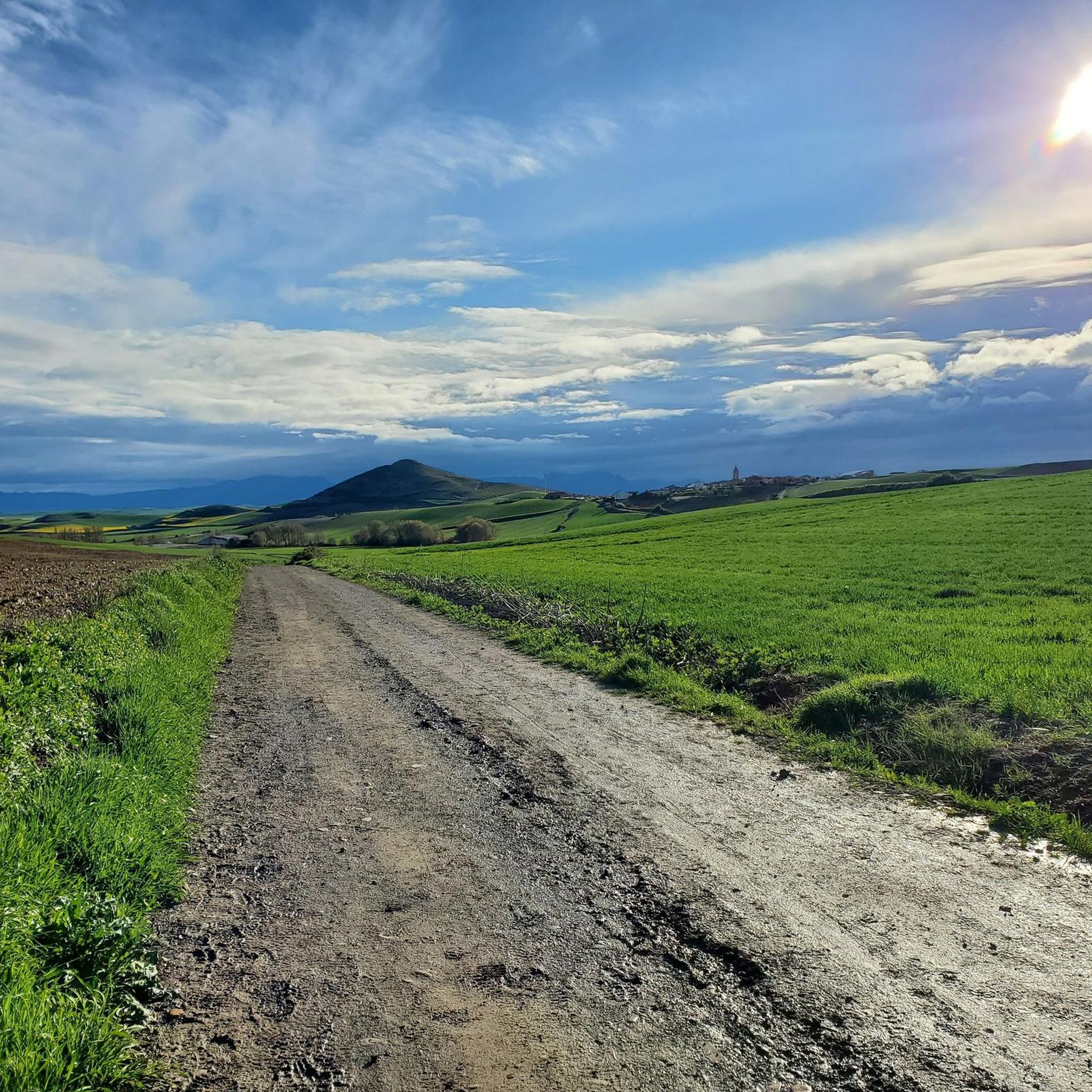
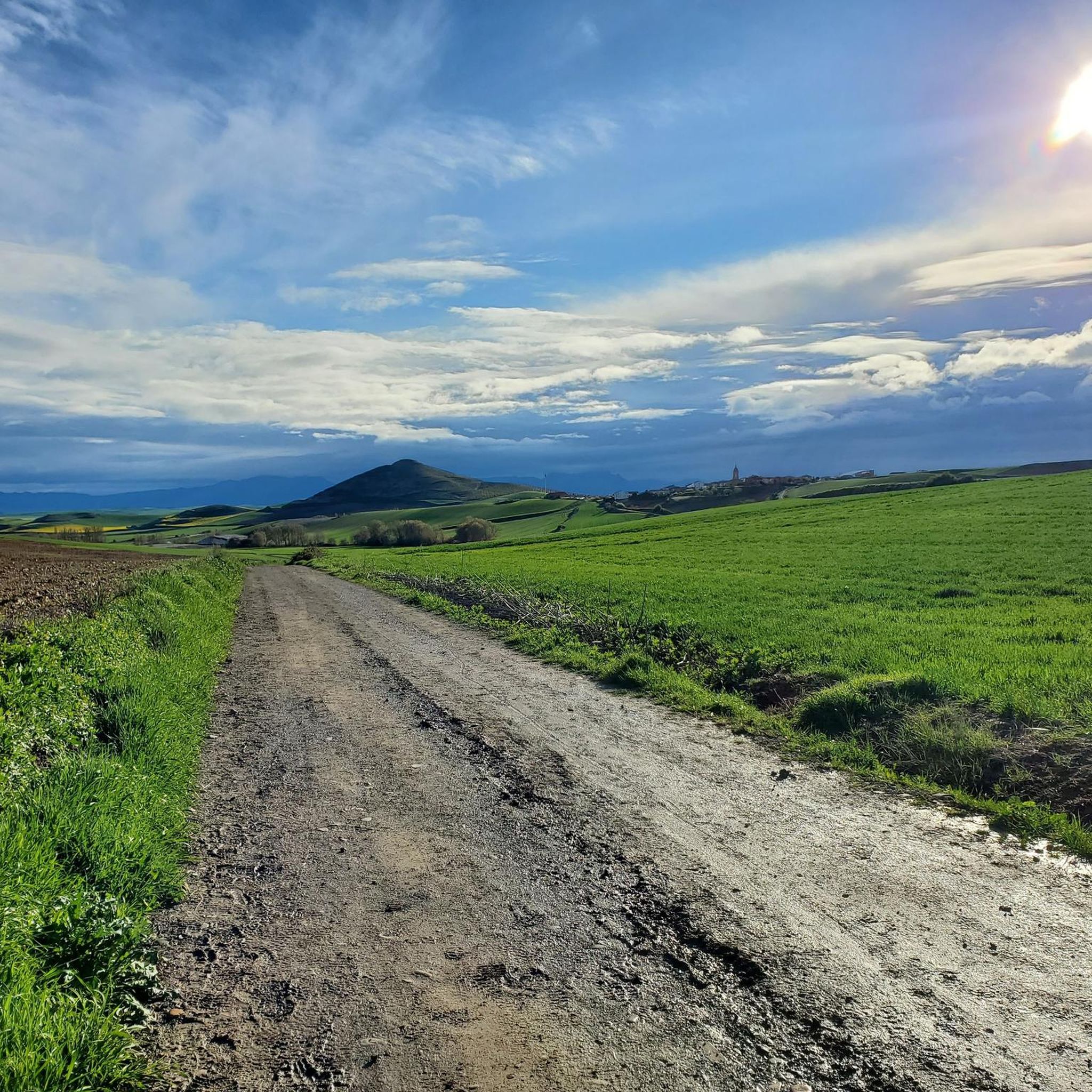
Mountain top with good views of the Turza valley. Usually colonized by equine cattle.
3
0
Mountain pass from which you can see the Turza valley, the Larrizabala pass and Bonicaparra. North access to Ojacastro and Uyarra.
2
0

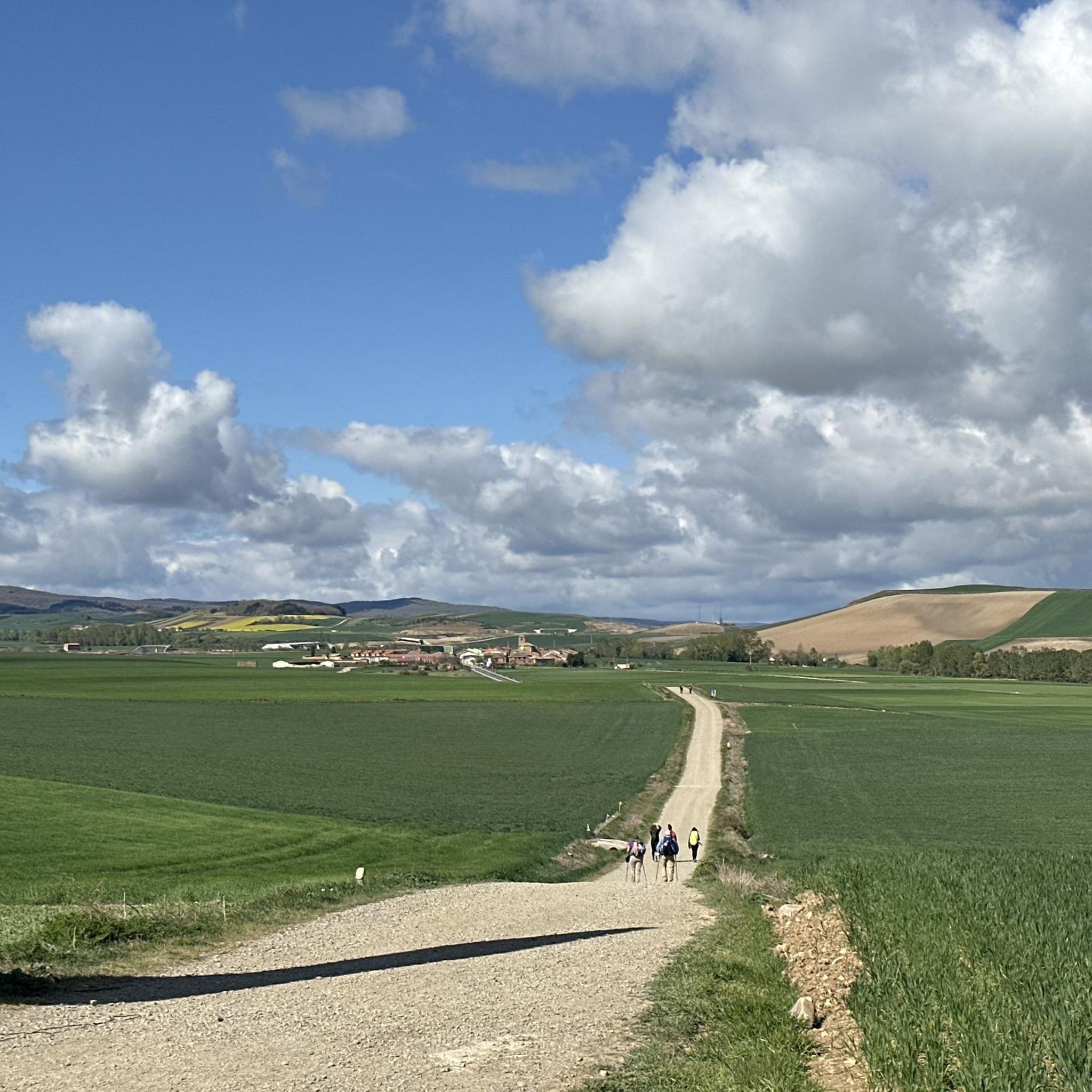
The top of La Picota (also called El Hermoso) offers views of the peaks of the Sierra de La Demanda and the plain that extends to the province of Burgos.
2
0
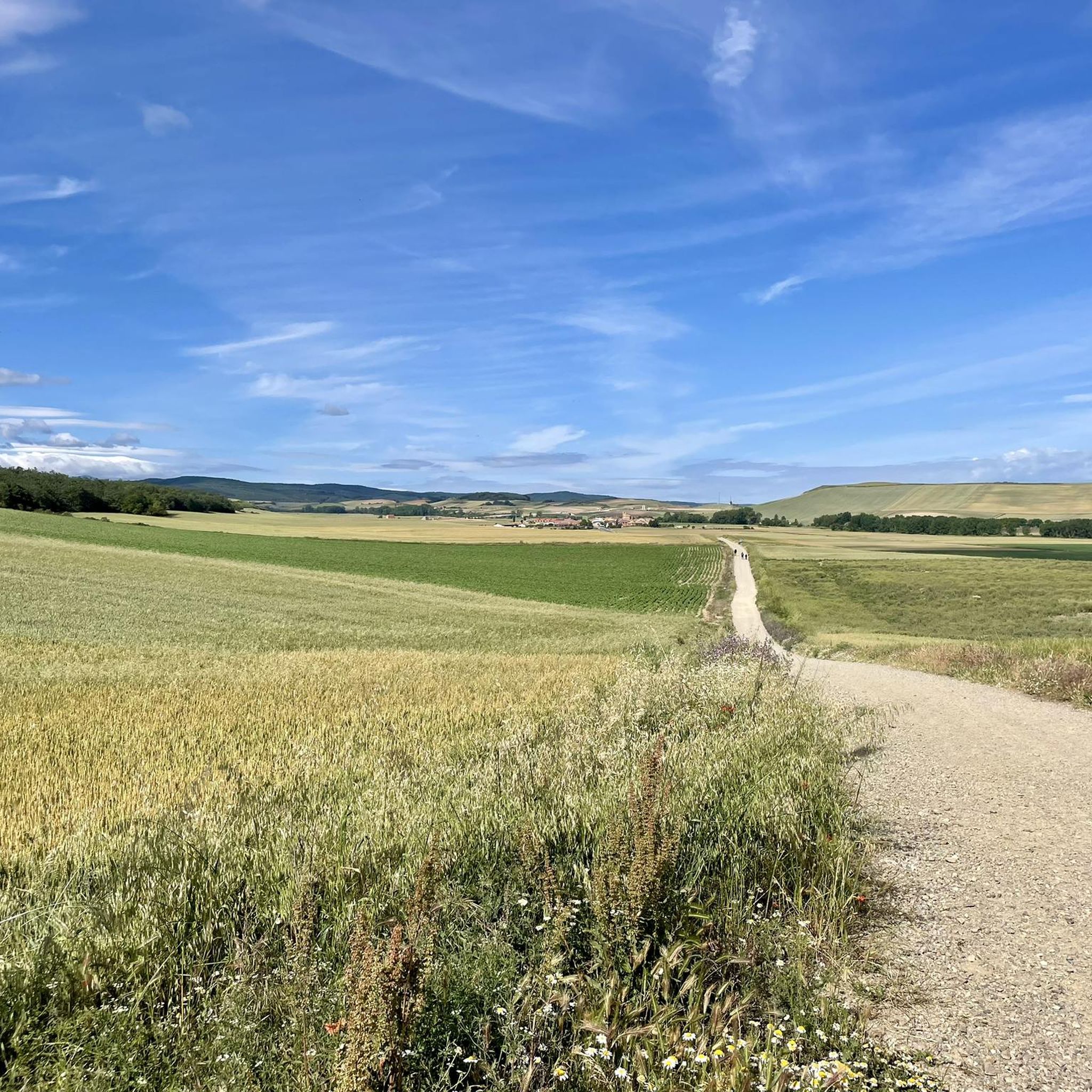
In the Sierra de la Demanda, the summit of El Hombre (also known as Siete Mosquejos) is 1,549 m. altitude and is crowned by a fire watch tower. It is reached from the Erizola pass.
1
0

About 100 meters from the pile of stones is the "official" vertex of Mount "El Hombre".
3
0
Surveillance turret and pile of stones as a watchtower of the summit.
3
0
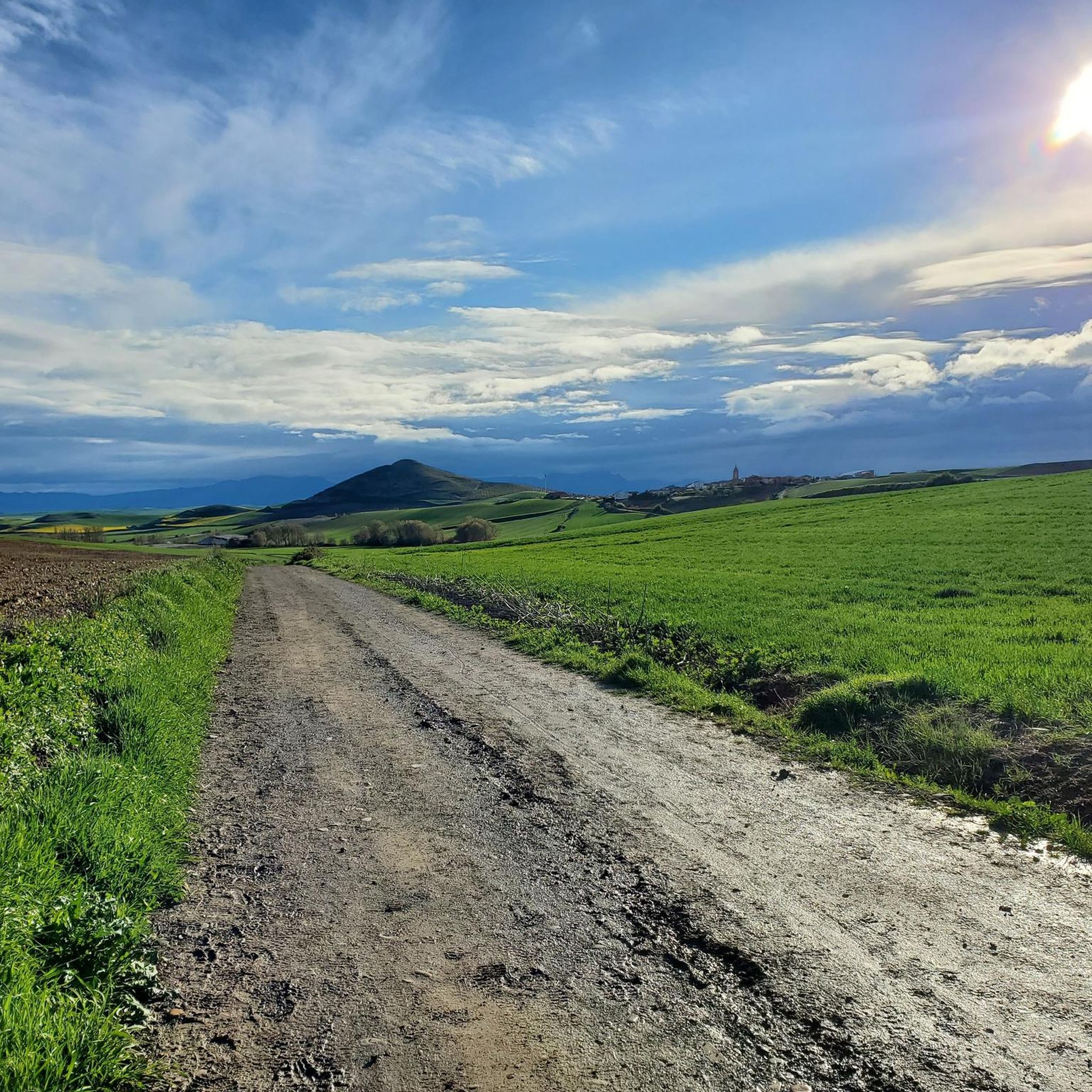
Small intermediate peak between Alto de Micobaña and El Hombre. As a mark, just a small pile of stones, without a mailbox.
3
0
Top The Man. There is a fire watchtower. Very frequented ascent also with mountain bike.
2
0
Frequently Asked Questions
What are some notable mountain peaks in the wider La Rioja region accessible from Villarta-Quintana?
Beyond the immediate vicinity, the broader La Rioja region offers several significant peaks. Pico San Lorenzo, the highest in La Rioja at 2,271 meters, provides breathtaking panoramic views and challenging routes. Other popular destinations include Pico de Urbión, known for its natural beauty and lagoons, and Toloño, an emblematic mountain offering rewarding vistas. Peña Isasa is also a distinctive limestone bastion with accessible hiking trails.
What unique features can I find on the mountain peaks directly around Villarta-Quintana?
The peaks directly around Villarta-Quintana, situated in the Sierra de la Demanda, offer distinct characteristics. For instance, El Hombre summit (Sierra de la Demanda) stands at 1,549 meters and is crowned by a fire watch tower. PicotaDeSanTorcuato, very close to Ezcaray, provides good views despite repeater antennas. You can also find Alto Micobaña, an intermediate peak marked by a small pile of stones, and Cerro Costanarros, which offers good views of the Turza valley.
What kind of natural landscapes can I expect to see in the mountains near Villarta-Quintana?
The area around Villarta-Quintana is rich in natural beauty, being nestled in the foothills of the Sierra de la Demanda. You'll encounter indigenous forests of beech and oak, as well as pine plantations. The wider region, particularly within the Sierra Cebollera Natural Park, features extensive natural forests, mountain streams, waterfalls, and diverse flora and fauna, providing a rich natural experience.
Are there hiking opportunities near Villarta-Quintana's mountain peaks?
Yes, the region offers numerous hiking opportunities. You can explore trails like the 'Redecilla del Camino and Grañón Loop via Camino Francés' or the more challenging 'La Picota and Sampol Loop from Grañón'. For a comprehensive list of routes, refer to the Hiking around Villarta-Quintana guide.
What other outdoor activities are available in the mountain areas around Villarta-Quintana?
Besides hiking, the mountainous terrain around Villarta-Quintana is excellent for other outdoor sports. Road cycling enthusiasts can find routes such as the 'Alto de Pradilla – Cruz de la Demanda Pass loop from Ezcaray'. There are also various running trails, including the 'Río Oja Loop from Santo Domingo de la Calzada'. You can find more details in the Road Cycling Routes around Villarta-Quintana and Running Trails around Villarta-Quintana guides.
What is the best time of year to visit the mountain peaks around Villarta-Quintana for hiking?
The best time for hiking in the Sierra de la Demanda region, including the peaks near Villarta-Quintana, is generally during spring (April to June) and autumn (September to October). During these seasons, the weather is typically mild and pleasant, and the natural scenery is vibrant with spring blooms or autumn colors. Summer can also be suitable, especially at higher altitudes, but be prepared for warmer temperatures. Winter brings snow, making some routes more challenging and requiring appropriate gear.
Are there family-friendly hiking options in the mountain areas near Villarta-Quintana?
While specific family-friendly designations for individual peaks are not always available, the Sierra Cebollera Natural Park, a significant mountainous area near Villarta-Quintana, offers numerous trails suitable for various levels. Trails like the La Dehesa Trail (8.8km circular) and the Achichuelo Trail (9.3km circular) are generally accessible and provide a rich natural experience for families, featuring waterfalls and diverse flora.
What are the typical elevations and difficulty levels for hiking in the Sierra de la Demanda near Villarta-Quintana?
Villarta-Quintana itself is situated at an altitude of 743 meters. Peaks in the Sierra de la Demanda range from intermediate elevations, like El Hombre summit at 1,549 meters, to the highest regional peak, Pico San Lorenzo, at 2,271 meters. Hiking difficulties vary; some routes are moderate, such as the 'Redecilla del Camino and Grañón Loop', while others, like the 'La Picota and Sampol Loop', are considered difficult, often involving significant elevation gain.
Where can I find good viewpoints of the surrounding mountains and valleys?
Several spots offer excellent views. View of San Lorenzo from Masoga provides beautiful vistas of Pico San Lorenzo from the meadows of Valgañon. PicotaDeSanTorcuato, near Ezcaray, also offers good views of the surrounding area. Additionally, Cerro Costanarros provides expansive views of the Turza valley.
What do visitors enjoy most about the mountain peaks around Villarta-Quintana?
Visitors appreciate the diverse hiking opportunities and the stunning natural scenery. The region's peaks offer rewarding views, from the panoramic vistas of Pico San Lorenzo to the valley views from Cerro Costanarros. The presence of indigenous forests, mountain streams, and the rugged landscape of the Sierra de la Demanda contribute to a rich outdoor experience. The komoot community has shown its appreciation for these peaks, with the guide featuring 18 photos and receiving 11 upvotes.
Are there any specific natural parks or protected areas near Villarta-Quintana's mountain peaks?
Yes, the Sierra Cebollera Natural Park is a significant protected mountainous area in La Rioja, located within reach of Villarta-Quintana. This park is renowned for its extensive natural forests of Scots pine, beech, and Pyrenean oak, as well as its mountain streams and waterfalls. It offers numerous hiking trails and is a prime example of the region's recovered and preserved natural landscapes.
Can I find accommodation or places to eat near the mountain peaks around Villarta-Quintana?
Villarta-Quintana itself is a small municipality, but the surrounding towns and villages in La Rioja offer various options for accommodation, cafes, and pubs. Ezcaray, for example, is a nearby town known for its architecture and amenities, making it a good base for exploring the Sierra de la Demanda. You'll find options ranging from rural guesthouses to hotels, as well as local eateries serving traditional La Riojan cuisine.
Most popular routes around Villarta-Quintana
Most popular attractions around Villarta-Quintana

Get inspired with the komoot mobile app


Explore more
See even more amazing summits around Villarta-Quintana with these guides:
