Top 5 Caves around Rotglà I Corberà
Best caves around Rotglà I Corberà are situated in a region known for its natural landscapes and historical sites. The area, including the nearby Sierra de Corbera, offers opportunities for exploring natural springs and hiking trails. While Rotglà I Corberà is recognized for its historical sites, the surrounding vicinity features notable caves that combine geological formations with archaeological importance. These natural wonders provide insights into the region's past and its diverse environment.
Best caves around Rotglà I Corberà
- The most…
Last updated: July 3, 2026
Cova Negra
Highlight • Cave
Translated by Google •
Tip by

Trail from Xàtiva to the Albaida River and the Cova Negra
Highlight • Trail
Translated by Google •
Tip by

Sign up now to discover places like this
Get recommendations on the best single tracks, peaks, & plenty of other exciting outdoor places.
Sign up for free
La Cabrenta Cave
Highlight • Cave
Picnic area, and good walk.
You can park on the …
Translated by Google •
Tip by

Start today with a free account
Your next adventure awaits.
Login or Signup

Tips from the Community

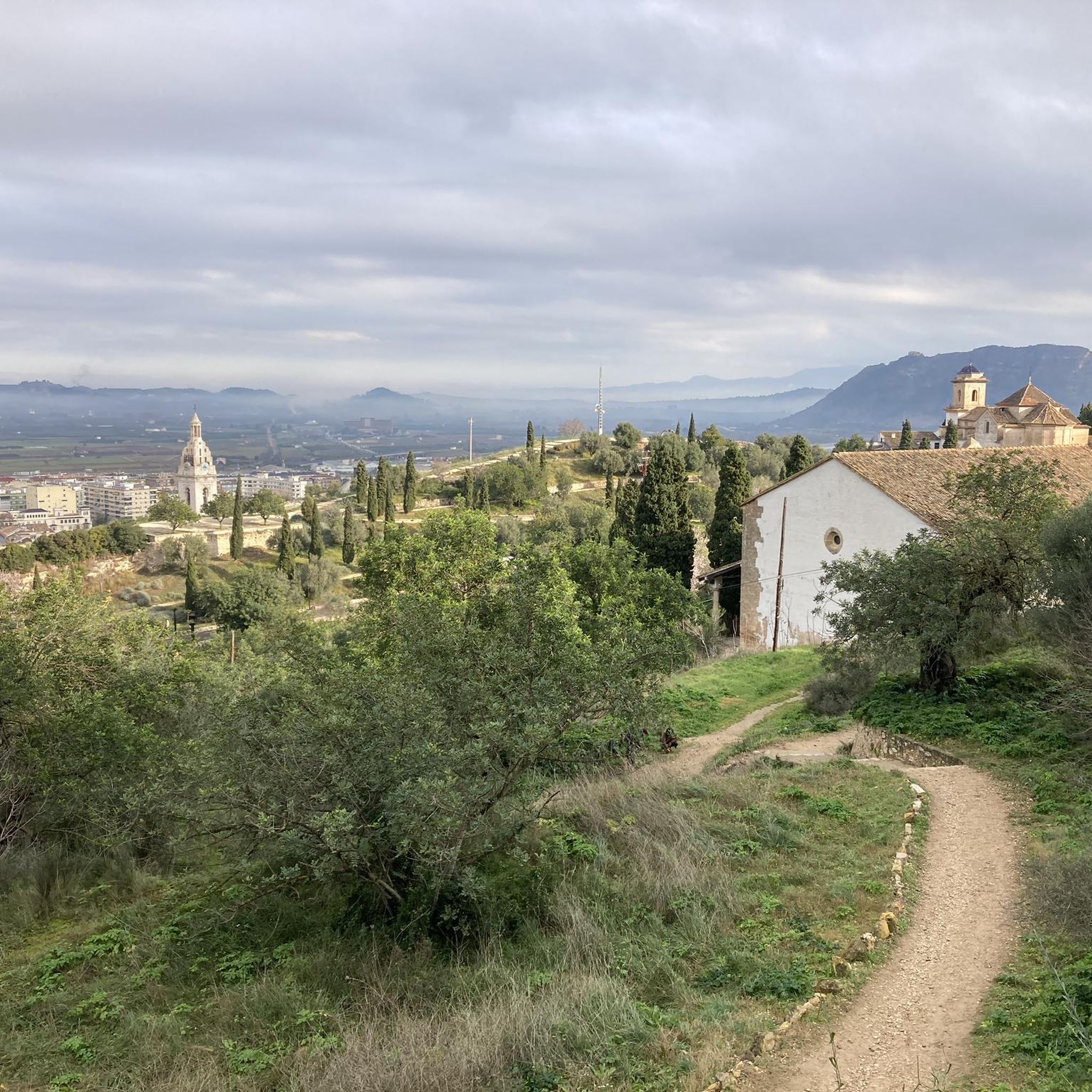
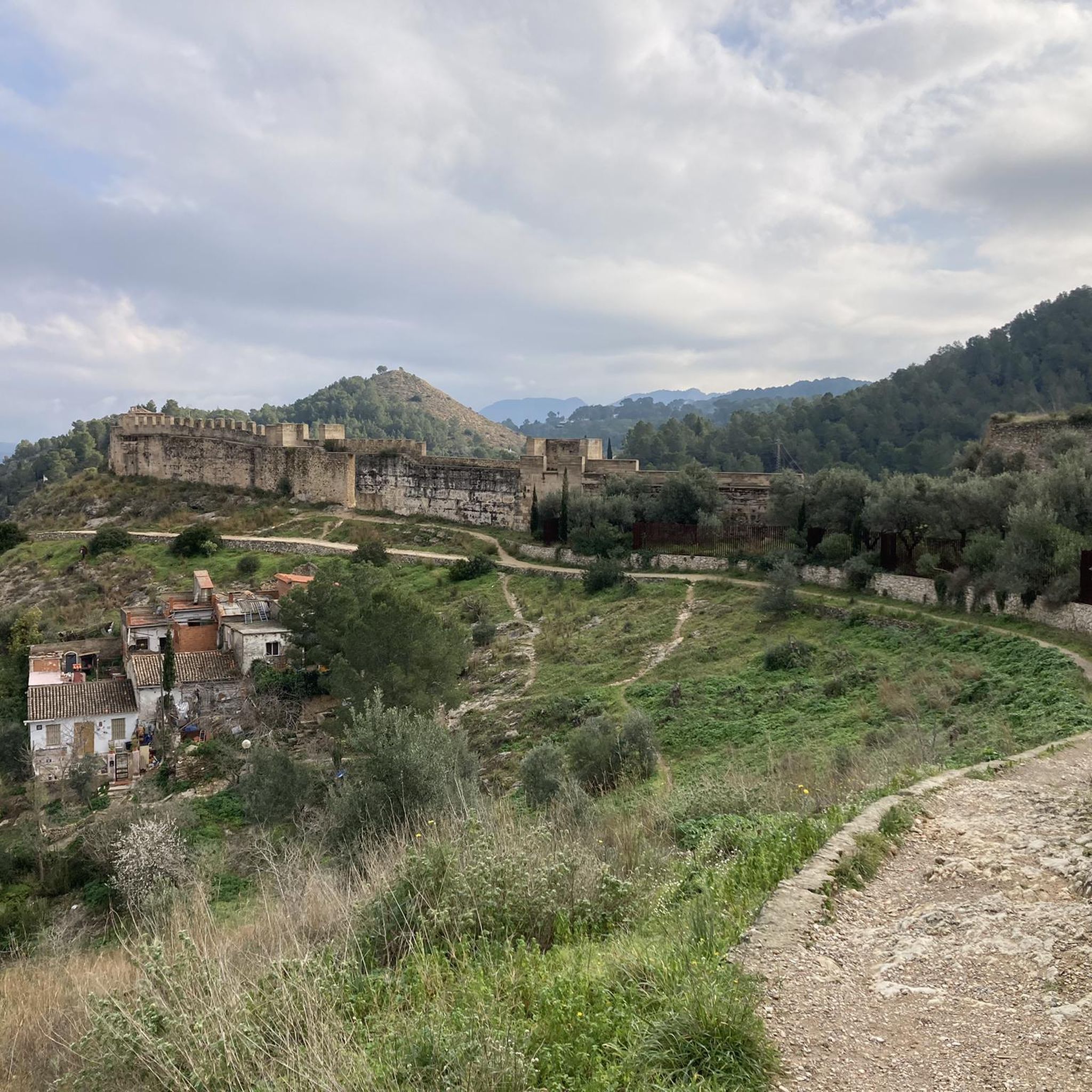
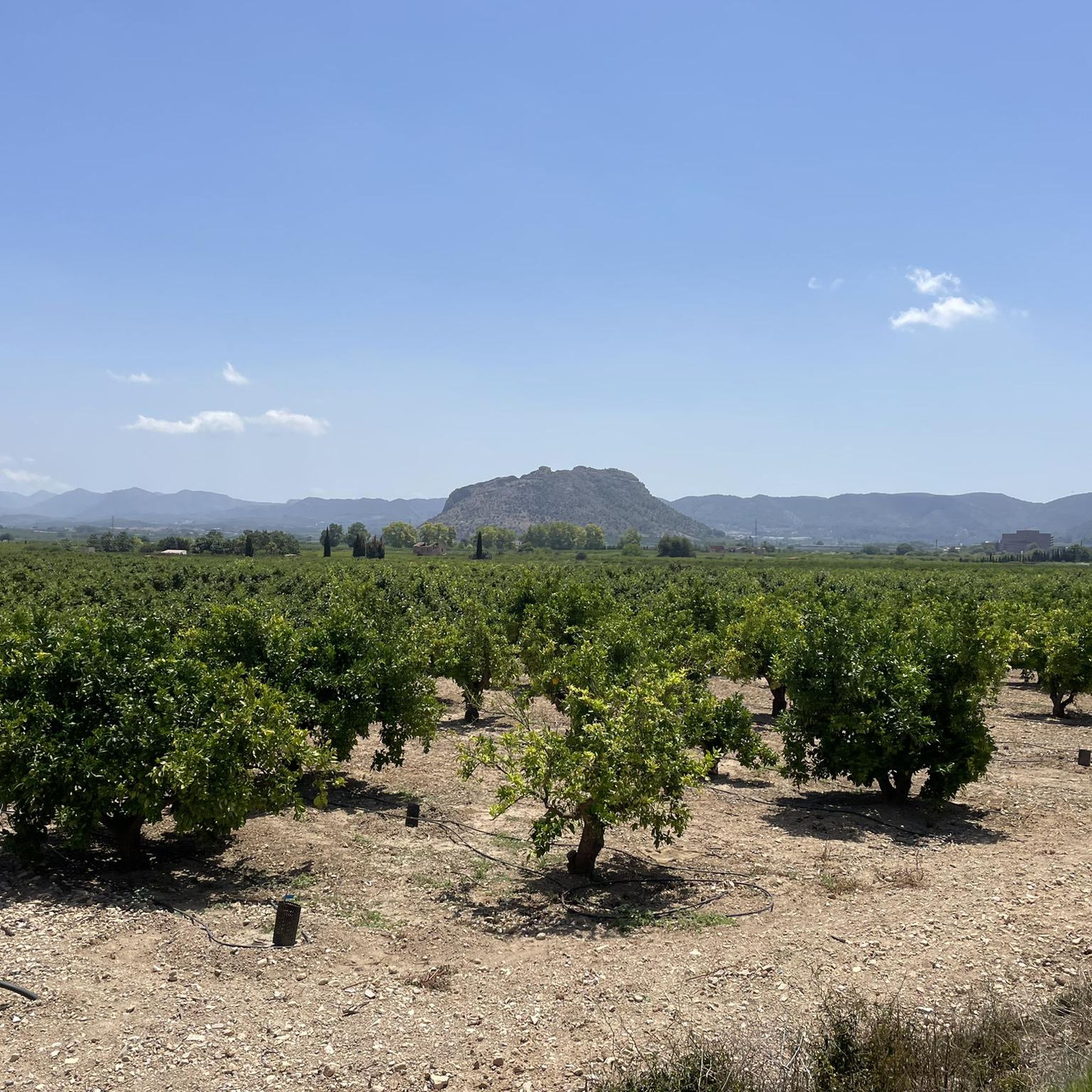
The La Cova Negra municipal natural area is located in the municipality of Játiva, province of Valencia. In the Cova Negra is the Middle Paleolithic site in which remains of Homo Neanderthal have appeared. This natural area is located in the narrow valley formed by the Albaida River, as it crosses the reliefs of the Sierra Grossa, at the exit of the so-called Estret de les Aigües. In the widest meander formed by the Albaida River, at the height of Pico del Paller, you can see the Cova Negra, named for the blackish appearance of its walls.
2
1

Spectacular scene with the Sellent River in the background.
0
0

La Cova Negra is a cavity that is located in a gorge called the Strait of Waters. Its black color is mainly due to the smoke from the bonfires made by its former inhabitants, the Neanderthals who occupied it for a few months of the year. An important amount of flint tools and other archaeological remains have been found here.
3
0

La Cova Negra is an important archaeological site, located in the widest meander of the Albaida river. It was home to Neanderthal man in the Paleolithic. The cave gets its name from the dark color of the walls. Human remains and paintings have been found inside.
2
0
La Cova Negra is an important archaeological site, located in the widest meander of the Albaida river. It was home to Neanderthal man in the Paleolithic. The cave gets its name from the dark color of the walls. Human remains and paintings have been found inside. It is a space of fundamental importance for understanding the culture of the Mosterian and the reality of the Neanderthals. The Almodí Museum exhibits an exact reproduction of a parietal bone from the period, discovered in the cave.
2
0
Mountain path that allows you to approach the banks of the Albaida river and also to the Cova Negra by a path. It runs through beautiful pine forests.
1
0

Cave within the natural area of the same name with great historical and landscape value. It is a very nice place with trails that run along the Albaida River. You can get to the foot of the cave.
1
1

Mediterranean jungle in the middle of the Valencian Community. Looking for a place to escape the heat? It is here. Picnic area, and good walk. You can park on the street that leads to the picnic area (there is usually space on the side) or, if not, in the town.
0
0
Frequently Asked Questions
What caves can I explore near Rotglà I Corberà?
While Rotglà I Corberà itself is known for historical sites and natural springs, the broader region offers notable caves. The most significant nearby cave is Cova de la Galera in Favara, renowned for its impressive natural formations and historical importance. Additionally, you can visit Cova Negra, known for its archaeological findings, and La Cabrenta Cave, a family-friendly natural monument.
Are there any historically significant caves in the area?
Yes, both Cova Negra and Cova de la Galera hold historical significance. Cova Negra is famous for its Neanderthal occupation, with flint tools and archaeological remains found there. Cova de la Galera has traces of human presence dating back to the Bronze Age and was used as a refuge during the Spanish Civil War.
What kind of natural formations can I expect to see in the caves?
Cova de la Galera is particularly known for its spectacular natural formations, including impressive stalactites and stalagmites that adorn its interior. The entrance often features natural vegetation, and the cave itself is characterized by significant humidity. Cova Negra, while historically significant, is notable for its dark interior, primarily due to smoke from ancient bonfires.
Are there family-friendly caves around Rotglà I Corberà?
Yes, La Cabrenta Cave is considered a family-friendly natural monument. It's part of a Mediterranean jungle-like area, offering a pleasant escape from the heat with a picnic area and good walking paths suitable for families.
What is the accessibility like for caves near Rotglà I Corberà?
The path to Cova de la Galera is generally considered accessible and is frequently visited by hikers of varying experience levels, though some routes can be moderately difficult due to elevation changes. La Cabrenta Cave also features good walking paths, making it relatively accessible for visitors.
What outdoor activities can I do near these caves?
The region around Rotglà I Corberà offers various outdoor activities. You can find numerous hiking trails, such as the hiking routes around Rotglà I Corberà, which include paths like the 'Arcadetes d’Alboi Aqueduct – Cova Negra loop'. There are also options for MTB trails and gravel biking in the wider area.
Are there hiking trails that lead to the caves?
Yes, there are hiking opportunities. For instance, the Trail from Xàtiva to the Albaida River and the Cova Negra is a mountain path that allows access to the Albaida river banks and Cova Negra, running through scenic pine forests. The path to Cova de la Galera is also a popular hiking route.
What is the best time of year to visit the caves near Rotglà I Corberà?
While specific seasonal recommendations for each cave are not detailed, generally, spring and autumn offer pleasant temperatures for hiking and exploring the natural surroundings. These seasons avoid the intense heat of summer, which can make outdoor activities less comfortable, especially on routes with elevation changes.
What should I wear when exploring caves in this region?
When exploring caves and their surrounding trails, it's advisable to wear comfortable hiking shoes with good grip, as paths can be uneven or moderately difficult. Layers of clothing are recommended due to potential temperature changes inside caves and varying conditions outdoors. For humid caves like Cova de la Galera, be prepared for damp conditions.
Are there panoramic views from any of the caves?
Yes, Cova de la Galera offers spectacular panoramic views from its entrance. From this vantage point, you can see Favara, the surrounding rice fields, the Albufera natural park, and the coastline stretching towards Cullera.
What amenities are available near the caves or in Rotglà I Corberà?
Rotglà I Corberà offers local attractions such as the 18th-century Parish Church of Sant Joan Baptista and the Tobacco Museum. For La Cabrenta Cave, there is a picnic area. The nearby towns like Xàtiva and Favara would provide a wider range of cafes, pubs, and accommodation options.
Is parking available for visitors to these caves?
For La Cabrenta Cave, you can typically park on the street leading to the picnic area, or in the nearby town if street parking is full. For Cova de la Galera, visitors usually park in Favara and hike to the cave, though specific parking details for the trailhead may vary.
Most popular routes around Rotglà I Corberà
Most popular attractions around Rotglà I Corberà

Get inspired with the komoot mobile app


Explore more
Extend your search for the best caves by checking out these guides of the top ones around Rotglà I Corberà:
