Top 7 Lakes around Lillo
Best lakes around Lillo are found within the La Mancha wetlands, a region known for its significant ecological value. This area features a complex of saline lagoons, which are crucial habitats for diverse flora and fauna. The landscape is characterized by its unique wetland ecosystems, providing opportunities for nature observation and photography. These protected natural monuments contribute to the region's biodiversity.
Best lakes around Lillo
- The most popular lakes is Laguna Larga of Villacañas, a lake and natural monument…
Last updated: June 20, 2026
Flamingo Observatory
Highlight • Rest Area
Translated by Google •
Tip by

Laguna Larga of Villacañas
Highlight • Lake
Type: Endorheic saline lagoon (landlocked).
Area: …
Translated by Google •
Tip by

Sign up now to discover places like this
Get recommendations on the best single tracks, peaks, & plenty of other exciting outdoor places.
Sign up for free
Laguna del Longar
Highlight • Lake
It is a favorite place …
Translated by Google •
Tip by

La Alberca Spring
Highlight • Natural Monument
Translated by Google •
Tip by

Taray Wetlands
Highlight • Natural
Translated by Google •
Tip by
Sign up for free to discover even more lakes around Lillo.
Sign up for free
Already have an account?
Start today with a free account
Your next adventure awaits.
Login or Signup


Tips from the Community

Laguna Larga de Villacañas is one of the most important wetlands in the Toledo region of La Mancha, ideal for nature and photography lovers. Type: Endorheic saline lagoon (landlocked). Area: Approximately 178 hectares. Protection: It is part of the Natura 2000 Network and has been declared a Nature Reserve. Flora: Halophilous vegetation (adapted to saline soils), such as glasswort and esparto grass. Fauna: A wide variety of aquatic and steppe birds: Flamingos, avocets, and black-winged stilts. Migrating harriers, great bustards, and cranes.
3
0

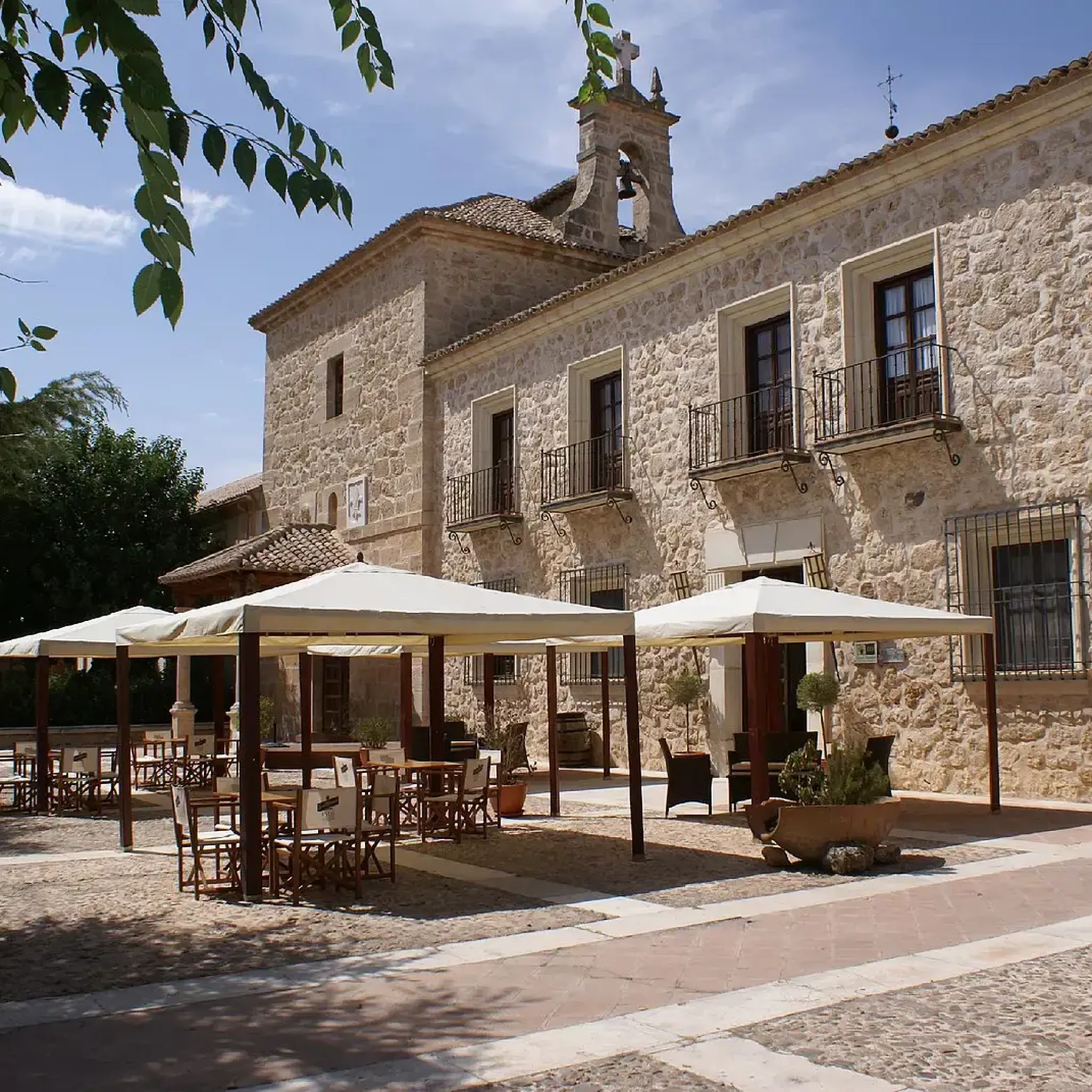
To the south of El Romeral are the so-called Sierras de El Romeral, rocky outcrops covered with holm oaks and kermes oaks. At their feet springs of water emerge from the source of the Butarque River. The areas where the water flowed became permanently flooded land. An example of these springs is La Alberca, a spring that was transformed during the 80s with the dual purpose of supplying irrigation water to crops, and as a bathing area for the people of Romeral.
1
0

We have a wooden hut to observe the birds found in the lagoon. This installation has wooden seats so we can sit and observe them.
9
0
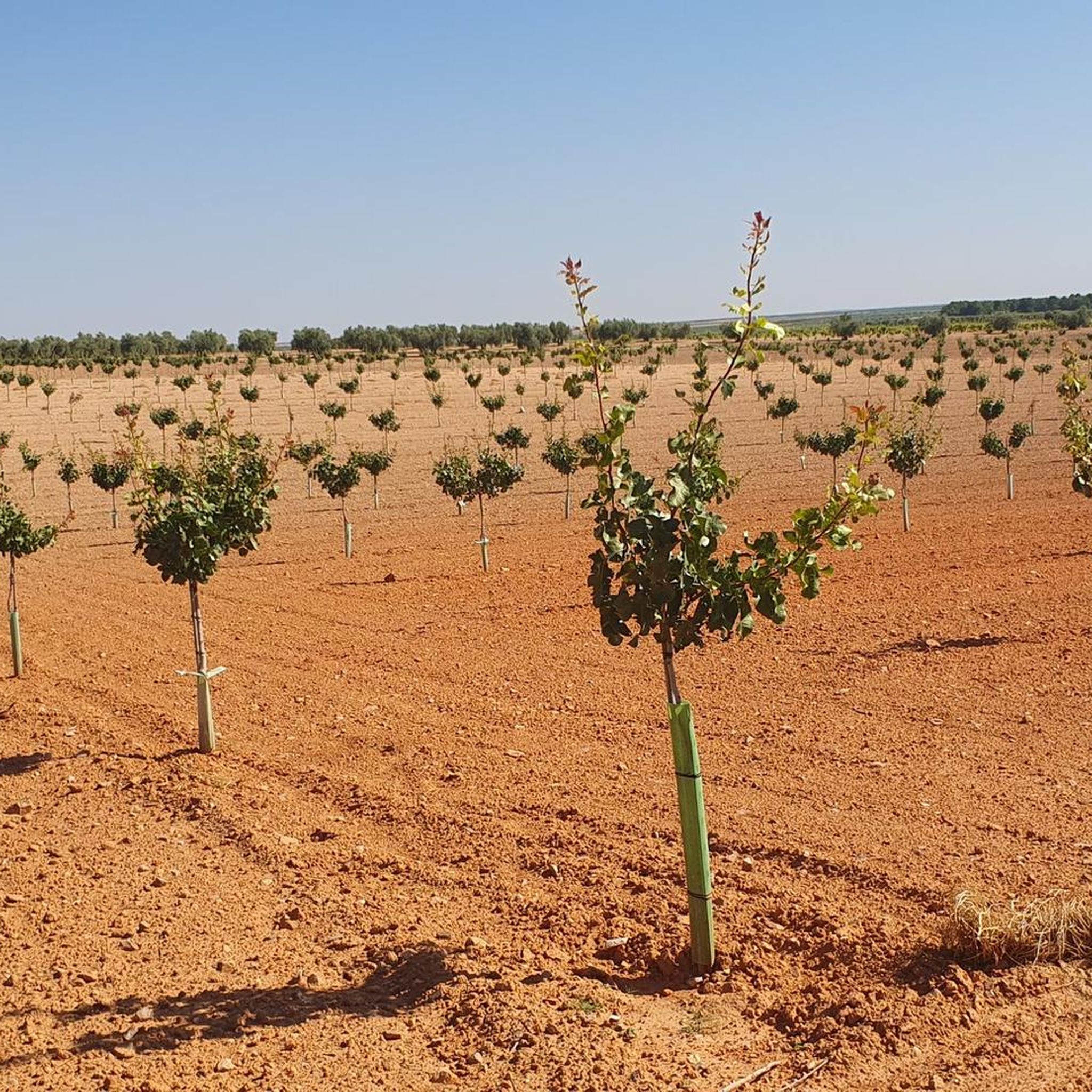
Areas that have historically accumulated water as a source of life for numerous animal and plant species, but that in the last decade have experienced a drop in the water table due to the lack of precipitation.
0
0

Villacañas has a Lagoon Complex with several wetlands: Laguna Larga, Laguna de Peña Hueca Natural Reserve, Laguna de Tirez Natural Reserve, Laguna La Redondilla and Laguna La Gramosa. The set add an area close to 380 hectares of surface. When there is enough water it is a good place to observe hundreds of flamingos and other aquatic birds.
1
1

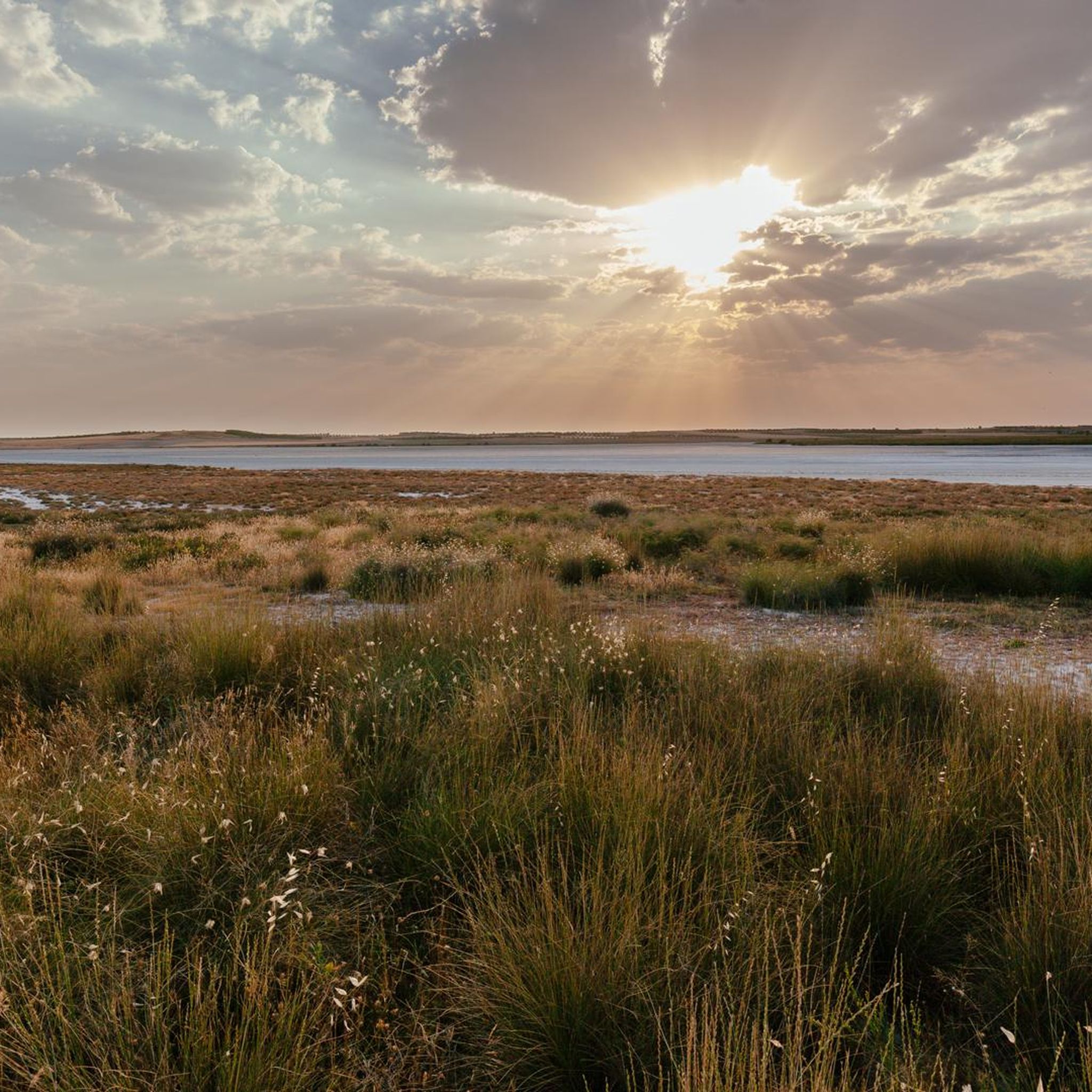
The Longar lagoon is part of the largest and most extensive saline lagoon complex in Spain with more than 400 hectares distributed in 2 lagoons. It is a favorite place for bird watching and it is worth doing it to see the sunset that is usually worthy of a postcard.
3
0
The Larga lagoon is one of the many that make up the well-known "La Mancha wetlands", all of them protected for their great scenic and ecological value. Here you can find a booth for bird watching, particularly flamingos that can be seen all year round.
4
0
Frequently Asked Questions
What kind of lakes can I expect to find around Lillo?
The lakes around Lillo are primarily saline lagoons within the La Mancha wetlands. This region is known for its significant ecological value, featuring endorheic (landlocked) saline lagoons that are crucial habitats for diverse flora and fauna. These protected natural monuments contribute to the region's unique biodiversity.
Which lakes are best for bird watching in the Lillo area?
The La Mancha wetlands around Lillo are excellent for bird watching. Laguna Larga of Villacañas is a key wetland where you can spot flamingos, avocets, black-winged stilts, migrating harriers, great bustards, and cranes. The Flamingo Observatory, located at Laguna Larga, provides a dedicated wooden hut with seats for observing birds, especially flamingos, which are present year-round. Laguna del Longar is also a favored location for bird watching.
Are there family-friendly lakes or activities around Lillo?
Yes, several lakes and facilities are family-friendly. Laguna Larga of Villacañas, the Flamingo Observatory, Laguna del Longar, and La Alberca Spring are all categorized as family-friendly. The Flamingo Observatory, in particular, offers a comfortable viewing experience for all ages with its wooden hut and seating, and is also wheelchair accessible.
Can I go hiking near the lakes in Lillo?
Absolutely! The Lillo area offers several hiking opportunities around its wetlands. You can find routes like the 'Laguna Larga de Villacañas – circular by the Natural Path of the La Mancha Wetlands' and the 'Laguna del Longar Loop'. For more detailed routes and options, explore the Hiking around Lillo guide.
What other outdoor activities are available around the Lillo lakes?
Beyond hiking, the Lillo region provides excellent opportunities for cycling and running. There are various cycling routes, including those that explore the Villacañas Lagoons, and numerous running trails, such as loops around Laguna Larga and Laguna del Longar. You can find more information on these activities in the Cycling around Lillo and Running Trails around Lillo guides.
Where can I observe flamingos in the Lillo region?
The best place to observe flamingos is at the Flamingo Observatory, located at Laguna Larga of Villacañas. This facility provides a comfortable wooden hut with seating, allowing visitors to watch flamingos and other aquatic birds throughout the year.
Are there any natural springs or unique water sources in the area?
Yes, the Lillo area is known for its natural springs. To the south of El Romeral, you can find La Alberca Spring, where water emerges from the source of the Butarque River. This spring was historically transformed for irrigation and as a bathing area for locals.
What is special about Laguna del Longar?
Laguna del Longar is part of Spain's largest and most extensive saline lagoon complex, spanning over 400 hectares. It is a popular spot for bird watching and is particularly renowned for its stunning sunsets, making it a favorite for photographers.
What are the Taray Wetlands?
The Taray Wetlands are areas that have historically accumulated water, supporting numerous animal and plant species. While they have experienced a drop in the water table in recent decades due to lack of precipitation, they remain a significant natural feature and viewpoint in the region.
What makes Laguna Larga of Villacañas an important natural site?
Laguna Larga of Villacañas is one of the most important wetlands in the Toledo region of La Mancha. It is an endorheic saline lagoon covering approximately 178 hectares and is part of the Natura 2000 Network, declared a Nature Reserve. It supports a wide variety of aquatic and steppe birds and features unique halophilous vegetation adapted to saline soils.
What do visitors enjoy most about the lakes around Lillo?
Visitors particularly appreciate the rich biodiversity and the opportunities for bird watching, especially the flamingos. The tranquil natural settings, scenic viewpoints like the Flamingo Observatory and Laguna del Longar, and the unique landscape of the La Mancha wetlands are highly valued. The area is also enjoyed for its family-friendly atmosphere and the chance to experience beautiful sunsets.
Most popular attractions around Lillo

Get inspired with the komoot mobile app


Explore more
Still not found your perfect lake around Lillo? Check out the guides of these regions to see even more beautiful places.
