Top 10 Castles around Tales
Castles around Tales offer a glimpse into the region's rich history, often featuring structures of Arab origin. Many are situated in mountainous terrain, providing panoramic views. These historical sites are frequently found amidst natural landscapes, inviting exploration.
Best castles around Tales
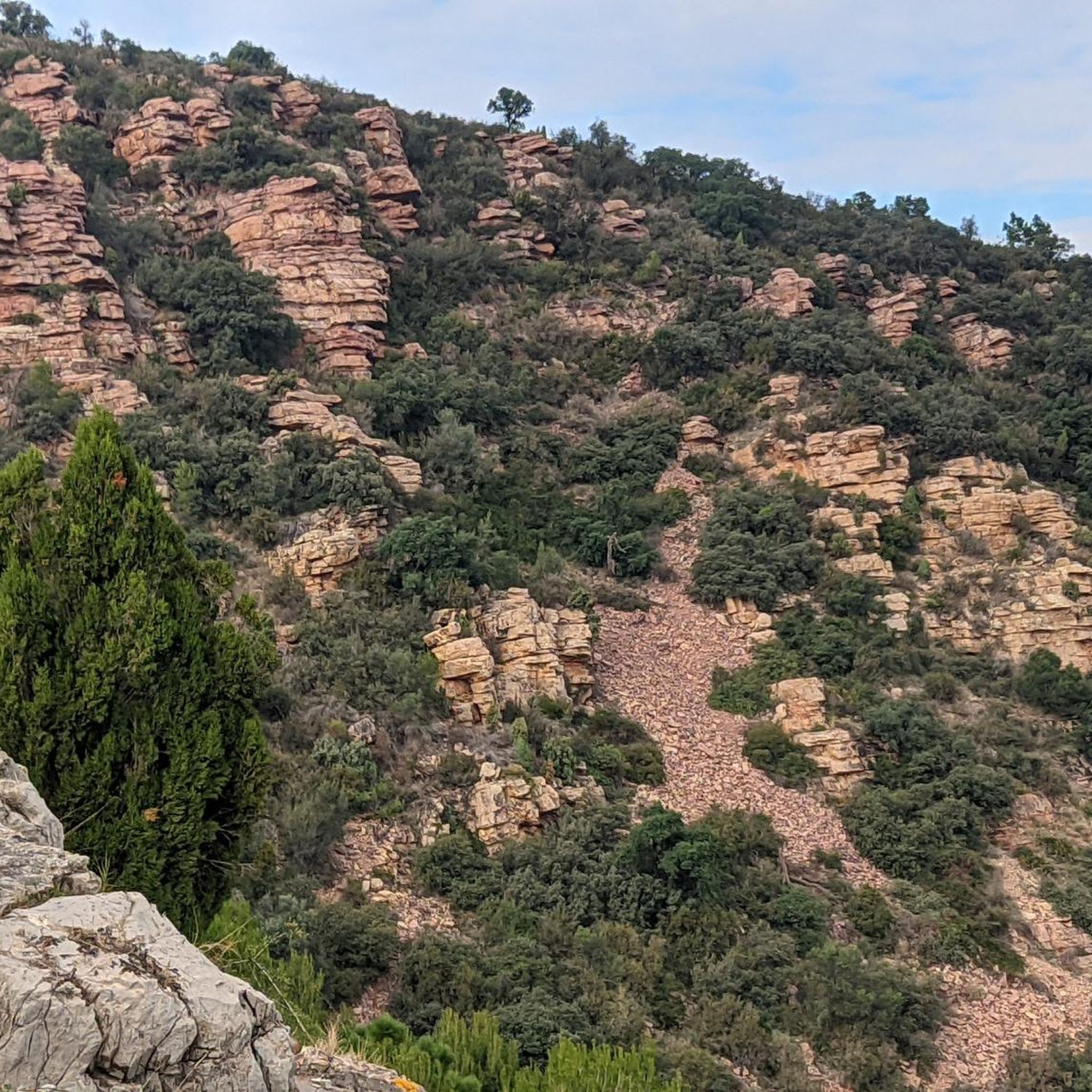
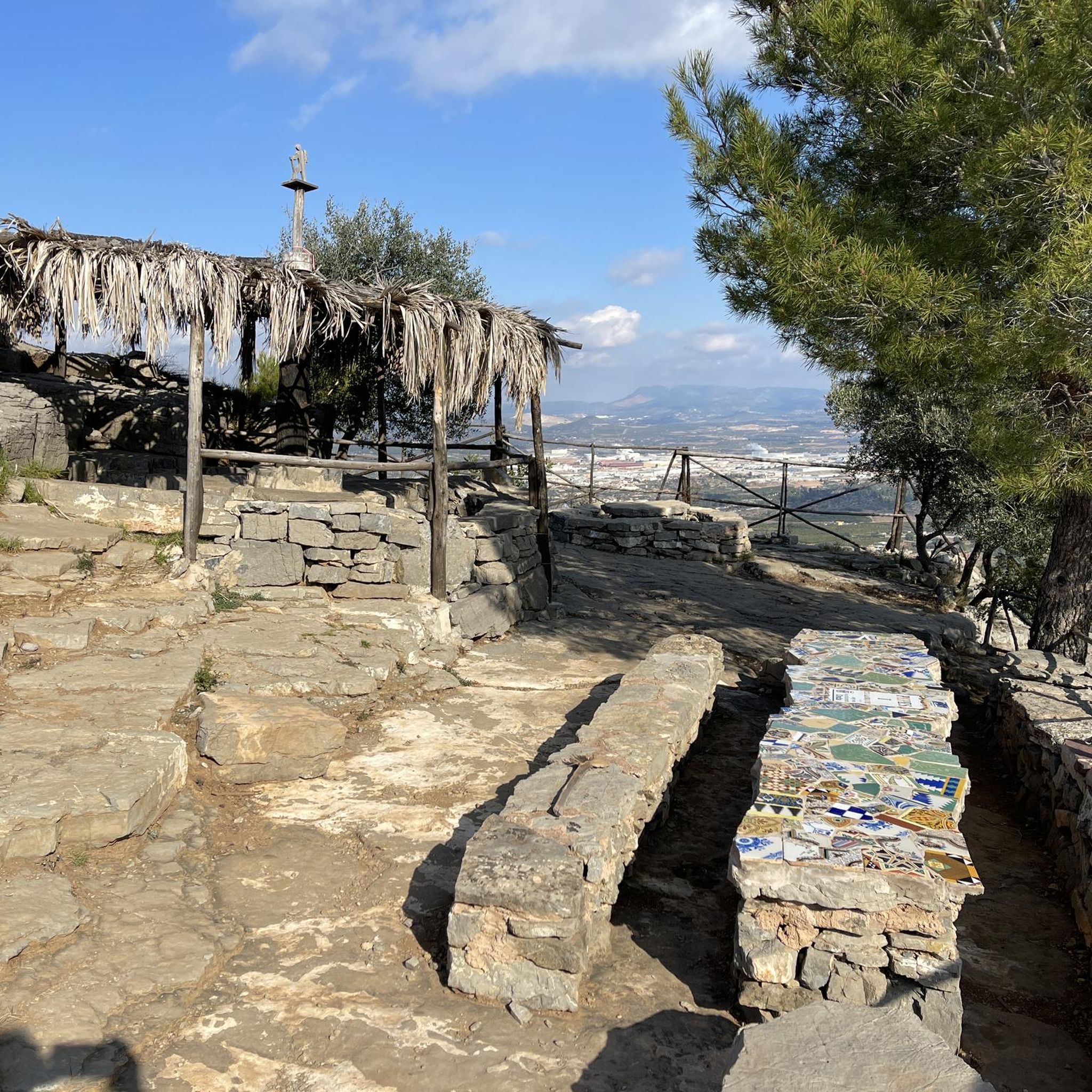
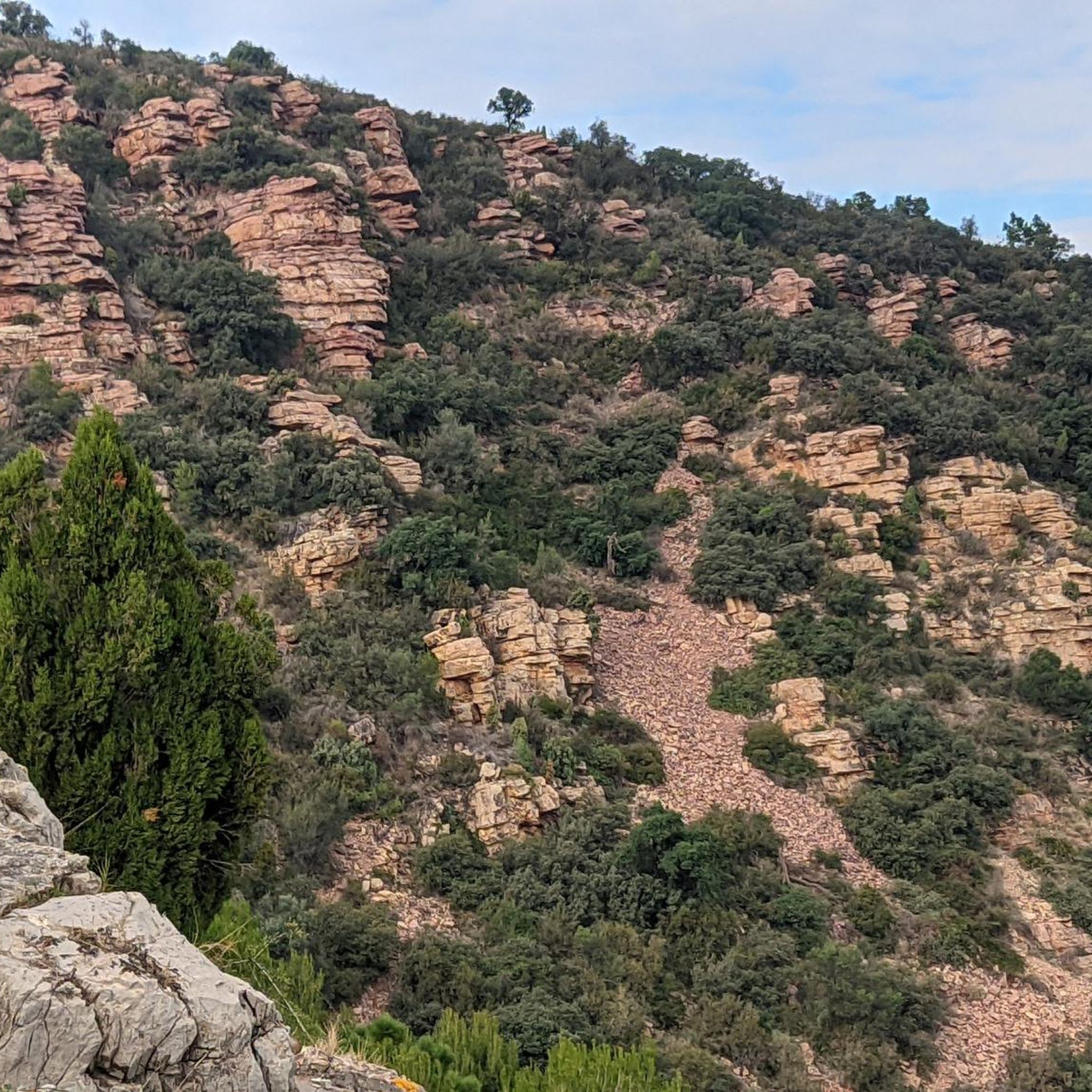
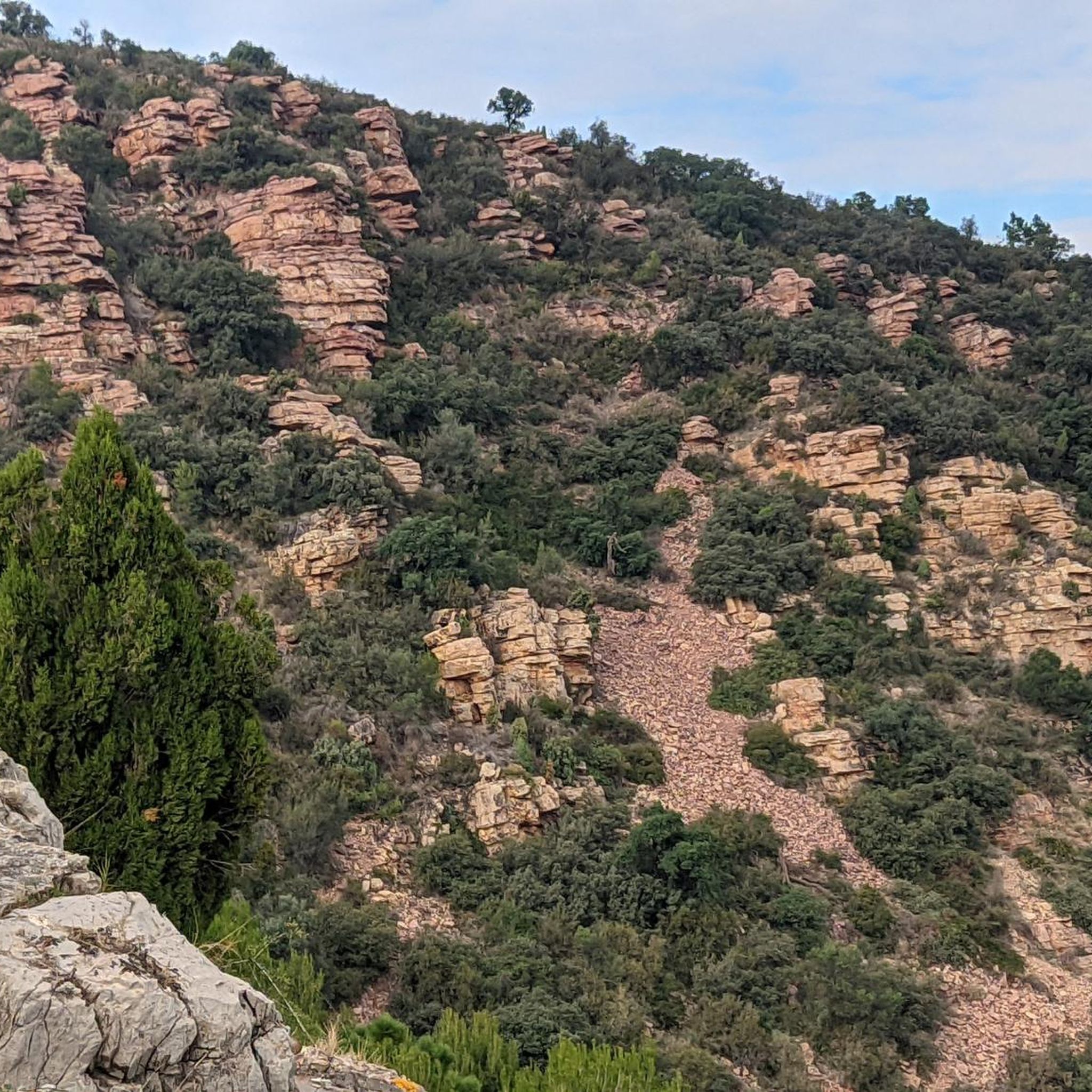
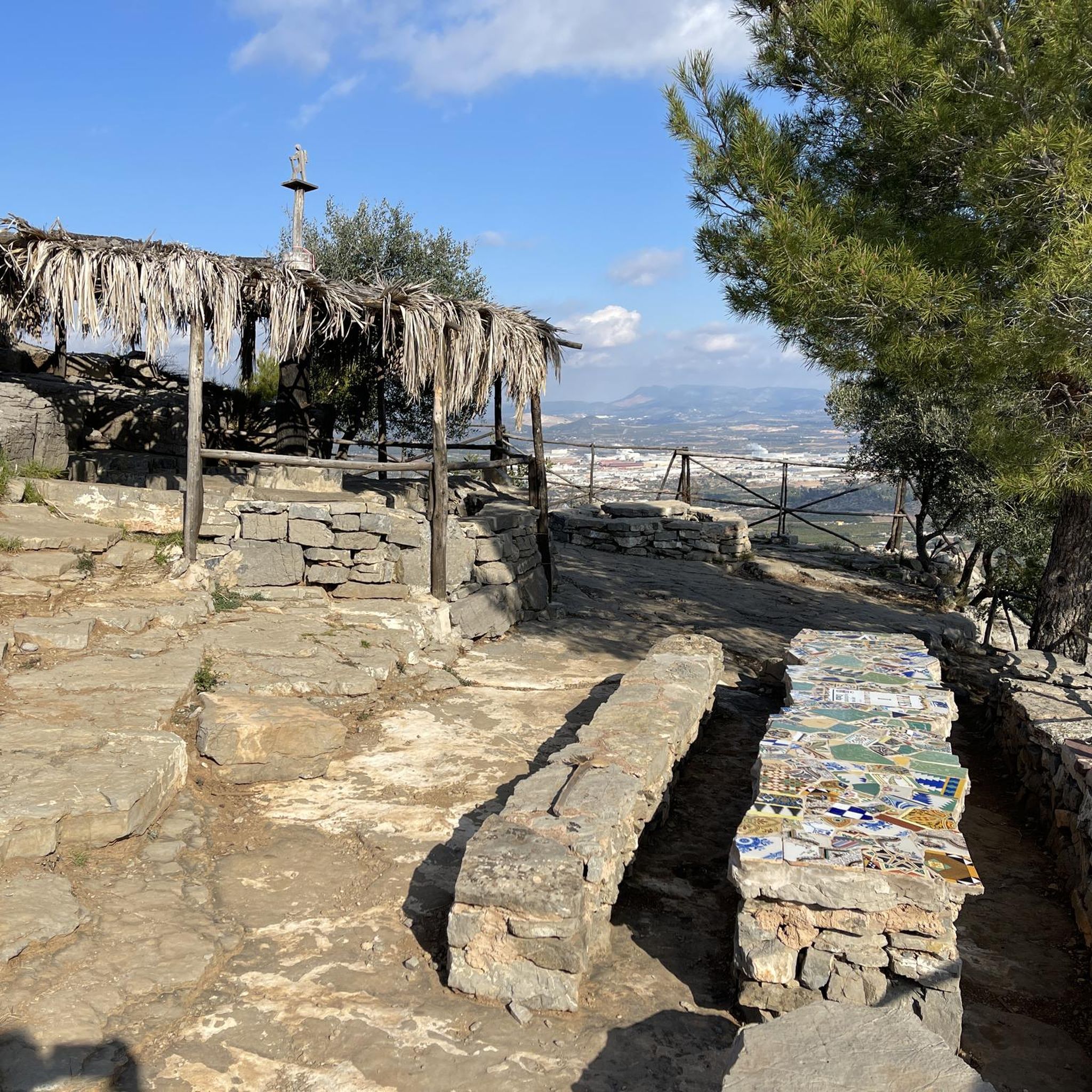
- The most popular castles is Castro Castle, a castle that offers incredible panoramic views of the mountains. This Arab fortress, situated at about 780 m, served as a fundamental bastion of Moorish resistance and a watchtower.
- Another must-see…
Last updated: October 7, 2026
Castro Castle
Highlight • Castle
Translated by Google •
Tip by

Onda Castle
Highlight • Castle
Translated by Google •
Tip by

Sign up now to discover places like this
Get recommendations on the best single tracks, peaks, & plenty of other exciting outdoor places.
Jinquer
Highlight • Historical Site
**Ruins of the old …
Translated by Google •
Tip by
Castle of La Vall d'Uixó
Highlight • Castle
Translated by Google •
Tip by
Benalí Castle
Highlight • Castle
Translated by Google •
Tip by

Sign up for free to discover even more castles around Tales.
Already have an account?
Start today with a free account
Your next adventure awaits.

Tips from the Community

Castle complex/ruins with fantastic views. Unfortunately, dogs are not allowed in, so one always had to stay outside
2
0

After the Reconquista, many castles in the region were modified or rebuilt to adapt to Christian styles and needs.
7
0

The Castro Castle, an Arab fortress with an impressive watchtower at a height of about 780 m, was a fundamental bastion of the Moorish resistance at the time of their expulsion. It was taken by the Duke of Segorbe and General Cavanilles after the Castillo de Aín had also fallen. It was also used in the Carlist Wars. The castle covers an area of about 2,000 m2, where two parts can be distinguished: the "Albacar", a fortified refuge for the inhabitants of the towns dependent on the fortress; and on the other side, the castle itself, which presided surrounded by a large keep that was demolished in 1938 during the Civil War. The views are impressively beautiful.
10
0
Uixó Castle was built by the Arabs in the 10th century. Although it is in a ruined state, you can still clearly see the wall structure that defended it and gives it an imposing appearance. The fortress consisted of two well-differentiated enclosures, of which the first, the Albarca, the large space intended for the parade ground, can be distinguished. In the upper part, which would correspond to the citadel, the bases of some towers, remains of cisterns and remains of some buildings are preserved. https://castillosespanyoles.blogspot.com/2011/05/castillo-de-la-vall-duixo-castellon.html
7
0
Ain Castle is of Arabic origin and was built in the 13th century. There they lived in peace and harmony, developed the cultivation of olive trees and plantations, introduced the irrigation system and exploited the natural resources.
6
0

This memorial complex has been created by the Alcudia de Veo City Council with the help of the Generalitat Valenciana (Department of Justice) and with the collaboration of various people and associations. The objective is to raise awareness about the devastating effects of war and the importance of conserving and disseminating heritage as a vehicle for transmitting our Historical Memory.
0
0
To get here the ideal is to do it from Alcudia de Veo. Taking the CV-215 in the direction of Algimia de Almonacid, at km 1 is the entrance to the Jinquer path. Following this path, you will reach the uninhabited area of Jinquer, where a few meters before the general information panel where the route begins is located. Once here, it is advisable to start the itinerary from the Jinquer desert, then take the path that passes next to Puntal del Gordo and end on the heights of Almenarilla, in the hills known as "Las Dos Tetas". The route passes between pines, holm oaks, cork oaks, poplars, chestnut trees and oaks in the heart of the Sierra de Espadán Natural Park, and allows you to enjoy privileged views over the coastal plain. In addition, it has indications along the way and explanatory panels together with some vestiges.
0
0
The Jinquer-La Almenarilla Memorial Complex is located just 3 km west of the town of Alcudia de Veo; It is made up of four places where the Civil War left a mark that is still visible today, more than eight decades later: The Jinquer hamlet, of Arab origin, was evacuated during the Spanish Civil War and definitively abandoned after the war, remaining frozen in time.
0
0
Frequently Asked Questions
What kind of historical significance do the castles around Tales hold?
The castles around Tales are predominantly of Arab origin, many dating back to the 10th century. They served as crucial strongholds, watchtowers, and centers of resistance during various historical periods, including the Moorish era and the Carlist Wars. For example, Castro Castle was a fundamental bastion of Moorish resistance, while Onda Castle was a highly disputed and coveted strategic location.
Are there castles around Tales that offer panoramic views?
Yes, many castles in the Tales region are situated in mountainous terrain and are known for their incredible panoramic views. Castro Castle, located at about 780 m, provides spectacular mountain vistas. Other castles like Onda Castle and Castle of La Vall d'Uixó also offer significant viewpoints.
What are some of the most popular castles to visit in the Tales region?
Among the most popular castles are Castro Castle, known for its panoramic views and historical significance, and Onda Castle, an iconic Muslim-origin fortress with a rich history. Visitors also appreciate the ruins of Castle of La Vall d'Uixó for its imposing wall structure.
Can I find ruins of ancient settlements near the castles?
Yes, the region offers opportunities to explore ancient ruins. For instance, near the castles, you can visit the ruins of the old castle and town of Jinquer. This hamlet, also of Arab origin, was evacuated during the Spanish Civil War and remains frozen in time, offering a unique historical experience.
Are there challenging hikes or trails near the castles around Tales?
The mountainous terrain around Tales offers several challenging routes. For instance, the 'Coll d’Aín – Aín Village loop' from Eslida or Tales, part of the Gravel biking around Tales guide, are rated as difficult. Similarly, the 'El Montí – Mirador de Marimón loop' from Tales, found in the Running Trails around Tales guide, is a difficult running trail.
What outdoor activities can I combine with a castle visit in Tales?
The region around Tales is excellent for various outdoor activities. You can enjoy gravel biking, cycling, or running. For example, you could explore routes like the 'Jinquer – Benitandús Reservoir loop' for gravel biking or the 'Fuente de Castro – Onda Castle loop' for cycling, which takes you past Onda Castle. Check the Gravel biking around Tales, Cycling around Tales, and Running Trails around Tales guides for more options.
What do visitors particularly enjoy about the castles in Tales?
Visitors frequently highlight the incredible panoramic views from the castle ruins, especially from places like Castro Castle. The historical context of these Arab fortresses and the opportunity to explore their well-preserved wall structures, even in a ruined state, are also highly appreciated. The komoot community has shared 28 photos and given 37 upvotes, reflecting the scenic beauty and historical appeal.
Are there any less-known but interesting castles or historical sites to explore?
Beyond the most popular sites, the ruins of Jinquer offer a unique glimpse into an abandoned Arab hamlet and castle ruins, providing a sense of stepping back in time. Benalí Castle, a medieval fortification of Muslim origin, also offers historical insights into the region's past and its connection to nearby towns.
What kind of natural landscapes can I expect to see around the castles?
The castles around Tales are often nestled within beautiful natural landscapes. For example, the route to Jinquer passes through the heart of the Sierra de Espadán Natural Park, featuring pines, holm oaks, cork oaks, poplars, chestnut trees, and oaks. Many castles are in mountainous areas, offering a blend of historical exploration and natural beauty.
What should I wear for castle walks in the Tales region?
Given that many castles are in mountainous terrain and involve walks or hikes, it's advisable to wear comfortable walking shoes or hiking boots. Layers of clothing are also recommended to adapt to changing weather conditions, especially if you plan to explore for extended periods or tackle more challenging routes.
Are there any castles that were particularly important strategically?
Absolutely. Many castles in Tales were built for strategic purposes due to their elevated positions. Castro Castle served as a crucial watchtower and bastion. Onda Castle, with its numerous towers and strategic location, was historically a highly disputed and coveted site, becoming the medina of Sarq al-Andalus in the 12th century.
Most popular attractions around Tales

Get inspired with the komoot mobile app


Explore more
Looking for the best castles somewhere else? Discover other guides around Tales:
