Top 7 Gorges around Balsa De Ves
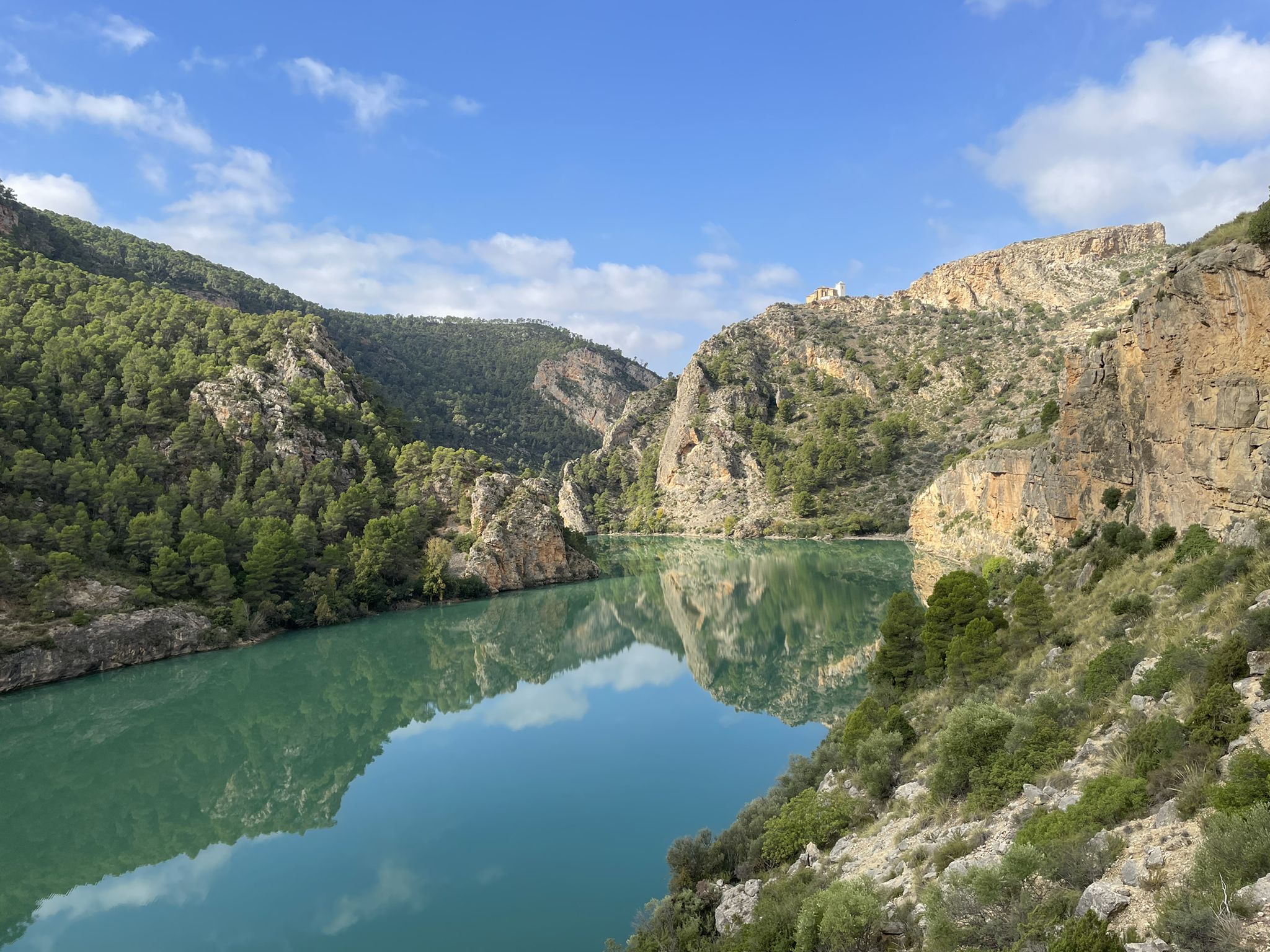
Best canyons around Balsa De Ves are defined by the dramatic landscapes carved by the Júcar and Cabriel rivers. These areas feature impressive gorges with towering cliffs and deep ravines. The region offers striking natural scenery and distinct geological formations. It is a destination for exploring river canyons and their unique topography.
Best canyons around Balsa De Ves
- The most popular canyons is Peña del Buitre, a canyon that features almost vertical walls reaching about 200 meters in height.…
Last updated: October 6, 2026
Peña del Buitre
Highlight • Canyon
Translated by Google •
Tip by

Remains of the hydroelectric power plant
Highlight • Structure
Translated by Google •
Tip by
Sign up now to discover places like this
Get recommendations on the best single tracks, peaks, & plenty of other exciting outdoor places.
Spectacular views of the Hoz del Júcar
Highlight • Viewpoint
In addition, here …
Translated by Google •
Tip by
Impressive valley
Highlight (Segment) • Gorge
Translated by Google •
Tip by

Tunnel exit
Highlight • Structure
Translated by Google •
Tip by
Sign up for free to discover even more gorges around Balsa De Ves.
Already have an account?
Start today with a free account
Your next adventure awaits.

Other adventures around Balsa De Ves

Tips from the Community

The trail through the Júcar Canyon is where you will find remains of the works carried out in the 50s to build a hydroelectric system. There are tunnels and canals along the trail.
0
0
The trail continues from here, but if you are mountain biking this might be a good place to return. The view of this gigantic wall is one of the main sites of the Júcar Canyon. It is almost 200 meters high and deserves a photo or two.
0
0

This is the exit or entrance of the tunnel that is about three kilometers long. The doors at both ends are open and you have several vents along the route where you can carefully peek out and see the river gorge. It is essential to use a flashlight or headlamp, since there are no lights inside. Note that you may find some bats hovering around. They are not dangerous, but they can surprise you.
1
1
This gigantic wall is one of the icons of the Júcar canyon. Here you can perceive the immensity of the deep cleft of almost vertical walls reaching about 200 meters in height.
1
0
Along the Júcar canyon you can find the remains of the impressive hydroelectric work from the 50s. This water channeling work connects the Molinar dam and the Basta waterfall, where the water is released to produce energy.
1
0

The first climb from Casas del Rio to Balsa de Ves is very hard. The road is in poor condition and has a lot of slope!
0
0

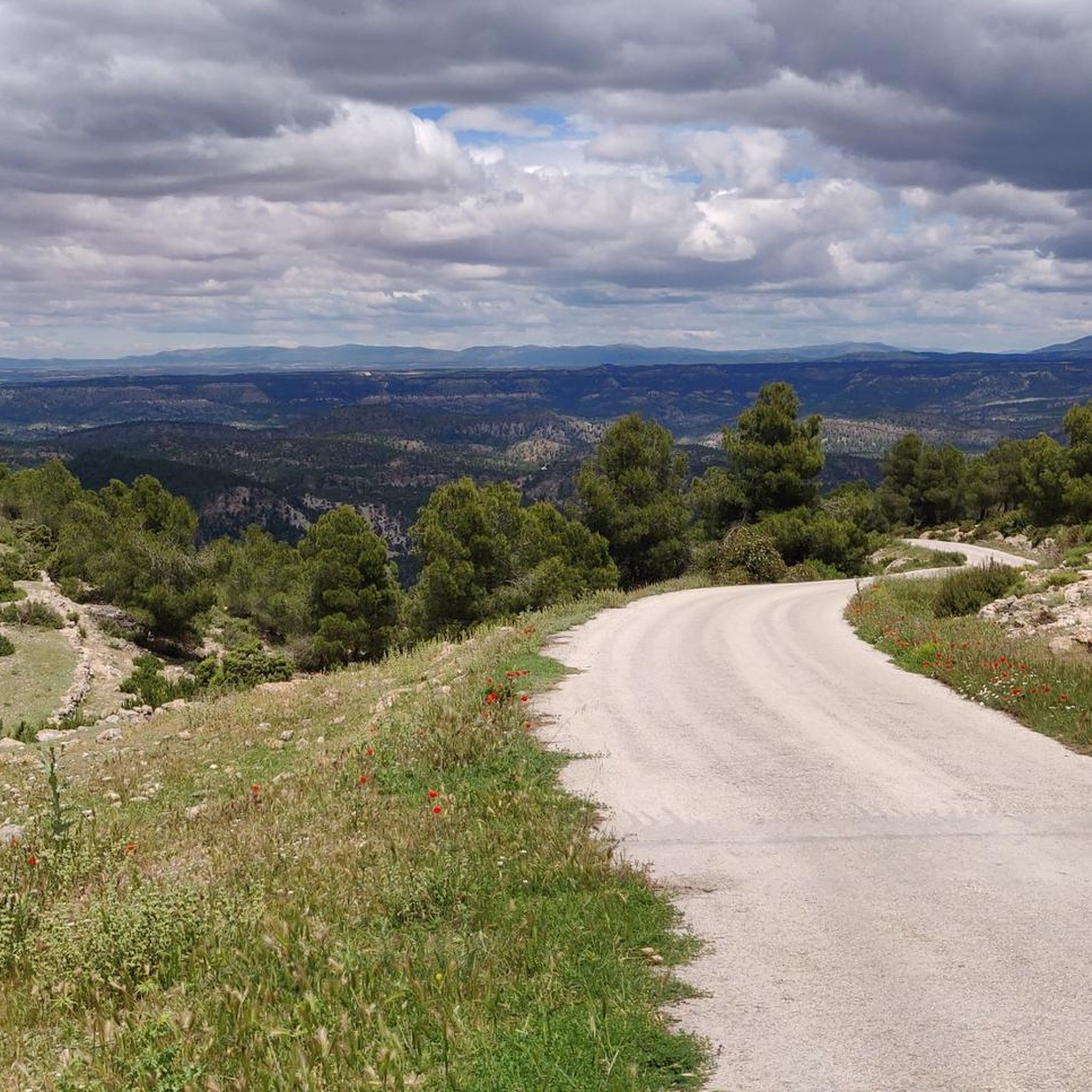
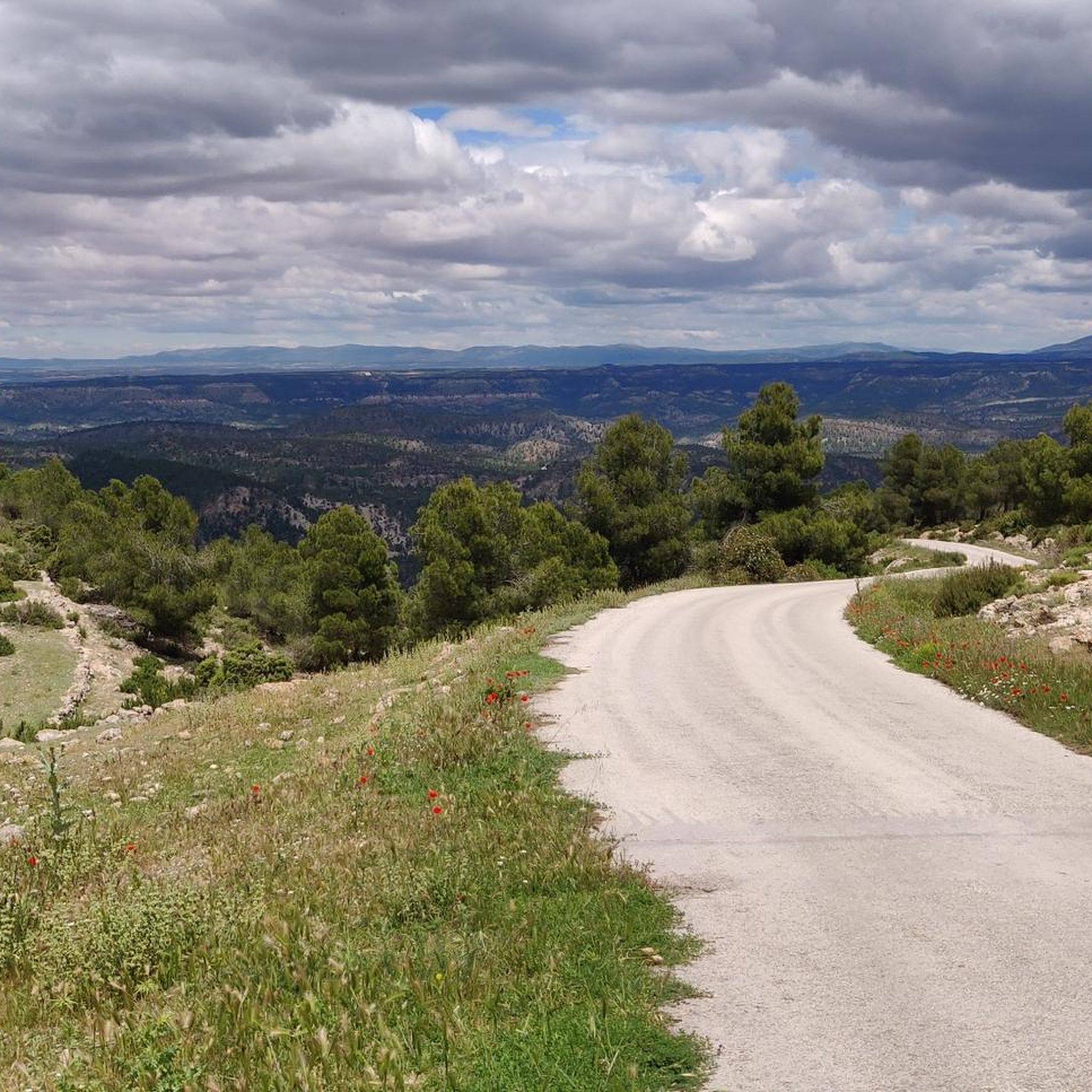
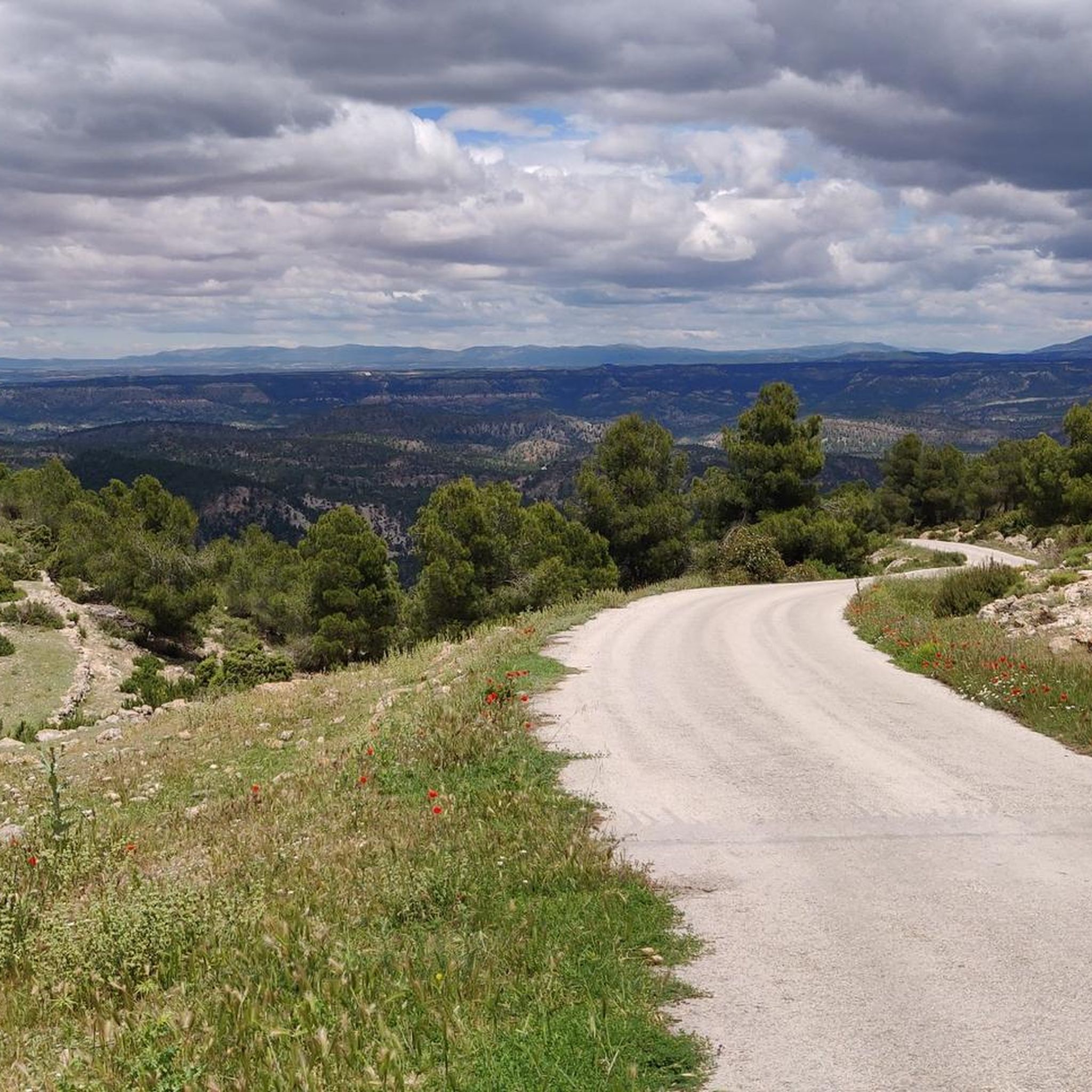
From Balsa de Ves it's an absolutely beautiful route down to the Rio Cabriel and then up again towards La Portera. An absolutely breathtaking route - you discover something new at every bend. At the Rio Cabriel there is a bathing area and a campsite as well as an old hydraulic water wheel.
1
0
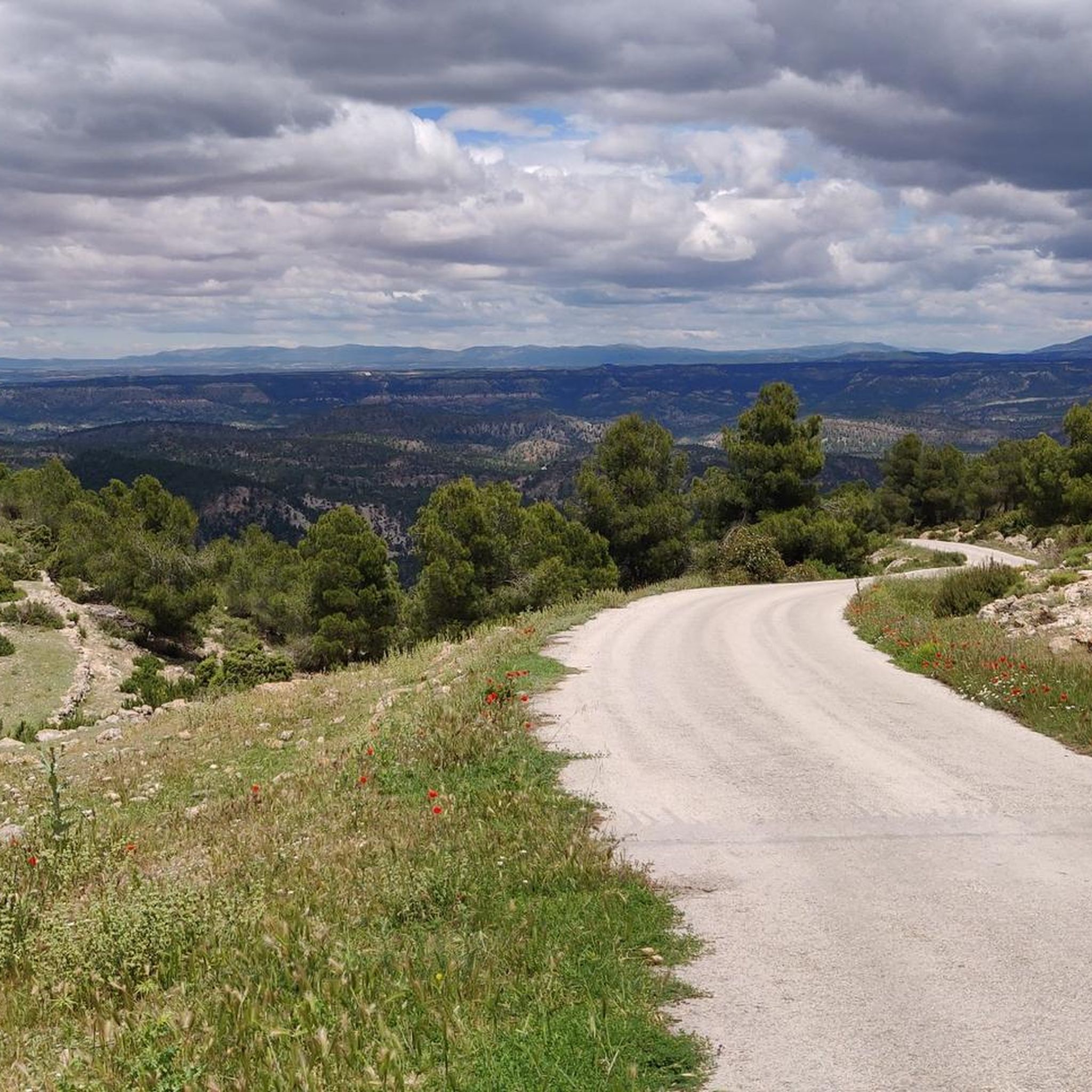
This is one of the highest points on the path from where you can enjoy spectacular views of the Júcar River without being hampered by pine trees. In addition, here you will also find a source of drinking water and a pool to cool off.
0
0
Frequently Asked Questions
What are the most striking natural features of the canyons around Balsa de Ves?
The canyons around Balsa de Ves are primarily defined by the dramatic landscapes carved by the Júcar and Cabriel rivers. You'll find impressive gorges with towering cliffs, deep ravines, and unique geological formations. A notable feature is Peña del Buitre, an iconic gigantic wall within the Júcar canyon with almost vertical walls reaching about 200 meters in height.
Where can I find the best viewpoints of the canyons?
For spectacular panoramic views, visit Spectacular views of the Hoz del Júcar. This spot offers expansive vistas of the Júcar River without obstruction. Additionally, within the Hoces del Cabriel Natural Park, viewpoints like Peñas Blancas provide breathtaking views of the Cabriel Valley.
Are there any historical sites or unique man-made structures to see in the canyons?
Yes, along the Júcar canyon, you can explore the Remains of the hydroelectric power plant. This historical site features remnants of an impressive hydroelectric project from the 1950s, including tunnels and canals that are part of the trail through the canyon. You can also find a tunnel that is about three kilometers long, offering a unique passage through the rock.
What outdoor activities can I do near the canyons of Balsa de Ves?
The region offers a wide array of outdoor activities. You can enjoy hiking, mountain biking, and road cycling. For water activities, the Júcar and Cabriel rivers are excellent for canoeing, rafting, kayaking, and stand-up paddleboarding, especially during warmer months. You can find various routes and guides for these activities, such as those listed in the Hiking around Balsa De Ves guide.
Can I go canyoning in the Balsa de Ves area?
Yes, the Hoces del Cabriel Natural Park, in particular, is an ideal location for canyoning. The clear, often turquoise waters of the Cabriel River, combined with its gorges and geological formations, make it a popular spot for this activity.
When is the best time to visit the canyons around Balsa de Ves?
The warmer months are generally best for visiting, especially if you plan to engage in water activities like canoeing, rafting, or swimming. Spring and autumn offer pleasant temperatures for hiking and exploring the trails, avoiding the peak summer heat.
Are there family-friendly hiking options in the canyons?
The area offers accessible trails, such as those found in Las Hoces y Túneles del Júcar, which combine hiking with unique passages through rock tunnels. These trails often provide incredible and picturesque views suitable for families. Always check specific route details for difficulty and suitability for children.
Do I need permits for hiking or canyoning in the area?
While general hiking on established trails typically does not require permits, certain activities like canyoning, especially within protected areas like the Hoces del Cabriel Natural Park, might require specific permits or guided tours. It's advisable to check with local authorities or tour operators beforehand. For general information about the region, you can consult resources like visitvalencia.com.
What makes the Hoces del Cabriel Natural Park special?
The Hoces del Cabriel Natural Park is a designated UNESCO Biosphere Reserve, celebrated for its remarkable gorges, vertical stone ridges, and distinct geological formations. The Cabriel River's waters are notably clear and often exhibit a turquoise blue hue. The park boasts rich biodiversity, including eagles, vultures, otters, wild boar, and mountain goats, making it a significant natural and environmental treasure.
Are there opportunities for wild swimming in the canyons?
Yes, the clear, refreshing waters of the Cabriel River within the Hoces del Cabriel Natural Park offer opportunities for swimming. Additionally, near the Impressive valley highlight, there is a bathing area at the Rio Cabriel.
What should I bring if I plan to explore the tunnels in the Júcar Canyon?
If you plan to explore the tunnels, such as the three-kilometer-long tunnel near the Tunnel exit, it is essential to use a flashlight or headlamp, as there are no lights inside. Be aware that you might encounter bats, which are harmless but can be surprising.
What kind of geology can be observed in the canyons?
The geology of the canyons is characterized by impressive gorges with towering cliffs and deep ravines, primarily carved by the Júcar and Cabriel rivers. The Cabriel River's waters often exhibit a turquoise blue hue due to karst formations, and the park features distinct geological formations like 'Los Cuchillos' (The Knives), which are vertical stone ridges.
Most popular routes around Balsa De Ves
Most popular attractions around Balsa De Ves

Get inspired with the komoot mobile app


Explore more
Already discovered everything in this region? See additional gorges around Balsa De Ves for your next adventure:
