Top 5 Lakes around Sástago
Best lakes around Sástago are primarily characterized by a unique complex of saline lagoons, known as the Humedal de las Saladas, rather than traditional freshwater lakes. This area, situated in the province of Zaragoza, Spain, is also significantly influenced by the Ebro River. The landscape features extensive endorheic systems within the Monegros desert, offering distinct natural features and ecological value. Sástago's natural environment provides opportunities for exploring unique habitats and scenic views.
Best lakes around Sástago
- The most popular lakes…
Last updated: July 3, 2026
Ruppia maritima and other species of the Saladas de Chiprana
Highlight • Lake
Translated by Google •
Tip by

Salty Lagoon of Chiprana
Highlight • Lake
Translated by Google •
Tip by
Sign up now to discover places like this
Get recommendations on the best single tracks, peaks, & plenty of other exciting outdoor places.
Sign up for free
View of the Saladas de Sástago
Highlight • Viewpoint
Translated by Google •
Tip by

View of the Pond
Highlight • Lake
Translated by Google •
Tip by

Start today with a free account
Your next adventure awaits.
Login or Signup
Other adventures around Sástago

Tips from the Community

One of the most important salt lagoons in Europe as they reach a depth of more than five meters. But this is the largest (Salada Grande), where there are five others including the Salada de Roces, the Prado del Farol and other smaller ones.
0
0
Les Saladas de Chiprana is a set of six lagoons, including the Salada Grande, one of the deepest in all of Europe. Species such as Artemia salina, a rare invertebrate, or Ruppia maritima, the only saltwater plant that is not found in the sea and can only be found in this place, appear.
0
0

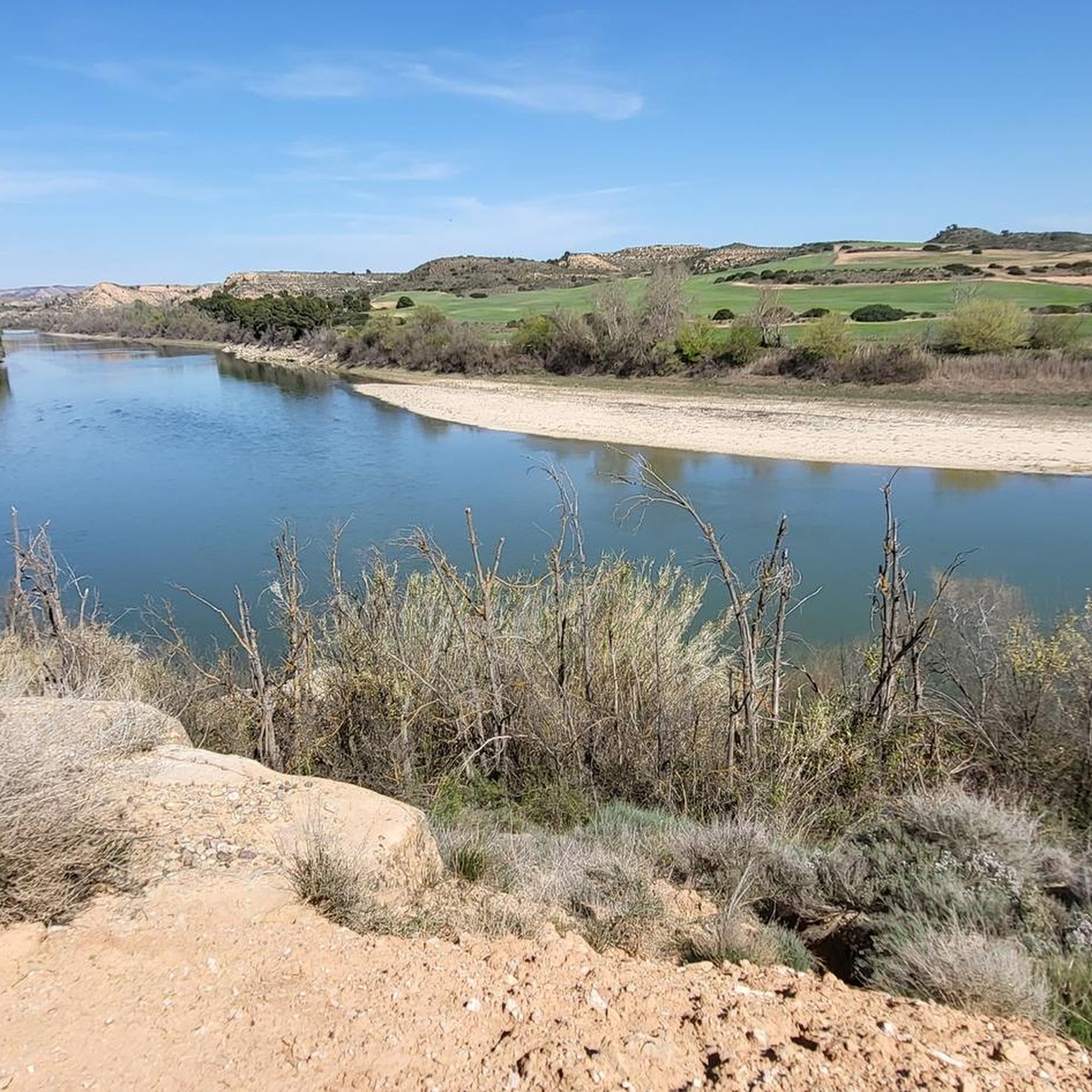
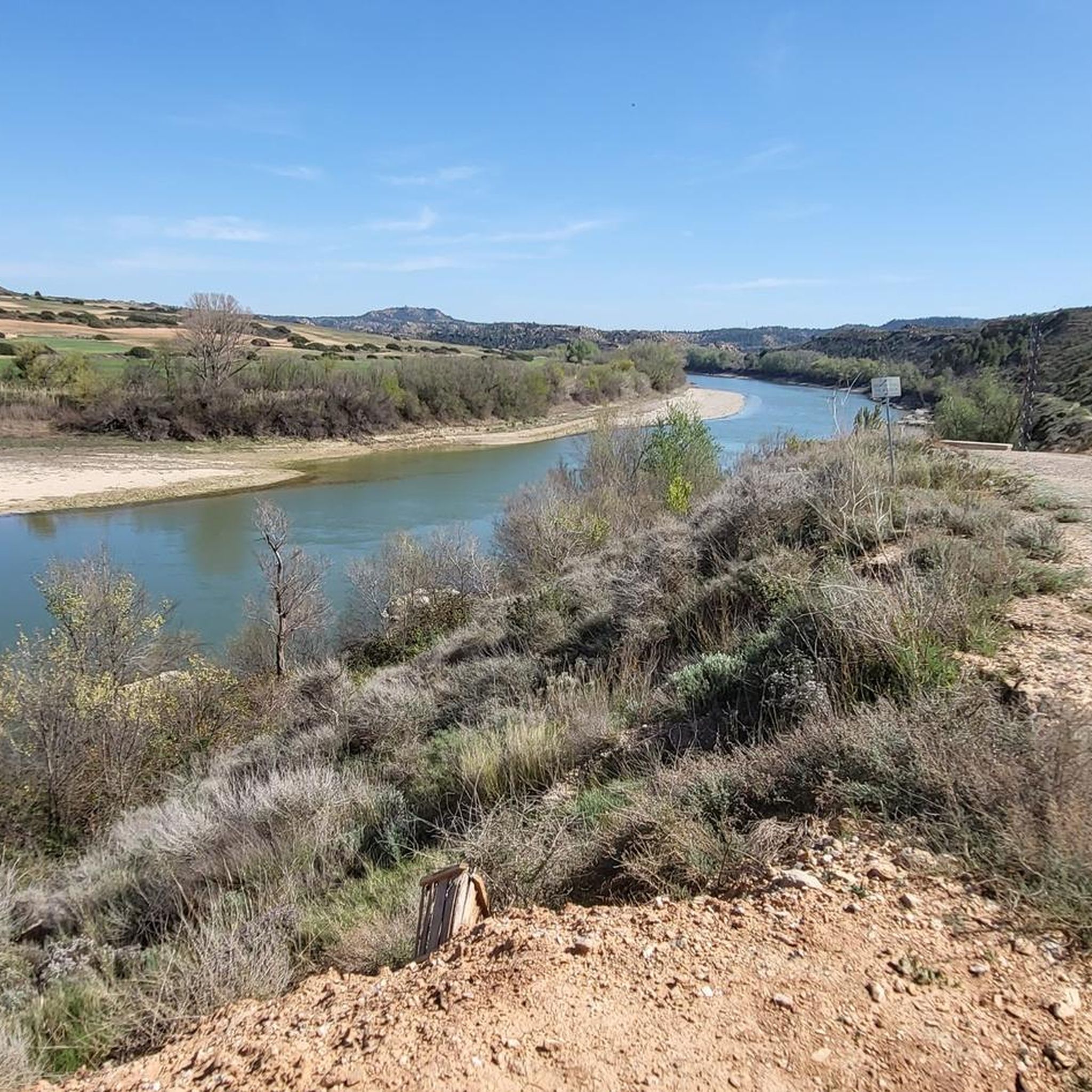
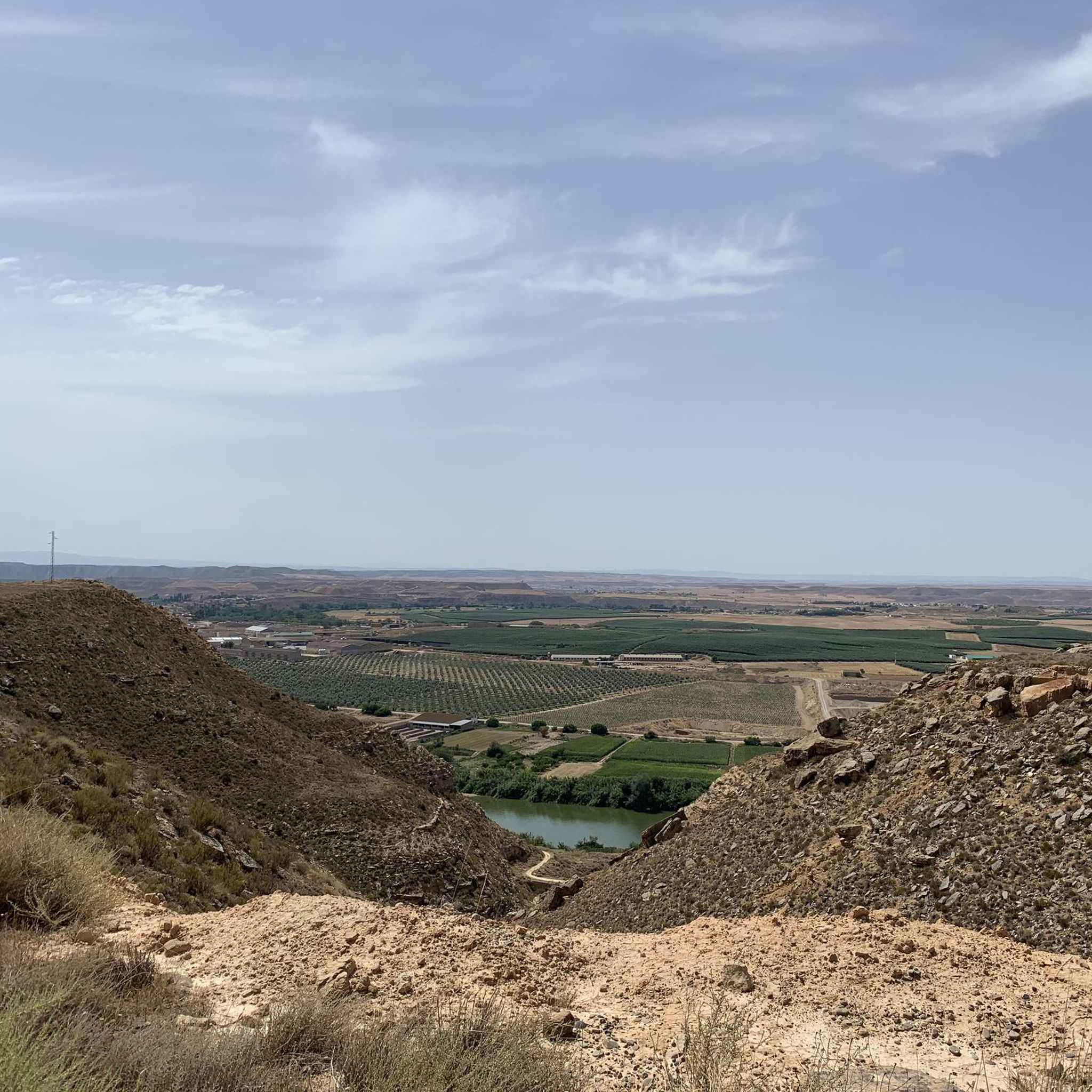
At this point, we can approach the Lagoon along the path and we will have beautiful views of the Laguna de la Playa (the largest and most representative of the salt lakes that make up the complex) that we find in the Saladas de Sástago, a unique saline landscape in Europe that fills up completely only in times of abundant rain.
1
0

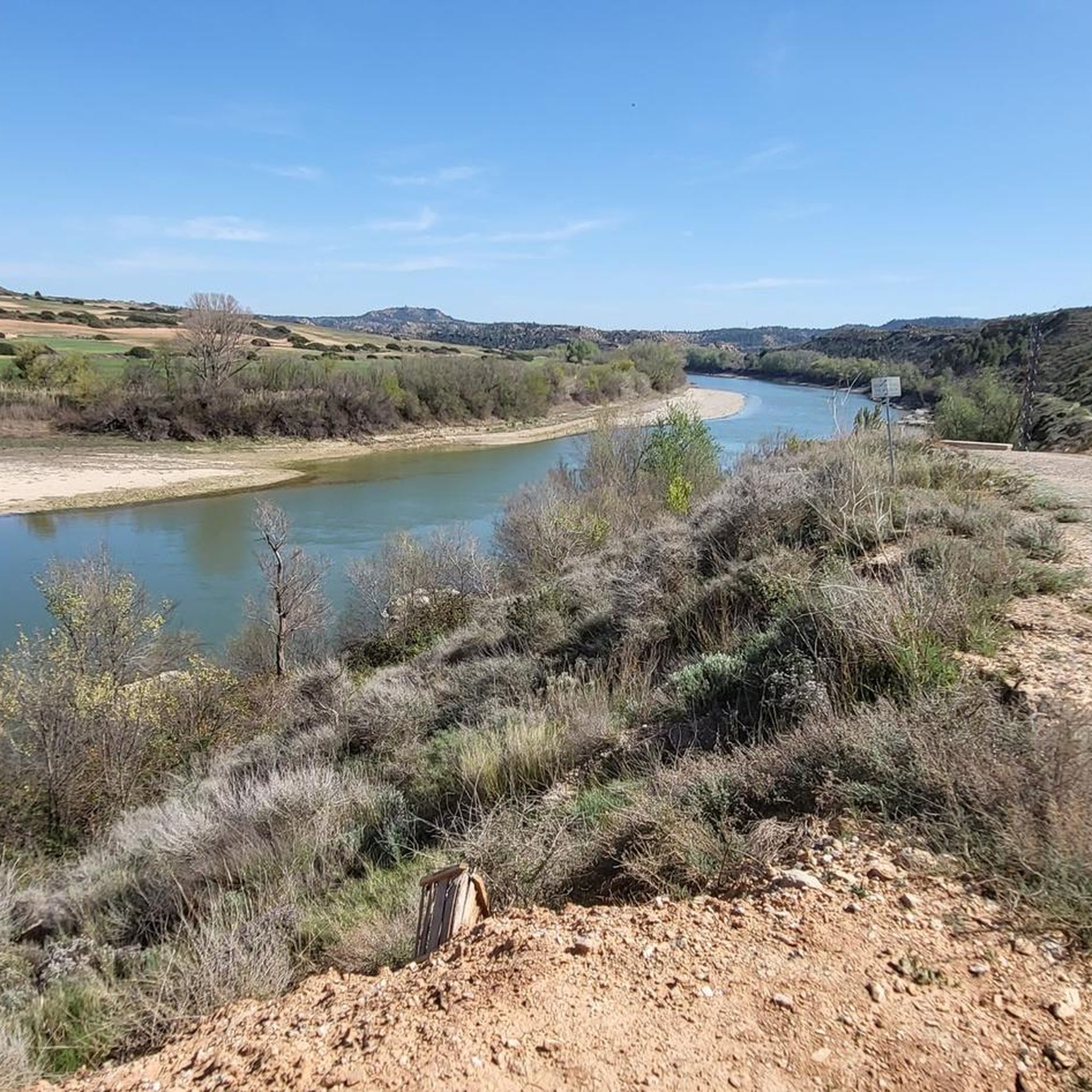
While walking I unexpectedly came across this beautiful lake, a breeding ground for birds in the spring.
3
0
Frequently Asked Questions
What kind of lakes can I expect to find around Sástago?
Sástago is primarily known for its unique complex of saline lagoons, collectively called the Humedal de las Saladas, rather than traditional freshwater lakes. These are extensive endorheic systems within the Monegros desert, offering a distinct natural environment. The Ebro River also plays a significant role in the local landscape.
Are there any family-friendly spots among the lakes near Sástago?
Yes, several areas are suitable for families. The View of the Saladas de Sástago offers beautiful views of the Laguna de la Playa and is considered family-friendly. Additionally, the View of the Pond is another family-friendly lake and viewpoint, known as a breeding ground for birds in spring.
What unique natural features can I observe in the saline lagoons?
The saline lagoons, such as those in the Saladas de Chiprana, are home to unique ecosystems. You can find species like Artemia salina, a rare invertebrate, and Ruppia maritima, a saltwater plant not found in the sea, which highlights the distinct environment of these lagoons. The Ruppia maritima and other species of the Saladas de Chiprana highlight specifically showcases this unique flora.
What outdoor activities can I do near the lakes and the Ebro River?
The area around Sástago offers various outdoor activities. You can explore hiking trails, such as the 'Route of the La Playa, del Pueyo, and del Pito Salt Lakes', or enjoy cycling routes like the 'Sástago and Bujaraloz Salt Flats Loop'. The Ebro River is also popular for fishing. For more detailed routes, you can check the hiking guide for Sástago or the cycling guide for Sástago.
Is birdwatching a popular activity around Sástago's lagoons?
Yes, the Humedal de las Saladas, being a wetland in an arid region, attracts various bird species. The View of the Pond is specifically noted as a breeding ground for birds in the spring, making it an excellent spot for birdwatching enthusiasts.
What is the best time to visit the saline lagoons for optimal water levels and wildlife viewing?
The saline lagoons are temporary and fill up completely only during times of abundant rain. Visiting during spring or after significant rainfall is generally recommended to see the lagoons at their fullest and to observe birdlife, as spring is a breeding season for many species.
Are there any significant viewpoints to appreciate the landscape?
Absolutely. The View of the Saladas de Sástago offers stunning panoramic views of the Laguna de la Playa, the largest and most representative of the salt lakes. The View of the Pond also provides beautiful vistas of the lake and its surroundings.
Can I find information on hiking trails around the saline lagoons?
Yes, there are hiking opportunities around the lagoons. For example, the 'Route of the La Playa, del Pueyo, and del Pito Salt Lakes' is a moderate 11 km trail that allows you to explore the unique landscape. You can find more hiking options in the hiking guide for Sástago.
What makes the Salty Lagoon of Chiprana unique?
The Salty Lagoon of Chiprana is considered one of the most important salt lagoons in Europe due to its depth, reaching over five meters. It is the largest of a complex of six lagoons in the area, including Salada Grande, and is recognized as a natural monument.
Are there any historical or cultural sites near the lakes?
While the lakes themselves are natural features, the nearby Ebro River has significant historical and cultural ties to Sástago. The town's history is closely linked to the river, and you can find historical structures like the Torre del Tambor, offering panoramic views of the Ebro Valley, and even Civil War air-raid shelters along the river's course.
Are the trails around the lagoons suitable for dogs?
Many natural areas in Spain are dog-friendly, but specific policies can vary. It's generally advisable to keep dogs on a leash to protect the delicate ecosystem and wildlife, especially in areas known for bird breeding. Always ensure you clean up after your pet.
Where can I find accommodation or places to eat near the Sástago lakes?
Sástago itself offers various amenities, including accommodation, cafes, pubs, and restaurants. You can find options within the town to support your visit to the nearby lagoons and the Ebro River area.
Most popular attractions around Sástago

Get inspired with the komoot mobile app


Explore more
Still not found your perfect lake around Sástago? Check out the guides of these regions to see even more beautiful places.
